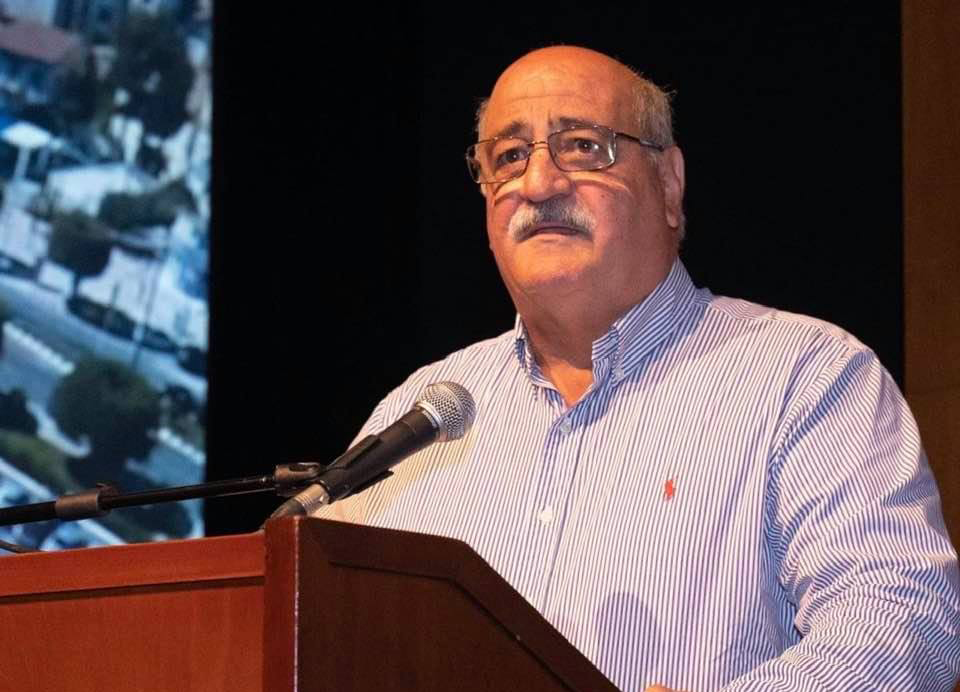
edek leader — Edek leader Nikos Anastasiou has firmly ruled out the possibility of his party withdrawing support for the government, despite significant unrest following President Nikos Christodoulides’ recent cabinet reshuffle. This statement comes mere hours after Edek expressed its dissatisfaction with the changes made on Friday night, indicating a rift that could have implications for the government’s stability.
- This proactive stance is indicative of Edek's desire to maintain its position within the government, despite the frustrations voiced by its members.
Edek leader: Party’s Reaction to Reshuffle
Following the reshuffle, Edek released a statement that articulated strong dissatisfaction with the six ministerial changes. Anastasiou stated, “We expected that the president … would see Edek in a better light,” reflecting the party’s disappointment.
The reshuffle has prompted Edek to call an extraordinary meeting of its political bureau, scheduled for Sunday, to discuss the implications of these changes. Anastasiou clarified that although there was intense discussion surrounding the reshuffle, the issue of leaving the government was “never raised.”
Communication with the President
In light of the turmoil, Anastasiou has reached out to President Christodoulides to formally express his concerns regarding the cabinet reshuffle. He has indicated that he plans to contact the President again on Monday to request a meeting to delve deeper into the matter.
This proactive stance is indicative of Edek’s desire to maintain its position within the government, despite the frustrations voiced by its members.
Historical Context of Edek’s Political Maneuvering
The history of Edek’s involvement in government is marked by periods of support followed by withdrawals. In the past, Edek has both supported and then subsequently exited the governments of Glafcos Clerides and Demetris Christofias. This history raises questions about the durability of its current alliance with Christodoulides, especially in light of the recent reshuffle.
The latest statement from Edek highlights a sentiment of “lack of respect” from the government, asserting that their contributions have not been adequately appreciated. This claim may signal deeper fractures in the coalition, depending on how negotiations progress.
Impacts of the Reshuffle on Ministerial Positions
The reshuffle primarily affected Edek’s representation, which remains limited to one ministerial position: Agriculture Minister Maria Panayiotou. Prior to the reshuffle, there were concerns that Panayiotou might lose her role due to controversial comments made during a wildfire crisis in Limassol that resulted in tragic fatalities. Her remarks about preventing the fire drew criticism, which may have influenced the reshuffle decisions.
Also notable is the demotion of Marios Hartsiotis, the outgoing justice minister, who was reassigned from his position to become the “commissioner of the presidency.” This change has raised eyebrows, given Hartsiotis’s previous comments during the wildfire incident, which some deemed insensitive.
Reactions from Other Political Parties
While Edek has voiced its discontent, other political factions have responded more favourably to the reshuffle. Diko leader Nicholas Papadopoulos expressed his readiness to collaborate with the newly appointed ministers, stating, “We are here to support the implementation of the government’s programme.”
In contrast, Dipa celebrated the reshuffle, as it welcomed new cabinet members, including Marinos Mousiouttas, who will take on the role of labour minister. Dipa’s statement reflected optimism about the potential for increased stability and efficiency within the government.
However, the opposition party Akel has been critical of the reshuffle, suggesting it does not enhance governmental efficiency and accusing Christodoulides of prioritising political manoeuvring ahead of the 2028 presidential elections.
Future Implications for Edek and the Government
The extraordinary meeting scheduled for Sunday may provide insight into Edek’s future direction and its relationship with the government. If the party decides to maintain its support, it will be crucial for Anastasiou and his colleagues to address their grievances effectively with President Christodoulides.
As Edek navigates this tumultuous period, the implications of their decisions could reverberate throughout the coalition, potentially impacting the broader political landscape. The next steps taken by Edek will be closely watched, especially by those within the government and the opposition alike.