Category: News

  • Storm warning: Met Department Alerts Cyprus of Storms and Mountain Snowfall

    Storm warning: Met Department Alerts Cyprus of Storms and Mountain Snowfall

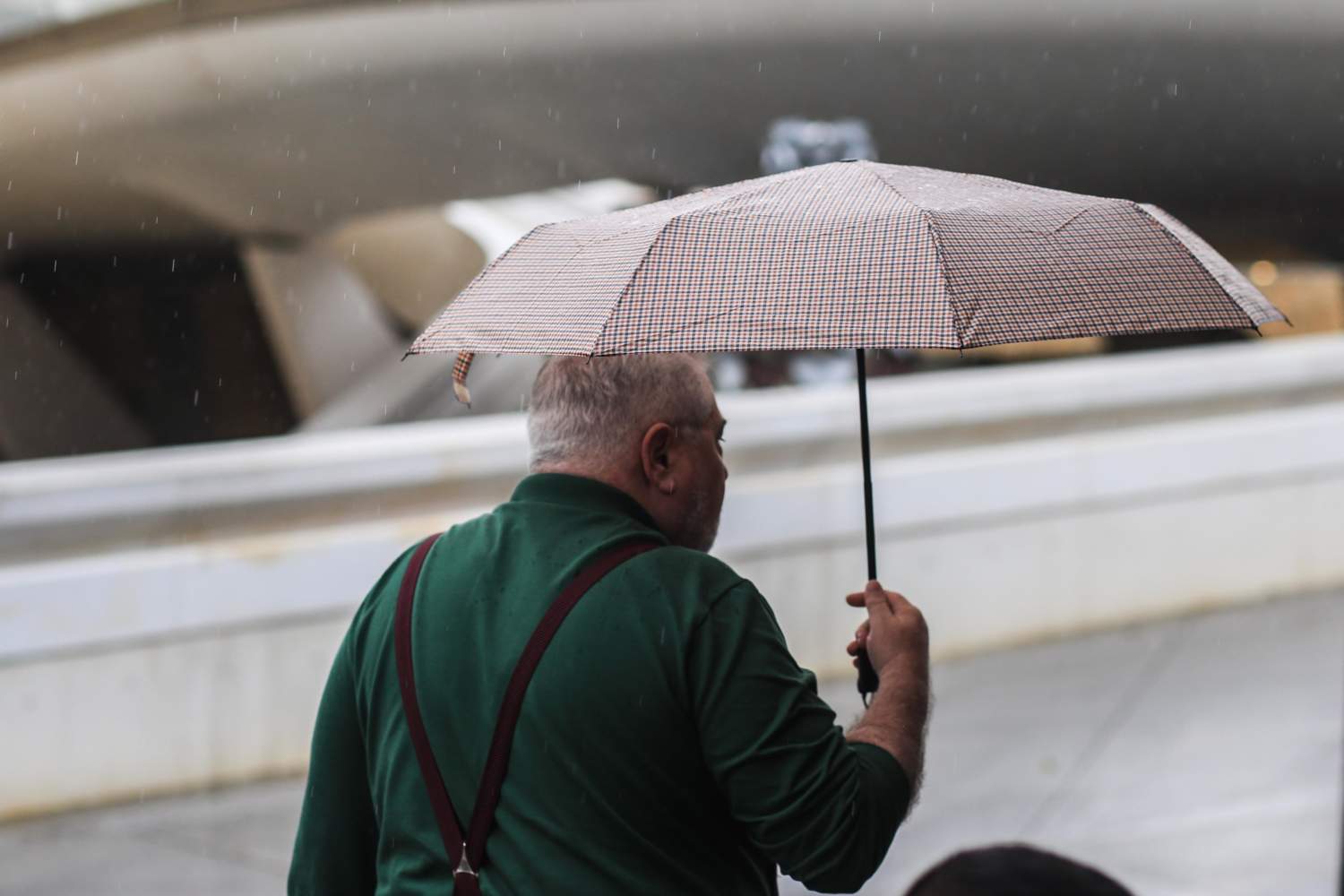
    storm warning — storm warning — The Met Department has issued a warning about unstable weather conditions across Cyprus, with isolated thunderstorms and snowfall expected on the highest peaks. This weather pattern will persist until Thursday, affecting daily life and outdoor activities.

    Storm warning: Weak Low-Pressure System Influences Weather

    A weak low-pressure system is responsible for the impending weather changes. Starting today, the region will experience increasingly cloudy skies as the system moves in. Initially, Tuesday will begin with isolated showers, primarily concentrated in the northern and western parts of the island.

    Forecasted Conditions for Tuesday

    As the day progresses, conditions are expected to deteriorate. By the evening, local rain and isolated thunderstorms are likely to develop, bringing the potential for snow or sleet on the highest reaches of the Troodos mountains. These mountain areas are forecasted to see the most significant winter weather.

    Wind and Temperature Expectations

    Winds are predicted to strengthen in the afternoon, blowing from the southwest at four to five Beaufort. This increase in wind speed will contribute to changes in sea conditions, with the sea state expected to transition from slight to moderate.

    Temperature levels are another aspect of the forecast. Inland areas will experience maximum temperatures reaching around 16°C, while coastal regions may see a slightly higher maximum of 17°C. However, temperatures in the higher mountains are anticipated to struggle to exceed 7°C, presenting a stark contrast to the milder conditions elsewhere on the island.

    Wednesday’s Continued Unsettled Weather

    The unsettled weather pattern will continue into Wednesday. Forecasters report that further showers are likely, accompanied by a slight drop in temperatures as the low-pressure system remains in the area. Residents are advised to prepare for challenging conditions, particularly in elevated regions.

    Gradual Recovery Expected by Friday

    Despite the challenging weather conditions this week, the Department of Meteorology has indicated that a gradual improvement is expected by Friday. Temperatures are projected to rise slightly above the seasonal average for late January, offering some relief from the current instability.

    Advice for Residents and Visitors

    • Stay updated with local weather forecasts and alerts from the Department of Meteorology.
    • Prepare for potential travel disruptions, especially in mountainous areas due to snowfall.
    • Exercise caution during thunderstorms and heavy rain.

    Looking Ahead: Long-Term Weather Patterns

    While this week’s weather will be marked by instability, it is essential to consider the longer-term outlook. According to the Met Department, the region may experience heavy rain over the coming three weeks, indicating that residents should stay attentive to further forecasts.

    As weather patterns evolve, the Department will continue to provide updates, allowing residents and visitors to plan accordingly. With winter still in full swing, the potential for further storms and cold weather remains a significant aspect of life in Cyprus during this season.

  • Allegations of Human Trafficking in Ayia Napa Raise Concerns Among MPs

    Allegations of Human Trafficking in Ayia Napa Raise Concerns Among MPs

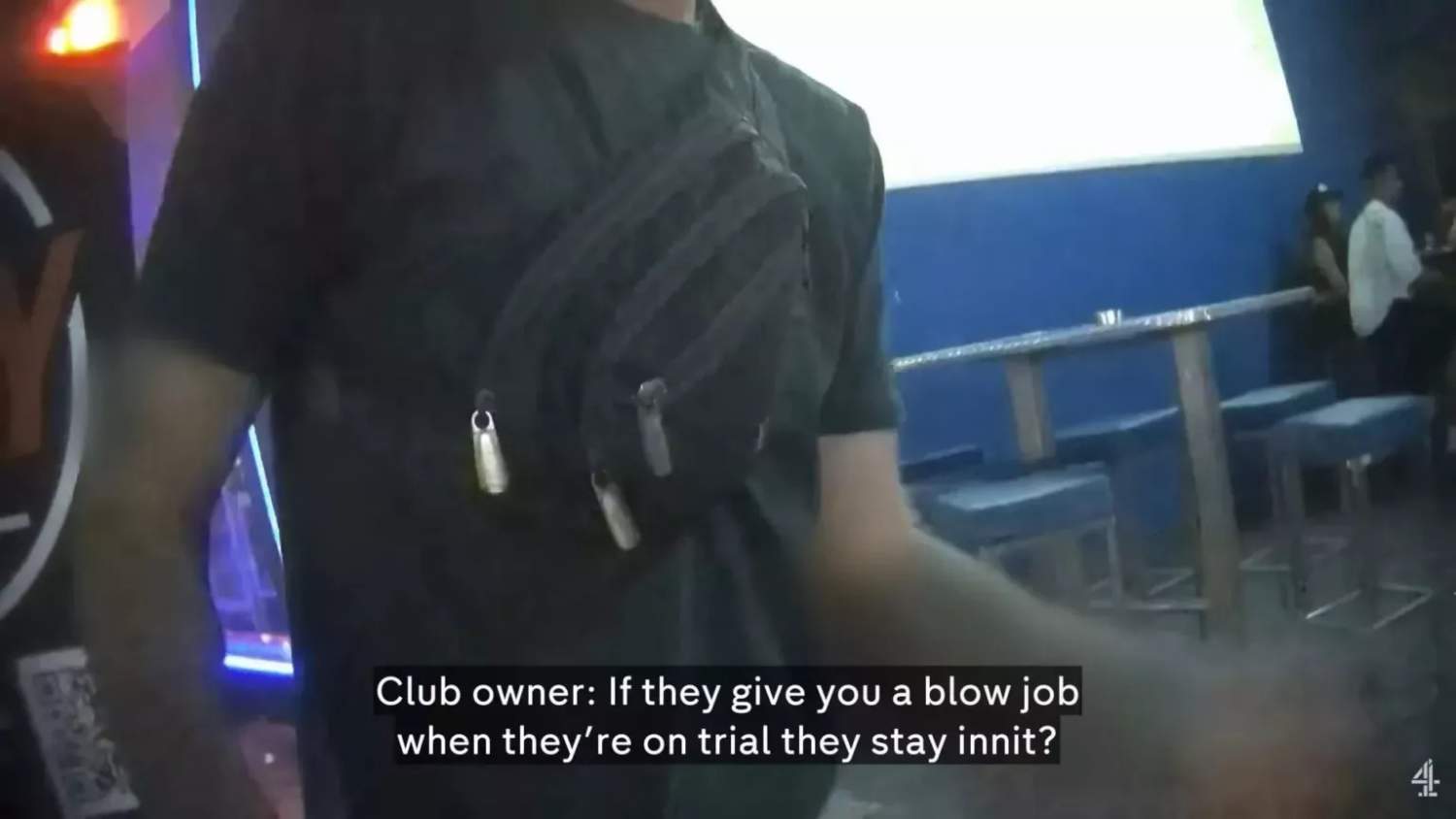
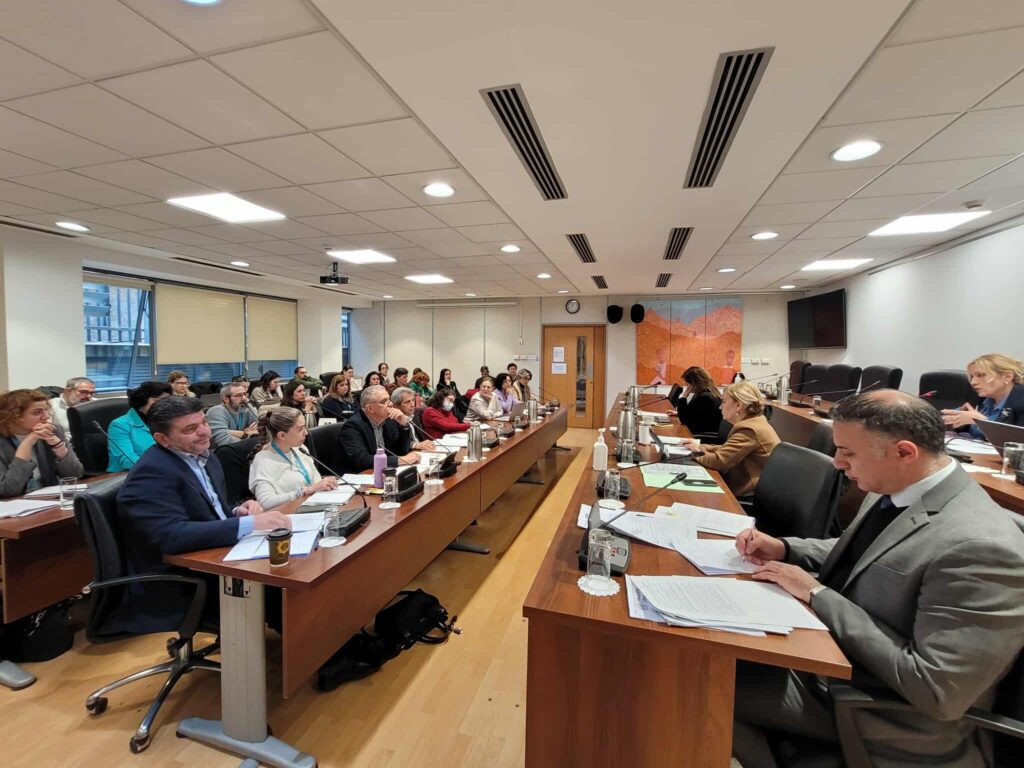
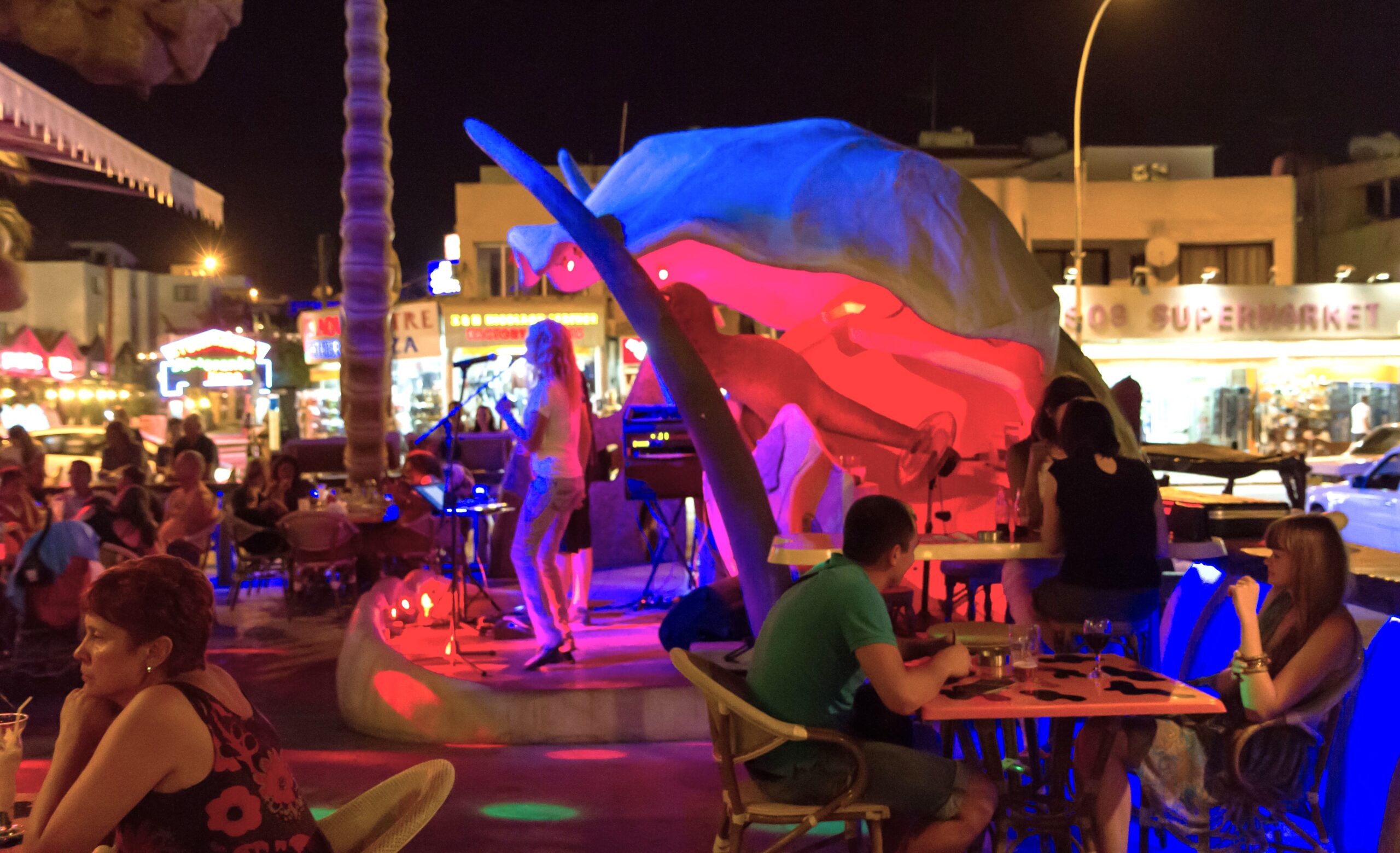
    Allegations of human trafficking in Ayia Napa have sparked significant concern among MPs, particularly following a recent Channel 4 documentary that exposed the exploitation of young women in the area. This troubling issue was extensively discussed during a meeting of the House human rights committee on Monday.

    Committee chairwoman and Akel MP Irini Charalambides revealed that deputy migration minister Nicholas Ioannides is expected to address the committee within the next fortnight. He will provide updates on the measures being implemented to protect victims, combat human trafficking, and hold perpetrators accountable.

    Andreas Anastasiadis, assistant director of the police, informed the committee that an ex officio investigation into the documentary has already been launched. The police have gathered several statements and are seeking additional information from the British broadcaster regarding the claims made in the film.

    In another development, the cyber crime department is currently examining allegations related to a website that purportedly advertised job positions in Cyprus during the summer months. Anastasiadis refrained from sharing further details to avoid compromising the ongoing investigations but noted that police efforts against human trafficking have intensified in recent years. Since 2021, there have been 30 convictions across 21 cases, with an additional 30 cases still pending.

    During the meeting, it became apparent to MPs that the multidisciplinary group tasked with combating human trafficking, which operates under the deputy migration ministry, is failing to perform its duties adequately. Chairwoman Charalambides expressed her discontent with the current situation, stating that it does not align with the timelines provided by the Ministry of Interior. As a result, she plans to advocate for the coordination of this body to be transferred to the justice ministry, which is also responsible for law enforcement.

    Disy MP Rita Superman echoed the concerns raised during the discussion, asserting that the issues revealed in the documentary reflect a broader systemic problem rather than just a negative reality for Cyprus. She emphasised that the nation is grappling with a system that has allowed for the exploitation of women and the impunity of organised groups for far too long.

    Superman pointed out that while the media often highlights procedures and restrictions, there has been insufficient focus on tangible results. She critiqued the prevailing response of “there were no complaints” regarding human trafficking cases as indicative of significant operational and political gaps.

    Volt MP Alexandra Attalidou described human trafficking as a direct outcome of systemic issues, calling for proactive measures to identify victims. She argued that the state must demonstrate zero tolerance for such practices and ensure that victims receive the necessary support to escape their situations, especially as many face intimidation that prevents them from coming forward.

    Ayia Napa’s mayor, Christos Zannetou, shared that the municipality has conducted its own investigations into local establishments and the broader social challenges facing the town. However, he highlighted that the responsibility for monitoring accommodations used by seasonal workers no longer falls under municipal authority, indicating a gap in local oversight.

    Zannetou announced a comprehensive meeting scheduled for February 6, aimed at tackling ongoing concerns regarding public safety, law enforcement, and the management of seasonal workforce accommodations. Justice Minister Constantinos Ioannou and police chief Themistos Arnaoutis are expected to attend this crucial meeting.

    The allegations raised in the documentary point to a troubling system of exploitation aimed at young British women, who are lured to Cyprus under the guise of “working holidays”. Many of these women encounter illegal employment practices, sexual harassment, and unsafe living conditions, highlighting the urgent need for intervention and reform in the region.

  • Tragic Loss: Nicosia Girl, 4, Succumbs to Influenza A

    Tragic Loss: Nicosia Girl, 4, Succumbs to Influenza A

    A four-year-old girl has died at the Makarios Hospital in Nicosia after suffering from multi-organ failure caused by Influenza A, medical authorities confirmed on Monday.

    • A four-year-old girl has died at the Makarios Hospital in Nicosia after suffering from multi-organ failure caused by Influenza A, medical authorities confirmed on Monday.
    • The incident has raised concerns within the medical community, prompting discussions about the importance of flu vaccinations and early intervention for young children during peak flu season.

    The child had been receiving treatment in the Paediatric Intensive Care Unit (PICU) since Saturday, following her transfer from Limassol General Hospital. Initially admitted in a critical state, she was intubated and required intensive medical support.

    Despite the dedicated efforts of the medical team, the girl’s condition deteriorated rapidly. The inflammatory response triggered by the virus severely impacted her vital systems, leading to the tragic outcome earlier this afternoon.

    This winter season has seen an alarming rise in hospital admissions among children across the Republic of Cyprus. Health officials at Makarios Hospital noted that multi-organ failure was the primary cause of death in this case, highlighting the severe complications that can arise from Influenza A infections.

    The incident has raised concerns within the medical community, prompting discussions about the importance of flu vaccinations and early intervention for young children during peak flu season.

  • Cyprus Implements Pilot Programme for Social Workers in Schools

    Cyprus Implements Pilot Programme for Social Workers in Schools

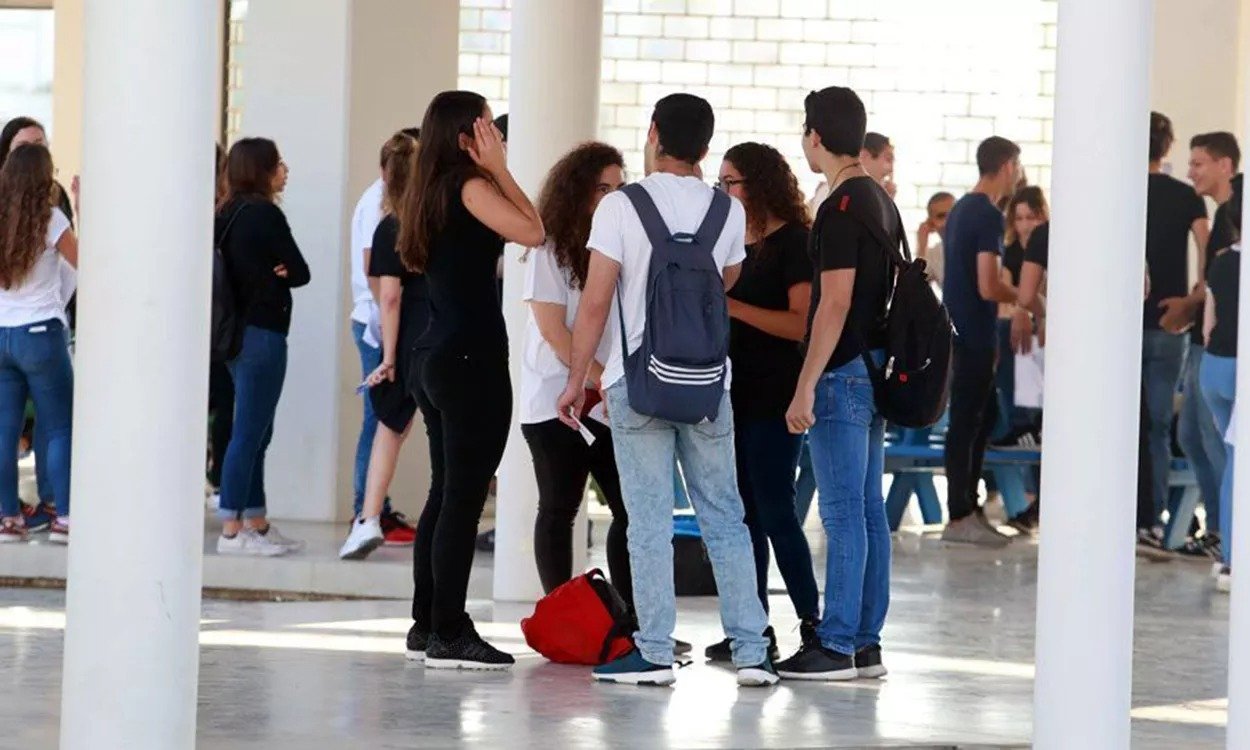
    Cyprus will pilot social workers in schools this year as part of a significant educational reform initiative designed to enhance mental resilience and address violence among students. Education Minister Athena Michailidou announced this innovative programme, which will also include educational psychologists, during a recent address to the Cyprus News Agency.

    The ministry’s 2026 priorities reflect a shift towards equipping students with practical skills rather than relying solely on rote learning. Michailidou emphasised the importance of moving away from ‘content, rote learning and excessive theory’ to foster skills vital for navigating both the job market and everyday life.

    Social workers: Transforming Educational Approaches

    This shift aligns with broader European educational priorities, but Michailidou insists it will be approached in a balanced manner that integrates humanistic education and values. The introduction of social workers in schools aims to provide a holistic support system for students, tackling issues of violence and delinquency while also promoting mental well-being.

    Addressing Special Education Needs

    The ministry is also making strides in special education reform, with Michailidou revealing that consultations are at an advanced stage. The proposed amendments aim to create a more unified and inclusive educational framework for students with diverse needs.

    New Protocols for Violence Prevention

    In conjunction with the pilot programme, the ministry has developed protocols and recommendations to assist teachers in addressing delinquency. These resources are being distributed to schools in both electronic and printed formats. Teacher groups dedicated to violence prevention are being established, alongside enhanced roles for school counsellors and class teachers, all of which aim to foster a supportive environment.

    Statistical data indicates that these roles have been effective, with students feeling more comfortable reaching out to trusted staff members. Furthermore, the ministry is investing in security measures, including surveillance cameras and the deployment of security officers in many secondary schools, to create a safer educational setting.

    Modernising Work Experience Initiatives

    Another component of the ministry’s agenda is the reintroduction of a work experience programme for Year 11 students, set to launch in March or April. Under this programme, students will spend three days a week in workplaces of their choice, supervised by school staff. This initiative is designed to enhance career skills and provide students with a clearer understanding of their vocational paths.

    Michailidou expressed the importance of ensuring that students are well-informed and prepared for their future careers. The ministry has also begun piloting career guidance in 16 primary schools, helping students explore various educational and career options.

    Commitment to Disability Rights

    During her address, Michailidou also addressed concerns regarding the treatment of people with disabilities. She stressed that all students, regardless of their abilities, must be treated equally and with respect. The minister condemned any statements that may degrade or insult individuals with disabilities, particularly in the educational context.

    As Cyprus moves forward with these initiatives, the focus remains on creating an inclusive, supportive, and modern educational environment that prioritises both academic skills and the personal development of students.

  • Cyprus Ministries Clash Over Human Trafficking Responsibilities Following Channel 4 Revelations

    Cyprus Ministries Clash Over Human Trafficking Responsibilities Following Channel 4 Revelations

    In the wake of a Channel 4 investigation revealing troubling instances of sexual harassment in Ayia Napa, Cyprus’s ministries are embroiled in a conflict over who should address human trafficking crimes. A Migration Deputy Ministry official candidly admitted to Parliament, “we do nothing on this issue,” highlighting the lack of coordination among the various governmental bodies involved.

    Photo: in-cyprus.philenews.com

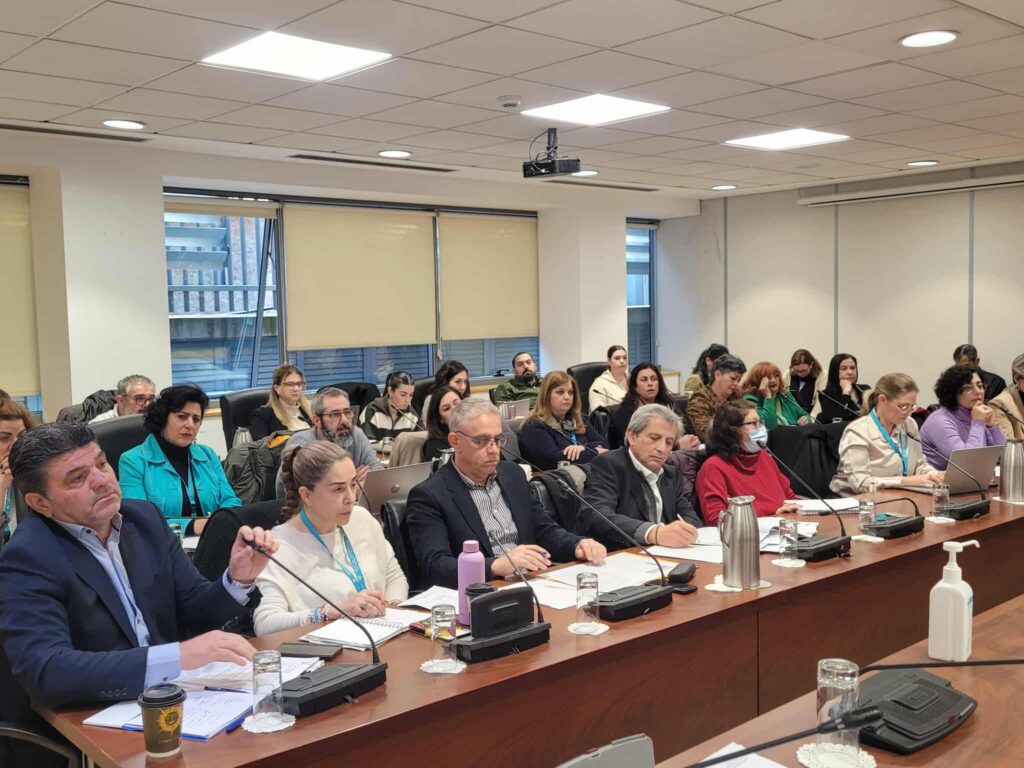
    During a recent House Human Rights Committee hearing, officials from the Interior Ministry, Justice Ministry, and Migration Deputy Ministry struggled to delineate their roles in combating trafficking. Migration Deputy Ministry official Xenia Georgiadi stated that while her office coordinates efforts, it lacks an operational role, placing the primary responsibility on the police.

    Photo: in-cyprus.philenews.com

    Committee chair Irene Charalambidou expressed concern that the issue of trafficking should never have fallen under the Migration Deputy Ministry’s purview. She announced plans to re-evaluate the coordination structure and confirmed that both the migration deputy minister and justice minister would be summoned to Parliament for further discussions.

    As the debate unfolded, MPs and other stakeholders pushed for the Justice Ministry to assume a more central role in coordinating anti-trafficking efforts. Justice Ministry legal officer Spyros Yiallouridis acknowledged his ministry’s involvement in a multi-agency trafficking group but refrained from commenting on whether it should take over coordination responsibilities, citing the matter as political.

    MP Rita Superman described the shift of trafficking oversight from the Interior Ministry to the Migration Deputy Ministry as a significant error, arguing that such matters should be handled by the Justice Ministry. She pointed out that in Turkey, human trafficking falls under the Migration Ministry, which should not be the case in Cyprus. Trafficking, she insisted, is fundamentally a human rights issue, exacerbated by vulnerabilities related to migration.

    As these discussions unfold, Labour Ministry representative Christina Mitidou reiterated that her ministry does not bear responsibility for trafficking. In light of the Channel 4 investigation, the committee is preparing to send a letter demanding clarification on inspections conducted before and after the video’s release.

    In terms of law enforcement, police have reported that 30 individuals have been convicted over the past five years in trafficking cases involving either sexual or labour exploitation. Police Crime Combating Department assistant director Andreas Anastasiades shared that extensive checks were conducted at Ayia Napa establishments, with operations occurring across Cyprus. He outlined the number of operations executed in recent years: 26 in 2022, 37 in 2023, 33 in 2024, and 18 so far in 2025.

    Despite these efforts, 30 trafficking cases remain pending in court. Anastasiades emphasised that police are taking the matter seriously, working in collaboration with Europol and other agencies to address trafficking more effectively.

    Amid the scrutiny, Ayia Napa’s mayor, Christos Zannettou, labelled the incidents highlighted in the Channel 4 report as isolated, asserting that the municipality receives around 45,000 tourists daily, with over 10,000 people employed in the area. He acknowledged the need for investigations into the establishments mentioned in the video but maintained that such occurrences do not represent the norm.

    He also pointed out that there are job advertisements from websites based in the Netherlands that promise work and accommodation, but often only offer a bed without proper living conditions. Zannettou noted that complaints regarding workers’ living conditions and other issues like noise pollution have been recorded, but these are not reflective of the broader situation.

    The gender equality commissioner’s office faced criticism for its lack of response to the Channel 4 investigation. A representative of the office, Andreas Misos, stated that commissioner Josie Christodoulou condemns acts of sexual or labour exploitation but is currently abroad. MPs expressed frustration at her absence from committee meetings over recent months and suggested that she should have taken more proactive measures following the video’s release.

    Charalambidou pointed out that the commissioner should have coordinated with police and relevant authorities to prepare a comprehensive report, a sentiment Misos deemed unrealistic, given Christodoulou’s lack of an institutional role.

    NGOs have also expressed concern over their exclusion from coordination meetings related to trafficking. Paraskeui Tzeou, chair of Cyprus Stop Trafficking, noted that her organisation was not invited to multi-agency meetings, while Katerina Stefanou, founder of Step Up Stop Slavery, echoed similar sentiments regarding her exclusion from the December meeting.

  • Bahrain king: Christodoulides Commends Bahrain’s King for Visionary Leadership

    Bahrain king: Christodoulides Commends Bahrain’s King for Visionary Leadership

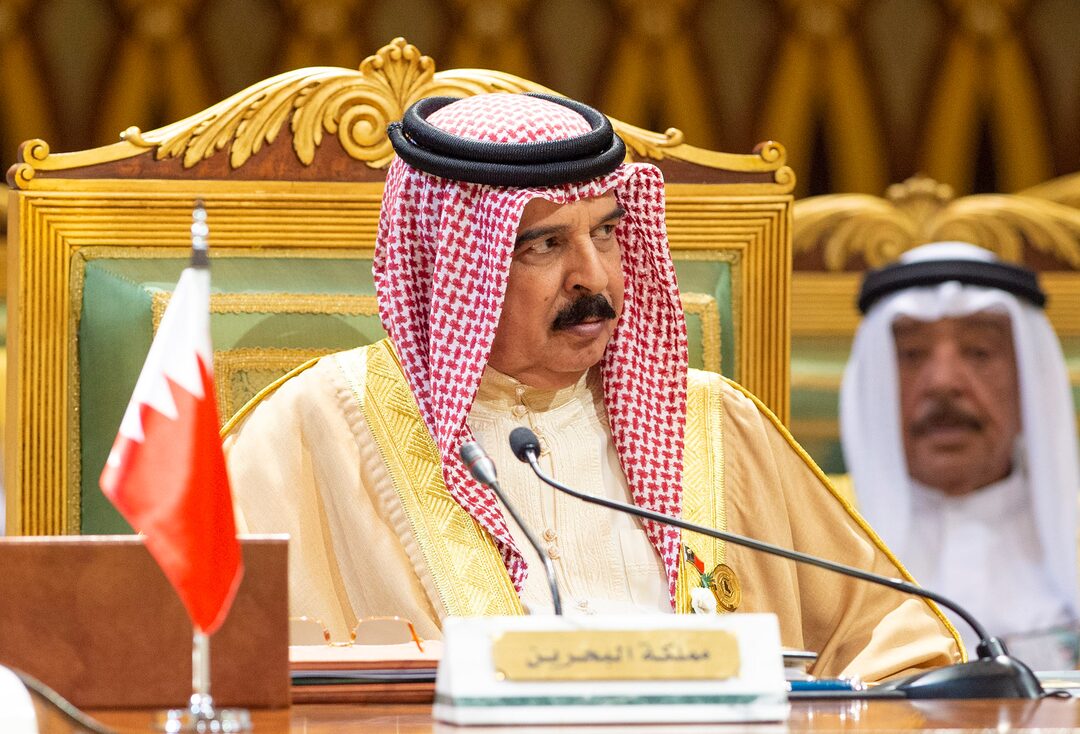
    bahrain king — bahrain king — President Nikos Christodoulides has praised the wise and visionary leadership of King Hamad bin Isa Al Khalifa of Bahrain during his two-day visit to the kingdom. In a heartfelt note written in the guestbook at the royal palace, Christodoulides expressed admiration for the king’s efforts in establishing Bahrain as a beacon of international cooperation, interfaith dialogue, and peaceful coexistence.

    • As discussions unfold during this significant visit, the future of Cyprus-Bahrain relations appears promising, with both nations poised to deepen their cooperation in various critical areas.

    Highlighting the strong bilateral relations between Cyprus and Bahrain, Christodoulides acknowledged the significant roles played by both the king and Prime Minister Salman bin Hamad Al Khalifa in advancing these ties. He remarked on their unwavering support, stating, “I wish his majesty a long and prosperous reign and the people of the Kingdom of Bahrain continued peace, prosperity, and success. May the friendship between our two countries last a long time.”

    On Sunday, shortly after his arrival, Christodoulides engaged in a private meeting with the king, which set the stage for extensive discussions between delegations from both nations. This visit is part of a broader strategy outlined by the Cypriot government to strengthen and deepen relations with Gulf states.

    Government spokesman Konstantinos Letymbiotis emphasised the importance of the visit, stating that it reflects a clear political will to enhance cooperation with Bahrain across various sectors, including politics, economy, energy, culture, and defence. According to Letymbiotis, the relationship has been developing steadily, culminating in the decision to establish a Cypriot embassy in Manama later this year.

    The inauguration of this embassy is set to take place during Christodoulides’ visit, with Foreign Minister Constantinos Kombos in attendance. Letymbiotis further described the visit as a reflection of Cyprus’ strategic choice to reinforce its role as a reliable and active partner in the region, particularly in promoting stability and cooperation between the European Union and Gulf states.

    Earlier this year, Christodoulides articulated his intention to leverage Cyprus’ geographical position to enhance relations between the EU and the Middle East during Cyprus’ presidency of the Council of the EU. He noted, “The Republic of Cyprus will not only continue but will also substantially strengthen its efforts to further strengthen relations between the EU and the countries of the wider Middle East region.” This indicates a commitment to fostering better ties and engagement in the region.

    As discussions unfold during this significant visit, the future of Cyprus-Bahrain relations appears promising, with both nations poised to deepen their cooperation in various critical areas.

  • Cyprus negotiations: Tufan Erhurman Outlines Four Key Stipulations for Cyprus Negotiation Resumption

    Cyprus negotiations: Tufan Erhurman Outlines Four Key Stipulations for Cyprus Negotiation Resumption

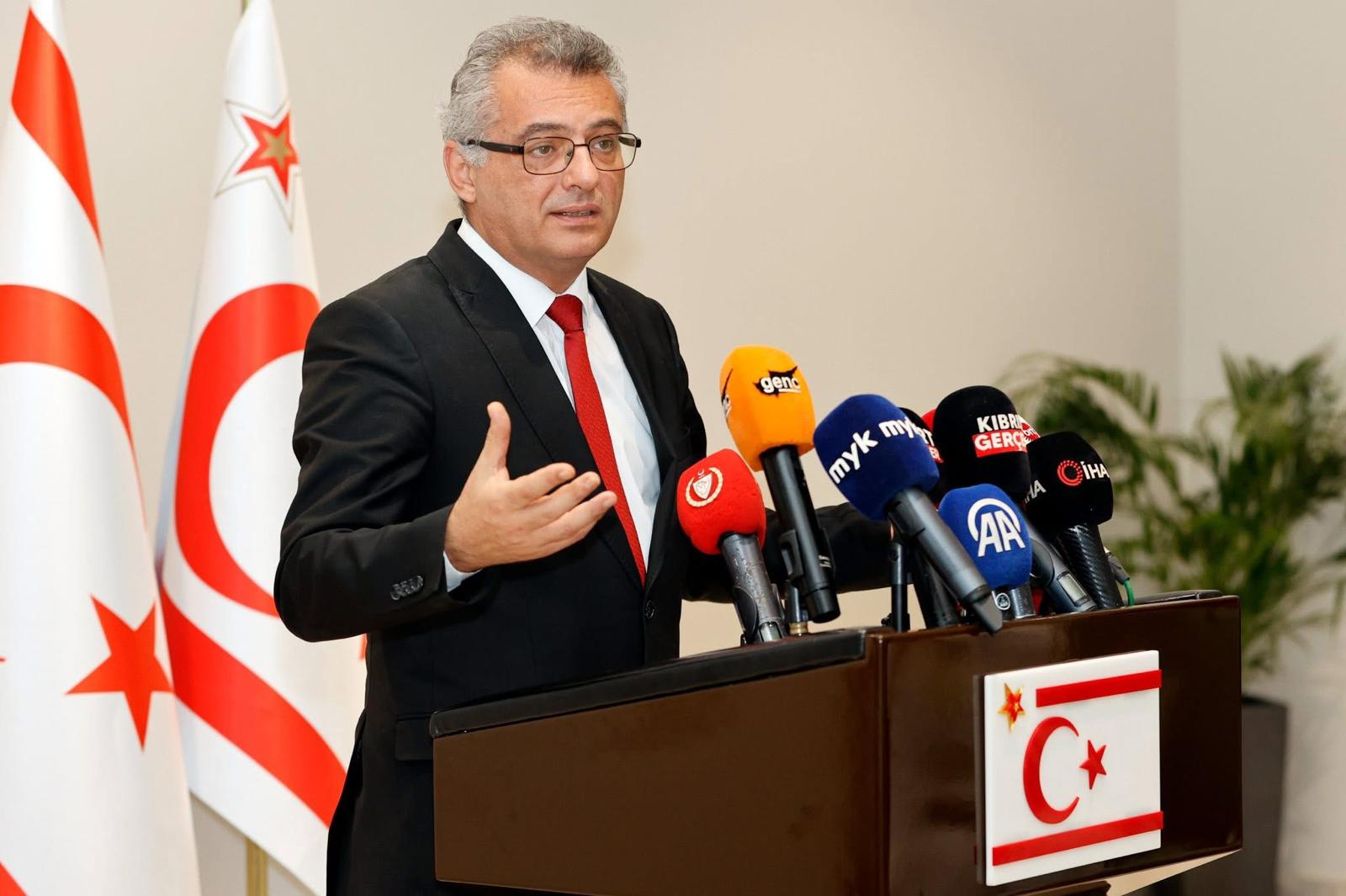
    cyprus negotiations — cyprus negotiations — Tufan Erhurman has outlined four key stipulations crucial for the resumption of negotiations on the Cyprus problem, ahead of United Nations envoy Maria Angela Holguin’s arrival on the island. The Turkish Cypriot leader expressed his views on Sunday, emphasising the need for these stipulations to pave the way for productive discussions.

    Cyprus negotiations: Erhurman’s Four Stipulations

    The four stipulations proposed by Erhurman, often labelled as “preconditions”—a term he finds unappealing—are as follows:

    • The Greek Cypriot side must accept political equality.
    • Negotiations should have a set time limit.
    • All past agreements must be preserved.
    • The UN must guarantee that any embargoes on Turkish Cypriots are lifted if the Greek Cypriot side withdraws from the negotiations.

    Political Equality as a Core Issue

    Erhurman reiterated that the acceptance of political equality is vital for achieving a lasting solution to the Cyprus issue. He stated, “My experience regarding the intractability of the Cyprus problem is very clear to me. Throughout my political life, I have seen, thought, and explained that the biggest obstacle to a solution is the Greek Cypriot leadership’s refusal to accept political equality.”

    He further explained that his insistence on political equality stems from a desire to avoid past disappointments in negotiations. “If negotiations begin, I do not want them to end in disappointment,” he added. “I want negotiations for the sake of a solution, not negotiations for the sake of negotiations.”

    Public Sentiment for a Solution

    Erhurman highlighted the widespread desire among Turkish Cypriots for a genuine resolution to the conflict. “A very large segment of my people wants a solution, and so do I,” he stated. He believes that any agreement lacking political equality would not be viewed as a legitimate solution by his constituents.

    He affirmed, “Nothing has changed in this regard, and nothing will change,” indicating a firm stance on the necessity of political equality in any future negotiations.

    Upcoming Meetings with UN Envoy

    Maria Angela Holguin is scheduled to meet with both Erhurman and Greek Cypriot President Nikos Christodoulides on Tuesday, followed by a trilateral meeting on Wednesday. Erhurman expressed hope that Holguin’s visit would “yield concrete results aimed at creating the atmosphere for a solution.”

    In preparation for these meetings, Erhurman has requested that technical-level work be expedited. “In line with our results-oriented approach, our request is that the technical-level work be accelerated before that meeting,” he said.

    Future Outlook for Negotiations

    Looking ahead, an enlarged meeting on the Cyprus problem is expected to be convened in the weeks following Holguin’s visit. This meeting will include representatives from the island’s two sides, the three guarantor powers—Greece, Turkey, and the United Kingdom—and the UN.

    Following a previous tripartite meeting, a joint statement was released, emphasising that “the real aim is the solution of the Cyprus problem with political equality as described by the United Nations Security Council resolutions.”

    This statement also included discussions on trust-building initiatives and new ideas aimed at fostering cooperation between the two communities.

    A Collaborative Effort

    Both sides have agreed to focus on achieving new agreements promptly, particularly regarding the opening of new crossing points, the halloumi issue, and the construction of pipelines from the Mia Milia water treatment plant. Christodoulides noted that the previous meeting had taken place in a “very good atmosphere,” suggesting a willingness to engage positively moving forward.

    As the negotiations approach, the emphasis remains on the need for political equality, a central tenet that Erhurman is keen to uphold. His firm stance reflects not only his political convictions but also the sentiments of many Turkish Cypriots who yearn for a meaningful resolution to the longstanding dispute.

  • Mythology: Cyprus Exhibition Showcases Myths That Transcend Physical Borders

    Mythology: Cyprus Exhibition Showcases Myths That Transcend Physical Borders

    Mythology as a Cultural Bridge

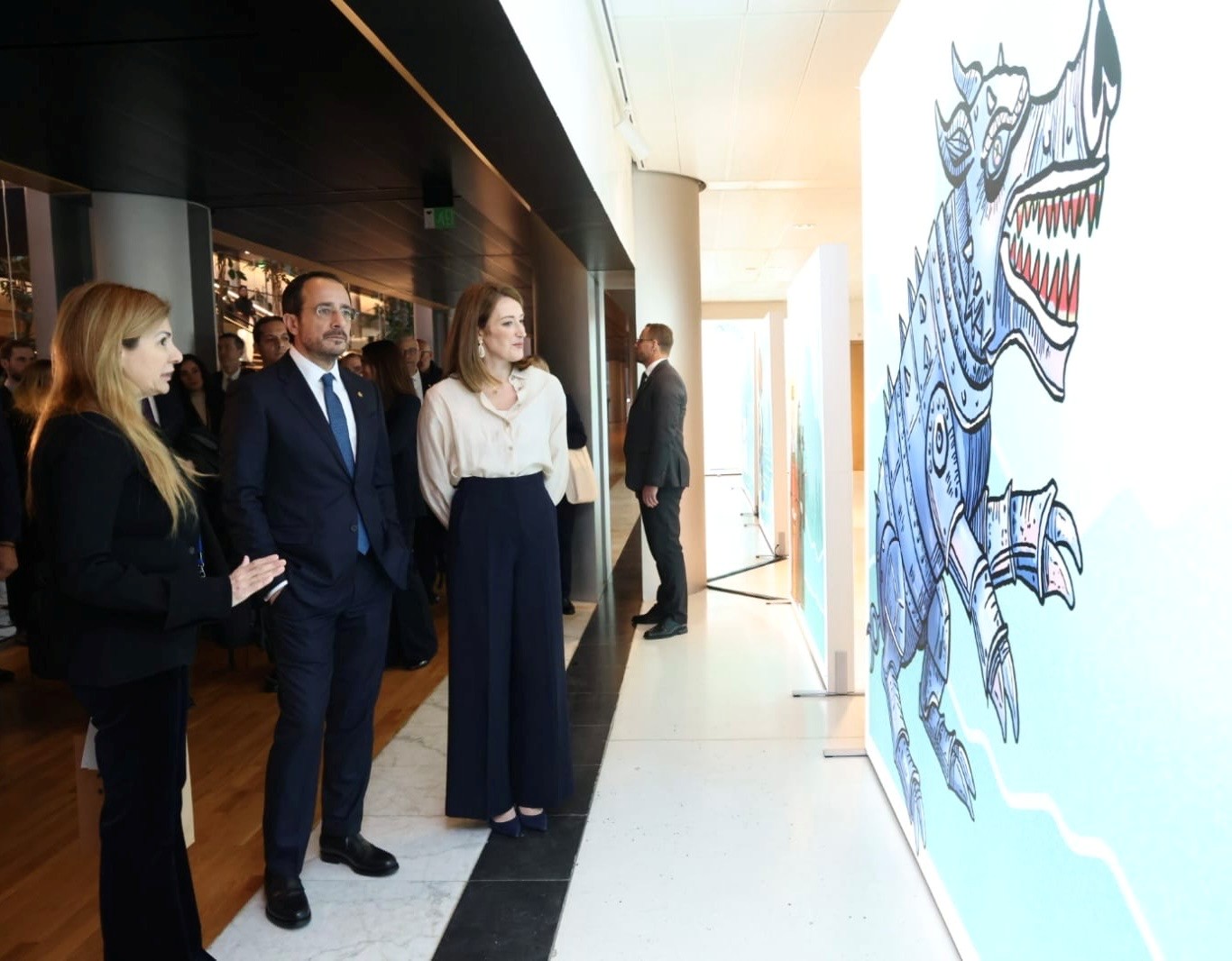
    Mythology has a profound ability to transcend physical borders, as showcased in the recent Myths and Tales of Cyprus Exhibition at the European Parliament in Strasbourg. The event marked the beginning of Cyprus’ presidency of the EU Council and aimed to introduce attendees to the island’s rich cultural heritage.

    Photo: cyprus-mail.com

    A Rich Tapestry of Stories

    The exhibition features eight captivating stories that highlight the deep-rooted myths of Cyprus, each reflecting the island’s history and values. According to Aliki Stylianou, Director of the Press and Information Office, these narratives are not just remnants of the past but living traditions that connect generations.

    Photo: cyprus-mail.com

    The Dragons of Cyprus

    The first story introduces the Dragons, formidable creatures that symbolize power and fear. Two dragons from different regions of Cyprus, one from Paphos and the other from the Mesaoria plain, are said to have fought for control over the island’s precious water resources. The Paphian dragon eventually dominated the Tillyria area, noted for its picturesque villages such as Kato Pyrgos and Pomos.

    The Wine of Commandaria

    The second tale revolves around Commandaria, the renowned Cypriot wine named after the Commandery of Limassol. This wine, crafted during the Third Crusade, gained fame not only for its rich taste but also for its historical significance, as it was enjoyed by European royalty. The Knights Templar, the first rulers of Cyprus, played a key role in its production, creating a legacy that endures to this day.

    The Heroic Digenis Akritas

    Next, visitors learn about Digenis Akritas, a legendary hero whose strength was said to rival that of mountains. Born of a Muslim general and a Byzantine noblewoman, Digenis became a symbol of resistance against invaders. His legendary prowess included hurling boulders at approaching ships, with one of the most famous sites being Petra tou Romiou in Paphos, where Aphrodite is said to have emerged from the sea.

    Saint Helena’s Journey

    The tale of Saint Helena, mother of Constantine the Great, addresses a time of crisis in Cyprus marked by drought and demonic infestations. Helena’s arrival brought hope as she released cats to control the snake population and trapped the demons, thereby restoring peace. Her journey also led to the discovery of a fragment of the Holy Cross, which is commemorated at the Mountain of the Cross.

    The Iron Beast Sierolotta

    In a more whimsical narrative, the Iron Pig, or Sierolotta, terrorised the villagers of Doros, stealing water and livestock. A fearless monk confronted her and, with divine intervention, sealed her away for a millennium. This story serves as a reminder of the struggles faced by the community and the resilience found in faith.

    Noah’s Ark and the Great Flood

    The exhibition also recounts the story of Kataklysmos, the Great Flood, during which Noah’s Ark is said to have docked in the Troodos mountains. This tale has shaped local traditions, with the Festival of the Flood celebrated in Larnaca, marking the connection between myth and cultural identity.

    The Tragic Love of Adonis

    The myth of Adonis, born from the tragic tale of Myrrha, underscores themes of beauty, love, and loss. Adonis’s dual existence between Aphrodite and Persephone illustrates the cyclical nature of life, celebrated every spring in Paphos through the planting of seeds symbolising renewal.

    The Treasures of Regina’s Castle

    Finally, the story of Regina and her castle at Boufavento introduces an element of intrigue and mystery. The queen’s betrayal of her workers and the legend of a hidden treasure that may one day be revealed adds a layer of suspense, encapsulating the hopes and dreams of the people.

    The Significance of Cultural Heritage

    In his address at the exhibition, President of the European Parliament Roberta Metsola emphasised the importance of culture in shaping identity and fostering unity. He referenced Jean Monnet’s belief that culture should be the foundation of European integration, highlighting how shared myths can bridge divides and connect communities.

    The Myths and Tales of Cyprus exhibition serves as a reminder that culture is a universal language that can bring people together, transcending geographical and historical barriers. As Cyprus stands at the crossroads of three continents, its myths resonate with broader European narratives, enriching the continent’s cultural tapestry.

    Living Myths in Modern Life

    Today, the tales of Cyprus continue to influence the lives of its people. From festivals celebrating ancient legends to the ongoing storytelling that connects past and present, these myths remain vibrant threads in the fabric of Cypriot culture. They remind us that while borders may divide, shared stories can unite us in our common humanity.

  • Paphos home — Investigation Underway After 63-Year-Old Woman Found Dead in Paphos Home

    Paphos home — Investigation Underway After 63-Year-Old Woman Found Dead in Paphos Home

    paphos home — paphos home — A 63-year-old woman was found dead in her home in Paphos, prompting an investigation by local police. The discovery was made on Saturday by a relative who entered the residence in a community within the Paphos district.

    Initial findings from the police indicate that the woman’s body showed no signs of bruising or injuries, which raises questions about the circumstances surrounding her death. As authorities continue their investigation, they are shifting their focus to the living conditions of the woman, seeking to uncover any potential factors that could have contributed to her passing.

    This tragic incident has drawn attention from the local community, sparking discussions about safety and well-being in the area. Residents are left in shock, grappling with the sudden loss of a member of their community.

    As the investigation unfolds, police are likely to conduct further examinations and interviews to gather more information. Local officials urge anyone with details related to the case to come forward, hoping to piece together a clearer picture of what transpired.

  • Court Rules Fire Service Discriminated Against Female Firefighter in Landmark Case

    Court Rules Fire Service Discriminated Against Female Firefighter in Landmark Case

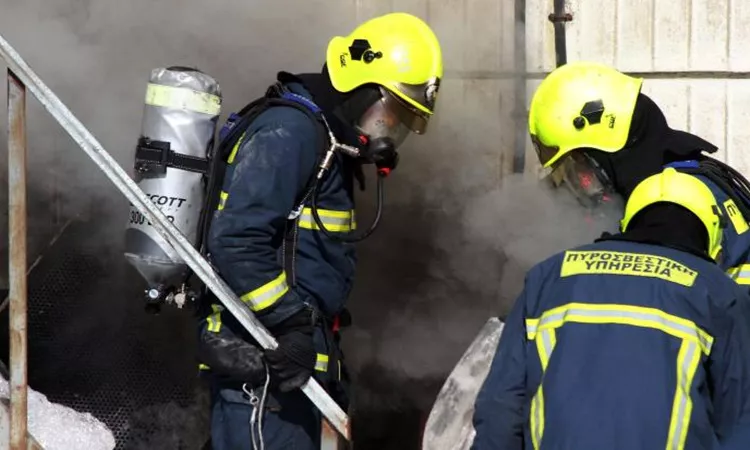
    A female firefighter has successfully claimed €10,000 in damages after a court found the Fire Service discriminated against her by denying her training that was provided to her male counterparts and forcing her to wear oversized boots for three years.

    • In 2018, she initiated legal proceedings against the Fire Service through her lawyer E. Korakidis, seeking €50,000 in damages for the discriminatory treatment she faced.

    Female firefighter: Ruling from the Labour Disputes Court

    The Labour Disputes Court in Paphos determined that the firefighter experienced direct gender discrimination during her tenure at the Paphos Airport Fire Station, where she served for three years and three months.

    Discriminatory Treatment and Oversized Boots

    The court revealed that the firefighter was provided with special airport fire boots in size 42, despite her wearing a size 39. Additionally, she was systematically denied training on newer airport fire vehicles between late October 2015 and early January 2018, while her male colleagues received this crucial training.

    Timeline of Events

    The firefighter began her career with the Police on 6 April 2009, transitioning to the Fire Service on 27 July 2009. Following her placement at Paphos Fire Station, she quickly became aware of the disparities in treatment compared to her male colleagues.

    In 2018, she initiated legal proceedings against the Fire Service through her lawyer E. Korakidis, seeking €50,000 in damages for the discriminatory treatment she faced.

    Claims of Intimidation

    In her testimony, the firefighter also detailed experiences of violent and intimidating behaviour from a male sergeant, who she claimed was protected by her superiors. Furthermore, she highlighted that her transfer to Paphos Airport was executed without the necessary approvals, leading to significant personal costs in travel, which were not compensated by the Fire Service.

    Legal Proceedings and Arguments

    The Attorney General’s office contested the claims, arguing that the allegations of gender discrimination were unfounded and that the claims fell outside of the one-year period permitted by law. They maintained that the issues raised pertained to a civil servant-public authority relationship, which they believed did not fall under the jurisdiction of the Labour Court.

    Court Findings on Discrimination

    Despite the Attorney General’s arguments, the judges—E. Konstantinou (president), S. Delitsikkou, and M. Filippidis—conducted a thorough analysis of the testimonies and applicable gender discrimination laws. While they dismissed claims of a hostile environment for female firefighters, they confirmed that the plaintiff was indeed discriminated against on two significant grounds: the lack of training on new fire vehicles and the provision of ill-fitting boots.

    Compensation for Moral Harm

    In their decision, the judges awarded compensation solely for the moral harm caused by the direct discrimination the firefighter endured. They assigned €6,000 for the failure to provide training on new airport fire vehicles and €4,000 for the oversized boots. This total compensation also includes interest accrued since 2014.

    Significance of the Ruling

    This landmark case marks the first instance where a firefighter has successfully secured damages for gender discrimination against the Fire Service. The ruling underscores the ongoing challenges faced by women in traditionally male-dominated fields and highlights the importance of equal treatment and opportunities in the workplace.

    Gender Equality in Cyprus

    In the broader context of gender equality, Cyprus ranks last in the European Union, indicating significant gaps in women’s rights and equal treatment in various sectors. The court’s ruling may serve as a catalyst for further discussions and reforms aimed at addressing these disparities.