Category: News

  • Health Minister Highlights Importance of Animal Health for Public Safety

    Health Minister Highlights Importance of Animal Health for Public Safety

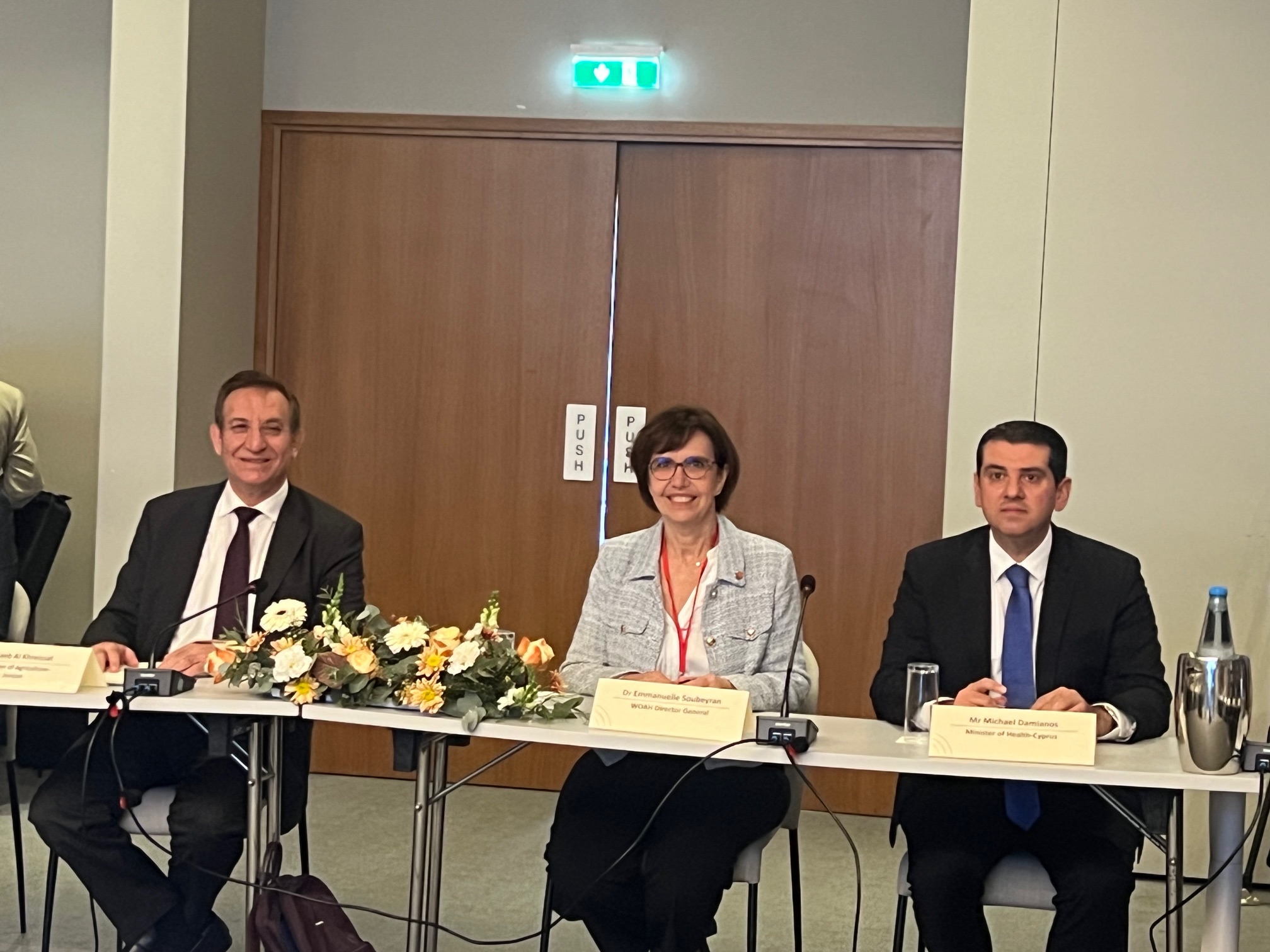
    Animal health is crucial for public health and food safety, emphasised Health Minister Michael Damianos at the 18th conference of the Middle East regional committee for the World Organisation for Animal Health (WOAH) in Larnaca. The conference, which convened on Monday and Tuesday, gathered experts, policymakers, and stakeholders committed to enhancing animal health standards across the region.

    Focus on Animal Health and Public Safety

    During his address, Damianos underscored the integral role of animal health in building resilient societies. He noted the relationship between animal well-being and food safety, highlighting that effective animal health measures are essential for ensuring the safety of food products consumed by the public. The conference aimed to address the challenges of zoonotic diseases—those transmitted between animals and humans—emphasising the need for comprehensive strategies.

    Climate Change and Animal Diseases

    Damianos also addressed the impact of climate change on animal health, noting that rising temperatures and changing weather patterns lead to the proliferation of various animal diseases. The health minister pointed out that these environmental shifts require the implementation of effective measures to manage animal populations and safeguard public health. “The distribution of animal diseases is expanding due to climate change, and we must adapt our strategies accordingly,” he stated.

    Proposed Measures for Improvement

    To combat the challenges posed by animal diseases, Damianos proposed a series of measures aimed at enhancing animal health and food safety. These include:

    • Robust Biosecurity Systems: Establishing strong biosecurity protocols to prevent disease outbreaks.
    • Early Warning Detection: Implementing systems for early detection of animal diseases.
    • Harmonised Field Surveillance: Enhancing surveillance and monitoring systems across the region.
    • Real-Time Molecular Diagnostics: Investing in advanced diagnostic technologies for quicker disease identification.
    • Risk-Based Vaccination Programmes: Developing vaccination strategies tailored to specific risks.
    • Cross-Border Information Exchange: Facilitating communication between countries to manage disease threats effectively.

    These initiatives are seen as vital for maintaining a healthy animal population and ensuring the availability of safe animal products for human consumption.

    Addressing Antimicrobial Resistance

    Damianos warned about the growing threat of antimicrobial resistance, which undermines both veterinary and human medicine. He advocated for the promotion and implementation of a national Antimicrobial Resistance action plan, stressing its importance for the effective management of this pressing issue. “Antimicrobial resistance poses a silent modern threat that we must address with urgency,” he said.

    Enhancing Veterinary Practices

    The minister also highlighted plans to bolster laboratory capacities and implement an e-prescribing platform for veterinary medicines. This initiative aims to ensure that all veterinary medications are prescribed by qualified animal health professionals, thereby improving the management of animal health and reducing the misuse of antibiotics.

    Collaboration and Shared Commitment

    Despite the complexities of the challenges ahead, Damianos expressed confidence in the collective expertise and commitment of the participants at the conference. He stated, “Although the challenges we face are complex, our collective expertise, shared values, and commitment to the principles of WOAH provide us with the necessary tools to overcome them.”

    A Regional Perspective on Animal Health

    Emmanuelle Soubeyran, the Director General of WOAH, echoed Damianos’s sentiments, highlighting the interconnectedness of animal healthcare and public health. She noted that many diseases affecting humans originate from animals, reinforcing the need for a unified approach to animal health. “Animal healthcare also concerns public health, given that many diseases can be transmitted between humans and animals,” she remarked.

    International Cooperation in Animal Health

    The conference also saw contributions from various regional leaders, including Jordanian Agriculture Minister Saeb Khreisat. Khreisat reaffirmed his commitment to improving animal healthcare and promoting safe international trade. He underscored the importance of collaboration, stating, “Diseases know no borders, and cooperation in times of need strengthens international ties.”

    As the conference continues, participants are expected to discuss further strategies and solutions to bolster animal health in the region, reflecting a strong commitment to ensuring public safety and food security across the Middle East.

  • Azeri national — Cyprus Supreme Court Upholds Arrest Warrant for Azeri National in Espionage Case

    Azeri national — Cyprus Supreme Court Upholds Arrest Warrant for Azeri National in Espionage Case

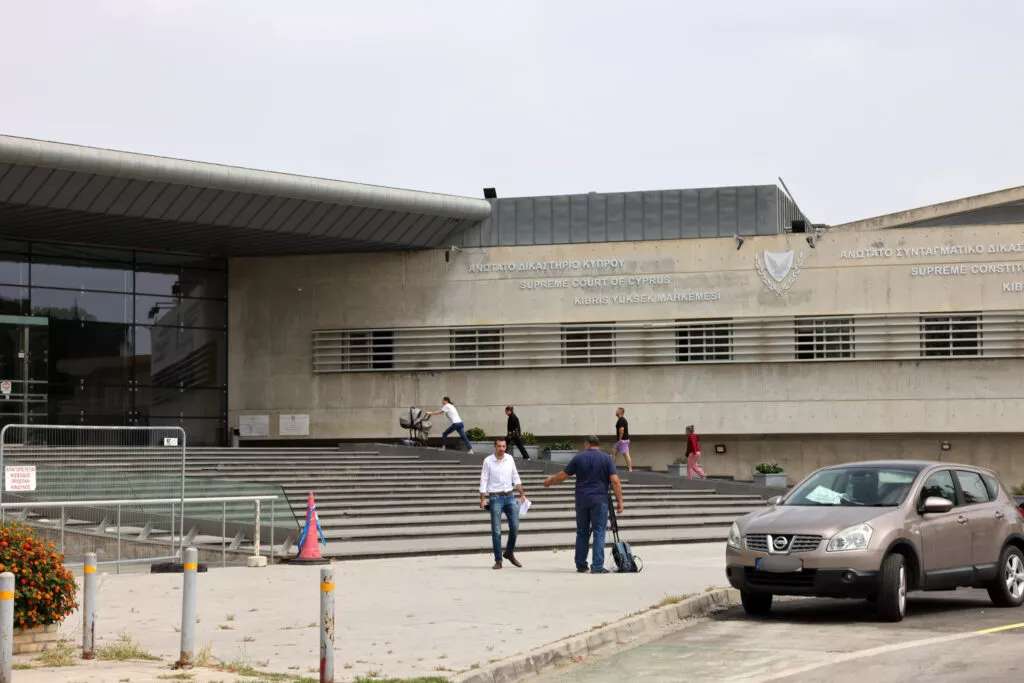
    The Cyprus Supreme Court has upheld the arrest warrant for an Azeri national, detained since June 2025, on suspicion of terrorism and espionage involving British military bases.

    • The Cyprus Supreme Court has upheld the arrest warrant for an Azeri national, detained since June 2025, on suspicion of terrorism and espionage involving British military bases.

    Azeri national: Legal Ruling on Arrest Warrant

    The Supreme Court’s decision came after an appeal was lodged by the suspect’s lawyer, Efstathios Efstathiou, challenging the validity of the warrants issued on 21 June 2025. The appeal argued that the warrants were based on unreliable intelligence and that the court had failed to apply the necessary scrutiny for information deemed anonymous or secret.

    Dismissal of the Appeal

    In its ruling, the Supreme Court dismissed the appeal, asserting that the District Court had acted within legal parameters and conducted a thorough assessment of the evidence. The court clarified that the intelligence gathered was from a “foreign collaborating service” rather than an unreliable third country, which was crucial in justifying the warrants.

    Charges Against the Suspect

    The charges against the Azeri national include conspiracy to commit a felony and various offences under the Law on Combating Terrorism. The Supreme Court highlighted that initial intelligence suggested the suspect was gathering information regarding foreign military presence and potentially organising a terrorist attack.

    Intelligence and Surveillance

    Crucially, the Supreme Court noted that the intelligence was corroborated by subsequent physical surveillance conducted by Cypriot authorities. This combination of intelligence and observation led the court to conclude that there was sufficient justification for the issuance of the warrants.

    Statements from the Court

    The Supreme Court stated, “We judge that the trial court conducted a comprehensive and correct assessment of the totality of the evidence and evaluated every relevant element to conclude that the issuance of the warrants was justified.” This assertion reinforces the court’s confidence in the legal processes followed in the case.

    International Implications

    The case highlights the complex interplay between national security and international relations, particularly concerning allegations of espionage linked to foreign entities. The involvement of the Iranian Revolutionary Guard Corps (IRGC) in the case has raised concerns about broader implications for regional security.

    Ongoing Developments

    As the case proceeds, it remains to be seen how the legal proceedings will unfold and whether further developments may arise that could impact the suspect’s status or the broader context of espionage in Cyprus.

    Community Reaction

    The case has sparked interest and concern within the local community and among legal experts, prompting discussions about the balance between civil liberties and national security. The ongoing scrutiny of intelligence practices and legal standards in such cases is likely to continue as the situation develops.

  • Paphos wildfire — Paphos Wildfire Under Control, No Need for Third-Country Aircraft

    Paphos wildfire — Paphos Wildfire Under Control, No Need for Third-Country Aircraft

    paphos wildfire — The major wildfire in the Koili, Stroumbi and Akoursos area of Paphos district has been brought under full control, reducing the need for aircraft from third countries.

    Photo: in-cyprus.philenews.com

    • paphos wildfire — The major wildfire in the Koili, Stroumbi and Akoursos area of Paphos district has been brought under full control, reducing the need for aircraft from third countries.
    • Officials announced that, barring any unforeseen complications, there will be no requirement for additional aerial support, as the situation is now manageable.

    Officials announced that, barring any unforeseen complications, there will be no requirement for additional aerial support, as the situation is now manageable.

    Photo: in-cyprus.philenews.com

    Paphos wildfire: On-the-Ground Efforts Make Progress

    The director general of the Ministry of Agriculture, Rural Development and Environment visited the affected areas to assess the firefighting operations. He confirmed that robust firefighting forces remained active throughout the night, tirelessly working to extinguish any remaining hotspots.

    Collaboration with Neighbouring Countries

    In light of the progress made, officials have communicated with authorities in Greece, Israel, and Jordan to update them on the situation. While the aircraft from these nations are currently on standby, the local forces are confident in their ability to manage the fire without external assistance.

    Continued Vigilance Required

    Despite the control achieved, seven bulldozers were deployed overnight to assist the firefighters in their efforts, reflecting the seriousness of the situation. The commitment of these teams highlights the ongoing vigilance required to prevent any flare-ups.

  • Wildfire — Major Wildfire Unfolds Between Koili and Stroumbi in Paphos District

    Wildfire — Major Wildfire Unfolds Between Koili and Stroumbi in Paphos District

    A major wildfire is raging in agricultural land between the communities of Koili and Stroumbi in the Paphos district. The fire erupted under unknown circumstances, but strong winds have exacerbated the situation, causing it to spread rapidly.

    Photo: in-cyprus.philenews.com

    Wildfire: Firefighting Forces Mobilised

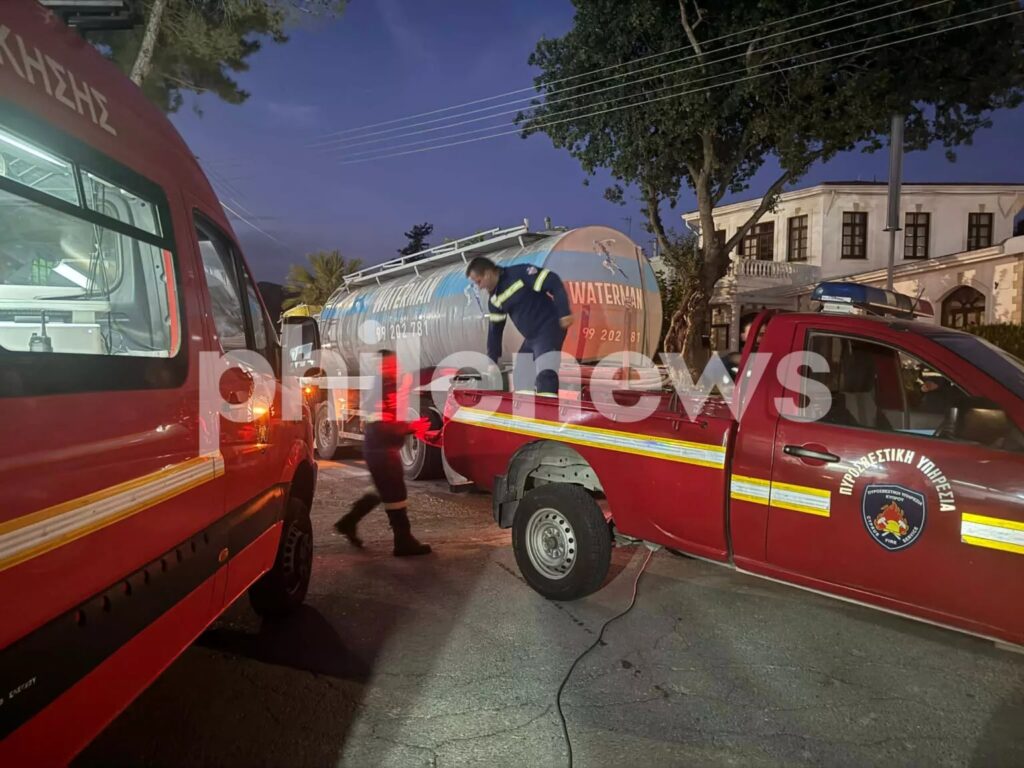
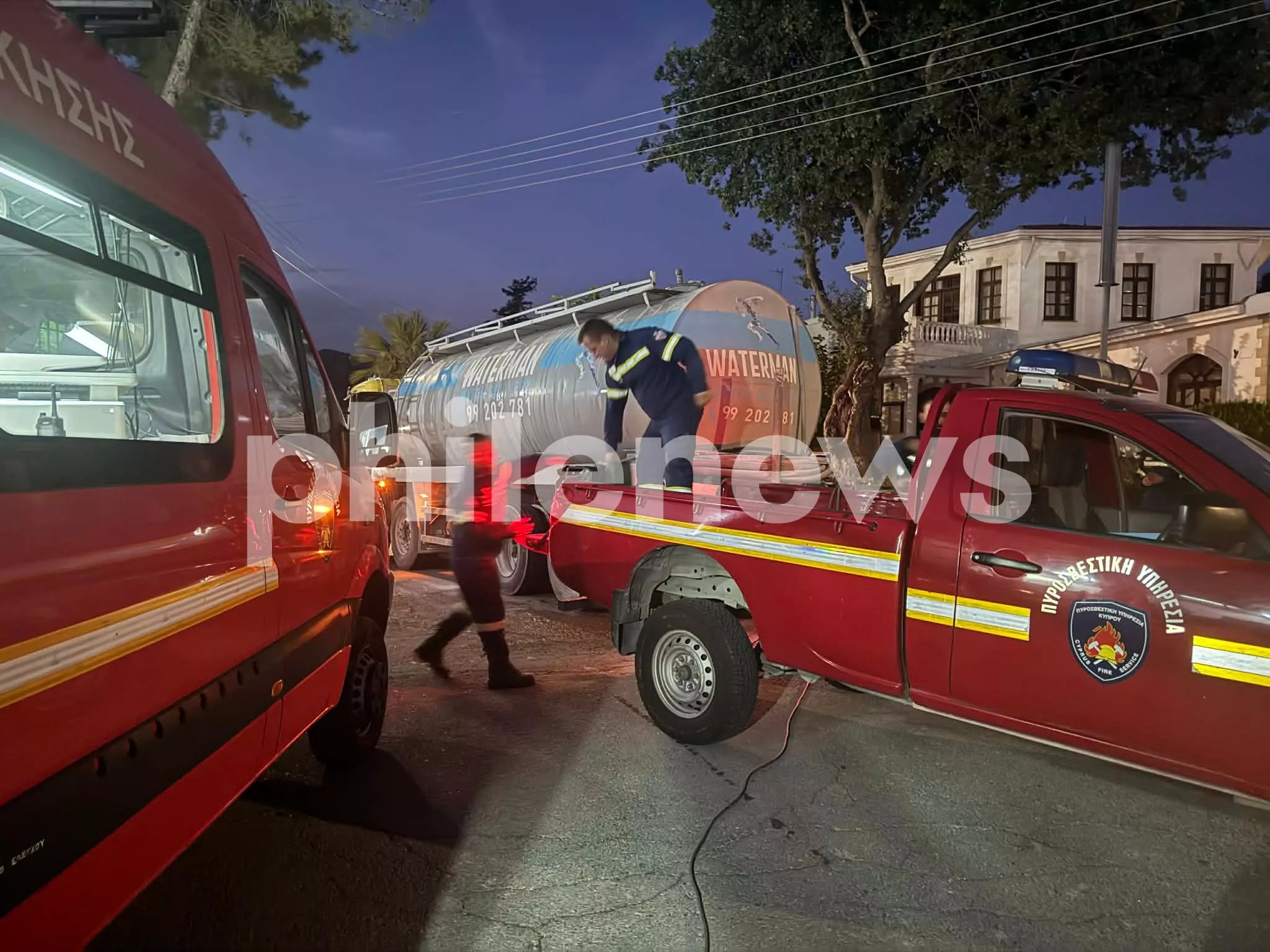
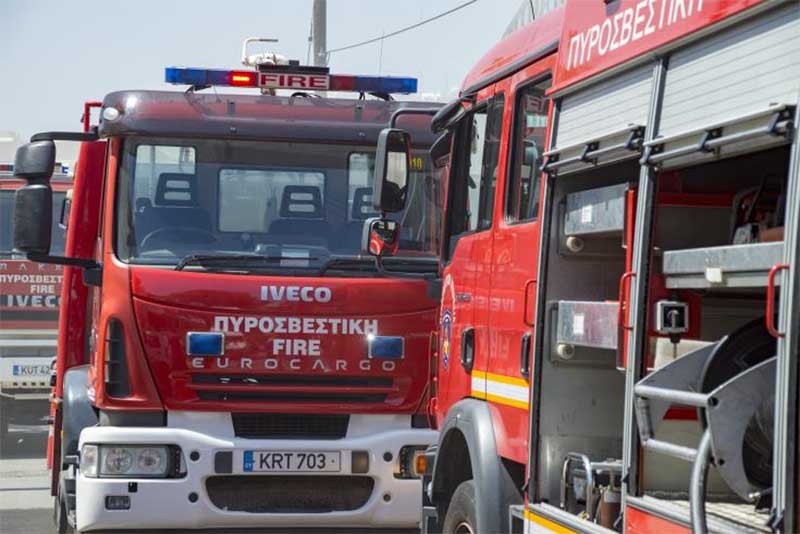
    Fire engines have been dispatched from Paphos and nearby rural stations to combat the blaze. They are joined by personnel from the Department of Forests and local community authorities, all working diligently to contain the fire’s advance.

    Photo: in-cyprus.philenews.com

    Reinforcements Arrive

    Firefighting efforts are continuously being bolstered with additional resources from various districts. Three aircraft, comprising two planes and a Civil Defence helicopter, were deployed earlier for water drops but halted operations within the last hour due to the rapidly changing conditions on the ground.

    Challenging Terrain Hinders Efforts

    The fire is primarily situated in a river gorge, presenting significant challenges for ground crews attempting to access and manage the situation. The Civil Defence and police have been alerted and are prepared for possible evacuations of both Koili and Stroumbi.

    Control Centre Established

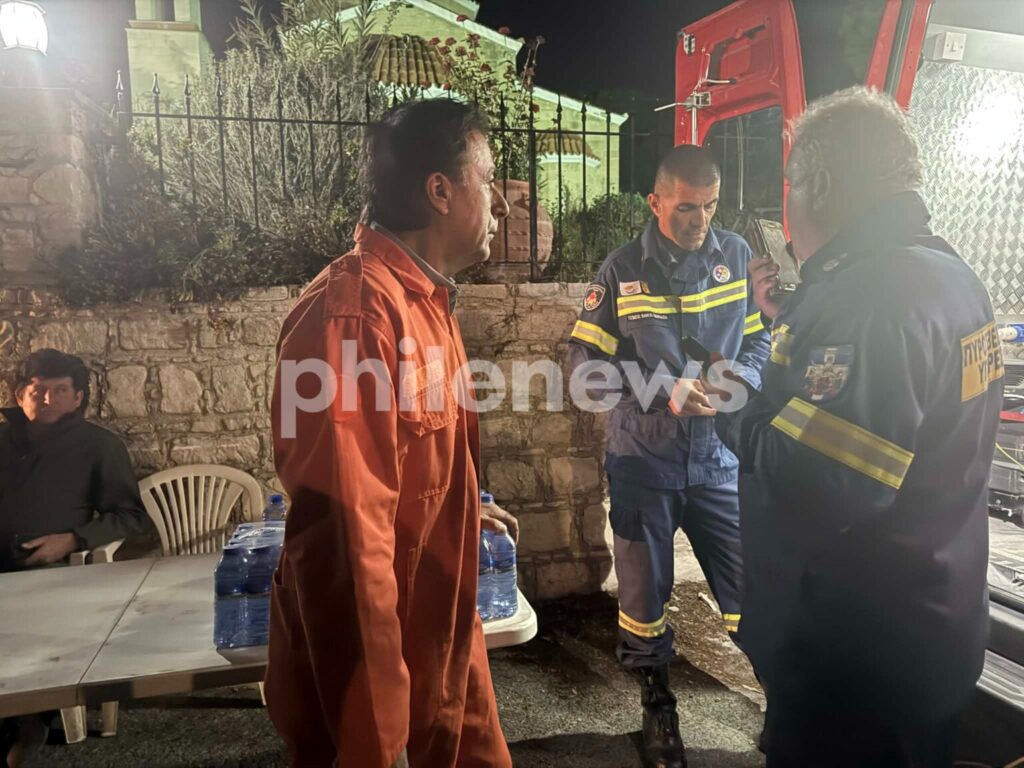
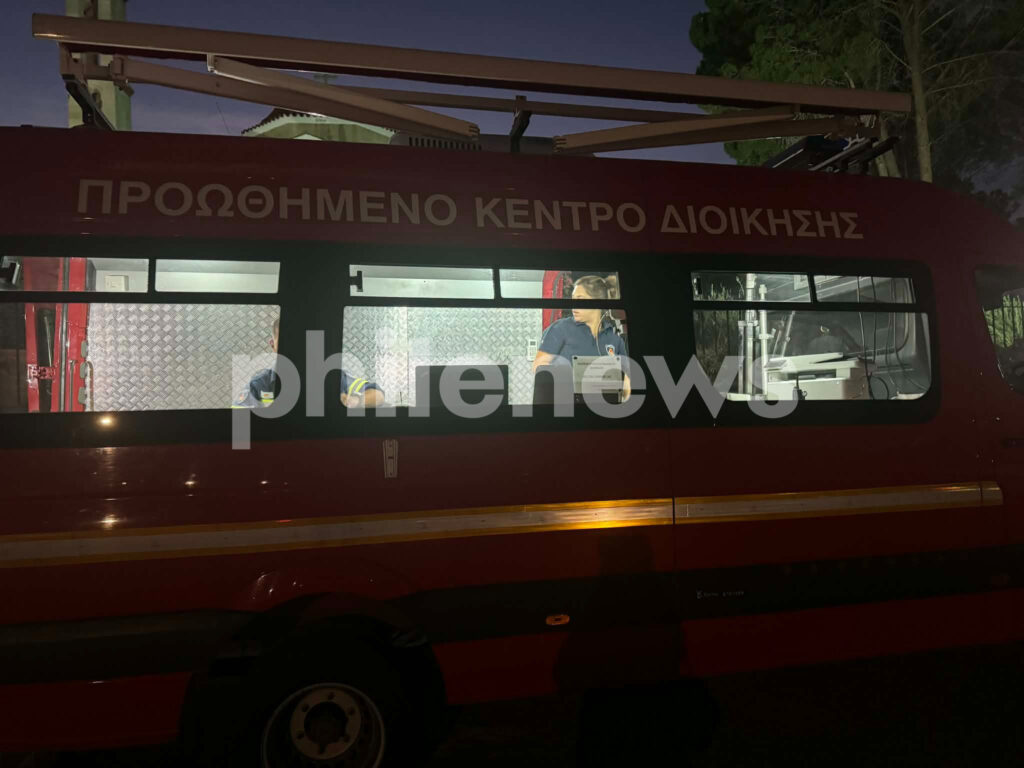
    A forward control centre has been set up in the Stroumbi community square, where various agencies, including the Fire Service, Department of Forests, Civil Defence, army, police, and other relevant services, are coordinating their efforts. According to Fire Service spokesperson Andreas Kettis, an active front has developed, with flames moving westward towards the northwest.

    Extent of the Fire

    The fire has engulfed an area measuring approximately one square kilometre, affecting dry grass, wild vegetation, and trees. Strong winds remain a significant obstacle, with a particularly intense front raging out of control between Koili and Akoursos.

    Simultaneous Fires in the Region

    In addition to the major wildfire, a smaller fire is currently reported in the Turkish Cypriot village of Pitargou, which is expected to be brought under control shortly. The situation is being monitored closely, with resources redirected as necessary.

    On-Site Assessments and Management

    Andreas Gregoriou, director general of the Agriculture Ministry, arrived at the control centre shortly after 7pm to assess the situation and determine any necessary actions. He plans to visit the fire front to evaluate the extent of the danger and to decide on further measures for the night or the coming days.

    Local Insights on the Incident

    Michalis Efthymiou, the community leader of Koili, provided insight into the firefighting efforts, stating that while bulldozers are working to combat the fire, fire engines are struggling to reach the blaze due to its location in an inaccessible area. The fire has destroyed mature cypress forests, but Efthymiou reassured that homes in both communities are not currently at risk.

    Human Factors and Unprecedented Timing

    Efthymiou speculated that human factors might have contributed to the outbreak, suggesting that it was likely initiated by someone on foot, as vehicles are unable to access that specific terrain. He noted that experiencing such fires in November is unprecedented, although today’s high temperatures have likely contributed to the fire’s rapid spread.

    Continued Monitoring and Future Actions

    The situation remains fluid, with firefighters and emergency services on high alert. As conditions evolve, further updates will be necessary to ensure the safety of the communities involved and to manage the fire effectively. The collaborative efforts of various agencies highlight the seriousness of the situation and the commitment to protecting lives and property.

  • Uncontrolled Fire Rages Near Kili, Paphos Community Leader Reports

    Uncontrolled Fire Rages Near Kili, Paphos Community Leader Reports

    uncontrolled fire — The uncontrolled fire continues to blaze between Kili and Stroumbi in the Paphos district, with local community leader Michalis Efthymiou highlighting the challenges faced by fire crews. The fire ignited around 10am and has since posed difficulties for fire trucks attempting to reach the site.

    As it stands, seven fire trucks from the Paphos district have been mobilised to tackle the flames. Fire service spokesman Andreas Kettis confirmed that additional support includes two fire engines and a specialised team from the Emak unit, which is trained to access difficult terrain. The forestry department has also dispatched one fire engine and two earthmovers, with two more earthmovers leased from the provincial administration to assist in the firefighting efforts.

    To enhance coordination, an advanced control centre has been established in Stroumbi’s central square. Kettis noted that an active fire front has reignited to the west and is advancing northwest, prompting the redirection of significant resources to contain the blaze.

    On the ground, the Limassol district fire chief is already present, while the operations director will be arriving shortly. A helicopter from the air operations unit is en route to provide aerial support, and organised volunteer groups have been enlisted to bolster extinguishing efforts. Despite these measures, Efthymiou expressed concern over the lack of available aircraft, stating that more should have been deployed to manage the situation effectively.

    Efthymiou described the devastation caused by the fire, which has ravaged many years of cypress forest. He emphasised that the fire broke out in an area so remote that it could only have been ignited by someone on foot, attributing the incident to human factors. However, he assured that the homes within both communities are not under threat.

    The Kili community leader also pointed out the unusual timing of such fires occurring in November, attributing it to abnormally high temperatures experienced on that day. The situation remains dynamic, and local officials are working tirelessly to combat the flames and safeguard the surrounding areas.

  • Uncertainty Surrounds Great Sea Interconnector Cost and Future

    Uncertainty Surrounds Great Sea Interconnector Cost and Future

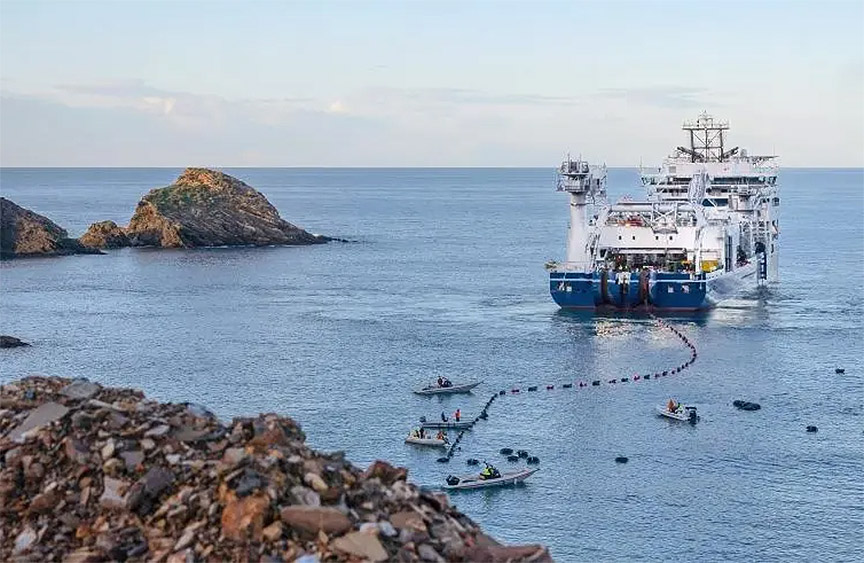
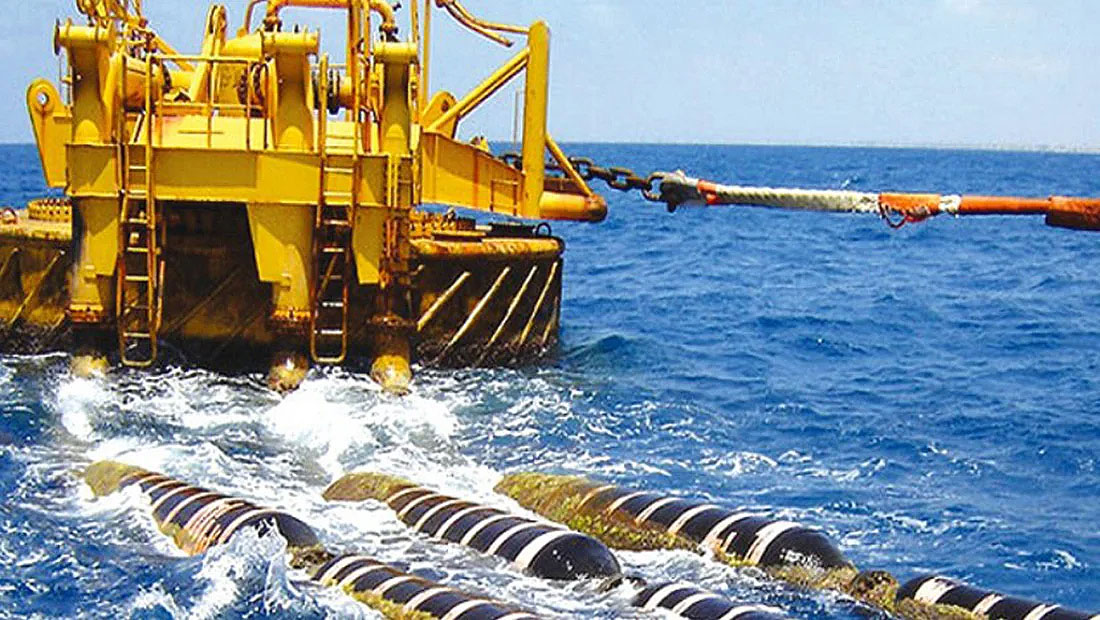
    The Great Sea Interconnector’s future is shrouded in uncertainty as discussions about its cost intensify. Recent talks in Athens led to an agreement to ‘update the techno-economic’ parameters, a move interpreted by many as indicative of stalled progress on the project. While some view this as a necessary step forward, others see it as a sign that the interconnector is struggling to gain momentum.

    Photo: cyprus-mail.com

    Great sea: Debate Over Project Viability

    Opinions on the interconnector diverge sharply. Critics argue that the announcement of a new feasibility study suggests a fundamental reassessment of the project. The GSI, which aims to connect the electricity grids of Cyprus and Greece via a subsea cable, currently faces a significant funding gap, estimated to be around €1 billion. Those sceptical of the project highlight that the necessity of further studies indicates a lack of confidence in its financial viability.

    Photo: cyprus-mail.com

    Funding Challenges

    Despite optimistic claims from Admie, Greece’s independent transmission operator and the project’s promoter, evidence of substantial investment interest remains elusive. Claims that the United States International Development Finance Corporation is considering involvement lack concrete backing. Currently, Admie has capital estimated between €250 million and €300 million and has also secured €650 million in grants from the European Commission. However, the projected cost of the interconnector stands at approximately €1.9 billion, leaving a significant funding shortfall.

    Government Statements and Investor Interest

    Following the Athens summit, Greek Energy Minister Stavros Papastavrou asserted that genuine interest from American investors exists. He stated, “Interest has been exhibited from the Americans, from American companies. We are in an exploratory phase. The Americans, as well as anyone else desiring to invest in a long-term project, they want the numbers, they want the data to understand the what, the how, and the where.”

    This perspective suggests that the feasibility study’s purpose is to provide clarity on costs, which will be critical for attracting potential investors. The study aims to determine whether the project can yield a healthy return on investment and if financial institutions will be willing to back it.

    Concerns Amidst Optimism

    However, sceptics raise valid concerns about the potential ramifications of the feasibility study. They question what would occur if the findings indicate that the interconnector is not financially viable. Would the governments of Cyprus and Greece proceed with a project deemed unfeasible? This uncertainty complicates the already precarious situation surrounding the GSI.

    Further complicating matters, the Turkish navy has deployed gunships to halt depth surveys required for the subsea cable, raising questions about the project’s feasibility if these critical surveys cannot be completed. A source familiar with the situation revealed that there is currently no clear understanding of the GSI’s total cost, contradicting positive outlooks from some officials.

    Historical Context and Previous Studies

    The interconnector project has a complicated history. Initially undertaken by EuroAsia Interconnector Ltd., the project was passed to Admie in October 2023. The Cypriot finance ministry previously submitted a cost-benefit analysis to the European Investment Bank (EIB) when EuroAsia was still involved, seeking an opinion rather than a loan application. The EIB’s recommendation advised Cyprus to invest in energy storage solutions instead.

    Admie later engaged the same consultancy that evaluated EuroAsia’s analysis to perform a second cost-benefit study, which indicated a more favourable outcome for the interconnector, albeit based on several optimistic assumptions.

    Political Perspectives and Future Prospects

    In light of the uncertainty, some remain steadfast in their belief that the GSI is essential for Cyprus’s energy security. Pavlos Liasides, who formulates energy policy for the Disy party, stated, “The GSI is a project that must be done, and will be done. It cannot be otherwise.” Liasides emphasised the interconnector’s significance in the broader context of regional energy needs, connecting Cyprus to the Middle East and Europe.

    He also highlighted the geopolitical implications of the project, noting that plans for interconnectors have been influenced by various international stakeholders, excluding certain nations, including Turkey. This exclusion adds a layer of complexity to the project’s implementation.

    Cost Implications for Consumers

    Addressing concerns about the project’s costs, Liasides pointed out that even if the GSI were to be completed without being utilised, the financial impact on consumers would be minimal, estimating an increase of only €15 per year on their bills over 25 to 30 years.

    Future Collaboration Between Cyprus and Greece

    Despite any perceived tensions between Cyprus and Greece regarding the interconnector, Liasides expressed confidence in the collaboration between the two nations. He noted the leaders’ public commitment to the project during their recent meeting in Athens, suggesting that both governments remain aligned in their objectives.

    As discussions continue, Liasides cautioned against inflammatory rhetoric that could undermine their efforts. He stated, “The GSI has adversaries; they are out there, lurking to poison relations between us and the Greek government. We mustn’t give them any ammunition.” This sentiment underscores the delicate balance that both countries must maintain as they navigate the complexities surrounding the Great Sea Interconnector.

  • Cypriot hellenism — Exhibition Celebrates New Era for Cypriot Hellenism

    Cypriot hellenism — Exhibition Celebrates New Era for Cypriot Hellenism

    cypriot hellenism — The phrase ‘new era for Cypriot Hellenism’ resonated through the halls of the old Nicosia Old Town Hall as President Nikos Christodoulides inaugurated the ’70 Years of Eoka 1955-1959′ exhibition on Saturday. This event marks a significant reflection on the armed Eoka struggle that began in 1955, a pivotal moment in Cyprus’s quest for self-determination.

    Photo: cyprus-mail.com

    During his address, Christodoulides expressed profound pride in the sacrifices made by the ancestors of the Cypriot people. He remarked, “I am proud of our ancestors, of the people of our homeland, who, literally and figuratively burning with love for freedom and the Union with Greece and defying all danger and hesitation, joined the struggle and generously offered their services.” This sentiment encapsulates the enduring spirit of those who fought during the turbulent years of Eoka.

    Photo: cyprus-mail.com

    The exhibition, organised by the government Press and Information Office (PIO), showcases a rich collection of archived newspapers, photographs, and artefacts from the era, many of which are on display for the first time. Visitors are invited to engage with the history that shaped their nation, reflecting on the struggles faced in the pursuit of independence.

    Christodoulides acknowledged that while Eoka’s struggle did not achieve the desired union with Greece, it ultimately led to the establishment of the Republic of Cyprus in 1960. He stated, “The struggle of Eoka 55-59 may not have led to the coveted union with Greece, but it did bring about the most valuable asset to date, our statehood, our greatest bargaining power.” This perspective highlights the complex legacy of Eoka, framed within the broader narrative of Cypriot identity and statehood.

    As visitors traverse the exhibition, they can sense the “accumulated resentment” stemming from decades of foreign occupation following World War II. Christodoulides described the period as one of “decolonisation” for the island, noting the disappointment felt by many as their aspirations for self-determination were repeatedly thwarted. He emphasised the importance of remembering these struggles, stating that the memories of Eoka have been passed down through generations.

    The president paid tribute to notable Eoka fighters such as Kyriakos Matsis, Gregoris Afxentiou, Markos Drakos, and Evagoras Pallikarides. They were hailed as “seeds in the land of Cyprus which bore fruit in its freedom and independence.” Such recognition serves to honour the contributions made by these individuals in the fight against colonial rule.

    As discussions continue regarding the future of Cyprus, including a forthcoming meeting between the island’s leaders and UN envoy Maria Holguin, Christodoulides was careful to position the exhibition within the context of ongoing negotiations. He stressed that the exhibition does not undermine current efforts to resolve the Cyprus issue. “The viability, the functionality of a possible solution goes to a very large extent through respect for the historical identity of each person and certainly not through self-abolition,” he said. This statement reinforces the idea that understanding and respecting history is crucial for any future resolution.

    The ’70 Years of Eoka 1955-1959′ exhibition opens to the public on Sunday and will be accessible until December 12. Visitors can enjoy free entry from Monday to Friday between 4pm and 7pm, and on weekends from 10am to 6pm. This initiative not only serves as a reminder of the island’s tumultuous past but also invites a dialogue about its future.

  • Two Arrested for Alleged Involvement in Triple Burglary

    Two Arrested for Alleged Involvement in Triple Burglary

    triple burglary — triple burglary — Two individuals are now in custody following their alleged involvement in a series of burglaries in Nicosia. A 44-year-old man and a 53-year-old woman were remanded in police custody for five days on Friday as part of ongoing investigations.

    • Both individuals are expected to face further questioning as detectives continue their work to uncover the full extent of the crimes committed.

    The arrests were made after police executed court warrants related to three separate cases of burglary and theft that occurred between November 4 and November 20. These incidents have raised concerns in the local community, prompting a swift response from law enforcement.

    According to police reports, the 44-year-old man is suspected of selling various pieces of jewellery to a gold shop in Nicosia just days before the arrests. On November 20, he allegedly sold these items without the necessary certificates, which has drawn further scrutiny to the transactions made at the shop.

    The woman, who is employed at the gold shop, is also facing charges linked to her role in this transaction. While police have gathered evidence against the man, investigations into the broader case are still ongoing, and authorities are working diligently to piece together all the details surrounding these burglaries.

    As the investigation unfolds, police are appealing to the public for any information that may assist in their inquiries. This incident highlights the importance of community vigilance and cooperation in addressing crime.

    Both individuals are expected to face further questioning as detectives continue their work to uncover the full extent of the crimes committed.

  • Tobacco smuggling — Surge in Tobacco Smuggling from Occupied Territories Raises Alarm

    Tobacco smuggling — Surge in Tobacco Smuggling from Occupied Territories Raises Alarm

    Tobacco smuggling cases from occupied territories have surged, prompting serious concern from authorities. Over the past year, both foreign visitors and residents from government-controlled areas have increasingly crossed into the occupied north to engage in this illicit trade.

    Photo: in-cyprus.philenews.com

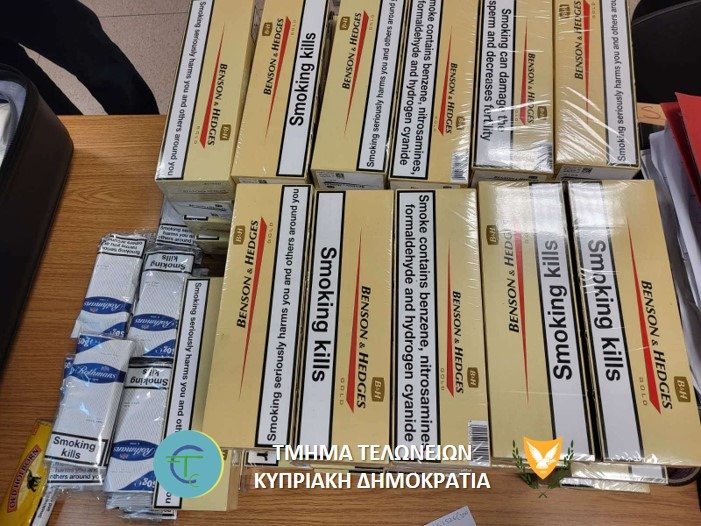
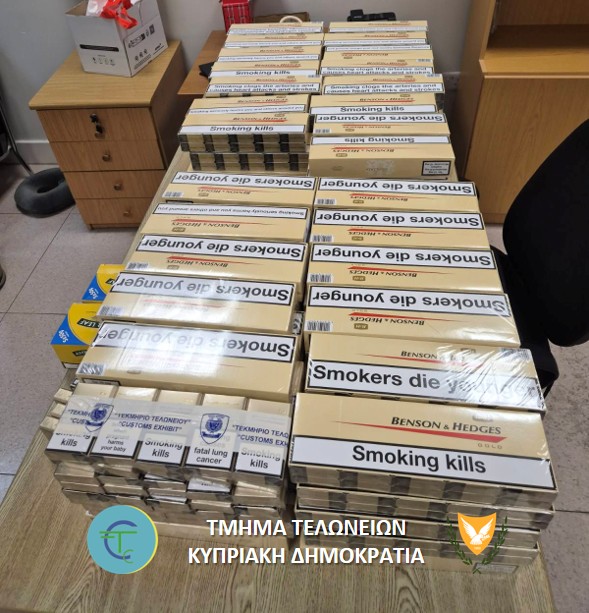
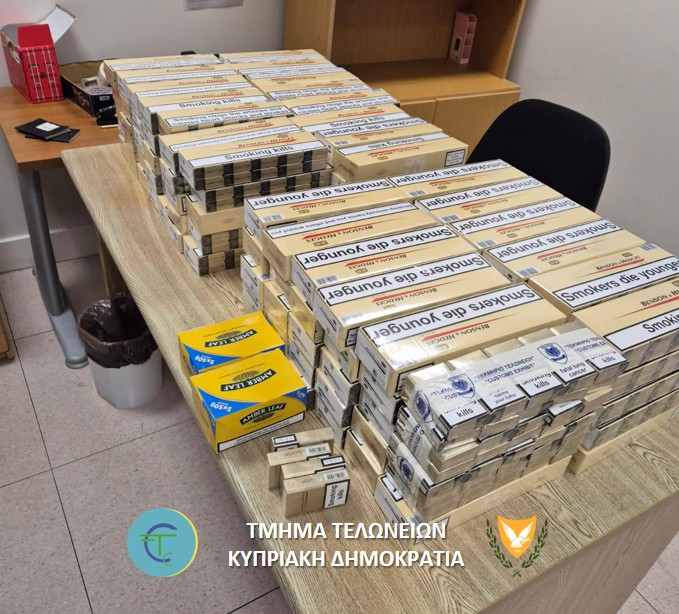
    Recently, at Paphos airport, a British man was intercepted just before his departure from the UK. Customs officials, acting on a tip-off, discovered a significant stash of tobacco products in his luggage. The haul included 135 cartons of 200 cigarettes each, along with four packets of 20 cigarettes and 500 grams of loose tobacco.

    Photo: in-cyprus.philenews.com

    Authorities noted that the seized products lacked the required warning labels in both Greek and Turkish, as well as the essential security features and unique traceability codes. This violation of regulations led to the man’s arrest, and he was remanded in custody for four days following a court appearance.

    This incident follows a notable case from last month, where a Greek-Cypriot man attempted to smuggle hundreds of cigarette cartons through the Ayios Dhometios checkpoint. The growing trend of tobacco smuggling has raised alarms, as it not only breaks local laws but also poses health risks due to the unregulated nature of the products being transported.

    The rise in these smuggling activities reflects a larger issue that authorities are grappling with, as they seek to enforce regulations and ensure public health is not compromised. The implications of such smuggling extend beyond immediate legal concerns, highlighting the need for stricter monitoring and enforcement at borders.

  • Police Investigate Reports of Cat Consumption in Nicosia

    Police Investigate Reports of Cat Consumption in Nicosia

    cat consumption — Authorities are investigating alarming reports of cat consumption in Nicosia, prompted by witness accounts shared by Animal Party Cyprus. These accounts highlight a troubling pattern of cat disappearances in certain areas of the capital over recent weeks.

    This morning, the police confirmed that their Animal unit, alongside representatives from Veterinary Services, conducted searches at two apartments in a Nicosia suburb. The searches were carried out with the consent of the residents, yet no evidence was found that could substantiate the claims of cat eating.

    In light of these developments, police have urged the public to report any instances of animal abuse or neglect immediately. The authorities emphasised their commitment to investigating all complaints thoroughly and responsibly.

    “We will investigate all complaints with responsibility and diligence,” a police spokesperson stated, underlining that allegations alone are insufficient for launching an investigation without tangible evidence.

    The ongoing situation has sparked concern among animal welfare advocates and local communities. As the police continue to monitor the situation, they reiterated the importance of collaboration between citizens and relevant authorities to ensure the safety and well-being of animals.

    Animal welfare is a communal responsibility, and the police have called for vigilance in protecting the vulnerable. “Animal welfare concerns everyone, and through citizens and competent bodies cooperation we can secure their safety,” the statement concluded.