Category: News

  • Police Conduct Anti-Poaching Raids, Seizing Over 1,000 Dead Wild Birds

    Police Conduct Anti-Poaching Raids, Seizing Over 1,000 Dead Wild Birds

    Police have seized over 1,000 dead wild birds in a significant anti-poaching operation across Cyprus. Coordinated raids on Friday involved the Game and Fauna Service officers and targeted specific individuals linked to illegal wildlife activities.

    Photo: in-cyprus.philenews.com

    Wild birds: Coordinated Efforts Yield Substantial Results

    During the operation, which executed seven search warrants—five in the Nicosia district and two in Limassol—officers uncovered a staggering 1,008 dead wild birds. The raids were part of a broader effort to combat poaching and protect the country’s wildlife.

    Photo: in-cyprus.philenews.com

    Items Confiscated in the Raids

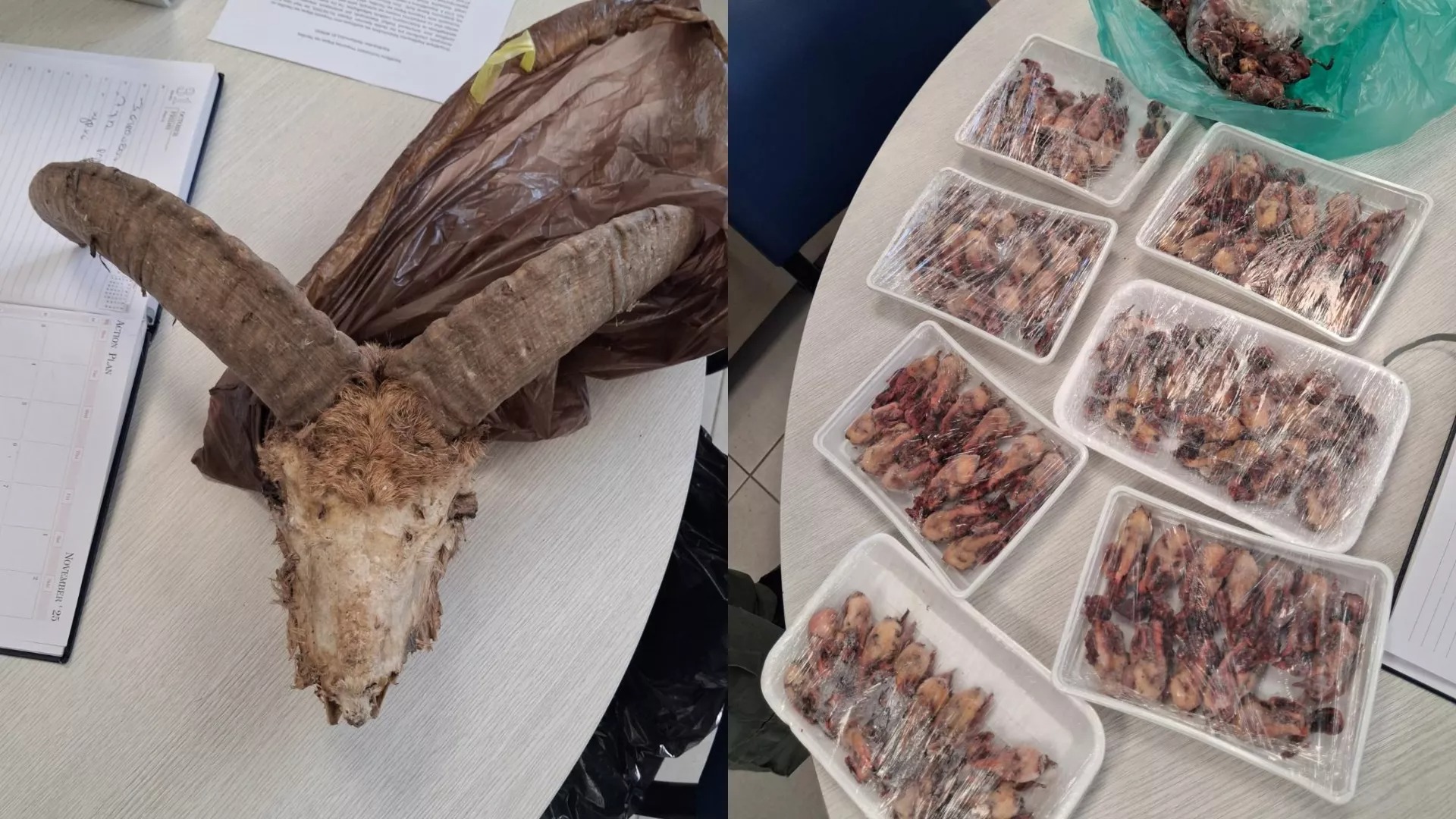
    In addition to the wild birds, authorities confiscated two moufflon skulls, three dead hares, seven dead partridges, and five dead francolins. The operation also resulted in the seizure of four hunting weapons, one of which had been modified, along with 47 steel traps intended for capturing wild birds.

    Live Animals and Illegal Equipment Found

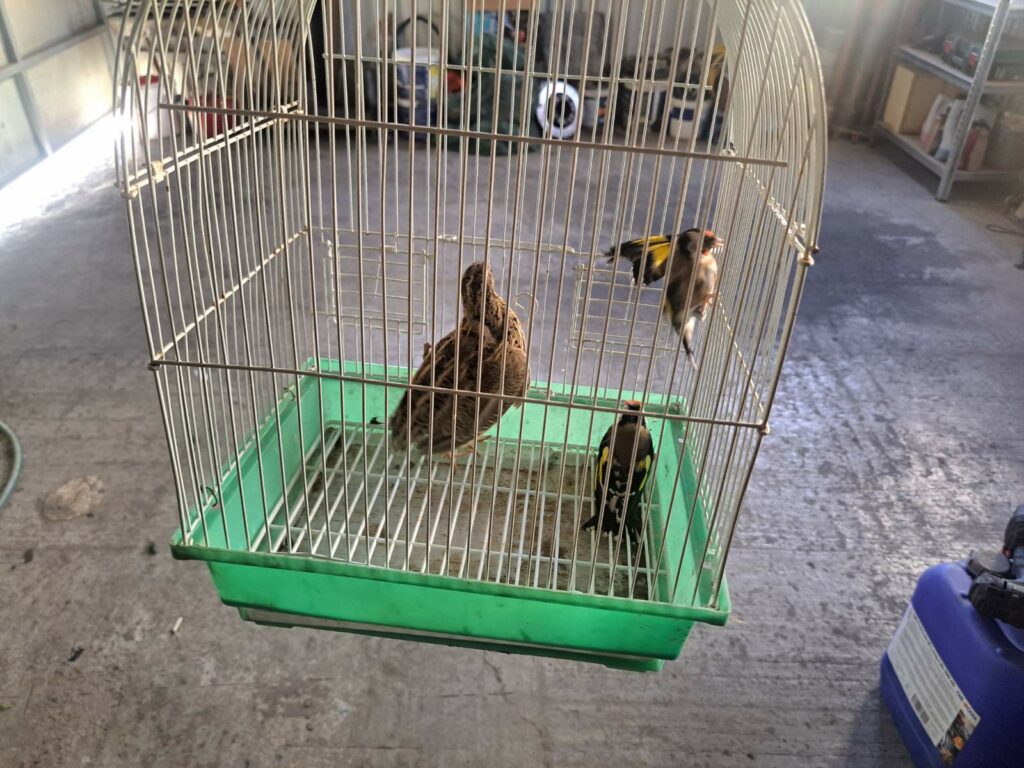
    Officers did not stop at dead animals; they also seized two live hares, three live wild birds, and one net used for trapping. Furthermore, a quantity of prohibited ammunition and three devices that emit wild bird calls were confiscated, highlighting the extent of illegal hunting practices in the region.

    Legal Action Following the Operation

    As a result of these coordinated efforts, five individuals have been charged. The Game and Fauna Service emphasised the importance of these operations in safeguarding Cyprus’s wildlife and enforcing conservation laws.

  • Larnaca Launches Door-to-Door Campaign to Tackle Mosquito Surge

    Larnaca Launches Door-to-Door Campaign to Tackle Mosquito Surge

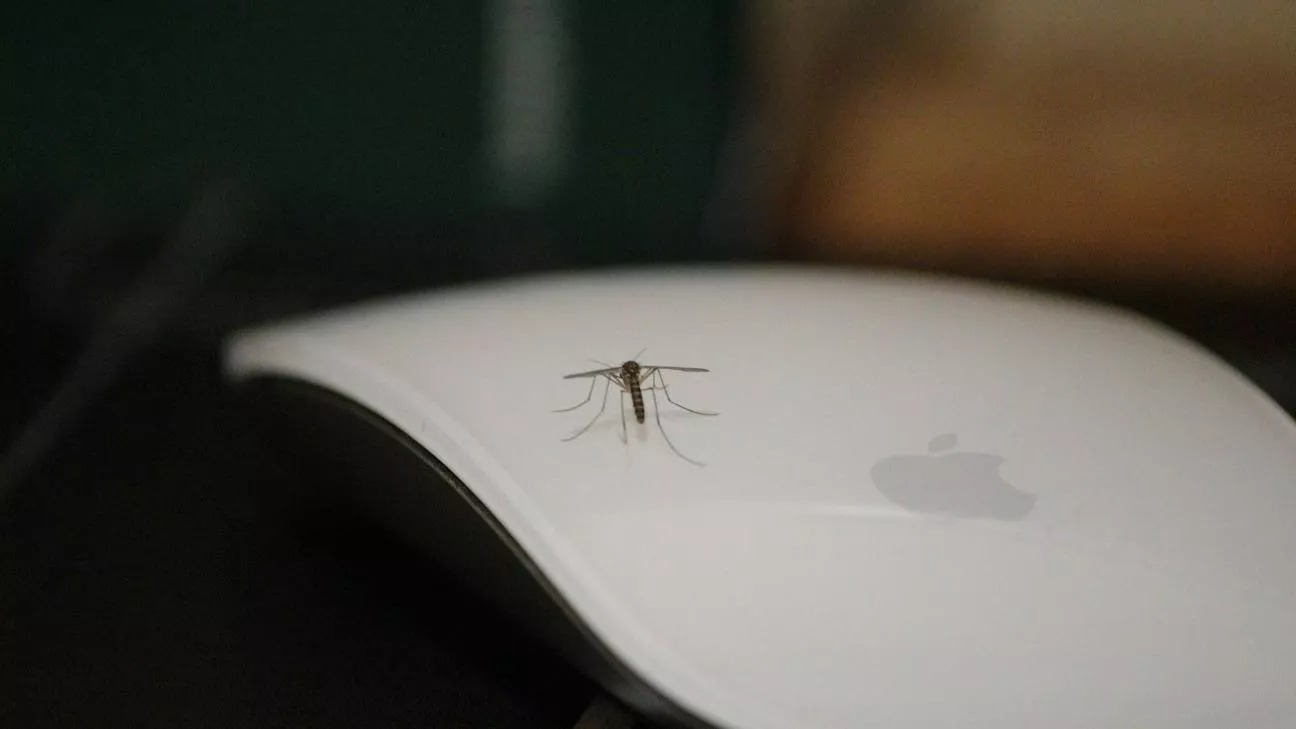
    mosquito surge — Larnaca municipality is actively addressing a surge in mosquito complaints through a door-to-door campaign in the Salt Lake area, where health officials have raised alarms about the presence of disease-carrying species in Cyprus.

    Mosquito surge: Municipal Efforts to Combat Mosquitoes

    The municipality’s Health Department is implementing a rigorous plan that includes spraying standing water, storm drains, and urban rivers every 10-12 days. This effort utilises biological insecticides that have been approved by the Ministry of Agriculture.

    Home Visits to Identify Breeding Sites

    Health teams from both municipal and provincial levels are visiting homes to help identify potential mosquito breeding sites and to educate residents about preventive measures. The department has noted that while standing water around the Salt Lake serves as a breeding ground for mosquitoes, spraying within the protected area itself is prohibited, with operations confined to the perimeter.

    Monitoring and Trapping

    To further combat the mosquito surge, the municipality has placed traps throughout the area. The Ministry of Health conducts regular checks to assess whether the mosquitoes pose a public health threat, testing samples to determine if disease-carrying species are present.

    In addition to common mosquitoes, residents report bites from sandflies, referred to as “silent mosquitoes,” along with other insects that thrive in trees, hedges, and decaying leaves.

    Identifying Home Breeding Sites

    The municipal Health Department spokesperson has indicated that the mosquito problem is exacerbated by two primary sources. Mosquitoes can breed inside homes, where authorities have identified common breeding sites including:

    • Plant pots
    • Exposed water containers
    • Old tyres
    • Small fountains

    “The campaign is year-round and covers the municipal districts under our jurisdiction, namely Livadia and Voroklini,” the spokesperson explained.

    Targeting Aedes Aegypti Species

    Health Ministry teams are conducting a focused door-to-door campaign aimed at the Aedes aegypti mosquito, educating the public on effective control measures. This species is particularly concerning due to its ability to transmit various infectious diseases.

    High-Risk Locations for Mosquito Breeding

    Municipal officials have pinpointed several locations that require special attention due to their potential for mosquito breeding:

    • Disused swimming pools
    • Old septic tanks not properly sealed
    • Construction site excavations
    • Old tyres and water storage barrels
    • Blocked storm drain grilles
    • Cemetery flower vases

    Disused swimming pools pose a major concern, while improperly sealed septic tanks create additional breeding grounds. Construction sites, too, can inadvertently contribute to the problem, especially if excavations collect water.

    Managing Tyre Risks

    Old tyres are particularly problematic, especially at outdoor tyre repair shops or garages. Authorities emphasise the importance of regularly removing tyres by licensed companies. If tyres are to remain on site for extended periods, they must be stored in covered areas to prevent rainwater accumulation.

    Flower Vases in Cemeteries

    Officials have also highlighted that cemetery flower vases can become breeding sites if water remains stagnant for long periods. Residents are advised to change the water in these vases every seven days to mitigate the risk.

    Health Risks Associated with Mosquitoes

    The mosquito species now identified in Cyprus are not just a nuisance; they can transmit serious infectious diseases to humans. These include:

    • Yellow Fever virus
    • Dengue Fever
    • Zika virus
    • West Nile virus

    As the mosquito situation escalates, public health officials are urging residents to remain vigilant and proactive in preventing mosquito breeding in and around their homes.

    Community Engagement and Support

    The municipality’s door-to-door campaign aims not only to inform residents but also to foster community engagement in combating the mosquito problem. Public cooperation is crucial in identifying and eliminating potential breeding sites.

    Officials encourage residents to report any issues they encounter, whether it be stagnant water or potential breeding grounds, to the municipality’s Health Department, ensuring a collective effort in managing this pressing public health concern.

  • Tychikos — Medical Examinations Conclude for Deposed Bishop Tychikos

    Tychikos — Medical Examinations Conclude for Deposed Bishop Tychikos

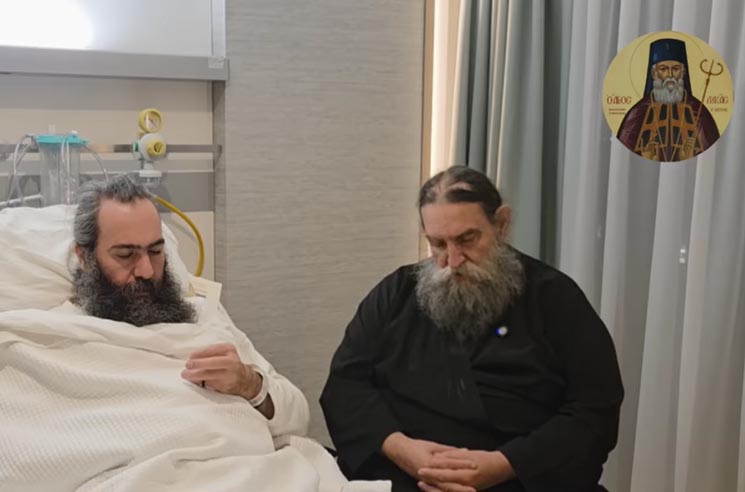
    Medical examinations of deposed Paphos bishop Tychikos have been completed, following his hospitalisation last week during his journey back to Cyprus from Istanbul. Tychikos had travelled to Istanbul to appeal against his dismissal at the Ecumenical Patriarchate of Constantinople.

    The priest accompanying Tychikos, known as Father Evangelos, reported to the Cyprus News Agency that doctors at the Onassis hospital in Athens recommended that he avoid mental stress. He noted that Tychikos’ health has improved and that he will consult with heart surgeons for further evaluation.

    According to Father Evangelos, if there are no serious health concerns, Tychikos plans to return to Cyprus. Prior to his hospitalisation, it was reported that he was experiencing health issues while travelling from Istanbul to Athens, prompting his admission to the hospital for a series of tests.

    Members of the Cyprus Holy Synod expressed concern about Tychikos’ condition, with assurances that they could contact his doctors for updates. However, Archdiocese of Cyprus press spokesman Christos Efstathiou indicated that the Holy Synod and Archbishop Georgios were not informed of Tychikos’ hospitalisation in a timely manner, and had they been, they would have contributed to his recovery.

    Tychikos’ visit to Istanbul was to contest the Holy Synod’s decision to relieve him of his duties, which was ratified by a vote of ten to six on May 22. This decision followed charges against him for breaches of church protocol, including displaying an uncanonised saint’s icon. His lawyer, Evangelia Poulla, condemned the decision as “unacceptable to say the least” and described it as “inconceivable,” noting that such an unjust ruling was unprecedented.

    On the other hand, Efstathiou remarked that the unanimous decision from the Ecumenical Patriarchate sent a clear message. Although Tychikos retains his title as a bishop of the Church of Cyprus, he has been stripped of his administrative responsibilities. Church secretary Georgios Christodoulou clarified that Tychikos remains a member of the Holy Synod.

    The tensions between Tychikos and the archbishop have been well-documented, particularly regarding Tychikos’ refusal to allow the relic of Apostle Paul’s skull to be brought from the Vatican City, based on his beliefs about Pope Francis. In the aftermath of Tychikos’ dismissal, Paphos mayor Phedonas Phedonos publicly shared grievances about the bishop’s conduct, describing it as “trying and unbecoming” for the municipality over the years. He recounted how Tychikos had taken the municipality to court without prior notice and had obstructed communications by locking offices and ignoring calls, attributing the behaviour to a “spiritual retreat.”

  • Cyprus Energy Minister Affirms Commitment to Great Sea Interconnector Project

    Cyprus Energy Minister Affirms Commitment to Great Sea Interconnector Project

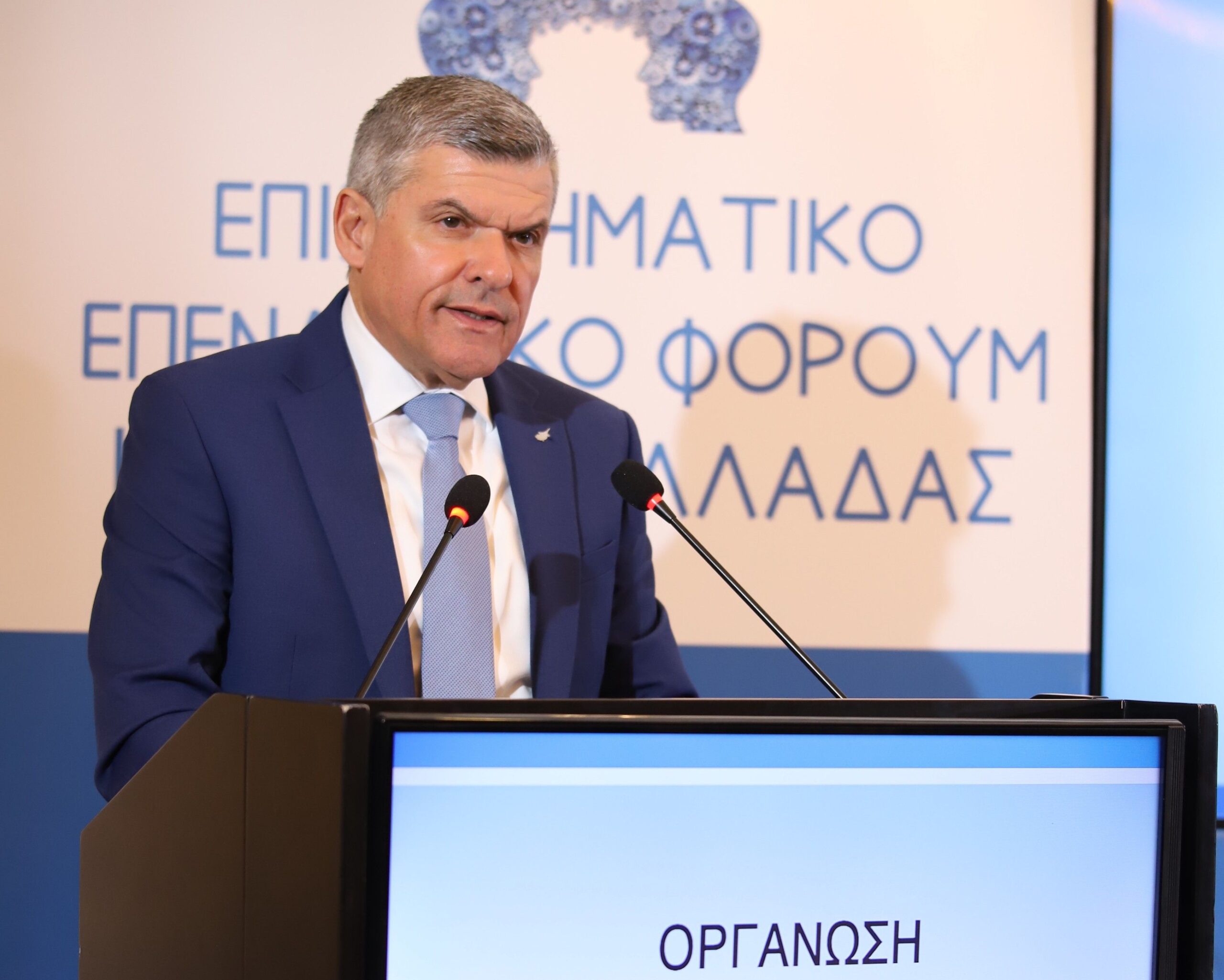
    The Great Sea Interconnector (GSI) remains a priority for the Cypriot government, according to Energy Minister George Papanastasiou, despite criticism regarding its financial viability.

    • The Great Sea Interconnector (GSI) remains a priority for the Cypriot government, according to Energy Minister George Papanastasiou, despite criticism regarding its financial viability.

    Minister’s Assurance Amidst Financial Concerns

    During an event in Paphos on Monday, Papanastasiou emphasised the need for Cyprus to maintain its focus on the GSI project. This statement came on the heels of remarks from Kyriacos Kakouris, the outgoing Vice President of the European Investment Bank (EIB), who labelled the project a “financial non-starter.”

    Defending the European Nature of the Project

    Papanastasiou countered the scepticism by highlighting that the GSI is a European initiative. He stated, “any commentary, from anyone else other than the European Commission, is superfluous,” indicating that outside opinions, including those from Greek and Cypriot officials, should be viewed with caution.

    Upcoming Meetings to Discuss the GSI

    The Energy Minister also confirmed that a crucial three-way meeting involving himself, his Greek counterpart, and the European Commissioner for Energy is scheduled for November 12 in Brussels. This follows an earlier teleconference on October 16, aimed at addressing concerns surrounding the GSI.

    The Great Sea Interconnector Explained

    The GSI is envisioned as a subsea cable that will connect the electricity grids of Cyprus and Greece. This interconnection is intended to bolster energy security and diversify energy sources for Cyprus, which is currently reliant on imported fuel.

    Financial Viability Under Scrutiny

    Kakouris raised several doubts about the GSI’s financial viability, stating that the EIB has yet to receive sufficient explanations from the Greek and Cypriot governments about how the interconnector fits into their broader energy plans. He expressed concern that the project, as it stands, does not appear to be viable based on existing regulatory decisions.

    He remarked, “On its own the project, based on the decisions of the regulatory authorities, appears not to be viable,” suggesting that additional political discussions are crucial to secure state support and guarantees, especially concerning geopolitical risks associated with the project.

    Escalating Costs and Consumer Concerns

    Compounding the challenges, Kakouris noted that the project’s costs have escalated significantly, with the initial estimate of €1.4 billion now deemed outdated. He warned that the cost of lending could effectively double the total financial outlay, extending repayment over a 20 to 25-year period. This raises questions about how these costs will affect electricity consumers in both Cyprus and Greece.

    According to Kakouris, clarity is needed regarding what consumers will be charged for the interconnector over time. The agreed reimbursement ratio dictates that two-thirds of the costs will fall on Cypriot consumers, while one-third will be the responsibility of Greek consumers. He insisted that there should be assurances that the charges do not outweigh the benefits.

    Political Reactions and Calls for Transparency

    The opposition party Akel has been vocal in its criticism of the government’s handling of the GSI project. They accused the administration of “speaking with a forked tongue” and failing to take decisive action to address the project’s viability.

    Akel has demanded immediate clarification from President Nikos Christodoulides regarding the absence of an official loan request to the EIB, the government’s intentions for potentially acquiring a stake in the GSI, and whether the project is considered financially sustainable.

    Looking Ahead

    As the scheduled meetings approach, the Cypriot government faces mounting pressure to provide clear answers and a viable path forward for the GSI. Papanastasiou’s steadfast commitment to the project suggests an unwavering belief in its potential benefits, despite the financial uncertainties that loom.

    Ultimately, the future of the Great Sea Interconnector hinges on successful negotiations, financial backing, and a transparent dialogue with consumers and stakeholders. The outcome will not only impact energy policy in Cyprus but also its relationship with Greece and the broader European energy landscape.
  • Assistance dogs — Cyprus Takes Steps to Ensure Legal Rights for Assistance Dogs

    Assistance dogs — Cyprus Takes Steps to Ensure Legal Rights for Assistance Dogs

    Cyprus is moving to guarantee the legal right for people with disabilities to use assistance dogs, addressing a significant gap in legislation that has left just three certified dogs in the country.

    • Cyprus is moving to guarantee the legal right for people with disabilities to use assistance dogs, addressing a significant gap in legislation that has left just three certified dogs in the country.

    During a recent meeting of the House Human Rights Committee, MPs highlighted the urgent need for legislation after learning that training costs can soar to €50,000. This financial burden, coupled with a lack of regulatory framework, has severely limited access to assistance dogs for those who need them most.

    Assistance dogs: Legislative Action on the Horizon

    The committee convened following a motion by MP Christos Senekis, which garnered broad political and institutional support for immediate action. Senekis stressed that the right to be accompanied by an assistance dog is already recognised under the UN Convention on the Rights of Persons with Disabilities, a treaty Cyprus ratified in 2011. However, the absence of specific laws for universal access in public and private spaces has left many individuals without the help they require.

    In collaboration with organisations such as the Cyprus Confederation of Disability Organisations (KYSOA) and the Pan-Cyprian Organisation of the Blind, Senekis is drafting a bill aimed at enshrining these rights in law. He referenced Greece, which has had a regulatory framework in place since 2010, and suggested that Cyprus could link the certification process to existing laws regarding dogs and persons with disabilities.

    High Costs and Ongoing Challenges

    Committee chair Eirini Charalambidou underscored the importance of this issue, pointing out the prohibitive costs associated with certification. “It cannot be that around €10,000 is required for the certification of a guide dog,” she stated. “The state has a duty to resolve the issue with a clear legislative framework and certification process.”

    MP Charalambos Theopemptou echoed these sentiments, noting that discussions on exempting assistance dogs from ownership fees have highlighted the critical lack of certified dogs in Cyprus. He mentioned that training costs can vary significantly, with many instances reaching €50,000 at foreign schools. The lengthy training process involves both the dog and its handler and includes ongoing assessments.

    Voices from the Community

    Pelagia Englezaki, director of the School for the Blind, elaborated on the extensive training requirements for assistance dogs, emphasising the financial and temporal commitments involved. MP Alexandra Attalides remarked on the cultural barriers that persist in Cyprus, where assistance animals are not as widely accepted as in other European nations. She stressed the vital role these dogs play in the lives of many disabled individuals, serving not just as aids but as companions.

    Officials from various ministries expressed support for establishing a regulatory framework. Petros Anagiotis from the Interior Ministry indicated a positive stance towards reform, while Christakis Nicolaides, president of the Pan-Cyprian Organisation of the Blind, highlighted that the issue has been on the agenda since at least 1980. He reiterated the urgent need for a new legislative framework to facilitate certification and ensure free access for assistance dogs in public spaces.

    A Call for Action

    During the session, a representative from the Ombudsman’s Office noted the lack of recorded complaints, attributing this to the absence of a certification system. Concerns were raised about the current regulations set by the Road Transport Department, which require assistance dogs to have a muzzle and health documentation, a point that elicited strong reactions from MPs.

    Addressing the limitations on resources available for training assistance dogs, police representatives acknowledged that these challenges hinder the development of a robust support system for disabled individuals. Meanwhile, the Union of Municipalities expressed readiness to collaborate in creating a clear framework for assistance dog certification.

    At the conclusion of the meeting, Charalambidou announced that the issue would be swiftly referred to the Interior Ministry and the Justice Ministry for further action. Senekis is set to present a bill designed to ensure a comprehensive framework for assistance dogs, which includes national certification, state funding for training costs, and explicit access rights across all public and private spaces.

  • Volt Party Advocates for Cannabis Legalisation in Cyprus

    Volt Party Advocates for Cannabis Legalisation in Cyprus

    cannabis legalisation — cannabis legalisation — The Volt party has introduced a proposal to legalise cannabis in Cyprus, focusing on four key pillars aimed at reducing court cases, enhancing public health, boosting the economy, and benefiting the environment.

    Arguing that regulated cannabis use for adults over 18 is a progressive step rather than a retreat by the state, Volt emphasises the need for a modern, evidence-based reform. The party highlighted that Cyprus currently enforces some of the strictest cannabis laws in the EU, leading to a burden on the legal system, social stigma for young people, and a flourishing black market.

    In their statement, Volt referenced the experiences of several European nations, including Germany, Malta, and Portugal, which have successfully implemented regulations that promote social cohesion, safeguard public health, and yield significant economic gains.

    Cannabis legalisation: Four Pillars of Legalisation

    Volt’s proposal is anchored in four main pillars:

    • Society and Health: The party aims to reduce stigma around medical cannabis, integrate it into the National Health System (GESY), treat addiction as a health issue, and enforce quality health checks for public safety.
    • Economy and Development: The initiative is expected to create numerous jobs, enhance agricultural production, attract investment, and promote cannabis tourism, potentially generating tens of millions of euros in revenue for the state.
    • Environment: Volt plans to advocate for industrial hemp as an eco-friendly alternative for products like paper, textiles, and biofuels, while also addressing CO2 capture and soil restoration efforts.
    • Justice and Youth: The proposal seeks to end the unfair stigma attached to minor cannabis offences, emphasising prevention and education over prosecution and freeing up law enforcement resources to tackle serious crime.

    Volt firmly believes that the time has come for Cyprus to adopt a realistic regulatory framework that can effectively manage what has historically been a shadow market. The party contends that such a framework will protect citizens, reduce crime rates, support public health, and drive economic development.

    In their call to action, Volt has invited the public, stakeholders, and citizens to engage in a dialogue about a new cannabis policy that prioritises the needs of the people and promotes progress.

  • Controversy Surrounds Tree Management at Nicosia’s Academy Forest Park

    Controversy Surrounds Tree Management at Nicosia’s Academy Forest Park

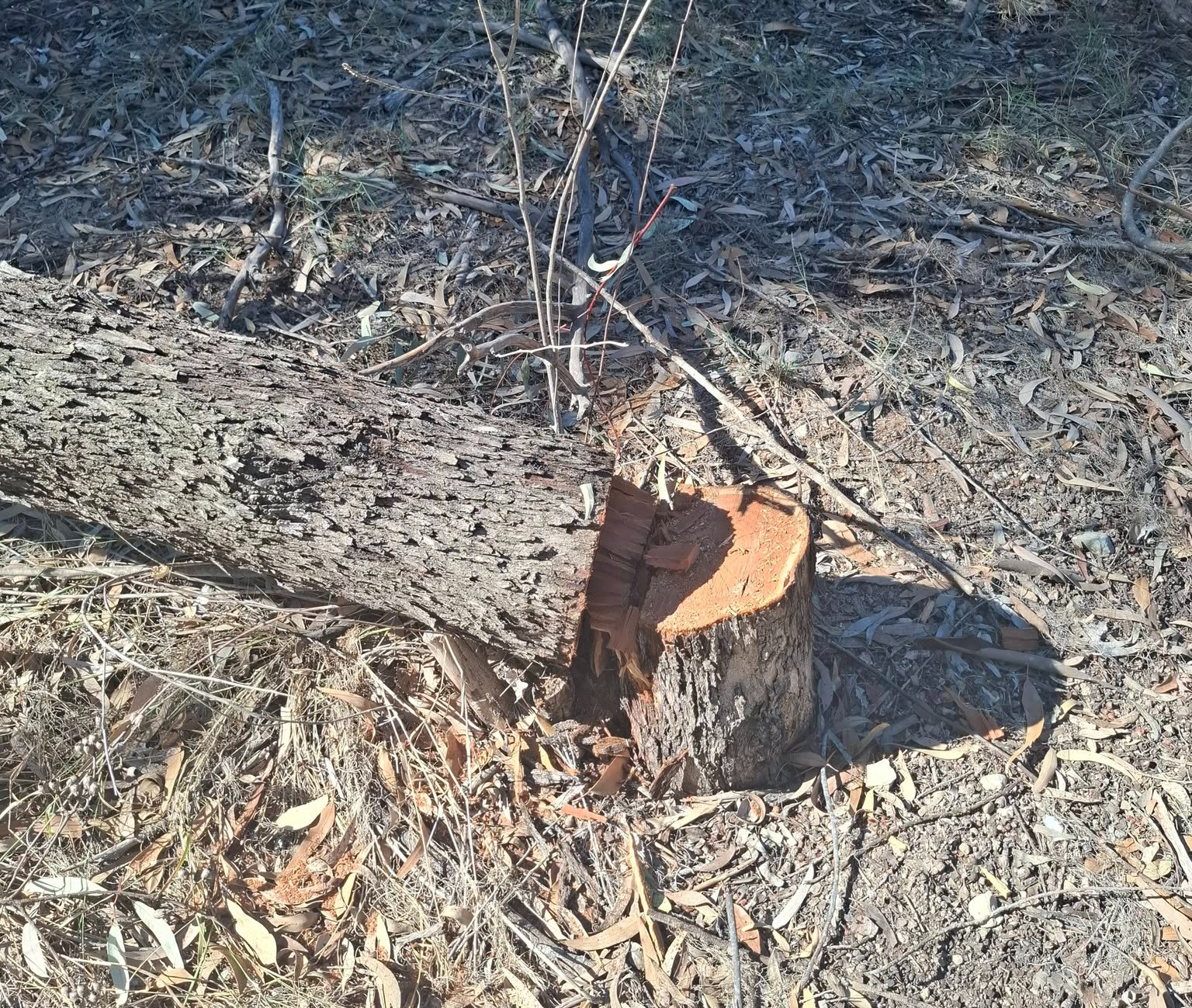
    The tree management practices at Nicosia’s Academy Forest Park, also known as Alsos Forest, have come under scrutiny. Former Movement of Ecologists-Citizens’ Cooperation Party leader George Perdikis has raised concerns about the recent cutting and pruning of approximately sixty trees in the park, questioning the transparency of the Forestry Department’s operations.

    Located between the municipalities of Aglantzia and Nicosia, the 45-hectare park is a beloved green space, only two kilometres from the city centre. Established in the early 20th century, it was originally a wetland area transformed by the British colonial government, which introduced eucalyptus trees to manage water levels. Today, the park is a habitat of various plant species and wildlife.

    On 16 October, the Forestry Department announced planned works in the park, which would occur throughout October and November. These include playground maintenance, flood prevention measures as part of the Holistic Water Management Plan, and forestry interventions aimed at fire protection.

    However, Perdikis expressed dissatisfaction with the lack of information provided by the Forestry Department. He stated that despite his inquiry about the number of trees to be felled, he had yet to receive a response. “I have visited the area and have the impression that the cutting of eucalyptus trees (approximately 20) and the drastic pruning of another 40 or so is being done almost arbitrarily,” he noted in a Facebook post.

    The former party leader highlighted a significant absence of detailed planning from the department, including layouts and cross-section drawings of the affected areas. He pointed out that the process seemed to bypass the necessary Environmental Impact Assessments, raising questions about the approval from the Environmental Authority. “For all the above reasons, despite the fact that the work appears to be necessary, unfortunately a crisis has been caused through the fault of the Forestry Department,” Perdikis added.

    In response to the backlash, the Forestry Department issued a clarification on 26 October, stating that the flood prevention works are part of the Cyprus Flood Risk Management Plan. This initiative aims to control flood flows from the Kateva River, protect residential areas downstream, and retain rainwater within the park to combat drought.

    The department assured the public that the decision to create a retention lake covering 3.8 decares was based on thorough hydrological studies aimed at minimising the environmental impact. They emphasised the project’s role in addressing significant flooding issues while also enhancing the park’s natural environment.

    Despite these reassurances, Perdikis warned that the park remains vulnerable to fires due to unmanaged biomass, including dry branches, grass, and debris. He recounted instances where citizens intervened to extinguish fires during summer, highlighting a lack of automatic monitoring systems. “There was no timely intervention,” he remarked, raising further concerns about the park’s ongoing safety.

    Calling for a more collaborative approach, Perdikis urged the Forestry Department to engage with local organisations and citizens for cooperation on safeguarding the Pedagogical Academy forest. He acknowledged the importance of the department’s role, especially in light of discussions about its potential dissolution by the government, and expressed hope for a more transparent and informed management of the park in the future.

  • Government Pursues Swift Resolution on Cost of Living Allowance Negotiations

    Government Pursues Swift Resolution on Cost of Living Allowance Negotiations

    cost of — As the discussions surrounding the Cost of Living Allowance (CoLA) heat up, Labour Minister Yiannis Panayiotou is advocating for a swift resolution. His mantra for late October, ‘intensify and expedite’, reflects the urgency of the mediation efforts between unions and employers.

    Sources from the Cyprus News Agency reveal that following recent communications between Panayiotou and the involved parties, a new round of separate talks is on the horizon. Finance Minister Keravnos is also expected to participate once more, adding weight to the negotiations.

    Cost of: Focus on Convergence

    The approach taken by the Labour Ministry aims to identify areas where quick agreements can be reached, thus paving the way for a more permanent CoLA mechanism. This strategy is crucial as it seeks to establish a framework that can adapt to the ongoing economic challenges faced by workers.

    Silence from Unions and Employers

    Both unions and employers are currently refraining from making public statements. This decision underscores the delicate nature of the negotiations, where any premature comment could jeopardise the progress made thus far. Stakeholders are acutely aware that the coming days could prove pivotal in determining the future of CoLA.

    Looking Ahead

    As the negotiations unfold, the pressure is mounting on both sides to come to a consensus. The Labour Minister’s optimism, combined with the strategic focus on convergence, sets the stage for what many hope will be a decisive moment in the discussions. With key government figures actively involved, the possibility of a favourable outcome remains on the table.

  • Cyprus Defence Ministry to Finalise National Plan for EU Safe Funding

    Cyprus Defence Ministry to Finalise National Plan for EU Safe Funding

    eu safe — eu safe — The Cyprus defence ministry will convene the defence industry council in the coming days to finalise the national action plan for the European Union’s Safe financial instrument. Defence capability development and armament director Panayiotis Hadjipavlis confirmed the meeting’s details during an interview with the Cyprus News Agency (CNA).

    Eu safe: Extraordinary Meeting Scheduled

    Chaired by Defence Minister Vassilis Palmas, the council will hold an extraordinary meeting to assess the ministry’s progress and establish final recommendations. These recommendations are crucial for the plan’s submission to the European Commission, which is due by November 30.

    Preparations Underway Since June

    Hadjipavlis explained that the ministry has been diligently preparing the Safe investment plan since June, with the intention of incorporating Cypriot defence and technology companies wherever feasible. The council comprises various stakeholders, including the presidents of the Cyprus Chamber of Commerce and Industry (Keve), the Employers and Industrialists Federation (Oev), and the Cyprus Defence Industry Association.

    Strengthening International Cooperation

    The defence ministry is actively participating in and co-organising events with foreign partners to enhance collaboration between Cypriot and international defence companies. Upcoming activities will involve the UK Ministry of Defence, as well as the embassies of France and Poland, focusing on joint research, technology development, and procurement strategies.

    Recent European Defence Agency Visit

    A team from the European Defence Agency (EDA) visited Cyprus on October 23-24 to explore new opportunities for cooperation with EU member states. During this visit, the EDA’s executive director met with Minister Palmas. Hadjipavlis remarked that relations between Cyprus and the agency are “excellent,” highlighting Cyprus as one of the agency’s staunchest supporters within the EU framework.

    Innovative Defence Research Initiatives

    As part of ongoing research and innovation efforts, a demonstration showcasing two completed projects under the Athena defence research programme is scheduled for November 10 at a National Guard base. These projects include an anti-drone system and a situational awareness platform designed to assist battlefield decision-making. Furthermore, two new programmes, Athena 2 and Athena Plus, are being prepared for launch in 2026 to expand upon these initiatives.

    Growing Defence Sector Landscape

    Currently, around 30 Cypriot companies are engaged in the defence sector, with a rising interest from firms specialising in dual-use technologies. Hadjipavlis noted that several Cypriot companies have already joined European Defence Fund consortia, positioning Cyprus seventh in Europe for successful funding applications.

    Upcoming Defence Events and Collaborations

    Several significant defence events are on the horizon, including a conference focused on technological advancements in the sector, taking place on November 11-12, under the auspices of the defence ministry. Additionally, the ministry will participate in a joint event organised by Keve and the French Embassy, in collaboration with the deputy ministry of research, aimed at promoting modern technologies and dual-use products.

    Future Conferences and Initiatives

    In early 2025, a bilateral conference will be co-organised with the UK Ministry of Defence and the Cyprus High Commission in London, aimed at fostering partnerships between defence industry associations from both nations. Another event with the Polish Embassy in Nicosia will concentrate on cybersecurity and cyber defence collaboration.

    Comprehensive Development Toolkit in Progress

    The ministry is also engaged in discussions with European experts to develop a comprehensive toolkit for the Cypriot defence industry. This includes formulating a national defence industry strategy, a detailed action plan, and necessary updates to legislation and the national defence industry registry.

    Significant EU Funding Secured

    Cyprus has successfully secured €500,000 in EU funding to advance this development package following a competitive selection process. Hadjipavlis pointed out that Cyprus stands out as one of the few EU countries to receive such support, contrasting with many others that rely on national budgets for similar initiatives.

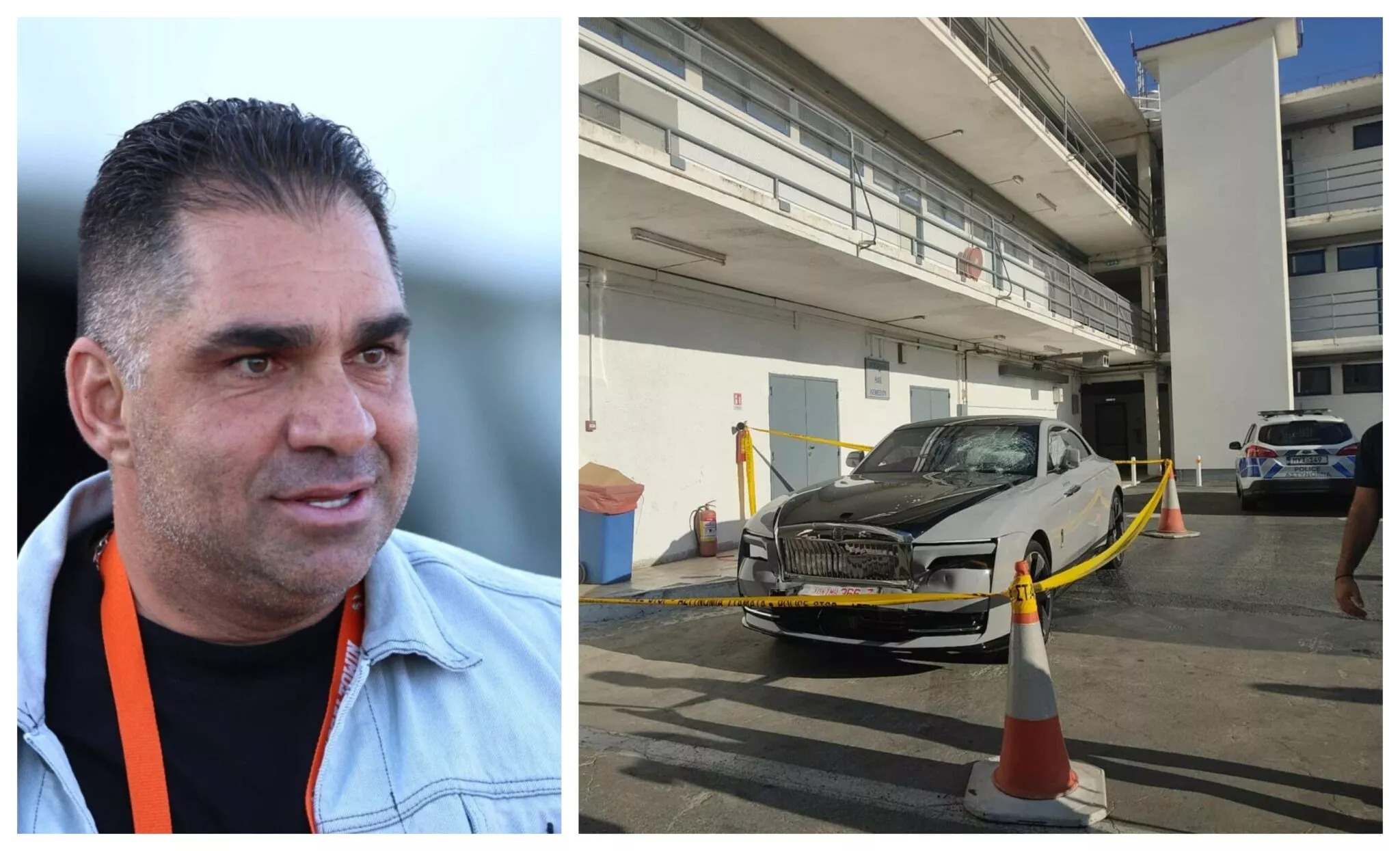
  • Demosthenous murder — Sixth Arrest in Demosthenous Murder Case as Investigation Intensifies

    Demosthenous murder — Sixth Arrest in Demosthenous Murder Case as Investigation Intensifies

    demosthenous murder — demosthenous murder — The focus keyword in this ongoing investigation is the murder of Limassol football executive and businessman Stavros Demosthenous, 49, who was shot dead in an execution style attack on October 17th, shortly after nine in the morning. The incident unfolded near a busy coastal city highway, shocking the local community and prompting a swift police response.

    Authorities have announced the arrest of a sixth suspect, a 51-year-old man, as part of the investigation aimed at uncovering the masterminds behind this brutal crime. The police indicated that this latest arrest was made to facilitate ongoing inquiries, following testimony that implicated the individual in the case.

    Among the previous five arrests, four have connections to the procurement of the getaway motorbike used by the assailants shortly after the murder. Eyewitness accounts suggest that the suspects abandoned a white van, which was later discovered burned, further complicating the investigation.

    With the police focusing on the logistics team believed to be involved in the planning and execution of the murder, recent developments have seen an emphasis on mobile phone data from the detainees. This evidence could potentially lead to additional arrests as the detectives work tirelessly to piece together the events leading to Demosthenous’s death.

    According to sources from Philenews, the detention of the 51-year-old is expected to accelerate the investigation, with officials suggesting that more suspects could be apprehended as early as today. As police delve deeper into the network surrounding the crime, the Limassol community remains on edge, awaiting further updates.