Tag: Cyprus

  • Edek Leader Confirms Support for Government Despite Cabinet Reshuffle Backlash

    Edek Leader Confirms Support for Government Despite Cabinet Reshuffle Backlash

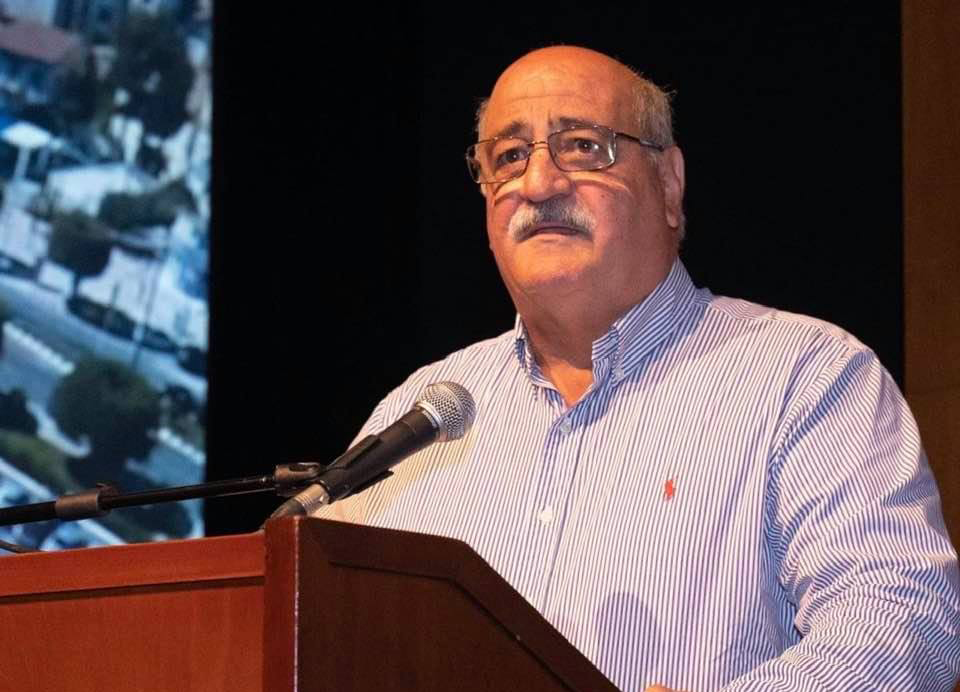
    edek leader — Edek leader Nikos Anastasiou has firmly ruled out the possibility of his party withdrawing support for the government, despite significant unrest following President Nikos Christodoulides’ recent cabinet reshuffle. This statement comes mere hours after Edek expressed its dissatisfaction with the changes made on Friday night, indicating a rift that could have implications for the government’s stability.

    • This proactive stance is indicative of Edek's desire to maintain its position within the government, despite the frustrations voiced by its members.

    Edek leader: Party’s Reaction to Reshuffle

    Following the reshuffle, Edek released a statement that articulated strong dissatisfaction with the six ministerial changes. Anastasiou stated, “We expected that the president … would see Edek in a better light,” reflecting the party’s disappointment.

    The reshuffle has prompted Edek to call an extraordinary meeting of its political bureau, scheduled for Sunday, to discuss the implications of these changes. Anastasiou clarified that although there was intense discussion surrounding the reshuffle, the issue of leaving the government was “never raised.”

    Communication with the President

    In light of the turmoil, Anastasiou has reached out to President Christodoulides to formally express his concerns regarding the cabinet reshuffle. He has indicated that he plans to contact the President again on Monday to request a meeting to delve deeper into the matter.

    This proactive stance is indicative of Edek’s desire to maintain its position within the government, despite the frustrations voiced by its members.

    Historical Context of Edek’s Political Maneuvering

    The history of Edek’s involvement in government is marked by periods of support followed by withdrawals. In the past, Edek has both supported and then subsequently exited the governments of Glafcos Clerides and Demetris Christofias. This history raises questions about the durability of its current alliance with Christodoulides, especially in light of the recent reshuffle.

    The latest statement from Edek highlights a sentiment of “lack of respect” from the government, asserting that their contributions have not been adequately appreciated. This claim may signal deeper fractures in the coalition, depending on how negotiations progress.

    Impacts of the Reshuffle on Ministerial Positions

    The reshuffle primarily affected Edek’s representation, which remains limited to one ministerial position: Agriculture Minister Maria Panayiotou. Prior to the reshuffle, there were concerns that Panayiotou might lose her role due to controversial comments made during a wildfire crisis in Limassol that resulted in tragic fatalities. Her remarks about preventing the fire drew criticism, which may have influenced the reshuffle decisions.

    Also notable is the demotion of Marios Hartsiotis, the outgoing justice minister, who was reassigned from his position to become the “commissioner of the presidency.” This change has raised eyebrows, given Hartsiotis’s previous comments during the wildfire incident, which some deemed insensitive.

    Reactions from Other Political Parties

    While Edek has voiced its discontent, other political factions have responded more favourably to the reshuffle. Diko leader Nicholas Papadopoulos expressed his readiness to collaborate with the newly appointed ministers, stating, “We are here to support the implementation of the government’s programme.”

    In contrast, Dipa celebrated the reshuffle, as it welcomed new cabinet members, including Marinos Mousiouttas, who will take on the role of labour minister. Dipa’s statement reflected optimism about the potential for increased stability and efficiency within the government.

    However, the opposition party Akel has been critical of the reshuffle, suggesting it does not enhance governmental efficiency and accusing Christodoulides of prioritising political manoeuvring ahead of the 2028 presidential elections.

    Future Implications for Edek and the Government

    The extraordinary meeting scheduled for Sunday may provide insight into Edek’s future direction and its relationship with the government. If the party decides to maintain its support, it will be crucial for Anastasiou and his colleagues to address their grievances effectively with President Christodoulides.

    As Edek navigates this tumultuous period, the implications of their decisions could reverberate throughout the coalition, potentially impacting the broader political landscape. The next steps taken by Edek will be closely watched, especially by those within the government and the opposition alike.
  • Cyprus wildfires: EU Allocates €2.3 Million for Cyprus Wildfire Recovery

    Cyprus wildfires: EU Allocates €2.3 Million for Cyprus Wildfire Recovery

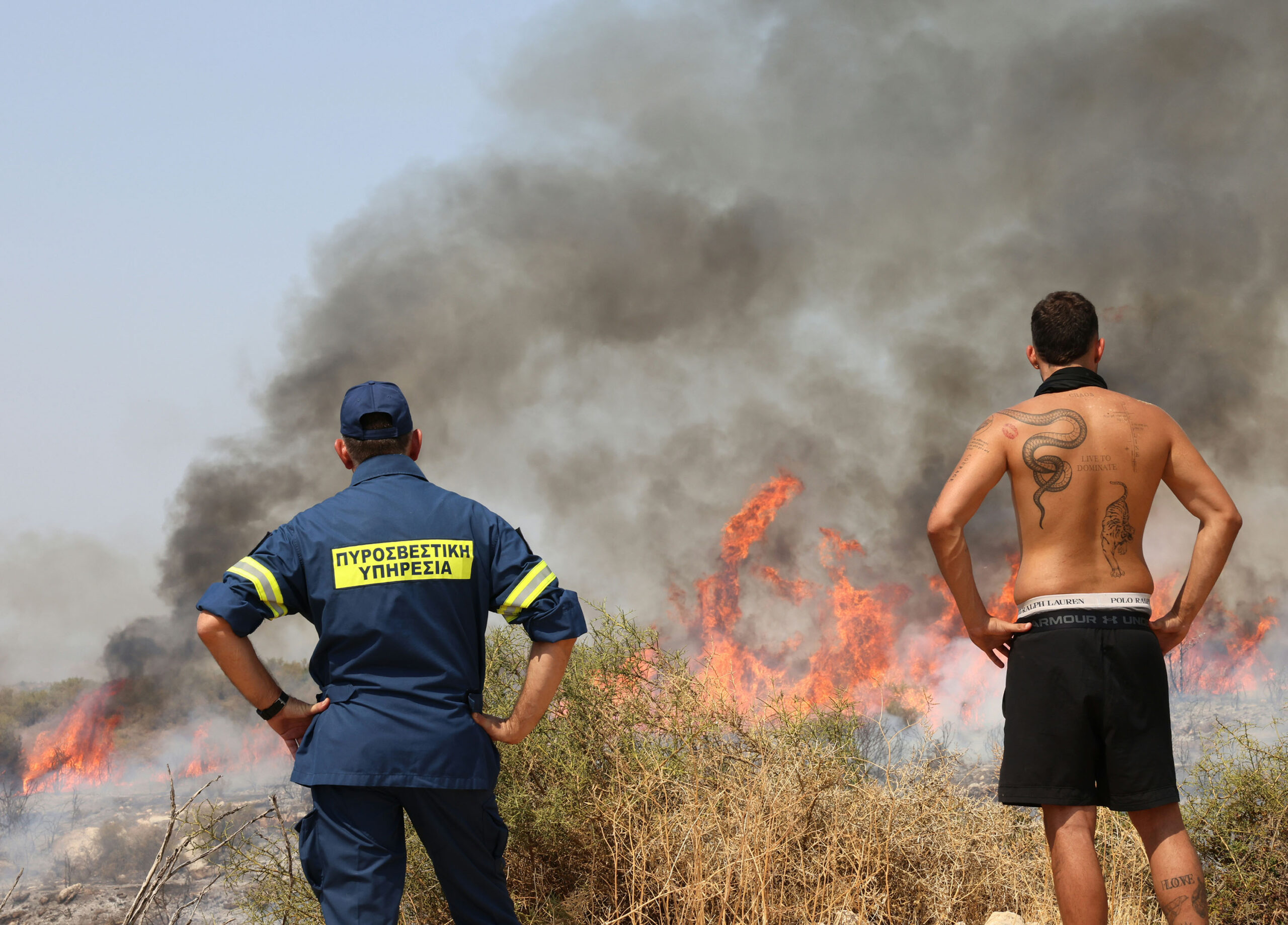
    cyprus wildfires — cyprus wildfires — The European Commission has allocated €2.3 million from the European Union solidarity fund to aid Cyprus in recovering from the devastating wildfires that swept through the Limassol and Paphos districts in July.

    Raffaele Fitto, the commission’s executive vice-president for cohesion and reforms, announced the funding on social media, detailing that the money will be used for “emergency operations, infrastructure, housing, and restoration.” These wildfires not only ravaged the landscape but also tragically claimed the lives of two individuals and destroyed over 700 structures, burning an area of 124 square kilometres.

    Earlier this year, Cypriot members of the European Parliament had voiced their concerns, calling for increased EU assistance to combat wildfires, which have become an alarming trend across the region. Giorgos Georgiou from the Akel party was particularly vocal, critiquing European Commissioner Hadjia Lahbib for her comments regarding wildfire management. Georgiou lamented the lack of timely support, pointing out that Cyprus has experienced significant losses, stating, “Cyprus unfortunately holds the lead, in a negative way, for the proportion of its total territory burned in the last decade.” He highlighted the EU’s shortcomings, referencing a delayed request for firefighting planes from Spain that took three months to respond.

    Geadis Geadi from the Elam party echoed these sentiments, asserting that the rescEU mechanism has left many countries, including Cyprus, vulnerable to the devastating impacts of wildfires. He proposed reforms to enhance the EU’s response capabilities, aiming to avoid future tragedies.

    In response to the summer’s catastrophic events, European Commission President Ursula von der Leyen expressed the necessity for a robust solution during her State of the European Union address in September. She proposed the establishment of a new European firefighting hub in Cyprus, noting, “This summer, we all saw the pictures of Europe’s forests and villages on fire. The scale of the damage is enormous. And we know it is not a one off. Climate change is making each summer hotter, harsher, and more dangerous.” President Nikos Christodoulides welcomed this proposal, describing it as “momentous” and “hugely important” for the region’s future safety.

    The EU solidarity fund, created in 2002, provides crucial financial support for regions affected by disasters. Member states may access this funding when the estimated costs of a disaster exceed €3 billion or 0.6 per cent of their gross national income, enabling them to recover and rebuild after such catastrophic events.

  • Erhurman negotiation: Christodoulides Prepared to Address Erhurman’s Negotiation Points on Cyprus Issue

    Erhurman negotiation: Christodoulides Prepared to Address Erhurman’s Negotiation Points on Cyprus Issue

    erhurman negotiation — erhurman negotiation — President Nikos Christodoulides has answers for all issues surrounding the Cyprus problem, including the four points proposed by Turkish Cypriot leader Tufan Erhurman to resume negotiations. This statement was made by government spokesman Konstantinos Letymbiotis on Saturday following a meeting between Christodoulides and United Nations envoy Maria Angela Holguin.

    Erhurman negotiation: Upcoming Meeting to Discuss Negotiation Points

    Letymbiotis remarked that discussions regarding Erhurman’s four points and other related matters will take place during a tripartite meeting scheduled for Thursday. This meeting will involve Christodoulides, Holguin, and Erhurman. Letymbiotis emphasised the importance of resuming negotiations from the point where they were interrupted in Crans-Montana, referring to the last significant talks that collapsed in 2017.

    Erhurman’s Four Points and Their Implications

    Erhurman’s four points, often labelled as ‘preconditions’—a term he finds unappealing—include demands for the Greek Cypriot side to acknowledge political equality, impose time limits on negotiations, maintain all previous agreements, and ensure that the UN guarantees the lifting of embargoes on Turkish Cypriots should the Greek Cypriots withdraw from the talks again.

    Constructive Discussions and Future Meetings

    When asked about specific suggestions raised during their discussions, Letymbiotis described the dialogue as “very specific” and focused both on the goal of restarting negotiations and the preparation for a larger meeting. This upcoming enlarged gathering, the third of its kind this year, will bring together the two sides of Cyprus, their three guarantor powers—Greece, Turkey, and the United Kingdom—and the UN to address the Cyprus problem. It is likely to take place next month.

    Holguin’s Optimism and Upcoming Visits

    Letymbiotis highlighted the positive atmosphere of Saturday’s meeting, labelling it as “very good and constructive.” Following her visit to Cyprus, Holguin is set to travel to Athens and Ankara, where she will also confer with the European Union’s envoy for the Cyprus problem, Johannes Hahn. These discussions aim to organise and establish a date for the next enlarged meeting, which Letymbiotis insists should be convened as soon as possible due to its composition facilitating in-depth discussions.

    National Council Meeting to Inform Political Leaders

    In light of the upcoming tripartite meeting, Christodoulides will convene a National Council meeting on Friday to brief the leaders of Greek Cypriot political parties on the progress made regarding the Cyprus problem. Earlier in the day, Holguin expressed optimism about the next steps towards resolving the Cyprus issue. She noted that preparatory work is underway for the Thursday meeting, which she described as the first of its kind in many years.

    A Productive Engagement and Hope for Progress

    Holguin conveyed her satisfaction with the productive nature of Saturday’s meeting, expressing her happiness to have returned to the island. She also mentioned the inspiration drawn from a retreat with the bicommunal technical committee on youth held in Jordan last November.

    Erhurman’s Concerns on Crossing Points

    During discussions, Erhurman expressed frustration regarding the lack of progress on issues such as long tailbacks at the Ayios Dhometios crossing point in western Nicosia. Following a meeting with Christodoulides last month, he indicated that addressing operational inefficiencies at the crossing could alleviate congestion significantly. Despite this, he noted that the police cabins on the southern side of the crossing remain underutilised.

    Exploration of New Crossing Points

    In addition to the ongoing issues at Ayios Dhometios, Erhurman and Holguin discussed potential new crossing points in various areas, including the eastern Nicosia suburb of Mia Milia, the village of Louroujina, and the town of Athienou. These discussions reflect an ongoing effort to enhance movement and relations between the two communities on the island.

  • Aram i — Aram I Embarks on Significant Diocesan Visit to Cyprus

    Aram i — Aram I Embarks on Significant Diocesan Visit to Cyprus

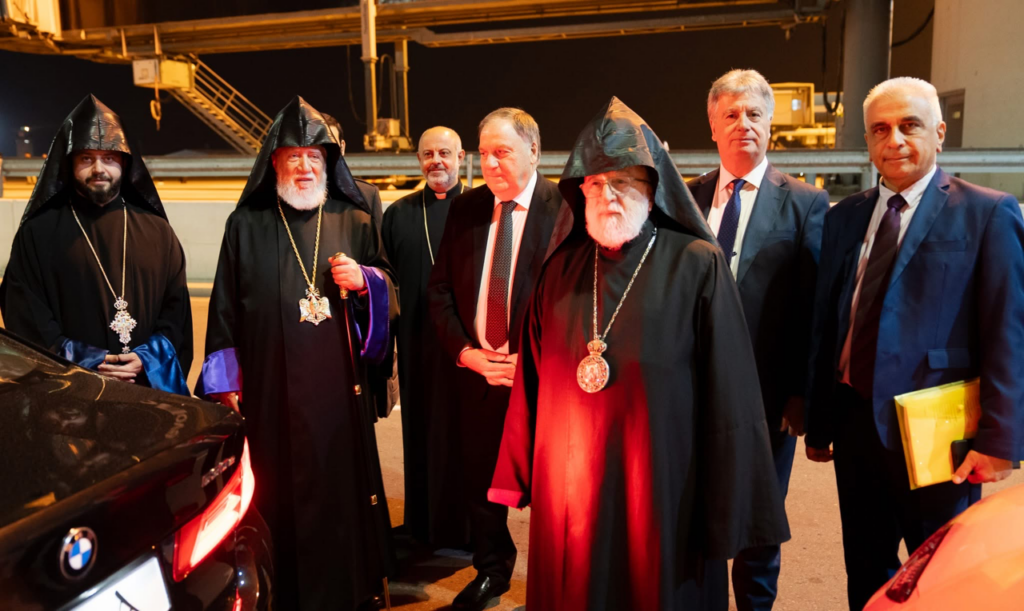
    Aram I, the head of the Armenian Apostolic Church of Cilicia, is currently on his sixth diocesan visit to Cyprus, a four-day journey that coincides with the 30th anniversary of his enthronement. This visit comes at a critical time for Armenia, which is facing political and security challenges amid a landscape of hostile nations.

    Photo: financialmirror.com

    • As this significant visit unfolds, the Armenian community in Cyprus looks forward to His Holiness Aram I's messages of hope and unity, which resonate deeply in these challenging times.

    During his time in Cyprus, Aram I aims to promote messages of world peace and unity within the Armenian community. Having previously travelled to Armenian communities across Europe, the Middle East, and the Americas, he emphasises the importance of reorganising the Armenian Diaspora. “The reorganisation of the Armenian Diaspora and the preparation of the manpower should become the priority of our Holy See of Cilicia,” he stated, highlighting the need to revive Armenian schools that have been declining in recent years.

    This visit marks a significant milestone, being the sixth time His Holiness has travelled to Cyprus, one of the oldest dioceses in the Armenian Orthodox Church, which has roots dating back to the tenth century. The Catholicos has a long-standing connection to the region, particularly after the Armenian Genocide led to the relocation of the Catholicossate from the historical city of Sis in Cilicia to Lebanon in 1930. His regular attendance at inter-faith meetings in Cyprus underscores the ongoing dialogue and collaboration he fosters within the region.

    Accompanied by a five-member delegation, Aram I plans to meet with parishioners across various towns. His itinerary includes visits to the churches of Sourp Stepanos (Saint Stephen) in Larnaca and Sourp Kevork (Saint George) in Limassol. Additionally, he will be the guest of honour at a community banquet in Nicosia on Saturday evening, where he will continue to engage with the local Armenian community.

    On Sunday morning, the Catholicos will officiate a divine liturgy at the Sourp Asdvadzadzin church in Nicosia, followed by delivering his patriarchal sermon. Following this, he is expected to visit the Embassy of the Republic of Armenia, where he will discuss pertinent matters concerning the Armenian Church and its diaspora.

    On Monday, Aram I will meet with prominent figures including President Nikos Christodoulides and Archbishop George III, head of the autocephalus Greek Orthodox Church of Cyprus. This meeting is crucial in fostering relationships and discussing shared concerns between the Armenian community and the Cypriot leadership.

    An important stop on his agenda will be the Nareg Armenian school in Nicosia, where he plans to address primary pupils and gymnasium students, thus reinforcing the importance of education and cultural preservation among the younger generation.

    As this significant visit unfolds, the Armenian community in Cyprus looks forward to His Holiness Aram I’s messages of hope and unity, which resonate deeply in these challenging times.

  • Cyprus cabinet: Nikos Christodoulides Welcomes Four New Faces to Cyprus’ Cabinet

    Cyprus cabinet: Nikos Christodoulides Welcomes Four New Faces to Cyprus’ Cabinet

    cyprus cabinet — cyprus cabinet — Four new names are set to join Cyprus’ cabinet on Monday as part of a significant reshuffle announced by President Nikos Christodoulides. This change will see six ministerial positions altered, though the newcomers lack previous ministerial experience. However, they are prominent figures in the island’s public sphere.

    Photo: cyprus-mail.com

    Cyprus cabinet: Marinos Mousiouttas Takes on Labour

    The most prominent addition is Marinos Mousiouttas, who will assume the role of Labour Minister. At 61, Mousiouttas has been a continuous member of parliament since 2016, representing the Democratic Party (Diko) initially before co-founding the Democratic Party of Progress (Dipa).

    Photo: cyprus-mail.com

    He is the son of a founding member of Diko and has a solid educational background, having studied business administration at the New York State University. His career in civil service includes roles in both the finance and labour ministries, and he has also held a leadership position as chair of the House transport committee.

    Costas Fitiris Steps into Justice

    Taking the helm as Justice Minister is Costas Fitiris, who brings a wealth of experience from his previous role as chief marina officer of the Ayia Napa marina, a position he has held since 2019. At 65 years old, Fitiris has a long-standing military background, having served for 40 years in the National Guard, where he achieved the rank of rear admiral.

    Neophytos Charalambides to Oversee Health

    Newly appointed Health Minister Neophytos Charalambides has a strong local government background, having served as a city councillor in Limassol for Diko since 2011. At 47, he is a qualified lawyer, having been admitted to the Cyprus bar in 2004, and his legal expertise will likely influence his approach to health policy.

    Clea Hadjistefanou-Papaellina Advocates for Social Welfare

    The role of Social Welfare Deputy Minister will be filled by Clea Hadjistefanou-Papaellina, who previously chaired the NGO “Foni,” which focuses on children’s rights and combating sexual abuse. Her extensive academic background includes studies at prestigious institutions such as the University of California, Berkeley, and the University of Athens, where she earned her doctorate in physical education.

    This reshuffle not only alters the cabinet’s composition but also reflects President Christodoulides’ strategy to invigorate governance with fresh perspectives, even from individuals without prior ministerial roles.

  • Finance Minister Advocates for 2026 Budget as Future Investment

    Finance Minister Advocates for 2026 Budget as Future Investment

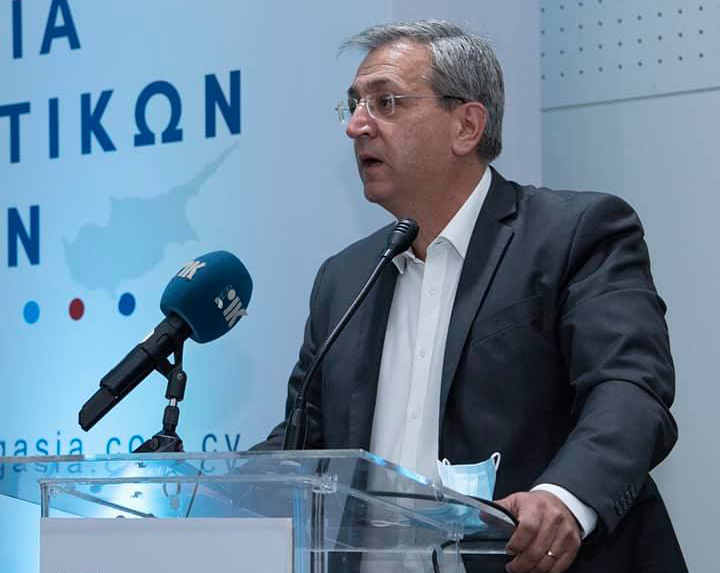
    2026 budget — Finance Minister Makis Keravnos has urged MPs to approve the 2026 state budget, framing it as an investment in the future of Cyprus. Speaking at the House plenum on Thursday, he emphasised the government’s commitment to fostering growth whilst ensuring a balanced approach to development that prioritises people.

    Photo: cyprus-mail.com

    026 budget: Government’s Vision for Economic Growth

    In his address, Keravnos highlighted that the budget is designed to facilitate economic growth that benefits a broad spectrum of the population. He stated, “Our objective is to pursue a policy of economic growth benefiting as many people as possible, without exclusions.” This vision is particularly crucial given the ongoing challenges, including the geopolitical tensions arising from the crisis in Ukraine.

    Resilience Amid Challenges

    Despite any uncertainties, the finance minister expressed confidence in the resilience of the Cyprus economy. He asserted that it would maintain its momentum, projecting strong growth, low unemployment rates, and healthy public finances.

    Upcoming Budget Discussions

    Keravnos delivered his budget speech during the final regular plenary session of the year. The budget will be debated and voted on during an extraordinary session scheduled for December 15 to 17. Ahead of this critical vote, he appealed to MPs to consider the budget as a pivotal investment in the future for citizens and businesses alike.

    Key Financial Figures for 2026

    The proposed 2026 budget outlines primary expenditures totalling €10.7 billion, marking a 5% increase from 2025. Development spending is set to rise by 4.7%, while social spending will see a significant boost of 6.7%.

    • Projected GDP growth for 2026: 3.1%
    • Unemployment rate forecast: 4.6%
    • Expected inflation rate: stabilising around 2%
    • Budget surplus anticipated: 2.9% of GDP
    • Debt to GDP ratio forecast: 50.9%, down from 55.3%

    Funding for Vulnerable Groups

    Over the next three years, from 2026 to 2028, the government plans to allocate approximately €6.82 billion to support vulnerable groups, including students, children, patients, and individuals with special needs. This substantial investment underscores the government’s commitment to social welfare and inclusion.

    Debt Management and Surpluses

    Keravnos noted that maintaining budget surpluses through 2026 should positively influence the government’s financing strategy, ultimately contributing to a decrease in the public debt to GDP ratio. The anticipated reduction surpasses earlier projections, which aimed for a 60% ratio by the end of 2026.

    Utilisation of Recovery Funds

    Regarding the Recovery and Resilience Facility, the minister revealed that Cyprus has already received €568 million across five tranches, indicating a proactive approach to leveraging European funds for national development.

    Public Payroll and Employment Changes

    Concerning the public payroll, it is expected to constitute 27.5% of the total state budget in 2026, a slight decrease from 28% this year. The government also plans to create 611 new positions in the public sector while eliminating 625 roles, signalling a shift in workforce management.

    Tax Reform for Economic Fairness

    Another crucial aspect of the budget discussion is the proposed tax reform, which the administration aims to pass by the end of the year. Keravnos described the new tax system as fairer, designed to reduce the tax burden on households and families with children. This reform is expected to stimulate the middle class, enhance opportunities for women’s employment, and promote home ownership.

    He stated, “It is a new, fairer tax system, which will boost the real economy and the competitiveness of Cypriot businesses while attracting productive and qualitative foreign investment creating well-paying jobs.” This comprehensive approach reflects the government’s commitment to fostering a resilient and inclusive economic environment.

  • Undeclared luxury — Cypriot Man Fined €20,000 for Undeclared Luxury Goods at Larnaca Airport

    Undeclared luxury — Cypriot Man Fined €20,000 for Undeclared Luxury Goods at Larnaca Airport

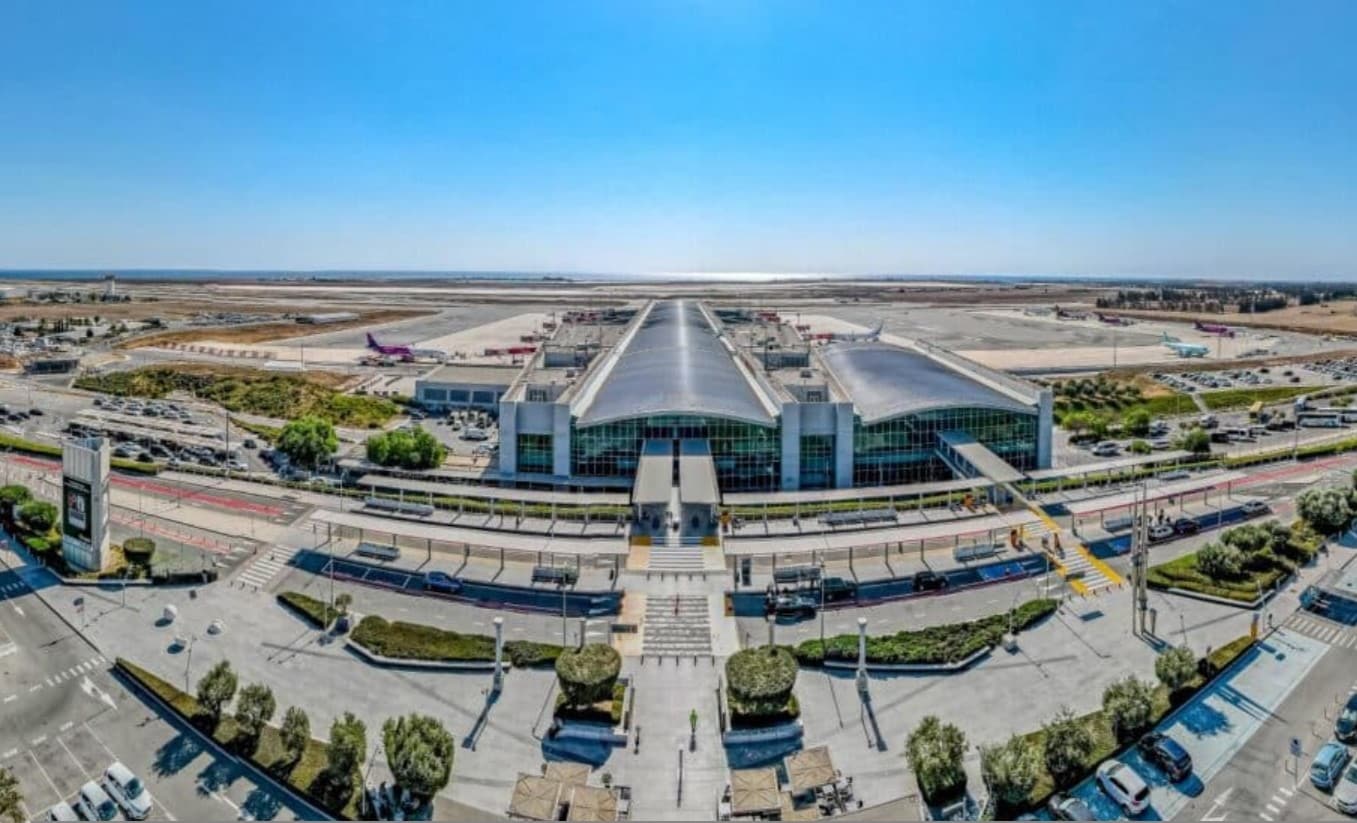
    undeclared luxury — A 57-year-old Cypriot man has been fined €20,000 for attempting to evade taxes on luxury goods brought from Switzerland, according to the customs department.

    • undeclared luxury — A 57-year-old Cypriot man has been fined €20,000 for attempting to evade taxes on luxury goods brought from Switzerland, according to the customs department.
    • The incident occurred on December 1 when the man arrived at Larnaca airport carrying a luxury watch valued at approximately €98,000 and a scarf worth around €2,000.

    The incident occurred on December 1 when the man arrived at Larnaca airport carrying a luxury watch valued at approximately €98,000 and a scarf worth around €2,000.

    Having purchased these items tax-free in Switzerland, the man was under obligation to declare them upon entering Cyprus, as Switzerland is not a member of the EU. However, he chose to bypass this requirement by attempting to exit through the channel designated for passengers with nothing to declare.

    Customs officers intercepted him before he could leave the airport, leading to the hefty fine for the unpaid taxes on his luxury acquisitions. This incident highlights the importance of adhering to customs regulations when travelling internationally, especially regarding high-value items.

  • Cyprus ukraine: Cyprus Affirms Support for Ukraine Amid Ongoing Conflict

    Cyprus ukraine: Cyprus Affirms Support for Ukraine Amid Ongoing Conflict

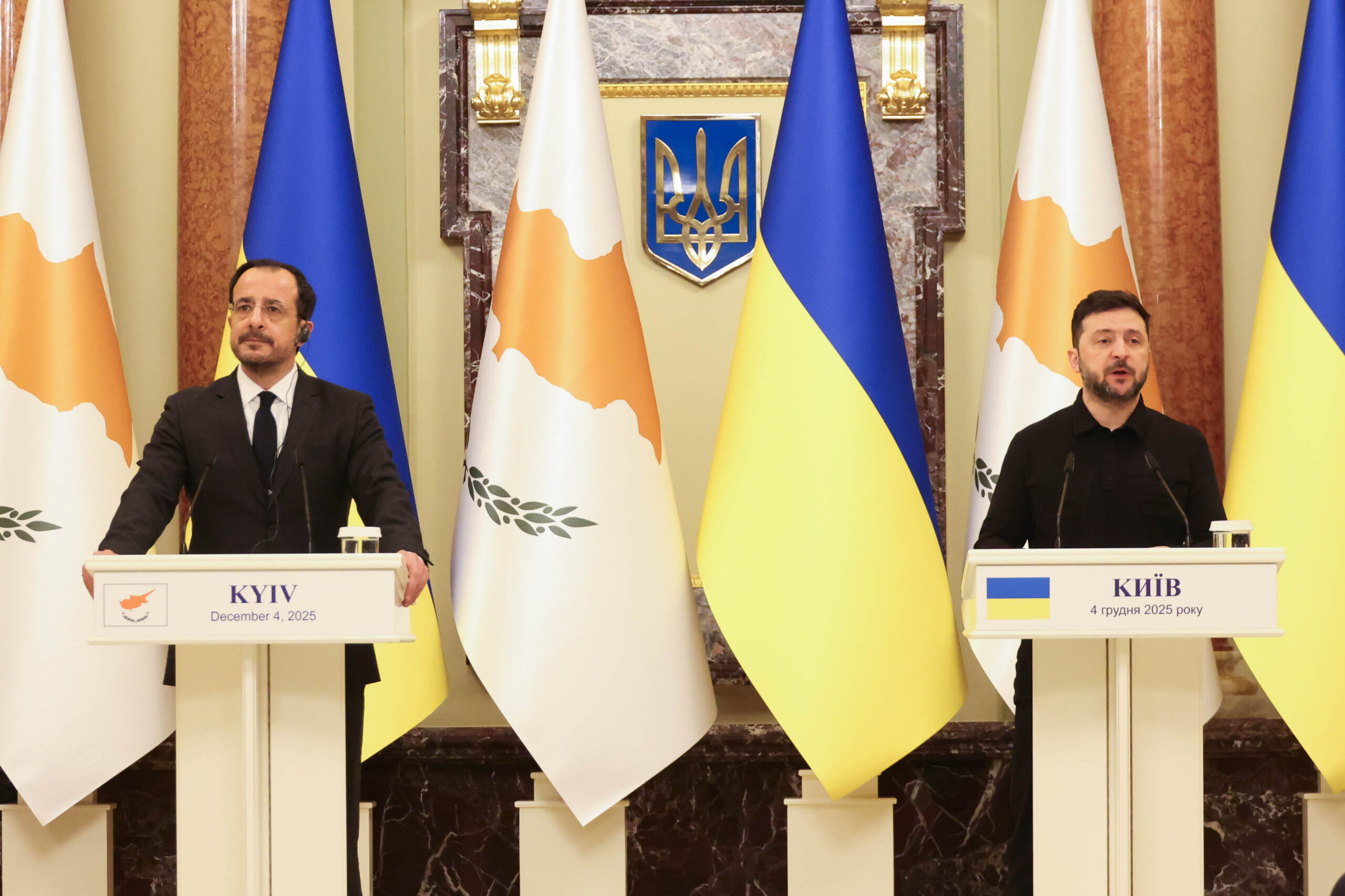
    cyprus ukraine — cyprus ukraine — Cyprus stands by the side of Ukraine, as President Nikos Christodoulides emphasised during his recent visit to Kyiv. He highlighted the importance of advancing peace efforts to resolve the ongoing Russian invasion, which has persisted for over three years. During his discussions with Ukrainian President Volodymyr Zelenskiy, Christodoulides reiterated that the conflict is fundamentally about defending universal principles and values.

    Photo: cyprus-mail.com

    Christodoulides praised Zelenskiy and the Ukrainian people for their remarkable resilience in the face of what he described as a “brutal and unprovoked invasion.” He expressed solidarity by acknowledging the shared experiences of Cyprus and Ukraine regarding military invasion and occupation, underscoring the emotional and historical connections between the two nations.

    Photo: cyprus-mail.com

    During their meeting, the two leaders discussed ongoing international efforts to achieve a peace agreement. Christodoulides stated, “The president briefed me on the situation resulting from the ongoing Russian invasion and its serious implications.” He reiterated Cyprus and the EU’s firm stance that any peace initiative must fully respect Ukraine’s sovereignty and adhere to the principles of the UN Charter, pointing out the direct connection between Ukraine’s security and that of the EU.

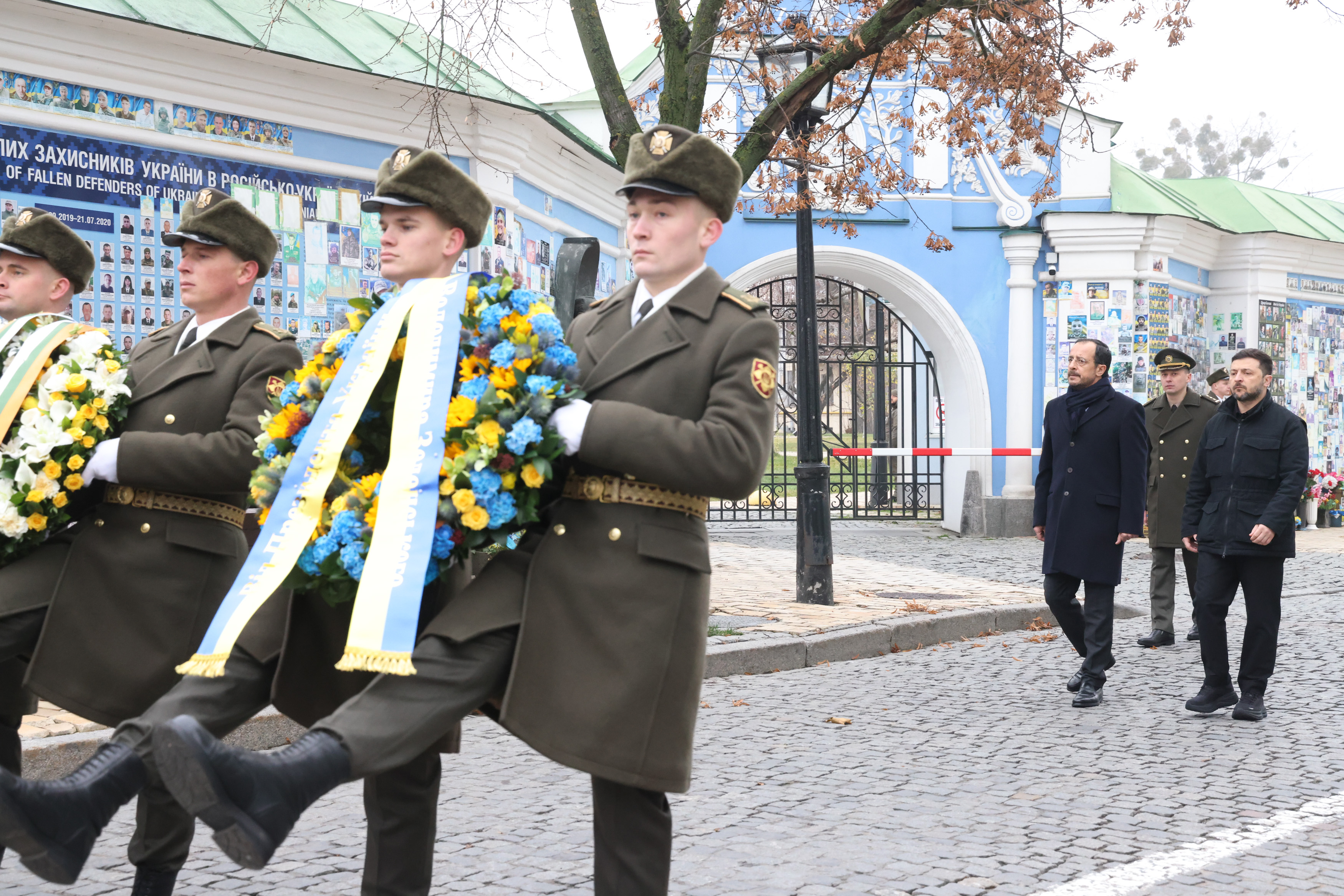
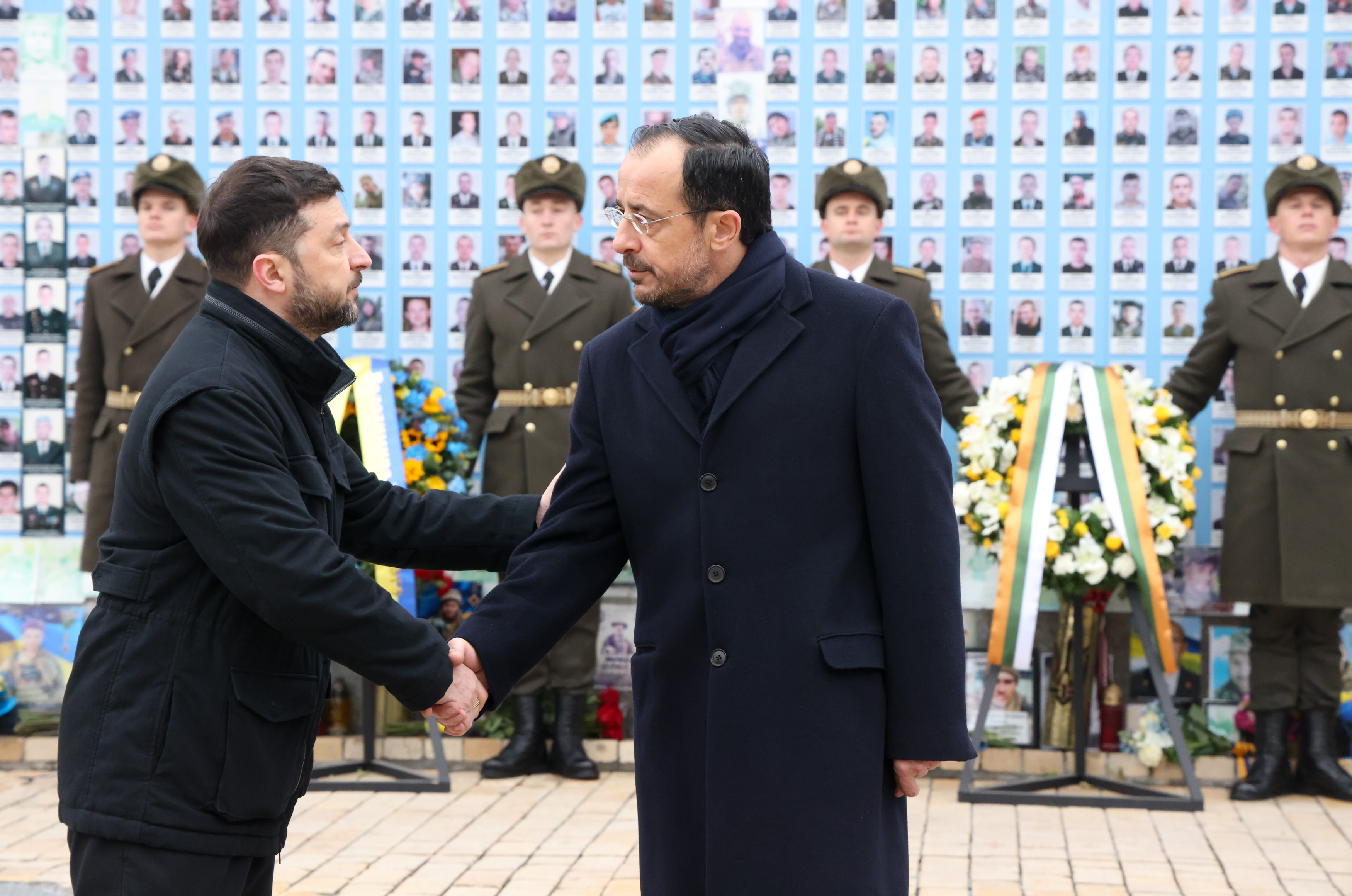
    While laying a wreath at the Wall of Heroes monument, Christodoulides also addressed the limitations of the EU’s support measures, which he felt were hampered by member states acting as “cunning neutrals.” He stressed the need to confront those states that exploit the tragedy of the Ukrainian people for their own interests.

    The conversation shifted towards Ukraine’s future relationship with the EU, particularly in light of Cyprus’ upcoming presidency of the EU Council in 2026. Christodoulides assured Zelenskiy that support for Ukraine would remain a priority during this time, including discussions on EU enlargement. He stated, “The Republic of Cyprus is fully prepared to contribute to cohesion in Europe amid increasing geopolitical pressures.”

    Christodoulides also acknowledged the Ukrainian community in Cyprus, which numbers around 25,000 people, highlighting a commitment to strengthen bilateral cooperation. He noted, “We are committed to deepening and broadening our bilateral cooperation, building on the strong Ukrainian community in Cyprus.” Cyprus ranks third in the EU for hosting the largest number of Ukrainians relative to its population.

    Zelenskiy expressed gratitude for Cyprus’ support in Ukraine’s EU accession efforts. He recognised Cyprus as a small state with relevant experience in pursuing a “European path” amid geopolitical challenges. He added, “This experience of ours, the experiences of the Cypriot people, since 1974 and the Turkish invasion and the occupation that has continued for 51 years, oblige us to be on the right side of history.”

    The meeting, described by government spokesman Konstantinos Letymbiotis as a “deeply symbolic visit,” underscored the solidarity that Cyprus has for Ukraine. Letymbiotis remarked that Cyprus expressed its unwavering dedication to the principles of sovereignty, independence, and territorial integrity of all states, stating, “Our stance is not just one of principle; it is deeply rooted in our own experience and continuous struggle for justice and the restoration of our rights.”

    As Cyprus continues to promote European priorities concerning security and unity, Christodoulides affirmed the island’s commitment to supporting sincere diplomatic efforts aimed at achieving a just and lasting peace in Ukraine.

  • Redistribution — Parliament Approves Redistribution of Seats from Nicosia to Paphos

    Redistribution — Parliament Approves Redistribution of Seats from Nicosia to Paphos

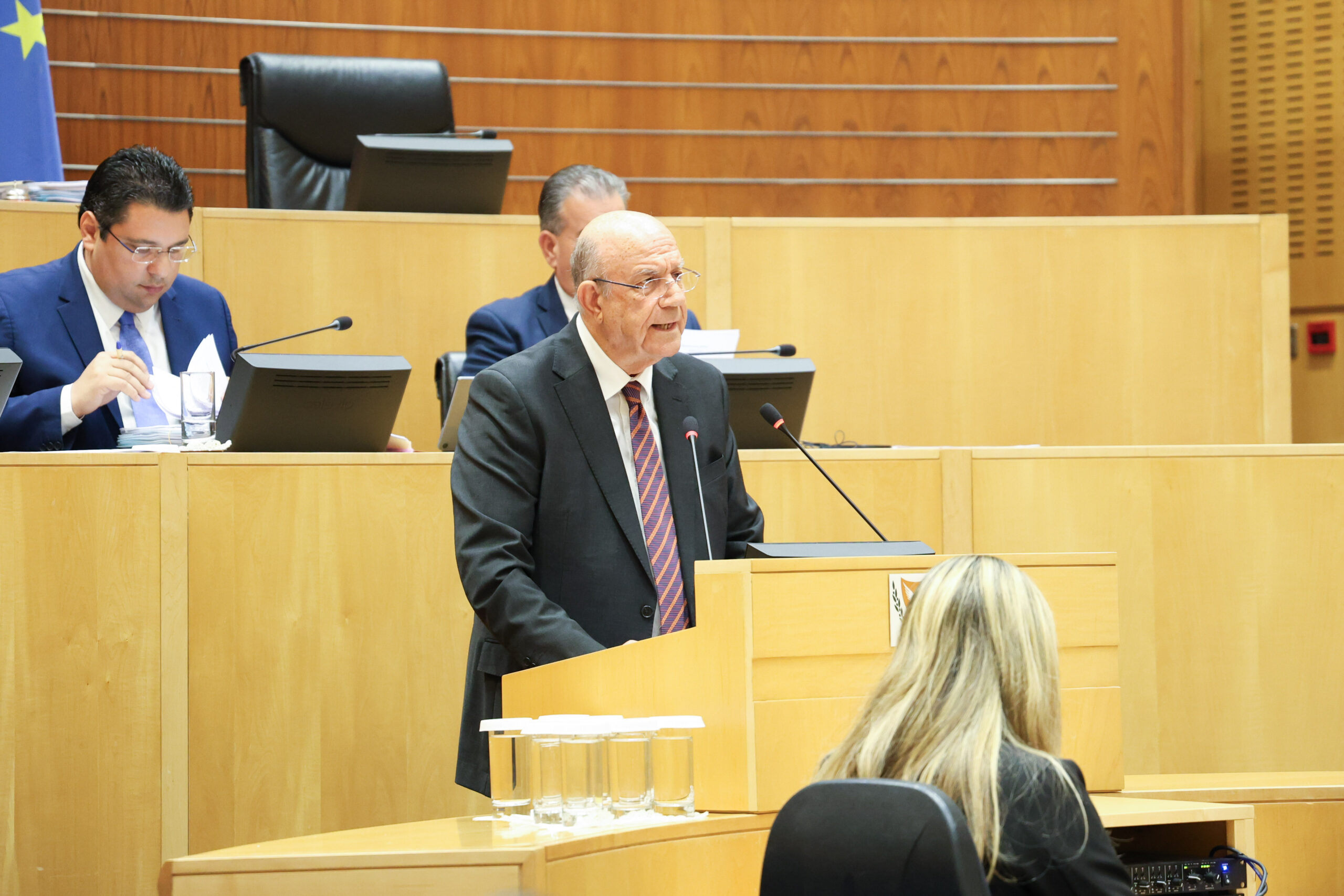
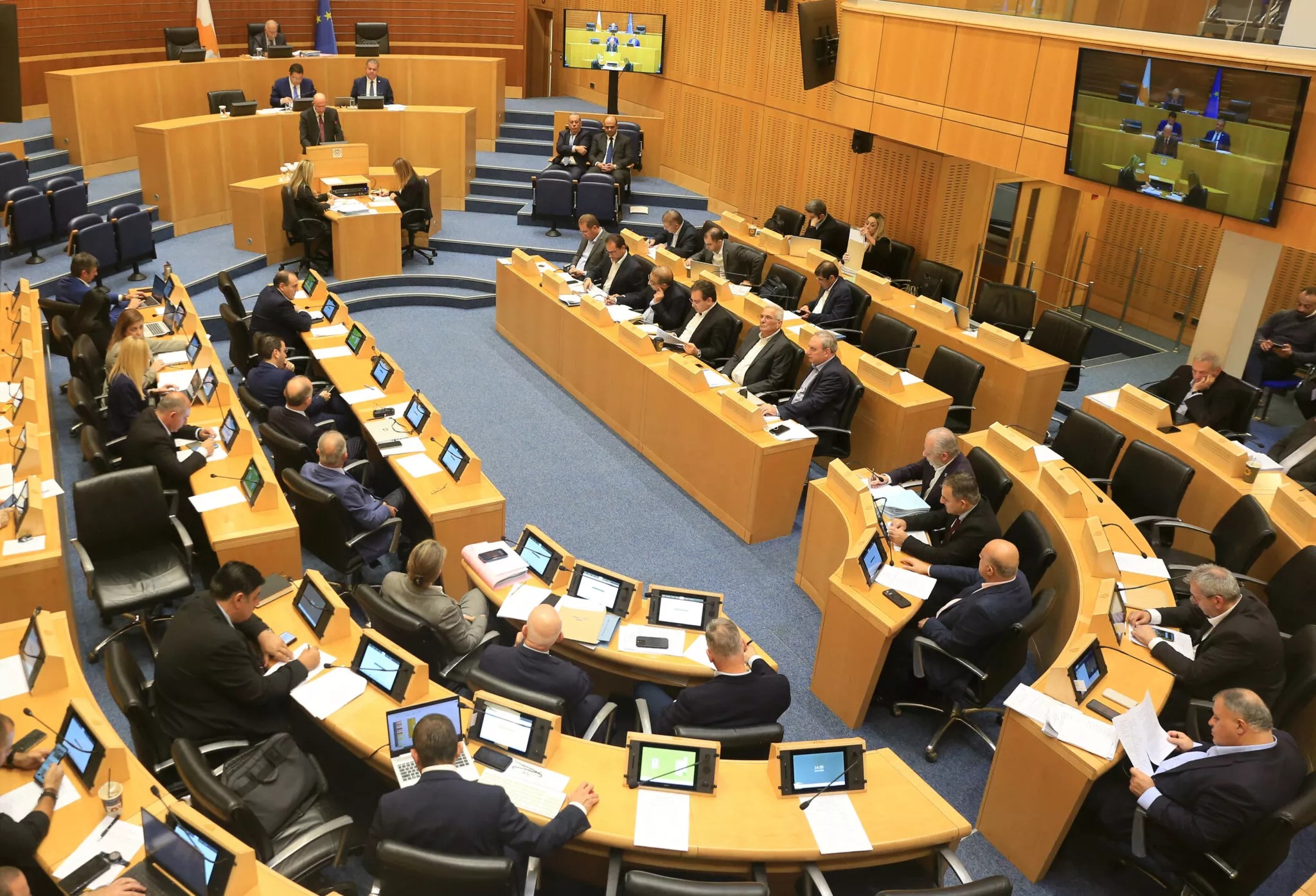
    redistribution — Parliament voted unanimously to approve legislation redistributing parliamentary seats, giving Paphos a fifth seat while reducing Nicosia’s representation from 20 to 19 MPs. The changes will take effect in the 2026 parliamentary elections.

    • Onoufrios Koulla proposed that future seat allocations could be linked to actual voter turnout, suggesting this might encourage greater participation in the electoral process.
    • The bill passed with 37 votes in favour, while Parliament postponed a related vote concerning amendments addressing issues with namesakes among candidates from the same party list.

    The amendment to the Election of Members of the House of Representatives Law is based on registered voter numbers as of 2 October 2025, when the supplementary electoral roll was incorporated into the permanent register. As it stands, total registered voters across Cyprus number 561,253.

    The calculation method for seat distribution by district follows the procedure outlined in the election law for first and second seat allocation after voting concludes. Interior Committee chairman Aristos Damianou observed that under automatic voter registration, Nicosia would not lose a seat and might even gain one, potentially occurring in subsequent parliamentary elections.

    Chrysanthos Savvides remarked on the significance of the vote, describing it as a historic day for Paphos, which is experiencing growth both politically and in sports, referencing Pafos FC. ‘This means we Paphians will have another strong voice in parliament,’ he stated.

    Marinos Mousiouttas highlighted the implications of automatic voter registration legislation, suggesting that the seat could eventually return to Nicosia. Similarly, Charalambos Pazaros called it a historic moment for Paphos, noting that it resolves a longstanding issue regarding compulsory single preference voting, as voters will now have a second choice.

    Andreas Themistokleous expressed that no MP would oppose what he deemed ‘logic and justice,’ asserting that the seat rightfully belongs to Paphos. However, he cautioned that automatic registration might lead to further seat redistribution, affecting other districts as well.

    Demetris Demetriou emphasised the necessity of applying population proportions to ensure fair representation. In contrast, Marinos Sizopoulos pointed out that the Cypriot parliament must not remain the smallest in the EU and urged for an increase in the number of MPs to fulfil obligations more effectively.

    Onoufrios Koulla proposed that future seat allocations could be linked to actual voter turnout, suggesting this might encourage greater participation in the electoral process.

    The bill passed with 37 votes in favour, while Parliament postponed a related vote concerning amendments addressing issues with namesakes among candidates from the same party list.

  • Teacher evaluation — New Teacher Evaluation Bill Estimated to Cost €12.5 Million

    Teacher evaluation — New Teacher Evaluation Bill Estimated to Cost €12.5 Million

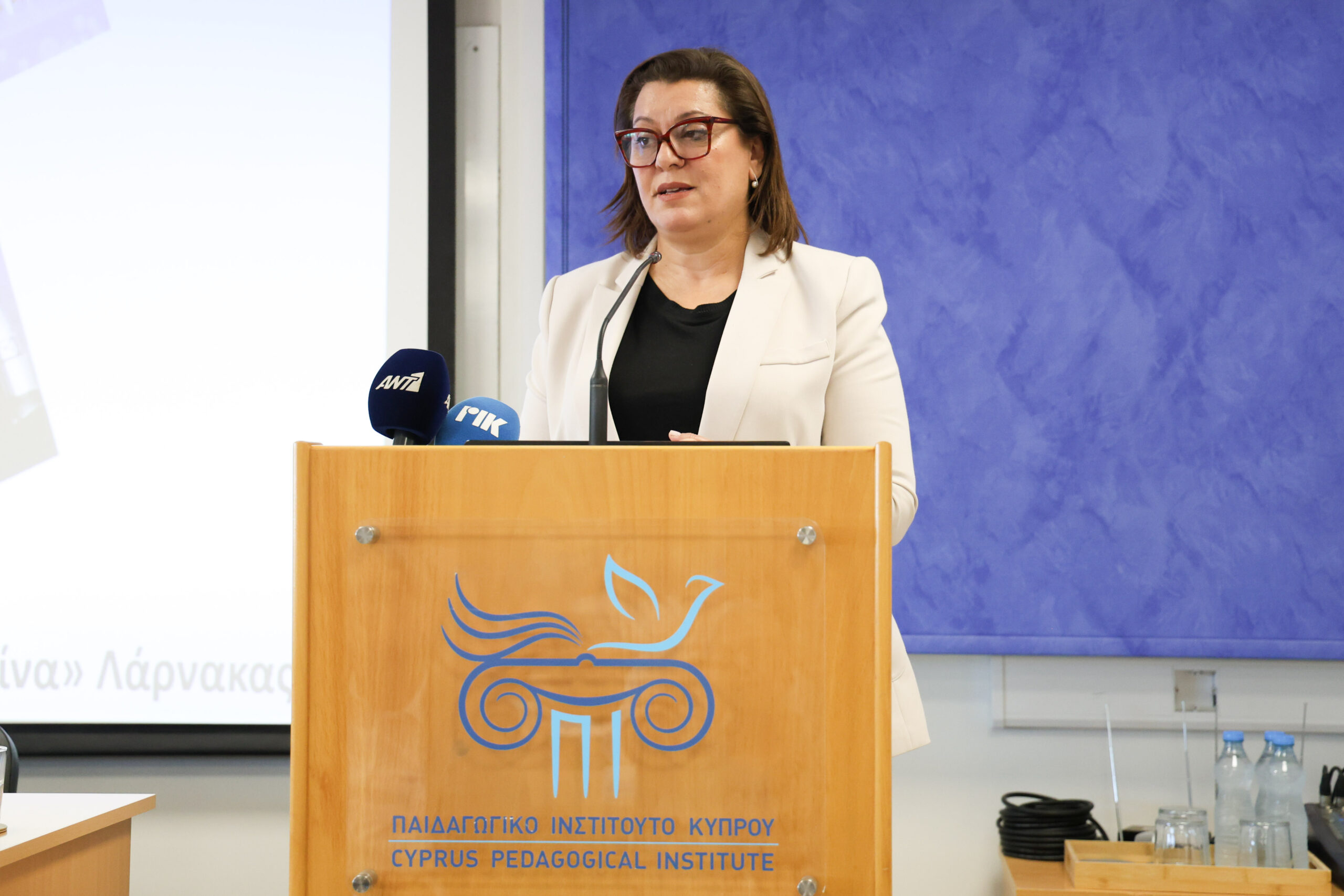
    The new teacher evaluation bill is estimated to cost €12.5 million, as the House education committee has wrapped up its discussion on the amended regulations. The bill, which aims to modernise the evaluation process for educators in Cyprus, is slated for presentation to parliament in mid-December.

    Committee Discussions Conclude

    On Wednesday, the education committee completed its article-by-article review of the bill. Chairman Pavlos Mylonas, a member of the Diko party, highlighted the collaborative nature of the discussions, stating, “The discussion will continue with consultation next Wednesday. It is the formal part of the regulations to go to the plenary.”

    Timeline for Parliamentary Vote

    While a specific date for the parliamentary vote has not been finalised, Mylonas indicated it is likely to occur between December 14 and 16. The committee is also considering the possibility of voting on the evaluation bill alongside a new tax reform proposal.

    Government Officials Weigh In

    Education Minister Athena Michaelidou expressed her satisfaction with the committee’s progress, praising their “responsible and serious attitude.” She emphasised her ministry’s aim to achieve a vote that reflects a consensus without compromising on critical elements of the proposal.

    Significant Amendments and Stakeholder Input

    Throughout the discussions, “many of the changes were unanimous,” Mylonas noted, although he acknowledged that some were decided by majority votes after extensive consultations with various stakeholders. Michaelidou reassured the committee that the majority of amendments did not significantly alter the bill’s core philosophy. “We are going to the Plenary with a proposal that is as agreed upon as possible,” she remarked.

    Cost Breakdown of the Evaluation System

    The projected cost of the new teacher evaluation system, set at €12.5 million, primarily stems from the establishment of new inspector positions. According to Michaelidou, these roles are intended to facilitate a more effective evaluation process, allowing for smaller groups to operate in senior teacher positions and providing additional resources to support educators.

    Long Journey to Modernisation

    This push for a new evaluation system marks a significant shift, as the first such system was implemented in Cyprus fifty years ago. The Republic is now under European Union obligations to modernise its educational evaluation processes.

    Concerns and Criticisms from MPs

    DISY MP George Karoullas remarked on how the amendments served to “fill in the gaps and ambiguities” that had been previously highlighted. He expressed confidence that the changes made were necessary for the new evaluation plan to be as comprehensive as possible. Conversely, AKEL MP Christos Christofides raised concerns about the bill, pointing out that his party had identified around 16 critical issues that could affect the bill’s implementation.

    The Future of Teacher Evaluations

    Christofides articulated the underlying challenges, questioning not only who would conduct the evaluations but also the criteria that would be used. He cautioned that while the article-by-article discussion had concluded, there remained significant uncertainties about the practical application of the new regulations. “We are voting on something today, but the essence of this will be decided in the future,” he warned.

    Teachers’ Opposition to Changes

    In the wake of the proposed changes, state school teachers have voiced strong opposition, advocating for the retention of the existing evaluation scheme. This resistance has been persistent, with teachers presenting a list of demands and arguing against the need for an overhaul. As the debate continues, it remains to be seen how the new evaluation system will be received once implemented.

    Moving Forward

    As discussions progress, the education ministry is committed to ensuring the quality and scientific accuracy of the proposed evaluation system. With the parliamentary vote approaching, stakeholders are closely monitoring developments, hoping for a resolution that meets the needs of teachers while fulfilling legislative requirements.