Tag: Cyprus

  • Azeri national — Cyprus Supreme Court Upholds Arrest Warrant for Azeri National in Espionage Case

    Azeri national — Cyprus Supreme Court Upholds Arrest Warrant for Azeri National in Espionage Case

    The Cyprus Supreme Court has upheld the arrest warrant for an Azeri national, detained since June 2025, on suspicion of terrorism and espionage involving British military bases.

    • The Cyprus Supreme Court has upheld the arrest warrant for an Azeri national, detained since June 2025, on suspicion of terrorism and espionage involving British military bases.

    Azeri national: Legal Ruling on Arrest Warrant

    The Supreme Court’s decision came after an appeal was lodged by the suspect’s lawyer, Efstathios Efstathiou, challenging the validity of the warrants issued on 21 June 2025. The appeal argued that the warrants were based on unreliable intelligence and that the court had failed to apply the necessary scrutiny for information deemed anonymous or secret.

    Dismissal of the Appeal

    In its ruling, the Supreme Court dismissed the appeal, asserting that the District Court had acted within legal parameters and conducted a thorough assessment of the evidence. The court clarified that the intelligence gathered was from a “foreign collaborating service” rather than an unreliable third country, which was crucial in justifying the warrants.

    Charges Against the Suspect

    The charges against the Azeri national include conspiracy to commit a felony and various offences under the Law on Combating Terrorism. The Supreme Court highlighted that initial intelligence suggested the suspect was gathering information regarding foreign military presence and potentially organising a terrorist attack.

    Intelligence and Surveillance

    Crucially, the Supreme Court noted that the intelligence was corroborated by subsequent physical surveillance conducted by Cypriot authorities. This combination of intelligence and observation led the court to conclude that there was sufficient justification for the issuance of the warrants.

    Statements from the Court

    The Supreme Court stated, “We judge that the trial court conducted a comprehensive and correct assessment of the totality of the evidence and evaluated every relevant element to conclude that the issuance of the warrants was justified.” This assertion reinforces the court’s confidence in the legal processes followed in the case.

    International Implications

    The case highlights the complex interplay between national security and international relations, particularly concerning allegations of espionage linked to foreign entities. The involvement of the Iranian Revolutionary Guard Corps (IRGC) in the case has raised concerns about broader implications for regional security.

    Ongoing Developments

    As the case proceeds, it remains to be seen how the legal proceedings will unfold and whether further developments may arise that could impact the suspect’s status or the broader context of espionage in Cyprus.

    Community Reaction

    The case has sparked interest and concern within the local community and among legal experts, prompting discussions about the balance between civil liberties and national security. The ongoing scrutiny of intelligence practices and legal standards in such cases is likely to continue as the situation develops.
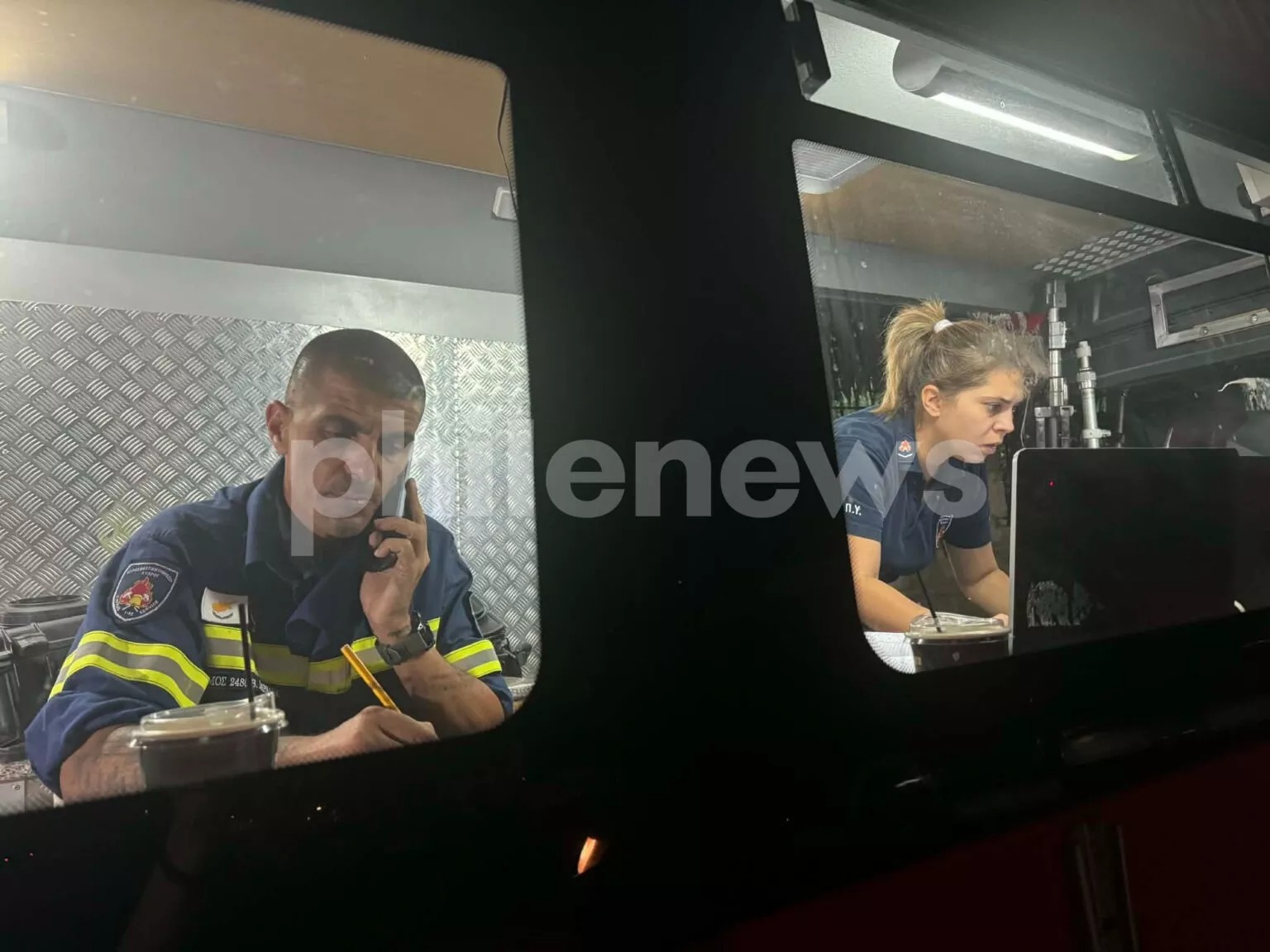
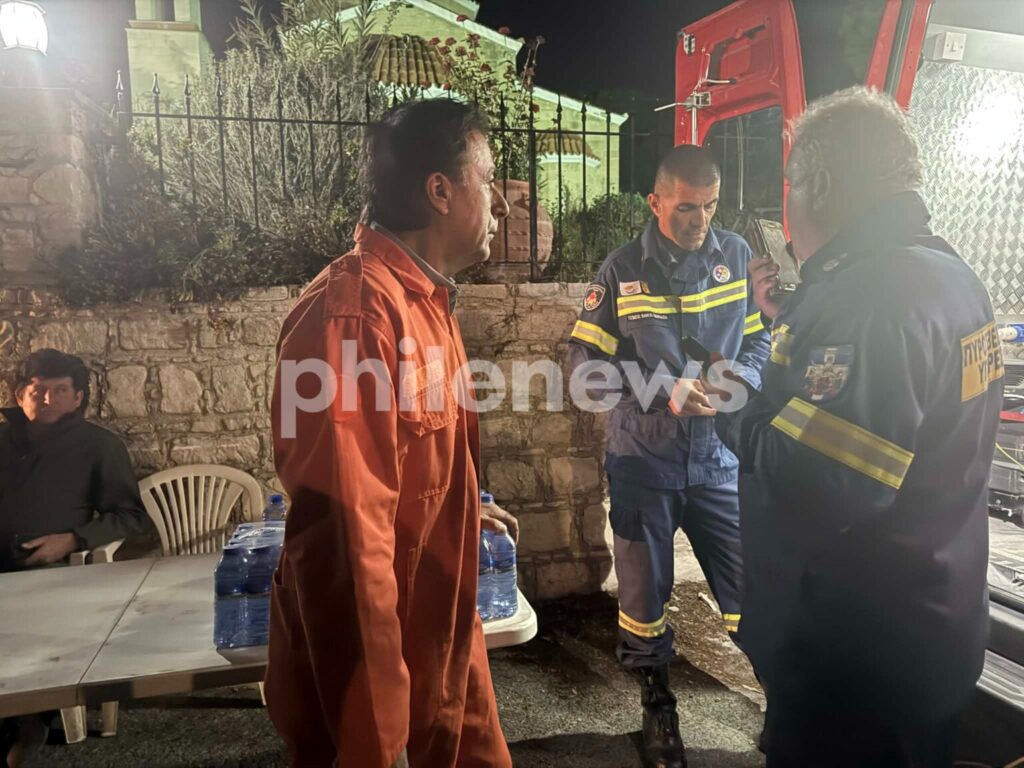
  • Paphos wildfire — Paphos Wildfire Under Control, No Need for Third-Country Aircraft

    Paphos wildfire — Paphos Wildfire Under Control, No Need for Third-Country Aircraft

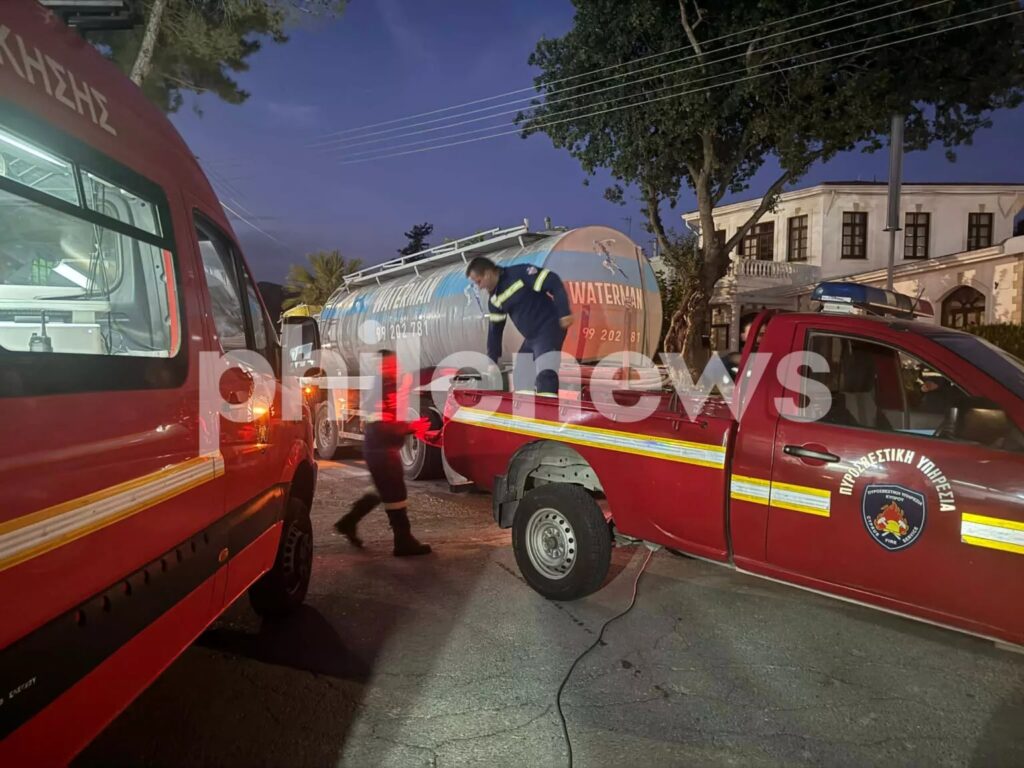
    paphos wildfire — The major wildfire in the Koili, Stroumbi and Akoursos area of Paphos district has been brought under full control, reducing the need for aircraft from third countries.

    Photo: in-cyprus.philenews.com

    • paphos wildfire — The major wildfire in the Koili, Stroumbi and Akoursos area of Paphos district has been brought under full control, reducing the need for aircraft from third countries.
    • Officials announced that, barring any unforeseen complications, there will be no requirement for additional aerial support, as the situation is now manageable.

    Officials announced that, barring any unforeseen complications, there will be no requirement for additional aerial support, as the situation is now manageable.

    Photo: in-cyprus.philenews.com

    Paphos wildfire: On-the-Ground Efforts Make Progress

    The director general of the Ministry of Agriculture, Rural Development and Environment visited the affected areas to assess the firefighting operations. He confirmed that robust firefighting forces remained active throughout the night, tirelessly working to extinguish any remaining hotspots.

    Collaboration with Neighbouring Countries

    In light of the progress made, officials have communicated with authorities in Greece, Israel, and Jordan to update them on the situation. While the aircraft from these nations are currently on standby, the local forces are confident in their ability to manage the fire without external assistance.

    Continued Vigilance Required

    Despite the control achieved, seven bulldozers were deployed overnight to assist the firefighters in their efforts, reflecting the seriousness of the situation. The commitment of these teams highlights the ongoing vigilance required to prevent any flare-ups.

  • Uncertainty Surrounds Great Sea Interconnector Cost and Future

    Uncertainty Surrounds Great Sea Interconnector Cost and Future

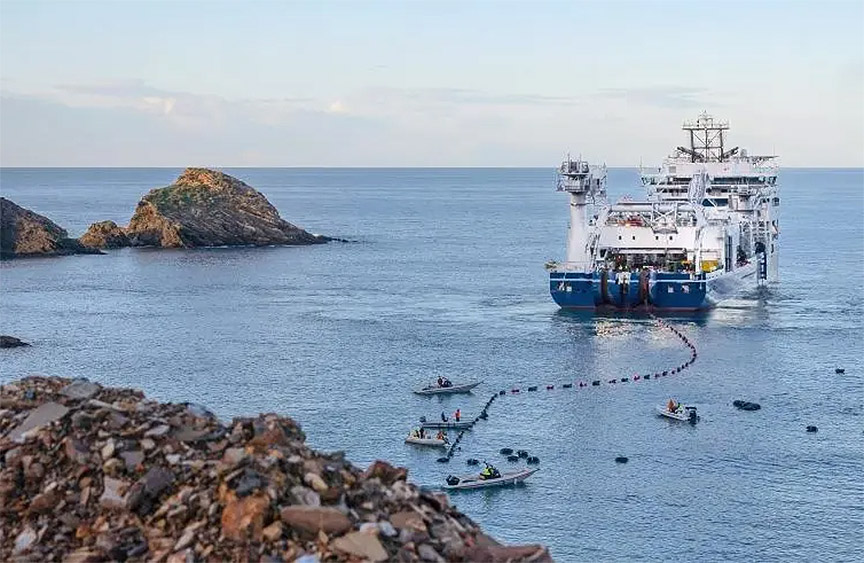
    The Great Sea Interconnector’s future is shrouded in uncertainty as discussions about its cost intensify. Recent talks in Athens led to an agreement to ‘update the techno-economic’ parameters, a move interpreted by many as indicative of stalled progress on the project. While some view this as a necessary step forward, others see it as a sign that the interconnector is struggling to gain momentum.

    Photo: cyprus-mail.com

    Great sea: Debate Over Project Viability

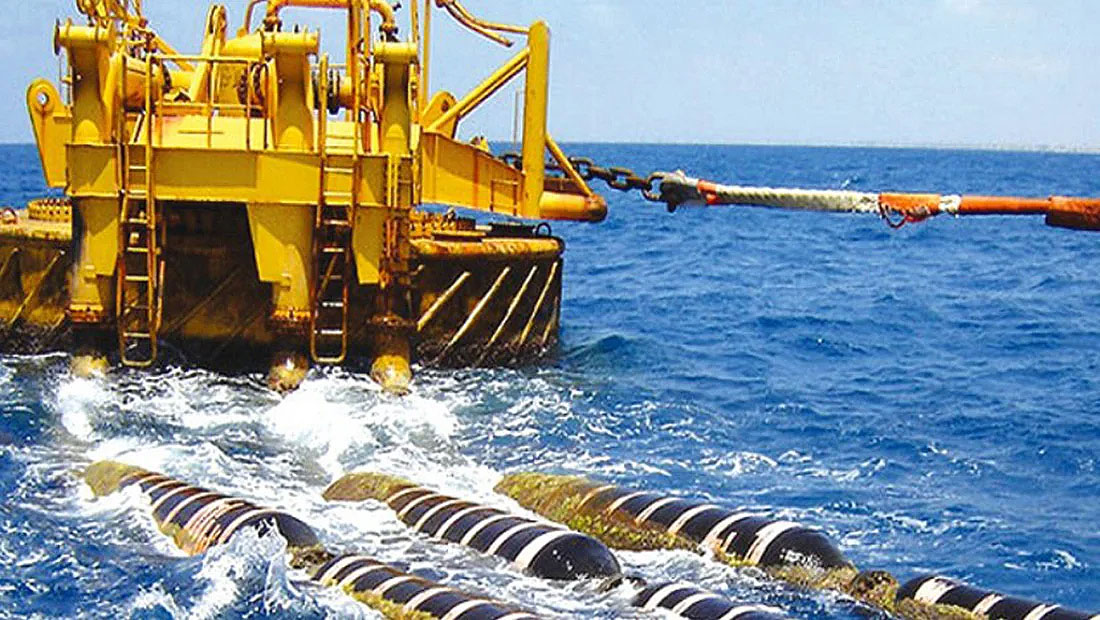
    Opinions on the interconnector diverge sharply. Critics argue that the announcement of a new feasibility study suggests a fundamental reassessment of the project. The GSI, which aims to connect the electricity grids of Cyprus and Greece via a subsea cable, currently faces a significant funding gap, estimated to be around €1 billion. Those sceptical of the project highlight that the necessity of further studies indicates a lack of confidence in its financial viability.

    Photo: cyprus-mail.com

    Funding Challenges

    Despite optimistic claims from Admie, Greece’s independent transmission operator and the project’s promoter, evidence of substantial investment interest remains elusive. Claims that the United States International Development Finance Corporation is considering involvement lack concrete backing. Currently, Admie has capital estimated between €250 million and €300 million and has also secured €650 million in grants from the European Commission. However, the projected cost of the interconnector stands at approximately €1.9 billion, leaving a significant funding shortfall.

    Government Statements and Investor Interest

    Following the Athens summit, Greek Energy Minister Stavros Papastavrou asserted that genuine interest from American investors exists. He stated, “Interest has been exhibited from the Americans, from American companies. We are in an exploratory phase. The Americans, as well as anyone else desiring to invest in a long-term project, they want the numbers, they want the data to understand the what, the how, and the where.”

    This perspective suggests that the feasibility study’s purpose is to provide clarity on costs, which will be critical for attracting potential investors. The study aims to determine whether the project can yield a healthy return on investment and if financial institutions will be willing to back it.

    Concerns Amidst Optimism

    However, sceptics raise valid concerns about the potential ramifications of the feasibility study. They question what would occur if the findings indicate that the interconnector is not financially viable. Would the governments of Cyprus and Greece proceed with a project deemed unfeasible? This uncertainty complicates the already precarious situation surrounding the GSI.

    Further complicating matters, the Turkish navy has deployed gunships to halt depth surveys required for the subsea cable, raising questions about the project’s feasibility if these critical surveys cannot be completed. A source familiar with the situation revealed that there is currently no clear understanding of the GSI’s total cost, contradicting positive outlooks from some officials.

    Historical Context and Previous Studies

    The interconnector project has a complicated history. Initially undertaken by EuroAsia Interconnector Ltd., the project was passed to Admie in October 2023. The Cypriot finance ministry previously submitted a cost-benefit analysis to the European Investment Bank (EIB) when EuroAsia was still involved, seeking an opinion rather than a loan application. The EIB’s recommendation advised Cyprus to invest in energy storage solutions instead.

    Admie later engaged the same consultancy that evaluated EuroAsia’s analysis to perform a second cost-benefit study, which indicated a more favourable outcome for the interconnector, albeit based on several optimistic assumptions.

    Political Perspectives and Future Prospects

    In light of the uncertainty, some remain steadfast in their belief that the GSI is essential for Cyprus’s energy security. Pavlos Liasides, who formulates energy policy for the Disy party, stated, “The GSI is a project that must be done, and will be done. It cannot be otherwise.” Liasides emphasised the interconnector’s significance in the broader context of regional energy needs, connecting Cyprus to the Middle East and Europe.

    He also highlighted the geopolitical implications of the project, noting that plans for interconnectors have been influenced by various international stakeholders, excluding certain nations, including Turkey. This exclusion adds a layer of complexity to the project’s implementation.

    Cost Implications for Consumers

    Addressing concerns about the project’s costs, Liasides pointed out that even if the GSI were to be completed without being utilised, the financial impact on consumers would be minimal, estimating an increase of only €15 per year on their bills over 25 to 30 years.

    Future Collaboration Between Cyprus and Greece

    Despite any perceived tensions between Cyprus and Greece regarding the interconnector, Liasides expressed confidence in the collaboration between the two nations. He noted the leaders’ public commitment to the project during their recent meeting in Athens, suggesting that both governments remain aligned in their objectives.

    As discussions continue, Liasides cautioned against inflammatory rhetoric that could undermine their efforts. He stated, “The GSI has adversaries; they are out there, lurking to poison relations between us and the Greek government. We mustn’t give them any ammunition.” This sentiment underscores the delicate balance that both countries must maintain as they navigate the complexities surrounding the Great Sea Interconnector.

  • Cypriot hellenism — Exhibition Celebrates New Era for Cypriot Hellenism

    Cypriot hellenism — Exhibition Celebrates New Era for Cypriot Hellenism

    cypriot hellenism — The phrase ‘new era for Cypriot Hellenism’ resonated through the halls of the old Nicosia Old Town Hall as President Nikos Christodoulides inaugurated the ’70 Years of Eoka 1955-1959′ exhibition on Saturday. This event marks a significant reflection on the armed Eoka struggle that began in 1955, a pivotal moment in Cyprus’s quest for self-determination.

    Photo: cyprus-mail.com

    During his address, Christodoulides expressed profound pride in the sacrifices made by the ancestors of the Cypriot people. He remarked, “I am proud of our ancestors, of the people of our homeland, who, literally and figuratively burning with love for freedom and the Union with Greece and defying all danger and hesitation, joined the struggle and generously offered their services.” This sentiment encapsulates the enduring spirit of those who fought during the turbulent years of Eoka.

    Photo: cyprus-mail.com

    The exhibition, organised by the government Press and Information Office (PIO), showcases a rich collection of archived newspapers, photographs, and artefacts from the era, many of which are on display for the first time. Visitors are invited to engage with the history that shaped their nation, reflecting on the struggles faced in the pursuit of independence.

    Christodoulides acknowledged that while Eoka’s struggle did not achieve the desired union with Greece, it ultimately led to the establishment of the Republic of Cyprus in 1960. He stated, “The struggle of Eoka 55-59 may not have led to the coveted union with Greece, but it did bring about the most valuable asset to date, our statehood, our greatest bargaining power.” This perspective highlights the complex legacy of Eoka, framed within the broader narrative of Cypriot identity and statehood.

    As visitors traverse the exhibition, they can sense the “accumulated resentment” stemming from decades of foreign occupation following World War II. Christodoulides described the period as one of “decolonisation” for the island, noting the disappointment felt by many as their aspirations for self-determination were repeatedly thwarted. He emphasised the importance of remembering these struggles, stating that the memories of Eoka have been passed down through generations.

    The president paid tribute to notable Eoka fighters such as Kyriakos Matsis, Gregoris Afxentiou, Markos Drakos, and Evagoras Pallikarides. They were hailed as “seeds in the land of Cyprus which bore fruit in its freedom and independence.” Such recognition serves to honour the contributions made by these individuals in the fight against colonial rule.

    As discussions continue regarding the future of Cyprus, including a forthcoming meeting between the island’s leaders and UN envoy Maria Holguin, Christodoulides was careful to position the exhibition within the context of ongoing negotiations. He stressed that the exhibition does not undermine current efforts to resolve the Cyprus issue. “The viability, the functionality of a possible solution goes to a very large extent through respect for the historical identity of each person and certainly not through self-abolition,” he said. This statement reinforces the idea that understanding and respecting history is crucial for any future resolution.

    The ’70 Years of Eoka 1955-1959′ exhibition opens to the public on Sunday and will be accessible until December 12. Visitors can enjoy free entry from Monday to Friday between 4pm and 7pm, and on weekends from 10am to 6pm. This initiative not only serves as a reminder of the island’s tumultuous past but also invites a dialogue about its future.

  • Tobacco smuggling — Surge in Tobacco Smuggling from Occupied Territories Raises Alarm

    Tobacco smuggling — Surge in Tobacco Smuggling from Occupied Territories Raises Alarm

    Tobacco smuggling cases from occupied territories have surged, prompting serious concern from authorities. Over the past year, both foreign visitors and residents from government-controlled areas have increasingly crossed into the occupied north to engage in this illicit trade.

    Photo: in-cyprus.philenews.com

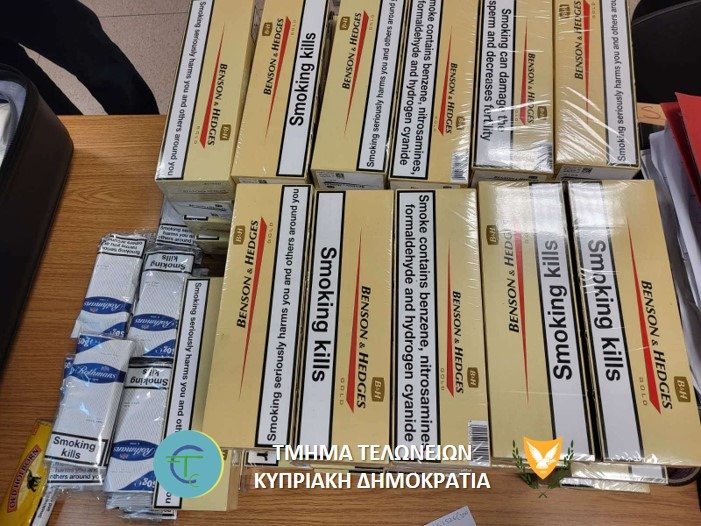
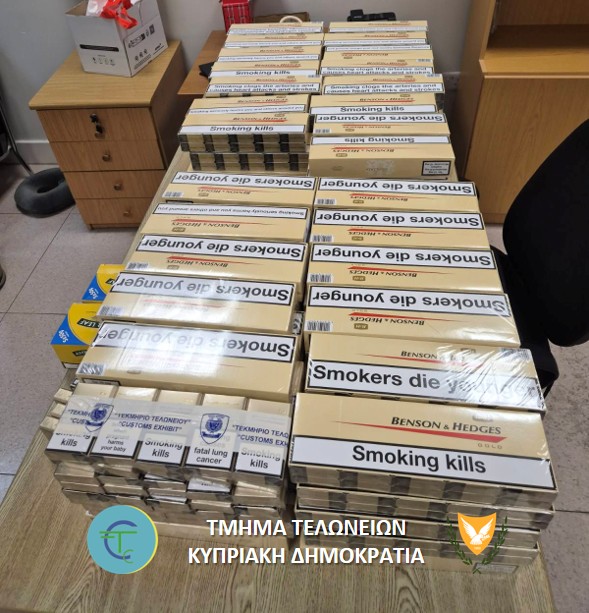
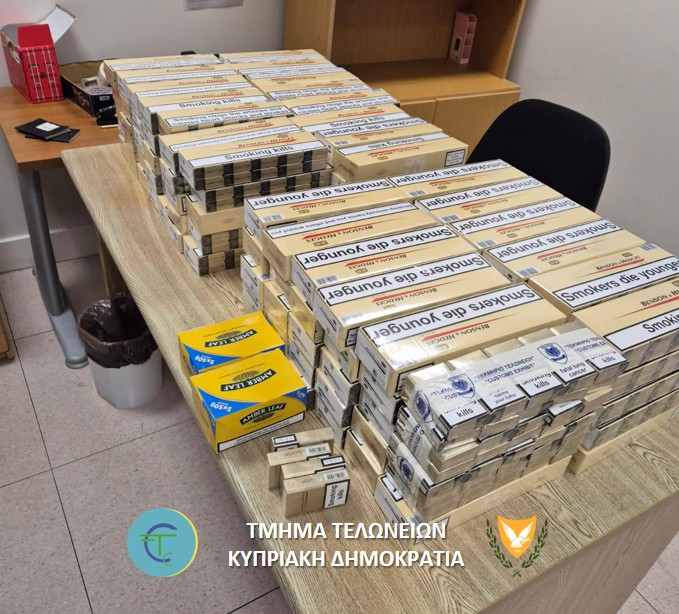
    Recently, at Paphos airport, a British man was intercepted just before his departure from the UK. Customs officials, acting on a tip-off, discovered a significant stash of tobacco products in his luggage. The haul included 135 cartons of 200 cigarettes each, along with four packets of 20 cigarettes and 500 grams of loose tobacco.

    Photo: in-cyprus.philenews.com

    Authorities noted that the seized products lacked the required warning labels in both Greek and Turkish, as well as the essential security features and unique traceability codes. This violation of regulations led to the man’s arrest, and he was remanded in custody for four days following a court appearance.

    This incident follows a notable case from last month, where a Greek-Cypriot man attempted to smuggle hundreds of cigarette cartons through the Ayios Dhometios checkpoint. The growing trend of tobacco smuggling has raised alarms, as it not only breaks local laws but also poses health risks due to the unregulated nature of the products being transported.

    The rise in these smuggling activities reflects a larger issue that authorities are grappling with, as they seek to enforce regulations and ensure public health is not compromised. The implications of such smuggling extend beyond immediate legal concerns, highlighting the need for stricter monitoring and enforcement at borders.

  • Bronze age — Bronze Age Settlement Discovered in Kisonerga

    Bronze age — Bronze Age Settlement Discovered in Kisonerga

    Archaeologists have recently uncovered a Bronze Age settlement at the Kisonerga–Skalia site in Paphos, dating back to around 2500 BC. This significant discovery sheds light on the artisanal practices of a community that thrived until its abandonment around 1600 BC.

    Bronze age: Excavation Insights Led by Dr Lindy Crewe

    The excavations at Kisonerga–Skalia are under the direction of Dr Lindy Crewe, the director of the Cyprus American Archaeological Research Institute (Caari). The findings from this site indicate a flourishing settlement that provides essential insights into the social and economic aspects of life during the Bronze Age.

    Spanning Historical Periods

    According to the antiquities department, the site preserves artifacts and structures from the Chalcolithic period through to the Middle Bronze Age. It appears to have succeeded the nearby Neolithic settlement of Kisonerga–Mosfilia, marking an evolution in the settlement patterns of the region.

    Settlement Dynamics and Abandonment

    The abandonment of the Kisonerga settlement coincides with the emergence of larger communities elsewhere on the island, reflecting broader trends across the Mediterranean during that era. This shift in settlement dynamics indicates a transformation in social organisation and economic practices.

    Uncovering Architectural Features

    The archaeological team has uncovered a major building complex constructed after prior residential structures on the northern slope were demolished. Research suggests that this settlement was established around 2500 BC and underwent significant redevelopment near the end of the Middle Bronze Age, approximately 1750 BC. The complex is distinguished by its skilled layering of materials and highly structured construction, suggesting an organised artisanal economy.

    Craft Production at the Core

    Evidence indicates that the settlement was primarily used for craft production rather than mere domestic living. Key features of the site include large hearths, areas designated for material processing, and numerous storage vessels. The antiquities department has highlighted the importance of this site, stating, “The site provides a rare opportunity to study Bronze Age craft production in detail.” This is significant as the main building complex was abandoned shortly after its construction, leaving its remains largely undisturbed by later historical developments.

    Distinctive Structural Elements

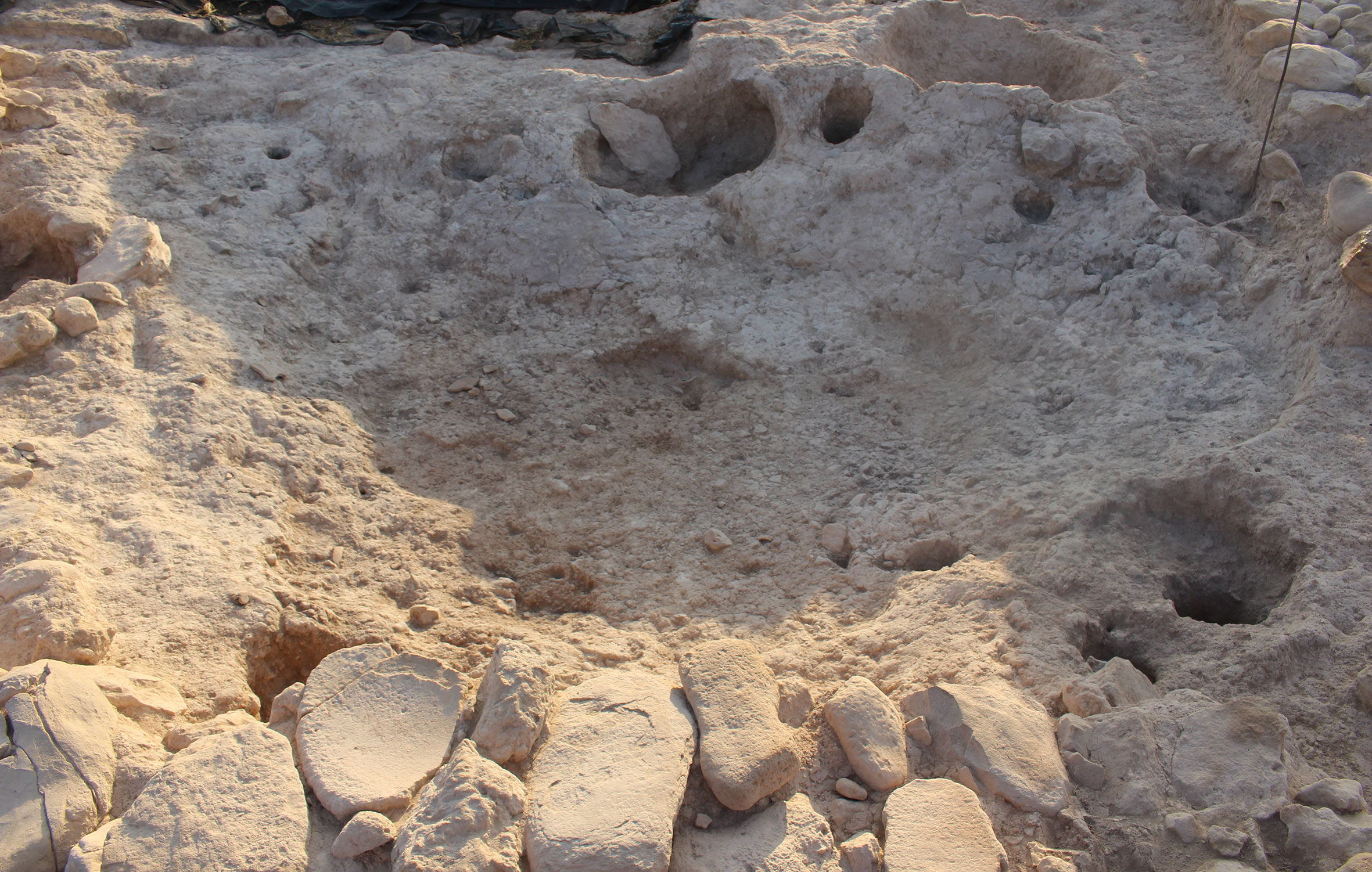
    The complex is characterised by walls up to 1.2 metres thick, constructed from clay and plaster. A notable feature of the site is the discovery of two ovens situated within an L-shaped courtyard. Earlier excavations revealed a domed oven, while the latest findings have uncovered a larger hemispherical oven, which is roughly double the diameter of its predecessor.

    Dietary Insights from Excavated Ovens

    The larger oven contained stone tools, ceramic fragments, and animal remains, and was constructed from a mixture of mud and lime. Systematic wet-sieving of its contents revealed traces of turpentine, which suggests that wheat and quail were staples in the diet of the Early Bronze Age inhabitants.

    Continued Research and Future Discoveries

    Excavation teams are continuing their work at the Kisonerga–Skalia site, focusing on deepening their understanding of the daily activities, craft techniques, and dietary habits of its early inhabitants. This ongoing research is crucial for illuminating Cyprus’ early cultural and economic history.

  • Cancer drug — Cyprus Oncology Society Addresses Cancer Drug Approval Delays

    Cancer drug — Cyprus Oncology Society Addresses Cancer Drug Approval Delays

    cancer drug — cancer drug — The Cyprus Oncology Society (OEK) has responded to concerns over delays in the approval of cancer treatment drugs by the Health Insurance Organisation (HIO). These delays have raised significant worries among patients and healthcare professionals alike.

    On Wednesday, OEK clarified its position, highlighting procedural issues related to the transfer of the nominal requests committee from the Health Ministry to the HIO. This transition, which occurred in May, has been cited as a contributing factor to the delays.

    OEK has engaged in consultations aimed at streamlining and improving the drug approval process. Following a meeting with HIO on May 26, both organisations agreed on a scientifically accepted timeline for updating and completing therapeutic protocols. OEK noted that these updates have already resulted in a decrease in the number of nominal requests.

    In cases where requests for drugs are rejected, OEK reassured physicians that there is a mechanism in place for appeals to be made to a review board. This process aims to ensure that treating physicians can advocate for their patients effectively.

    Amid rising complaints about critical delays, OEK emphasised its commitment to transparency and seriousness in applying the new criteria for drug approval. The society continues to monitor the situation closely and is prepared to intervene further if necessary.

    Earlier in May, the issue of obstacles in the oncology drug approval process was brought to light, with oncologists reporting instances of rejections or lack of communication after submitting urgent requests. The society’s proactive stance reflects its dedication to addressing these pressing concerns in the field of cancer treatment.

  • Pharmacies Operating Overnight on November 19 Across Cyprus

    Pharmacies Operating Overnight on November 19 Across Cyprus

    Pharmacies throughout Cyprus will remain open overnight on Wednesday, November 19, ensuring that residents have access to essential medications and health services during the late hours.

    Night-time Pharmacies in Nicosia

    • Solomou Ourania, Strovolos Avenue & Pythonos 4, next to the Glass Building, Strovolos, tel. 22313123, 22283622.
    • Triantafyllou Frankiskos Marios, Prodromou 24, opposite Evangelistria Medical Centre, next to Pandora bakery-patisserie, Engomi, tel. 22332315.
    • Konstantinou Dimitris, Stasandrou 26A, SEK Shareholding Pharmacy, Nicosia, tel. 22764691, 22484828.
    • Kitsa Marina, Kyriakou Matsis Avenue 21C & Samos, at traffic lights, Agioi Omologites, Nicosia, tel. 22441780, 22420506.
    • Chatzigianni Klio, Larnakos Avenue 129, next to Andreas Charalambous Ltd store, Nicosia, tel. 22333311, 22436322.
    • Kyriazo Anna Maria, United Nations & Mother Teresa 1A, after Carlsberg roundabout towards Idalion restaurant, next to Anytime kiosk, Dali, tel. 22313525.

    Limassol’s Overnight Pharmacies

    • Charalambous Charis, Miltonos 56, BMW Pilakoutas turn, towards Zakaki, opposite febalcasa furniture, Agios Spyridonas, Limassol, tel. 25710330, 25770285.
    • Malioti Chrysanthi, Georgios Averof 26, north of FOUI traffic lights near Agios Ioannis Lyceum, Limassol, tel. 25567939, 99461515.
    • Paraskeva Olga & Stavroula, Makarios III Avenue 98, next to Fairways, Polemidia traffic lights, Limassol, tel. 25335220, 25387104.
    • Koskinas Savvas, Archbishop Makarios III Avenue 8, Mesa Geitonia road, Mesa Geitonia, tel. 25728205, 25728210.
    • Koupepas Andreas, Anoikodomiseos 37B, north of Linopetras roundabout, Agios Athanasios, tel. 25724545, 99468643.

    Pharmacies in Larnaca

    • Sergiou Andreas, Archbishop Makarios 9, near Police Station, Larnaca, tel. 24623110, 24530445.
    • Andreou Despoina, Artemidos Avenue 30, near Faneromenis traffic lights, Larnaca, tel. 24656884, 24361084.
    • Christoforou Andreas, Larissas 21, Kamares towards Limassol, 400m after Cineplex cinema, Larnaca, tel. 24364270, 24646753.

    Paphos Pharmacy Listings

    • Kyrou Charitini, Neofytos Nikolaidis 18, 100m from new government buildings towards Geroskipou, Paphos, tel. 26949219, 26945762.
    • Taliotou Maria, Alexandros Papagos 57, Technical School roundabout towards RIO CINEMA, Paphos, tel. 26910276, 26932950.
    • Kallasidis Emmanouel, Mariou 17, Polis Chrysochous, tel. 26221877, 97744094.

    Famagusta Region Pharmacies

    • Stylianou Stelios, Sotiras 7A, opposite Lito clinic, Paralimni, tel. 23812040, 23744313.
    • Mastrou Androula, Petraki Giallourous 2E, Liopetri Square, next to traffic lights, Liopetri, tel. 23942028, 99524643.

    These pharmacies are part of a broader effort to ensure that citizens have access to necessary health services at all hours, reflecting the importance of community health in Cyprus.

  • Cyprus Forum Brussels: Vision for Digitalisation and Competitiveness in EU Presidency

    Cyprus Forum Brussels: Vision for Digitalisation and Competitiveness in EU Presidency

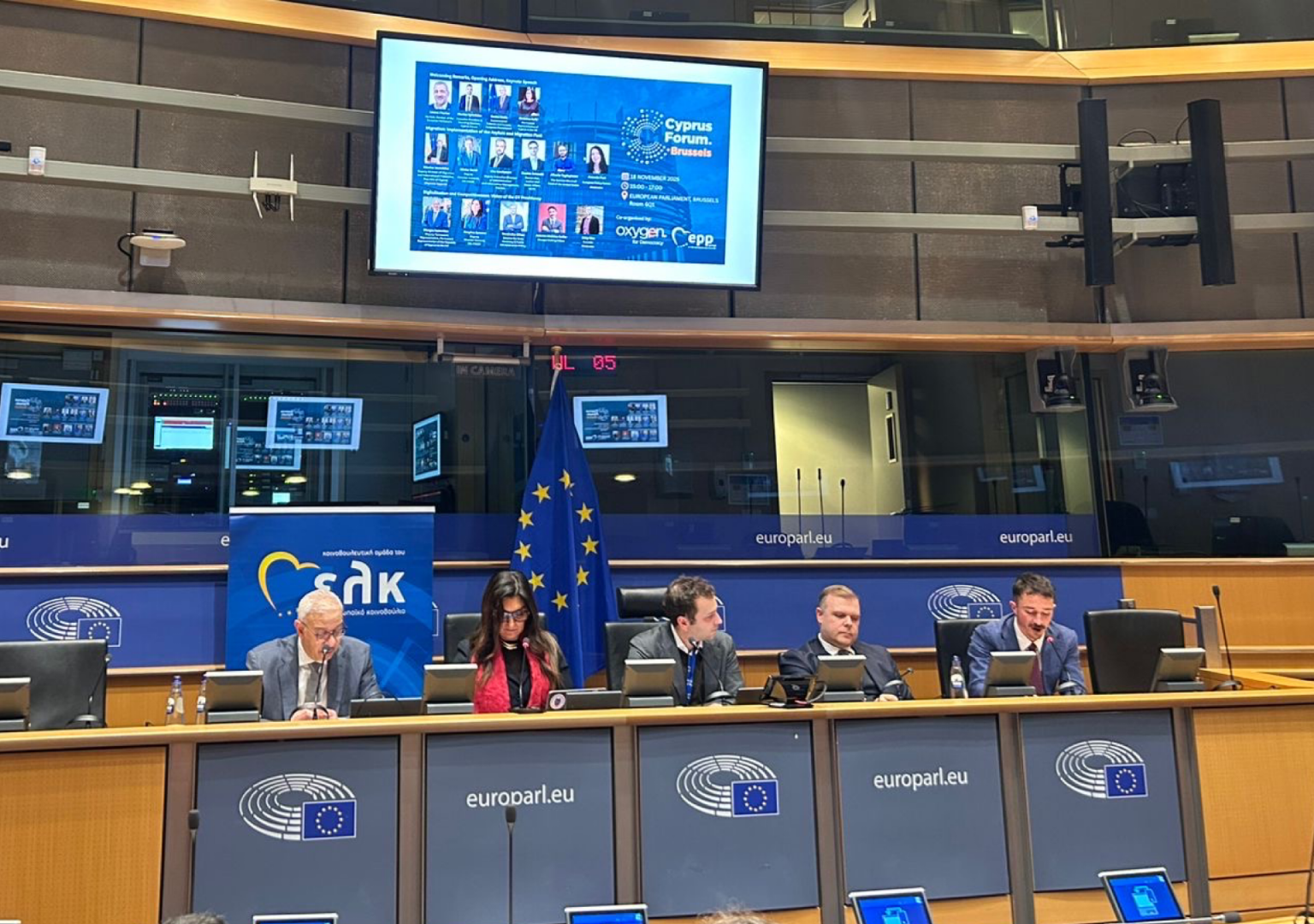
    digitalisation — The Cyprus Forum Brussels has set a clear vision for digitalisation and competitiveness as Cyprus prepares to take on the rotating Council Presidency of the European Union.

    Digitalisation: Steering the EU Digital Agenda

    During the event, a high-level panel discussed how Cyprus intends to influence the EU’s digital strategy, particularly through significant legislative initiatives such as the Digital Omnibus, the Business Wallet, and cybersecurity reforms. Cyprus aims to create a coherent and investment-friendly digital environment that enhances European competitiveness.

    Key Panel Participants

    Key figures in the discussion included Giorgos Ioannides, Deputy Permanent Representative of Cyprus to the EU; Despina Spanou, Deputy Director-General for Networks & Technology at the European Commission; Tzvetoslav Mitev, Director for Data Economy & Public Administration; and Antoine Mathieu Collin, Visiting Fellow at Bruegel. The session was moderated by Eddy Wax from Euractiv.

    Presidency Philosophy and Principles

    Giorgos Ioannides articulated the overarching philosophy of the Cyprus Presidency, emphasising that digital transition is essential for enhancing competitiveness, resilience, and European sovereignty. He stated that rather than introducing new regulations, Cyprus aims to serve as a “guardian of balance,” ensuring that negotiations around digital files remain coherent and streamlined.

    Ioannides highlighted three guiding principles for the upcoming presidency:

    • Proportionality
    • Avoidance of regulatory overlaps and inconsistencies
    • Predictable rules that attract investment

    He stressed the importance of agility in the EU’s approach, especially as companies operate in a competitive global market. He suggested that strategic public procurement could act as a catalyst for innovation and enhance the EU’s technological capabilities.

    Understanding the Digital Omnibus

    The Digital Omnibus package is a significant initiative from the European Commission aimed at simplifying the EU’s digital regulatory framework. Despina Spanou clarified that the focus of the Omnibus is on simplification without lowering existing standards. She reiterated that the General Data Protection Regulation (GDPR) remains a global reference standard, and the emphasis is on clarifying obligations rather than diluting rights.

    The Omnibus is designed to provide a consistent regulatory framework, reducing administrative burdens on businesses, especially small and medium-sized enterprises (SMEs). It aims to replace fragmented obligations with clearer, more predictable rules that align with cornerstone laws such as the GDPR, Digital Services Act, and Digital Markets Act.

    Cybersecurity Reforms

    During the forum, Spanou also touched on upcoming cybersecurity initiatives. A unified cyber-incident notification mechanism, referred to as ‘report once, reach many’, is set to replace the current fragmented reporting system under GDPR and other frameworks.

    The review of the Cybersecurity Act will focus on clarifying the mandate of ENISA and streamlining certification schemes, thereby addressing supply-chain security gaps more effectively. Spanou emphasised that while simplification is essential, it will not come at the expense of maintaining robust cybersecurity standards.

    Business Wallet: A Tool for Competitiveness

    Both Spanou and Tzvetoslav Mitev highlighted the Business Wallet as a crucial element for enhancing Europe’s digital economy. Described as “an eID for businesses,” the Business Wallet will allow companies to authenticate themselves securely and conduct administrative or financial procedures without the need for paperwork or physical presence.

    Mitev pointed out that for the Business Wallet to achieve its intended impact, public administrations must adopt and integrate it into their core procedures. He warned that a purely voluntary approach could lead to low uptake, a concern that has affected previous eID initiatives.

    Caution on Regulatory Simplification

    Antoine Mathieu Collin provided a cautionary perspective on the implications of regulatory simplification. He argued that while easing compliance requirements could foster innovation, it might also disproportionately benefit major platforms that already dominate the digital landscape. Without appropriate safeguards, such simplification could exacerbate the competitive disadvantages faced by smaller European firms.

    Collin highlighted the EU’s challenge of finding a balance between fostering innovation through simplification while preventing excessive concentration of digital power in the hands of a few large players.

    Looking Ahead: Making Existing Rules Work

    Across the panel, a consistent theme emerged: the Cyprus EU Presidency aims to be evaluated not by the number of new initiatives launched but by the effectiveness of implementing existing rules. The priorities include cutting overlaps, simplifying compliance, and ensuring that cybersecurity regulations remain robust yet workable.

    As Cyprus prepares to assume the presidency, the choices made in the coming months will significantly impact Europe’s digital competitiveness for the next decade. Ensuring that the simplification efforts empower small and mid-sized firms remains a critical challenge for the EU.

  • Cyprus Leaders Condemn Union Chief Over Sexist Remarks

    Cyprus Leaders Condemn Union Chief Over Sexist Remarks

    sexist remarks — sexist remarks — Cyprus’s ombudswoman and education minister have strongly condemned a teachers’ union leader following his controversial remarks about a woman changing education legislation for the first time in 50 years.

    • Stylianou-Lottides concluded that genuine progress requires more than just superficial gestures towards equality; it necessitates substantial actions aimed at protecting human rights.

    Education Minister Athena Michaelidou expressed her disappointment over the comments made by OELMEK President Demetris Taliadoros during a television programme. She stated that such sentiments are unacceptable in the education sector, a realm that should be at the forefront of combating sexism and stereotypes.

    Sexist remarks: Minister’s Strong Rebuttal

    Michaelidou highlighted the importance of fostering an environment of respect and equality, especially within educational institutions. “Education is the place par excellence for combating stereotypes related to sexism and every form of disrespect,” she asserted during her appearance on ANT1’s Mera Mesimeri programme. She questioned how a leader of a significant trade union could make such an assertion, acknowledging the commitment of teachers towards gender equality.

    Union Leader’s Controversial Comments

    The controversy ignited when Taliadoros remarked that some people wished to suggest that it was significant that a woman was finally changing legislation after decades. His comments were perceived as dismissive of the progress made in gender equality within the education sector.

    Michaelidou further noted that Taliadoros’s refusal to retract his statement was even more troubling. She emphasised that discussions about gender issues should be grounded in reasoned arguments rather than resorting to derogatory comments.

    Ombudswoman’s Perspective

    Maria Stylianou-Lottides, the ombudswoman, voiced her concerns in a written statement, criticising Taliadoros for revealing a troubling perspective on gender equality in the context of modern governance. She pointed out that even after significant milestones in women’s leadership globally, such as the tenure of prominent female figures in Europe, outdated attitudes persist.

    Stylianou-Lottides remarked, “In 2025, after Gandhi, Thatcher, Meloni, after two women are at the helm of the European Union, Mr Taliadoros came to expose the truth that was well hidden under the festive wrapping of equality.” Her comments illustrate a wider frustration with the ongoing struggle against ingrained sexist attitudes.

    Continuing Challenges in Gender Equality

    The ombudswoman further noted that despite Cyprus ratifying the Convention on the Elimination of All Forms of Discrimination Against Women (CEDAW) in 1985 and implementing laws against sexism, deeply rooted power imbalances continue to challenge progress. She called for collective action across different political and social groups to dismantle these inequalities.

    Stylianou-Lottides concluded that genuine progress requires more than just superficial gestures towards equality; it necessitates substantial actions aimed at protecting human rights.