Tag: Cyprus

  • Cyprus Leaders Condemn Union Chief Over Sexist Remarks

    Cyprus Leaders Condemn Union Chief Over Sexist Remarks

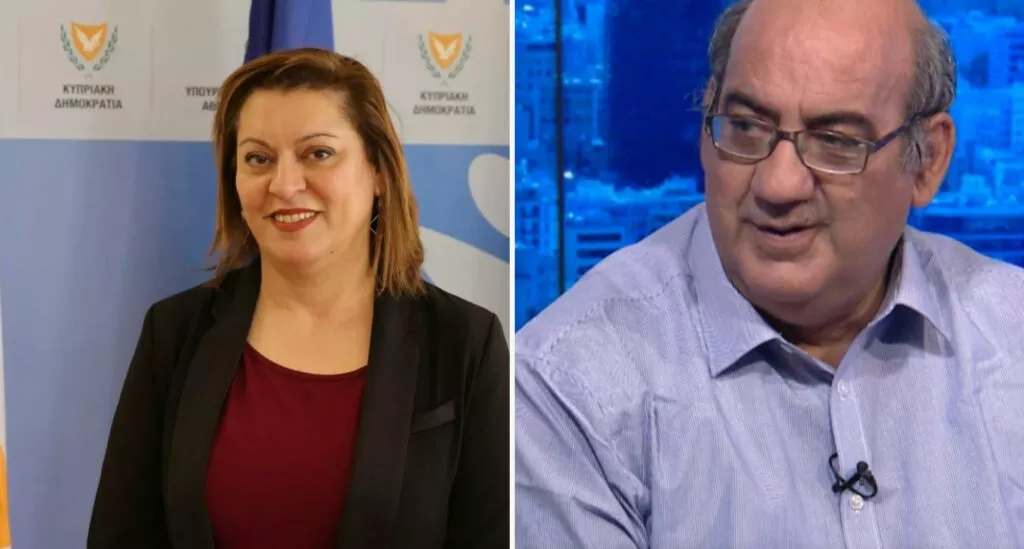
    sexist remarks — sexist remarks — Cyprus’s ombudswoman and education minister have strongly condemned a teachers’ union leader following his controversial remarks about a woman changing education legislation for the first time in 50 years.

    • Stylianou-Lottides concluded that genuine progress requires more than just superficial gestures towards equality; it necessitates substantial actions aimed at protecting human rights.

    Education Minister Athena Michaelidou expressed her disappointment over the comments made by OELMEK President Demetris Taliadoros during a television programme. She stated that such sentiments are unacceptable in the education sector, a realm that should be at the forefront of combating sexism and stereotypes.

    Sexist remarks: Minister’s Strong Rebuttal

    Michaelidou highlighted the importance of fostering an environment of respect and equality, especially within educational institutions. “Education is the place par excellence for combating stereotypes related to sexism and every form of disrespect,” she asserted during her appearance on ANT1’s Mera Mesimeri programme. She questioned how a leader of a significant trade union could make such an assertion, acknowledging the commitment of teachers towards gender equality.

    Union Leader’s Controversial Comments

    The controversy ignited when Taliadoros remarked that some people wished to suggest that it was significant that a woman was finally changing legislation after decades. His comments were perceived as dismissive of the progress made in gender equality within the education sector.

    Michaelidou further noted that Taliadoros’s refusal to retract his statement was even more troubling. She emphasised that discussions about gender issues should be grounded in reasoned arguments rather than resorting to derogatory comments.

    Ombudswoman’s Perspective

    Maria Stylianou-Lottides, the ombudswoman, voiced her concerns in a written statement, criticising Taliadoros for revealing a troubling perspective on gender equality in the context of modern governance. She pointed out that even after significant milestones in women’s leadership globally, such as the tenure of prominent female figures in Europe, outdated attitudes persist.

    Stylianou-Lottides remarked, “In 2025, after Gandhi, Thatcher, Meloni, after two women are at the helm of the European Union, Mr Taliadoros came to expose the truth that was well hidden under the festive wrapping of equality.” Her comments illustrate a wider frustration with the ongoing struggle against ingrained sexist attitudes.

    Continuing Challenges in Gender Equality

    The ombudswoman further noted that despite Cyprus ratifying the Convention on the Elimination of All Forms of Discrimination Against Women (CEDAW) in 1985 and implementing laws against sexism, deeply rooted power imbalances continue to challenge progress. She called for collective action across different political and social groups to dismantle these inequalities.

    Stylianou-Lottides concluded that genuine progress requires more than just superficial gestures towards equality; it necessitates substantial actions aimed at protecting human rights.

  • Eu presidency — CARDET Takes Lead as National Coordinator for EU Presidency Project Ahead of 2026

    Eu presidency — CARDET Takes Lead as National Coordinator for EU Presidency Project Ahead of 2026

    CARDET, an independent research and development organisation in Cyprus, has been appointed as the National Coordinator for the EU Presidency Project (EUPP). This significant role heralds a new chapter in Cyprus’s involvement with European civil society and global development initiatives, especially as the nation prepares for its upcoming Presidency of the Council of the European Union in 2026.

    Eu presidency: A Partnership for Progress

    The EU Presidency Project is a European Commission-funded initiative that aligns with the Presidency Trio of the Council of the European Union, which includes Poland, Denmark, and Cyprus. This collaborative project is jointly executed by national NGO platforms: Grupa Zagranica from Poland, Global Focus from Denmark, and CARDET from Cyprus, in close partnership with CONCORD Europe.

    Empowering Civil Society

    The primary goal of the EUPP is to enhance civil society’s influence in shaping EU policies on development cooperation. This involves a strong focus on policy coherence, solidarity, and sustainability. As the National Coordinator, CARDET will spearhead national efforts and facilitate civil society engagement within Cyprus.

    Key Responsibilities of CARDET

    In its new role, CARDET will undertake several crucial tasks that will drive the project forward:

    • Facilitating dialogue among stakeholders in Cyprus regarding EU development priorities.
    • Leading national initiatives to ensure coherent and impactful development policies.
    • Supporting joint efforts across the Presidency Trio to amplify the role of civil society at the EU level.
    • Contributing to a forward-looking and inclusive agenda for the EU Presidency in 2026.

    Strategic Implications for Cyprus

    This appointment not only enhances CARDET’s profile but also positions Cyprus strategically within the broader European context. As the country gears up for its presidency, the EUPP offers an opportunity for Cypriot civil society to engage more robustly with EU institutions, ensuring that local voices are heard in the corridors of power.

    Building Bridges with European Partners

    The collaboration with Grupa Zagranica and Global Focus allows CARDET to leverage shared experiences and best practices from Poland and Denmark. This partnership is pivotal in creating a cohesive approach to development cooperation and civil society engagement across the member states.

    Long-Term Vision for Development

    As part of the EUPP, CARDET is committed to fostering a long-term vision that prioritises sustainable development. This includes advocating for policies that not only address immediate needs but also promote resilience and adaptability in the face of global challenges.

    Looking Ahead to 2026

    With the 2026 EU Presidency on the horizon, CARDET’s role as National Coordinator is more critical than ever. The organisation is tasked with ensuring that civil society’s contributions are not only acknowledged but actively integrated into the EU’s policy-making processes.

    Encouraging Participation

    To achieve these objectives, CARDET plans to encourage widespread participation from various stakeholders within Cyprus. This includes civil society organisations, local governments, and the private sector, all of which play a vital role in shaping the future of EU policies.

    Resources and Further Information

    For those interested in learning more about the EU Presidency Project and CARDET’s activities, additional information can be found on their official website. This resource will provide insights into ongoing initiatives, stakeholder engagement opportunities, and updates leading up to the presidency.

    To explore more about the EUPP, visit: CARDET EUPP.

  • Audit Report Reveals Defence Ministry Waste and Staffing Shortcomings

    The defence ministry is facing significant challenges with wasteful spending and staffing levels, according to a recent audit report. Released by the Audit Office, the report examines the years 2021 through 2024, highlighting ongoing organisational issues and structural inertia that have led to fiscal costs.

    Long-Standing Issues with Departmental Mergers

    One of the primary concerns identified in the report is related to the merger of various departments within the defence ministry and the army general staff. This merger was part of a strategic plan initiated in 2015, aimed at streamlining operations and reducing operational costs. By April 2019, the integration was physically realised with both entities being housed in the same premises.

    However, contrary to expectations, the report reveals that the number of military personnel assigned to defence ministry departments has actually increased rather than decreased, undermining the intended efficiency of the merger. This rise in personnel contradicts the rationale behind the consolidation, which was designed to optimise resources and enhance operational effectiveness.

    Widespread Leasing Practices

    Another critical issue raised in the report is the delay in relocating to government-owned premises, resulting in a reliance on leased properties. The continued practice of leasing not only incurs additional costs but also illustrates a failure to fully implement the merger’s objectives. By prolonging the leasing arrangements, the defence ministry is potentially wasting valuable financial resources that could be redirected towards other essential services.

    Inefficiencies in Data Management

    The report also highlights the lack of modernisation in administrative processes within the defence ministry. There has been a notable failure to implement computerised systems that could efficiently track vital functions, such as requisitioning and orders of expropriation. Instead, data is being entered manually into spreadsheets, such as Excel, which significantly increases the risk of human error.

    Attempts to establish a computerised system that could connect with a central governmental database have not materialised, leaving the defence ministry reliant on outdated methods. This inefficiency not only hampers productivity but also poses risks to the accuracy of critical data management.

    Irregular Financial Commitments

    In a related section, the Audit Office recounts an incident from early 2023 involving then-president Nicos Anastasiades. During a visit to Athens in February 2023, he pledged a €2.5 million grant to Greece’s air force as a gesture of solidarity following a tragic crash involving a Greek Air Force plane. This public commitment resulted in the disbursement of funds that were not accounted for in the defence ministry’s budget, raising concerns about the irregularity of such financial commitments.

    Misuse of Military Vehicles

    The audit also uncovered continued misuse of military vehicles for transporting both military and civilian personnel from their homes to work. This practice has resulted in excessive fuel consumption, straining the fuel quotas allocated to various military units. Such actions not only violate existing regulations but also highlight a disregard for resource management within the defence ministry.

    The auditor-general has stated that if the army general staff wishes to continue this practice, it must formally request a change in the law, underscoring the need for adherence to legal frameworks and proper governance.

    Missed Opportunities for EU Funding

    Furthermore, the report notes delays in the installation of photovoltaic systems at National Guard camps, which is critical for harnessing renewable energy. These delays pose a risk of losing out on potential EU funding, which could have provided financial support for sustainable energy initiatives. The inability to capitalise on such opportunities reflects a broader pattern of inefficiency and missed potential within the defence ministry.

    The Defence Ministry’s Core Mission

    Despite these challenges, the Audit Office’s report emphasises that the primary mission of the defence ministry remains unchanged: to protect the territorial integrity and independence of the Republic of Cyprus from any hostile threats. However, the ongoing organisational problems and fiscal waste identified in the audit undermine the ministry’s ability to fulfil this essential mandate effectively.

    In light of these findings, there is an urgent need for the defence ministry to address these issues comprehensively. Implementing effective management practices, enhancing operational efficiency, and adhering to legal standards are crucial steps necessary for restoring public confidence and ensuring the ministry can meet its obligations.

  • Child abused — Child abused: One Child a Day Reported as Sexually Abused in Cyprus, Sparks #20ForYou Campaign

    Child abused — Child abused: One Child a Day Reported as Sexually Abused in Cyprus, Sparks #20ForYou Campaign

    child abused — child abused — In Cyprus, one child a day is reported as sexually abused, highlighting a pressing issue with 483 cases documented in 2024 alone, according to the child commissioner’s office.

    Child abused: Alarming Statistics Reflect Reality

    The staggering figure translates to one new case every 20 hours, revealing the urgent need for action. These numbers only represent children who have found the courage to speak up, indicating that the true extent of the problem may be even greater.

    #20ForYou Campaign Launches for Awareness

    To coincide with the European Day for the Protection of Children against Sexual Exploitation and Abuse, the child commissioner’s office announced the launch of the #20ForYou campaign. This initiative aims to cultivate awareness and mobilise the public to break the silence surrounding the sexual abuse of children.

    Empowering Children’s Voices

    Central to the campaign is the commitment to give children a louder voice. The initiative seeks to promote a society that acknowledges, addresses, and speaks out about abuse. By encouraging dialogue, the campaign hopes to foster an environment where children feel safe to share their experiences.

    Five Key Demands for Change

    The #20ForYou campaign calls on individuals and organisations to support five specific demands:

    • Specialised psychological and social support for victims.
    • Enhanced education on the subject in schools.
    • Placement of psychologists in all schools.
    • Recognition of early warning signs of abuse.
    • Immediate removal of online child abuse material.

    A Call for Public Participation

    As part of the campaign, all adults are encouraged to dedicate 20 minutes from 10am to 10.20am, translating into one minute for every hour that passes until another child is abused. During this time, participants are invited to photograph their teams with the #20ForYou hashtag and share it on social media, amplifying the message.

    Interactive Engagement with Children

    Actions planned across Cyprus include children writing messages about what would make them feel safer on post-its. These notes will be displayed on a board titled ‘The wall has a voice’. Schools are expected to post images of their ‘walls’ on social media, further driving home the campaign’s message.

    Promoting Safety and Support

    The underlying message of the campaign is clear: “No child should grow up in fear, no child should remain unaided, no child should stay silent.” By focusing on support and education, the #20ForYou campaign aims to create a safer environment for all children in Cyprus.

    Collaborative Efforts for Long-Term Change

    In addition to raising awareness, the campaign seeks to engage various stakeholders, including schools, community organisations, and policymakers, to create lasting change. By working together, the hope is to establish a robust support system for victims and a preventative framework to protect children from future abuse.

    Moving Forward Together

    The #20ForYou campaign is not just about raising awareness; it is a call to action for everyone in the community to take part in safeguarding children. Each effort, no matter how small, contributes to a larger movement aimed at ending the silence around child sexual abuse.

  • Morea Residences: Coastal Villas Offering a Unique Living Experience in Cyprus

    Morea Residences: Coastal Villas Offering a Unique Living Experience in Cyprus

    Morea Residences is a gated community featuring 30 private villas that redefine coastal living. With classic Mediterranean design, modern engineering, and smart home systems, these villas provide an ideal blend of comfort and luxury. Each villa boasts its own private pool and is set within beautifully landscaped green areas, all just a short walk from one of Cyprus’s most stunning beaches.

    Photo: cyprus-mail.com

    Morea residences: A Coastal Retreat in Paphos

    Situated in Pegeia, near Paphos, Morea Residences captures the essence of tranquil living by the sea. While Paphos has seen rapid development, Pegeia retains its charm with a unique combination of coastal access and privacy. Residents can enjoy warm days and open spaces, creating an atmosphere conducive to relaxation and reflection.

    Photo: cyprus-mail.com

    Thoughtfully Designed Villas

    Morea Residences features three distinct villa types, catering to various lifestyles. The two-bedroom poolside villas are compact and bright, making them perfect as holiday homes or rental investments. The three-bedroom options offer additional space, with choices between a private pool or a courtyard, suitable for families or longer stays. The six-bedroom villas, located at the top of the site, span three levels and include a private infinity pool, lifts, and breathtaking coastal views.

    Modern Living Meets Natural Beauty

    The design philosophy at Morea is based on harmony with nature. The villas incorporate natural stone and wood, with clean lines and extensive outdoor areas that enhance the living experience. Inside, residents benefit from modern amenities and smart home systems that simplify daily routines, allowing for a more enjoyable lifestyle.

    Community Amenities for a Resort-like Experience

    The shared spaces at Morea Residences contribute to a sense of community, akin to a private resort. A striking 40-metre river-style pool runs through the heart of the development, accompanied by a separate children’s pool, a playground, and a clubhouse ideal for gatherings. Outdoor fitness zones, yoga decks, barbecue spots, and tranquil green corners provide numerous opportunities for relaxation and social interaction.

    Investment Potential in a Thriving Market

    Morea Residences also presents a compelling investment opportunity. The Coral Bay area ranks among the strongest short-term rental markets in Paphos, with consistent demand for modern villas near the beach. With limited two- and three-bedroom homes available in gated communities, the potential for rental income and long-term value is promising. As construction progresses, current pricing reflects advantageous conditions for early buyers.

    A Thoughtful Approach to Coastal Living

    Morea Residences does not aim to revolutionise coastal living; instead, it embodies the concept with clarity and purpose. Designed as a small, well-planned community near the beach, the layout prioritises privacy and comfort for each home. Whether as a full-time residence, a smart investment, or a holiday base, Morea offers something for everyone.

    A Rarity in Today’s Market

    As projects of this scale and location become increasingly scarce, Morea Residences stands out for its quality and vision. It promises a comfortable home by the Mediterranean, crafted with an emphasis on durability and aesthetics. This is a place where residents can enjoy the fundamental joys of life—air, space, and proximity to the sea.

    Morea Residences isn’t just another development; it is a lifestyle choice that resonates with those seeking a harmonious balance between comfort and nature. With its unique features and prime location, it offers a rare opportunity to embrace coastal living in Cyprus.

  • Cyprus Airspace Breached by Turkish F-16 Fighter Jets

    Cyprus Airspace Breached by Turkish F-16 Fighter Jets

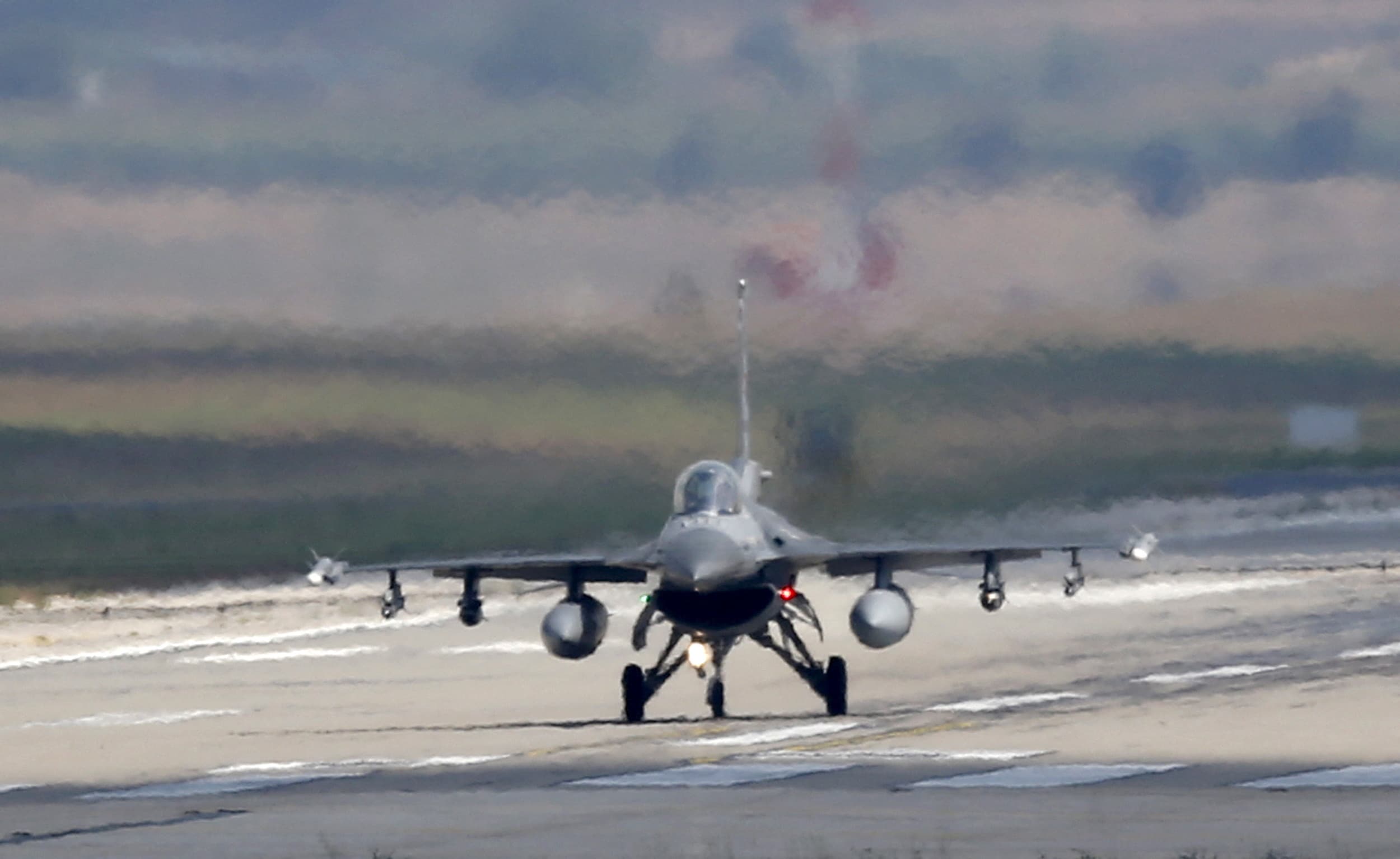
    cyprus airspace — The violation of Cyprus airspace by Turkish F-16 fighter jets has raised significant concerns regarding regional tensions. On Saturday, four Turkish aircraft entered the airspace of the Republic of Cyprus while participating in celebrations marking the anniversary of the illegal unilateral declaration of the breakaway regime in northern Cyprus.

    According to sources, two of the F-16s also reportedly flew over a small section of the UN-controlled buffer zone, heightening the situation’s sensitivity. The National Guard General Staff responded promptly, taking all necessary steps to address the incursion.

    In a statement to the Cyprus News Agency (CNA), the National Guard confirmed that representations were made concerning the incident. This action underlines the ongoing military and political tensions between Cyprus and Turkey, particularly in light of historical grievances and territorial disputes.

    The Turkish aircraft’s actions were seen as provocative, particularly given the timing of the flights coinciding with a day of significance for the breakaway regime, which is only recognised by Turkey. The incident exemplifies the fragile nature of peace in the Eastern Mediterranean and the complexities of airspace sovereignty in the region.

    Cyprus airspace: Military and Diplomatic Reactions

    The National Guard’s immediate response reflects a broader strategy to ensure the security of Cypriot airspace. Military officials are closely monitoring the situation, with the potential for further diplomatic engagements to address such violations in the future.

    Local authorities and international observers have expressed concern over the implications of increased military activity in the area. With Cyprus caught between its historical ties to Greece and the ongoing tensions with Turkey, such incidents could escalate if not addressed swiftly and effectively.

    Implications for Regional Stability

    This airspace violation serves as a reminder of the precarious balance of power in the Eastern Mediterranean. Analysts suggest that continuous military provocations could undermine efforts for dialogue and peaceful resolution of ongoing conflicts.

    The UN has previously called for restraint from both sides, advocating for diplomatic solutions to long-standing disputes. The recent actions by Turkish F-16s might complicate these efforts, as they signal a willingness to assert military presence in contested areas.

  • Cyprus outlook: S&P Upgrades Cyprus’ Economic Outlook to Positive

    Cyprus outlook: S&P Upgrades Cyprus’ Economic Outlook to Positive

    cyprus outlook — Credit rating agency S&P has upgraded the outlook of Cyprus’ economy from “stable” to “positive”, highlighting a faster-than-expected improvement in external debt ratios.

    • cyprus outlook — Credit rating agency S&P has upgraded the outlook of Cyprus’ economy from “stable” to “positive”, highlighting a faster-than-expected improvement in external debt ratios.

    The island’s credit rating remains at “A-/A-2” for both long-term and short-term debt. S&P noted that the new outlook reflects the expectation that Cyprus will outperform current projections regarding its external position. This anticipated performance is attributed to a more rapid de-escalation of external debt.

    Despite a persistent current account deficit, Cyprus has seen significant net inflows of foreign direct investment. This influx has facilitated a gradual reduction in external debt, prompting S&P to suggest that an upgrade could be possible if leverage continues to decrease at a stronger pace than estimated.

    However, potential risks loom on the horizon. S&P cautioned that any deterioration in the external environment, such as decreased financial activity among trading partners or heightened geopolitical tensions, could exert pressure on the economy, public finances, and banking system.

    The agency’s upgrade of Cyprus’ economic outlook is largely due to expectations of a further strengthening of its external position, driven by ongoing public and private sector deleveraging, alongside resilient services exports. For instance, despite an average deficit exceeding eight per cent of GDP over the past five years, gross external debt continues to decline.

    S&P praised Cyprus’ fiscal performance as impressive, noting that strong economic activity and a high employment rate have bolstered tax revenues and social security contributions. These factors, combined with controlled public spending, have led to sustained surpluses and a continued reduction in public debt.

    Looking ahead, S&P forecasts an average surplus of 3.3 per cent of GDP between 2025 and 2028, with net debt projected to fall to 35 per cent of GDP by 2028, down from 56 per cent last year and 90 per cent in 2019.

    In terms of growth, S&P indicated that strong economic momentum has persisted into the early part of this year, predicting a growth rate of 3.3 per cent for 2023. This growth is expected to be increasingly driven by domestic demand, rising real incomes, and investments from both private and public sectors, especially following a notable rise in tourism and the relocation of technology companies to the island.

    Moreover, Cyprus’ economy has shown resilience against conflicts in Ukraine and the Middle East, with limited exposure to trade tensions between the United States and China. Nevertheless, the slowdown in Europe could pose indirect risks to economic stability.

    President Nikos Christodoulides welcomed the upgrade, stating it marks Cyprus’ entry into a path of enhanced momentum and reflects the consistency and responsibility of the country’s fiscal choices. He emphasised that Cyprus has emerged as a reliable centre for quality investments, leading to reduced borrowing costs, strengthened entrepreneurship, and the creation of well-paid jobs.

    Finance Minister Makis Keravnos echoed these sentiments, asserting that the upgrade demonstrates confidence in the government’s economic policy as recognised by major rating agencies. He remarked that the continuous positive assessments of Cyprus’ economic credibility reflect not just its creditworthiness in international markets but also the dynamic nature of the Cypriot economy in a climate of increased geopolitical risks.

    Keravnos affirmed that the government will persist in its economic policies aimed at fostering stable and sustainable growth, grounded in fiscal discipline and financial sustainability. He underscored the importance of focusing on initiatives that support the populace, particularly underprivileged social classes, through sensitive economic policies.

  • Mixed Reactions to New Cost-of-Living Allowance Agreement in Cyprus

    Mixed Reactions to New Cost-of-Living Allowance Agreement in Cyprus

    cost-of-living allowance — The new cost-of-living allowance (CoLA) agreement, signed on Thursday following extensive negotiations between employers and workers, has elicited mixed reactions from various political factions in Cyprus.

    • “Our most serious concern,” Disy added, “relates to the inevitable further expansion of the state payroll, in connection with general increases and mass hiring.”
    • Their statement concluded with a call for “the universal, fair and socially balanced implementation of the CoLA,” framing it as a matter of social justice and dignity in the workplace.
    • The future implementation of the CoLA will likely continue to be a focal point in the political discourse, reflecting the broader challenges faced by workers and the economy alike.

    Cost-of-living allowance: Political Parties Weigh In

    Disy, the ruling party, expressed support for the agreement, viewing it as a crucial step towards maintaining labour peace. They endorsed the 4 per cent inflation ceiling established for the CoLA’s implementation, which aims to mitigate its adverse effects. However, Disy also highlighted the need for modernising the CoLA institution, a commitment the government had previously announced. They argue that modernisation is essential for ensuring the sustainability of public finances and enhancing economic competitiveness.

    According to Disy, “the weaknesses of the institution remain,” pointing out that the CoLA is uniformly paid regardless of salary level. This system, they argue, disproportionately favours high-wage earners. The party also raised concerns regarding the expansion of the CoLA to the national minimum wage, suggesting that it merely affirms earlier decisions made by their government.

    “Our most serious concern,” Disy added, “relates to the inevitable further expansion of the state payroll, in connection with general increases and mass hiring.”

    Akel’s Advocacy for Labour Rights

    Akel, the main opposition party, praised the CoLA agreement as a significant achievement in advancing labour rights. They underscored that the agreement does not signify the end of their efforts. “The trade union movement fought a months-long battle to protect and secure the CoLA,” Akel stated, emphasising that this success demonstrates the power of collective action in expanding workers’ rights.

    The party has committed to continuing their advocacy alongside the trade union movement to ensure the CoLA encompasses all workers, asserting that “workers can live with dignity.” Akel’s spokesperson remarked, “The agreement on the CoLA signed yesterday is a milestone, but it is not the end of the road.”

    Ecological Movement’s Call for Universal Coverage

    The Ecological Movement echoed Akel’s sentiments, vowing to advocate for a policy that addresses societal needs comprehensively. They acknowledged positive developments, such as the planned full restoration of the CoLA to 100 per cent within 18 months in areas where it is currently applicable. Nonetheless, they deemed this progress insufficient.

    The movement articulated their stance clearly: “The CoLA must be awarded universally to all employees, and in a staggered manner, so that the support is proportional to actual needs and inversely proportional to the level of the salary.” They highlighted ongoing affordability challenges faced by citizens, stressing that measures affecting purchasing power should prioritise effective support for the most vulnerable rather than relying on partial solutions.

    Their statement concluded with a call for “the universal, fair and socially balanced implementation of the CoLA,” framing it as a matter of social justice and dignity in the workplace.

    Expansion of CoLA Beneficiaries

    The newly established permanent agreement expands the CoLA to benefit over 55,000 additional recipients. The allowance will see a gradual increase, moving from the current 66.7% to 80% of the cost-of-living rise starting January 1, 2026. This will further increase to 90 per cent on July 1, 2026, and finally reach 100 per cent by January 1, 2027.

    Annual adjustments will be made based on Cyprus’ real GDP growth, with the CoLA increase capped at a maximum of 4 per cent. In the event of an economic downturn, the labour advisory board will convene to review and recommend necessary measures.

    Looking Ahead

    As the CoLA agreement rolls out, the differing reactions from political parties illustrate the ongoing debates regarding labour rights and economic stability in Cyprus. While some parties celebrate the agreement as a significant achievement, others caution against potential pitfalls, urging for a more comprehensive approach to labour rights and economic sustainability.

    The future implementation of the CoLA will likely continue to be a focal point in the political discourse, reflecting the broader challenges faced by workers and the economy alike.

  • Social care — Cyprus Introduces Digital Platform for Enhanced Access to Social Care Services

    Social care — Cyprus Introduces Digital Platform for Enhanced Access to Social Care Services

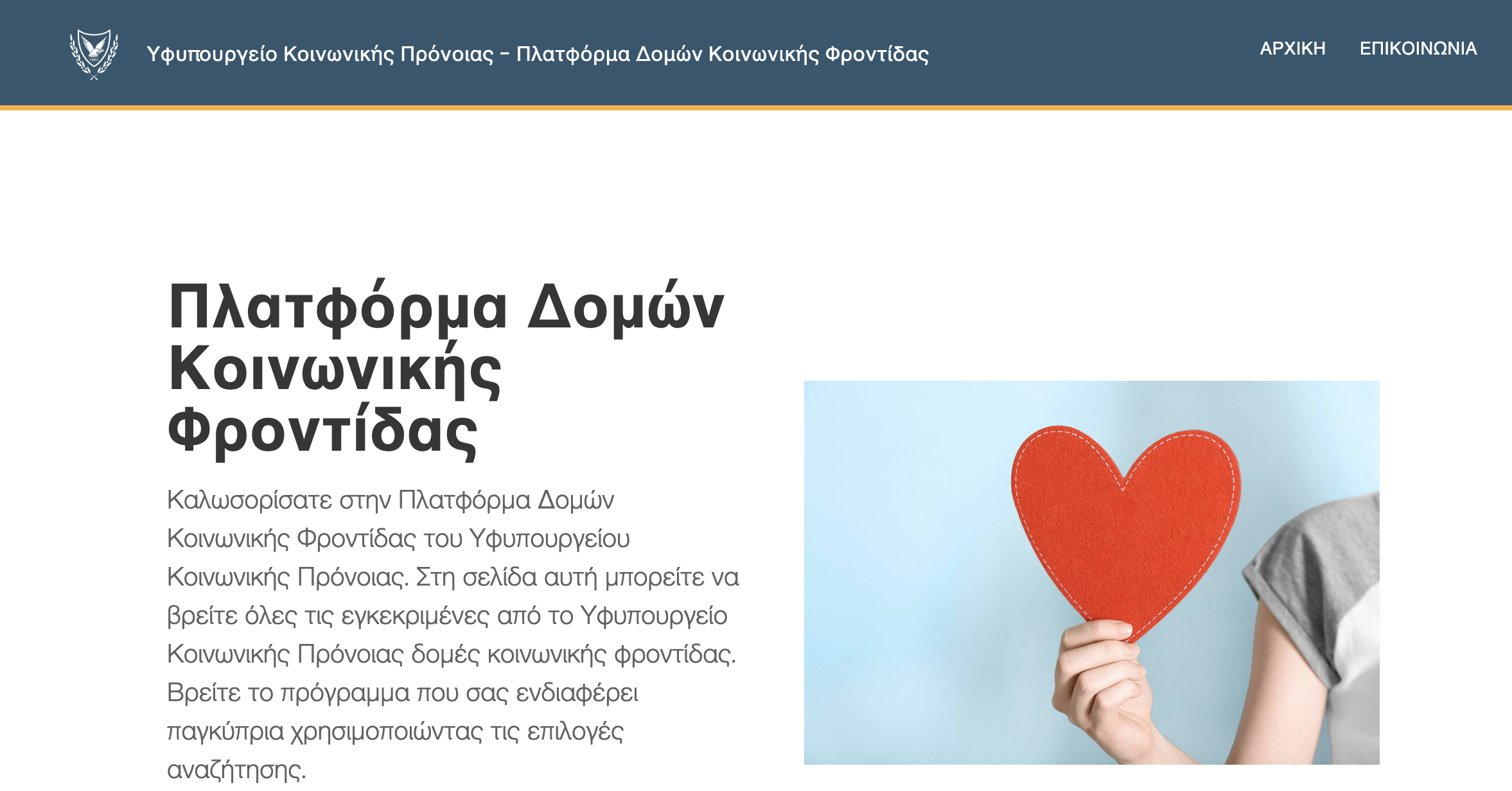
    A new digital platform for social care services has been launched in Cyprus, providing citizens with clear and immediate access to all approved facilities monitored by the social welfare deputy ministry. This initiative was announced on Friday and is aimed at modernising the country’s social welfare framework.

    The platform, which can be accessed at socialcare.org.cy, consolidates information regarding social care services, making it easier for users to locate the assistance they need. Facilities are organised by district and municipality, population group, and type of programme, ensuring a comprehensive overview for all users.

    Social care: Comprehensive Listings for Diverse Needs

    The new platform features a wide range of social care structures, including:

    • Homes for the elderly and disabled
    • Nurseries
    • Supported housing for independent living
    • Adult day centres
    • Community-based caregivers
    • Child protection services
    • Employment centres
    • Living units for people with disabilities

    Each entry is equipped with contact details, allowing users to connect with the relevant services swiftly. This is particularly beneficial for individuals seeking specialised support, as the platform also highlights various programmes tailored for specific needs.

    Modernising Access to Welfare Services

    The launch of this digital platform is part of a broader strategy by the ministry to enhance transparency and accessibility of social welfare services in Cyprus. By creating a single digital environment that maps all social care facilities, officials aim to improve public access to necessary support and protection services.

    According to the ministry, the introduction of this platform is expected to facilitate easier navigation through the social care landscape, allowing individuals to find the help they require without unnecessary barriers.

    Current Accessibility and Future Enhancements

    As of Friday evening, the website is available only in Greek, which may pose a limitation for non-Greek speakers. However, officials have indicated that further enhancements and translations may be considered in the future to broaden the reach of this important resource.

  • Night Pharmacies Operating Across Cyprus on November 14

    Night Pharmacies Operating Across Cyprus on November 14

    Pharmacies Open Late in Nicosia

    Night pharmacies will be available across Cyprus on November 14, ensuring residents have access to essential medications after hours. In Nicosia, several pharmacies will remain open late for public convenience.

    Locations in Nicosia

    • Konstantinidou Angeliki: Kyriakou Matsis 37, opposite “Zorpas” bakery & 1st Primary School of Agios Dometios, tel. 22261626.
    • Koliou Anna: Agia Paraskevi 22A, next to “Apollonio” hospital, Engomi, tel. 22103884, 99383067.
    • Petridis Michalis: Agios Ilarianos 151AB, opposite “Zorpas” bakery, after “BATA” roundabout, Kaimakli, tel. 22524404.
    • Tsielepi Eleni (Elina): Agios Georgios Avenue 124, opposite STAR OIL fuel station, Anthoupoli, Lakatamia, tel. 22255588, 94068067.
    • Angelis Petros: Kantaras Avenue 71, Kokkines Settlement, opposite “COSMOS” bakery, Strovolos, tel. 22324205.
    • Markidou Mikaella: Archbishop Makarios III 3, Lympia, tel. 22660089.

    Limassol’s Late Night Services

    Limassol will also host a number of pharmacies operating late into the night on November 14, providing crucial services to the local population.

    Limassol Pharmacy Listings

    • Markou Angela: Miltonos 27, apt. 3, opposite “Intership” shipping company, Zakaki, tel. 25108898, 96893387.
    • Teridis Aris: Leontos I Avenue 181, apt. 1, on the old hospital road, Limassol, tel. 25340872, 25714469.
    • Evagorou Antonia: Agias Zonis 32A, PharmaSYN Agias Zonis, Limassol, tel. 25371194, 99151498.
    • Konstantinou Maria: Grigoris Afxentios 5, on Chalkoutsa Primary School road, opposite “Madaris” fruit shop, Mesa Geitonia, tel. 25851000, 99997990.
    • Panagi Chryso: Georgios A’ 99, coastal road, 100m opposite “Apollonia” hotel, Germasogeia, tel. 25322237, 25105074.

    Larnaca’s Night Pharmacies

    Larnaca also features pharmacies that will be operational throughout the night, meeting the health needs of the community during late hours.

    Pharmacies in Larnaca

    • Iakovidis Stavros: Faneromenis Avenue 189-191, near Esso fuel station, Larnaca, tel. 24637499, 24657045.
    • Tisienko Victoria: Archbishop Makarios III 31, Meneou, tel. 24427788, 99864884.
    • Kyritsis Marios: Dianellou 107, near Chrysopolitissa church, Larnaca, tel. 24656514, 24636089.

    Paphos Pharmacies Available Late

    Residents in Paphos will not be left without options, as several pharmacies are set to operate during the night on November 14.

    Available Pharmacies in Paphos

    • Nikiforou Melina: Makarios III 87, apt. 3, near Chlorakas traffic lights, tel. 26271616.
    • Erotokritou Anna: King Stasikos, apt. 3, Prodromi, tel. 26652110, 97678977.

    Famagusta’s Late Night Options

    In the Famagusta region, pharmacies will also be operating at night, ensuring vital access to medications and health services.

    Famagusta Pharmacy Listings

    • Giallouros Panikos: 1st April 184, opposite “Sklavenitis” supermarket, Paralimni, tel. 23825979, 23744771.
    • Prokopiou Antri – Panagiota: Makarios III 36, Deryneia, tel. 23730725.

    Accessing Services After Hours

    These night pharmacies across Cyprus are crucial for those requiring immediate access to medications when regular pharmacies are closed. The availability of these services underscores the commitment of local pharmacists to public health and well-being.