Tag: Cyprus

  • Focused ultrasound: Non-Invasive Cancer Treatment for Pets: Cyprus Researchers Break New Ground

    Focused ultrasound: Non-Invasive Cancer Treatment for Pets: Cyprus Researchers Break New Ground

    focused ultrasound — A new pilot study has revealed that Focused Ultrasound (FUS) technology offers a promising non-invasive cancer therapy for dogs and cats. Conducted by researchers at the University of Nicosia and the Cyprus University of Technology (CUT), the study presents an alternative to traditional surgical methods that have long been the standard in veterinary oncology.

    Focused ultrasound: Promising Results from a Groundbreaking Study

    Published in the Journal of Ultrasound, the research evaluated the efficacy of FUS on 15 pets suffering from various tumours, including mammary tumours, sarcomas, and lipomas. The study confirmed that FUS is not only safe but also effectively targets and destroys tumour areas while preserving the surrounding healthy tissue.

    Expert Insights on Treatment Advantages

    Dr. Kyriacos Spanoudes, Clinical Assistant Professor at the University of Nicosia’s School of Veterinary Medicine, highlighted the significant benefits of this non-invasive approach. He stated, “This study proves that the technology can be used safely to treat various types of tumours in dogs and cats. The animals were not disturbed by the therapy, while the ultrasound effectively focused on the tumour, preserving the surrounding healthy areas.”

    A Shorter Recovery for Pets

    One of the major advantages of FUS therapy is the reduced recovery time compared to conventional surgical methods. This aspect is particularly beneficial for pet owners seeking effective treatment options with minimal disruption to their animals’ lives. The research team, which included experts from CUT’s Therapeutic Ultrasound Laboratory, underscored how this technology opens new avenues for treatment in veterinary medicine.

    Expanding Treatment Options in Veterinary Oncology

    The findings from this pilot study indicate that FUS technology could significantly enhance the treatment landscape for pets diagnosed with cancer. As veterinarians continue to seek innovative solutions, the adoption of non-invasive methods like FUS may lead to improved outcomes and quality of life for companion animals.

  • Sexual harassment — Supreme Court Rules in Favour of Woman Dismissed After Reporting Sexual Harassment

    Sexual harassment — Supreme Court Rules in Favour of Woman Dismissed After Reporting Sexual Harassment

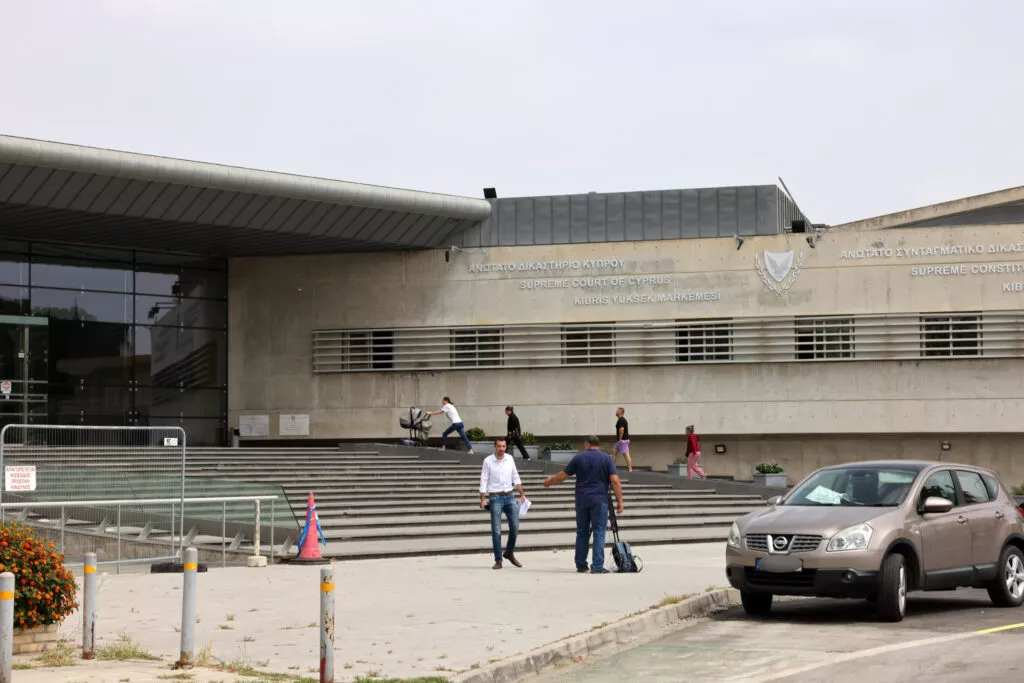
    The Supreme Court has awarded €37,700 to a woman fired by the Electricity Authority of Cyprus scientific staff union after she filed a sexual harassment complaint against one of its executive members.

    • The court upheld her appeal and overturned a previous Labour Disputes Court decision that had rejected her claim, ruling that the union failed to ensure a fair and impartial investigation process.
    • The Labour Disputes Court initially rejected her application, asserting that her dismissal was not due to the complaint itself but rather her behaviour during the investigation process.

    The court upheld her appeal and overturned a previous Labour Disputes Court decision that had rejected her claim, ruling that the union failed to ensure a fair and impartial investigation process.

    This case originated from an application filed in 2009 under the 1967 Annual Leave with Pay Law and the 2002 Equal Treatment of Men and Women in Employment Law. The woman, who was hired as a secretary in 2000, claimed she was unlawfully dismissed after being fired without notice on 31 July 2008.

    On 19 June 2008, she made a formal complaint stating that an executive committee member had been sexually harassing her for years. Following her complaint, the executive committee initiated an investigation on 23 June 2008, adhering to its code of practice for handling sexual harassment cases. The implicated official was informed he would not take part in the investigation.

    During the investigation meeting, the woman requested to have three supporters accompany her while giving testimony, a request that was granted. However, the minutes from the meeting indicated that her behaviour was perceived as confrontational, leading to her being placed on paid leave.

    After being given deadlines to present evidence to support her claims, the union concluded on 22 July 2008 that her complaint was “unfounded, unsubstantiated, and false,” and subsequently dismissed her on 31 July 2008, the same day she was summoned to respond but did not attend.

    The Labour Disputes Court initially rejected her application, asserting that her dismissal was not due to the complaint itself but rather her behaviour during the investigation process.

    Upon reviewing the case, the Supreme Court determined that the union had an obligation to conduct a fair and impartial investigation, particularly since one of its officials was the subject of the complaint. The court found that the principle of impartiality was not upheld, rendering the summary dismissal unlawful. As a result, the court did not explore other grounds for appeal, as the violation of impartiality was sufficient for the judgement.

    The court awarded the woman €37,700, along with legal interest from the date of the initial decision and costs in her favour for both the first instance and the appeal. No costs order was issued against the respondent, marking a significant ruling in her favour.

  • Expropriated land — Tasos Isaac’s Daughter Secures Appeal for Expropriated Land

    Expropriated land — Tasos Isaac’s Daughter Secures Appeal for Expropriated Land

    The daughter of Tasos Isaac has won an appeal regarding the expropriated land that belonged to her father, who was killed in 1996 during a demonstration in the buffer zone. The decision, made public on October 30, has significant implications for the return of the land, which was not utilised as intended by the Paralimni municipality.

    Expropriated land: A Long Wait for Justice

    Maria Isaac Kouskounou’s legal battle has been ongoing since the original ruling by the court of first instance dismissed part of her case, citing the overdue status of her claim and questioning her right to pursue the case given that both her father, Tasos Isaac, and his brother had passed away. The court’s initial stance raised concerns about the rights of the heirs, given that Tasos Isaac had seven children.

    The Court’s Ruling

    In the latest ruling from the appeals court, Kouskounou’s legal counsel argued that her appeal was justified and did not infringe upon the rights of her siblings. The court concurred, stating that she was indeed an heir to the property and that her appeal was valid. The ruling noted, “If expropriated land is not used for the purpose intended within three years, the authority responsible for the expropriation is obliged to offer the property back to the original owner or their heirs for the purchase price.” This stipulation underscored Kouskounou’s legal footing in her claim.

    Legal Precedents and Implications

    The appeals court highlighted that a co-owner of a property is permitted to appeal a court decision independently, thereby safeguarding the interests of other owners. This aspect of property law played a pivotal role in the court’s decision to overturn the initial ruling, which had erroneously mandated that all co-owners must file collectively. The appeals court stated, “No regulation could deny any of the owners their right to appeal a decision.” This precedent could potentially pave the way for other heirs facing similar disputes.

    Financial Implications of the Ruling

    As part of the ruling, the appeals court ordered the first instance court to reconsider the case with a different judge, allowing for a fresh examination of previously overlooked aspects. Additionally, Kouskounou was awarded costs amounting to €3,000 plus VAT, an outcome that not only validates her claim but also compensates her for the legal expenses incurred during the lengthy process.

    A Legacy of Violence

    The case is rooted in a tragic chapter of Cypriot history. In August 1996, Tasos Isaac was killed during a protest against Turkish forces in the buffer zone near Dherynia. The demonstration escalated when Greek Cypriots confronted Turkish Cypriots, leading to violent clashes. According to a United Nations report, Isaac was fatally beaten by members of the Grey Wolves, a Turkish nationalist group, as he became ensnared in barbed wire.

    Continued Struggles for Recognition

    Three days after Isaac’s death, fellow protester Solomos Solomou was also killed during a demonstration. His attempt to remove a Turkish flag from a military post resulted in him being shot by a Turkish soldier, further cementing the violent legacy of this period in Cypriot history. The deaths of Isaac and Solomou are emblematic of the tensions that still exist in the region, and their families continue to seek justice and recognition for their losses.

    Looking Ahead

    With the appeal successfully granted, Maria Isaac Kouskounou is now poised to return to court and pursue the rightful return of her father’s expropriated land. This ruling not only serves as a personal victory for Kouskounou but also echoes a broader call for justice among families affected by the violence of the past. The upcoming hearings will be closely watched, as they may set important legal precedents for other heirs facing similar challenges.

    As the legal processes unfold, the case of Tasos Isaac’s daughter illustrates the enduring impact of historical grievances and the quest for justice that many families in Cyprus continue to navigate. The resolution of this case could provide a much-needed sense of closure for the Isaac family and a reminder of the rights of heirs to contest expropriations that remain unresolved.

  • German language — Education Minister Champions German Language Weeks to Promote Multilingualism

    German language — Education Minister Champions German Language Weeks to Promote Multilingualism

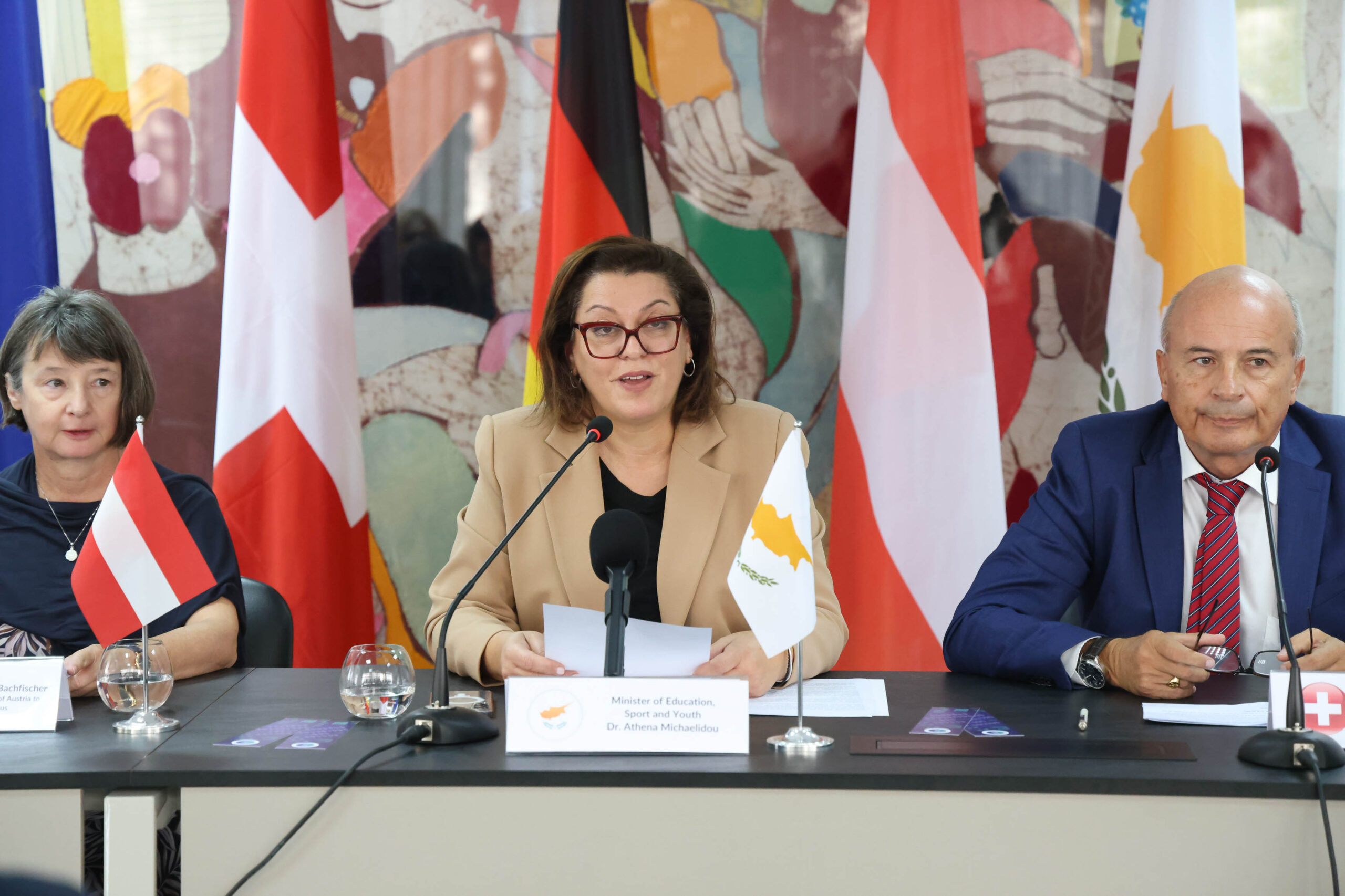
    Multilingualism is at the forefront of our education policy, as affirmed by Education Minister Athena Michaelidou on Thursday. The minister expressed the ministry’s full support for the newly introduced annual German Language Weeks, underlining the importance of language competence in today’s educational landscape.

    Michaelidou highlighted that language skills are essential for personal development, employability, active citizenship, and social inclusion. As one of the European Union’s most widely spoken languages, German plays a significant role in various sectors including science, culture, and economic exchange.

    German language: Engagement Through Cultural Activities

    The annual German Language Weeks, scheduled to run from November 10 to 29, invite students, teachers, families, and the public to immerse themselves in German culture. The programme features a variety of activities such as literature readings, film screenings, discussions, music, and culinary experiences.

    This year’s theme, “Stimmen & Geschichten” (Voices & Stories), aims to highlight everyday narratives and diverse perspectives that have shaped societies in German-speaking countries and Cyprus. The organisers, which include the embassies of Austria, Germany, and Switzerland, alongside the Goethe-Institut, are focused on fostering dialogue, celebrating diversity, and inspiring reflection through storytelling.

    Special Events for Students

    On November 12, students participating in the German language pilot programme will have the opportunity to visit the Goethe-Institut in Nicosia for a special event tailored to them. Gymnasium students will engage in an interactive workshop centred on German history, particularly the fall of the Berlin Wall. Meanwhile, Lyceum students will visit the German embassy before heading to the institute.

    Future Plans for Language Certification

    Addressing the future of language education, Michaelidou noted, “The challenge that lies ahead is the official certification of the German language competences acquired by our students.” She announced plans to enhance cooperation with the Goethe-Institut to develop recognised language proficiency certificates, reinforcing the importance of language education in Cyprus.

  • KES College Launches Its Inaugural MBA Programme

    KES College Launches Its Inaugural MBA Programme

    mba programme — KES College, one of the most successful career-oriented educational centres in Cyprus, has introduced its first post-graduate programme, the Master in Business Administration (MBA), for the current academic year.

    Photo: financialmirror.com

    • This new programme aligns with the college’s strategic vision to nurture skills and innovation while responding to the evolving demands of the labour market.
    • As a member of the European Association of Institutes for Vocational Training (EVBB), KES College is dedicated to enhancing vocational education both in Europe and globally.
    • For further information, interested individuals can contact KES College at +357 22 875737 or via email at info@kescollege.ac.cy.

    After 54 years of providing vocational and undergraduate courses that have helped thousands of students secure jobs and promotions, the KES MBA has recently received accreditation from the Cyprus Agency of Quality Assurance and Accreditation in Higher Education (CYQAA).

    This new programme aligns with the college’s strategic vision to nurture skills and innovation while responding to the evolving demands of the labour market.

    Designed for professionals aiming to enhance their managerial and leadership capabilities, the KES MBA equips participants for career advancement and prepares them for senior positions in both the private and public sectors.

    Mba programme: A Milestone for KES College

    The introduction of this postgraduate programme marks a significant milestone for KES College, which was founded in 1971 by Theodoros Stylianou, initially offering secretarial studies. The MBA represents a pivotal step in the institution’s growth and commitment to its students.

    Dr. Vasias Vassiliadis, Director of Academic Affairs at KES College, stated, “The completion of the evaluation and accreditation process for the MBA by CYQAA represents a significant milestone in the academic journey of the college and a testament to the recognition of its quality standards.”

    He added, “It also marks the first crucial step in our expansion into postgraduate programmes, which has long been a goal of the administration and a shared aspiration of the college’s academic community.”

    Empowering Future Leaders

    The MBA programme is designed to provide a robust foundation for career advancement, fostering professional development that meets the contemporary needs of the business community. By preparing graduates to excel, KES College aims to contribute positively to the Cypriot labour market.

    The college’s central Nicosia campus offers a variety of study directions, including the School of Health Studies, the School of Culinary Arts, Hospitality and Tourism, the School of Journalism and Media Studies, the School of Business and Administration Studies, and the School of Environmental Studies. Additionally, KES College runs a Foundation Programme.

    Commitment to Innovation and Research

    In addition to its educational offerings, KES College operates the KES Research Centre, which conducts independent applied research for industry and innovation programmes. The KES Training Centre also plays a critical role in providing vocational training tailored to market demands across various economic sectors.

    As a member of the European Association of Institutes for Vocational Training (EVBB), KES College is dedicated to enhancing vocational education both in Europe and globally.

    For further information, interested individuals can contact KES College at +357 22 875737 or via email at info@kescollege.ac.cy.

  • Mine risk — UN Conducts Mine Risk Training for Peacekeepers in Cyprus

    Mine risk — UN Conducts Mine Risk Training for Peacekeepers in Cyprus

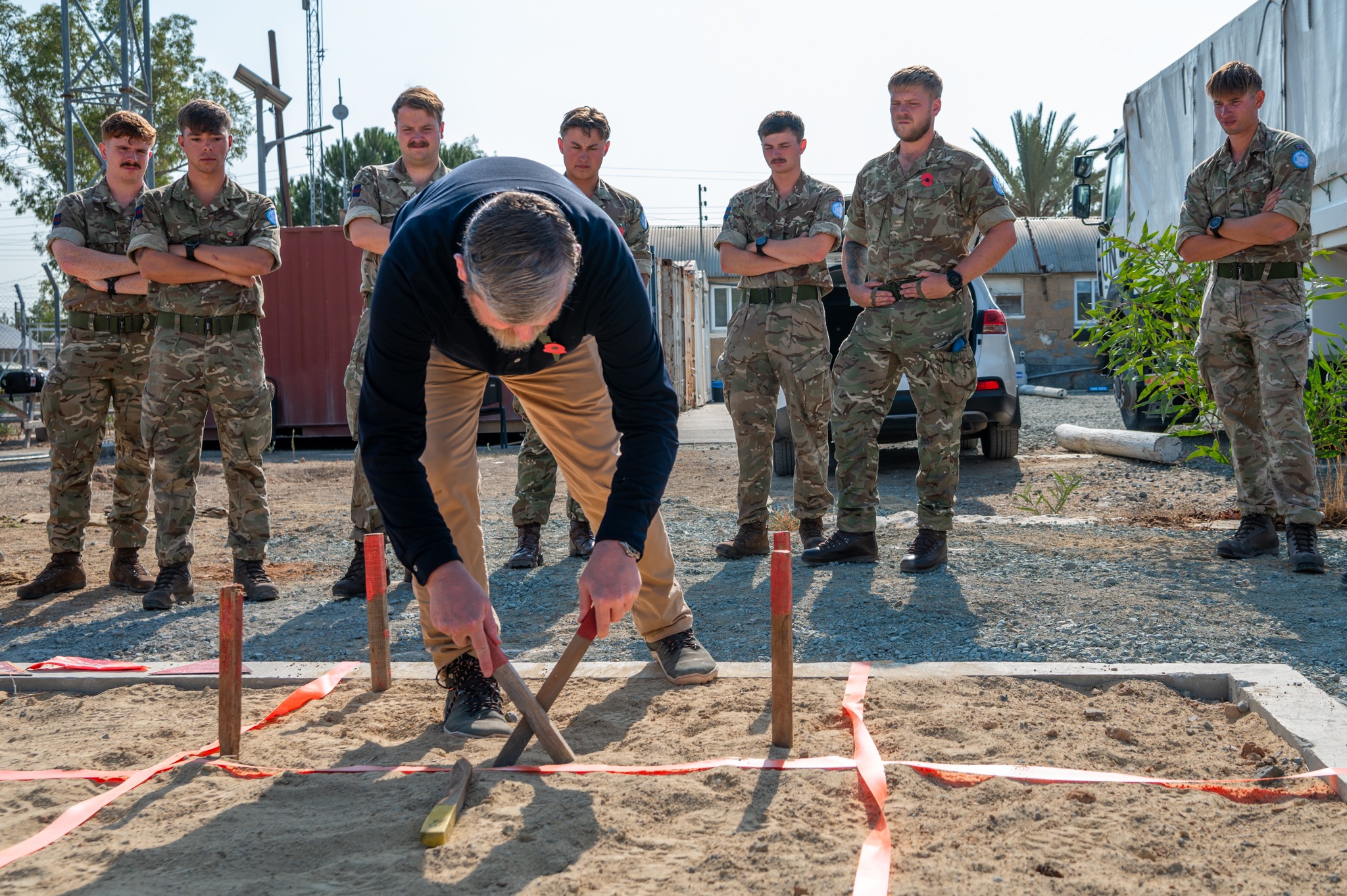
    The United Nations Mine Action Service conducted mine risk education training for UNFICYP peacekeepers in Cyprus on Wednesday, enhancing the safety protocols for those involved in peacekeeping missions.

    Photo: in-cyprus.philenews.com

    Training Session Led by UNMAS

    Mark Connelly, the UNMAS programme manager, was at the forefront of this vital training session. He provided guidance to both police and military personnel, ensuring that they are equipped with crucial knowledge about the risks posed by landmines and explosive remnants of war.

    Importance of Mine Risk Education

    Mine risk education is essential in areas where peacekeepers operate, especially in regions like Cyprus, which has a history of conflict. The training aims to minimise risks to personnel and civilians alike, fostering a safer environment for all. The session included practical advice on recognising dangerous areas and how to respond if they encounter mines or unexploded ordnance.

    Support from UNMAS in Cyprus

    The UN Mine Action Service plays a critical role in supporting the United Nations Peacekeeping Force in Cyprus (UNFICYP). By training peacekeepers, UNMAS helps ensure that they can carry out their mandate safely and effectively. The collaboration between UNMAS and UNFICYP highlights the ongoing efforts to address the dangers posed by mines and explosive remnants in the region.

    Community Engagement and Safety

    In addition to training peacekeepers, UNMAS also focuses on community engagement. By raising awareness about mine risks among local populations, they aim to reduce accidents and enhance public safety. This involves educating civilians about safe practices and how to report sightings of dangerous materials.

    Continued Commitment to Safety

    Despite the challenges, the commitment to mine risk education remains steadfast. The training conducted by UNMAS is part of a broader strategy to ensure that all personnel involved in peacekeeping are prepared to handle the dangers associated with landmines. As the situation in Cyprus continues to evolve, ongoing training and education will be paramount.

    Feedback from Participants

    Participants of the training session expressed appreciation for the knowledge gained. Many noted the importance of understanding the risks they might face while on duty and stressed the need for regular training sessions to keep skills and knowledge up to date.

    Looking Ahead

    The ongoing partnership between UNFICYP and UNMAS will continue to adapt to the needs of the peacekeeping mission. Future training sessions are expected to incorporate new developments in mine risk education, ensuring that peacekeepers are always at the forefront of safety practices.

  • Cyprus Aims for Water Self-Reliance by 2028 with New Desalination Units

    Cyprus Aims for Water Self-Reliance by 2028 with New Desalination Units

    Cyprus aims to achieve 100 per cent water self-reliance by 2028 through the installation of two permanent desalination units, as announced by President Nikos Christodoulides.

    • Cyprus aims to achieve 100 per cent water self-reliance by 2028 through the installation of two permanent desalination units, as announced by President Nikos Christodoulides.
    • This remark elicited a strong rebuttal from Andreas Gregoriou, the permanent secretary of the agriculture ministry, who asserted that Cyprus has “not been left without water.”

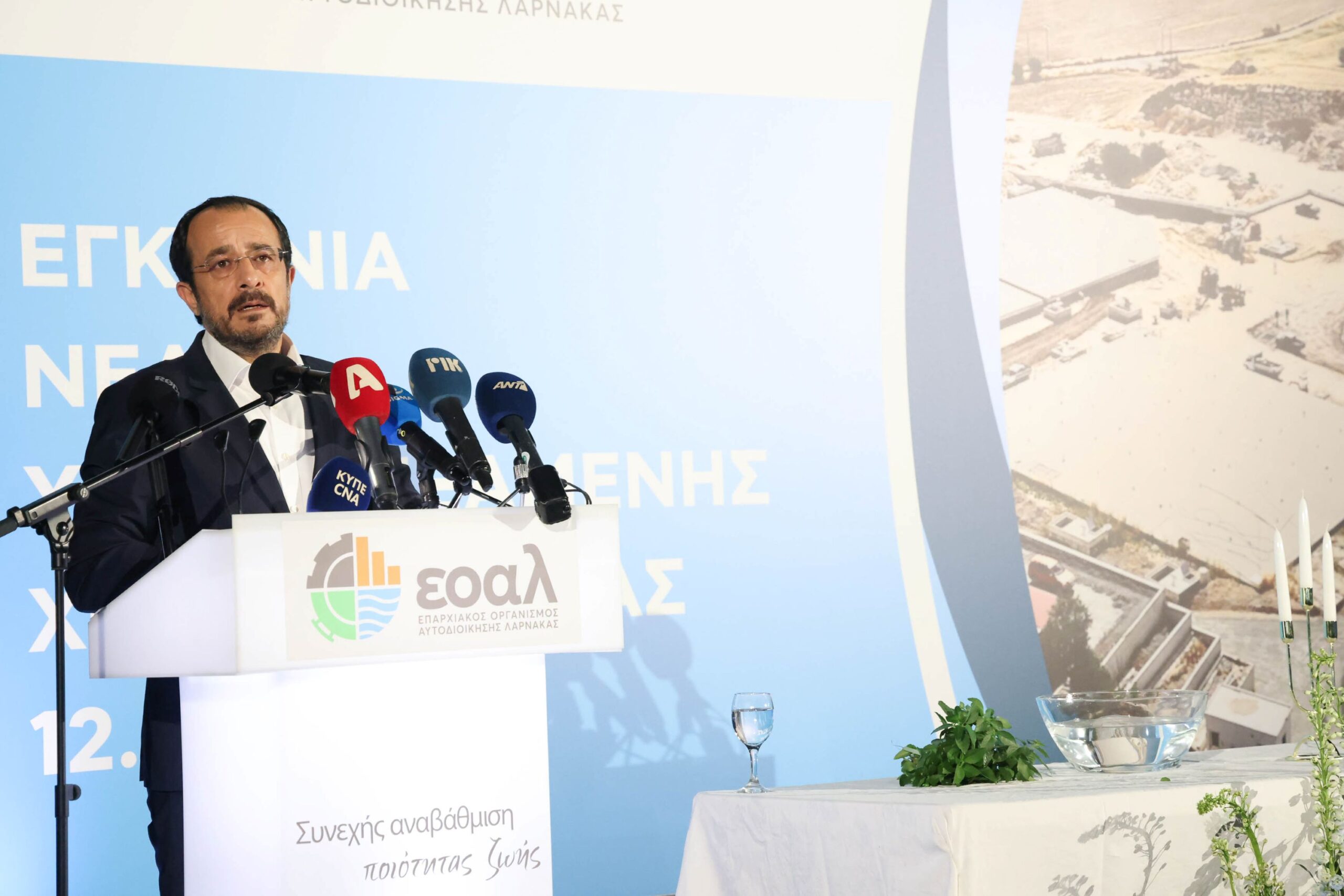
    During the inauguration of a new water reservoir in Larnaca, President Christodoulides emphasised the critical need for effective management of water resources. He stated, “The effective treatment of water scarcity and the rational management of water resources are of utmost importance and a strategic priority for the government.”

    The President pointed to concerning climate trends, noting that regional temperatures are rising at a rate potentially double that of other parts of the world. He cited a decrease of approximately 10 to 15 per cent in average annual rainfall since the mid-1990s.

    In a proactive response to these challenges, the government has decided on the establishment of three additional desalination units, with completion expected by summer 2026. These units are projected to increase the volume of water sourced from desalination facilities by 32 per cent.

    Plans are also in place to initiate studies for the implementation of two permanent desalination units powered by renewable energy by the end of 2025. Christodoulides articulated a goal to boost Cyprus’ self-sufficiency in water supply from the current 70 per cent to a full 100 per cent by 2028.

    Further emphasising the significance of infrastructure development, he mentioned the construction of additional tanks and reservoirs, similar to those recently established in Larnaca, which are deemed strategically important for the entire island.

    Christodoulides highlighted that Cyprus’s geographical position makes it particularly vulnerable to the impacts of climate change, underscoring the necessity for building water resilience in anticipation of extended and more frequent droughts.

    Projects in areas such as Polis Chrysochous and Kokkinokremmos were also referenced, illustrating their critical roles in enhancing and safeguarding the island’s water supply. Looking ahead, a total of 31 water-related projects are scheduled for completion by 2026.

    Currently, Cyprus’s dams are operating at only 11 per cent capacity, a situation that has drawn sharp criticism regarding the government’s water management strategies. In a recent heated discussion at the House agriculture committee, Disy MP Kyriacos Hadjiyianni expressed dissatisfaction with the administration’s actions, branding it a “disability government.”

    This remark elicited a strong rebuttal from Andreas Gregoriou, the permanent secretary of the agriculture ministry, who asserted that Cyprus has “not been left without water.”

  • Last Units Available at Shinko Residences in Limassol with Reduced VAT Offer

    Last Units Available at Shinko Residences in Limassol with Reduced VAT Offer

    Shinko Residences at Neapolis in Limassol offers a unique opportunity for homebuyers, with only three units left and a limited-time reduced VAT rate. This modern development, situated just 300 metres from the coastline, caters to those seeking both a luxurious lifestyle and a lucrative investment in one of Cyprus’s most desirable locations.

    Photo: cyprus-mail.com

    Prime Location with Exceptional Amenities

    The final units at Shinko Residences are positioned in Limassol’s vibrant Neapolis district, an area known for its stunning beaches and lively atmosphere. The properties feature cutting-edge engineering combined with elegant design, ensuring bright interiors and functional living spaces. Residents will enjoy proximity to the Mediterranean, enhancing the appeal of these high-yield homes.

    Photo: cyprus-mail.com

    Investment Potential

    With only three units remaining, prospective buyers are encouraged to act quickly. The real estate market in Limassol is on the rise, making this an opportune moment to invest before prices increase further. Shinko Residences promises not only a beautiful home but also significant savings through the reduced VAT rate, making it an attractive option for both local and international investors.

    Details of the Remaining Units

    Buyers can choose from one last third-floor apartment and two luxurious penthouses, each equipped with modern features and specifications that enhance comfort and security.

    • Third-Floor Apartment: €515,000 + VAT
      – Bedrooms: 2
      – Bathrooms: 2
      – Internal Area: 84m²
      – Covered Veranda: 24m²
      – Total Area: 123m²
    • Penthouses: €630,000 + VAT (two units available)
      – Bedrooms: 2+1
      – Bathrooms: 3
      – Internal Area: 84m²
      – Covered Veranda: 24m²
      – Roof Garden: 23m²
      – Total Area: 179m²

    Modern Features

    Each unit at Shinko Residences is designed with high-quality materials and includes a variety of amenities:

    • Solar photovoltaic panels
    • VRV air conditioning systems
    • Underfloor heating with heat pump
    • Electric shutters in bedrooms
    • Pressurised water system
    • Storage room and covered parking
    • CCTV and video entrance system
    • Intruder and fire detection systems
    • Reinforced security doors

    These state-of-the-art features not only enhance the living experience but also contribute to the sustainability of the development, aligning with the modern homeowner’s expectations.

    Experience Shinko Residences Virtually

    To fully appreciate the lifestyle offered at Shinko Residences, potential buyers can take a virtual reality tour of the project. This innovative approach allows interested parties to explore the property from the comfort of their own home, experiencing the sophistication and coastal harmony that await them.

    A Sustainable Future in Real Estate

    Shinko Residences is developed by Tor Properties, a company committed to creating sustainable, high-end living spaces. Their focus on environmental, social, and governance (ESG) principles ensures that each development not only meets the needs of today’s residents but also contributes positively to the community and environment.

    With a strong presence in Limassol, Tor Properties invites buyers to join in a real estate journey that prioritises both quality of life and investment potential.

    Contact for More Information

    For those interested in securing one of the last available units at Shinko Residences, additional information and site viewings can be arranged. Interested parties can reach out via email at info@tor.cy, or contact the team through WhatsApp at +357 96 54 00 00 or by calling 8000 8086.

  • Israeli Peacekeepers Proposed to Supplant UN Forces in Cyprus

    Israeli Peacekeepers Proposed to Supplant UN Forces in Cyprus

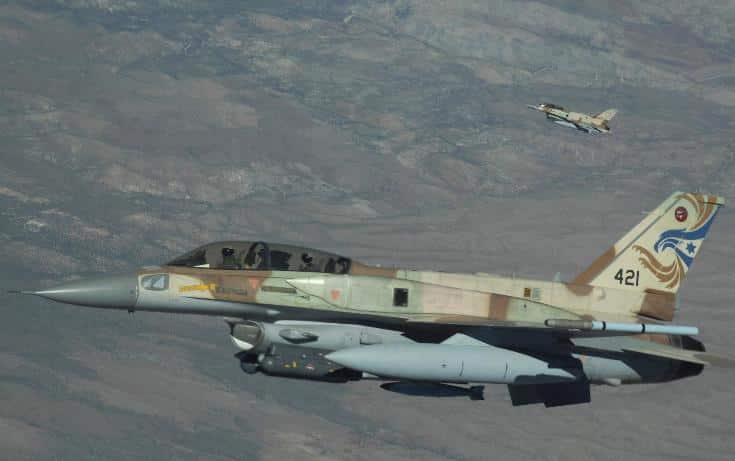
    Israeli peacekeepers should replace United Nations peacekeeping forces stationed in Cyprus, according to American pro-Israel analyst Michael Rubin. In a recent article for the National Security Journal, the former Pentagon official urged US President Donald Trump to dismantle what he described as “legacy zombie missions” of the UN, highlighting the United Nations Peacekeeping Force in Cyprus (Unficyp) as a prime example.

    • "The observer mission continues, but Unficyp has become the poster child for UN zombie missions," Rubin asserts, emphasising the need for a more active role in maintaining peace in the region.

    Rubin argues that the UN’s credibility has waned significantly, pointing to the Turkish-occupied area in Cyprus, which he notes is more than nine times the size of the Gaza Strip. He critiques Unficyp, stating that it has become a mere observer rather than an effective peacekeeping mechanism.

    “The observer mission continues, but Unficyp has become the poster child for UN zombie missions,” Rubin asserts, emphasising the need for a more active role in maintaining peace in the region.

    Furthermore, he draws parallels with the United Nations Relief and Works Agency for Palestinians in the Middle East (Unrwa), claiming it has been compromised by groups like Hamas. Rubin alleges that Unrwa has been co-opted, arguing that it should not be involved in post-war Gaza reconstruction, while accusing it of enabling indoctrination and weapons storage.

    His suggestions for Israeli peacekeepers come amid concerns about a proposal to include Turkish troops in an international stabilisation force in Gaza. Rubin warns that allowing Turkish forces into Gaza could escalate tensions, potentially igniting conflict across the region over time.

    “Allowing Turkey to send its forces to Gaza would light a fuse that could engulf the region, maybe not in a month or a year, but certainly within a decade or two,” he cautions. He also highlights that Turkey’s intelligence service is believed to support Hamas, threatening the stability of Israel and its neighbours.

    Rubin is a senior fellow at the American Enterprise Institute, a Washington DC think tank, and his call for Israeli peacekeepers comes amid significant allegations against Unrwa. In early 2024, Israel accused Unrwa of complicity in the October 7, 2023 attacks, leading to aid cuts that were only partially reversed.

    A UN investigation subsequently found that nine Unrwa staff members “may” have been involved in the attack, resulting in their dismissal, while evidence against others was deemed insufficient. In October 2024, the Israeli parliament passed legislation prohibiting Unrwa from operating within Israel, further intensifying scrutiny of the agency.

    As of October 2025, the International Court of Justice (ICJ) ruled that Israel did not adequately substantiate its claims that a significant number of Unrwa’s employees were linked to Hamas or other terrorist factions. Amid these controversies, Israel itself faces allegations from South Africa and others regarding genocide in Gaza.

    In September, the UN Independent International Commission of Inquiry on the Occupied Palestinian Territory accused Israel of committing genocide against Palestinians in Gaza, adding another layer to the ongoing discourse surrounding peacekeeping efforts in the region.

  • Cypriot students — Cypriot Students Trapped in Tanzania Amid Political Unrest

    Cypriot students — Cypriot Students Trapped in Tanzania Amid Political Unrest

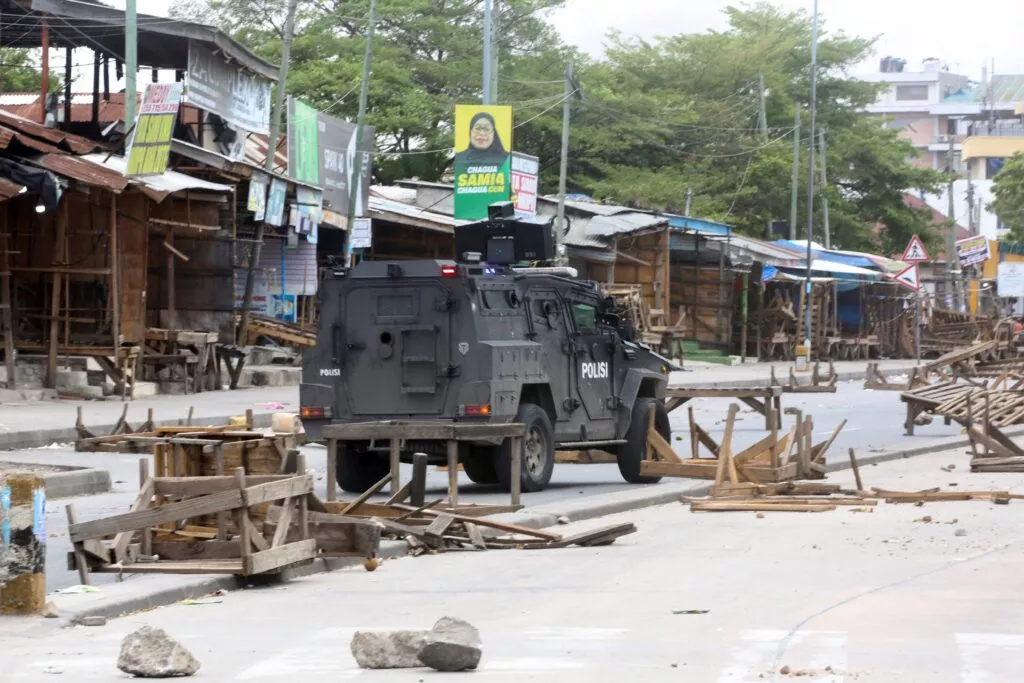
    cypriot students — cypriot students — The 14 students from Cyprus, who visited Tanzania on a voluntary work trip, are now trapped in the country due to severe political unrest. Originally scheduled to return today through Dubai, their plans were disrupted as flights were cancelled amidst escalating violence and civil disorder.

    Cypriot students: Current Situation in Tanzania

    In recent days, Tanzania has witnessed significant unrest, leading to a curfew being imposed. The military has reportedly intervened in the demonstrations, and there are alarming accounts of executions of citizens. This precarious environment has left the students and their parents in a state of distress.

    Concerns from Parents

    The parents of the students have reached out to the President of Cyprus, urging immediate action for the safe return of their children. They have also been actively engaging with officials at the Ministry of Foreign Affairs to stay informed about the measures being taken.

    Impact on Students

    As the unrest continues, the situation is beginning to take a toll on the students, aged 17 and 18. One student communicated to their family, expressing concern over their dwindling supplies, stating, “We have food for two more days.” Another parent reported that their child was feeling frightened and overwhelmed.

    Support from the Cypriot Government

    The Ministry of Foreign Affairs has acknowledged the situation and is examining all options for the safe return of the 22 Cypriots currently in Tanzania, which includes the students, two teachers, and two chaperones from Greece. The spokesperson for the Ministry, Theodoros Gotsis, emphasised that coordinated efforts are being made between the High Commission of the Republic of Cyprus in Nairobi and the Crisis Management Centre in Nicosia.

    Continuous Communication

    Gotsis assured that there is no immediate security threat to the group. The Ministry is maintaining contact with the parents and keeping them updated on the situation. Additionally, efforts are underway to collaborate with the EU delegation in Tanzania to facilitate a safe return.

    Emergency Contact Information

    In case of emergencies, Cypriot citizens in Tanzania can reach out to the High Commission of the Republic of Cyprus in Kenya at +254 111051430. They can also send emails to hcnairobi@mfa.gov.cy or hcnairobiconsular@mfa.gov.cy. For further assistance, they can contact the Consular Affairs Directorate at +357 22 651113, or the Crisis Management Directorate at +357 22 801000 or +357 97 775998.

    Encouragement for Cypriot Citizens

    The Ministry of Foreign Affairs is encouraging Cypriot citizens abroad to register on the online platform, Connect2CY, to ensure their safety and receive timely updates on travel advisories and emergency situations.

    Future Steps

    As the situation unfolds, the parents and students maintain hope that the Cypriot government will take the necessary steps to ensure their safe return. The collective efforts of the Ministry of Foreign Affairs and the cooperation with international bodies are crucial in navigating this challenging scenario.