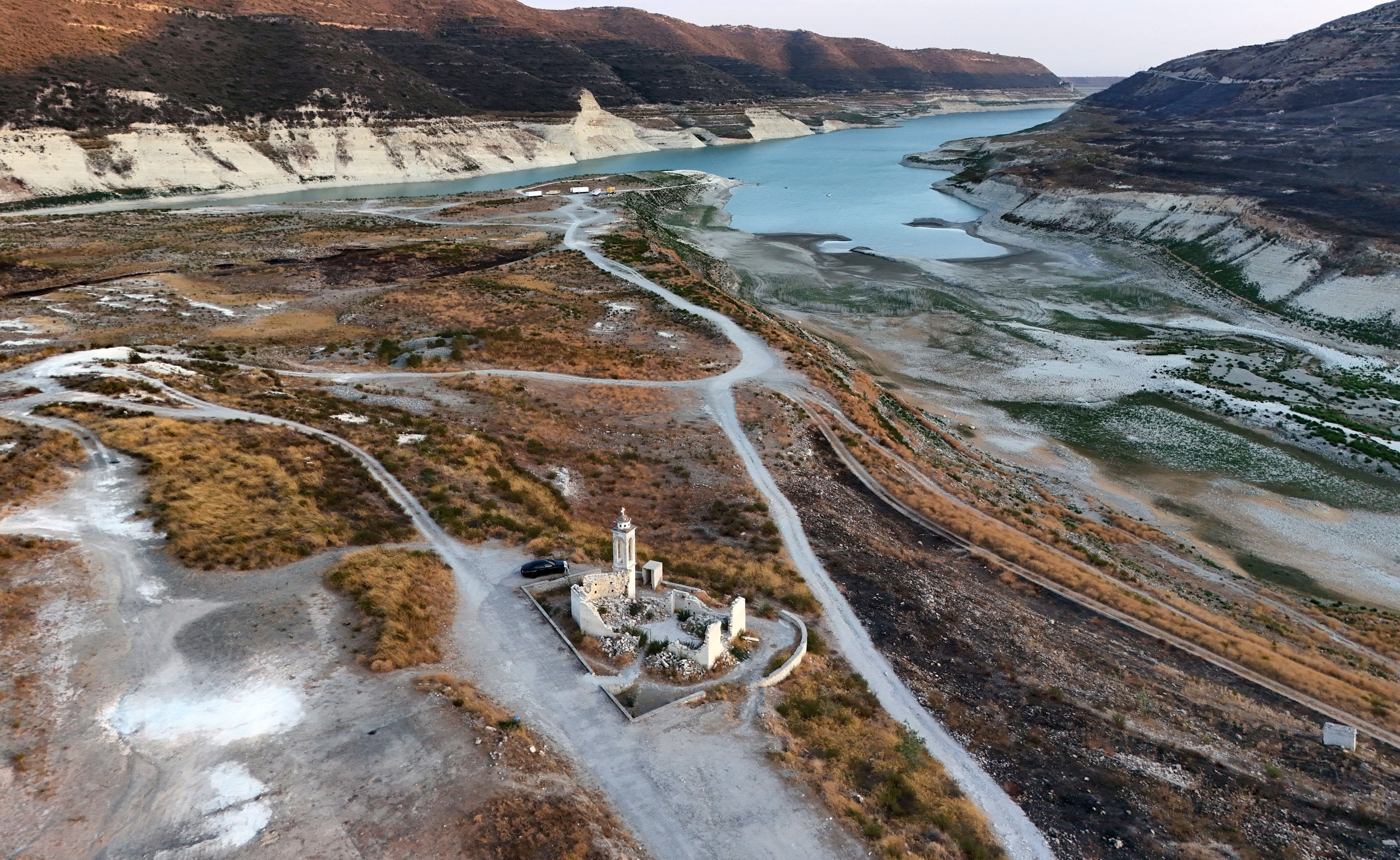
Cloud seeding is being examined as a potential solution to alleviate water scarcity in Cyprus, which is bracing for a fourth consecutive winter of drought. The agriculture ministry has acknowledged the dire situation, with the island’s dams currently holding only 11 per cent of their capacity, raising urgent concerns about the future of water supply.

Photo: cyprus-mail.com
Urgent Call for Action
Kleanthis Nicolaides, the former head of the meteorology department, has been vocal in advocating for cloud seeding as an alternative to manage the escalating water crisis. He has highlighted the alarming lack of rainfall this October, which has left the dams critically low and prompted discussions about the potential of weather modification technologies.
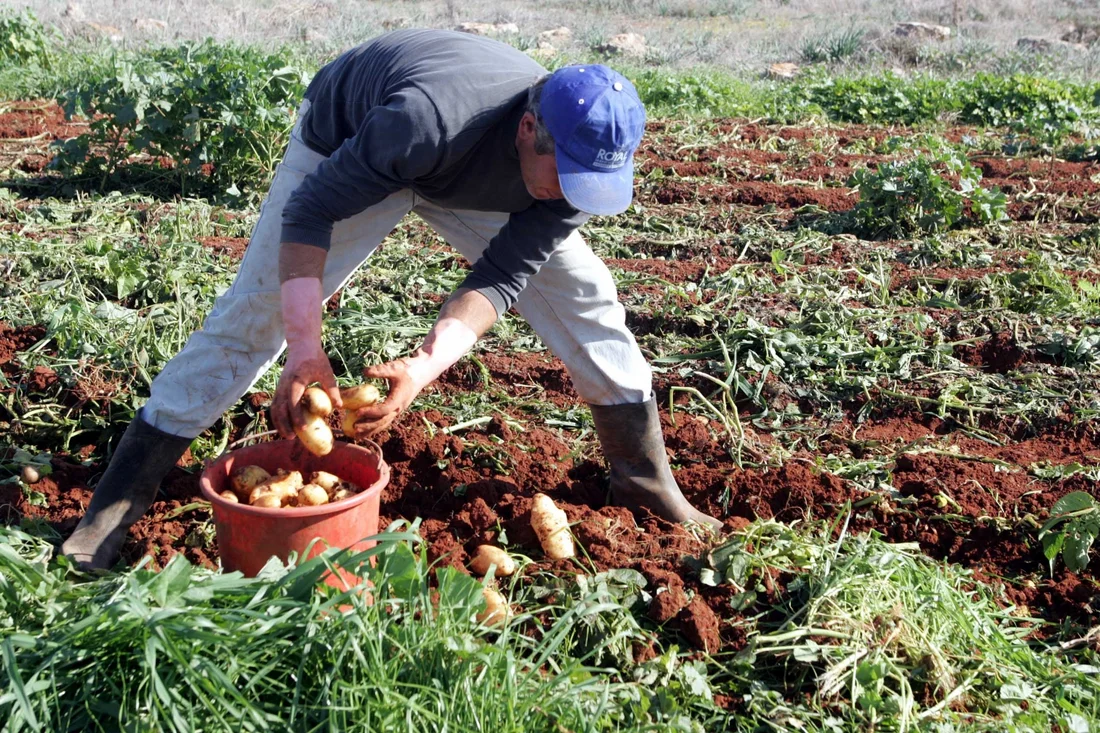
Photo: cyprus-mail.com
Assessing the Current Drought Situation
The gravity of the drought was underscored by Nicolaides, who suggested that official figures may misrepresent the true condition of the reservoirs, stating that sediment accumulation in the dams is likely leading to inaccurate capacity measurements. “The situation is worse than what the official data shows,” he remarked, reinforcing the need for immediate action.
Exploring Cloud Seeding
Cloud seeding involves dispersing substances into the atmosphere that can act as cloud condensation or ice nuclei. Common agents include silver iodide and potassium iodide, with hygroscopic materials like table salt gaining attention for their moisture-attracting properties. While the technology has shown promise, its effectiveness remains a topic of debate.
Nicolaides acknowledged that while cloud seeding is not a silver bullet, it warrants exploration given the severe circumstances. “In these desperate times, the government should explore the option,” he stated. He also described the operational aspects of cloud seeding, which may require aircraft equipped with specialized equipment to disperse the substances effectively.
Potential Costs and Agricultural Impact
The agricultural sector is already feeling the pressure, with the Water Development Department advising farmers to refrain from planting seasonal crops. This has resulted in reduced availability of staple items like lettuce and potatoes, leading to anticipated price increases. “Lack of water means agricultural products will go up in price,” Nicolaides warned, highlighting the broader economic implications of water scarcity.
Historical Context of Cloud Seeding in Cyprus
Reflecting on past efforts, Nicolaides recalled that Cyprus had previously experimented with cloud seeding during a drought in the early 1970s. However, the results of those initiatives were never fully assessed due to the outbreak of war in 1974. “This was done over a period of a couple of years, but the results were never properly evaluated,” he noted.
Government Considerations
The government has been exploring the feasibility of cloud seeding, with the meteorology department confirming that it is closely monitoring international developments in weather modification technologies. Philippos Tymvios, the current director of the meteorology department, stated that proposals for cloud seeding have been submitted by at least two private companies. “All proposals are being reviewed carefully, with the guidance of independent scientific experts,” he added.
While there is no operational cloud seeding programme currently in place, Tymvios indicated that the government is considering all scientifically credible options to address the long-term water scarcity affecting Cyprus. “Any future initiative would be based on robust scientific evidence and full alignment with public interest safeguards,” he assured.
Challenges and Future Directions
Despite the interest in cloud seeding, there are significant challenges to its implementation. A study by the United States National Academy of Sciences has cast doubt on the effectiveness of cloud seeding, failing to find statistically significant evidence to support its impact on precipitation. Similarly, a 2010 study from Tel Aviv University indicated that traditional cloud seeding materials may have little effect on rainfall amounts.
As the debate continues, Nicolaides emphasised the need for a comprehensive cost-benefit analysis to evaluate potential methods for enhancing rainfall. He noted that with the dams nearly empty, Cyprus increasingly relies on desalination and boreholes for its water supply, which further complicates the issue. “Desalination is no fix-all,” he cautioned, underscoring the urgency of the situation.
Looking Ahead
With Cyprus facing a critical juncture in its water management strategy, the exploration of cloud seeding and other innovative solutions will be essential in tackling the ongoing drought. As the government weighs its options, the experiences of other countries that have successfully implemented weather modification technologies may provide valuable insights. The path forward will require careful consideration, transparency, and collaboration with scientific experts to ensure any initiatives align with the public’s best interests.