Tag: Cyprus

  • Car Owners Face Rising Costs from Electric Scooter Collisions

    Car Owners Face Rising Costs from Electric Scooter Collisions

    Car owners in Cyprus are increasingly out of pocket after collisions with electric scooters and other two-wheeled vehicles, as legal gaps hinder police intervention. Social media platforms have become a repository for videos and posts from frustrated drivers who have experienced damage to their vehicles due to these incidents.

    Electric scooter: Frustration on the Roads

    Numerous clips shared on TikTok and Instagram depict parked cars that have been clipped or scratched by electric scooters, often leaving owners to bear the financial burden of repairs. One viral video showed a BMW with a dent, reportedly incurring a repair bill of around €600 after a scooter collided with it in Limassol. Another case involved a Nicosia vehicle owner facing damages of €450 from a similar incident. These accounts highlight a growing issue that is affecting motorists across the island.

    Police Clarify Their Limitations

    In an interview with the Sunday Mail, police confirmed their limited capacity to handle collisions involving electric scooters, which are officially termed personal mobility devices (PMDs). The police stated, “Where there are serious traffic offences, serious injuries, or significant material damage, the police proceed to investigate a road collision involving a PMD or a bicycle. Otherwise, we cannot intervene.” This limitation leaves many victims without recourse.

    Rising Incidents and Fines

    From 2023 to 2024, authorities issued a staggering 3,996 fines related to PMD offences. Among these, 1,592 fines were for usage in prohibited areas, and 363 for operating outside designated lanes. The police underscored the risks faced by PMD users, noting that they are particularly vulnerable on roads where speed limits exceed 30 km/h.

    Legislative Gaps Creating Vulnerability

    The current legal framework governing electric scooters is still pending in parliament, leaving victims of accidents unprotected and without options for compensation. Green Party MP Stavros Papadouris emphasised the urgent need for reform: “Depending on the area, supervision can fall under either the police or the municipality. If the situation is not fixed, there’s a risk that the legislation itself will collapse.”

    He pointed out the critical issue of a lack of registration and insurance for these vehicles. “These vehicles are not recorded anywhere and have no insurance coverage. We proposed a separate registry with identification plates and mandatory insurance so owners can be traced and costs covered,” he explained.

    The Human Cost of Legal Gaps

    Papadouris highlighted the severe consequences of the current legal shortcomings, citing a motorcyclist who spent three months in hospital after colliding with an uninsured e-scooter, losing his job as a result. “If the government wanted, it could step in voluntarily, recognising the legal gap. But there are no legislative tools for that,” he added.

    Calls for Stricter Regulations

    Disy MP Marinos Moushioutas stated that the House is considering stricter regulations to address these issues, noting, “They are not insured, so we cannot intervene when an accident happens. Because the necessary measures are not being taken by the police, local authorities, scooter importers, and rental companies, we proposed banning scooters as a pressure measure.” He indicated that similar measures have been successfully implemented in other European countries.

    Municipal Challenges

    Municipalities are also grappling with the enforcement of existing laws. Kyriakos Xydias, mayor of Amathus, expressed concerns about legislative delays. “The scooters are a matter of legislation that has been passed. They are allowed to circulate below a certain speed limit, but there is no insurance. We have made professional plans, properly and legally, but we are not ready yet,” he stated.

    Awareness and Enforcement Gaps

    Haris Christodoulou, an executive engineer at the transport ministry, acknowledged the enforcement gaps despite ongoing awareness campaigns. “We seek from all involved to take responsibility under the law and act within their powers. The absence of proper enforcement is the issue,” he said.

    Proposed Solutions for Accountability

    The police have suggested additional measures to improve accountability, such as retaining PMDs used in prohibited areas. “The bill should include provisions to ensure smooth implementation, including storage arrangements for retained PMDs,” they commented.

    Currently, the lack of insurance coverage remains a significant barrier for victims seeking compensation. Papadouris reiterated the necessity for a comprehensive system that includes registration and insurance to protect all road users. “For the system to work, there needs to be a complete micromobility network connecting all areas without gaps,” he argued.

    Urgent Need for Legislative Action

    The human and financial costs associated with scooter collisions are mounting, with repair bills ranging from €300 to €750 per incident. High-traffic areas, such as university districts and promenades, are witnessing frequent collisions, prompting many drivers to alter their routes and parking strategies to avoid scooters.

    As parliament continues to deliberate on e-scooter legislation, car owners remain uncertain about their responsibilities and liabilities. The situation underscores a broader issue of accountability in Cyprus’s burgeoning micromobility sector. With nearly 4,000 PMD-related fines issued in just two years and injuries already reported, the urgency for a coherent and enforceable law is evident.


  • Cypriots tanzania: Efforts Underway to Bring Home Cypriots Stranded in Tanzania

    Cypriots tanzania: Efforts Underway to Bring Home Cypriots Stranded in Tanzania

    cypriots tanzania — cypriots tanzania — Efforts are ongoing to bring home 22 Cypriots trapped in Tanzania, as confirmed by ministry spokesman Theodoros Gotsis on Sunday. Among them are 14 teenage students from a private school in Nicosia, who were in the country for a volunteer programme. They are currently accompanied by four adults.

    Gotsis assured that the group is safe, being located far from any areas of unrest. The foreign ministry has been in regular contact with the parents of the students to provide updates on their situation.

    To facilitate the safe return of those stranded in Tanzania, the Cypriot authorities are coordinating with the UNHCR in Nairobi. They are also reaching out to the EU delegation in Tanzania to assist in the repatriation process.

    In light of the ongoing unrest in the region, Gotsis has urged any other Cypriots currently in Tanzania to make contact with the authorities. The foreign ministry issued a travel advisory last Friday, warning Cypriots to exercise caution if travelling to Tanzania due to the volatile situation.

    Citizens in Tanzania have been advised to reach out for assistance through the contact numbers provided in the advisory. The high commission in Kenya can be reached at +254 111051430, while the ministry in Cyprus can be contacted at +357 22 651113, +357 22 801000, or +357 97 775998. Cypriots are also encouraged to register with the online platform Connect2CY to ensure they stay connected while abroad.

  • Cyprus and Greece: Pillars of Stability in the Eastern Mediterranean

    Cyprus and Greece: Pillars of Stability in the Eastern Mediterranean

    Cyprus and Greece are described as pillars of stability in the Eastern Mediterranean by Greek Prime Minister Kyriakos Mitsotakis during his recent visit to Nicosia. Speaking at a memorial service for former President Glafcos Clerides, Mitsotakis highlighted the importance of responsibility and realism in patriotism while reflecting on Clerides’ significant contributions to the Cyprus problem.

    Cyprus and: A Call for Responsible Patriotism

    During the service, which was led by Archbishop Georgios, Mitsotakis emphasised the need for a patriotism grounded in responsibility, realism, and results. This sentiment echoes a call for a collective approach to the challenges faced by both nations, especially concerning the ongoing issues surrounding Cyprus.

    Reflecting on Clerides’ Legacy

    Clerides, the founder of the Democratic Rally (Disy), played a crucial role in addressing the Cyprus conflict. Mitsotakis noted that the former president’s experiences over the decades serve as a vital lesson: stagnation can lead to regression. He warned that the false bravado associated with contemporary pseudo-patriotism often conceals future failures.

    Commitment to Cooperation

    Reaffirming the solidarity between Athens and Nicosia, Mitsotakis pointed out the recent resumption of informal discussions regarding the Cyprus issue after a prolonged period of stagnation. He stressed that the Greek government is firmly aligned with the government of Cyprus, advocating for the existing framework of UN resolutions that promote political equality, sovereignty, and citizenship.

    Rejecting the Two-State Solution

    In his speech, Mitsotakis firmly rejected any arguments in favour of a two-state solution, describing such proposals as unacceptable. He reiterated that constructive dialogue and active diplomacy are essential for achieving positive outcomes in the region.

    Economic Growth and Energy Initiatives

    Mitsotakis further highlighted that both Cyprus and Greece are not only stabilising forces but also rapidly developing economies that are outpacing the European average. He noted their efforts in reducing national debt and contributing to the formation of a new energy landscape in the Eastern Mediterranean through significant electrical interconnection projects.

    Honouring Distinguished Guests

    The memorial service was attended by several notable figures, including Disy leader Annita Demetriou, former President Nicos Anastasiades, and former Disy leader Averoff Neophytou. President Nikos Christodoulides was represented by Interior Minister Constantinos Ioannou, underscoring the importance of unity among political leaders in addressing the challenges facing Cyprus.

    The Way Forward

    Mitsotakis’ remarks serve as a reminder of the ongoing commitment required from both nations to navigate the complexities of the Cyprus situation and uphold their roles as beacons of stability in the region. As discussions progress, the emphasis on collaboration and active diplomacy will be critical in shaping a peaceful and prosperous future for Cyprus and Greece.

  • Cloud Seeding Considered as Cyprus Faces Water Crisis

    Cloud Seeding Considered as Cyprus Faces Water Crisis

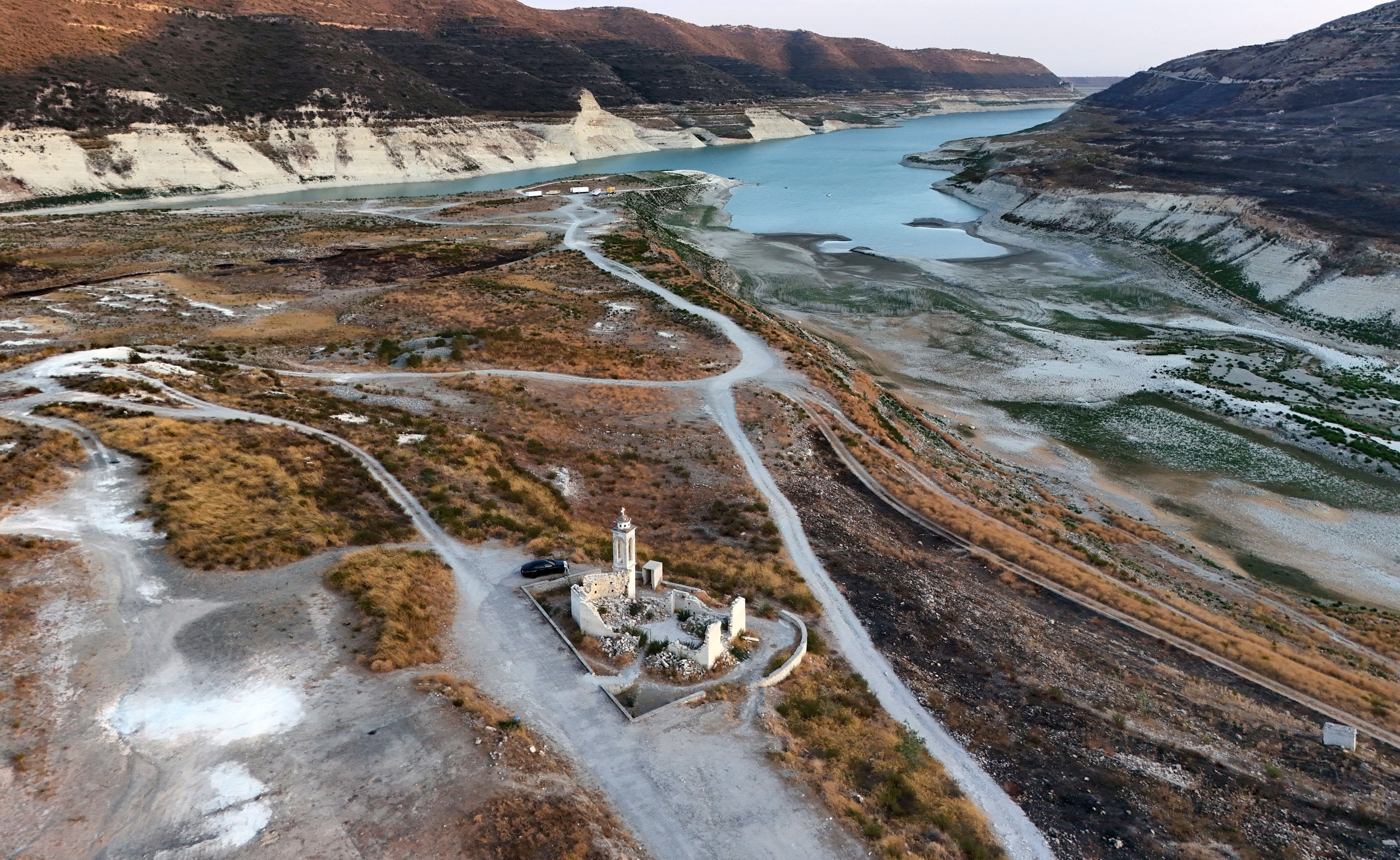
    Cloud seeding is being examined as a potential solution to alleviate water scarcity in Cyprus, which is bracing for a fourth consecutive winter of drought. The agriculture ministry has acknowledged the dire situation, with the island’s dams currently holding only 11 per cent of their capacity, raising urgent concerns about the future of water supply.

    Photo: cyprus-mail.com

    Urgent Call for Action

    Kleanthis Nicolaides, the former head of the meteorology department, has been vocal in advocating for cloud seeding as an alternative to manage the escalating water crisis. He has highlighted the alarming lack of rainfall this October, which has left the dams critically low and prompted discussions about the potential of weather modification technologies.

    Photo: cyprus-mail.com

    Assessing the Current Drought Situation

    The gravity of the drought was underscored by Nicolaides, who suggested that official figures may misrepresent the true condition of the reservoirs, stating that sediment accumulation in the dams is likely leading to inaccurate capacity measurements. “The situation is worse than what the official data shows,” he remarked, reinforcing the need for immediate action.

    Exploring Cloud Seeding

    Cloud seeding involves dispersing substances into the atmosphere that can act as cloud condensation or ice nuclei. Common agents include silver iodide and potassium iodide, with hygroscopic materials like table salt gaining attention for their moisture-attracting properties. While the technology has shown promise, its effectiveness remains a topic of debate.

    Nicolaides acknowledged that while cloud seeding is not a silver bullet, it warrants exploration given the severe circumstances. “In these desperate times, the government should explore the option,” he stated. He also described the operational aspects of cloud seeding, which may require aircraft equipped with specialized equipment to disperse the substances effectively.

    Potential Costs and Agricultural Impact

    The agricultural sector is already feeling the pressure, with the Water Development Department advising farmers to refrain from planting seasonal crops. This has resulted in reduced availability of staple items like lettuce and potatoes, leading to anticipated price increases. “Lack of water means agricultural products will go up in price,” Nicolaides warned, highlighting the broader economic implications of water scarcity.

    Historical Context of Cloud Seeding in Cyprus

    Reflecting on past efforts, Nicolaides recalled that Cyprus had previously experimented with cloud seeding during a drought in the early 1970s. However, the results of those initiatives were never fully assessed due to the outbreak of war in 1974. “This was done over a period of a couple of years, but the results were never properly evaluated,” he noted.

    Government Considerations

    The government has been exploring the feasibility of cloud seeding, with the meteorology department confirming that it is closely monitoring international developments in weather modification technologies. Philippos Tymvios, the current director of the meteorology department, stated that proposals for cloud seeding have been submitted by at least two private companies. “All proposals are being reviewed carefully, with the guidance of independent scientific experts,” he added.

    While there is no operational cloud seeding programme currently in place, Tymvios indicated that the government is considering all scientifically credible options to address the long-term water scarcity affecting Cyprus. “Any future initiative would be based on robust scientific evidence and full alignment with public interest safeguards,” he assured.

    Challenges and Future Directions

    Despite the interest in cloud seeding, there are significant challenges to its implementation. A study by the United States National Academy of Sciences has cast doubt on the effectiveness of cloud seeding, failing to find statistically significant evidence to support its impact on precipitation. Similarly, a 2010 study from Tel Aviv University indicated that traditional cloud seeding materials may have little effect on rainfall amounts.

    As the debate continues, Nicolaides emphasised the need for a comprehensive cost-benefit analysis to evaluate potential methods for enhancing rainfall. He noted that with the dams nearly empty, Cyprus increasingly relies on desalination and boreholes for its water supply, which further complicates the issue. “Desalination is no fix-all,” he cautioned, underscoring the urgency of the situation.

    Looking Ahead

    With Cyprus facing a critical juncture in its water management strategy, the exploration of cloud seeding and other innovative solutions will be essential in tackling the ongoing drought. As the government weighs its options, the experiences of other countries that have successfully implemented weather modification technologies may provide valuable insights. The path forward will require careful consideration, transparency, and collaboration with scientific experts to ensure any initiatives align with the public’s best interests.

  • Economic Sentiment in Cyprus Sees Positive Shift

    Economic Sentiment in Cyprus Sees Positive Shift

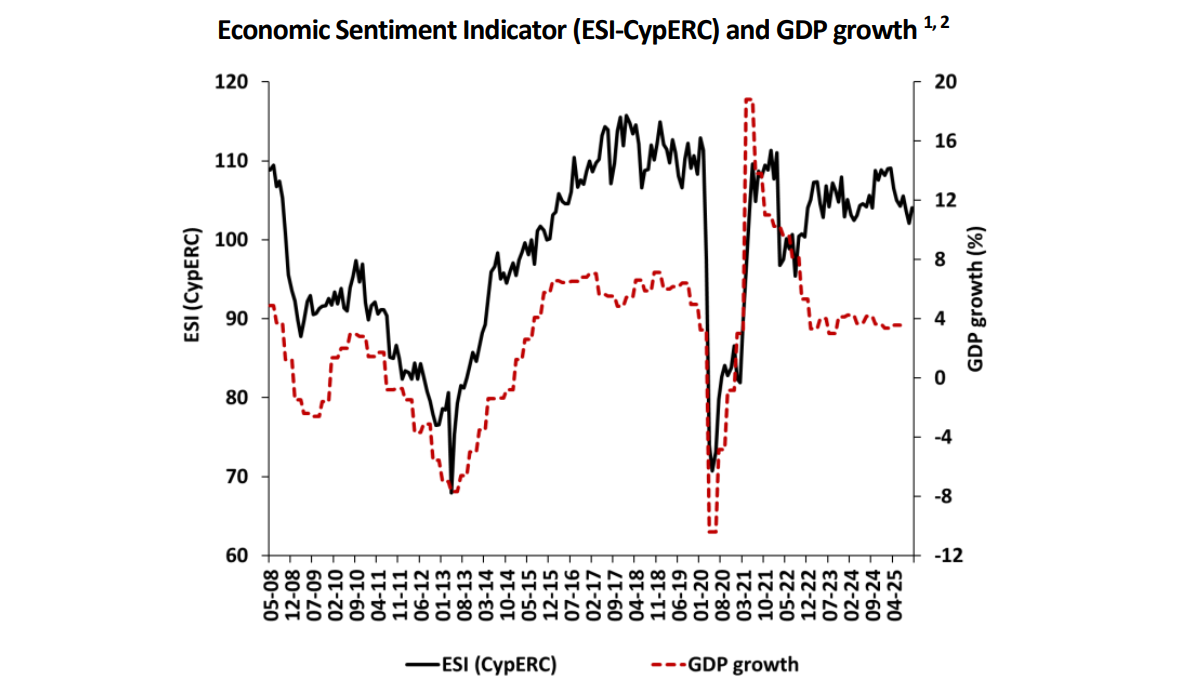
    Economic sentiment in Cyprus recovered in October, with the Economic Sentiment Indicator (ESI-CypERC) rising by 2.0 points. This increase follows a downturn in September, when the indicator fell to 102.1 from 103.7 in August.

    Photo: financialmirror.com

    • Similarly, the Construction Confidence Indicator also rose, buoyed by better order book levels and a positive shift in employment expectations among firms in this sector.
    • The Industry Confidence Indicator experienced a small decrease, primarily due to less favourable assessments regarding current order books and lowered production expectations.
    • Furthermore, expectations regarding the overall economic conditions in Cyprus have also deteriorated among consumers, reflecting a more cautious outlook.
    • The report from the University of Cyprus highlights these mixed signals in economic sentiment, indicating a complex landscape as the nation navigates its recovery.

    Economic sentiment: Business Confidence on the Rise

    The Economics Research Centre of the University of Cyprus attributes the uptick in overall economic sentiment to a rebound in business confidence, particularly within the services and construction sectors. These areas had previously experienced significant declines over the last two months.

    Improvements in Services and Construction

    In October, the Services Confidence Indicator saw a notable increase, reversing the downward trend of the last two months. This improvement was driven by enhanced assessments of the recent business situation and more optimistic views on past and expected turnover.

    Similarly, the Construction Confidence Indicator also rose, buoyed by better order book levels and a positive shift in employment expectations among firms in this sector.

    Retail Trade and Industry Indicators Shift

    <pConversely, the Retail Trade Confidence Indicator recorded a decline. This drop was attributed to deteriorating views on recent sales and stock levels, alongside further downward revisions in sales expectations.

    The Industry Confidence Indicator experienced a small decrease, primarily due to less favourable assessments regarding current order books and lowered production expectations.

    Consumer Sentiment Takes a Hit

    While business confidence has improved, the Consumer Confidence Indicator saw a decline in October, reversing the positive trend of the previous two months. Consumers reported a worsening assessment of their financial situations and a weaker intent to make major purchases.

    Furthermore, expectations regarding the overall economic conditions in Cyprus have also deteriorated among consumers, reflecting a more cautious outlook.

    Economic Uncertainty Eases

    <pOn a more positive note, the Economic Uncertainty Indicator decreased to 11.7 points in October, down from 15.8 in September. This decline suggests a reduction in business uncertainty across most sectors, with the exception of industry, where uncertainty rose slightly. Although consumer uncertainty did increase, it remains relatively low across all income groups.

    The report from the University of Cyprus highlights these mixed signals in economic sentiment, indicating a complex landscape as the nation navigates its recovery.

  • Police Conduct Anti-Poaching Raids, Seizing Over 1,000 Dead Wild Birds

    Police Conduct Anti-Poaching Raids, Seizing Over 1,000 Dead Wild Birds

    Police have seized over 1,000 dead wild birds in a significant anti-poaching operation across Cyprus. Coordinated raids on Friday involved the Game and Fauna Service officers and targeted specific individuals linked to illegal wildlife activities.

    Photo: in-cyprus.philenews.com

    Wild birds: Coordinated Efforts Yield Substantial Results

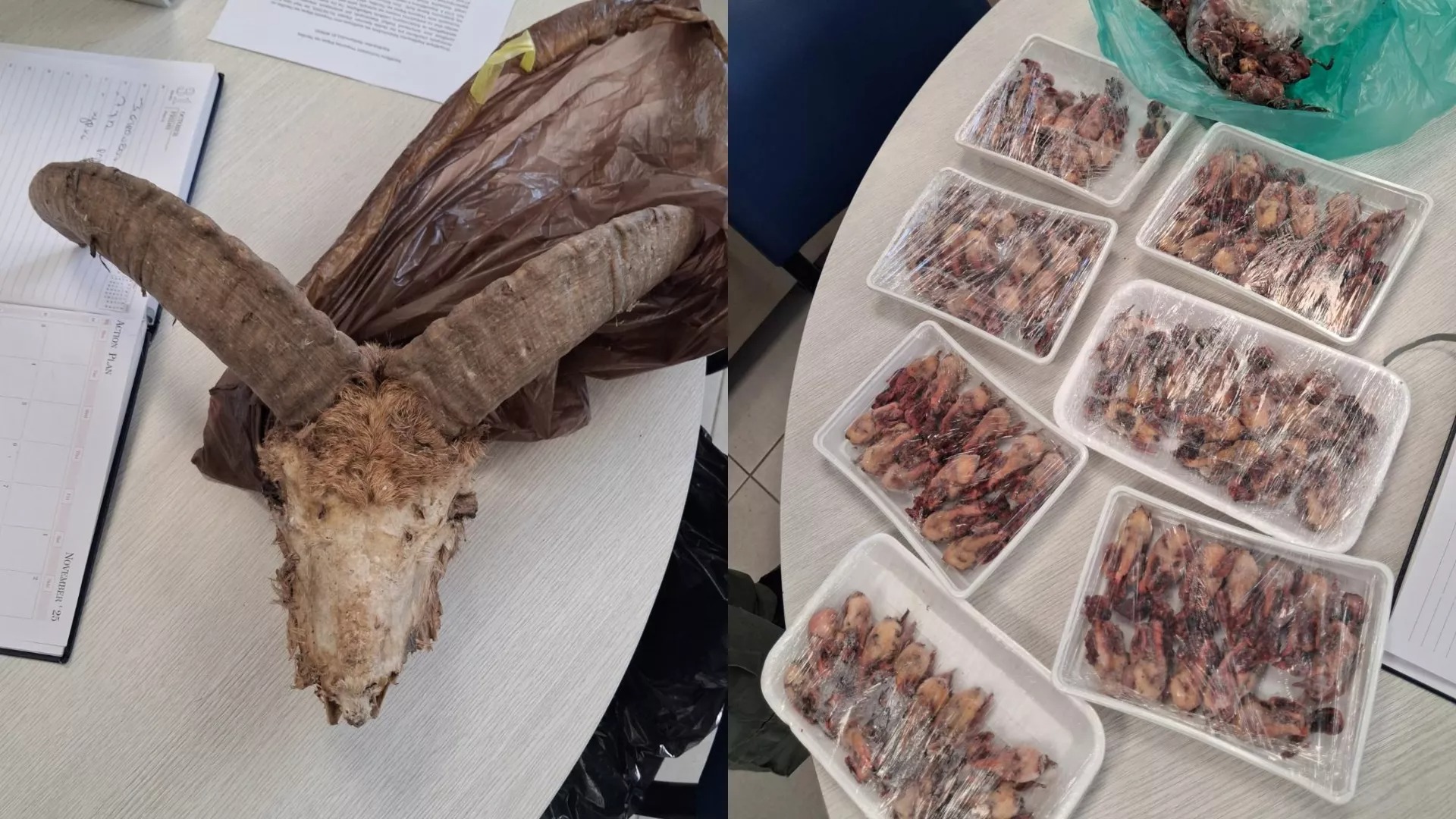
    During the operation, which executed seven search warrants—five in the Nicosia district and two in Limassol—officers uncovered a staggering 1,008 dead wild birds. The raids were part of a broader effort to combat poaching and protect the country’s wildlife.

    Photo: in-cyprus.philenews.com

    Items Confiscated in the Raids

    In addition to the wild birds, authorities confiscated two moufflon skulls, three dead hares, seven dead partridges, and five dead francolins. The operation also resulted in the seizure of four hunting weapons, one of which had been modified, along with 47 steel traps intended for capturing wild birds.

    Live Animals and Illegal Equipment Found

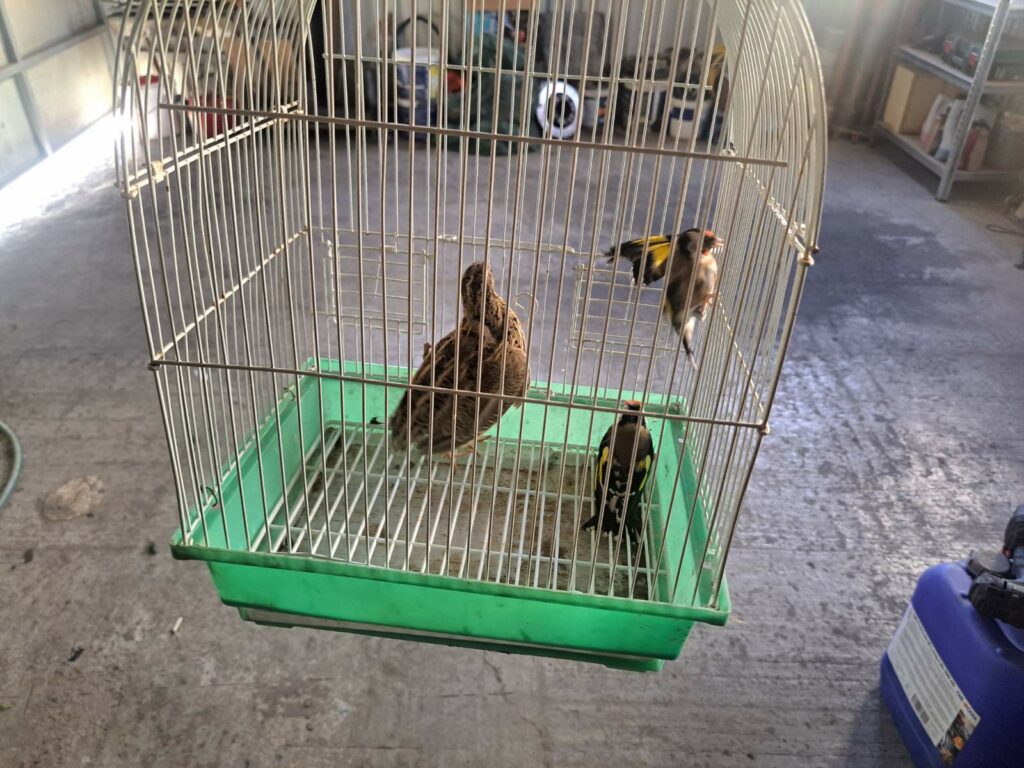
    Officers did not stop at dead animals; they also seized two live hares, three live wild birds, and one net used for trapping. Furthermore, a quantity of prohibited ammunition and three devices that emit wild bird calls were confiscated, highlighting the extent of illegal hunting practices in the region.

    Legal Action Following the Operation

    As a result of these coordinated efforts, five individuals have been charged. The Game and Fauna Service emphasised the importance of these operations in safeguarding Cyprus’s wildlife and enforcing conservation laws.

  • Tychikos — Medical Examinations Conclude for Deposed Bishop Tychikos

    Tychikos — Medical Examinations Conclude for Deposed Bishop Tychikos

    Medical examinations of deposed Paphos bishop Tychikos have been completed, following his hospitalisation last week during his journey back to Cyprus from Istanbul. Tychikos had travelled to Istanbul to appeal against his dismissal at the Ecumenical Patriarchate of Constantinople.

    The priest accompanying Tychikos, known as Father Evangelos, reported to the Cyprus News Agency that doctors at the Onassis hospital in Athens recommended that he avoid mental stress. He noted that Tychikos’ health has improved and that he will consult with heart surgeons for further evaluation.

    According to Father Evangelos, if there are no serious health concerns, Tychikos plans to return to Cyprus. Prior to his hospitalisation, it was reported that he was experiencing health issues while travelling from Istanbul to Athens, prompting his admission to the hospital for a series of tests.

    Members of the Cyprus Holy Synod expressed concern about Tychikos’ condition, with assurances that they could contact his doctors for updates. However, Archdiocese of Cyprus press spokesman Christos Efstathiou indicated that the Holy Synod and Archbishop Georgios were not informed of Tychikos’ hospitalisation in a timely manner, and had they been, they would have contributed to his recovery.

    Tychikos’ visit to Istanbul was to contest the Holy Synod’s decision to relieve him of his duties, which was ratified by a vote of ten to six on May 22. This decision followed charges against him for breaches of church protocol, including displaying an uncanonised saint’s icon. His lawyer, Evangelia Poulla, condemned the decision as “unacceptable to say the least” and described it as “inconceivable,” noting that such an unjust ruling was unprecedented.

    On the other hand, Efstathiou remarked that the unanimous decision from the Ecumenical Patriarchate sent a clear message. Although Tychikos retains his title as a bishop of the Church of Cyprus, he has been stripped of his administrative responsibilities. Church secretary Georgios Christodoulou clarified that Tychikos remains a member of the Holy Synod.

    The tensions between Tychikos and the archbishop have been well-documented, particularly regarding Tychikos’ refusal to allow the relic of Apostle Paul’s skull to be brought from the Vatican City, based on his beliefs about Pope Francis. In the aftermath of Tychikos’ dismissal, Paphos mayor Phedonas Phedonos publicly shared grievances about the bishop’s conduct, describing it as “trying and unbecoming” for the municipality over the years. He recounted how Tychikos had taken the municipality to court without prior notice and had obstructed communications by locking offices and ignoring calls, attributing the behaviour to a “spiritual retreat.”

  • Cyprus Energy Minister Affirms Commitment to Great Sea Interconnector Project

    Cyprus Energy Minister Affirms Commitment to Great Sea Interconnector Project

    The Great Sea Interconnector (GSI) remains a priority for the Cypriot government, according to Energy Minister George Papanastasiou, despite criticism regarding its financial viability.

    • The Great Sea Interconnector (GSI) remains a priority for the Cypriot government, according to Energy Minister George Papanastasiou, despite criticism regarding its financial viability.

    Minister’s Assurance Amidst Financial Concerns

    During an event in Paphos on Monday, Papanastasiou emphasised the need for Cyprus to maintain its focus on the GSI project. This statement came on the heels of remarks from Kyriacos Kakouris, the outgoing Vice President of the European Investment Bank (EIB), who labelled the project a “financial non-starter.”

    Defending the European Nature of the Project

    Papanastasiou countered the scepticism by highlighting that the GSI is a European initiative. He stated, “any commentary, from anyone else other than the European Commission, is superfluous,” indicating that outside opinions, including those from Greek and Cypriot officials, should be viewed with caution.

    Upcoming Meetings to Discuss the GSI

    The Energy Minister also confirmed that a crucial three-way meeting involving himself, his Greek counterpart, and the European Commissioner for Energy is scheduled for November 12 in Brussels. This follows an earlier teleconference on October 16, aimed at addressing concerns surrounding the GSI.

    The Great Sea Interconnector Explained

    The GSI is envisioned as a subsea cable that will connect the electricity grids of Cyprus and Greece. This interconnection is intended to bolster energy security and diversify energy sources for Cyprus, which is currently reliant on imported fuel.

    Financial Viability Under Scrutiny

    Kakouris raised several doubts about the GSI’s financial viability, stating that the EIB has yet to receive sufficient explanations from the Greek and Cypriot governments about how the interconnector fits into their broader energy plans. He expressed concern that the project, as it stands, does not appear to be viable based on existing regulatory decisions.

    He remarked, “On its own the project, based on the decisions of the regulatory authorities, appears not to be viable,” suggesting that additional political discussions are crucial to secure state support and guarantees, especially concerning geopolitical risks associated with the project.

    Escalating Costs and Consumer Concerns

    Compounding the challenges, Kakouris noted that the project’s costs have escalated significantly, with the initial estimate of €1.4 billion now deemed outdated. He warned that the cost of lending could effectively double the total financial outlay, extending repayment over a 20 to 25-year period. This raises questions about how these costs will affect electricity consumers in both Cyprus and Greece.

    According to Kakouris, clarity is needed regarding what consumers will be charged for the interconnector over time. The agreed reimbursement ratio dictates that two-thirds of the costs will fall on Cypriot consumers, while one-third will be the responsibility of Greek consumers. He insisted that there should be assurances that the charges do not outweigh the benefits.

    Political Reactions and Calls for Transparency

    The opposition party Akel has been vocal in its criticism of the government’s handling of the GSI project. They accused the administration of “speaking with a forked tongue” and failing to take decisive action to address the project’s viability.

    Akel has demanded immediate clarification from President Nikos Christodoulides regarding the absence of an official loan request to the EIB, the government’s intentions for potentially acquiring a stake in the GSI, and whether the project is considered financially sustainable.

    Looking Ahead

    As the scheduled meetings approach, the Cypriot government faces mounting pressure to provide clear answers and a viable path forward for the GSI. Papanastasiou’s steadfast commitment to the project suggests an unwavering belief in its potential benefits, despite the financial uncertainties that loom.

    Ultimately, the future of the Great Sea Interconnector hinges on successful negotiations, financial backing, and a transparent dialogue with consumers and stakeholders. The outcome will not only impact energy policy in Cyprus but also its relationship with Greece and the broader European energy landscape.

  • Volt Party Advocates for Cannabis Legalisation in Cyprus

    Volt Party Advocates for Cannabis Legalisation in Cyprus

    cannabis legalisation — cannabis legalisation — The Volt party has introduced a proposal to legalise cannabis in Cyprus, focusing on four key pillars aimed at reducing court cases, enhancing public health, boosting the economy, and benefiting the environment.

    Arguing that regulated cannabis use for adults over 18 is a progressive step rather than a retreat by the state, Volt emphasises the need for a modern, evidence-based reform. The party highlighted that Cyprus currently enforces some of the strictest cannabis laws in the EU, leading to a burden on the legal system, social stigma for young people, and a flourishing black market.

    In their statement, Volt referenced the experiences of several European nations, including Germany, Malta, and Portugal, which have successfully implemented regulations that promote social cohesion, safeguard public health, and yield significant economic gains.

    Cannabis legalisation: Four Pillars of Legalisation

    Volt’s proposal is anchored in four main pillars:

    • Society and Health: The party aims to reduce stigma around medical cannabis, integrate it into the National Health System (GESY), treat addiction as a health issue, and enforce quality health checks for public safety.
    • Economy and Development: The initiative is expected to create numerous jobs, enhance agricultural production, attract investment, and promote cannabis tourism, potentially generating tens of millions of euros in revenue for the state.
    • Environment: Volt plans to advocate for industrial hemp as an eco-friendly alternative for products like paper, textiles, and biofuels, while also addressing CO2 capture and soil restoration efforts.
    • Justice and Youth: The proposal seeks to end the unfair stigma attached to minor cannabis offences, emphasising prevention and education over prosecution and freeing up law enforcement resources to tackle serious crime.

    Volt firmly believes that the time has come for Cyprus to adopt a realistic regulatory framework that can effectively manage what has historically been a shadow market. The party contends that such a framework will protect citizens, reduce crime rates, support public health, and drive economic development.

    In their call to action, Volt has invited the public, stakeholders, and citizens to engage in a dialogue about a new cannabis policy that prioritises the needs of the people and promotes progress.

  • Government Pursues Swift Resolution on Cost of Living Allowance Negotiations

    Government Pursues Swift Resolution on Cost of Living Allowance Negotiations

    cost of — As the discussions surrounding the Cost of Living Allowance (CoLA) heat up, Labour Minister Yiannis Panayiotou is advocating for a swift resolution. His mantra for late October, ‘intensify and expedite’, reflects the urgency of the mediation efforts between unions and employers.

    Sources from the Cyprus News Agency reveal that following recent communications between Panayiotou and the involved parties, a new round of separate talks is on the horizon. Finance Minister Keravnos is also expected to participate once more, adding weight to the negotiations.

    Cost of: Focus on Convergence

    The approach taken by the Labour Ministry aims to identify areas where quick agreements can be reached, thus paving the way for a more permanent CoLA mechanism. This strategy is crucial as it seeks to establish a framework that can adapt to the ongoing economic challenges faced by workers.

    Silence from Unions and Employers

    Both unions and employers are currently refraining from making public statements. This decision underscores the delicate nature of the negotiations, where any premature comment could jeopardise the progress made thus far. Stakeholders are acutely aware that the coming days could prove pivotal in determining the future of CoLA.

    Looking Ahead

    As the negotiations unfold, the pressure is mounting on both sides to come to a consensus. The Labour Minister’s optimism, combined with the strategic focus on convergence, sets the stage for what many hope will be a decisive moment in the discussions. With key government figures actively involved, the possibility of a favourable outcome remains on the table.