Blog

  • National Guard Introduces Locally Developed Anti-Drone Systems in Cyprus

    anti-drone systems — The National Guard today unveiled two innovative, locally produced anti-drone systems, known as “THISEAS” and “Drone Eye,” during a presentation at the Stavros Stylianides Camp in Kornos, Larnaca. This unveiling marks a significant advancement in Cyprus’s defence capabilities, showcasing homegrown technology designed to enhance national security.

    Photo: in-cyprus.philenews.com

    • Importantly, the THISEAS system can simultaneously detect over 2,000 targets and has already been successfully tested by four different armies, with three countries having purchased it.

    Defence Minister Vasilis Palmas highlighted the importance of these developments, stating that the completion of the “ATHENA” action plan demonstrates how domestic scientific research, innovation, and technological growth can act as a force multiplier and deterrent power for the nation.

    Photo: in-cyprus.philenews.com

    Anti-drone systems: THISEAS: Enhancing Battlefield Awareness

    The THISEAS project took 28 months to develop and was a collaborative effort involving Cypriot companies Signal Generix and 8Bells, along with the CYENS and KIOS Centres of Excellence. With a budget of €530,000, of which €450,000 was funded by the Ministry of Defence (MoD), this integrated system provides crucial solutions for battlefield situation awareness.

    THISEAS excels in radio emission detection, target identification, and geo-location estimation, all aimed at supporting rapid decision-making in military operations. The system features a virtual reality combat visualisation component powered by advanced artificial intelligence (AI).

    Data from multiple sources—including cameras, radar, UAVs (drones), and sensors—streams into a central processor. AI algorithms, encompassing Computer Vision, Machine Learning, and Deep Learning, are employed to recognise and classify targets such as vehicles, people, and drones. This capability allows THISEAS to detect unusual activity and calculate trajectories, issuing automatic warnings for suspicious movements and effectively reducing reaction time.

    Importantly, the THISEAS system can simultaneously detect over 2,000 targets and has already been successfully tested by four different armies, with three countries having purchased it.

    Drone Eye: A Vehicle-Mounted Anti-Drone Solution

    The second system introduced, Drone Eye, is a robust vehicle-mounted anti-drone solution, fully developed within Cyprus. This project took 42 months and was created through collaboration between the Cypriot company Encorp, Frederick University, and the Open University of Cyprus. It shares a budget of €530,000 with THISEAS, receiving the same amount of MoD funding.

    Drone Eye focuses on the surveillance and neutralisation of small-range unmanned aerial vehicles. It employs a variety of sensors, including high-resolution and thermal cameras, radio frequency (RF) detectors, and radar, to continuously monitor and identify targets.

    AI algorithms play a pivotal role in analysing flight patterns, classifying targets, recognising unusual behaviours—such as drones approaching sensitive areas—and calculating probable trajectories. The system provides real-time alerts and prioritises incidents based on their risk level, integrating seamlessly into broader security and anti-air defence infrastructures.

    During the demonstration attended by Minister Palmas, members of the Parliamentary Defence Committee, and MoD Director General Erikos Elias, the capabilities of these systems were showcased for the first time to the public, reflecting Cyprus’s commitment to enhancing its defence industry through innovation.
  • Heron — Forestry Department Rescues Trapped Heron in Athalassa Park

    Heron — Forestry Department Rescues Trapped Heron in Athalassa Park

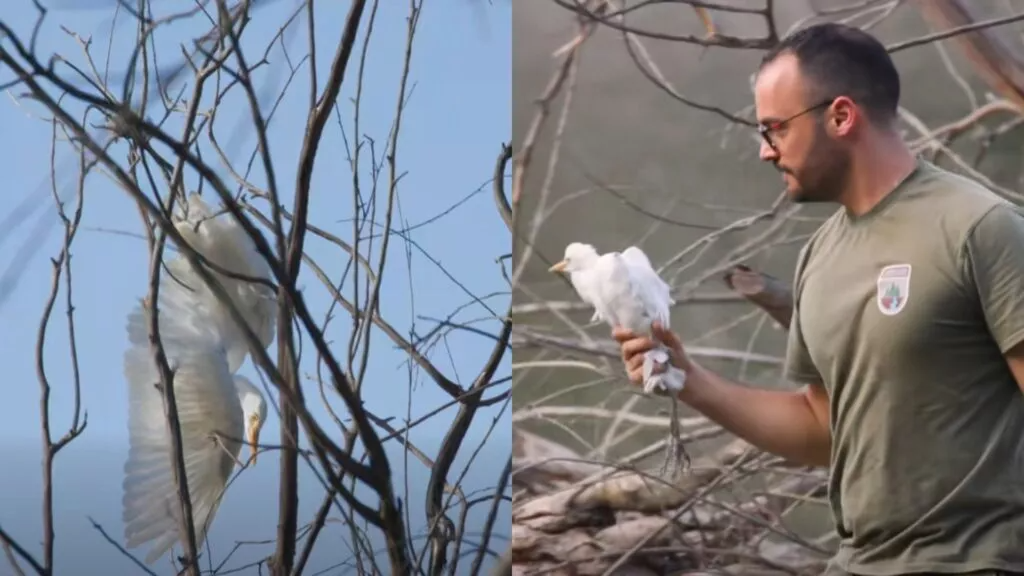
    The Forestry Department successfully rescued a heron that became trapped high in a eucalyptus tree in the South Lake area of Athalassa National Forest Park on Saturday, 8 November 2025.

    • The Forestry Department successfully rescued a heron that became trapped high in a eucalyptus tree in the South Lake area of Athalassa National Forest Park on Saturday, 8 November 2025.

    Birdwatchers in the park noticed the heron struggling with its legs ensnared in threads or fishing lines, likely discarded carelessly by park visitors. Concerned for the bird’s welfare, they alerted the authorities.

    Responding promptly, Forestry Department officers arrived on the scene equipped with the necessary tools to assess the situation. After evaluating the circumstances, they determined that cutting down the dry eucalyptus tree was the safest option to rescue the heron without further endangering it.

    The operation was carried out efficiently, and the heron was freed from its precarious position. Fortunately, there were no physical injuries, but the bird exhibited signs of exhaustion and dehydration due to its prolonged struggle.

    Immediately after the rescue, the heron received first aid on-site before being transported to the Game and Fauna Service Sanatorium. There, it will remain under care until it fully recovers, ensuring it is fit for release back into its natural habitat.

    As part of the recovery protocol, Veterinary Services will conduct blood analyses to ensure the heron’s health is restored. The community has expressed relief and gratitude towards the Forestry Department for their swift action in rescuing the bird, highlighting the importance of protecting wildlife in natural parks.

  • Drowned: Drowning Confirmed as Cause of Death for Young Man in Ayia Napa

    Drowned: Drowning Confirmed as Cause of Death for Young Man in Ayia Napa

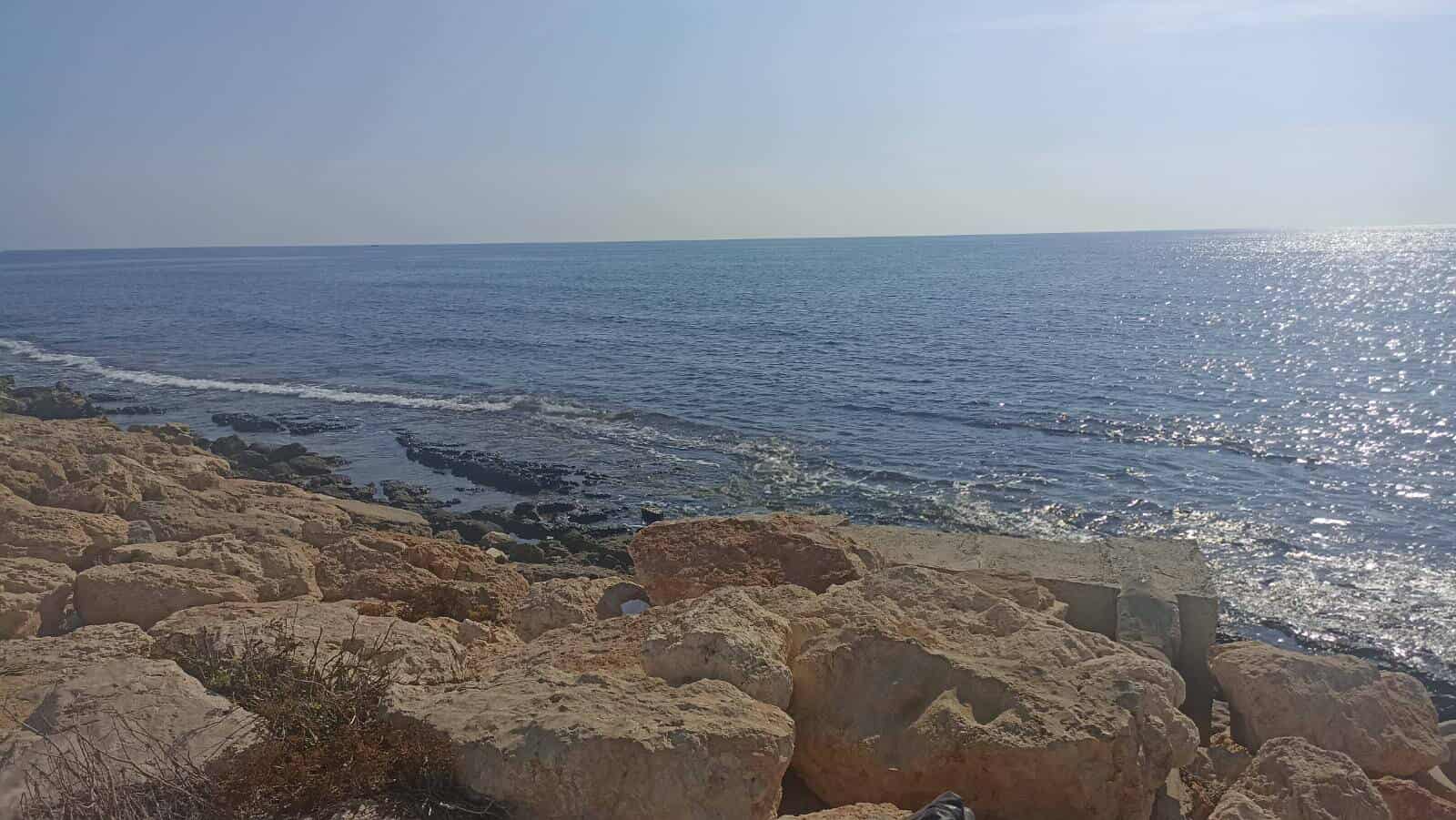
    A young man found dead in the sea off Ayia Napa has been confirmed to have drowned, according to a post-mortem examination. The examination, conducted on Saturday morning, established drowning as the cause of death for the 24-year-old foreign national.

    • Authorities reported that the man was a resident of Ayia Napa, a popular tourist destination in Cyprus. The findings from the statutory post-mortem revealed that he had drowned while in the water.
    • Authorities are urging both residents and tourists to remain vigilant while engaging in water activities. This incident serves as a stark reminder of the importance of water safety and awareness.

    Authorities reported that the man was a resident of Ayia Napa, a popular tourist destination in Cyprus. The findings from the statutory post-mortem revealed that he had drowned while in the water.

    Police are now awaiting the results of laboratory tests to gather further information regarding the circumstances surrounding his tragic demise. The investigation is ongoing, as officials aim to piece together the events leading to his death.

    Eyewitnesses and locals have expressed their sorrow over the incident, highlighting the risks associated with swimming in unfamiliar waters. The coastal area near Ayia Napa is known for its beauty, but safety precautions are essential, especially for those not familiar with the local conditions.

    Authorities are urging both residents and tourists to remain vigilant while engaging in water activities. This incident serves as a stark reminder of the importance of water safety and awareness.

  • Exploring the Noospheric Resonator: Concentric Rings of Stones Near Limassol Beach

    Exploring the Noospheric Resonator: Concentric Rings of Stones Near Limassol Beach

    Concentric rings: A Unique Land Art Installation

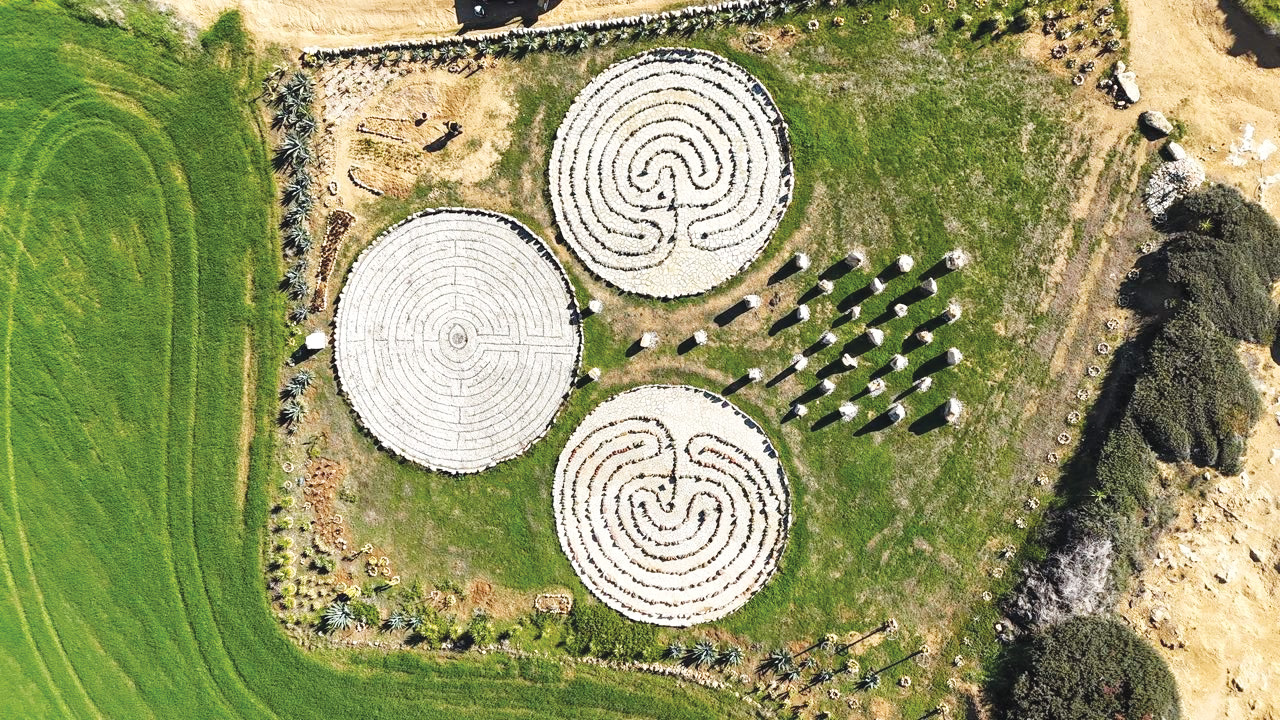
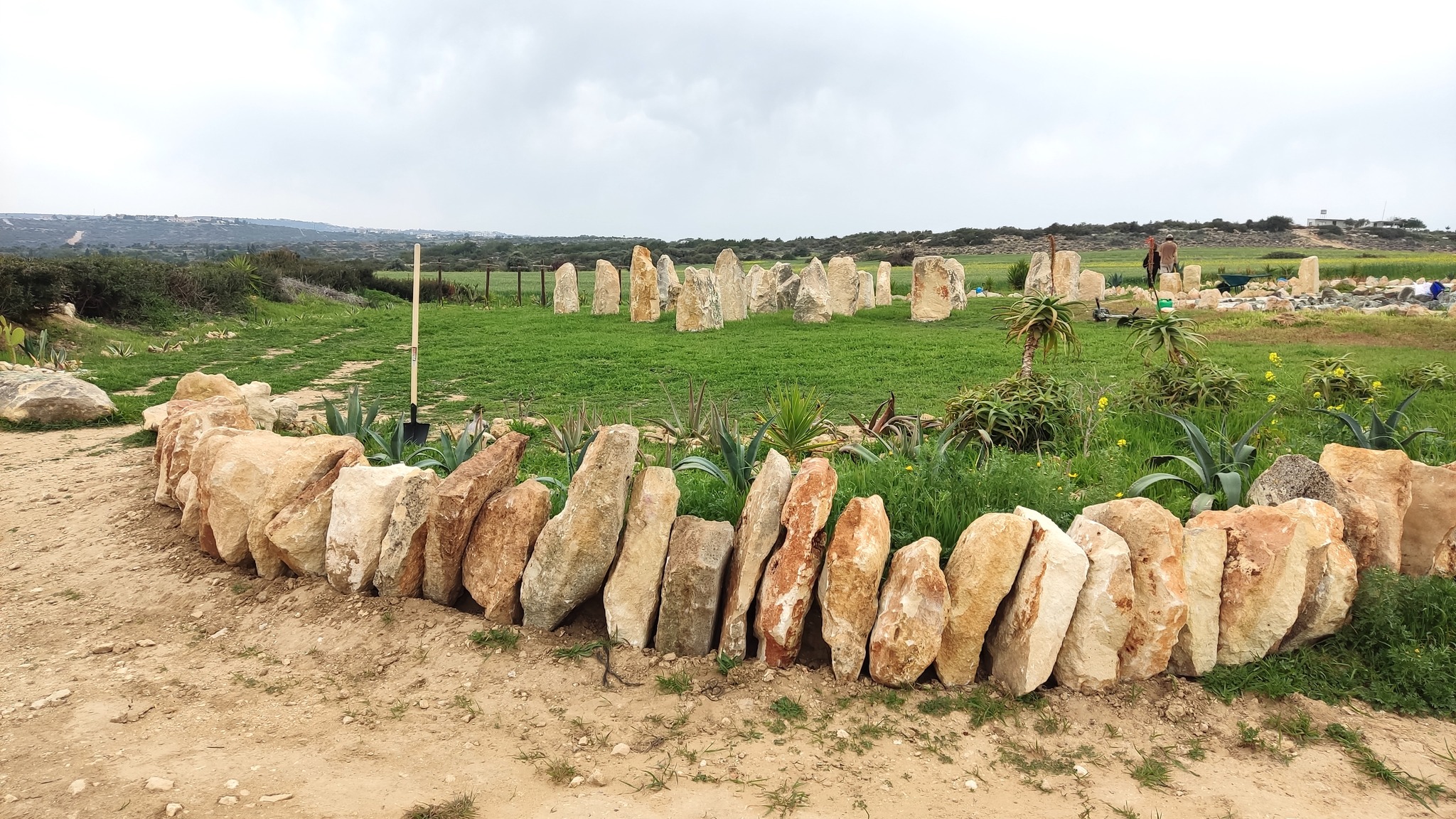
    concentric rings — The concentric rings of stones known as the Noospheric Resonator are a remarkable land art installation located between Limassol and Paphos, overlooking Avdimou Beach. Created by artist Pavel Muntyan, this site consists of three vast spiral labyrinths designed for reflection and reconnection with oneself amidst nature.

    Photo: cyprus-mail.com

    A Vision of Meaningfulness

    Muntyan’s inspiration for the Noospheric Resonator stems from a deep desire to establish something meaningful for the island that he now calls home. He articulates, “I wanted to build a place where people could come to meditate, take photos or simply be alone with themselves. It’s a non-commercial project and will remain that way, our gift to the island for its love, warmth, kindness, and openness.”

    Photo: cyprus-mail.com

    Grounded in Local Energy

    The installation is situated on a serene slope, on land generously lent to Muntyan by local resident Antonis. Muntyan describes this location as having a unique energy, a harmonious blend of wind, sun, and sea with a view of the Troodos mountains, making it an ideal spot for meditation and contemplation.

    Symbolism at the Heart of the Resonator

    The name Noospheric Resonator is derived from the term ‘noosphere’, which refers to the sphere of human consciousness. Muntyan perceives it as “the layer of ideas and consciousness that unites us all—the highest stage in the Earth’s evolution, when intellect becomes the main creative force.” He aims to manifest this connection physically through his artwork, creating a place that attracts kindness and rationality.

    Labyrinths as a Means of Reflection

    The labyrinths within the installation are infused with rich symbolism. Muntyan states, “Stone is the most ancient material, a symbol of stability and eternity. Spirals represent movement, evolution, and infinity. I wanted to unite these two forces, the eternal and the living.” At the core of the site is the Labyrinth of Knowledge, featuring 12 circles and 290 steps, a number symbolically aligned with the days of human gestation. For Muntyan, walking through this labyrinth serves as a metaphorical rebirth.

    Balancing Energies

    Flanking the Labyrinth of Knowledge are two smaller labyrinths: the Masculine Labyrinth, constructed from blue stones, and the Feminine Labyrinth, crafted from red stones. These formations invite visitors to restore balance within themselves. Muntyan notes that these planetary labyrinths, with their nine circles each, are ancient symbols found across various cultures from the Solovetsky Islands to the Mediterranean.

    The Money Square

    The layout culminates in a section called the Money Square, designed to channel “the energy of prosperity.” This space is adorned with intricate mosaics and bronze fish, all crafted by Muntyan himself.

    A Decade of Creation

    The Noospheric Resonator has been a decade in the making and remains a work in progress, continually evolving. Muntyan reflects on the early days of construction, stating, “At first, I worked there with my mother.” The project is entirely non-commercial, with each element created by hand and imbued with passion.

    Natural Design Process

    There is no rigid master plan for the installation. Muntyan explains, “Everything is born spontaneously, shaped by the climate, available materials, and sometimes coincidence.” An example of this spontaneity is the arrival of megaliths, large stones gifted by a friend who owned a nearby quarry.

    Commitment to Local Materials

    In keeping with the installation’s ethos, Muntyan emphasises the use of local stone while ensuring that the natural landscape remains undisturbed. “Everything is done by hand and from the heart,” he asserts. Typically, construction occurs on Tuesday mornings when the area is quiet, allowing the team to work without interruption. “By Wednesday, people already notice the changes we’ve made,” he adds.

    The Intersection of Art and Meditation

    For Muntyan, the act of creation serves as a form of meditation. He shares, “When you create something, especially in physical space, you enter a state of total concentration and presence. Art and meditation are the same act, just expressed through different means.”

    A Personal Experience for Visitors

    Visitors to the Noospheric Resonator are encouraged to engage with the labyrinths in their own way. Muntyan notes, “Visitors come for different reasons; some read tarot, others dance, and some simply sit and listen to the wind.” The only guidelines are to leave no litter and avoid causing damage. Ultimately, Muntyan believes the experience is about finding inner silence, rather than adhering to ritual.

    Lessons from the Resonator

    Reflecting on his journey, Muntyan describes the Resonator as more than just an artwork; it has been a teacher. “It taught me patience, gratitude, and humility,” he says, adding that it has deepened his love for Cyprus in a way that words cannot fully express.

  • Three Women Arrested in Limassol Following Death of Nigerian National

    Three Women Arrested in Limassol Following Death of Nigerian National

    Limassol police have arrested three women in connection with the tragic death of Nigerian national Victory Osarumen Thompson, a 30-year-old found dead in her flat.

    • Limassol police have arrested three women in connection with the tragic death of Nigerian national Victory Osarumen Thompson, a 30-year-old found dead in her flat.
    • During questioning, the arrested individuals provided various statements. The police are currently evaluating these claims as part of their ongoing investigations.

    This morning, authorities were alerted to a deceased individual located in a multi-storey building in Limassol around 10:30 AM. Upon arrival, members of Limassol’s Criminal Investigation Department (CID) discovered Ms Thompson’s body, prompting an immediate investigation.

    Pathologists Angeliki Papetta and Orthodoxos Orthodoxou were summoned to conduct an on-site examination. Preliminary findings indicated that Ms Thompson had sustained injuries across multiple areas of her body, raising serious concerns about the circumstances surrounding her death.

    As the investigation unfolded, police gathered testimonies and evidence that led to the arrest of two women aged 24 and one aged 35. All three women share the same nationality as the victim, heightening the urgency of the inquiry.

    During questioning, the arrested individuals provided various statements. The police are currently evaluating these claims as part of their ongoing investigations.

    A post-mortem examination is scheduled for tomorrow morning, which is expected to yield further insights into the cause of Ms Thompson’s death. Meanwhile, Limassol CID continues its thorough examinations to uncover the truth behind this incident.

  • Horse rescue — Horse rescue: Cypriot Rescue Team Saves Horse Trapped in Drain

    Horse rescue — Horse rescue: Cypriot Rescue Team Saves Horse Trapped in Drain

    horse rescue — A rescue operation unfolded on Sunday afternoon in Alethriko when a horse found itself trapped in a drain, prompting the Emergency Response Unit (EMAK) to spring into action.

    • horse rescue — A rescue operation unfolded on Sunday afternoon in Alethriko when a horse found itself trapped in a drain, prompting the Emergency Response Unit (EMAK) to spring into action.
    • This episode serves as a reminder of the unpredictable nature of animal encounters and the importance of prompt action in emergencies.

    According to the Fire Service, the call came in at approximately 15:00, leading unit members to the village located in the Larnaca District. Upon arrival, they discovered that part of the horse’s body was stuck, necessitating the use of specialised rescue equipment to free it.

    Details surrounding how the animal ended up in such a predicament remain unclear. Authorities are investigating whether the horse may have been moving at excessive speed or if there were other contributing factors.

    The incident is particularly notable in light of existing Cypriot laws, which include fines for riding at excessive speed, adding an ironic twist to the situation. The community, while relieved at the successful rescue, is left pondering how such an event could occur in the first place.

    Local residents expressed their gratitude towards the EMAK team for their swift response and expertise during the unusual operation. Witnesses observed the rescue efforts, highlighting the dedication of the responders who worked meticulously to ensure the horse’s safety.

    This episode serves as a reminder of the unpredictable nature of animal encounters and the importance of prompt action in emergencies.

  • Cyprus Embraces Family Offices to Diversify Its Economy

    Cyprus Embraces Family Offices to Diversify Its Economy

    Cyprus is opening a new chapter in the diversification of its economy with the attraction and upcoming legislative regulation of Family Offices, or more accurately in Greek: Offices for the Management of Family Wealth.

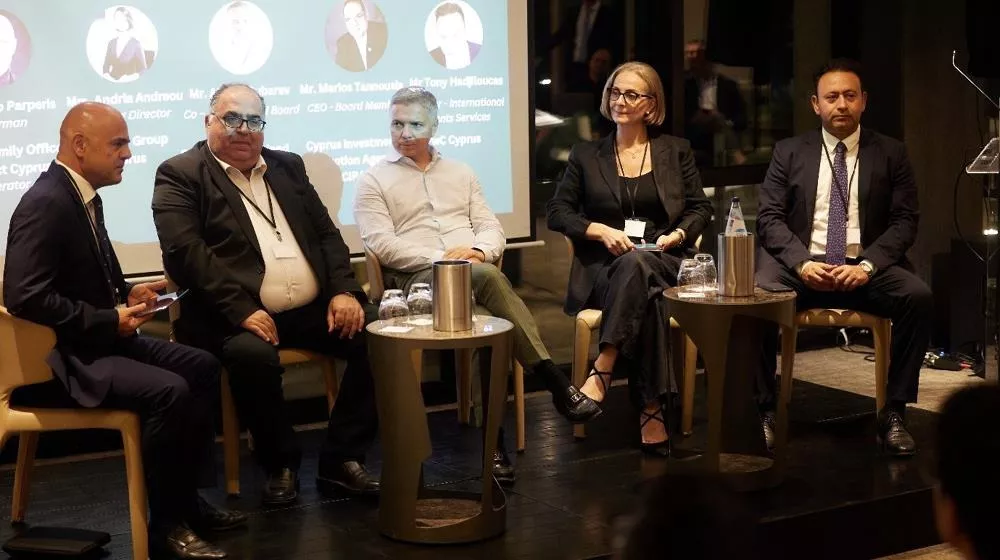
    Recently, a significant event took place in Limassol, gathering key players from the financial, regulatory, and private wealth management sectors. This meeting aimed to explore the future of Family Offices in Cyprus and outline the potential benefits for the country.

    Mr. Theodoros Parperi, the event organiser and President of Family Office Connect Cyprus (FOC), emphasised the platform’s role in promoting dialogue and innovation within the family office ecosystem. Established in 2025, FOC aims to position Cyprus as a leading jurisdiction for Family Office services.

    Family Offices, as described by Mr. Parperi, are specialised entities that manage the wealth, investments, and personal affairs of affluent families. They offer a range of services including investment management, tax planning, legal support, philanthropic activities, and succession planning. There are two primary types: Single Family Offices (SFOs), which cater to one family, and Multi-Family Offices (MFOs), which serve multiple families.

    The process of establishing a Family Office involves strategic planning and legal guidance. Families must select the appropriate jurisdiction, define their structure (SFO or MFO), and engage with financial professionals such as lawyers and investment advisors.

    Unlike traditional investment funds, Family Offices are private structures that primarily serve the needs of individual families, allowing them to invest in various assets without the regulatory burdens faced by public funds. This setup offers advantages such as control, flexibility, and tailored investment strategies, which can enhance financing for economic development initiatives, including startups and existing businesses.

    Experts believe that Family Offices can significantly benefit the Cypriot economy by attracting foreign investment, creating high-quality jobs, and bolstering the professional services sector. They can also help elevate Cyprus’s reputation as a financial centre and provide long-term economic stability and diversification. Drawing from successful models in countries like Singapore, Family Offices can contribute to philanthropy, an area where Cypriot society stands to gain immensely.

    According to reports from Phileleftheros, several Family Offices are already operational in Cyprus, with both local and international families recognising the country’s tax stability and quality of professional services as key factors for their choice.

    However, the absence of a formal legal framework in Cyprus limits the comprehensive documentation of these entities and hinders sector development. Efforts are underway to establish a more structured environment for Family Offices.

    The establishment of Family Office Connect Cyprus (F.O.C.) marks a significant step towards this goal. The platform advocates for a robust institutional framework for Family Offices in Cyprus. Among its initial recommendations are the creation of a legal framework for SFOs, the introduction of Private Foundations for succession and philanthropy, and collaboration with regulatory bodies like the Cyprus Securities and Exchange Commission (CySEC) and the Ministry of Commerce.

  • Economists Critique Government’s Tax Plan as Underwhelming

    Economists Critique Government’s Tax Plan as Underwhelming

    Economists have poured cold water on the government’s proposed tax plan, labelling it underwhelming in light of the grand promises made. Despite the government’s assertions that these changes would create a fairer tax system, analysts suggest that the reality for low-income earners is starkly different.

    Photo: cyprus-mail.com

    Tax plan: Government Claims of Reform

    The Cypriot government has touted the upcoming tax overhaul as a ‘flagship project’ aimed at strengthening the middle class and supporting low-income households. Finance Minister Makis Keravnos describes the reform as having a significant social aspect, claiming it will provide relief for families, students, and large households. He emphasised that 55 per cent of employees would see no income tax.

    Photo: cyprus-mail.com

    Legislative Timeline and Structure

    It has been 22 years since the last major revision of the tax regime. The current reform consists of six bills that the government hopes to pass swiftly, aiming for implementation by January 1, 2026. With the state budget bill also requiring attention, Parliament faces a tight deadline to deliberate on these proposed changes.

    Main Features of the Proposed Tax Reform

    The proposed changes include several key adjustments:

    • The tax-free threshold will increase from €19,500 to €20,500.
    • Families will be eligible for tax credits: €1,000 per child (or €2,000 for single-parent households), €1,000 for full-time students, a €1,500 deduction for interest on loans or rent for primary residences, and €1,000 for energy upgrades or electric-vehicle purchases.
    • To qualify for these benefits, families must have an annual income below €80,000, large families below €100,000, and single individuals below €40,000.
    • Tax deductions will extend to insurance premiums for disability and home insurance against natural disasters, allowing deductions of up to €500 per year.
    • The tax-exempt ceiling for retirement payments will rise significantly from €20,000 to €200,000.
    • All individuals aged 25 and over residing in Cyprus will need to file an income tax return, regardless of their income status.
    • The corporate tax rate will increase from 12.5 per cent to 15 per cent.

    Concerns from Economists

    Despite the government’s optimistic portrayal, economists are not convinced of the plan’s efficacy. Marios Christou, an economist from the University of Nicosia, argues that the proposals do not constitute a comprehensive tax reform. He points out that while income tax changes are notable, there is a lack of significant alteration to VAT and that low-income earners will see little benefit from the reforms.

    Christou further critiques the focus on individual rather than family income, noting that someone earning €90,000 with an unemployed spouse would not gain any tax relief from the proposed changes.

    Criticism of Tax Threshold Adjustments

    Many experts, including Savvakis Savvides, express disappointment with the minor increase in the tax-free threshold, viewing the €1,000 rise as insufficient when adjusted for inflation over the past two decades. Savvides believes the threshold should realistically be set above €25,000 to account for economic changes.

    Social Policy vs. Tax Reform

    Critics like Savvides argue that the government’s attempt to intertwine social policy with tax reform is misguided. A straightforward tax regime should not be an instrument for social policy but should instead be clear and universally applicable. He describes the proposed changes as a “complex labyrinth” that introduces unnecessary complications under the guise of social justice.

    Concerns About Political Accountability

    Additionally, Savvides suggests that President Nikos Christodoulides may be using these amendments to deflect criticism regarding his failure to deliver on campaign promises, such as raising the tax threshold to €24,000. This raises questions about the administration’s commitment to genuine reform.

    Economic Implications

    As the government moves forward with its tax plans, economists caution that the proposed changes may not yield the intended economic benefits. The focus on middle-class relief, while neglecting the low-income demographic, could lead to greater economic disparities.

    Ultimately, while the government presents the tax reform as a significant step toward a fairer system, the lack of comprehensive changes and the criticisms from leading economists suggest a more cautious interpretation of its impact.

  • Larnaca-Brussels Direct Flights Secured for Cypriot EU Presidency

    Larnaca-Brussels Direct Flights Secured for Cypriot EU Presidency

    The Cypriot Presidency of the Council of the European Union has secured direct flights between Larnaca and Brussels for one year, enhancing connectivity for travellers. This significant achievement was made possible through a successful Public Service Obligation (PSO) tender, which is a key step in facilitating travel during Cyprus’s leadership role within the EU.

    Direct flights: Flights Set to Commence Soon

    Scheduled to begin in December 2025, the direct air link is anticipated to serve tens of thousands of passengers, effectively connecting Cyprus with the European Union’s central hub. The Cypriot government has prioritised this initiative, recognising the importance of ease of travel during its upcoming presidency, which officially starts on 1 January 2026.

    Details of the Tender Process

    The PSO tender, which closed on 30 October 2023, received a single bid from Aegean Airlines. Cypriot officials, working in tandem with the EU Secretariat and the European Commission, ensured the tender process was thorough and compliant with EU regulations. This collaboration underscores the importance of the initiative for both Cyprus and the EU.

    Flight Schedule to Support High Visitor Numbers

    The agreement, expected to be formalised shortly, outlines the following flight frequencies:

    • December 2025: 3 weekly flights
    • January – June 2026: 5 weekly flights
    • July 2026: 3 weekly flights
    • August – November 2026: 2 weekly flights

    These flights are designed to accommodate the influx of visitors anticipated during the Cypriot Presidency, which will involve approximately 260 informal meetings and is expected to draw around 28,000 visitors for various high-level gatherings.

    Government Commitment to Enhanced Connectivity

    Deputy Minister for European Affairs Marilena Raouna and Transport Minister Alexis Vafeades have been instrumental in driving this initiative forward. Their systematic efforts to promote these flights, in collaboration with relevant bodies in Cyprus and Brussels, highlight the government’s commitment to ensuring that the presidency is not only successful but also accessible to international visitors.

    As Cyprus prepares to take on this pivotal role within the EU, the establishment of direct flights between Larnaca and Brussels marks a significant milestone in enhancing its connectivity and facilitating important diplomatic engagements.

  • Expansionist neo-ottoman — Christodoulides Critiques Turkey’s Expansionist Neo-Ottoman Policy on Cyprus

    expansionist neo-ottoman — President Nikos Christodoulides has strongly condemned Turkey’s expansionist neo-Ottoman policy regarding Cyprus. Speaking at a conference focused on Hellenic culture, he highlighted that Cyprus continues to suffer from the lasting impacts of what he termed ‘selfish approaches’ and ‘foolish policies’ that have perpetuated the island’s division.

    Expansionist neo-ottoman: A Call for Assertive Realism

    In his address, Christodoulides advocated for ‘assertive realism’ as a strategic approach to address the ongoing Cyprus issue. He stated, “Assertive realism is the cornerstone of the efforts we have been making for the past two and a half years for liberation and for the resolution of the Cyprus problem, in a difficult geopolitical environment.” This approach aims to navigate the complexities surrounding Cyprus and foster a more constructive dialogue between the involved parties.

    Upcoming Diplomatic Engagements

    Christodoulides’ ‘assertive realism’ will soon face a critical test in December. United Nations envoy Maria Angela Holguin is scheduled to visit Cyprus to engage with both Christodoulides and Turkish Cypriot leader Tufan Erhurman. The objective of these meetings is to prepare for an enlarged gathering focused on the Cyprus problem, which will include representatives from Cyprus, its three guarantor powers—Greece, Turkey, and the United Kingdom—and the UN. This significant meeting is tentatively slated for January in New York.

    Delay in Meetings and Strategic Relations

    Initially, the enlarged meeting was expected to occur this month. However, Erhurman opted to postpone his initial meeting with Holguin from early November to December 5. Reports suggest that Erhurman made this decision to strengthen ties with the Turkish government prior to the commencement of substantive discussions regarding Cyprus. He is set to visit Ankara shortly for a meeting with President Recep Tayyip Erdogan.

    Election Outcomes and Negotiation Dynamics

    Erhurman, who recently secured an unprecedented electoral victory, is in favour of returning to negotiations aimed at achieving a federal solution to the Cyprus issue, a model that aligns with Christodoulides’ perspective. However, the Turkish government has exhibited scepticism towards this approach. Erdogan has consistently reiterated his preference for a two-state solution, despite earlier indications of a willingness to engage in negotiations following Erhurman’s election.

    Statements from Turkish Leadership

    In a statement made on Monday, Erdogan reiterated his demand for a two-state solution, which complicates the prospects for a unified negotiation framework. Yet, he also acknowledged the significance of the Turkish Cypriots’ electoral choice, asserting, “The Turkish Cypriots’ will is highly respected by us.” This duality in Erdogan’s stance reflects the challenging dynamics at play in the ongoing negotiations.

    Continued Tensions and Future Prospects

    The Cyprus issue remains a contentious topic, with historical grievances and political complexities hindering progress. As the December meetings approach, there is cautious optimism regarding the potential for dialogue, although significant obstacles remain. The contrasting positions of the Cypriot leadership and the Turkish government underscore the intricate nature of the discussions ahead.

    Looking Ahead

    As December approaches, all eyes will be on the meetings between Holguin, Christodoulides, and Erhurman. The outcomes of these discussions may shape the future trajectory of Cyprus and the broader geopolitical landscape in the region. With Christodoulides advocating for assertive realism, the hope is that a pathway towards resolution can be forged amidst the complexities of Turkish Cypriot relations and the historical context of the island’s division.