Tag: Cyprus

  • Syrians withdraw — Cyprus Sees 2,800 Syrians Withdraw Asylum Claims Amid Declining Migrant Arrivals

    Syrians withdraw — Cyprus Sees 2,800 Syrians Withdraw Asylum Claims Amid Declining Migrant Arrivals

    syrians withdraw — syrians withdraw — In a significant shift, 2,800 Syrians have withdrawn their asylum claims in Cyprus, marking a considerable change in the migration landscape. This decision comes as irregular migrant arrivals in the country have decreased notably, according to the Deputy Ministry of Migration.

    Syrians withdraw: Declining Migrant Arrivals

    Data reveals that by August 2023, Cyprus recorded just 1,606 irregular arrivals, a stark contrast to the 9,307 individuals who arrived in 2022. This reduction reflects a broader trend in migration patterns, as the island nation has seen a notable decline in the number of people seeking sanctuary.

    Withdrawal of Asylum Claims

    Of the total asylum applications made, approximately 25 per cent were from Syrians, with 2,800 individuals withdrawing their requests and choosing to return home. This marks a significant departure from the previous trend of increasing asylum applications, indicating a shift in the motivations and circumstances of these individuals.

    Intensified Processing of Asylum Applications

    The Asylum Service in Cyprus has ramped up its processing times, with decisions now being made more swiftly. From January to August 2023, the service issued 8,546 asylum decisions, of which a staggering 95 per cent were negative. The Deputy Minister of Migration and Asylum, Nicholas Ioannides, introduced new guidelines in April 2025 that have expedited the rejection of applications from individuals who do not meet asylum criteria.

    Impact of Policy Changes

    These policy changes have led to immediate rejections of ineligible applications, rather than drawn-out processes. While each case is still examined individually, the new streamlined approach aims to reduce backlogs and expedite the overall asylum process.

    Increasing Syrian Repatriations

    In total, 4,112 Syrian nationals have either withdrawn their applications or had their subsidiary protection status revoked. Among these, 3,541 have successfully returned to Syria. This voluntary repatriation indicates a willingness among many Syrians to return home, possibly reflecting improved conditions or changes in personal circumstances.

    Relocation Initiatives Under EU Mechanism

    Since 2022, Cyprus has relocated over 3,006 international protection applicants to nine EU member states under the European Union’s Voluntary Solidarity Mechanism. A significant majority of these relocations occurred between March 2023 and the present, with Cyprus leading among the five Mediterranean frontline countries involved in this initiative.

    Support for Vulnerable Groups

    The European Union Agency for Asylum (EUAA) has facilitated special briefing sessions to ensure that applicants understand their rights and the relocation process. These sessions have particularly focused on vulnerable individuals, including families, unaccompanied minors, and those with special needs, ensuring informed consent for participation in the relocation programme.

    Stricter Measures for Criminal Offences

    Following the recent policy adjustments, enforcement measures have tightened. Foreign nationals implicated in criminal activities can now have their subsidiary protection status revoked and face deportation if any appeals are unsuccessful. This also applies to unaccompanied minors deemed troublesome.
  • Cyprus sovereignty: Cyprus Faces Backlash Over Sovereignty After Israeli Request

    Cyprus sovereignty: Cyprus Faces Backlash Over Sovereignty After Israeli Request

    cyprus sovereignty — cyprus sovereignty — The issue of Cyprus surrendering sovereignty to Israel has ignited controversy following the Presidential Palace’s decision to disseminate a directive from Israel’s Diaspora Minister. This letter, addressed to municipalities and communities, calls for the removal of political slogans from public spaces, raising concerns over foreign interference in domestic affairs.

    The directive originated from a circular issued by Israel’s Ministry of Diaspora Affairs, which prompted the Interior Ministry of Cyprus to pass on the request to every municipality across the island. The Interior Ministry explicitly stated that they had received “instructions to forward” the Israeli request, detailing directives from Interior Minister Constantinos Ioannou that focused on the removal of alleged antisemitic slogans.

    The Movement of Ecologists – Citizens’ Cooperation has strongly condemned this action, labelling it a serious retreat from the principle of sovereignty. In a statement released on 22nd September 2025, the movement argued that “Cyprus cannot function under the instructions of any third country.” They view this situation as a dangerous precedent that undermines the country’s independence.

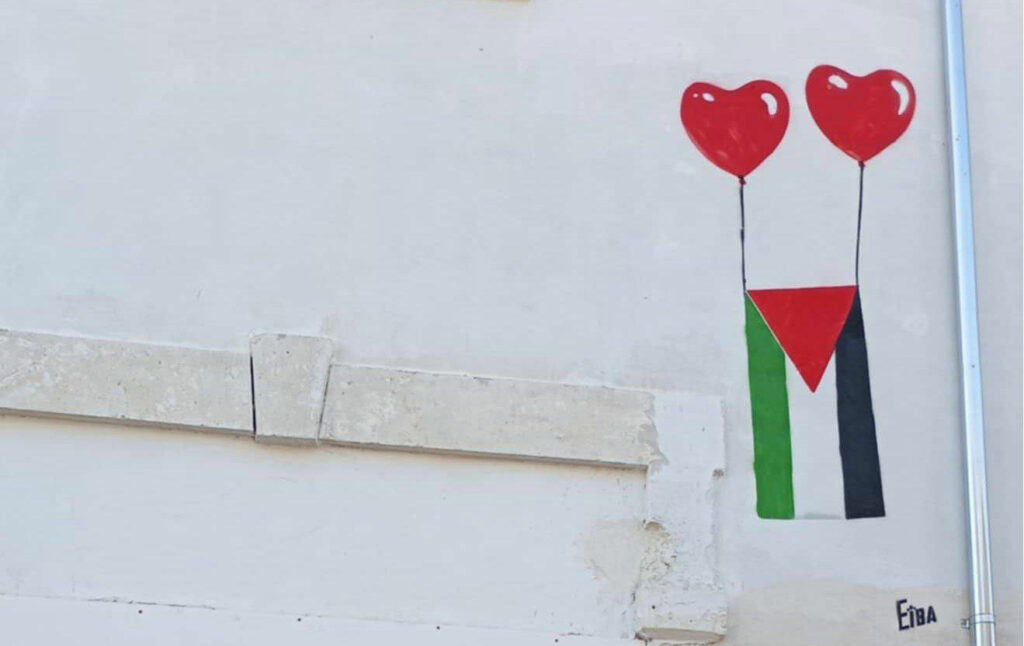
    The Israeli circular specifically targeted four pieces of graffiti that were deemed problematic. Among the images included was a depiction of a Palestinian flag held near two heart-shaped balloons, referencing an incident during a football match in July between Pafos FC and Israeli team Maccabi Tel Aviv. Other controversial artworks showcased included the word “Gaza” painted in blood red above a baby image and a tin labelled “genocide” leaking red paint, alongside inflammatory phrases above a modified Israeli flag.

    Municipal leaders, including Larnaca mayor Andreas Vyras, have publicly rejected the ministry’s instructions. Vyras, who also serves as the chairman of the union of Cyprus municipalities, stated firmly, “We do not accept suggestions from third parties, even more so from any foreign country.” He highlighted that municipalities are capable of addressing issues of genuine hate speech and violence without needing external direction, emphasising that “freedom of expression is non-negotiable.”

    Concerns around freedom of expression have been raised by the Movement of Ecologists, who argue that limiting such freedoms to appease foreign governments constitutes an attack on democracy. They stress that the ability to express oneself, as long as it doesn’t cross into hate speech, is essential to a functioning democracy. The movement has called for the immediate withdrawal of the circular and for the government to respect the will of its citizens, thereby ensuring the protection of the country’s independence and democratic rights.

  • Cyprus sexual — Cyprus Sexual Harassment Laws Lack Protection for Workplace Victims

    Cyprus sexual — Cyprus Sexual Harassment Laws Lack Protection for Workplace Victims

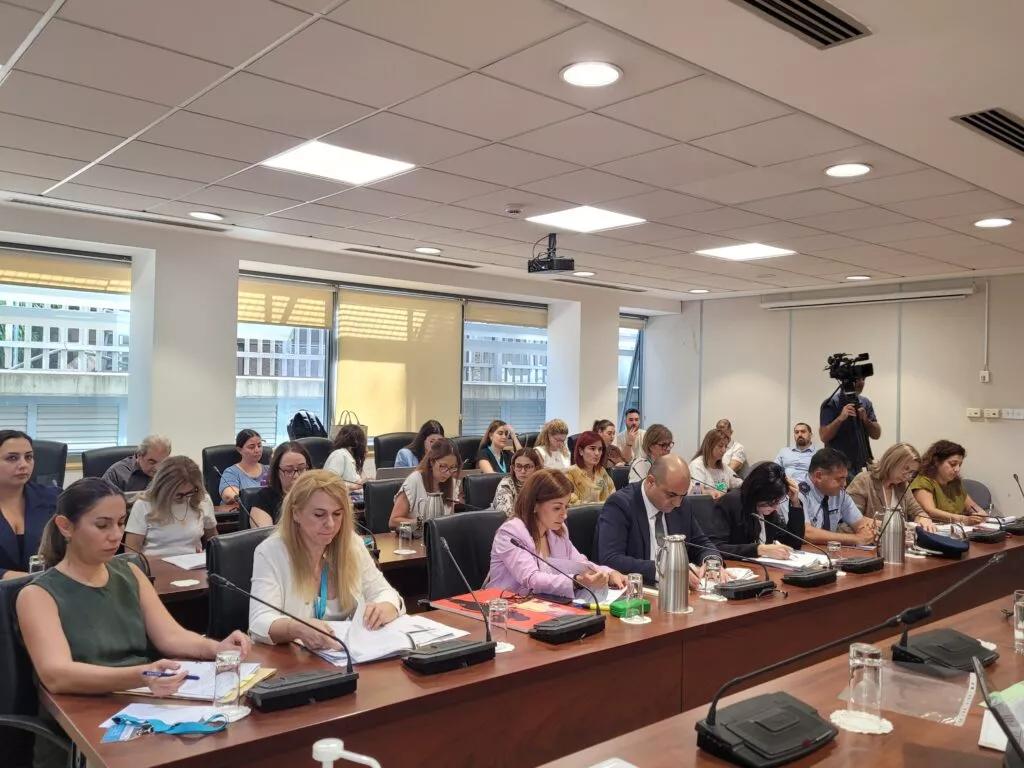
    cyprus sexual — Concerns about the inadequacy of Cyprus sexual harassment laws were raised during a House Human Rights Committee hearing on Monday, where parliamentarians discussed the pressing need for better protections for workplace victims.

    The hearing was prompted by recent reports from Phileleftheros detailing allegations of sexual harassment involving Education Ministry officials. In this case, a superior was cleared in a disciplinary investigation and subsequently promoted, despite now facing criminal prosecution.

    Eleni Kouzoupi from the Law Office highlighted the troubling provisions allowing cases of sexual harassment to be settled out of court, labelling it “absurd”. She argued that such inclusions in legislation are fundamentally flawed and fail to address the complexities of different employment relationships, especially in sectors that often fall into grey areas.

    Nasia Dionysiou, representing the Ombudswoman’s office, outlined the existing administrative gaps, stating, “It took us 15 years and a conviction to establish a Code”. However, she noted that the Code lacks the power to enforce responsibilities, serving merely as an informational tool for employers and employees. When a complaint is lodged, minor cases can be resolved internally if the victim consents, but if not, disciplinary proceedings are initiated.

    Dionysiou pointed out that sexual harassment was not even acknowledged in public service until her office intervened. In a recent incident, her office recommended disciplinary action after uncovering improper investigation procedures and called witnesses to testify due to concerns about how evidence was initially managed.

    Questioning the Education Ministry’s handling of the recent case, Dionysiou remarked, “How do we proceed? The Education Ministry tells us they are awaiting the Law Office’s position. But right now the legislation is being violated and the Ministry is committing an offence.” This highlights the urgency for legislative reform and proper enforcement mechanisms.

    Labour Minister Yiannis Panayiotou defended the existing framework, asserting, “If victims remain exposed, then policy has failed”. He expressed confidence in the direction authorities are taking and emphasised the need for collective protection without undermining the criminal and employment laws. Panayiotou noted that 80% of citizens are now employed, a figure bolstered by the integration of women into the workforce, which has reached a participation rate of 75%.

    In response to the growing concerns, the Labour Department initiated an investigation into the handling of sexual harassment complaints in workplaces. Labour Department Director Alexandros Alexandrou reported that over the past three years, only ten complaints were received: four in 2022, one in 2023, and five in 2024, all of which were investigated.

    Trade union representatives voiced their frustrations regarding the complex and often intimidating procedures faced by victims. A representative from PASYDY described the procedures as “labyrinthine”, while representatives from the Isotita union called for improved protection for employees. Christina Kaili from the Mediterranean Institute of Gender Studies underscored the necessity for modernising procedures and establishing clear protocols to support victims.

    Parliamentarians expressed their condemnation of workplace sexual harassment. AKEL MP and committee vice-chairman Giorgos Koukoumas characterised such harassment as a form of gender-based violence and discrimination, citing examples like unwanted touching and harassing messages. MP Alexandra Attalides labelled sexual harassment as the worst form of workplace harassment and stressed the importance of allowing victims to report incidents safely without fear of retaliation. She also noted the vague responses received from the Labour Ministry following parliamentary questions submitted in August 2024.

    MP Rita Superman acknowledged the seriousness of the issue, pointing to the discrepancies between legislation and its implementation. She questioned why sexual harassment is not treated as a criminal offence from the outset, calling for urgent legislative reforms to better protect victims in the workplace.

  • Strong Winds Cause Two Fishing Boats to Sink at Pomos Harbour

    Strong Winds Cause Two Fishing Boats to Sink at Pomos Harbour

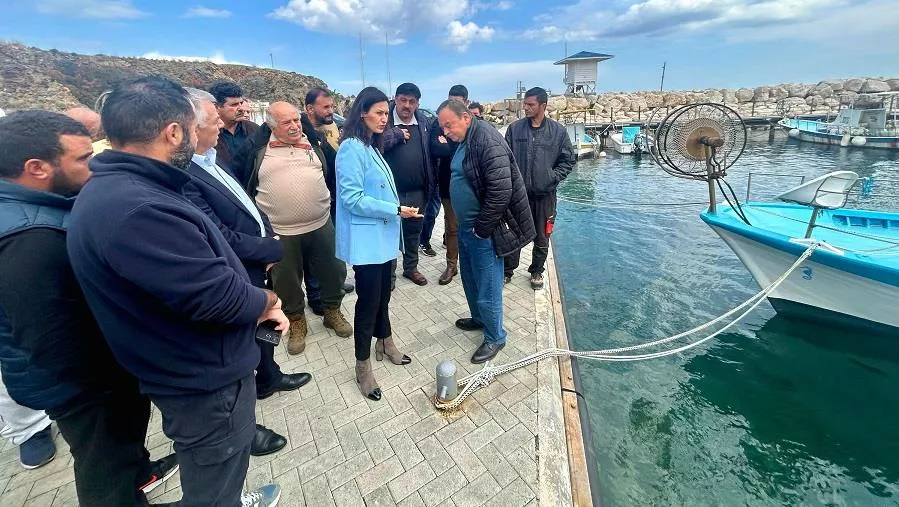
    pomos harbour — Two fishing boats have sunk at Pomos harbour due to strong winds, highlighting ongoing concerns about the shelter’s inadequate protection for vessels. The incident occurred on two separate occasions last week, causing significant distress among boat owners and local authorities.

    Andreas Dionysiou, the Deputy Mayor of Polis Chrysochous, expressed his concerns to Phileleftheros, stating that this situation is not new. Boat owners have been raising alarms about structural problems at the fishing shelter for years, yet little has been done to address them. “Our years-long representations brought no results, with the Fisheries Department insisting that everything is properly constructed,” he remarked.

    Last week, severe winds impacted the area on Tuesday and Friday evenings, which Dionysiou described as unusual for this time of year. He noted that the lack of protection for the fishing shelter during strong northerly or north-easterly winds had devastating effects, resulting in the sinking of boats and serious damage to others. “Unfortunately, the phenomenon appeared during this period, which is unusual, so they did not have time to protect their boats,” he explained.

    The Pomos fishing shelter, constructed in 1983, has faced criticism for its design flaws that fail to provide adequate safety for moored vessels. Dionysiou highlighted that it can only accommodate three or four large fishing boats at a time, further complicating the situation for local fishermen who rely on the harbour.

    While the current Agriculture Minister has visited Pomos and shown willingness to pursue solutions, the issue remains pressing. Dionysiou hopes for improvements that will prevent future incidents and ensure the safety of those who depend on the harbour for their livelihood.

  • International film — Cyprus Hosts 20th International Film Festival with Artistic Celebrations

    International film — Cyprus Hosts 20th International Film Festival with Artistic Celebrations

    International film: Celebrating Cinematic Talent in Nicosia

    This week, Cyprus welcomes the 20th International Film Festival, the Golden Aphrodite, alongside the 5th Women in Film and Television Festival. Both events are taking place at the Melina Mercouri Hall, running until Saturday, and promise a vibrant array of screenings, artistic events, and professional activities for filmmakers and cinephiles alike.

    A Showcase of Global Filmmaking

    Approximately 60 filmmakers from around the world will present their work, selected from 115 films competing across multiple categories from 52 countries. This year’s festival not only highlights cinematic talent but also serves as a new international platform for Greek and Cypriot filmmakers. Collaborating with the Bridges Film Festival in Greece and the Inspire-TV™ platform, the festival is poised to enhance connections within the film community.

    A Meeting Point for Cultures

    The festival is especially significant as it acts as a meeting point for Greek Cypriot and international artists, fostering new relationships and opportunities for collaboration. As a budding destination for film tourism, Nicosia is keen to promote its cultural offerings and attract visitors interested in the cinematic arts.

    Engaging Community Activities

    Each evening, the festival features film screenings complemented by a bicommunal photographic exhibition titled Cyprus Women – Environment and Peace. Organised in collaboration with the Nicosia Photographic Society, this exhibition showcases authentic photographs from both sides of the divide in Nicosia. It highlights the contributions of women towards environmental protection and peacebuilding, capturing their beauty, strength, and resilience in daily life.

    Honouring Remarkable Women

    On Saturday evening, the festival will culminate in a grand awards ceremony, where the distinguished international jury will present the prestigious Golden Aphrodite Film Awards along with the Women in Film and Television – Cyprus LIFE Awards. This year, the spotlight will shine on two remarkable women from across the divide: Fryni Papadopoulou, a presenter and producer at CyBC TV and radio, and Neşe Yaşın, a Turkish Cypriot poet, author of My Own Country, and journalist.

    A Symbolic Musical Premiere

    The finale will also feature the world premiere of the song CWEP – Cyprus Women Environmental Peacemakers, performed by the Bicommunal Choir for Peace – Lena Melanidou. This performance symbolises the unifying power of culture and the shared aspiration for reconciliation among the communities of Cyprus.

    Festival Details and Accessibility

    The 20th Cyprus International Film Festival, Golden Aphrodite, along with the Women in Film and Television Festival, is being held at the Melina Mercouri Hall in Nicosia until September 27. With free entrance to the events, the festival invites all to explore the rich tapestry of film and culture on offer. For more information, visit www.cyprusfilmfestival.org.

  • Illegal bird — BBC Presenters Join CABS to Combat Illegal Bird Trapping in Cyprus

    Illegal bird — BBC Presenters Join CABS to Combat Illegal Bird Trapping in Cyprus

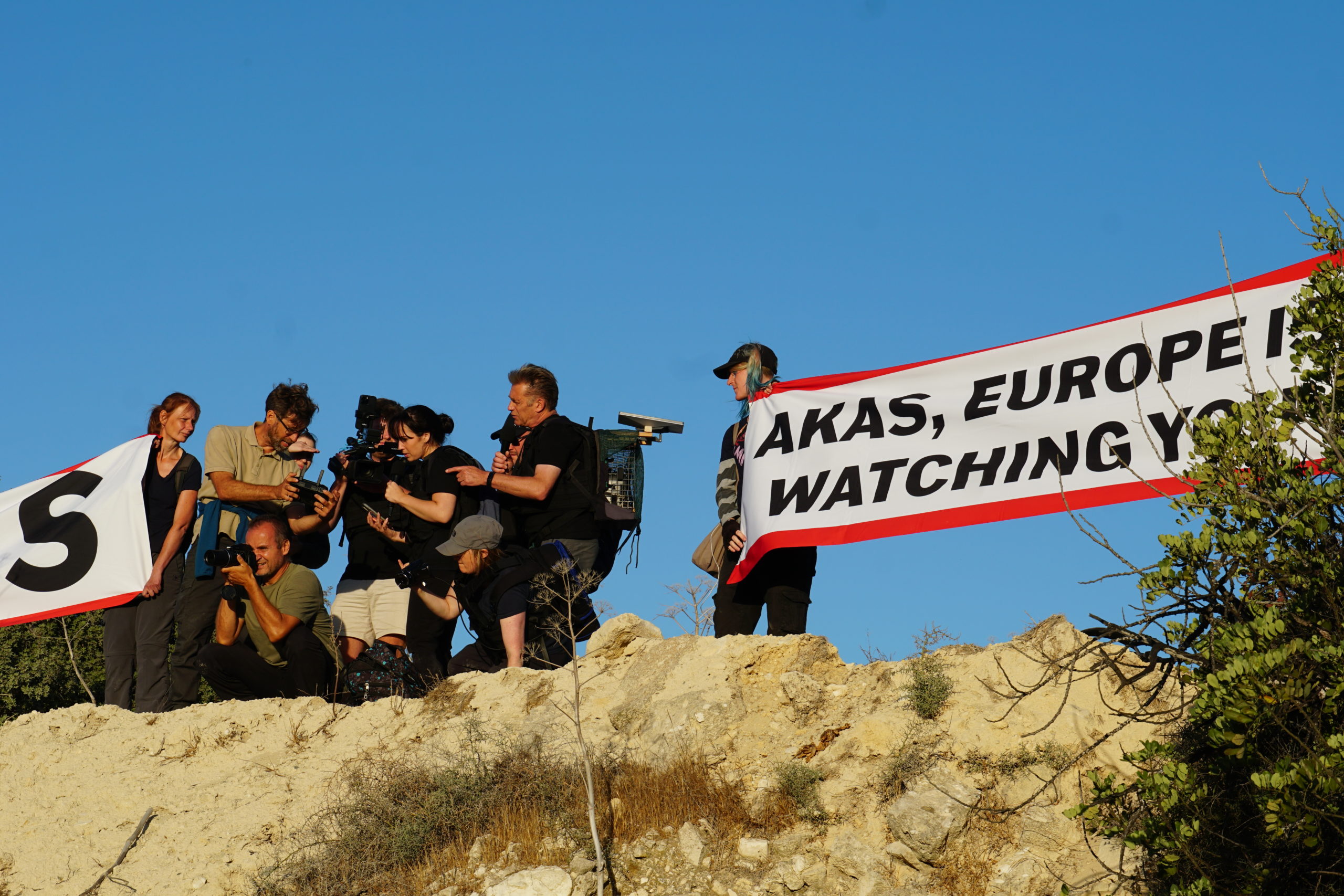
    The focus of the campaign against illegal bird trapping in Cyprus has intensified as BBC presenters Chris Packham and Megan McCubbin joined forces with the Committee Against Bird Slaughter (CABS) to shed light on the issue near Maroni.

    Photo: in-cyprus.philenews.com

    CABS has launched a mission dubbed “Occupy Akas” aimed at exposing what it alleges to be a large-scale operation of poaching at a site known as “Akas farm.” The organisation claims that this notorious location is responsible for the illegal trapping of approximately 30,000 protected birds annually, generating an illegal profit of about 180,000 euros.

    Photo: in-cyprus.philenews.com

    As part of their campaign, CABS began monitoring the area on Saturday, reporting the use of six nets by trappers at 6.30am. Activists witnessed the suspects freeing birds from the nets and attempting to remove equipment when they realised they were being observed. CABS General Secretary Alexander Heyd called the site “by far the worst black spot for illegal bird trapping in the whole European Union,” adding that on average, 500 birds are killed daily, with a staggering 1,000 killed on peak days.

    Despite the alarming reports, CABS alleges that Cypriot authorities have largely failed to take effective action. According to the organisation, police typically conduct only one visit per trapping season and impose what they describe as “laughable” fines in comparison to the profits made by poachers. Heyd noted that from the hills above, activists can see numerous illegal mist nets and hear tape lures playing loudly every night, while thousands of dead birds are removed from the farm.

    During the monitoring operation, CABS contacted police about the ongoing activities but received a response stating that officers could not intervene. This has raised concerns about the apparent obstruction of justice by public officials, as CABS has repeatedly reported these illegal activities without seeing significant action taken.

    Cyprus has faced longstanding criticism from environmental groups regarding its handling of bird trapping. The European Commission has previously initiated legal actions against the country for inadequate enforcement of wildlife protection laws. The issue of bird trapping remains a contentious topic, with reports of violence against activists who challenge these illegal practices.

    Previous incidents have raised safety concerns for CABS activists. After reporting a suspected gang member involved in illegal trapping, one police officer was allegedly assaulted by the gang leader, with no charges filed afterward. Additionally, an explosive device was reported to have damaged the windshield of a CABS vehicle, leading the organisation to request security protection for their teams amid fears for their safety during monitoring operations.

    The involvement of well-known figures like Packham and McCubbin, who provided live coverage of the campaign on social media, has helped to draw attention to the situation. The combination of celebrity support and grassroots activism aims to bring the illegal practices to the forefront of public consciousness and pressure authorities to act decisively against the poachers.

  • Cyclomedia Enhances Urban Planning with Advanced Digital Insights

    Cyclomedia Enhances Urban Planning with Advanced Digital Insights

    Cyclomedia is revolutionising urban planning by providing detailed digital insights that allow officials to assess city infrastructure without leaving their desks. This innovative technology has already proven invaluable in Cypriot cities like Nicosia and Paphos, where managing urban roads and planning infrastructure upgrades have become more efficient.

    Cyclomedia: Transforming Decision-Making for Safer Cities

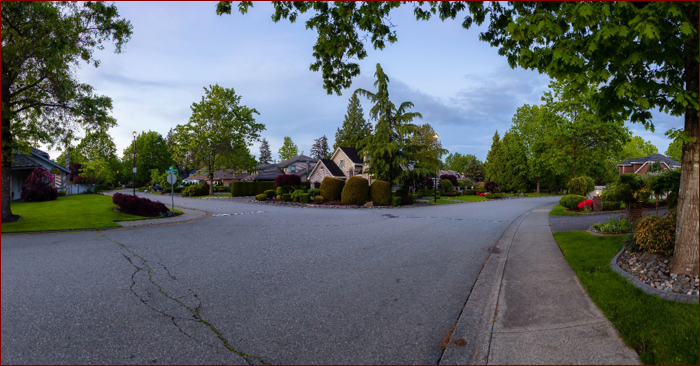
    Municipalities across Europe and the United States have long turned to Cyclomedia’s street-level data to optimise city management. The platform delivers ultra-precise 360° street-level imagery and LiDAR data, tailored specifically for governments, municipalities, and large infrastructure operators. The focus is clear: smarter decision-making leads to safer streets and more effective project planning.

    Key Benefits for Cypriot Municipalities

    • Conduct remote inspections of roads, sidewalks, signage, lighting, and vegetation.
    • Enhance traffic safety through analysis of hazardous intersections and poorly marked lanes.
    • Prioritise public space maintenance more efficiently.
    • Support environmental goals with accurate tree and surface mapping.
    • Accelerate permit processing by providing visual context for planners and stakeholders.

    This kind of digital insight becomes especially crucial when resources are limited, allowing local governments to make informed decisions that can significantly impact urban living.

    Supporting Cyprus’s Digital Evolution

    As Cyprus continues to digitise its government services—evidenced by the rise of platforms like gov.cy—Cyclomedia fits seamlessly into this modern, digital-first approach. By integrating its technology into GIS platforms and urban planning software, Cyclomedia enables city officials to respond to citizen reports, such as damaged sidewalks or inadequate lighting, with remarkable speed.

    This efficiency is not merely about saving time; it’s about leveraging better data to make decisions that inspire trust and confidence among the public. Improved communication between local governments and citizens is vital, and Cyclomedia’s realistic imagery enhances transparency.

    Adapting to Seasonal Tourist Influx

    Tourism plays a significant role in Cyprus, with cities like Ayia Napa and Larnaca seeing a surge of visitors each summer. This influx places additional stress on infrastructure and public services. Cyclomedia’s detailed data offers local governments a clearer perspective of on-ground conditions, even during peak tourist seasons.

    Optimising Infrastructure for Tourists

    • Plan pedestrian and traffic flows effectively around beaches and popular attractions.
    • Monitor wear and tear on public facilities due to increased seasonal usage.
    • Deploy waste services and maintenance crews strategically to meet higher demand.
    • Ensure that signage and safety measures are adequate to handle temporary surges in visitors.

    In tourist-heavy areas, even minor adjustments—like relocating a crosswalk or adding shade to public spaces—can significantly enhance the visitor experience. Cyclomedia provides planners with the necessary insights to implement these changes swiftly and effectively.

    Enhancing Public Engagement and Trust

    Effective communication between government officials and citizens is crucial in modern urban management. Cyclomedia’s high-quality imagery helps local authorities share plans, articulate changes, and invite community feedback in a visually engaging manner. This clarity fosters greater buy-in from residents and improves coordination between public and private entities.

    The Urgency for Adoption in Cypriot Cities

    As urban populations in Cyprus grow, so do the demands on infrastructure. Local governments face the challenge of maintaining aging systems while ensuring that public spaces remain safe, green, and accessible. With resources often stretched thin, the time has come for municipalities to embrace data-driven city planning.

    Cyclomedia’s technology represents a proactive approach to urban management, enabling officials to see, understand, and address issues effectively. From enhancing urban safety to promoting sustainable development, access to quality street-level data is now an essential tool for city planners.

    Whether it’s modernising traffic flow in Nicosia or upgrading infrastructure in rural areas, Cyclomedia equips local governments with the insights necessary to make informed decisions swiftly. The future of urban living in Cyprus depends on the integration of smart technology into everyday planning processes.

  • Bicommunal — Bicommunal Women’s Group Advances Tree Planting in the Buffer Zone

    Bicommunal — Bicommunal Women’s Group Advances Tree Planting in the Buffer Zone

    A series of environmental projects spearheaded by a bicommunal women’s group will see tree planting and seed sowing continue within the UN-patrolled buffer zone throughout September. This initiative aims to transform the buffer zone, historically a symbol of division, into a vibrant area of unity and environmental stewardship.

    Bicommunal: Planting Olive Trees as a Symbol of Peace

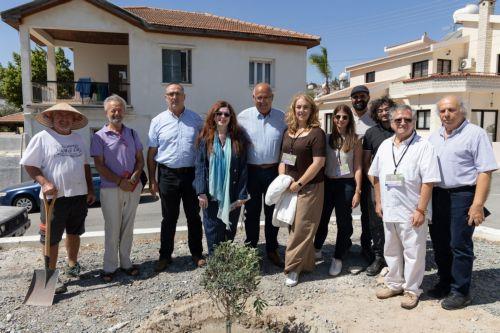
    The project commenced with the planting of an olive tree in Pyla on Friday, a gesture dedicated to the memory of the missing individuals from both communities. The olive tree, recognised globally as a symbol of peace, marks the beginning of a collaborative effort to foster hope and connection.

    Creating a Legacy of Unity

    Petra Terzi, head of the Women in Film and Television chapter, one of the participating organisations, emphasised the significance of this project. “The buffer zone, which for decades has been a symbol of division, can become a green spot, a place of hope and a legacy of unity,” she stated. Through these actions, the group aspires to cultivate an environment where future generations can thrive without the barriers of walls and fear.

    Community Collaboration for Environmental Initiatives

    Munnever Ebedi, representing the Lefka Environmental Promotion Association, echoed Terzi’s sentiments by highlighting the importance of bicommunal environmental actions. “These initiatives promote cooperation between communities and represent a tangible step towards peace,” Ebedi remarked. The collaborative spirit of the project aims to bridge gaps and foster understanding between the communities involved.

    Choosing Flora for a Sustainable Future

    As part of the initiative, the group has selected trees and seeds that are native to Cyprus and resilient to local weather conditions, particularly in light of the ongoing water shortages affecting the island. This careful selection underscores a commitment to sustainability and environmental resilience, ensuring that the plants not only survive but thrive in their new environment.

    Upcoming Conference to Foster Dialogue

    In conjunction with the planting activities, a two-day conference is scheduled for September 22-23 at Ledra Palace. This event will gather academic activists from Cyprus and abroad, along with members of the Bicommunal Technical Committees for Gender, Environment, and Education. The conference aims to facilitate dialogue and exchange ideas on environmental issues while promoting gender equality and education.

    Funding and Support for the Project

    The tree planting initiative is part of the “Cyprus Women Environmental Peacemakers – CWEP” project, which is funded by the European Union. The EU has contributed €7,000 under its assistance programme for the Turkish Cypriot community, showcasing support for projects that aim to foster peace and cooperation in the region.

    Impact on Local Communities and Future Generations

    As the bicommunal women’s group continues its efforts, the impact on local communities is expected to be profound. By engaging in these environmental projects, participants not only contribute to the beautification of the buffer zone but also promote a culture of collaboration and peace. The hope is that this initiative will inspire future generations to maintain the spirit of unity and coexistence.

    Looking Ahead: A Greener Future

    The ongoing commitment to these environmental projects highlights a shared vision for a greener future in Cyprus. By transforming areas historically marked by division into spaces of cooperation and growth, the bicommunal women’s group is paving the way for a legacy that can transcend current divides.

  • School walkouts: Teens Stage Walkouts Over School Conditions, Nationwide Action Planned

    School walkouts: Teens Stage Walkouts Over School Conditions, Nationwide Action Planned

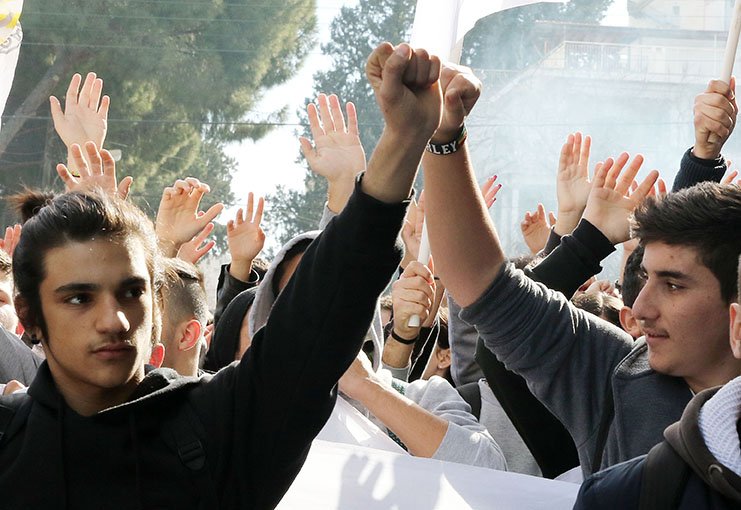
    school walkouts — school walkouts — Students at Polis Chrysochous gymnasium and Kykoss A lyceum in Nicosia have staged walkouts in protest of unbearable classroom conditions, caused by broken fans and malfunctioning air conditioning units. The teens expressed their frustration on Friday at 10am, with the students’ association Psem asserting that they are “not second-class pupils” and deserve better facilities.

    Reports from television channel Alpha indicate that complaints about the state of schools are frequent, with many students and teachers in the Paphos district describing the situation as “unbearable.” One spokesperson highlighted that although air conditioning units have been installed, the electrical systems in many schools are inadequate, unable to handle the load required to operate them effectively. This has led to issues where turning on the units trips the fuse switch, leaving classrooms excessively hot.

    Psem has announced plans for a nationwide walkout on Monday, highlighting that in numerous schools, not only are the air conditioning units ineffective, but the fans that previously provided relief have also been removed. “Instead of taking two steps forward regarding the conditions of our education, we have taken two steps back,” the association lamented. They further noted that the infrastructure in many schools is in dire straits, with reports of frequent power outages and even plaster falling from classroom ceilings. The association stressed that it is fortunate that no injuries have yet occurred among students or staff.

    The Ministry of Education has responded to the planned walkout, characterising it as “truly surprising and puzzling.” They pointed out that for the first time, the government has committed to installing and operating air conditioning units in all schools at every level. The ministry expressed that it is unthinkable to continue the outdated policies of the past that deprived students of basic wellbeing.

    In their statement, the ministry cautioned that the upcoming walkout could negatively impact students themselves, emphasising the need for collaboration between pupils, parents, and teachers to ensure that the necessary improvements can be carried out smoothly. They reassured that their doors remain open for discussions on any concerns.

    This wave of protests follows a similar incident earlier in the week, where students at Makarios III high school in Larnaca staged a one-hour sit-in to protest ongoing power outages linked to their school’s outdated electrical system. Students and parents there reported that the issues stemmed from an inability of the existing infrastructure to support modern demands, resulting in classrooms that are often unbearably hot and without proper airflow.

  • Daily Reprocessing of Desalinated Water Due to Pipeline Shortages

    Daily Reprocessing of Desalinated Water Due to Pipeline Shortages

    Every day, 60,000 cubic metres of desalinated water are re-processed instead of reaching the general water supply, according to Akis Kikas from the Audit Office. This revelation was shared during a meeting with MPs on Thursday, highlighting significant inefficiencies in Cyprus’s water management.

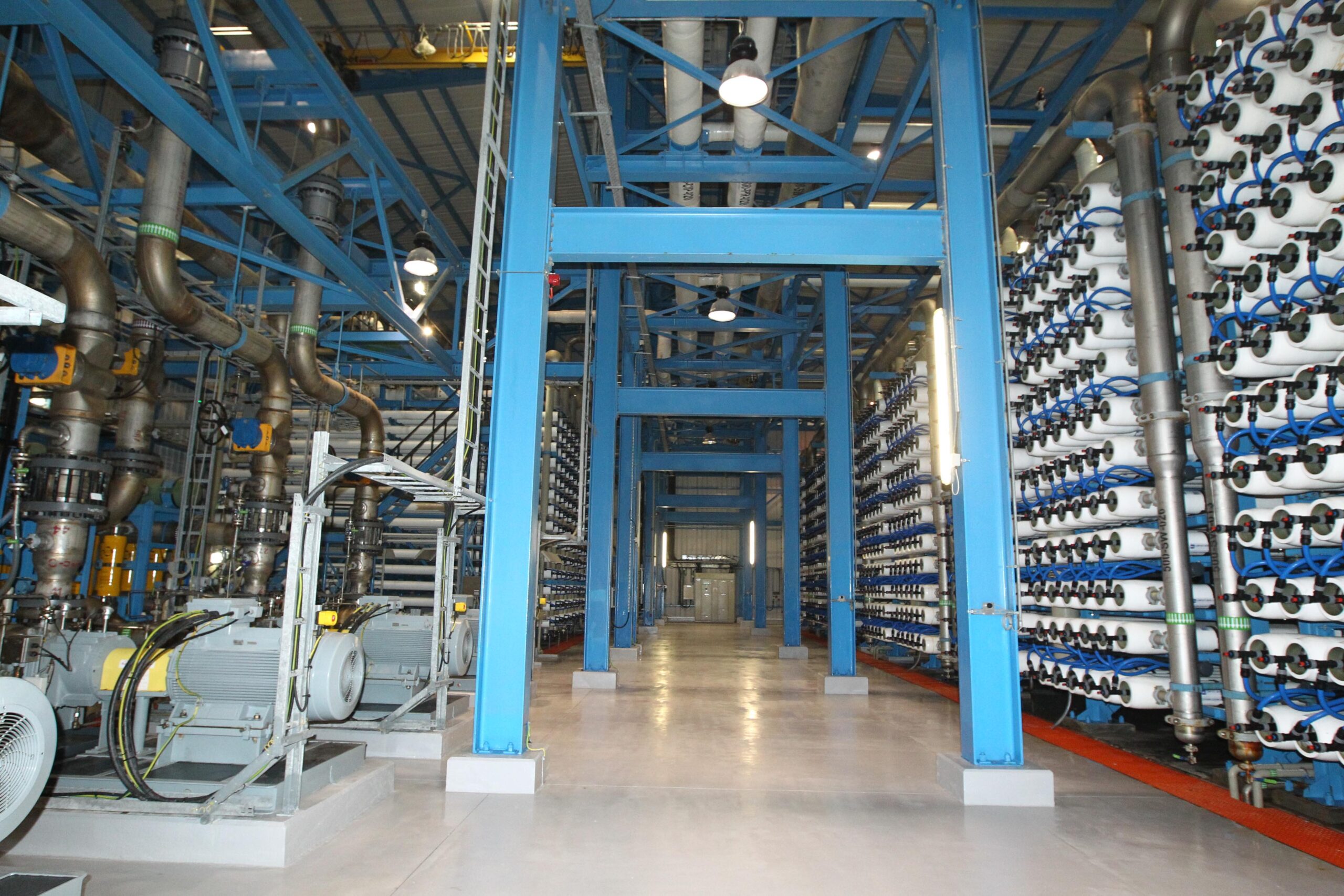
    At the facilities of the Electricity Authority of Cyprus in Vasiliko, the desalination process generates a substantial amount of water. However, due to inadequate pipeline infrastructure, this water is diverted to the southern conveyor, the island’s largest water development initiative.

    The southern conveyor is designed to collect excess water from the southwest of Cyprus, transferring it to regions in need for irrigation and domestic use. Unfortunately, this diversion leads to the desalinated water mixing with dirt, necessitating further cleaning at a refinery in Tersefanou. As a result, consumers end up paying twice for the same water.

    Kikas noted that this has been an ongoing practice for the past decade, although he clarified that only a small percentage of the total desalinated water is affected by the pipeline issues. The Audit Office is currently preparing a report on the management of the island’s water resources, with publication expected by the end of the month.

    During the same meeting, Kikas raised concerns about 15 privately-owned dams that fail to meet legal safety standards. Among the most hazardous are the dams at Tamasos, Yermasoyia, and Polemidia. The House audit committee gathered to address the maintenance of these dams, with MPs expressing alarm over the shortage of qualified engineers available for necessary repairs.

    Adding to the urgency of the situation, parliamentarians pointed out the critically low water levels in the dams amid ongoing drought conditions. The Kouris dam, the largest on the island, is currently at just 12 per cent of its capacity, while Asprokremmos and Evretou dams sit at 11.5 per cent and 14 per cent, respectively.