Blog

  • Lost at Sea: Man Rescued Off Limassol

    Lost at Sea: Man Rescued Off Limassol

    lost at — A man was rescued from the sea off Limassol after the Joint Rescue Coordination Centre launched an emergency search and rescue plan named Nearchos.

    • lost at — A man was rescued from the sea off Limassol after the Joint Rescue Coordination Centre launched an emergency search and rescue plan named Nearchos.

    The operation was initiated at 2.20 pm in the Ayios Georgios Alaminou area, involving multiple agencies. Teams from the port and naval police, alongside the navy’s underwater disasters unit, joined forces with a helicopter to locate the individual.

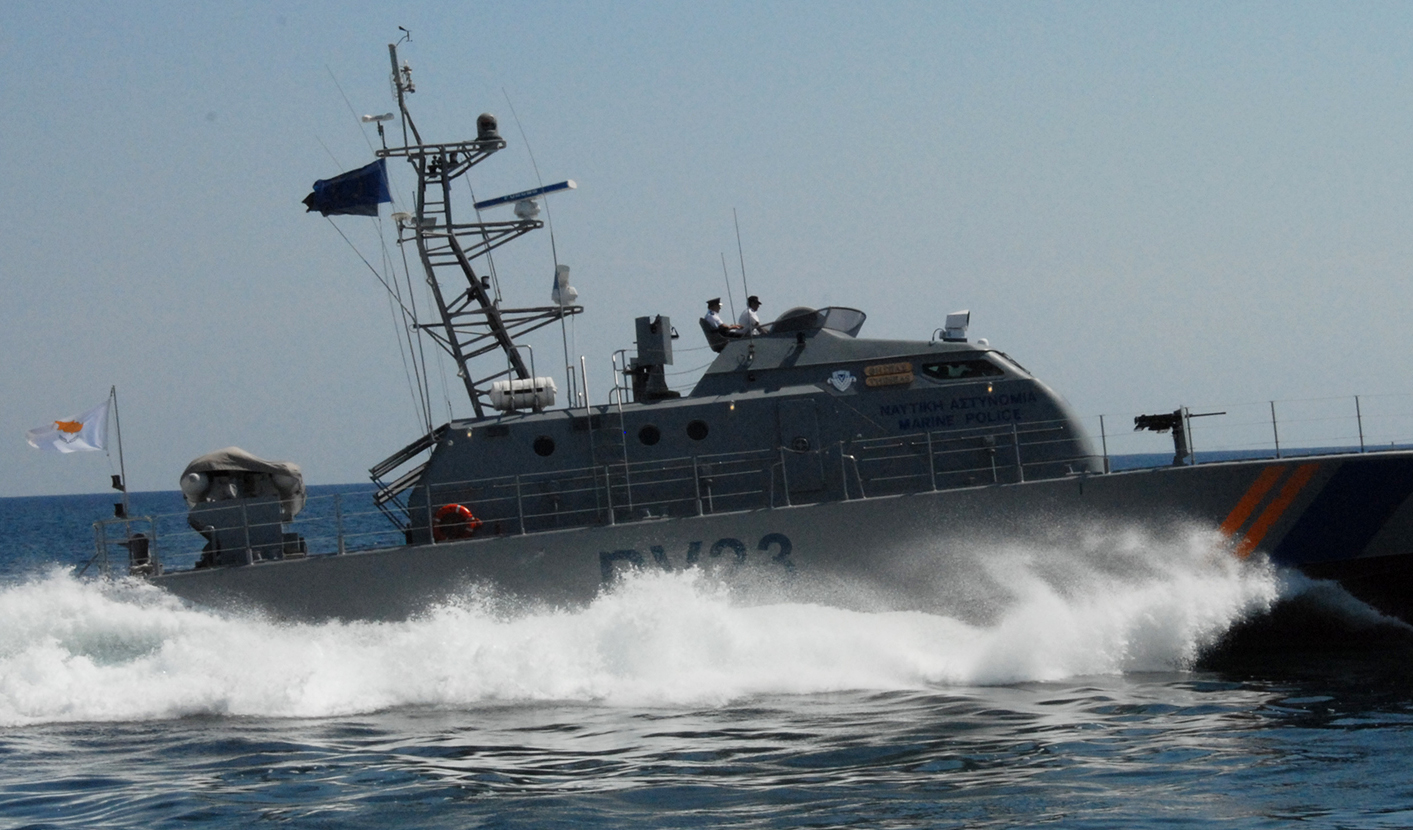
    By 3.30 pm, the efforts bore fruit as the person was identified and successfully pulled from the water by a crew aboard a port police boat. Following the rescue, he was handed over to the ambulance service for medical examinations, ensuring he received the necessary care after his ordeal.

  • Cypriots tanzania: Efforts Underway to Bring Home Cypriots Stranded in Tanzania

    Cypriots tanzania: Efforts Underway to Bring Home Cypriots Stranded in Tanzania

    cypriots tanzania — cypriots tanzania — Efforts are ongoing to bring home 22 Cypriots trapped in Tanzania, as confirmed by ministry spokesman Theodoros Gotsis on Sunday. Among them are 14 teenage students from a private school in Nicosia, who were in the country for a volunteer programme. They are currently accompanied by four adults.

    Gotsis assured that the group is safe, being located far from any areas of unrest. The foreign ministry has been in regular contact with the parents of the students to provide updates on their situation.

    To facilitate the safe return of those stranded in Tanzania, the Cypriot authorities are coordinating with the UNHCR in Nairobi. They are also reaching out to the EU delegation in Tanzania to assist in the repatriation process.

    In light of the ongoing unrest in the region, Gotsis has urged any other Cypriots currently in Tanzania to make contact with the authorities. The foreign ministry issued a travel advisory last Friday, warning Cypriots to exercise caution if travelling to Tanzania due to the volatile situation.

    Citizens in Tanzania have been advised to reach out for assistance through the contact numbers provided in the advisory. The high commission in Kenya can be reached at +254 111051430, while the ministry in Cyprus can be contacted at +357 22 651113, +357 22 801000, or +357 97 775998. Cypriots are also encouraged to register with the online platform Connect2CY to ensure they stay connected while abroad.

  • Cyprus and Greece: Pillars of Stability in the Eastern Mediterranean

    Cyprus and Greece: Pillars of Stability in the Eastern Mediterranean

    Cyprus and Greece are described as pillars of stability in the Eastern Mediterranean by Greek Prime Minister Kyriakos Mitsotakis during his recent visit to Nicosia. Speaking at a memorial service for former President Glafcos Clerides, Mitsotakis highlighted the importance of responsibility and realism in patriotism while reflecting on Clerides’ significant contributions to the Cyprus problem.

    Cyprus and: A Call for Responsible Patriotism

    During the service, which was led by Archbishop Georgios, Mitsotakis emphasised the need for a patriotism grounded in responsibility, realism, and results. This sentiment echoes a call for a collective approach to the challenges faced by both nations, especially concerning the ongoing issues surrounding Cyprus.

    Reflecting on Clerides’ Legacy

    Clerides, the founder of the Democratic Rally (Disy), played a crucial role in addressing the Cyprus conflict. Mitsotakis noted that the former president’s experiences over the decades serve as a vital lesson: stagnation can lead to regression. He warned that the false bravado associated with contemporary pseudo-patriotism often conceals future failures.

    Commitment to Cooperation

    Reaffirming the solidarity between Athens and Nicosia, Mitsotakis pointed out the recent resumption of informal discussions regarding the Cyprus issue after a prolonged period of stagnation. He stressed that the Greek government is firmly aligned with the government of Cyprus, advocating for the existing framework of UN resolutions that promote political equality, sovereignty, and citizenship.

    Rejecting the Two-State Solution

    In his speech, Mitsotakis firmly rejected any arguments in favour of a two-state solution, describing such proposals as unacceptable. He reiterated that constructive dialogue and active diplomacy are essential for achieving positive outcomes in the region.

    Economic Growth and Energy Initiatives

    Mitsotakis further highlighted that both Cyprus and Greece are not only stabilising forces but also rapidly developing economies that are outpacing the European average. He noted their efforts in reducing national debt and contributing to the formation of a new energy landscape in the Eastern Mediterranean through significant electrical interconnection projects.

    Honouring Distinguished Guests

    The memorial service was attended by several notable figures, including Disy leader Annita Demetriou, former President Nicos Anastasiades, and former Disy leader Averoff Neophytou. President Nikos Christodoulides was represented by Interior Minister Constantinos Ioannou, underscoring the importance of unity among political leaders in addressing the challenges facing Cyprus.

    The Way Forward

    Mitsotakis’ remarks serve as a reminder of the ongoing commitment required from both nations to navigate the complexities of the Cyprus situation and uphold their roles as beacons of stability in the region. As discussions progress, the emphasis on collaboration and active diplomacy will be critical in shaping a peaceful and prosperous future for Cyprus and Greece.

  • Cloud Seeding Considered as Cyprus Faces Water Crisis

    Cloud Seeding Considered as Cyprus Faces Water Crisis

    Cloud seeding is being examined as a potential solution to alleviate water scarcity in Cyprus, which is bracing for a fourth consecutive winter of drought. The agriculture ministry has acknowledged the dire situation, with the island’s dams currently holding only 11 per cent of their capacity, raising urgent concerns about the future of water supply.

    Photo: cyprus-mail.com

    Urgent Call for Action

    Kleanthis Nicolaides, the former head of the meteorology department, has been vocal in advocating for cloud seeding as an alternative to manage the escalating water crisis. He has highlighted the alarming lack of rainfall this October, which has left the dams critically low and prompted discussions about the potential of weather modification technologies.

    Photo: cyprus-mail.com

    Assessing the Current Drought Situation

    The gravity of the drought was underscored by Nicolaides, who suggested that official figures may misrepresent the true condition of the reservoirs, stating that sediment accumulation in the dams is likely leading to inaccurate capacity measurements. “The situation is worse than what the official data shows,” he remarked, reinforcing the need for immediate action.

    Exploring Cloud Seeding

    Cloud seeding involves dispersing substances into the atmosphere that can act as cloud condensation or ice nuclei. Common agents include silver iodide and potassium iodide, with hygroscopic materials like table salt gaining attention for their moisture-attracting properties. While the technology has shown promise, its effectiveness remains a topic of debate.

    Nicolaides acknowledged that while cloud seeding is not a silver bullet, it warrants exploration given the severe circumstances. “In these desperate times, the government should explore the option,” he stated. He also described the operational aspects of cloud seeding, which may require aircraft equipped with specialized equipment to disperse the substances effectively.

    Potential Costs and Agricultural Impact

    The agricultural sector is already feeling the pressure, with the Water Development Department advising farmers to refrain from planting seasonal crops. This has resulted in reduced availability of staple items like lettuce and potatoes, leading to anticipated price increases. “Lack of water means agricultural products will go up in price,” Nicolaides warned, highlighting the broader economic implications of water scarcity.

    Historical Context of Cloud Seeding in Cyprus

    Reflecting on past efforts, Nicolaides recalled that Cyprus had previously experimented with cloud seeding during a drought in the early 1970s. However, the results of those initiatives were never fully assessed due to the outbreak of war in 1974. “This was done over a period of a couple of years, but the results were never properly evaluated,” he noted.

    Government Considerations

    The government has been exploring the feasibility of cloud seeding, with the meteorology department confirming that it is closely monitoring international developments in weather modification technologies. Philippos Tymvios, the current director of the meteorology department, stated that proposals for cloud seeding have been submitted by at least two private companies. “All proposals are being reviewed carefully, with the guidance of independent scientific experts,” he added.

    While there is no operational cloud seeding programme currently in place, Tymvios indicated that the government is considering all scientifically credible options to address the long-term water scarcity affecting Cyprus. “Any future initiative would be based on robust scientific evidence and full alignment with public interest safeguards,” he assured.

    Challenges and Future Directions

    Despite the interest in cloud seeding, there are significant challenges to its implementation. A study by the United States National Academy of Sciences has cast doubt on the effectiveness of cloud seeding, failing to find statistically significant evidence to support its impact on precipitation. Similarly, a 2010 study from Tel Aviv University indicated that traditional cloud seeding materials may have little effect on rainfall amounts.

    As the debate continues, Nicolaides emphasised the need for a comprehensive cost-benefit analysis to evaluate potential methods for enhancing rainfall. He noted that with the dams nearly empty, Cyprus increasingly relies on desalination and boreholes for its water supply, which further complicates the issue. “Desalination is no fix-all,” he cautioned, underscoring the urgency of the situation.

    Looking Ahead

    With Cyprus facing a critical juncture in its water management strategy, the exploration of cloud seeding and other innovative solutions will be essential in tackling the ongoing drought. As the government weighs its options, the experiences of other countries that have successfully implemented weather modification technologies may provide valuable insights. The path forward will require careful consideration, transparency, and collaboration with scientific experts to ensure any initiatives align with the public’s best interests.

  • Economic Sentiment in Cyprus Sees Positive Shift

    Economic Sentiment in Cyprus Sees Positive Shift

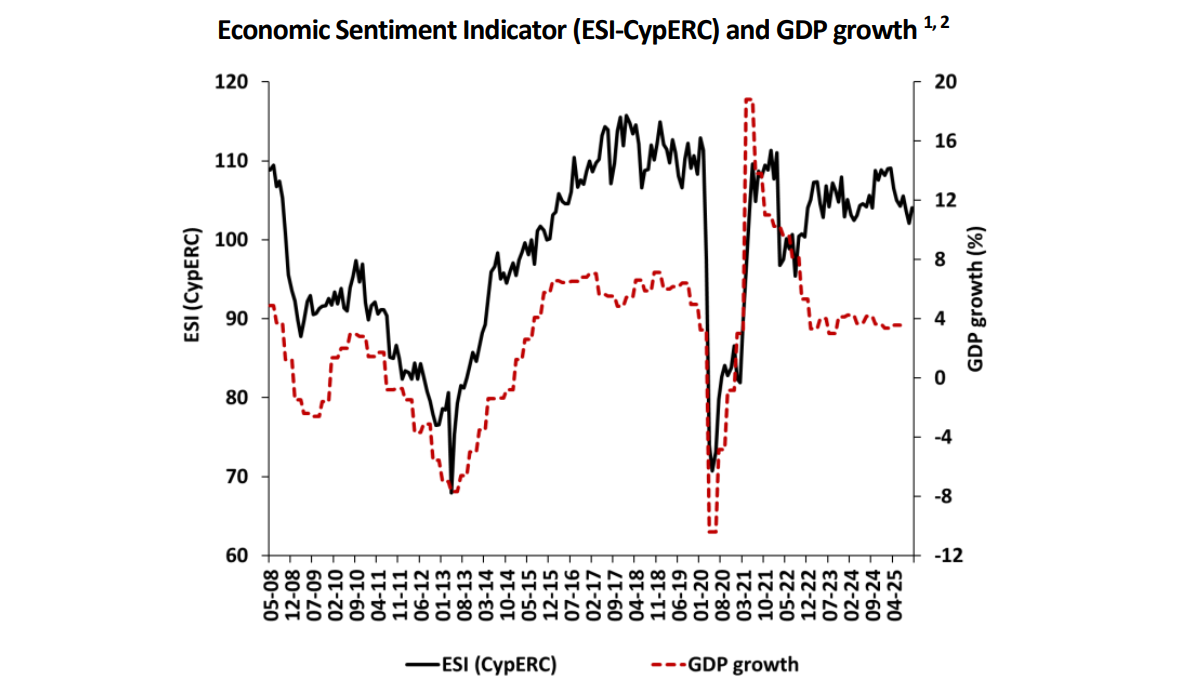
    Economic sentiment in Cyprus recovered in October, with the Economic Sentiment Indicator (ESI-CypERC) rising by 2.0 points. This increase follows a downturn in September, when the indicator fell to 102.1 from 103.7 in August.

    Photo: financialmirror.com

    • Similarly, the Construction Confidence Indicator also rose, buoyed by better order book levels and a positive shift in employment expectations among firms in this sector.
    • The Industry Confidence Indicator experienced a small decrease, primarily due to less favourable assessments regarding current order books and lowered production expectations.
    • Furthermore, expectations regarding the overall economic conditions in Cyprus have also deteriorated among consumers, reflecting a more cautious outlook.
    • The report from the University of Cyprus highlights these mixed signals in economic sentiment, indicating a complex landscape as the nation navigates its recovery.

    Economic sentiment: Business Confidence on the Rise

    The Economics Research Centre of the University of Cyprus attributes the uptick in overall economic sentiment to a rebound in business confidence, particularly within the services and construction sectors. These areas had previously experienced significant declines over the last two months.

    Improvements in Services and Construction

    In October, the Services Confidence Indicator saw a notable increase, reversing the downward trend of the last two months. This improvement was driven by enhanced assessments of the recent business situation and more optimistic views on past and expected turnover.

    Similarly, the Construction Confidence Indicator also rose, buoyed by better order book levels and a positive shift in employment expectations among firms in this sector.

    Retail Trade and Industry Indicators Shift

    <pConversely, the Retail Trade Confidence Indicator recorded a decline. This drop was attributed to deteriorating views on recent sales and stock levels, alongside further downward revisions in sales expectations.

    The Industry Confidence Indicator experienced a small decrease, primarily due to less favourable assessments regarding current order books and lowered production expectations.

    Consumer Sentiment Takes a Hit

    While business confidence has improved, the Consumer Confidence Indicator saw a decline in October, reversing the positive trend of the previous two months. Consumers reported a worsening assessment of their financial situations and a weaker intent to make major purchases.

    Furthermore, expectations regarding the overall economic conditions in Cyprus have also deteriorated among consumers, reflecting a more cautious outlook.

    Economic Uncertainty Eases

    <pOn a more positive note, the Economic Uncertainty Indicator decreased to 11.7 points in October, down from 15.8 in September. This decline suggests a reduction in business uncertainty across most sectors, with the exception of industry, where uncertainty rose slightly. Although consumer uncertainty did increase, it remains relatively low across all income groups.

    The report from the University of Cyprus highlights these mixed signals in economic sentiment, indicating a complex landscape as the nation navigates its recovery.

  • Police Conduct Anti-Poaching Raids, Seizing Over 1,000 Dead Wild Birds

    Police Conduct Anti-Poaching Raids, Seizing Over 1,000 Dead Wild Birds

    Police have seized over 1,000 dead wild birds in a significant anti-poaching operation across Cyprus. Coordinated raids on Friday involved the Game and Fauna Service officers and targeted specific individuals linked to illegal wildlife activities.

    Photo: in-cyprus.philenews.com

    Wild birds: Coordinated Efforts Yield Substantial Results

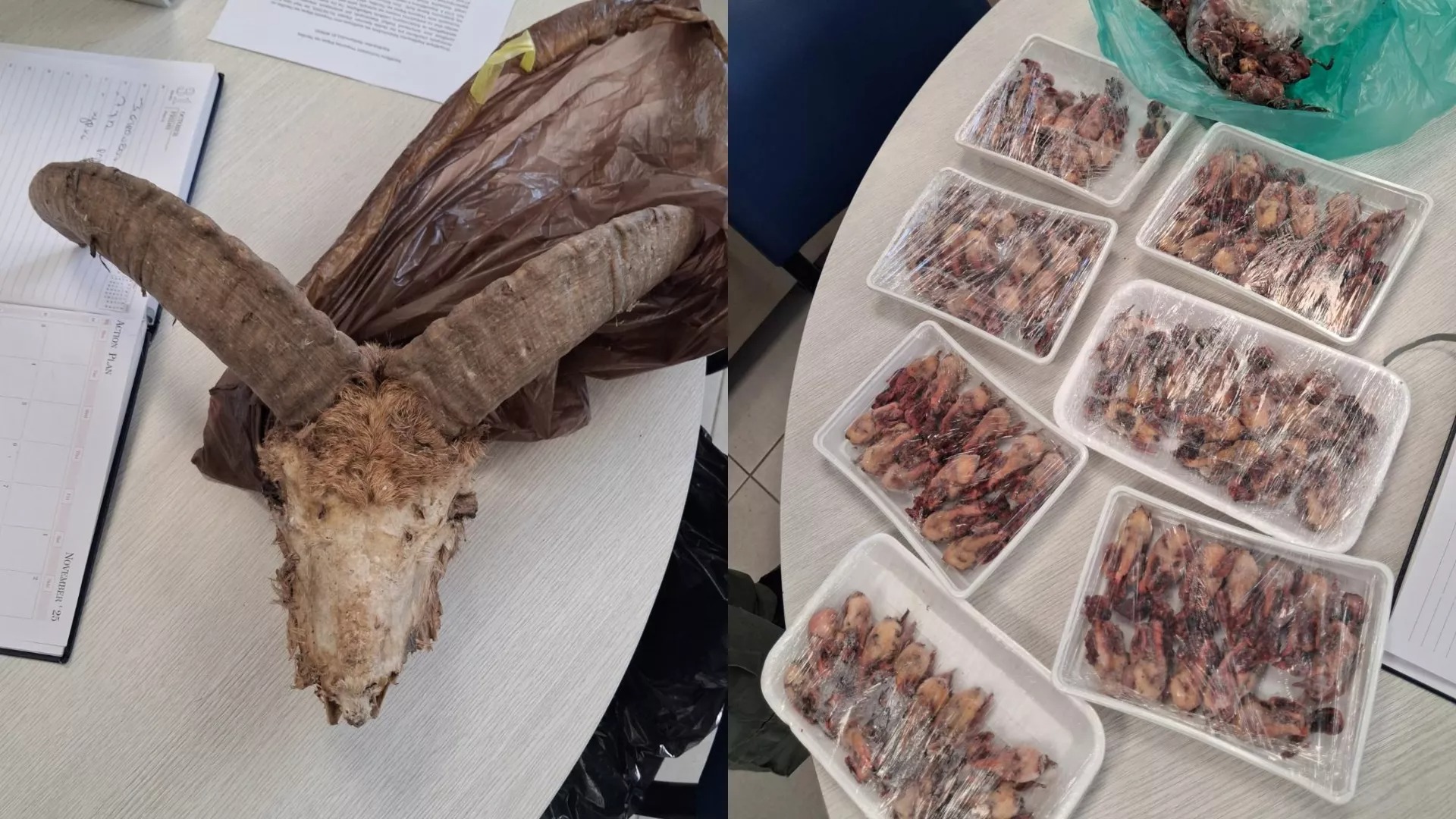
    During the operation, which executed seven search warrants—five in the Nicosia district and two in Limassol—officers uncovered a staggering 1,008 dead wild birds. The raids were part of a broader effort to combat poaching and protect the country’s wildlife.

    Photo: in-cyprus.philenews.com

    Items Confiscated in the Raids

    In addition to the wild birds, authorities confiscated two moufflon skulls, three dead hares, seven dead partridges, and five dead francolins. The operation also resulted in the seizure of four hunting weapons, one of which had been modified, along with 47 steel traps intended for capturing wild birds.

    Live Animals and Illegal Equipment Found

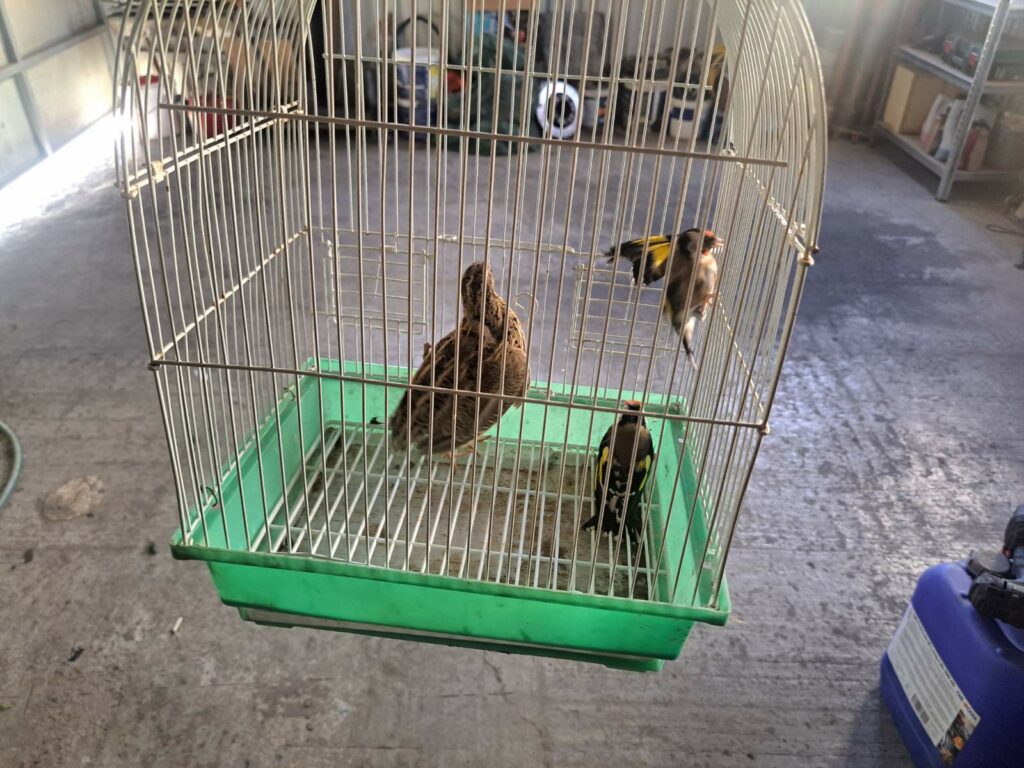
    Officers did not stop at dead animals; they also seized two live hares, three live wild birds, and one net used for trapping. Furthermore, a quantity of prohibited ammunition and three devices that emit wild bird calls were confiscated, highlighting the extent of illegal hunting practices in the region.

    Legal Action Following the Operation

    As a result of these coordinated efforts, five individuals have been charged. The Game and Fauna Service emphasised the importance of these operations in safeguarding Cyprus’s wildlife and enforcing conservation laws.

  • Larnaca Launches Door-to-Door Campaign to Tackle Mosquito Surge

    Larnaca Launches Door-to-Door Campaign to Tackle Mosquito Surge

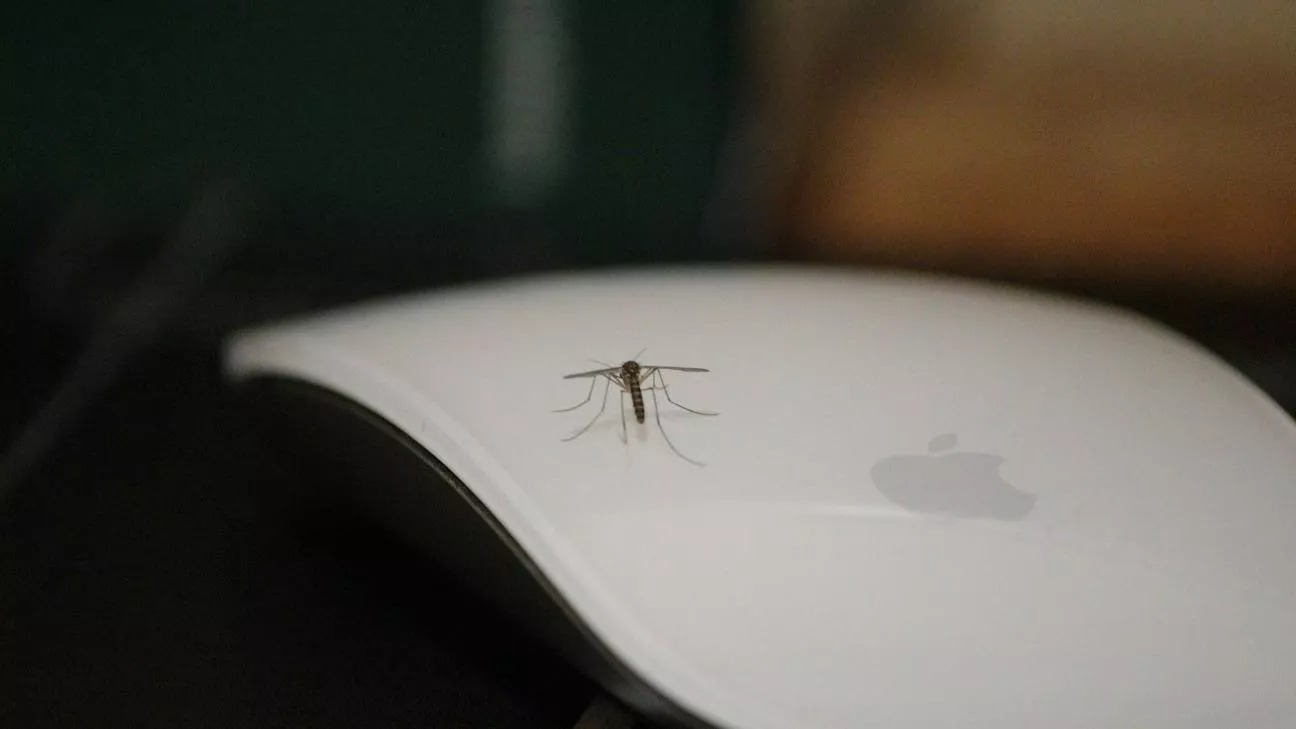
    mosquito surge — Larnaca municipality is actively addressing a surge in mosquito complaints through a door-to-door campaign in the Salt Lake area, where health officials have raised alarms about the presence of disease-carrying species in Cyprus.

    Mosquito surge: Municipal Efforts to Combat Mosquitoes

    The municipality’s Health Department is implementing a rigorous plan that includes spraying standing water, storm drains, and urban rivers every 10-12 days. This effort utilises biological insecticides that have been approved by the Ministry of Agriculture.

    Home Visits to Identify Breeding Sites

    Health teams from both municipal and provincial levels are visiting homes to help identify potential mosquito breeding sites and to educate residents about preventive measures. The department has noted that while standing water around the Salt Lake serves as a breeding ground for mosquitoes, spraying within the protected area itself is prohibited, with operations confined to the perimeter.

    Monitoring and Trapping

    To further combat the mosquito surge, the municipality has placed traps throughout the area. The Ministry of Health conducts regular checks to assess whether the mosquitoes pose a public health threat, testing samples to determine if disease-carrying species are present.

    In addition to common mosquitoes, residents report bites from sandflies, referred to as “silent mosquitoes,” along with other insects that thrive in trees, hedges, and decaying leaves.

    Identifying Home Breeding Sites

    The municipal Health Department spokesperson has indicated that the mosquito problem is exacerbated by two primary sources. Mosquitoes can breed inside homes, where authorities have identified common breeding sites including:

    • Plant pots
    • Exposed water containers
    • Old tyres
    • Small fountains

    “The campaign is year-round and covers the municipal districts under our jurisdiction, namely Livadia and Voroklini,” the spokesperson explained.

    Targeting Aedes Aegypti Species

    Health Ministry teams are conducting a focused door-to-door campaign aimed at the Aedes aegypti mosquito, educating the public on effective control measures. This species is particularly concerning due to its ability to transmit various infectious diseases.

    High-Risk Locations for Mosquito Breeding

    Municipal officials have pinpointed several locations that require special attention due to their potential for mosquito breeding:

    • Disused swimming pools
    • Old septic tanks not properly sealed
    • Construction site excavations
    • Old tyres and water storage barrels
    • Blocked storm drain grilles
    • Cemetery flower vases

    Disused swimming pools pose a major concern, while improperly sealed septic tanks create additional breeding grounds. Construction sites, too, can inadvertently contribute to the problem, especially if excavations collect water.

    Managing Tyre Risks

    Old tyres are particularly problematic, especially at outdoor tyre repair shops or garages. Authorities emphasise the importance of regularly removing tyres by licensed companies. If tyres are to remain on site for extended periods, they must be stored in covered areas to prevent rainwater accumulation.

    Flower Vases in Cemeteries

    Officials have also highlighted that cemetery flower vases can become breeding sites if water remains stagnant for long periods. Residents are advised to change the water in these vases every seven days to mitigate the risk.

    Health Risks Associated with Mosquitoes

    The mosquito species now identified in Cyprus are not just a nuisance; they can transmit serious infectious diseases to humans. These include:

    • Yellow Fever virus
    • Dengue Fever
    • Zika virus
    • West Nile virus

    As the mosquito situation escalates, public health officials are urging residents to remain vigilant and proactive in preventing mosquito breeding in and around their homes.

    Community Engagement and Support

    The municipality’s door-to-door campaign aims not only to inform residents but also to foster community engagement in combating the mosquito problem. Public cooperation is crucial in identifying and eliminating potential breeding sites.

    Officials encourage residents to report any issues they encounter, whether it be stagnant water or potential breeding grounds, to the municipality’s Health Department, ensuring a collective effort in managing this pressing public health concern.

  • Tychikos — Medical Examinations Conclude for Deposed Bishop Tychikos

    Tychikos — Medical Examinations Conclude for Deposed Bishop Tychikos

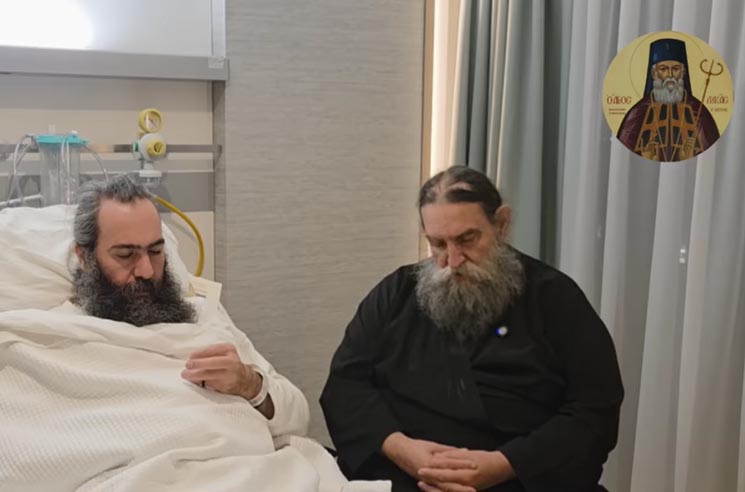
    Medical examinations of deposed Paphos bishop Tychikos have been completed, following his hospitalisation last week during his journey back to Cyprus from Istanbul. Tychikos had travelled to Istanbul to appeal against his dismissal at the Ecumenical Patriarchate of Constantinople.

    The priest accompanying Tychikos, known as Father Evangelos, reported to the Cyprus News Agency that doctors at the Onassis hospital in Athens recommended that he avoid mental stress. He noted that Tychikos’ health has improved and that he will consult with heart surgeons for further evaluation.

    According to Father Evangelos, if there are no serious health concerns, Tychikos plans to return to Cyprus. Prior to his hospitalisation, it was reported that he was experiencing health issues while travelling from Istanbul to Athens, prompting his admission to the hospital for a series of tests.

    Members of the Cyprus Holy Synod expressed concern about Tychikos’ condition, with assurances that they could contact his doctors for updates. However, Archdiocese of Cyprus press spokesman Christos Efstathiou indicated that the Holy Synod and Archbishop Georgios were not informed of Tychikos’ hospitalisation in a timely manner, and had they been, they would have contributed to his recovery.

    Tychikos’ visit to Istanbul was to contest the Holy Synod’s decision to relieve him of his duties, which was ratified by a vote of ten to six on May 22. This decision followed charges against him for breaches of church protocol, including displaying an uncanonised saint’s icon. His lawyer, Evangelia Poulla, condemned the decision as “unacceptable to say the least” and described it as “inconceivable,” noting that such an unjust ruling was unprecedented.

    On the other hand, Efstathiou remarked that the unanimous decision from the Ecumenical Patriarchate sent a clear message. Although Tychikos retains his title as a bishop of the Church of Cyprus, he has been stripped of his administrative responsibilities. Church secretary Georgios Christodoulou clarified that Tychikos remains a member of the Holy Synod.

    The tensions between Tychikos and the archbishop have been well-documented, particularly regarding Tychikos’ refusal to allow the relic of Apostle Paul’s skull to be brought from the Vatican City, based on his beliefs about Pope Francis. In the aftermath of Tychikos’ dismissal, Paphos mayor Phedonas Phedonos publicly shared grievances about the bishop’s conduct, describing it as “trying and unbecoming” for the municipality over the years. He recounted how Tychikos had taken the municipality to court without prior notice and had obstructed communications by locking offices and ignoring calls, attributing the behaviour to a “spiritual retreat.”

  • Cyprus Energy Minister Affirms Commitment to Great Sea Interconnector Project

    Cyprus Energy Minister Affirms Commitment to Great Sea Interconnector Project

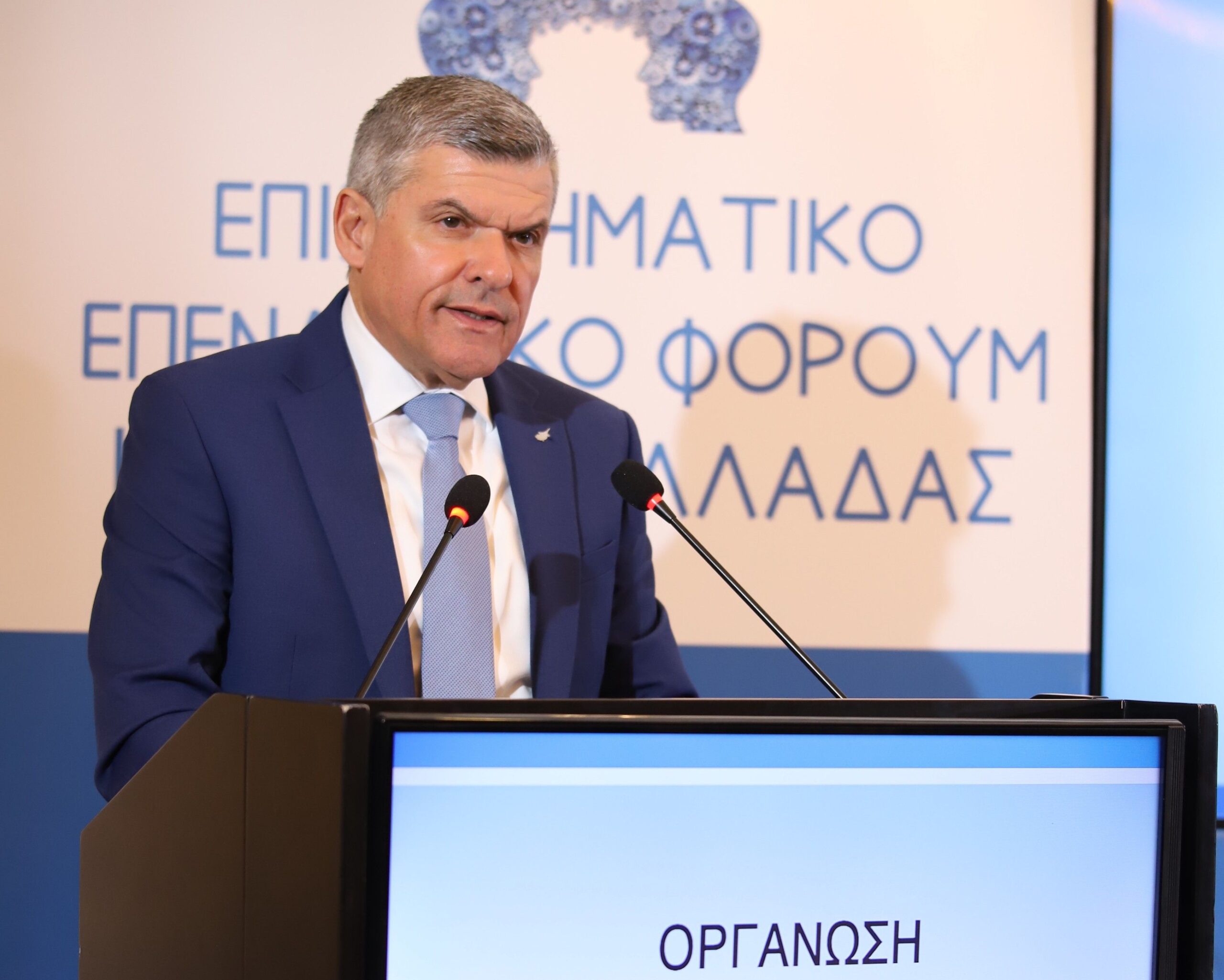
    The Great Sea Interconnector (GSI) remains a priority for the Cypriot government, according to Energy Minister George Papanastasiou, despite criticism regarding its financial viability.

    • The Great Sea Interconnector (GSI) remains a priority for the Cypriot government, according to Energy Minister George Papanastasiou, despite criticism regarding its financial viability.

    Minister’s Assurance Amidst Financial Concerns

    During an event in Paphos on Monday, Papanastasiou emphasised the need for Cyprus to maintain its focus on the GSI project. This statement came on the heels of remarks from Kyriacos Kakouris, the outgoing Vice President of the European Investment Bank (EIB), who labelled the project a “financial non-starter.”

    Defending the European Nature of the Project

    Papanastasiou countered the scepticism by highlighting that the GSI is a European initiative. He stated, “any commentary, from anyone else other than the European Commission, is superfluous,” indicating that outside opinions, including those from Greek and Cypriot officials, should be viewed with caution.

    Upcoming Meetings to Discuss the GSI

    The Energy Minister also confirmed that a crucial three-way meeting involving himself, his Greek counterpart, and the European Commissioner for Energy is scheduled for November 12 in Brussels. This follows an earlier teleconference on October 16, aimed at addressing concerns surrounding the GSI.

    The Great Sea Interconnector Explained

    The GSI is envisioned as a subsea cable that will connect the electricity grids of Cyprus and Greece. This interconnection is intended to bolster energy security and diversify energy sources for Cyprus, which is currently reliant on imported fuel.

    Financial Viability Under Scrutiny

    Kakouris raised several doubts about the GSI’s financial viability, stating that the EIB has yet to receive sufficient explanations from the Greek and Cypriot governments about how the interconnector fits into their broader energy plans. He expressed concern that the project, as it stands, does not appear to be viable based on existing regulatory decisions.

    He remarked, “On its own the project, based on the decisions of the regulatory authorities, appears not to be viable,” suggesting that additional political discussions are crucial to secure state support and guarantees, especially concerning geopolitical risks associated with the project.

    Escalating Costs and Consumer Concerns

    Compounding the challenges, Kakouris noted that the project’s costs have escalated significantly, with the initial estimate of €1.4 billion now deemed outdated. He warned that the cost of lending could effectively double the total financial outlay, extending repayment over a 20 to 25-year period. This raises questions about how these costs will affect electricity consumers in both Cyprus and Greece.

    According to Kakouris, clarity is needed regarding what consumers will be charged for the interconnector over time. The agreed reimbursement ratio dictates that two-thirds of the costs will fall on Cypriot consumers, while one-third will be the responsibility of Greek consumers. He insisted that there should be assurances that the charges do not outweigh the benefits.

    Political Reactions and Calls for Transparency

    The opposition party Akel has been vocal in its criticism of the government’s handling of the GSI project. They accused the administration of “speaking with a forked tongue” and failing to take decisive action to address the project’s viability.

    Akel has demanded immediate clarification from President Nikos Christodoulides regarding the absence of an official loan request to the EIB, the government’s intentions for potentially acquiring a stake in the GSI, and whether the project is considered financially sustainable.

    Looking Ahead

    As the scheduled meetings approach, the Cypriot government faces mounting pressure to provide clear answers and a viable path forward for the GSI. Papanastasiou’s steadfast commitment to the project suggests an unwavering belief in its potential benefits, despite the financial uncertainties that loom.

    Ultimately, the future of the Great Sea Interconnector hinges on successful negotiations, financial backing, and a transparent dialogue with consumers and stakeholders. The outcome will not only impact energy policy in Cyprus but also its relationship with Greece and the broader European energy landscape.

  • Assistance dogs — Cyprus Takes Steps to Ensure Legal Rights for Assistance Dogs

    Assistance dogs — Cyprus Takes Steps to Ensure Legal Rights for Assistance Dogs

    Cyprus is moving to guarantee the legal right for people with disabilities to use assistance dogs, addressing a significant gap in legislation that has left just three certified dogs in the country.

    • Cyprus is moving to guarantee the legal right for people with disabilities to use assistance dogs, addressing a significant gap in legislation that has left just three certified dogs in the country.

    During a recent meeting of the House Human Rights Committee, MPs highlighted the urgent need for legislation after learning that training costs can soar to €50,000. This financial burden, coupled with a lack of regulatory framework, has severely limited access to assistance dogs for those who need them most.

    Assistance dogs: Legislative Action on the Horizon

    The committee convened following a motion by MP Christos Senekis, which garnered broad political and institutional support for immediate action. Senekis stressed that the right to be accompanied by an assistance dog is already recognised under the UN Convention on the Rights of Persons with Disabilities, a treaty Cyprus ratified in 2011. However, the absence of specific laws for universal access in public and private spaces has left many individuals without the help they require.

    In collaboration with organisations such as the Cyprus Confederation of Disability Organisations (KYSOA) and the Pan-Cyprian Organisation of the Blind, Senekis is drafting a bill aimed at enshrining these rights in law. He referenced Greece, which has had a regulatory framework in place since 2010, and suggested that Cyprus could link the certification process to existing laws regarding dogs and persons with disabilities.

    High Costs and Ongoing Challenges

    Committee chair Eirini Charalambidou underscored the importance of this issue, pointing out the prohibitive costs associated with certification. “It cannot be that around €10,000 is required for the certification of a guide dog,” she stated. “The state has a duty to resolve the issue with a clear legislative framework and certification process.”

    MP Charalambos Theopemptou echoed these sentiments, noting that discussions on exempting assistance dogs from ownership fees have highlighted the critical lack of certified dogs in Cyprus. He mentioned that training costs can vary significantly, with many instances reaching €50,000 at foreign schools. The lengthy training process involves both the dog and its handler and includes ongoing assessments.

    Voices from the Community

    Pelagia Englezaki, director of the School for the Blind, elaborated on the extensive training requirements for assistance dogs, emphasising the financial and temporal commitments involved. MP Alexandra Attalides remarked on the cultural barriers that persist in Cyprus, where assistance animals are not as widely accepted as in other European nations. She stressed the vital role these dogs play in the lives of many disabled individuals, serving not just as aids but as companions.

    Officials from various ministries expressed support for establishing a regulatory framework. Petros Anagiotis from the Interior Ministry indicated a positive stance towards reform, while Christakis Nicolaides, president of the Pan-Cyprian Organisation of the Blind, highlighted that the issue has been on the agenda since at least 1980. He reiterated the urgent need for a new legislative framework to facilitate certification and ensure free access for assistance dogs in public spaces.

    A Call for Action

    During the session, a representative from the Ombudsman’s Office noted the lack of recorded complaints, attributing this to the absence of a certification system. Concerns were raised about the current regulations set by the Road Transport Department, which require assistance dogs to have a muzzle and health documentation, a point that elicited strong reactions from MPs.

    Addressing the limitations on resources available for training assistance dogs, police representatives acknowledged that these challenges hinder the development of a robust support system for disabled individuals. Meanwhile, the Union of Municipalities expressed readiness to collaborate in creating a clear framework for assistance dog certification.

    At the conclusion of the meeting, Charalambidou announced that the issue would be swiftly referred to the Interior Ministry and the Justice Ministry for further action. Senekis is set to present a bill designed to ensure a comprehensive framework for assistance dogs, which includes national certification, state funding for training costs, and explicit access rights across all public and private spaces.