Tag: Cyprus

  • Cyprus Faces Environmental Neglect Amidst Growing Concerns

    Cyprus Faces Environmental Neglect Amidst Growing Concerns

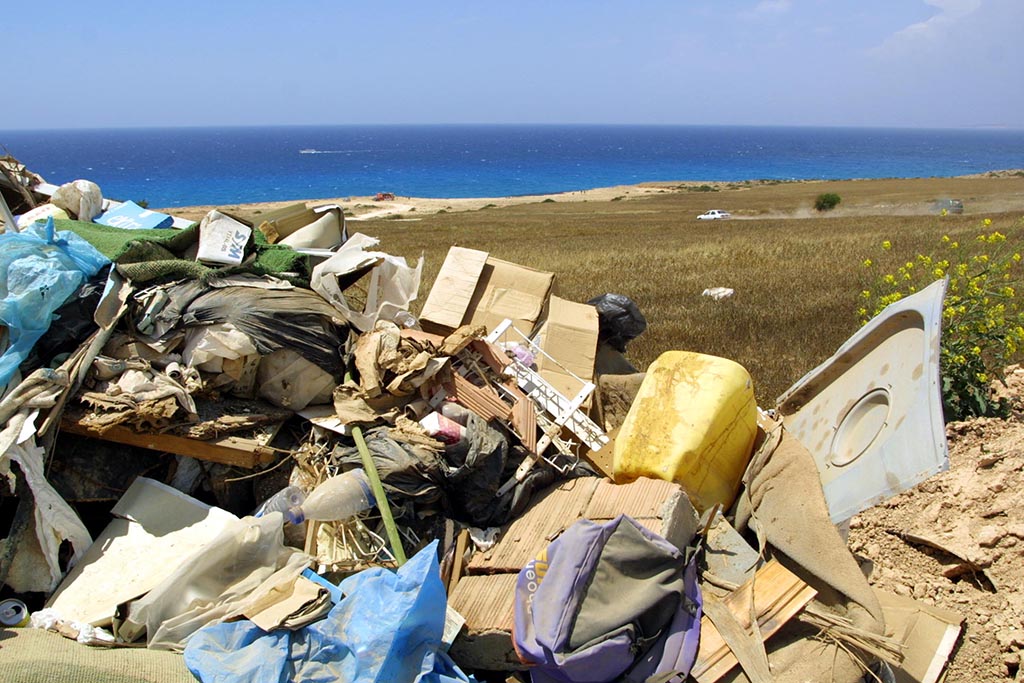
    environmental neglect — Cyprus is grappling with severe environmental neglect, highlighted by the presence of over 540 illegal rubbish dumps in Paphos alone. Reports indicate that waste is being carelessly dumped in state forests, such as in Pelendri, where debris is obstructing vital fire lanes. Furthermore, office furniture from state authorities has been abandoned in open fields in Yeri, illustrating a troubling disregard for proper waste management.

    Photo: cyprus-mail.com

    In a country where beaches are often littered with trash, clean-up efforts are sporadically initiated, primarily by private individuals rather than state initiatives. This neglect has prompted various organisations to raise alarms about Cyprus’ environmental protection record.

    In early August, an audit report revealed a “significant reluctance on the part of the state to adopt drastic and immediate measures” to tackle these violations. The situation is compounded by the European Union’s ongoing scrutiny, with Cyprus currently facing 16 active infringement procedures related to environmental issues.

    “For years the European Commission has identified that in Cyprus there is a systemic abuse of Article 6.3 of the Habitats Directive regarding the environmental appropriate assessment of projects in Cyprus,” said Tassos Shialis, BirdLife campaign coordinator. He pointed out that in March 2024, the European Commission escalated an infringement case to the European Court of Justice, urging Cyprus to take corrective measures for what he termed a “chronic problem.”

    Despite repeated warnings, Shialis noted that improvements in the application of environmental assessment procedures have been minimal. Large-scale projects, in particular, continue to be approved without adequate scrutiny, posing significant threats to Natura 2000 sites and protected species.

    The EU has a structured process for addressing such breaches, beginning with a letter of formal notice and potentially leading to fines if compliance is not achieved. In March 2024, the Commission reported that Cyprus had designated 37 special areas of conservation but had failed to establish necessary conservation measures for 28 of them. Furthermore, the objectives in place for five of these sites were deemed insufficient to protect local ecosystems.

    This pattern of negligence has persisted since Cyprus received its first letter of formal notice in June 2021, followed by a reasoned opinion in April 2022. The Commission’s referral to the Court of Justice highlights ongoing failures to safeguard critical habitats and species.

    According to the audit report issued in August, the state has shown a consistent disregard for EU environmental laws, with violations spanning urban planning, waste management, and habitat protection. Key examples include illegal developments in Ayia Thekla and Kouklia, as well as unauthorised constructions within Natura 2000 zones in Akamas.

    The report also details how the Lakatamia environmental centre was constructed without conducting an environmental impact study, illustrating a troubling lack of enforcement of existing laws. Although the regulations are in place and violators are known, the lack of effective law enforcement raises serious concerns.

    The responsibility for Cyprus’ environmental failures is complex and multifaceted. While the government holds a significant portion of the blame, the country’s ranking of 32nd out of 34 in a recent EU comparison highlights a concerning trend in environmental backsliding. Despite commitments to the UN’s Sustainable Development Goals, progress remains slow.

    Local projects often emerge in collaboration with municipal authorities, but approval processes can be convoluted, involving multiple stakeholders, including private companies. The overlapping responsibilities of various government departments, local municipalities, and regulatory bodies complicate efforts to address everyday environmental issues, such as illegal dumping and pollution.

    The environment department, while responsive to inquiries, acknowledges the tangled web of accountability, making it challenging to pinpoint who is ultimately responsible for the growing waste crisis. Director Theodoulos Mesimeris stated, “According to the law, local authorities are responsible for the cleaning and illegal dumping of waste.” This fragmented responsibility contributes to the ongoing environmental challenges faced by Cyprus.
  • Amalthea — Kombos Accuses Turkey of Obstructing Cyprus’ Amalthea Humanitarian Initiative

    Amalthea — Kombos Accuses Turkey of Obstructing Cyprus’ Amalthea Humanitarian Initiative

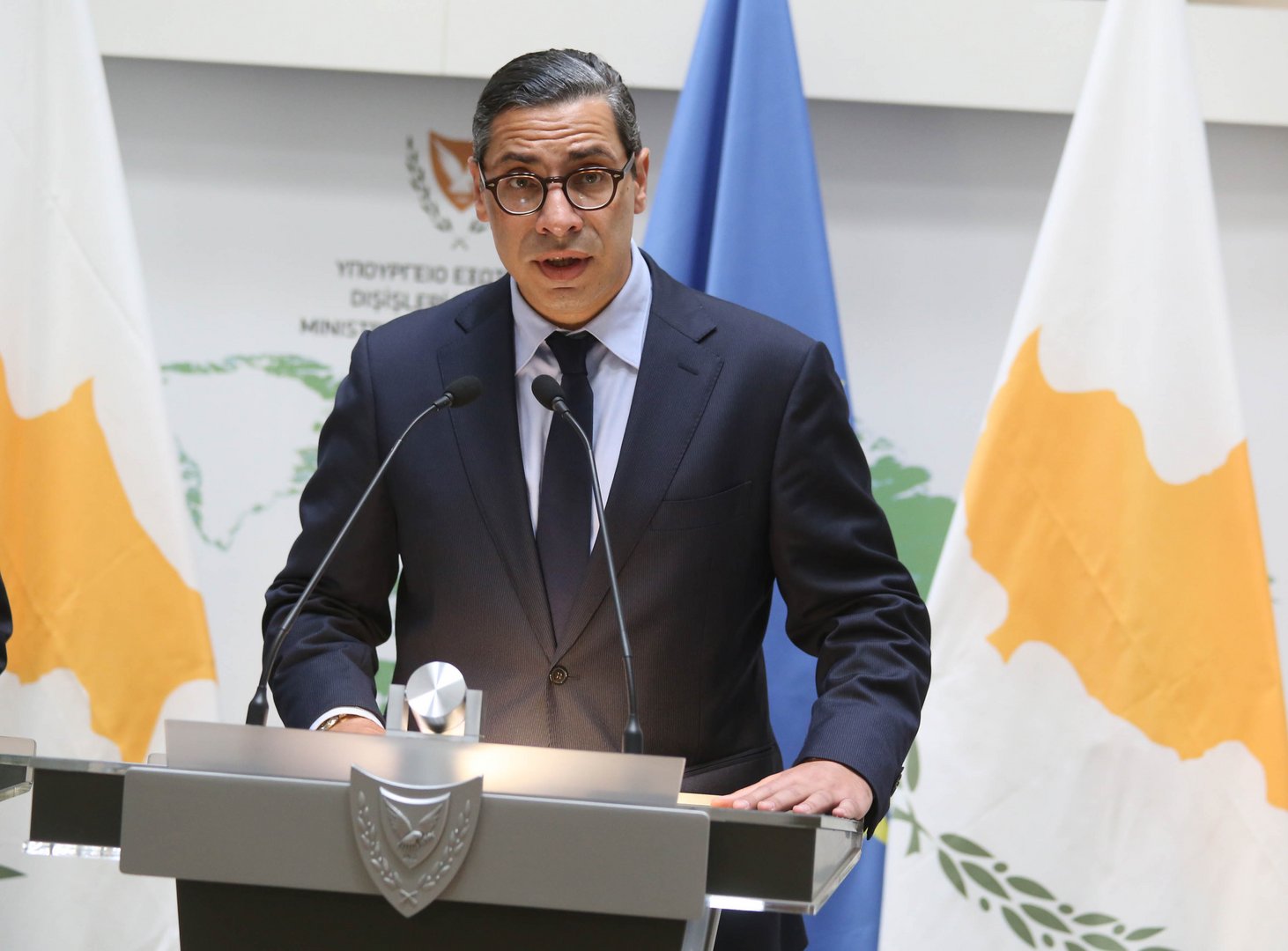
    Foreign Minister Constantinos Kombos has accused Turkey of obstructing the Republic of Cyprus’ humanitarian initiative called Amalthea. He described the actions of Ankara as a coordinated campaign aimed at derailing the aid corridor that Cyprus has been striving to establish.

    Turkey’s Diplomatic Pressure

    In an interview published on Sunday by Phileleftheros, Kombos stated that Turkey has been “quite inventive” in implementing various tactics to hinder Cyprus’ humanitarian plans. These tactics reportedly include exerting diplomatic pressure on third countries to undermine the initiative and casting doubts on its feasibility.

    Significance of the Amalthea Initiative

    Despite facing numerous challenges, Kombos reaffirmed the importance of the Amalthea initiative, calling it a diplomatic and operational success. He highlighted that the existence of this initiative is crucial, particularly given the current volatile regional climate. “The fact that the Republic of Cyprus managed to design, implement, and continue this effort in this particularly sensitive field and during this time has its own importance and sends a specific message,” he stated.

    International Support

    The humanitarian corridor to Gaza, which is part of the Amalthea initiative, has received commendations from various international bodies, including the Palestinian Authority and several key Arab states. This global acknowledgment serves as a testament to the credibility and constructive role that Cyprus is attempting to play in the region.

    Addressing Domestic Criticism

    Kombos also responded to domestic criticisms regarding the government’s handling of the ongoing Middle East crisis. He pointed out that the international reception to the Amalthea initiative acts as a firm rebuttal against local dissent. The Foreign Minister remarked that such recognition strengthens Cyprus’ position on the global stage.

    A Warning Against Complacency

    While discussing the geopolitical landscape, Kombos warned against complacency in Cyprus, linking Turkey’s obstructive actions to the broader existential threat posed by the ongoing division of the island. “Let’s not have the delusion of normality. We are facing an existential threat,” he cautioned, adding, “It would be irresponsible to ignore reality.”

    Security Concerns

    As an illustration of these security concerns, Kombos mentioned the case of five Greek Cypriots who are currently being illegally detained in the Turkish-occupied northern part of Cyprus. He condemned Turkey’s actions in this regard, further emphasising the need for vigilance in light of the prevailing geopolitical tensions.

    Commitment to Negotiations

    Turning his attention to the longstanding Cyprus problem, Kombos reiterated the government’s commitment to relaunching negotiations. He stressed that Nicosia remains aligned with the UN Security Council framework to resolve the division of the island. “We have made continuous efforts to generate momentum for a return to the negotiating table, but these efforts are met with the barren reaction of the other side,” he expressed.

    Support from the International Community

    Kombos also noted that Cyprus’ position is supported by the European Union and the wider international community. “The only framework is that of the UN Security Council. There can be nothing else for us,” he affirmed, underlining the necessity of a unified approach to the issue.

  • Andreas Apostolou Leaves EDEK Amid Leadership Dispute

    Andreas Apostolou Leaves EDEK Amid Leadership Dispute

    andreas apostolou — Andreas Apostolou, a Member of Parliament for EDEK, has announced his departure from the party, citing a decision that leaves him unable to pursue leadership roles. In a heartfelt post, Apostolou expressed his disappointment regarding the party’s recent actions, which he claims were made without prior discussion.

    In his statement, Apostolou revealed that he received a letter informing him of the party’s stance on May 3, 2025. This letter indicated that, as an associate member from the Citizens’ Alliance, he would not be eligible to run for leadership positions. He emphasised that this decision effectively excludes him from active participation in EDEK’s policy-making.

    Apostolou, who has served four years in parliament, described the move as unfair and expressed his feelings of being sidelined. “I did not expect it, and I believe I do not deserve it,” he said, asserting that he only sought a fair opportunity to contest for a leadership role.

    He chose to withhold the contents of the letter initially, hoping for a reversal of the decision before the election of new party leadership. However, he stated that his patience had run out as the new leadership did not address his concerns.

    Reflecting on his time with EDEK, Apostolou expressed gratitude for the support he received from fellow members and the public. He noted that he received significant preference votes in past elections, which he believes demonstrate his commitment to the party and his constituents. “EDEK elected an MP in the Larnaca District after 50 years. I contributed to keeping EDEK alive in the 2024 European elections,” he remarked, highlighting his electoral success.

    As he formally steps away, Apostolou plans to inform the President of the House of Representatives about his situation. He reiterated his dedication to the constituents of Larnaca, vowing to continue advocating for their needs, particularly in areas like health, education, and social welfare.

    Despite the fallout with EDEK, Apostolou remains optimistic about his future political path. He expressed confidence in the achievements of his parliamentary work and called for unity among supporters. “We continue our struggle even more strongly. For our Larnaca, our district, and our people,” he affirmed, encouraging his followers to stay engaged and work towards a better future.

  • Larnaca Court Remands Young Man for Drink Driving Offences

    Larnaca Court Remands Young Man for Drink Driving Offences

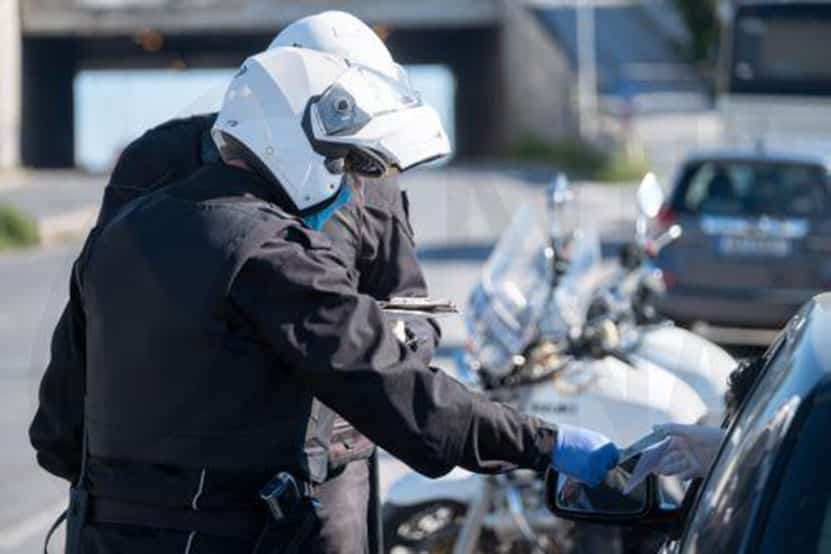
    A 23-year-old man has been remanded for two days by the Larnaca District Court following a series of traffic-related offences, notably drink driving.

    • A 23-year-old man has been remanded for two days by the Larnaca District Court following a series of traffic-related offences, notably drink driving.
    • The incident unfolded around 2:10am on Saturday during a routine traffic stop by the local traffic unit. Officers stopped a vehicle driven by a foreign national who resides permanently in Cyprus.
    • Authorities later recovered the missing breath-testing device from a pool at the suspect's residence. The man now faces multiple charges, including causing malicious damage to police property.

    The incident unfolded around 2:10am on Saturday during a routine traffic stop by the local traffic unit. Officers stopped a vehicle driven by a foreign national who resides permanently in Cyprus.

    Upon approaching the car, police officers detected a strong smell of alcohol emanating from the driver. When requested to provide a preliminary breath sample, the young man refused, escalating the situation.

    In a startling turn of events, as one officer attempted to hold the breath-testing device up to the driver’s window, the suspect suddenly accelerated his vehicle. This reckless attempt to flee resulted in the driver striking the officer’s hand, causing the breath-testing device to fall into the car.

    Fortunately, the officer was unharmed during the incident. Following a coordinated search, police located the suspect’s vehicle at around 11am in the Oroklini area. The 23-year-old was found shortly thereafter and reportedly admitted to the various offences.

    Authorities later recovered the missing breath-testing device from a pool at the suspect’s residence. The man now faces multiple charges, including causing malicious damage to police property.

    The Larnaca District Court has ordered his remand to facilitate further investigation into these serious allegations, reflecting the legal system’s commitment to addressing drink driving and related offences.

  • Backlash Continues Over Grigoris Afxentiou Comments from MEP

    Backlash Continues Over Grigoris Afxentiou Comments from MEP

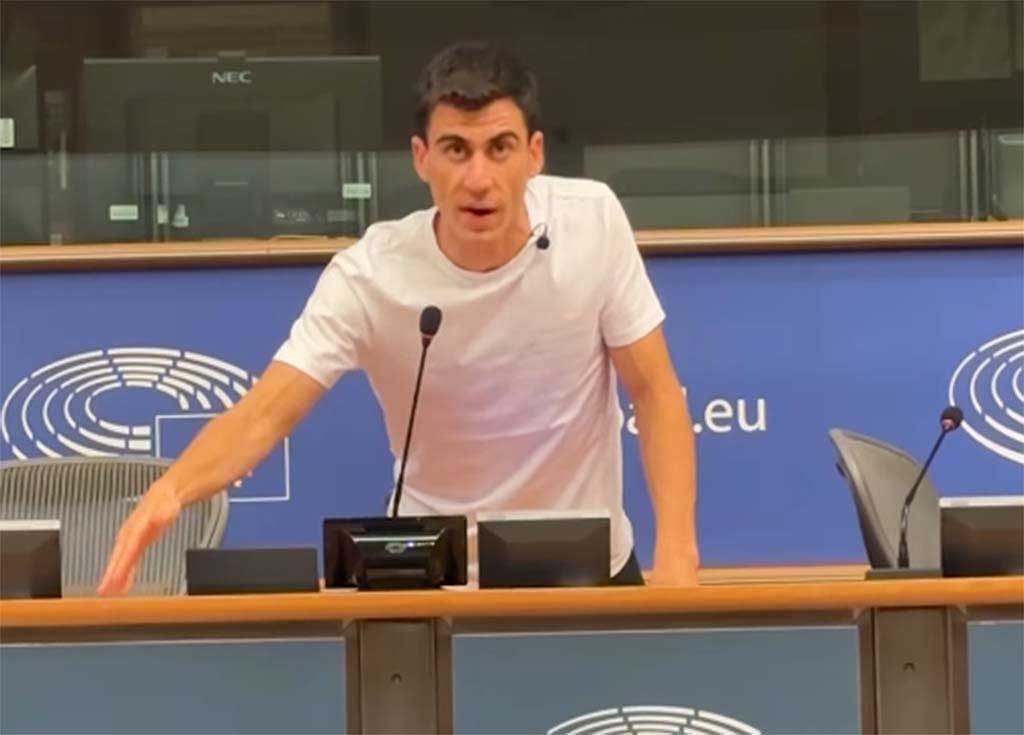
    The ongoing party clash over comments regarding the sacrifice of Grigoris Afxentiou shows no signs of subsiding, following remarks made by MEP Fidias Panayiotou during a podcast.

    • The ongoing party clash over comments regarding the sacrifice of Grigoris Afxentiou shows no signs of subsiding, following remarks made by MEP Fidias Panayiotou during a podcast.

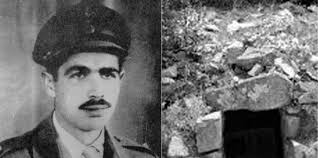
    The controversial statements stemmed from a discussion with journalist-historian Michalis Michael, where it was suggested that Afxentiou, a revered figure in the EOKA movement, either committed suicide or was executed by a fellow fighter.

    In response to the outrage, the Movement for Social Democracy (EDEK) issued a strong statement calling for Panayiotou’s resignation, labelling him as “dangerous for Cyprus, its people, and the cause of Cyprus.” This sentiment was echoed by the Democratic Party (DIPA), which condemned the attempt to distort Afxentiou’s historical legacy and highlighted his significance as a symbol of the struggle for freedom.

    President Nikos Christodoulides also weighed in on the controversy, sharing a photo of Afxentiou’s wanted poster on his personal Instagram account with a caption quoting the hero’s own words: “In my last hour, I will fight and die like a Greek, but they will not take me alive.”

    Other political parties joined the fray, with the Democratic Rally (DISY) denouncing Panayiotou’s claims as an insult to Afxentiou’s sacrifice. They asserted that the narrative surrounding the hero’s legacy should not be altered for personal or ideological gain.

    Similarly, the Democratic Alignment (DIKO) stressed the need to protect the memories of national heroes from being embroiled in political disputes. They affirmed that Afxentiou’s sacrifice is a cornerstone of national dignity and should be treated with the utmost respect.

    ELAM, another political party, accused AKEL of attempting to rewrite history, referencing past actions of the party and asserting that their narrative undermines the significant contributions of Afxentiou and other heroes of the EOKA struggle.

    In a response to the backlash, AKEL defended its position, stating that Afxentiou represents an unparalleled symbol of self-sacrifice in the anti-colonial struggle. They argued that the comments by Michalis Michael were misconstrued and that his focus was on the essence of Afxentiou’s bravery rather than the specifics of his death.

    The tension escalated as DISY rebuffed AKEL’s defence, reiterating that the manner of Afxentiou’s sacrifice is crucial and cannot be diminished by leftist ideologies. They insisted that the integrity of historical narratives must be maintained, asserting that such discussions are not merely academic but deeply personal and nationalistic.

    The ongoing conflict illustrates the deep-seated divisions within Cypriot politics regarding historical narratives and national identity. As the debate rages on, the calls for respect and preservation of Afxentiou’s legacy continue to resonate across the political spectrum.

  • Ukraine at 34: Celebrating Resilience and Cyprus Partnership

    Ukraine at 34: Celebrating Resilience and Cyprus Partnership

    As Ukraine celebrates its 34th anniversary of Independence, the focus keyword of resilience shines through in a journey marked by determination and unity. Marking this significant milestone on August 24, 2025, Ukraine reflects on a history shaped by profound sacrifices and a steadfast commitment to sovereignty, freedom, and democratic values.

    Resilience: A Transformative Path Since 1991

    Since the historic adoption of the Act of Declaration of Independence in 1991, Ukraine has evolved from a fledgling post-Soviet state into a dynamic European nation. This transformation has occurred amid ongoing challenges, particularly the aggression from Russia, which has persisted for four years. The anniversary is not merely a celebration of past accomplishments but a reaffirmation of a future firmly grounded in European integration and global solidarity, particularly with the Republic of Cyprus.

    Strength in Adversity

    Over the past 34 years, Ukraine has navigated a path of resilience despite formidable obstacles. The full-scale Russian invasion launched in 2022 has tested the nation’s resolve, leading to significant loss of life, displacement of millions, and widespread destruction. Yet, Ukraine’s strength has been evident, especially in its agricultural sector, often termed the “breadbasket of Europe.” Through initiatives like “Grain from Ukraine,” the country has played a vital role in sustaining global food security, ensuring the export of essential commodities despite ongoing blockades and attacks on infrastructure.

    International Support and Military Defence

    Ukraine’s armed forces, bolstered by international allies, have successfully reclaimed territories and defended its airspace. The civil society has also been instrumental, driving innovation in technology, humanitarian aid, and reconstruction. A significant achievement in this journey was Ukraine’s attainment of EU candidate status in June 2022, demonstrating an irreversible commitment to democratic reforms and European integration.

    Forging Strong Ties with Cyprus

    The relationship between Ukraine and the Republic of Cyprus has emerged as a cornerstone of international solidarity. As Ukraine’s Ambassador to Cyprus since August 2020, I have dedicated my efforts to deepening this partnership. The historical parallels between Ukraine’s struggle against external aggression and Cyprus’s experiences with division and occupation have fostered a profound mutual understanding, laying the groundwork for robust cooperation across various sectors.

    Enhancement of Political Dialogue

    A notable achievement during my tenure has been the enhancement of political and diplomatic dialogue between our nations, significantly strengthening bilateral ties. Two rounds of consultations between the foreign ministries in November 2020 and June 2021 marked a new era in Ukraine-Cyprus dialogue.

    Support for Ukraine’s EU Integration

    Cyprus has consistently advocated for Ukraine’s sovereignty within the European Union, supporting efforts toward EU integration. This assistance has been crucial as Ukraine implements necessary reforms in governance, rule of law, and economic modernisation. Cyprus has endorsed Ukraine’s integration into various EU frameworks, including the single market and Customs Union, facilitating recovery and accession negotiations.

    Robust Economic Cooperation

    Despite the ongoing challenges from Russian aggression, our economic collaboration has flourished. In 2024, bilateral trade exceeded €105 million, with aspirations to double this figure by 2025. Key initiatives, such as the European Business Association event and the Ukrainian recovery dinner, have strengthened cooperation in reconstruction, IT, and renewable energy.

    Humanitarian Support and Cultural Exchange

    Cyprus has welcomed over 22,000 displaced Ukrainians, providing refuge and integration programmes that include education, employment, and medical support. Cultural initiatives, such as exhibitions of Ukrainian art and film festivals, have further deepened people-to-people ties, enhancing mutual understanding.

    Strengthening Ecclesiastical Relations

    Promoting relations between the Orthodox Churches of Cyprus and Ukraine has been a significant aspect of our partnership. The recognition of the autocephaly of the Orthodox Church of Ukraine in October 2020 marked a historic milestone, affirming Ukraine’s ecclesiastical independence. Since then, I have prioritised nurturing these ties, facilitating visits by Ukrainian clergy and supporting Orthodox communities on the island.

    Looking to the Future

    As we celebrate Ukraine’s 34th anniversary of independence, I wish to express my heartfelt gratitude to the people and government of Cyprus for their unwavering support. Cyprus’s contributions through political advocacy, sanctions, financial aid, and humanitarian assistance have been invaluable in Ukraine’s fight for freedom and justice. Our shared commitment to democracy and international law binds our nations together, and I am optimistic that our partnership will continue to flourish, contributing to a peaceful and prosperous future.

    Ukraine’s struggle is emblematic of a broader fight for the principles that underpin the global order. Together with allies like Cyprus, we will emerge stronger and more united. Glory to Ukraine! Glory to our heroes!

  • Concerns Emerge Over Potential Return of Golden Passports in Cyprus

    Concerns Emerge Over Potential Return of Golden Passports in Cyprus

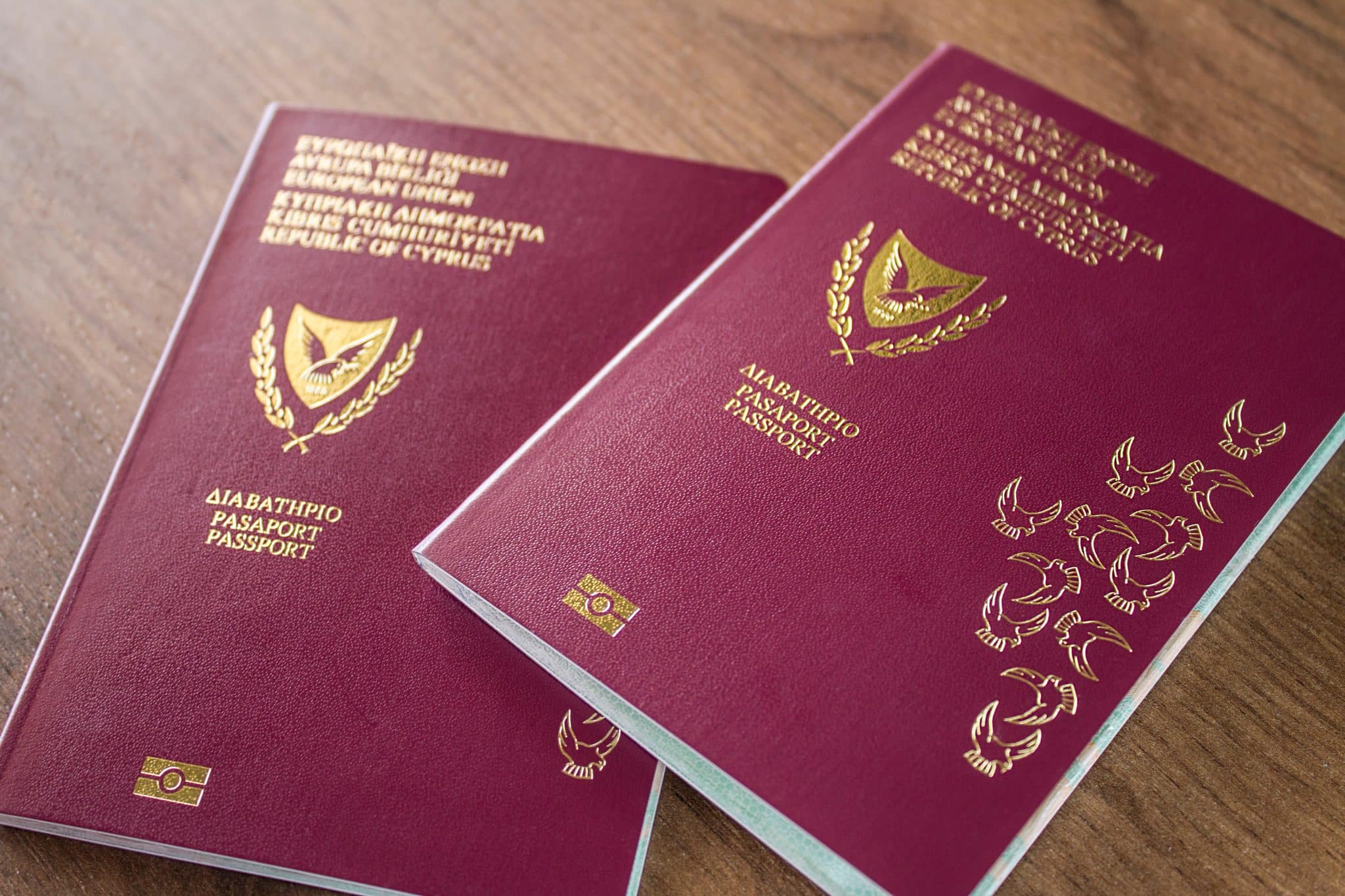
    golden passports — The topic of fast-track citizenship, often referred to as golden passports, has resurfaced in Cyprus, prompting significant concerns among legislators and the public alike. This renewed focus follows inquiries by independent MP Alexandra Attalides regarding the recent modifications to citizenship laws.

    Photo: cyprus-mail.com

    In Cyprus, there are three primary pathways to citizenship: descent from Cypriot parents, marriage to a Cypriot, and naturalisation. The first two avenues are not applicable to the majority of applicants, leaving naturalisation as the common route for third-country nationals. This process, governed by Article 111 of the Population Register Law of 2002, requires individuals to be residents for eight years, with the final year spent continuously in Cyprus. Additionally, applicants must demonstrate good character, financial independence, and proficiency in Greek.

    However, amendments to the law have introduced a new pathway tailored for “highly specialised” employees, primarily within the IT and technology sectors, who can now apply for citizenship after just four years. This change also eases the language requirements, permitting applicants to speak Greek at an A2 level, although an extra year is added to the residency requirement in such cases.

    In her inquiries, Attalides learned from Interior Minister Constantinos Ioannou that 208 third-country nationals, along with 65 dependents, had successfully obtained citizenship under this revised framework, with an additional 360 applications pending. The MP’s request for details on the companies employing these individuals and the number of citizenships granted per company was met with the response that such records were neither maintained nor required by law.

    Attalides expressed her concerns that the changes might enable companies to effectively sell citizenships, drawing parallels to the now-defunct Cyprus Citizenship by Investment Programme (CIP), which faced significant scrutiny before its discontinuation in 2020. She plans to introduce a draft law aimed at mandating the migration department to maintain comprehensive records of applicants, including their employers, nationalities, job positions, and qualifications, in a bid to ensure transparency.

    “If you go on TikTok, I’ve seen foreigners who are advertising this scheme, saying ‘Come to Cyprus, get a job, get citizenship’,” she claimed, highlighting the potential for exploitation of the fast-track provisions.

    Online platforms like TikTok have indeed seen a surge in content promoting the ease of obtaining Cypriot citizenship. While there is nothing illegal about lawyers or consultants assisting individuals in navigating the citizenship process, the lack of oversight raises critical questions about fairness and equal opportunity. Attalides is wary that without proper regulation, certain well-connected companies could benefit disproportionately from the relaxed criteria.

    Cyprus’ government aims to position the country as a leading hub for technology and innovation, a strategy that Deputy Minister of Research, Innovation and Digital Policy, Nicodemos Damianou, believes is essential for economic growth. He noted that the technology sector contributes over 14 per cent to the national GDP, asserting that attracting specialised talent is vital for future development.

    However, this focus on attracting high-skilled professionals through fast-track citizenship raises ethical questions about the nature of citizenship itself. Many long-term residents, such as domestic workers or entrepreneurs in other sectors, may find themselves overlooked despite their contributions to society. The contrast is stark, as individuals who may have lived in Cyprus for years and integrated into the community often struggle to obtain citizenship, while those in high-demand sectors are fast-tracked.

    The issue at hand is not solely about the criteria for citizenship but also about what values underlie these legal frameworks. Should citizenship be awarded based on economic utility, or should it reflect a deeper connection to the country? Attalides, who opposed the recent amendments, suggests that a more equitable approach would be to grant residence permits instead of citizenship to those in specialised roles.

    As discussions unfold about the implications of these changes, Attalides warns, “In a few years from now, this will be the new big scandal.” The path forward remains fraught with challenges, as the balance between economic needs and ethical considerations continues to be debated.

  • Political Outrage Erupts Over Podcast Remarks on Eoka Fighter Grigoris Afxentiou

    Political Outrage Erupts Over Podcast Remarks on Eoka Fighter Grigoris Afxentiou

    Political parties in Cyprus are incensed following controversial remarks made on a podcast hosted by MEP Fidias Panayiotou, where doubts were cast on the widely accepted narrative surrounding the death of Eoka fighter Grigoris Afxentiou.

    The narrative, which claims that British forces set Afxentiou’s hideout ablaze while he was still inside, was challenged by historian Michalis Michael during the podcast. Michael suggested that Afxentiou may not have been burned alive as traditionally believed, stating, “It is said that Afxentiou told [his fellow fighters], ‘get out and I will stay here’. You could not fight inside the hideout.”

    According to Michael, the circumstances of Afxentiou’s death were further complicated by a forensic report from a 2017 trial involving four of his fellow fighters. He noted, “The description states that the others got out, Afxentiou stayed, they shouted at him to surrender and he did not, they threw a grenade at him.” Michael revealed that the forensic report detailed Afxentiou’s injuries, including a bullet wound and other significant trauma, casting doubt on the suicide narrative previously suggested.

    Political reactions were swift and fierce. The Democratic Rally (Disy) was one of the first to respond, condemning the podcast’s assertions as an attempt to “rewrite Cypriot history, which was written with the blood of our heroes.” They described the suggestion that Afxentiou committed suicide or was shot by a fellow fighter as slanderous and an affront to his legacy.

    “Grigoris Afxentiou will remain an eternal beacon of militancy and supreme virtue,” Disy stated, insisting that the significance of his sacrifice should not be altered by contemporary political views.

    The Democratic Party (Diko) echoed these sentiments, asserting that Afxentiou’s sacrifice is a cornerstone of national dignity and collective memory. They urged political figures to refrain from exploiting the sacrifices of heroes for political gain, stating that such attempts deserve nothing but shame.

    In contrast, the left-wing party Akel defended Michael’s position, framing his comments as a legitimate historical inquiry. They highlighted Afxentiou’s status as a symbol of self-sacrifice and heroism in the fight against colonialism. “For the sake of history, we recall that when the British colonialists were searching for Grigoris Afxentiou, the only newspaper which refused to publish his wanted notice was the Akel newspaper,” they argued, emphasising their own patriotism in the face of criticism.

    This exchange of accusations escalated, with Disy accusing Akel of adopting a narrative aligned with British colonialists and undermining the legacy of Cypriot resistance. They challenged Akel to acknowledge their historical mistakes, further intensifying the political friction surrounding the podcast remarks.

    On Saturday afternoon, President Nikos Christodoulides also weighed in on the debate, sharing a post on social media featuring Afxentiou’s wanted poster along with a quote attributed to him: “In the ultimate need, I will fight and die like a Greek, but they will not catch me alive.” This statement resonated with those who view Afxentiou as a national hero, underscoring the deep emotional and political stakes involved in the discourse surrounding his legacy.

  • Government Faces Pressure Over Vasiliko LNG Terminal Safety Concerns

    Government Faces Pressure Over Vasiliko LNG Terminal Safety Concerns

    vasiliko lng — The government is engaged in “damage limitation” following reports of “serious safety issues” regarding the construction of a liquefied natural gas terminal at Vasiliko, Energy Minister George Papanastasiou said on Saturday.

    His comments were prompted by a report from television channel Omega, which highlighted significant “design and materials issues” affecting the project. A source cited by Omega noted, “There are very serious technical issues, which make it impossible to continue the work at this time. That is why the work on the pier has been at a standstill for months and no timetable has been given by the authorities for the completion of the work.”

    In light of these revelations, the project coordinator is preparing a comprehensive report to be presented to the natural gas infrastructure company Etyfa or directly to Papanastasiou early next month. This report is critical as Papanastasiou will need to make final decisions on how to address the myriad issues plaguing the terminal’s construction. Any corrective measures could involve disbursing millions of euros, raising concerns about the financial burden on taxpayers.

    Within the energy ministry, there is “intense concern” as officials grapple with the legacy of past problems, emphasising the urgency to proceed with the terminal’s completion. However, should the report indicate that continuing as planned is unfeasible, Papanastasiou may need to take decisive action and identify those accountable for the existing issues.

    Papanastasiou confirmed on Saturday that the report is nearing completion and stated that responsibility for the problems encountered at Vasiliko will be assigned. He had previously announced that the government aimed for the LNG terminal’s construction to be finished by the end of this year. Yet, the latest developments suggest yet another setback in a series of challenges that have plagued this project over the years.

    The construction hit a major roadblock last year when the CPP-Metron Consortium (CMC) terminated its contract with the government. CMC accused Etyfa of “bullying” and claimed it had been left to work without proper or timely payments for years. They expressed frustration over the lack of relevant experience among Etyfa and its advisers, stating, “The position has become untenable. Contrary to the promises that were made by the [energy] minister in March, CMC has still not received any payment whatsoever for its work in 2024.”

    This dispute has resulted in significant delays, with the floating storage regasification unit (FSRU) at the centre of contention. CMC maintains that the vessel, initially ready for delivery in Shanghai, is now in Malaysia undergoing necessary modifications to meet project requirements.

    Further complicating matters, the European Commission demanded last July that Cyprus repay nearly €69 million in grants allocated for the terminal. The commission’s letter cited “possible irregularities” during the tender evaluation period and alleged two significant violations: the criteria for awarding the tender to CMC in December 2019 and the signing of a bilateral agreement for an additional €25 million in funding in June 2022.

    Additionally, the European Public Prosecutor’s Office (EPPO) has launched an investigation into potential procurement fraud, misappropriation of EU funds, and corruption linked to the Vasiliko LNG terminal. Cyprus signed the contract for this critical LNG project in December 2019, with an expected completion timeline of 22 months.

  • Dynamite fishing — Dynamite Fishing Claims Lives of Protected Turtles Near Larnaca

    Dynamite fishing — Dynamite Fishing Claims Lives of Protected Turtles Near Larnaca

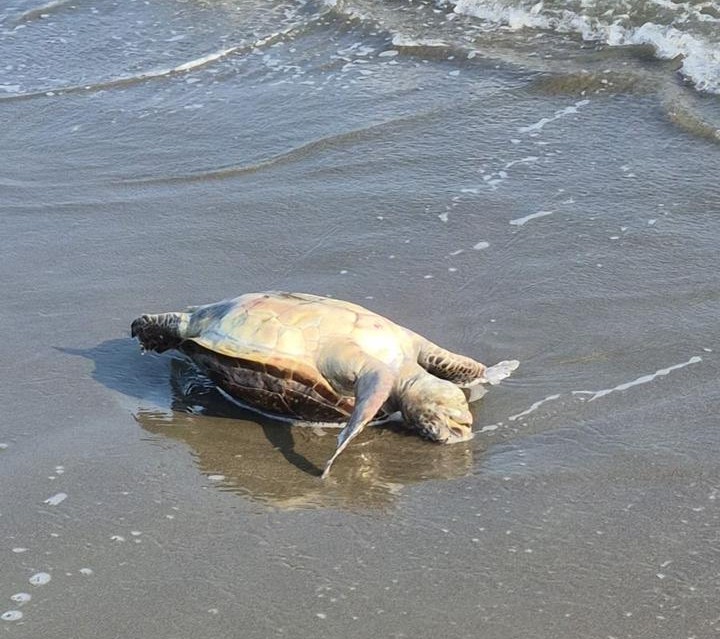
    Dynamite fishing has led to the tragic deaths of numerous protected turtles along the coast of Larnaca, raising alarm among residents and environmentalists alike.

    Photo: in-cyprus.philenews.com

    • Dynamite fishing has led to the tragic deaths of numerous protected turtles along the coast of Larnaca, raising alarm among residents and environmentalists alike.

    Recently, dead sea turtles have been washing ashore on Cyprus beaches, displaying internal injuries indicative of underwater explosions. Witnesses have reported that these fatalities coincide with suspected blasts in deeper waters off the coast, signalling the troubling practice of illegal dynamite fishing.

    Photo: in-cyprus.philenews.com

    Dynamite fishing: Grim Discoveries on Pervolia Beach

    Photographs from Pervolia beach reveal multiple turtle carcasses exhibiting severe internal damage, with observers attributing this destruction to the shock waves generated by explosives. Residents handling the carcasses noted extensive internal trauma, consistent with injuries caused by blasts.

    Environmental Concerns and Official Response

    Antonia Theodosiou, the Environmental Commissioner, has been informed about these incidents and has reached out to turtle protection services. While the Fisheries Department has initiated protective measures, enforcement remains a significant hurdle, particularly during the busy holiday period when illegal fishing activities often escalate.

    The Dark Side of Fishing Explosives

    The suspected dynamite fishing operations are likely aimed at harvesting commercial fish species, taking advantage of the reduced regulatory oversight during peak tourist seasons. Historically, similar incidents in the region have resulted in the deaths of both turtles and various fish species, revealing the indiscriminate nature of such fishing methods.

    In the past, occasional turtle deaths were linked to National Guard training exercises; however, no military activities are currently scheduled in the area. The patterns of recent blasts suggest a deliberate focus on fishing rather than military causes.

    The Impact of Deep-water Explosions

    Residents have explained that deep-water explosions generate shock waves lethal to all marine life within the blast radius, with currents subsequently transporting the deceased creatures to shore. The scale of the turtle deaths points to a systematic approach to fishing rather than isolated incidents.

    Additional Threats from Vehicle Traffic

    As if the threat from dynamite fishing were not enough, turtle populations also face dangers from vehicle traffic on the beaches during nesting season. Local residents have reported significant turtle mortality due to all-terrain vehicle operations. Baby turtles, in particular, are at great risk of being struck by vehicles, leading to alarming reductions in their numbers.

    Some vehicle operators engage in speed races and exhibitions on the beaches, exacerbating the risk of collisions with nesting females and hatchlings. The combination of explosive fishing practices and vehicle traffic presents a multi-faceted threat to already vulnerable turtle populations.

    Recent Nesting Successes

    Despite the ongoing challenges, last year’s nesting season recorded 18 turtle nests, with an impressive 17 sites documenting successful hatching. However, the current protective measures put in place by fisheries authorities and local communities have shown limited effectiveness against the persistent illegal activities threatening these magnificent creatures.