Tag: Akel

  • Edek Leader Confirms Support for Government Despite Cabinet Reshuffle Backlash

    Edek Leader Confirms Support for Government Despite Cabinet Reshuffle Backlash

    edek leader — Edek leader Nikos Anastasiou has firmly ruled out the possibility of his party withdrawing support for the government, despite significant unrest following President Nikos Christodoulides’ recent cabinet reshuffle. This statement comes mere hours after Edek expressed its dissatisfaction with the changes made on Friday night, indicating a rift that could have implications for the government’s stability.

    • This proactive stance is indicative of Edek's desire to maintain its position within the government, despite the frustrations voiced by its members.

    Edek leader: Party’s Reaction to Reshuffle

    Following the reshuffle, Edek released a statement that articulated strong dissatisfaction with the six ministerial changes. Anastasiou stated, “We expected that the president … would see Edek in a better light,” reflecting the party’s disappointment.

    The reshuffle has prompted Edek to call an extraordinary meeting of its political bureau, scheduled for Sunday, to discuss the implications of these changes. Anastasiou clarified that although there was intense discussion surrounding the reshuffle, the issue of leaving the government was “never raised.”

    Communication with the President

    In light of the turmoil, Anastasiou has reached out to President Christodoulides to formally express his concerns regarding the cabinet reshuffle. He has indicated that he plans to contact the President again on Monday to request a meeting to delve deeper into the matter.

    This proactive stance is indicative of Edek’s desire to maintain its position within the government, despite the frustrations voiced by its members.

    Historical Context of Edek’s Political Maneuvering

    The history of Edek’s involvement in government is marked by periods of support followed by withdrawals. In the past, Edek has both supported and then subsequently exited the governments of Glafcos Clerides and Demetris Christofias. This history raises questions about the durability of its current alliance with Christodoulides, especially in light of the recent reshuffle.

    The latest statement from Edek highlights a sentiment of “lack of respect” from the government, asserting that their contributions have not been adequately appreciated. This claim may signal deeper fractures in the coalition, depending on how negotiations progress.

    Impacts of the Reshuffle on Ministerial Positions

    The reshuffle primarily affected Edek’s representation, which remains limited to one ministerial position: Agriculture Minister Maria Panayiotou. Prior to the reshuffle, there were concerns that Panayiotou might lose her role due to controversial comments made during a wildfire crisis in Limassol that resulted in tragic fatalities. Her remarks about preventing the fire drew criticism, which may have influenced the reshuffle decisions.

    Also notable is the demotion of Marios Hartsiotis, the outgoing justice minister, who was reassigned from his position to become the “commissioner of the presidency.” This change has raised eyebrows, given Hartsiotis’s previous comments during the wildfire incident, which some deemed insensitive.

    Reactions from Other Political Parties

    While Edek has voiced its discontent, other political factions have responded more favourably to the reshuffle. Diko leader Nicholas Papadopoulos expressed his readiness to collaborate with the newly appointed ministers, stating, “We are here to support the implementation of the government’s programme.”

    In contrast, Dipa celebrated the reshuffle, as it welcomed new cabinet members, including Marinos Mousiouttas, who will take on the role of labour minister. Dipa’s statement reflected optimism about the potential for increased stability and efficiency within the government.

    However, the opposition party Akel has been critical of the reshuffle, suggesting it does not enhance governmental efficiency and accusing Christodoulides of prioritising political manoeuvring ahead of the 2028 presidential elections.

    Future Implications for Edek and the Government

    The extraordinary meeting scheduled for Sunday may provide insight into Edek’s future direction and its relationship with the government. If the party decides to maintain its support, it will be crucial for Anastasiou and his colleagues to address their grievances effectively with President Christodoulides.

    As Edek navigates this tumultuous period, the implications of their decisions could reverberate throughout the coalition, potentially impacting the broader political landscape. The next steps taken by Edek will be closely watched, especially by those within the government and the opposition alike.
  • Mixed Reactions to New Cost-of-Living Allowance Agreement in Cyprus

    Mixed Reactions to New Cost-of-Living Allowance Agreement in Cyprus

    cost-of-living allowance — The new cost-of-living allowance (CoLA) agreement, signed on Thursday following extensive negotiations between employers and workers, has elicited mixed reactions from various political factions in Cyprus.

    • “Our most serious concern,” Disy added, “relates to the inevitable further expansion of the state payroll, in connection with general increases and mass hiring.”
    • Their statement concluded with a call for “the universal, fair and socially balanced implementation of the CoLA,” framing it as a matter of social justice and dignity in the workplace.
    • The future implementation of the CoLA will likely continue to be a focal point in the political discourse, reflecting the broader challenges faced by workers and the economy alike.

    Cost-of-living allowance: Political Parties Weigh In

    Disy, the ruling party, expressed support for the agreement, viewing it as a crucial step towards maintaining labour peace. They endorsed the 4 per cent inflation ceiling established for the CoLA’s implementation, which aims to mitigate its adverse effects. However, Disy also highlighted the need for modernising the CoLA institution, a commitment the government had previously announced. They argue that modernisation is essential for ensuring the sustainability of public finances and enhancing economic competitiveness.

    According to Disy, “the weaknesses of the institution remain,” pointing out that the CoLA is uniformly paid regardless of salary level. This system, they argue, disproportionately favours high-wage earners. The party also raised concerns regarding the expansion of the CoLA to the national minimum wage, suggesting that it merely affirms earlier decisions made by their government.

    “Our most serious concern,” Disy added, “relates to the inevitable further expansion of the state payroll, in connection with general increases and mass hiring.”

    Akel’s Advocacy for Labour Rights

    Akel, the main opposition party, praised the CoLA agreement as a significant achievement in advancing labour rights. They underscored that the agreement does not signify the end of their efforts. “The trade union movement fought a months-long battle to protect and secure the CoLA,” Akel stated, emphasising that this success demonstrates the power of collective action in expanding workers’ rights.

    The party has committed to continuing their advocacy alongside the trade union movement to ensure the CoLA encompasses all workers, asserting that “workers can live with dignity.” Akel’s spokesperson remarked, “The agreement on the CoLA signed yesterday is a milestone, but it is not the end of the road.”

    Ecological Movement’s Call for Universal Coverage

    The Ecological Movement echoed Akel’s sentiments, vowing to advocate for a policy that addresses societal needs comprehensively. They acknowledged positive developments, such as the planned full restoration of the CoLA to 100 per cent within 18 months in areas where it is currently applicable. Nonetheless, they deemed this progress insufficient.

    The movement articulated their stance clearly: “The CoLA must be awarded universally to all employees, and in a staggered manner, so that the support is proportional to actual needs and inversely proportional to the level of the salary.” They highlighted ongoing affordability challenges faced by citizens, stressing that measures affecting purchasing power should prioritise effective support for the most vulnerable rather than relying on partial solutions.

    Their statement concluded with a call for “the universal, fair and socially balanced implementation of the CoLA,” framing it as a matter of social justice and dignity in the workplace.

    Expansion of CoLA Beneficiaries

    The newly established permanent agreement expands the CoLA to benefit over 55,000 additional recipients. The allowance will see a gradual increase, moving from the current 66.7% to 80% of the cost-of-living rise starting January 1, 2026. This will further increase to 90 per cent on July 1, 2026, and finally reach 100 per cent by January 1, 2027.

    Annual adjustments will be made based on Cyprus’ real GDP growth, with the CoLA increase capped at a maximum of 4 per cent. In the event of an economic downturn, the labour advisory board will convene to review and recommend necessary measures.

    Looking Ahead

    As the CoLA agreement rolls out, the differing reactions from political parties illustrate the ongoing debates regarding labour rights and economic stability in Cyprus. While some parties celebrate the agreement as a significant achievement, others caution against potential pitfalls, urging for a more comprehensive approach to labour rights and economic sustainability.

    The future implementation of the CoLA will likely continue to be a focal point in the political discourse, reflecting the broader challenges faced by workers and the economy alike.

  • Cyprus Energy Minister Affirms Commitment to Great Sea Interconnector Project

    Cyprus Energy Minister Affirms Commitment to Great Sea Interconnector Project

    The Great Sea Interconnector (GSI) remains a priority for the Cypriot government, according to Energy Minister George Papanastasiou, despite criticism regarding its financial viability.

    • The Great Sea Interconnector (GSI) remains a priority for the Cypriot government, according to Energy Minister George Papanastasiou, despite criticism regarding its financial viability.

    Minister’s Assurance Amidst Financial Concerns

    During an event in Paphos on Monday, Papanastasiou emphasised the need for Cyprus to maintain its focus on the GSI project. This statement came on the heels of remarks from Kyriacos Kakouris, the outgoing Vice President of the European Investment Bank (EIB), who labelled the project a “financial non-starter.”

    Defending the European Nature of the Project

    Papanastasiou countered the scepticism by highlighting that the GSI is a European initiative. He stated, “any commentary, from anyone else other than the European Commission, is superfluous,” indicating that outside opinions, including those from Greek and Cypriot officials, should be viewed with caution.

    Upcoming Meetings to Discuss the GSI

    The Energy Minister also confirmed that a crucial three-way meeting involving himself, his Greek counterpart, and the European Commissioner for Energy is scheduled for November 12 in Brussels. This follows an earlier teleconference on October 16, aimed at addressing concerns surrounding the GSI.

    The Great Sea Interconnector Explained

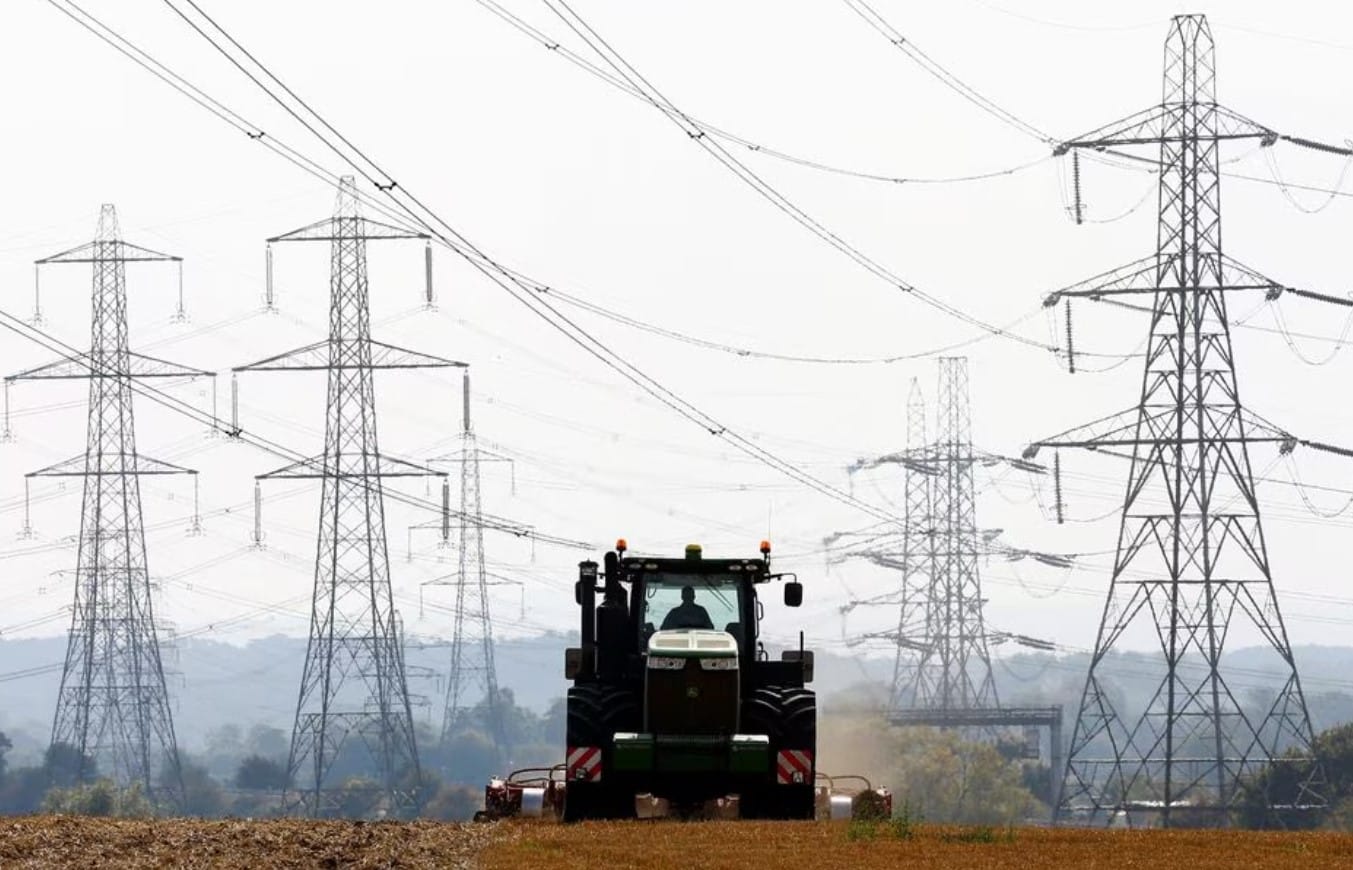
    The GSI is envisioned as a subsea cable that will connect the electricity grids of Cyprus and Greece. This interconnection is intended to bolster energy security and diversify energy sources for Cyprus, which is currently reliant on imported fuel.

    Financial Viability Under Scrutiny

    Kakouris raised several doubts about the GSI’s financial viability, stating that the EIB has yet to receive sufficient explanations from the Greek and Cypriot governments about how the interconnector fits into their broader energy plans. He expressed concern that the project, as it stands, does not appear to be viable based on existing regulatory decisions.

    He remarked, “On its own the project, based on the decisions of the regulatory authorities, appears not to be viable,” suggesting that additional political discussions are crucial to secure state support and guarantees, especially concerning geopolitical risks associated with the project.

    Escalating Costs and Consumer Concerns

    Compounding the challenges, Kakouris noted that the project’s costs have escalated significantly, with the initial estimate of €1.4 billion now deemed outdated. He warned that the cost of lending could effectively double the total financial outlay, extending repayment over a 20 to 25-year period. This raises questions about how these costs will affect electricity consumers in both Cyprus and Greece.

    According to Kakouris, clarity is needed regarding what consumers will be charged for the interconnector over time. The agreed reimbursement ratio dictates that two-thirds of the costs will fall on Cypriot consumers, while one-third will be the responsibility of Greek consumers. He insisted that there should be assurances that the charges do not outweigh the benefits.

    Political Reactions and Calls for Transparency

    The opposition party Akel has been vocal in its criticism of the government’s handling of the GSI project. They accused the administration of “speaking with a forked tongue” and failing to take decisive action to address the project’s viability.

    Akel has demanded immediate clarification from President Nikos Christodoulides regarding the absence of an official loan request to the EIB, the government’s intentions for potentially acquiring a stake in the GSI, and whether the project is considered financially sustainable.

    Looking Ahead

    As the scheduled meetings approach, the Cypriot government faces mounting pressure to provide clear answers and a viable path forward for the GSI. Papanastasiou’s steadfast commitment to the project suggests an unwavering belief in its potential benefits, despite the financial uncertainties that loom.

    Ultimately, the future of the Great Sea Interconnector hinges on successful negotiations, financial backing, and a transparent dialogue with consumers and stakeholders. The outcome will not only impact energy policy in Cyprus but also its relationship with Greece and the broader European energy landscape.

  • Protesting: President Christodoulides Affirms Right to Protest Amid Police Controversy

    Protesting: President Christodoulides Affirms Right to Protest Amid Police Controversy

    protesting — President Nikos Christodoulides has stated that “no one is banned from protesting,” addressing concerns following a heavy-handed police response to a demonstration outside the foreign ministry on Thursday night. His remarks came during his arrival at a rural culture festival in the village of Lofou, where he reiterated the government’s commitment to the right to protest.

    On Thursday, demonstrators gathered to voice their opposition to Israel’s interception of boats heading towards Gaza, part of the Gaza Sumud flotilla. The protest escalated when riot police intervened, deploying pepper spray and engaging in physical confrontations with attendees.

    “The police have taken a very specific position,” Christodoulides remarked, defending recent legislation that imposes stricter regulations on protests, which had come under fire following the events of Thursday night. He stated that protests and the right to demonstrate are “absolutely respected and guaranteed” in Cyprus.

    The president acknowledged ongoing criticism of police actions, urging a balanced view of the circumstances under which security forces operate. He mentioned that any alleged excessive use of force would be investigated, assuring that appropriate measures would be taken if necessary.

    Following the protest, the political landscape shifted with Akel condemning the police’s response as an “unprovoked attack.” The party called for further protests, stating, “Akel calls on everyone who does not tolerate state repression and the government’s subservience to the Netanyahu regime to mobilise.”

    Volt echoed similar sentiments, emphasising that “violent repression of peaceful demonstrations has no place in a democratic and European country.” They condemned the police violence against demonstrators advocating for Palestinian rights, asserting that such actions undermine the principles of democracy.

    Accounts from the protest highlighted the chaotic scene, with a journalist from Haravgi reporting being injured during the police intervention. Veteran journalist Christos Christofides described being “thrown to the ground” amid the turmoil, thanking those who assisted him in escaping potential injury from the crowd.

    The union of Cyprus journalists condemned the police’s actions, noting that one of their members, despite identifying as a journalist, faced violence from officers. They called for an investigation led by Police Chief Themistos Arnaoutis, demanding accountability for the errant officers involved.

    The police response was justified by their statement that the protestors had blocked a lane of traffic outside the foreign ministry, necessitating intervention to clear the area. This incident in Nicosia was part of a broader wave of global protests against Israel’s military actions, which saw thousands taking to the streets in cities worldwide including Barcelona, Milan, and Paris.

  • Cyprus Embraces Competitive Electricity Market for Citizens and Businesses

    Cyprus Embraces Competitive Electricity Market for Citizens and Businesses

    electricity market — For the first time, citizens and businesses in Cyprus can choose their electricity supplier, marking a significant shift in the country’s energy landscape. Government spokesman Konstantinos Letymbiotis announced the opening of the long-awaited competitive energy market on Thursday during a press briefing at the presidential palace.

    Letymbiotis described this initiative as “a new page in the energy course of our country”, with nine energy producers now vying for the attention of consumers. As of Wednesday, individuals and enterprises can explore a competitive environment to select their preferred electricity provider.

    Electricity market: A Shift Towards EU Standards

    The new market structure follows the European Union’s target model, which Letymbiotis explained is akin to an energy exchange. He stated that this model introduces much-needed transparency, reliability, and rules similar to those in most EU nations. Prices will be determined through forward, day-ahead, and real-time balancing mechanisms designed to keep costs fair for consumers.

    In his remarks, Letymbiotis acknowledged that these reforms should have been implemented in 2021. He reflected on the past, noting that Cyprus had been stuck in a transitional period plagued by delays that ultimately harmed consumers and the nation’s energy strategy. “Through persistent preparation, we have now made reality what for years remained on paper,” he asserted.

    Empowering Consumers and Businesses

    The benefits of the competitive market are expected to be profound for consumers. They will now have the opportunity to compare prices, select suppliers that best meet their needs, and even access green energy products. From January 2026, changing suppliers will take just 24 hours, free of charge, ensuring full transparency throughout the process.

    Businesses, too, stand to gain from this competitive landscape. Letymbiotis highlighted that the ability to negotiate with multiple suppliers could lead to better pricing and tailored solutions, ultimately helping to reduce operating costs. He also pointed to the potential for participation in energy-saving and renewable programmes to bolster competitiveness.

    However, he tempered expectations, noting that immediate price reductions may not materialise. He drew a parallel to the telecoms market, where increased competition eventually led to improved efficiency and competitiveness. He believes the same will happen with the Electricity Authority of Cyprus (EAC).

    Concerns from Opposition

    Not everyone shares the government’s optimistic outlook. The opposition party Akel voiced concerns regarding the timing and execution of the market launch. They pointed out that the delays allowed certain private renewable producers to reap excess profits, raising questions about whether this new market structure will genuinely bring down electricity costs for households and businesses.

    Akel stated, “The critical question is whether this market, as designed, will bring about real reductions in electricity costs for households and businesses. So far, the government has not given a clear answer.” They echoed the European Union’s apprehensions, warning that the current model might keep consumers locked into high prices.

    In its criticism, the party argued that any substantial relief would only come with the introduction of natural gas for power generation, increased integration of renewables into the EAC’s energy mix, improved storage solutions, energy-saving initiatives, and tax reductions. They accused the government of falling short on these fronts.

    A Vision for the Future

    In response to the opposition’s concerns, Letymbiotis reiterated that the reforms are part of a broader strategy aimed at enhancing sustainability and energy security for Cyprus. He emphasised that alongside the new competitive market, the government plans to incorporate more renewable energy sources, improve storage capabilities, and upgrade the energy network.

    He firmly believes that these combined efforts will ultimately lead to reduced costs and stronger energy security. Letymbiotis concluded, “This policy will reduce costs, strengthen sustainability and ensure energy security for Cyprus.” As the competitive electricity market unfolds, its true impact on consumers and the broader economy remains to be seen.