Tag: archaeology

  • Bronze age — Bronze Age Settlement Discovered in Kisonerga

    Bronze age — Bronze Age Settlement Discovered in Kisonerga

    Archaeologists have recently uncovered a Bronze Age settlement at the Kisonerga–Skalia site in Paphos, dating back to around 2500 BC. This significant discovery sheds light on the artisanal practices of a community that thrived until its abandonment around 1600 BC.

    Bronze age: Excavation Insights Led by Dr Lindy Crewe

    The excavations at Kisonerga–Skalia are under the direction of Dr Lindy Crewe, the director of the Cyprus American Archaeological Research Institute (Caari). The findings from this site indicate a flourishing settlement that provides essential insights into the social and economic aspects of life during the Bronze Age.

    Spanning Historical Periods

    According to the antiquities department, the site preserves artifacts and structures from the Chalcolithic period through to the Middle Bronze Age. It appears to have succeeded the nearby Neolithic settlement of Kisonerga–Mosfilia, marking an evolution in the settlement patterns of the region.

    Settlement Dynamics and Abandonment

    The abandonment of the Kisonerga settlement coincides with the emergence of larger communities elsewhere on the island, reflecting broader trends across the Mediterranean during that era. This shift in settlement dynamics indicates a transformation in social organisation and economic practices.

    Uncovering Architectural Features

    The archaeological team has uncovered a major building complex constructed after prior residential structures on the northern slope were demolished. Research suggests that this settlement was established around 2500 BC and underwent significant redevelopment near the end of the Middle Bronze Age, approximately 1750 BC. The complex is distinguished by its skilled layering of materials and highly structured construction, suggesting an organised artisanal economy.

    Craft Production at the Core

    Evidence indicates that the settlement was primarily used for craft production rather than mere domestic living. Key features of the site include large hearths, areas designated for material processing, and numerous storage vessels. The antiquities department has highlighted the importance of this site, stating, “The site provides a rare opportunity to study Bronze Age craft production in detail.” This is significant as the main building complex was abandoned shortly after its construction, leaving its remains largely undisturbed by later historical developments.

    Distinctive Structural Elements

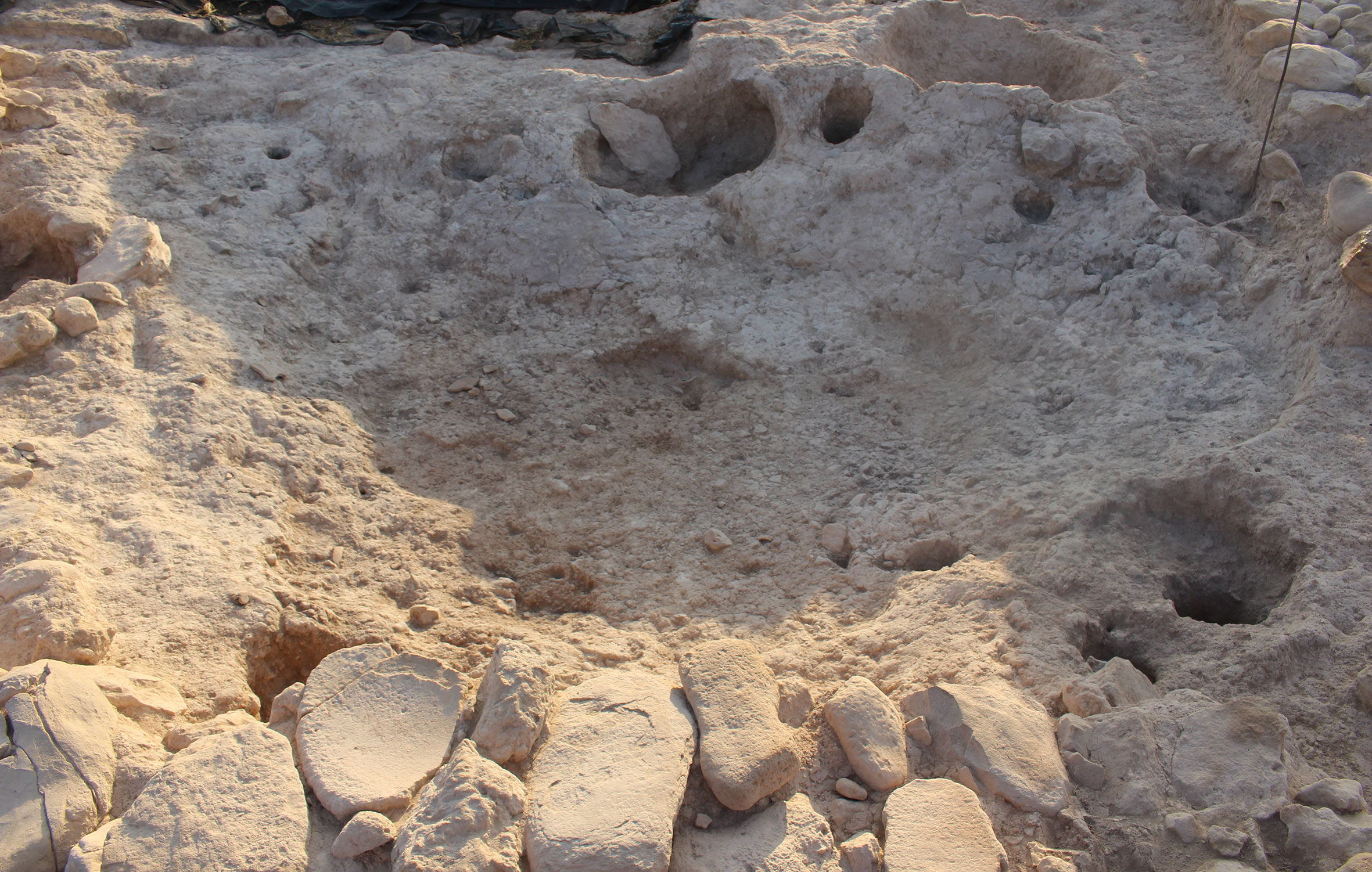
    The complex is characterised by walls up to 1.2 metres thick, constructed from clay and plaster. A notable feature of the site is the discovery of two ovens situated within an L-shaped courtyard. Earlier excavations revealed a domed oven, while the latest findings have uncovered a larger hemispherical oven, which is roughly double the diameter of its predecessor.

    Dietary Insights from Excavated Ovens

    The larger oven contained stone tools, ceramic fragments, and animal remains, and was constructed from a mixture of mud and lime. Systematic wet-sieving of its contents revealed traces of turpentine, which suggests that wheat and quail were staples in the diet of the Early Bronze Age inhabitants.

    Continued Research and Future Discoveries

    Excavation teams are continuing their work at the Kisonerga–Skalia site, focusing on deepening their understanding of the daily activities, craft techniques, and dietary habits of its early inhabitants. This ongoing research is crucial for illuminating Cyprus’ early cultural and economic history.
  • History Teachers Explore New Neolithic Settlement Site ‘Nisia’

    History Teachers Explore New Neolithic Settlement Site ‘Nisia’

    More than 100 secondary school history teachers toured the newly opened Neolithic settlement site “Nisia” near Protaras in Paralimni-Dherynia on Saturday, enhancing their professional training.

    • More than 100 secondary school history teachers toured the newly opened Neolithic settlement site “Nisia” near Protaras in Paralimni-Dherynia on Saturday, enhancing their professional training.

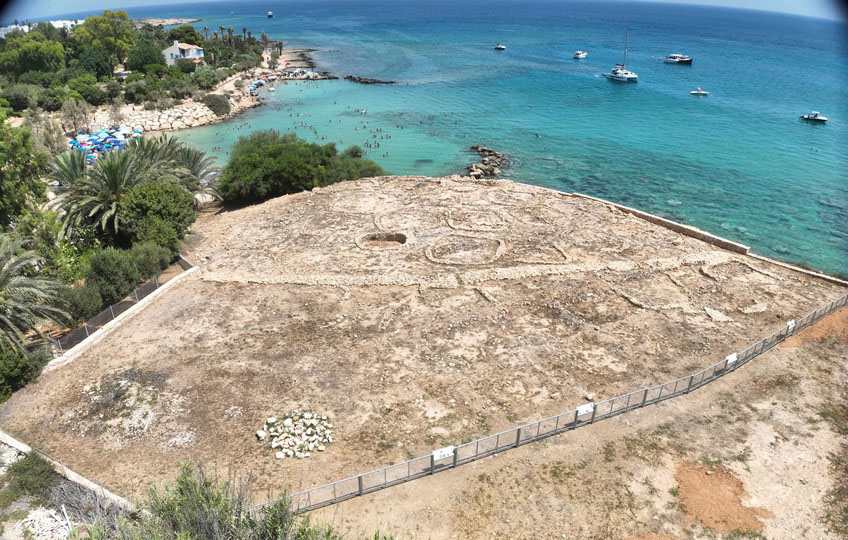
    The event, organised by the secondary education history curriculum team of the education ministry in collaboration with the department of antiquities and local schools, provided 105 educators with an opportunity to explore the site excavated on a hill overlooking Vyzakia beach. This location features informational displays with visual materials that vividly illustrate life in the Neolithic village and highlight recent archaeological discoveries.

    The tour was led by Dr Anna Satraki, an officer from the department of antiquities. Following the exploration, participants engaged in a discussion and presentation at Paralimni lyceum, which focused on new archaeological data related to excavations, museums, and upcoming exhibition spaces. Special mention was made of a new archaeological museum planned for construction in Nicosia.

    Mayor Giorgos Nikolettou of Paralimni-Dherynia attended the event and praised the collaboration between the ministry, the antiquities department, and the history curriculum team. He reiterated the municipality’s commitment to promoting the region’s rich heritage sites.

    The organising committee comprised notable members of the inspectorate for philological subjects including Dr Antonia Loizou, Dr Angelos Chrysostomou, and history advisors like Dr Panagiotis Proikakis, Mrs Andri Charalambous Zeniou, Dr Panagiotis Tofis, and Dr Andriani Georgiou, all contributing to the success of this educational initiative.

  • Excavations for Missing Persons Yield No Results Yet

    Excavations for Missing Persons Yield No Results Yet

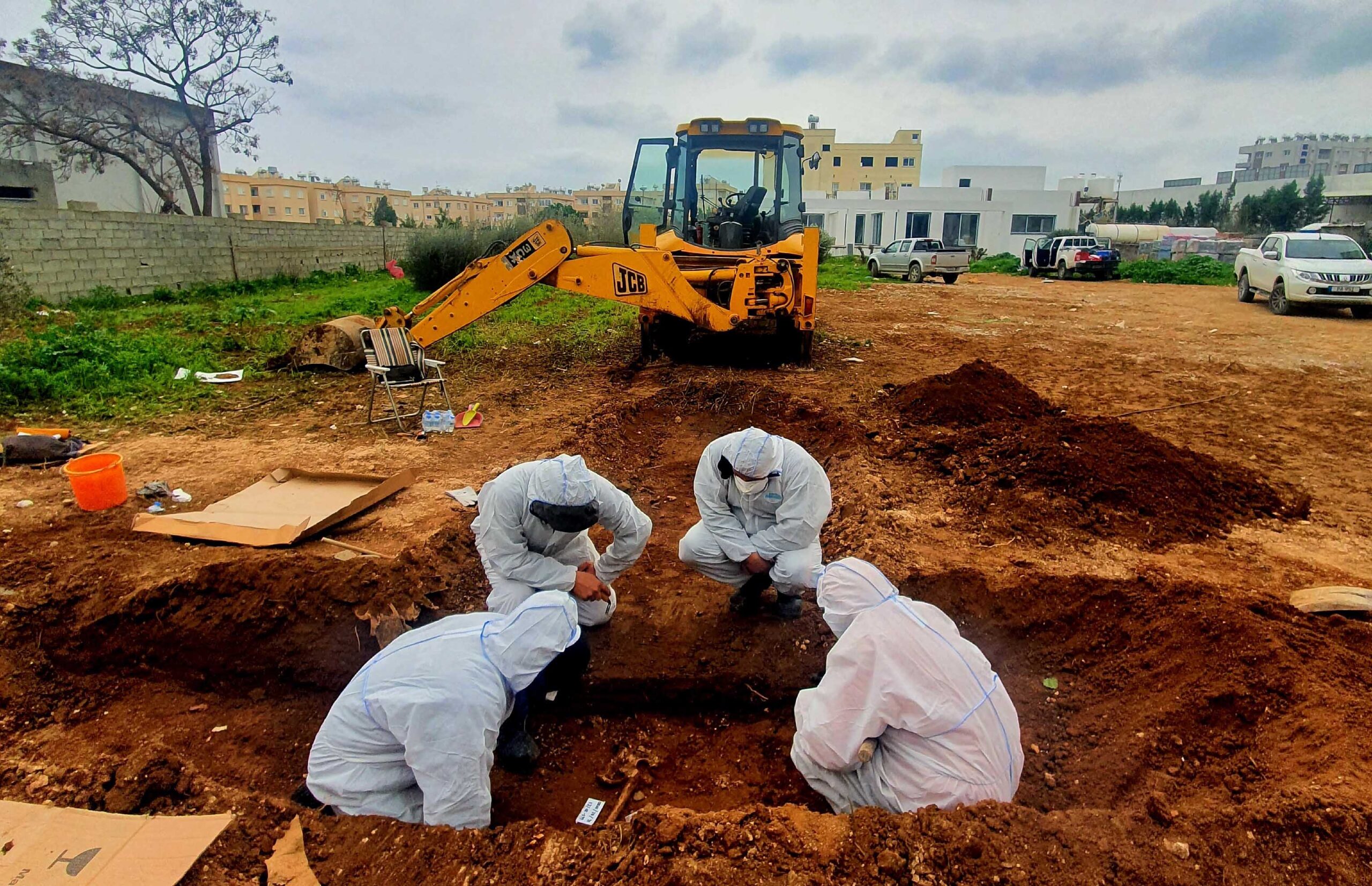
    Excavations are currently underway at eight sites by the Committee on Missing Persons (CMP), yet no remains of missing persons have been discovered so far. The operations, which involve seven teams in the north and one in the south, are focused on uncovering the fates of individuals who went missing during the intercommunal violence and the 1974 Turkish invasion of Cyprus.

    Missing persons: Sites of Interest Across Cyprus

    The ongoing excavations include notable locations such as Assia, where two CMP teams are specifically excavating wells. These efforts are marked by the archaeological significance of the site, particularly concerning Greek Cypriot missing persons. In the Karpas peninsula, a team is probing the village lake at Galatia, where two mass graves were previously identified in 2006 and 2015. These discoveries led to the identification of 18 individuals, and sources suggest that a third mass grave, potentially containing up to three people, may lie within the lake.

    Challenges in Finding Remains

    Despite the extensive efforts, including broadening search areas, the CMP teams have yet to find any remains. In Exo Metochi, the team is investigating a field where human remains were reportedly spotted in 1974. Although investigators were directed to a specific point, thirty days into their search yielded no results. Similarly, in Kioneli, where remains of missing Greek soldiers have been previously found, current excavations have also turned up empty.

    Additional Excavation Efforts

    Two other excavation sites in the north include Dikomo and Kumurcu. In Dikomo, the focus is on a riverbed based on information regarding Greek Cypriot soldiers, while work in Kumurcu involves a kiln site. Unfortunately, both sites have yet to produce any findings, and work continues.

    Investigations in the South

    The eighth excavation site is located in Engomi, Nicosia, where teams are exploring seven wells. Reports indicate that Turkish Cypriots missing since the intercommunal violence of 1963-1964 may be buried there. However, like the other sites, no remains have surfaced.

    The Broader Context of the Search

    Currently, there are a total of 2,002 missing persons, with 1,051 identified to date. Notably, 216 individuals were identified after not being included on the CMP’s official list. The missing persons include 492 Turkish Cypriots and 1,510 Greek Cypriots, primarily from the tumultuous periods of 1963-1964 and the 1974 invasion.

  • Cyprus history: Reviving Cyprus’ Archaeological Legacy Through Interdisciplinary Theatre

    Cyprus history: Reviving Cyprus’ Archaeological Legacy Through Interdisciplinary Theatre

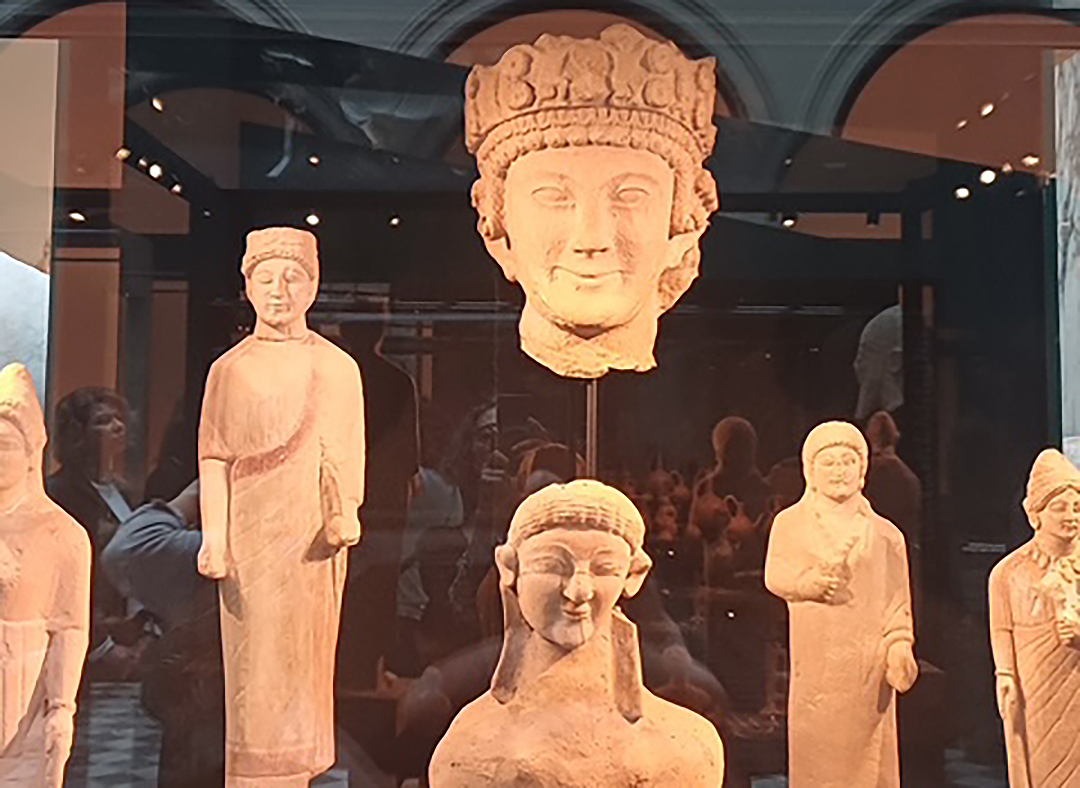
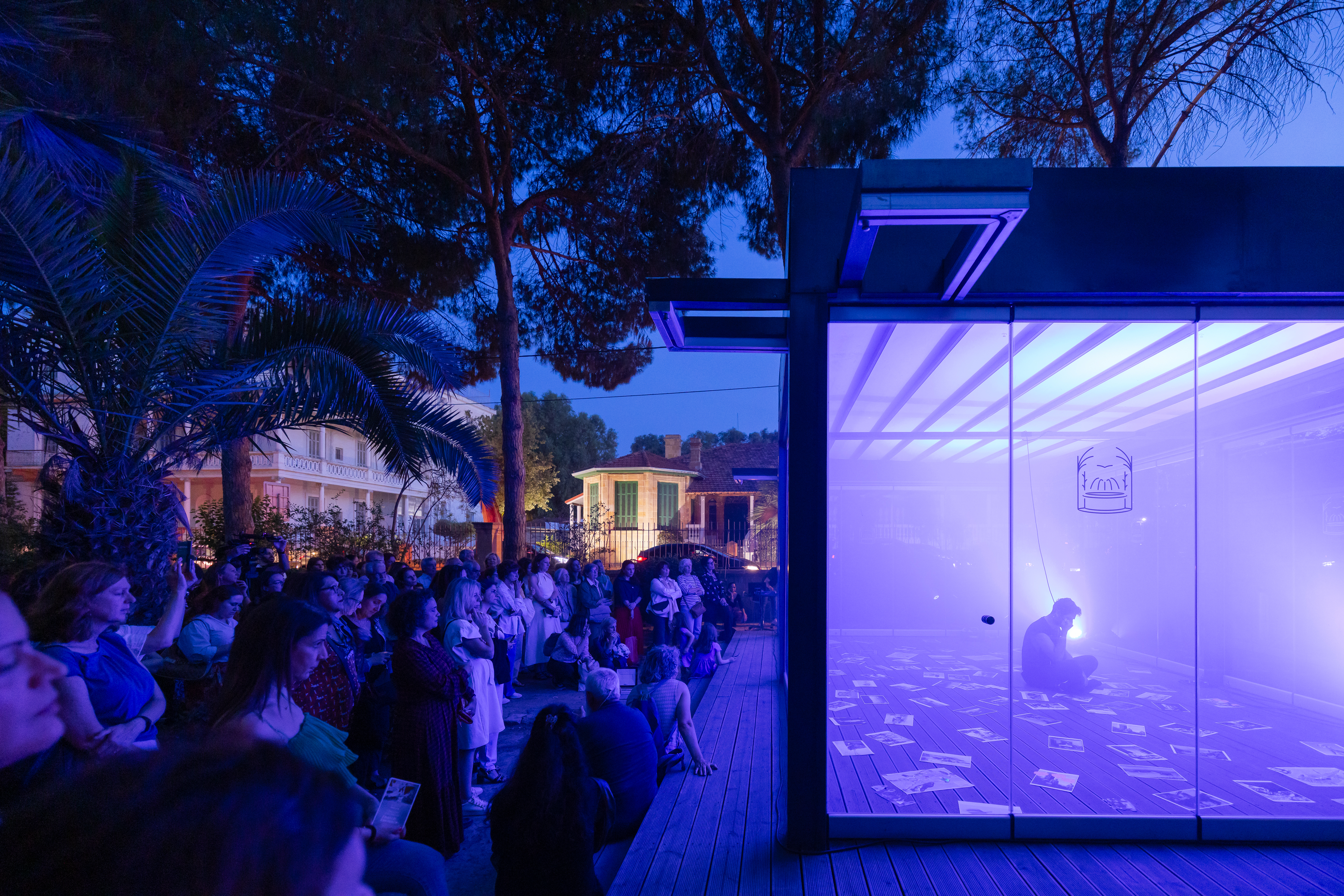
    cyprus history — cyprus history — Bringing the history of Cyprus to life, the Performing Collections Performing Archives project aims to explore and present untold stories surrounding the Swedish Cyprus Expedition of 1927-1931. This venture, initiated by theatre scholar Ellada Evangelou and museologist Despo Pasia, seeks to intertwine archaeological research with performing arts, enriching the dialogue about colonialism and identity in Cyprus.

    Photo: cyprus-mail.com

    Cyprus history: Unearthing the Past: The Swedish Cyprus Expedition

    Between 1927 and 1931, the Swedish Cyprus Expedition excavated over 20 archaeological sites across Cyprus, laying the groundwork for the island’s archaeological studies. Key figures such as Einar Gjerstad, John Lindros, Erik Sjöqvist, and Alfred Westholm were pivotal in this venture. However, nearly a century later, the impact of their work remains underappreciated.

    Photo: cyprus-mail.com

    A Spark of Inspiration

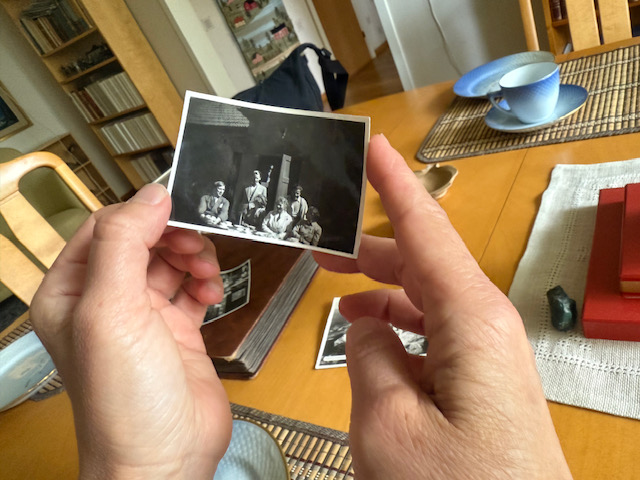
    At a workshop at the Nicosia Municipal Arts Centre (Nimac), Evangelou discovered photographs from the expedition that ignited her interest. She recalls, “These pictures among other photographs from the first half of the 20th century going into the 60s and we were discussing issues of colonialism and identity in Cyprus… these pictures really started to speak to me.”

    Interdisciplinary Collaboration in Action

    Collaborating with Pasia, the duo conceptualised the Performing Collections Performing Archives project to merge their disciplines. “We wanted to try and figure out how these two can come together,” Pasia notes, highlighting the importance of exploring the intersection of archaeology and theatre in contemporary discussions surrounding colonialism.

    From Archives to Performance

    The project takes a unique approach by combining archival research, interviews with descendants of the expedition’s workers, and interdisciplinary discussions. The aim is to create theatre performances, narrative audio tours, and educational programmes that delve into hidden narratives within Cyprus’ archaeological history.

    Highlighting Untold Stories

    The project’s first phase, running from 2023 to 2024, focuses on the lesser-known stories of the expedition’s workers. It features performances such as “[In]Credible Histӧries: The Process,” scheduled for April 2024 at the Cyprus Museum in Nicosia, and “[In]Credible Histӧries: A Promenade Devised Theatre Performance” on International Museum Day in May 2025.

    Voices from the Past

    Evangelou emphasises the importance of giving voice to those often overlooked in historical narratives. “We did a large amount of creative writing; for the text of the performance we focused on the locals and we gave a voice to the people, especially the workers or the villagers,” she explains. The project leans heavily on the wealth of archival documentation available, with close to 14,000 photographs that illuminate the context and lives of the people involved.

    Continuing the Journey: Phase Two

    Currently entering its second phase (2025-2026), the project shifts focus to the interactions between Cypriots and Swedes before, during, and after the expedition. A promenade-style theatre performance is set for March 2025 at the Medieval History Museum in Stockholm, promising to bring historical figures back into the spotlight.

    Bridging Generations

    This phase will include interactions with descendants of those involved in the expedition, revealing the human side of historical events. “It’s not just the practices of these people, it’s their whole life, their choices, their feelings, their struggles,” Pasia explains.

    Reconstructing Historical Narratives

    The duo is committed to uncovering the origins of the expedition, weaving together myth and reality. Evangelou recounts the intriguing anecdote of how Loukis Pierides, the Cypriot consul of Sweden, persuaded Gjerstad to explore Cyprus during a chance train encounter in 1923. This narrative exemplifies the intersection of personal stories and larger historical movements.

    The Importance of Context

    With collaboration from the department of antiquities, workshops have been developed around artefacts, adding depth and nuance to the project. “We have added a fourth one, which is direct interviews and collaborations with the descendants of the archaeologists,” Evangelou states, underscoring the project’s commitment to enriching its narrative fabric.

    Future Aspirations and Educational Initiatives

    As the project progresses, plans for an audio guide and educational materials are underway, aiming to create a comprehensive cultural product that resonates with contemporary audiences. “This project is there as a cultural product, it has this richness, it has all these voices,” Evangelou remarks.

    Rethinking the Role of Museums

    Pasia offers a critical perspective on the evolution of museums, suggesting that they must adapt to remain relevant. “If you want the museum, the story to be relevant, it has to go into things that may seem unpleasant but nevertheless are reality,” she asserts, advocating for a more inclusive and diverse narrative in museum settings.