Tag: Audit Office

  • A e: Doctors Criticise A&E Raids by Audit Office Officials

    A e: Doctors Criticise A&E Raids by Audit Office Officials

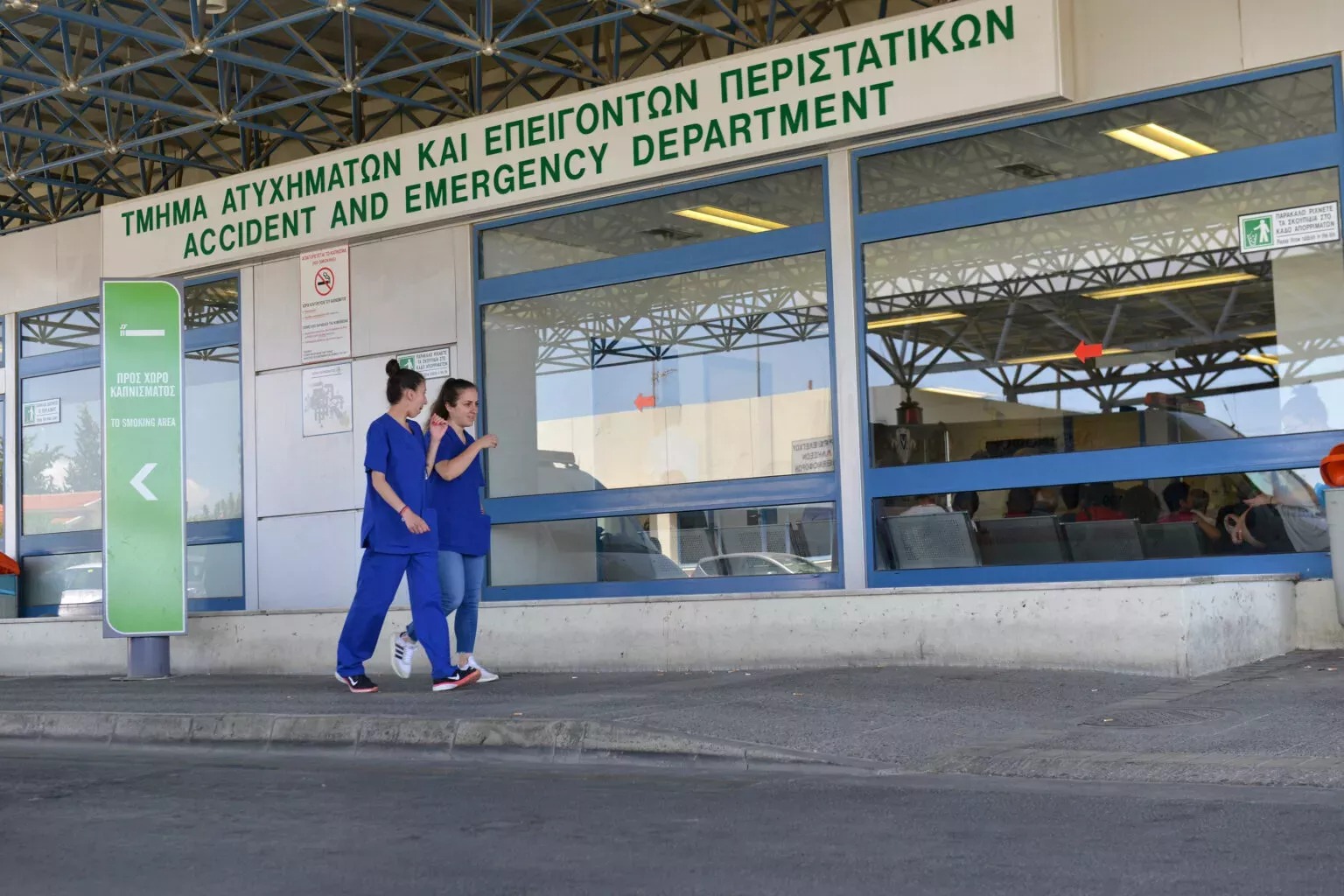
    a e — a e — Doctors are voicing their outrage following the unexpected overnight raids by Audit Office officials at the accident and emergency departments of both Nicosia and Limassol general hospitals on October 1. The inspections were conducted in a manner deemed offensive by the medical community, raising serious concerns about patient privacy and the integrity of medical data.

    Sotiris Koumas, president of the Pancyprian Union of Government Doctors, expressed his frustration about the demands placed on the medical staff. He stated, “The manner in which the inspections were conducted and the demands made by Audit Office officials were offensive and certainly exceeded limits in some cases, as they asked doctors, amongst other things, to prove they had served a patient by presenting data in the electronic files of General Healthcare System beneficiaries.”

    Koumas highlighted that no entity has the right to access the medical data of any patient who has visited the A&E, questioning the relevance of patient medical information to the purpose of the Audit Office’s inspections. “This is also a violation of patients’ rights, amongst many other things,” he added.

    During the raids, doctors on duty were reportedly asked to present their identity cards to verify their registration as medical professionals on duty that night. Koumas commented, “In other words, you call a doctor to leave his post whilst they are on active duty, and you ask them to show you their identity card. I think this is not the way for the Audit Office to conduct an inspection.”

    Adding to the controversy, officials are said to have contacted on-call doctors at home to assess their response times. Koumas explained, “At 1 am and 2 am they were telephoning doctors to check whether they would respond. If this is indeed true, it means that other serious issues arise.” These actions have prompted the union to consider the implications of such practices on the working environment for medical professionals.

    While Koumas acknowledged the Audit Office’s mandate to investigate potential abuses of power or misuse of public funds, he firmly reiterated that this does not justify the demand to access patient files. He stated, “With all due respect to the Audit Office and the Auditor General, access to patient files is permitted only to their doctor, and this is why only doctors have access to GHS files.”

    The union leader expressed concern about some colleagues who complied with requests to access patient files to confirm their treatments. He noted, “It is also very serious that some colleagues accepted and accessed the files of patients they had served in order to prove it.”

    Koumas concluded that the actions of both the audit officials and the doctors who acquiesced to these demands reflect a troubling environment that requires further scrutiny and discussion. He remarked, “The specific behaviours, both from the audit officials and from the doctors themselves, are the result of a climate that has been created and requires both analysis and criticism. Unfortunately, we have set a precedent.”
  • Daily Reprocessing of Desalinated Water Due to Pipeline Shortages

    Daily Reprocessing of Desalinated Water Due to Pipeline Shortages

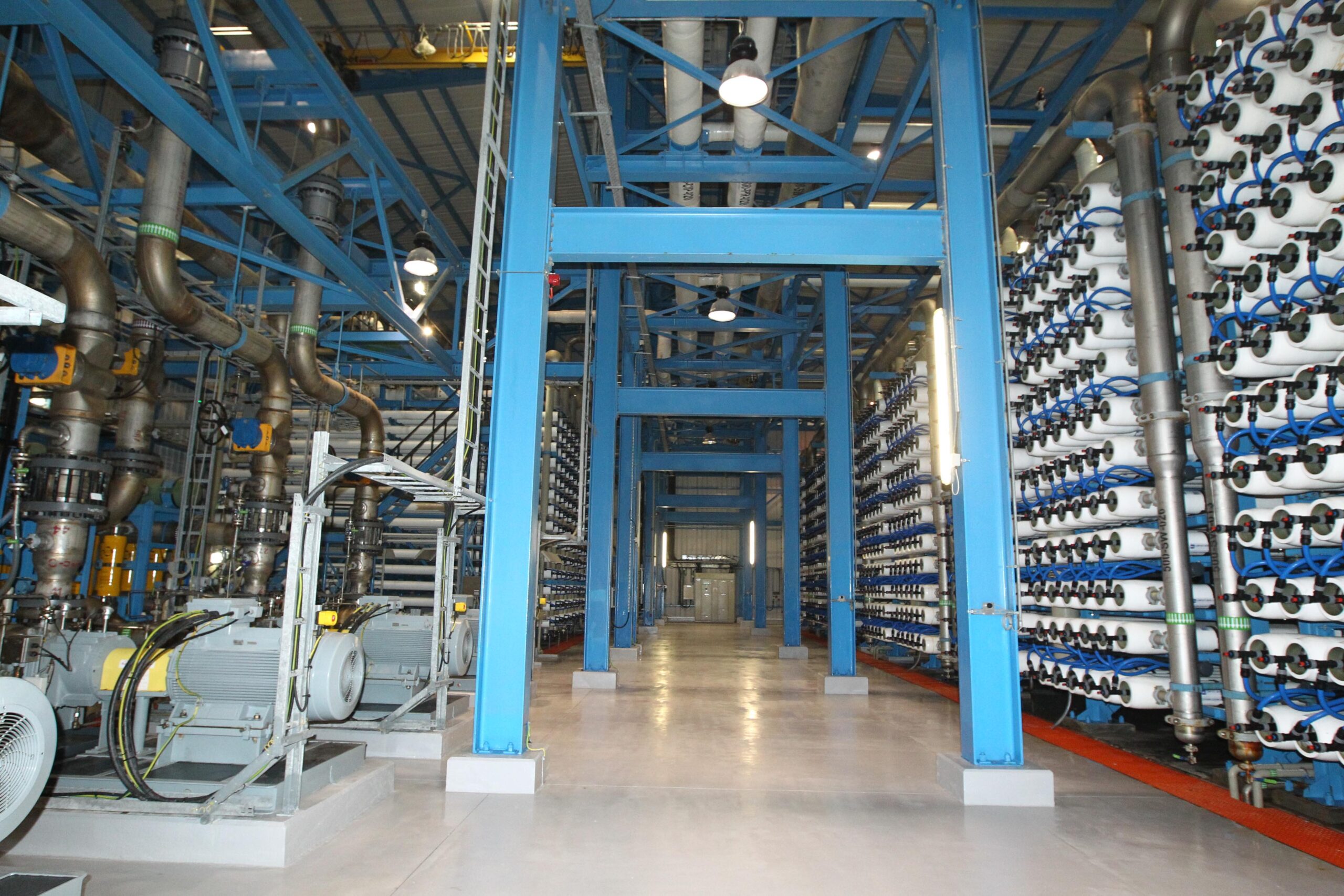
    Every day, 60,000 cubic metres of desalinated water are re-processed instead of reaching the general water supply, according to Akis Kikas from the Audit Office. This revelation was shared during a meeting with MPs on Thursday, highlighting significant inefficiencies in Cyprus’s water management.

    At the facilities of the Electricity Authority of Cyprus in Vasiliko, the desalination process generates a substantial amount of water. However, due to inadequate pipeline infrastructure, this water is diverted to the southern conveyor, the island’s largest water development initiative.

    The southern conveyor is designed to collect excess water from the southwest of Cyprus, transferring it to regions in need for irrigation and domestic use. Unfortunately, this diversion leads to the desalinated water mixing with dirt, necessitating further cleaning at a refinery in Tersefanou. As a result, consumers end up paying twice for the same water.

    Kikas noted that this has been an ongoing practice for the past decade, although he clarified that only a small percentage of the total desalinated water is affected by the pipeline issues. The Audit Office is currently preparing a report on the management of the island’s water resources, with publication expected by the end of the month.

    During the same meeting, Kikas raised concerns about 15 privately-owned dams that fail to meet legal safety standards. Among the most hazardous are the dams at Tamasos, Yermasoyia, and Polemidia. The House audit committee gathered to address the maintenance of these dams, with MPs expressing alarm over the shortage of qualified engineers available for necessary repairs.

    Adding to the urgency of the situation, parliamentarians pointed out the critically low water levels in the dams amid ongoing drought conditions. The Kouris dam, the largest on the island, is currently at just 12 per cent of its capacity, while Asprokremmos and Evretou dams sit at 11.5 per cent and 14 per cent, respectively.

  • Audit Office Highlights Misleading Claims Over Akamas Private Party

    Audit Office Highlights Misleading Claims Over Akamas Private Party

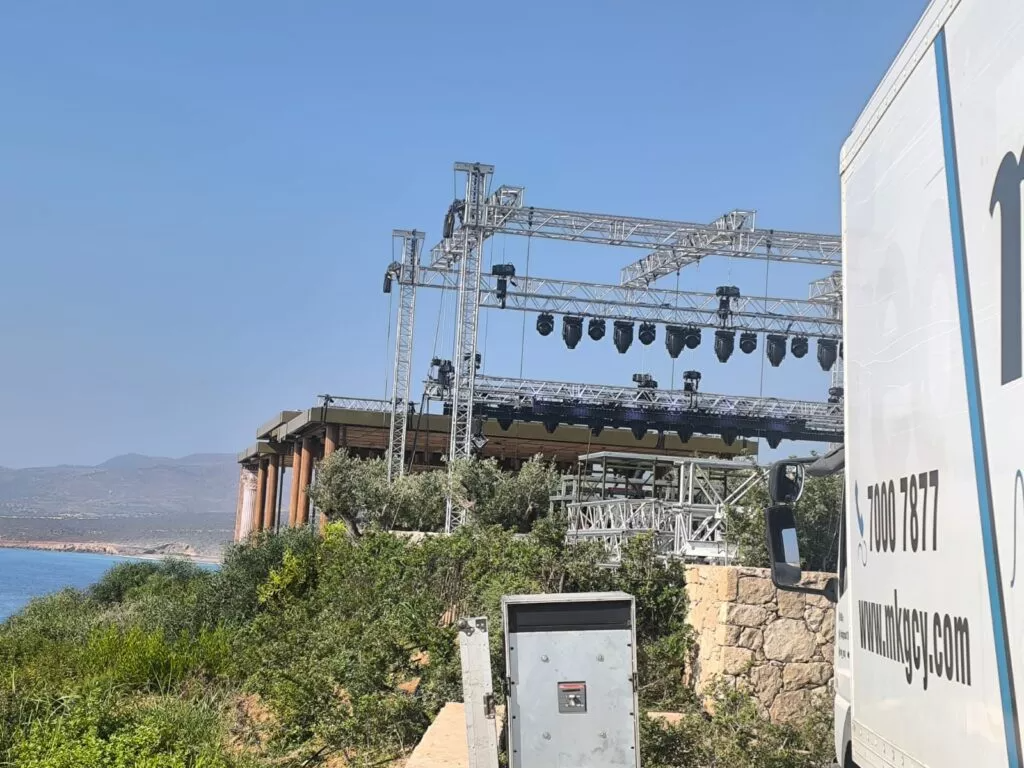
    akamas private — akamas private — The Audit Office has raised concerns about misleading statements made by local officials regarding a private party in the Akamas protected area. The controversy revolves around the installation of a stage and sound equipment for a businessman’s birthday celebration, which the Audit Office insists was not connected to the Carob Festival.

    In a statement released on Tuesday, the Audit Office clarified that the setup, which took place in an environmentally sensitive area, had no ties to the established festival. This assertion counters claims made by the Akamas mayor, the president of the Paphos District Local Government Organisation, and the director of the Department of Environment, who had previously linked the two events.

    Akamas private: Misrepresentation of Connections

    The Audit Office accused these officials of attempting to mislead the public by drawing arbitrary connections between the private birthday celebration and the Carob Festival. According to the office, the stage and sound equipment erected for the private event lacked necessary permits and were not in any functional or geographical relationship with the festival.

    “This sends extremely wrong messages regarding the state’s capabilities to enforce legal order,” the Audit Office stated, highlighting that basic principles of EU environmental law mandate precaution and prevention rather than reactive measures. The department also expressed serious reservations about the claims made by the Department of Environment Director, who suggested that the department lacked the legal tools to intervene preventatively.

    Concerns Over Environmental Protections

    The Audit Office’s statement underscored the fact that state officials had prior knowledge of the private party and the associated risks to the environment. Despite having ample time to address the situation, there was a failure to act decisively to prevent the event from occurring.

    The initial findings have raised suspicions of potential negligence or unjustified tolerance from state officials aimed at accommodating private interests. The Audit Office has reached out to the Ministry of Agriculture for an official response regarding these findings.

    Future Actions and Environmental Implications

    As more information comes to light from ongoing investigations, authorities will determine the appropriate next steps and whether the case should be referred to relevant bodies for further scrutiny. The situation shines a spotlight on the delicate balance between private events and the protection of areas like the Akamas peninsula, which is home to numerous protected species and habitats as recognised by EU legislation.

    The Audit Office’s findings raise critical questions about the enforcement of environmental protections and the responsibilities of state officials. With the Akamas region facing ongoing pressure from development and private interests, the need for stringent adherence to environmental laws has never been more pressing.