Tag: British bases

  • Azeri national — Cyprus Supreme Court Upholds Arrest Warrant for Azeri National in Espionage Case

    Azeri national — Cyprus Supreme Court Upholds Arrest Warrant for Azeri National in Espionage Case

    The Cyprus Supreme Court has upheld the arrest warrant for an Azeri national, detained since June 2025, on suspicion of terrorism and espionage involving British military bases.

    • The Cyprus Supreme Court has upheld the arrest warrant for an Azeri national, detained since June 2025, on suspicion of terrorism and espionage involving British military bases.

    Azeri national: Legal Ruling on Arrest Warrant

    The Supreme Court’s decision came after an appeal was lodged by the suspect’s lawyer, Efstathios Efstathiou, challenging the validity of the warrants issued on 21 June 2025. The appeal argued that the warrants were based on unreliable intelligence and that the court had failed to apply the necessary scrutiny for information deemed anonymous or secret.

    Dismissal of the Appeal

    In its ruling, the Supreme Court dismissed the appeal, asserting that the District Court had acted within legal parameters and conducted a thorough assessment of the evidence. The court clarified that the intelligence gathered was from a “foreign collaborating service” rather than an unreliable third country, which was crucial in justifying the warrants.

    Charges Against the Suspect

    The charges against the Azeri national include conspiracy to commit a felony and various offences under the Law on Combating Terrorism. The Supreme Court highlighted that initial intelligence suggested the suspect was gathering information regarding foreign military presence and potentially organising a terrorist attack.

    Intelligence and Surveillance

    Crucially, the Supreme Court noted that the intelligence was corroborated by subsequent physical surveillance conducted by Cypriot authorities. This combination of intelligence and observation led the court to conclude that there was sufficient justification for the issuance of the warrants.

    Statements from the Court

    The Supreme Court stated, “We judge that the trial court conducted a comprehensive and correct assessment of the totality of the evidence and evaluated every relevant element to conclude that the issuance of the warrants was justified.” This assertion reinforces the court’s confidence in the legal processes followed in the case.

    International Implications

    The case highlights the complex interplay between national security and international relations, particularly concerning allegations of espionage linked to foreign entities. The involvement of the Iranian Revolutionary Guard Corps (IRGC) in the case has raised concerns about broader implications for regional security.

    Ongoing Developments

    As the case proceeds, it remains to be seen how the legal proceedings will unfold and whether further developments may arise that could impact the suspect’s status or the broader context of espionage in Cyprus.

    Community Reaction

    The case has sparked interest and concern within the local community and among legal experts, prompting discussions about the balance between civil liberties and national security. The ongoing scrutiny of intelligence practices and legal standards in such cases is likely to continue as the situation develops.
  • Nicosia protest — Nicosia protest: Protestors Rally in Nicosia Against Israel and British Military Bases

    Nicosia protest — Nicosia protest: Protestors Rally in Nicosia Against Israel and British Military Bases

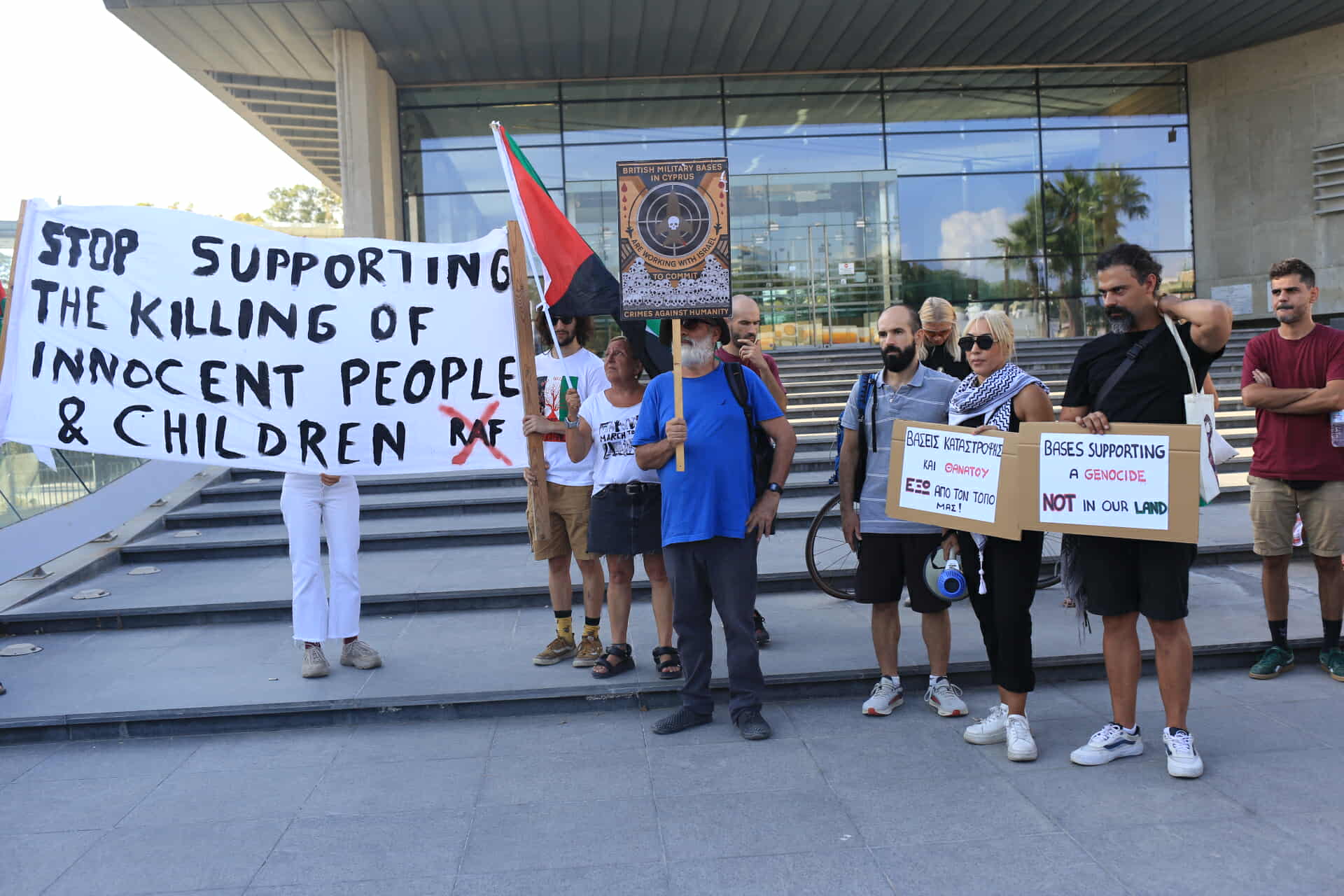
    nicosia protest — nicosia protest — Dozens of protestors gathered in Nicosia on Sunday afternoon as part of a rally against Israel and the British military bases in Cyprus. The event, dubbed the “Global Rally Against this supply chain of death,” was organised by multiple groups, including United for Palestine, AFOA, BDS, and the Cyprus Peace Council.

    • As tensions in the region continue, the voices from this rally serve as a reminder of the ongoing struggles faced by many and the significance of public discourse in shaping future policies.

    Nicosia protest: Mobilisation and March

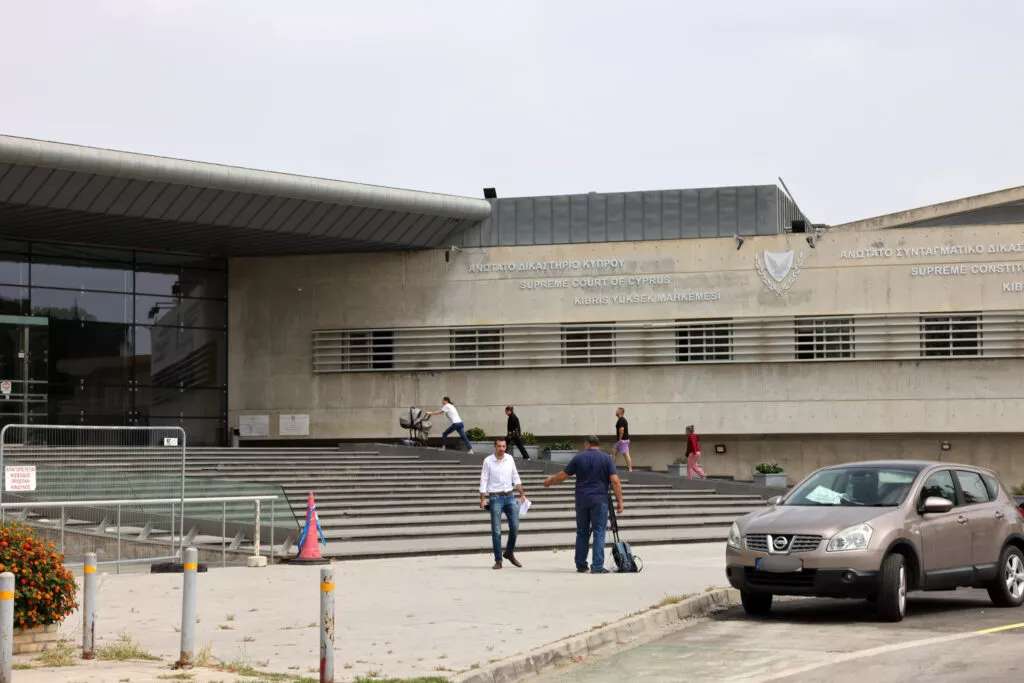
    The mobilisation began around 4pm outside the Nicosia District Court, where participants assembled before marching towards the British High Commission. Throughout the event, police forces were present to ensure safety, and officials later confirmed that the demonstration was conducted peacefully.

    Chants and Placards

    Carrying Palestinian flags and various placards, the demonstrators voiced their concerns with chants such as “Freedom for Palestine. Stop the genocide.” The placards conveyed strong messages against the British military presence in Cyprus, with one reading: “Bases of destruction and death, out of our land.”

    Another placard stated, “The British Bases, in cooperation with Israel, commit crimes against humanity.” These messages reflected the protestors’ call for an end to support for violence against innocent civilians, particularly children.

    Demographics of the Protest

    The march saw participation from individuals of all ages, each bringing their perspectives on the ongoing conflicts in the Middle East. Some placards highlighted Britain’s historical role in regional conflicts while others specifically condemned Israeli actions in Gaza and the West Bank.

    Legal Framework for Demonstrations

    The police issued a reminder to the organisers about their legal obligations under the Public Gatherings and Parades Law 151(I) of 2025. This legislation stipulates that organisers must ensure demonstrations remain orderly and peaceful, cooperate with local authorities, and adhere to guidelines set by a liaison officer appointed for the event.

    Moreover, the law grants police the authority to impose restrictions or dissolve a protest if it becomes violent, breaches conditions, or poses risks of harm. Despite these provisions, no such measures were required on Sunday, and the demonstration concluded without any incidents.

    Significance of the Protest

    This rally in Nicosia is part of a broader movement calling for solidarity with Palestine and a reassessment of the UK’s military involvement in Cyprus. The protestors’ voices echoed a growing discontent with international policies perceived to support violence and conflict in the region.

    Community Reactions

    Local reactions to the protest have varied. Many supporters have praised the demonstrators for their commitment to raising awareness about the situation in Palestine, while critics argue that such protests may not effectively foster dialogue or resolution.

    Future Implications

    The peaceful nature of the demonstration in Nicosia suggests a willingness among protestors to engage in dialogue rather than violence. The event could pave the way for future gatherings aimed at addressing complex geopolitical issues and advocating for peaceful resolutions.

    As tensions in the region continue, the voices from this rally serve as a reminder of the ongoing struggles faced by many and the significance of public discourse in shaping future policies.

  • Greek Cypriot Arrested for Drug Trafficking After Crossing into Occupied Areas

    Greek Cypriot Arrested for Drug Trafficking After Crossing into Occupied Areas

    A 32-year-old Greek Cypriot man has been arrested on suspicion of drug trafficking after his claims of accidentally entering occupied northern Cyprus were called into question.

    • A 32-year-old Greek Cypriot man has been arrested on suspicion of drug trafficking after his claims of accidentally entering occupied northern Cyprus were called into question.

    The resident of Nicosia was taken into custody by British Bases police following a series of investigations that suggested he may have deliberately crossed into the territory. The incident unfolded in the early hours of the morning, around 4:00 am, near the road leading from Xylotymbou to the Strovilia checkpoint.

    Drug trafficking: Unfolding Events at the Checkpoint

    According to sources from Philenews, the suspect initially claimed he had entered the occupied area by mistake while looking for a place to relieve himself. He stated that he noticed lights directed towards him and realised they were coming from a guard post operated by the occupation authorities. In a panic, he claimed to have fled back into government-controlled areas, abandoning his vehicle in the process.

    Police Findings Raise Doubts

    However, investigations by the British Bases Dhekelia police appear to contradict the man’s narrative. Evidence collected during the inquiry suggests that his movements were not accidental but rather part of a planned attempt to move between territories. Police sources emphasised the need for a thorough investigation into potential drug smuggling operations connected to the suspect.

    Jurisdiction and Law Enforcement

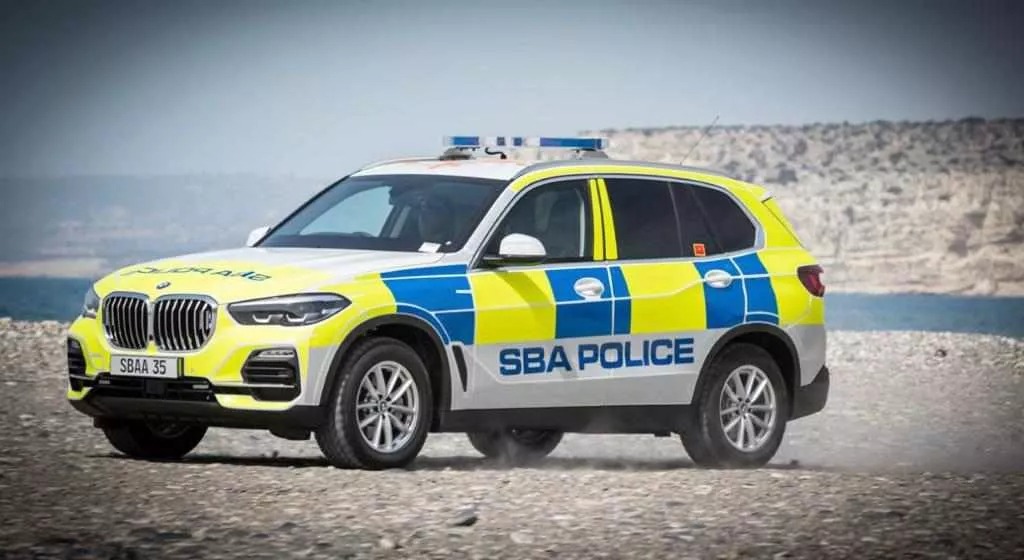
    The British Sovereign Base Areas operate their own police force, which is tasked with maintaining law and order across the territory, including some parts of the buffer zone separating the two communities in Cyprus. This arrest underscores the complexities of jurisdiction in the region, especially concerning activities related to drug trafficking.

    Further Implications for Cross-Border Movement

    The case raises questions about the ongoing issue of cross-border movements in Cyprus, particularly concerning the porous nature of the dividing line between the Republic of Cyprus and the occupied areas. As authorities continue to investigate, the incident highlights the challenges faced by law enforcement in curbing drug trafficking and ensuring safety in the region.

  • Greek Cypriot Accidentally Enters Northern Territory

    Greek Cypriot Accidentally Enters Northern Territory

    A 32-year-old Greek Cypriot found himself in a precarious situation early Thursday morning when he accidentally crossed into northern territory while driving along the Larnaca–Famagusta road.

    • A 32-year-old Greek Cypriot found himself in a precarious situation early Thursday morning when he accidentally crossed into northern territory while driving along the Larnaca–Famagusta road.
    • The Dhekelia bases police are currently investigating the incident. Efforts are underway, with assistance from the United Nations, to facilitate the return of the vehicle to its owner.

    The incident occurred at approximately 4am as he was navigating the route towards Strovilia. At some point, he inadvertently veered onto a dirt road, leading him away from the main path. After exiting his vehicle for a brief moment, he realised he was in an unfamiliar area.

    His alarming discovery came when he noticed lights from a nearby Turkish Cypriot outpost shining down on him. Recognising the potential danger, the man quickly fled in the opposite direction, heading towards the safety of the British bases-controlled territory. In his haste, he left his car behind, which he later reported was surrounded by Turkish Cypriot soldiers.

    The Dhekelia bases police are currently investigating the incident. Efforts are underway, with assistance from the United Nations, to facilitate the return of the vehicle to its owner.

  • Greek Cypriot Man Flees After Unintentional Crossing into Occupied Territory

    Greek Cypriot Man Flees After Unintentional Crossing into Occupied Territory

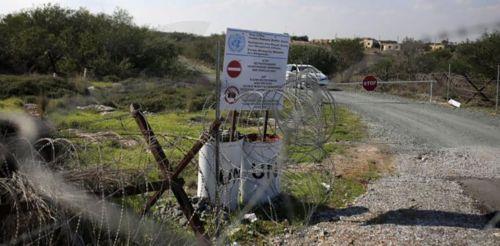
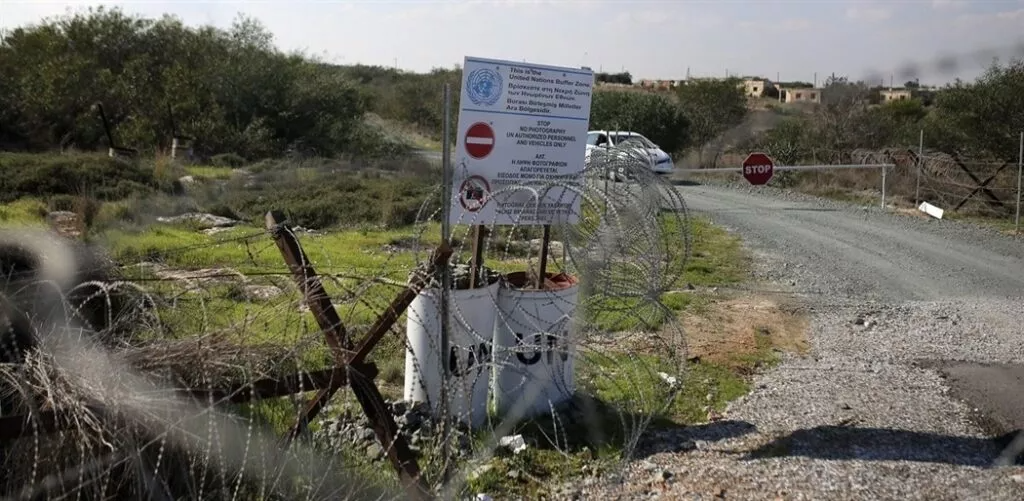
    A 32-year-old Greek Cypriot man fled on foot after accidentally crossing the buffer zone into the occupied areas with his vehicle early Thursday morning.

    • A 32-year-old Greek Cypriot man fled on foot after accidentally crossing the buffer zone into the occupied areas with his vehicle early Thursday morning.
    • In his statement, he explained that he was travelling in the opposite direction when he made the unexpected diversion onto the unpaved road, indicating unfamiliarity with the area's boundaries.

    The incident took place at around 04:00 on a road leading to Strovolia, according to reports from the British Bases. The driver, a resident of the Nicosia district, was attempting to relieve himself when he inadvertently entered the occupied territory.

    The man later recounted to Dhekelia Base police that he had turned onto a dirt road, unaware that he had crossed into the occupied zone. His realisation came only when he noticed lights from what he recognised as an occupation forces checkpoint. Alarmed, he abandoned his vehicle and sprinted back towards government-controlled areas.

    In his statement, he explained that he was travelling in the opposite direction when he made the unexpected diversion onto the unpaved road, indicating unfamiliarity with the area’s boundaries.

    British Base police confirmed they received the report and have initiated standard procedures typical for such incidents. The man’s vehicle remains in the occupied territory following his hasty departure.

    Authorities at Dhekelia Base are currently investigating the circumstances surrounding this accidental crossing. The Republic of Cyprus authorities have been notified, and they will assist in efforts to facilitate the vehicle’s return to its owner. This process typically involves diplomatic channels and administrative procedures between the two sides.

  • Cyprus risk: Increased Risk for Cyprus Amid Middle East Tensions and UN Budget Cuts

    Cyprus risk: Increased Risk for Cyprus Amid Middle East Tensions and UN Budget Cuts

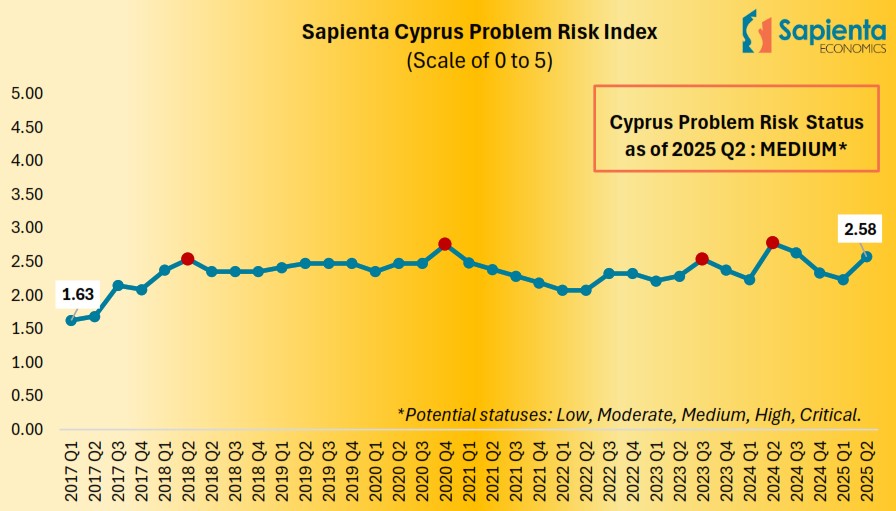
    cyprus risk — cyprus risk — The risk of an attack on British bases in Cyprus has escalated due to ongoing conflicts between Israel and Iran, coupled with recent reductions in UN mission budgets. This shift has resulted in a notable increase in the quarterly Sapienta Cyprus Problem Risk Index, which assesses potential threats to the region.

    Photo: financialmirror.com

    • The latest report detailing these changes and methodologies is accessible on the Sapienta Economics website, offering further insights into the evolving risk landscape in Cyprus.

    For the second quarter of 2025, the index rose to a score of 2.58, placing it firmly within the upper half of the “medium risk” category. This marks a rise from the previous quarter’s score of 2.24, signalling growing concerns among analysts. However, it remains lower than the same period last year, primarily attributed to relative stability within the UN-monitored buffer zone.

    Cyprus risk: Factors Influencing the Index

    Fiona Mullen, Director of Sapienta Economics, highlighted that various elements are contributing to the heightened risk. The recent arrest of an individual alleged to be connected to the Iranian Revolutionary Guard, reportedly spying on the British Sovereign Base Areas (SBAs), has raised alarms about potential direct threats to the island.

    Moreover, attempts from certain nations to insinuate that Cyprus or its British bases could be implicated in attacks against Iran exacerbate these concerns. Mullen noted that the cuts to the UN budgets for both the Good Offices Mission and the peacekeeping UNFICYP mission diminish the organisation’s vital role in moderating tensions between communities in Cyprus.

    The Curveball Risk and Its Implications

    Another significant aspect of the risk index is the “curveball” category, which accounts for unpredictable high-risk events that the model does not directly address. Mullen explained, “No model is perfect, so the curveball risk captures new risks that can flare up or subside quickly.” This could destabilise relations between Greek Cypriots and Turkish Cypriots, or even escalate the potential for broader conflict.

    The risk of an attack on British bases is classified as a curveball risk, indicating that while it is not factored into the traditional assessment metrics, it remains a critical concern for analysts monitoring the region.

    Understanding the Broader Context

    The Sapienta Cyprus Problem Risk Index is derived from ten primary factors that drive the intensity of the Cyprus issue. These factors encompass military activities in the UN-monitored buffer zone, maritime activities in adjacent waters, Turkey’s diplomatic relations, and the status of ongoing negotiations aimed at resolving the Cyprus problem.

    As the geopolitical landscape continues to shift, the implications for Cyprus remain complex. With the potential for increased military tensions and a reduced role of the UN in peacekeeping, the situation warrants close attention from both local and international observers.

    The latest report detailing these changes and methodologies is accessible on the Sapienta Economics website, offering further insights into the evolving risk landscape in Cyprus.