Tag: Budget

  • Finance Minister Advocates for 2026 Budget as Future Investment

    Finance Minister Advocates for 2026 Budget as Future Investment

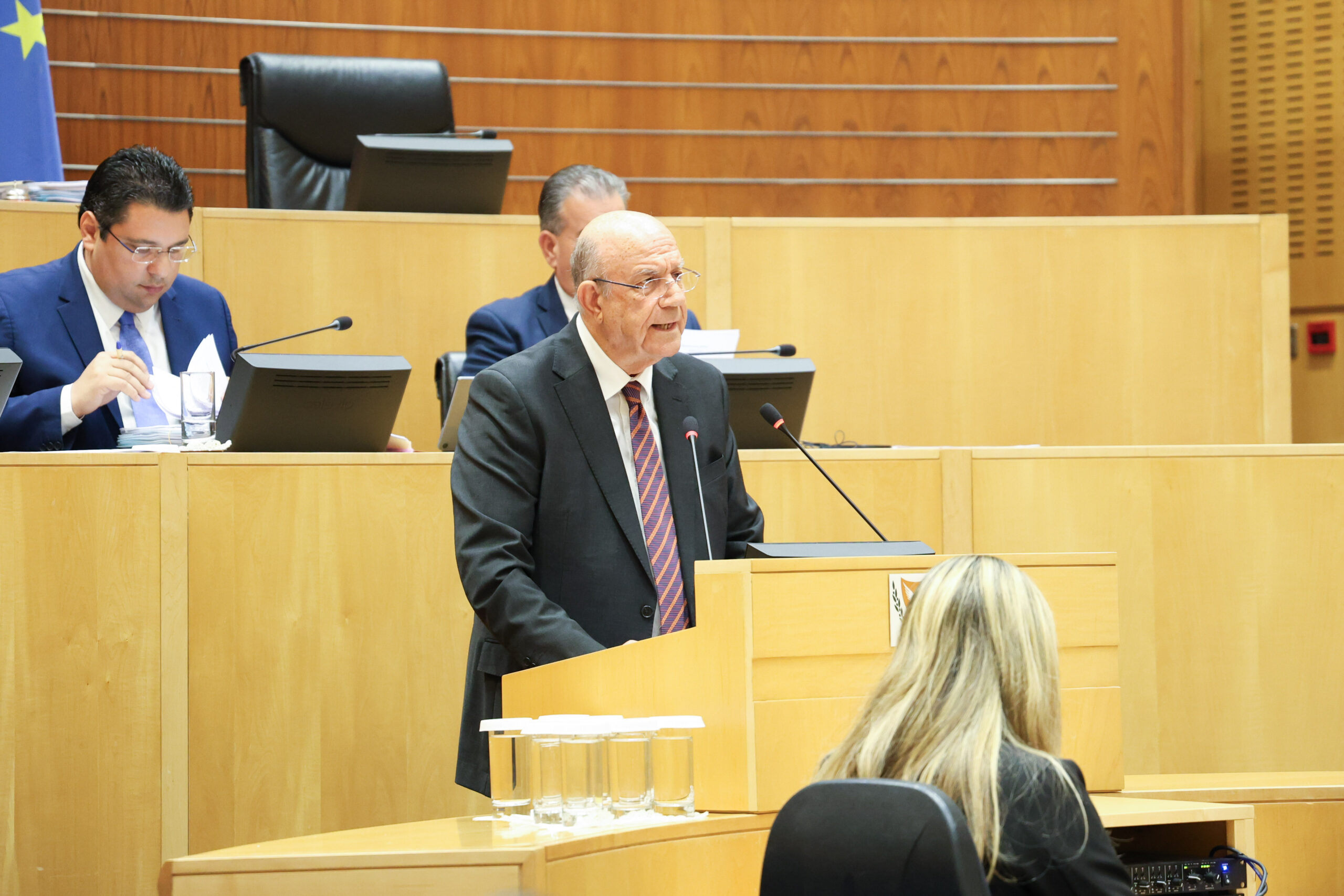
    2026 budget — Finance Minister Makis Keravnos has urged MPs to approve the 2026 state budget, framing it as an investment in the future of Cyprus. Speaking at the House plenum on Thursday, he emphasised the government’s commitment to fostering growth whilst ensuring a balanced approach to development that prioritises people.
    Photo: cyprus-mail.com

    026 budget: Government’s Vision for Economic Growth

    In his address, Keravnos highlighted that the budget is designed to facilitate economic growth that benefits a broad spectrum of the population. He stated, “Our objective is to pursue a policy of economic growth benefiting as many people as possible, without exclusions.” This vision is particularly crucial given the ongoing challenges, including the geopolitical tensions arising from the crisis in Ukraine.

    Resilience Amid Challenges

    Despite any uncertainties, the finance minister expressed confidence in the resilience of the Cyprus economy. He asserted that it would maintain its momentum, projecting strong growth, low unemployment rates, and healthy public finances.

    Upcoming Budget Discussions

    Keravnos delivered his budget speech during the final regular plenary session of the year. The budget will be debated and voted on during an extraordinary session scheduled for December 15 to 17. Ahead of this critical vote, he appealed to MPs to consider the budget as a pivotal investment in the future for citizens and businesses alike.

    Key Financial Figures for 2026

    The proposed 2026 budget outlines primary expenditures totalling €10.7 billion, marking a 5% increase from 2025. Development spending is set to rise by 4.7%, while social spending will see a significant boost of 6.7%.

    • Projected GDP growth for 2026: 3.1%
    • Unemployment rate forecast: 4.6%
    • Expected inflation rate: stabilising around 2%
    • Budget surplus anticipated: 2.9% of GDP
    • Debt to GDP ratio forecast: 50.9%, down from 55.3%

    Funding for Vulnerable Groups

    Over the next three years, from 2026 to 2028, the government plans to allocate approximately €6.82 billion to support vulnerable groups, including students, children, patients, and individuals with special needs. This substantial investment underscores the government’s commitment to social welfare and inclusion.

    Debt Management and Surpluses

    Keravnos noted that maintaining budget surpluses through 2026 should positively influence the government’s financing strategy, ultimately contributing to a decrease in the public debt to GDP ratio. The anticipated reduction surpasses earlier projections, which aimed for a 60% ratio by the end of 2026.

    Utilisation of Recovery Funds

    Regarding the Recovery and Resilience Facility, the minister revealed that Cyprus has already received €568 million across five tranches, indicating a proactive approach to leveraging European funds for national development.

    Public Payroll and Employment Changes

    Concerning the public payroll, it is expected to constitute 27.5% of the total state budget in 2026, a slight decrease from 28% this year. The government also plans to create 611 new positions in the public sector while eliminating 625 roles, signalling a shift in workforce management.

    Tax Reform for Economic Fairness

    Another crucial aspect of the budget discussion is the proposed tax reform, which the administration aims to pass by the end of the year. Keravnos described the new tax system as fairer, designed to reduce the tax burden on households and families with children. This reform is expected to stimulate the middle class, enhance opportunities for women’s employment, and promote home ownership.

    He stated, “It is a new, fairer tax system, which will boost the real economy and the competitiveness of Cypriot businesses while attracting productive and qualitative foreign investment creating well-paying jobs.” This comprehensive approach reflects the government’s commitment to fostering a resilient and inclusive economic environment.
  • State Aid Ombudsman Budget Proposal for 2026 Sees Significant Increase

    State Aid Ombudsman Budget Proposal for 2026 Sees Significant Increase

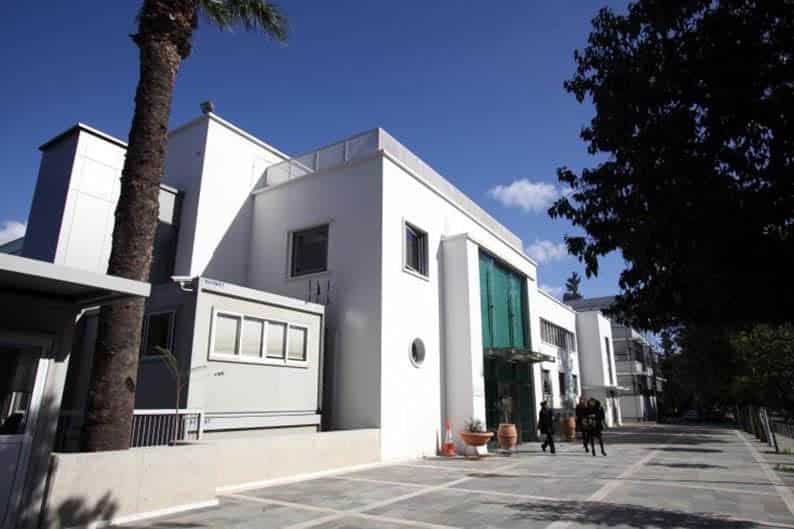
    The budget proposal for the state aid ombudsman in 2026 has seen a significant increase, totalling €703,280, as announced by commissioner Stella Michaelidou during a session with the House Finance Committee on Monday.

    State aid: Budget Increase and Staffing Developments

    The budget has risen by €129,852 compared to previous allocations, a development welcomed by committee members. Notably, the office has recently expanded its workforce with the hiring of four permanent staff members, enhancing its operational capacity.

    Concerns Over Rising Accommodation Costs

    Despite the positive staffing news, there are concerns regarding a 42 per cent increase in accommodation costs for the office. Diko MP Christiana Erotokritou, chair of the committee, questioned the necessity of this rise in rental expenses. Michaelidou clarified that the office currently operates from an apartment and that the new premises were selected through a transparent process involving the public works department and finance ministry. The rental increase is set at €63,000, as assessed by the land registry.

    Long-Term Stability and Future Planning

    The commissioner assured the committee that the new location meets the approved organisational requirements, which should prevent the need for further relocations in the near future. Following the addition of four permanent hires, the office aims to operate exclusively with permanent staff moving forward. Any secondments that conclude in 2026 will be evaluated individually, with renewals being considered based on the office’s operational needs at that time.

    Strengthening EU Relations and Upcoming Events

    Additional budget increases are attributed to the office’s participation in European Union competition groups. Michaelidou highlighted the office’s recognition from the EU for maintaining the state aid register. In a significant upcoming event, the office will host the state aid working group in Cyprus for EU member states in June 2026.

    Guiding Principles of the Office

    Michaelidou emphasised the importance of the office’s role in advising on the allocation of public resources, adhering to EU state aid principles such as transparency, proportionality, necessity, and appropriateness. This guidance is critical for ensuring that aid is distributed effectively and fairly.

    Political Support and Broader Implications

    Support for the office’s work was voiced by Disy MP Harris Georgiades, who pointed out that EU competition policy is among the most advanced in Europe, underscoring the vital role of the commissioner. Meanwhile, Green Party MP Stavros Papadouris raised inquiries regarding outcomes from a recent Copenhagen conference focused on affordable housing. In response, Michaelidou indicated that the office is contemplating whether housing could be classified under services of general economic interest, which would enable EU member states to better serve their citizens.

  • Finance Minister Keravnos Raises Concerns Over Great Sea Interconnector Funding

    Finance Minister Keravnos Raises Concerns Over Great Sea Interconnector Funding

    great sea — Finance Minister Makis Keravnos has voiced significant concerns regarding the funding of the Great Sea Interconnector (GSI) project, citing potential financial risks associated with its implementation. In remarks made following a meeting of the Council of Ministers on Monday, where the 2026 state budget was under consideration, Keravnos highlighted findings from various studies suggesting that the GSI may not be financially sustainable.

    Keravnos stated, “I still think this issue is under discussion. If we pay the money, there is a risk. As I have said, studies suggest that the project is not viable.” His comments reflect a consistent apprehension regarding the project’s feasibility, a sentiment he has expressed on multiple occasions.

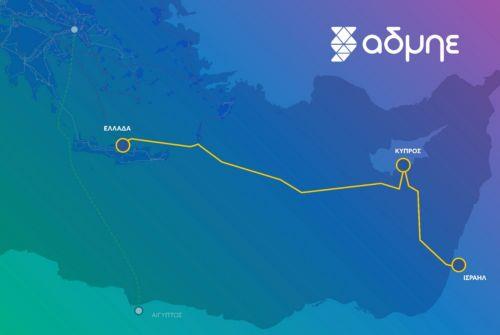
    The GSI aims to connect the energy grids of Cyprus, Greece, and Israel, representing a significant step towards regional energy integration. However, the project has faced various challenges, leading to the Cypriot government withholding €25 million requested by Greece’s independent transmission system operator, Admie, to assist with its funding.

    During the budget preparations, Keravnos mentioned that both internal and external risks had been evaluated, with the GSI identified as a notable concern. He emphasised the uncertainty surrounding the final cost of the project, which adds another layer of complexity to funding decisions.

    In a related matter, the Minister addressed the European Commission’s demand for the return of €67 million related to the Vasiliko liquefied natural gas (LNG) terminal, which was never completed. Keravnos assured that the government is actively managing this issue, hinting at potential offsets with future funds. “We are not giving up, we are fighting,” he asserted, indicating a commitment to navigating the financial challenges ahead.

    When pressed by journalists about the possibility of negotiating the demanded amount, Keravnos firmly stated that the figure was not negotiable under any circumstances, reaffirming the government’s position on the matter.