Tag: Channel 4

  • Allegations of Human Trafficking in Ayia Napa Raise Concerns Among MPs

    Allegations of Human Trafficking in Ayia Napa Raise Concerns Among MPs

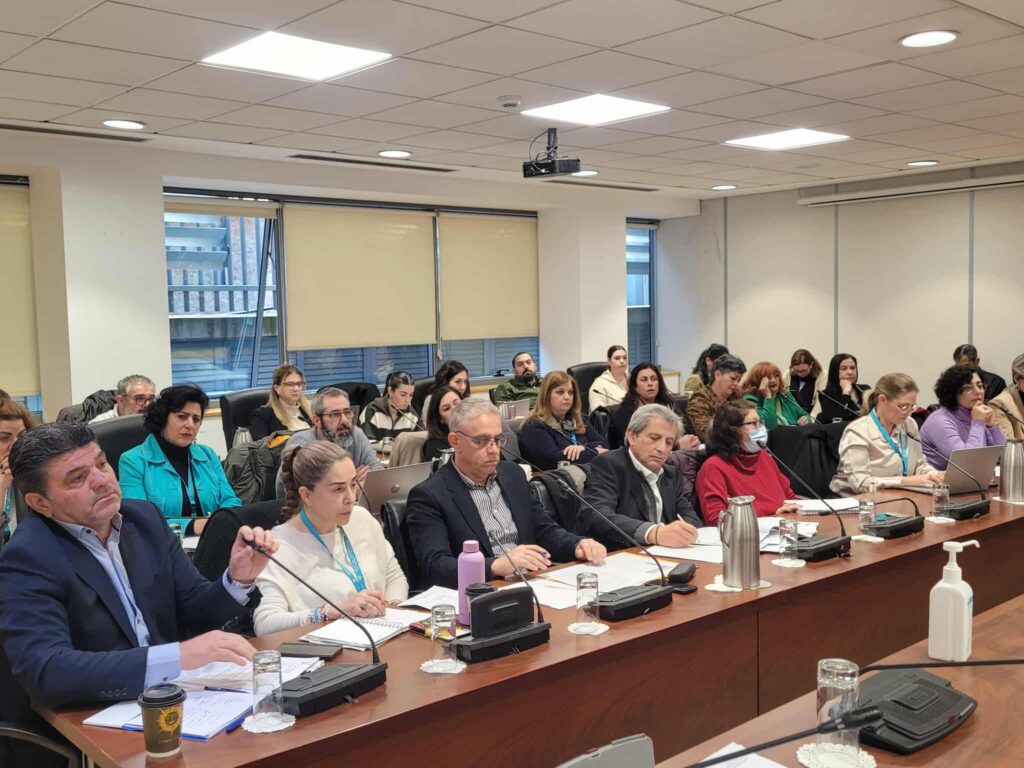
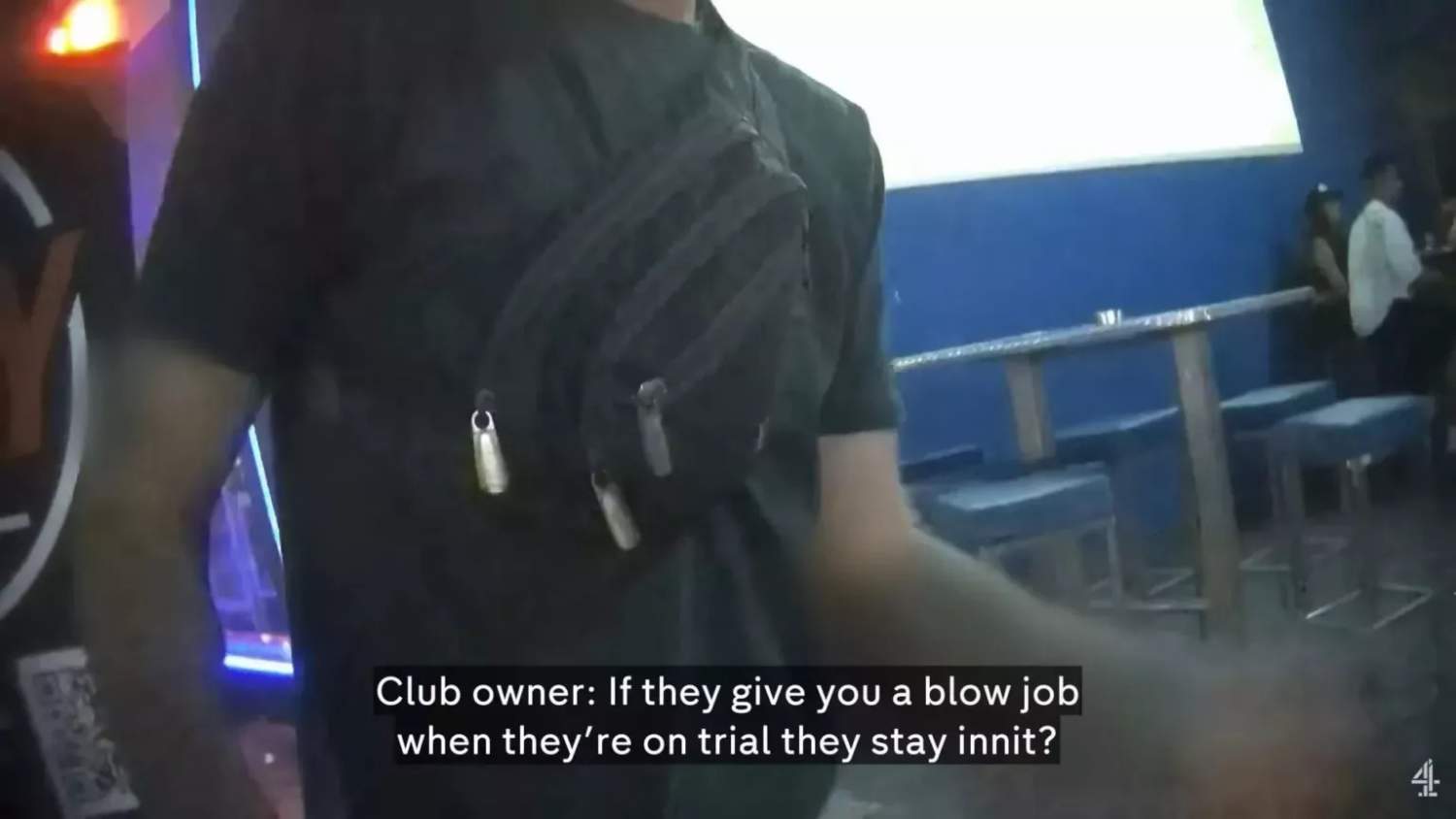
    Allegations of human trafficking in Ayia Napa have sparked significant concern among MPs, particularly following a recent Channel 4 documentary that exposed the exploitation of young women in the area. This troubling issue was extensively discussed during a meeting of the House human rights committee on Monday.

    Committee chairwoman and Akel MP Irini Charalambides revealed that deputy migration minister Nicholas Ioannides is expected to address the committee within the next fortnight. He will provide updates on the measures being implemented to protect victims, combat human trafficking, and hold perpetrators accountable.

    Andreas Anastasiadis, assistant director of the police, informed the committee that an ex officio investigation into the documentary has already been launched. The police have gathered several statements and are seeking additional information from the British broadcaster regarding the claims made in the film.

    In another development, the cyber crime department is currently examining allegations related to a website that purportedly advertised job positions in Cyprus during the summer months. Anastasiadis refrained from sharing further details to avoid compromising the ongoing investigations but noted that police efforts against human trafficking have intensified in recent years. Since 2021, there have been 30 convictions across 21 cases, with an additional 30 cases still pending.

    During the meeting, it became apparent to MPs that the multidisciplinary group tasked with combating human trafficking, which operates under the deputy migration ministry, is failing to perform its duties adequately. Chairwoman Charalambides expressed her discontent with the current situation, stating that it does not align with the timelines provided by the Ministry of Interior. As a result, she plans to advocate for the coordination of this body to be transferred to the justice ministry, which is also responsible for law enforcement.

    Disy MP Rita Superman echoed the concerns raised during the discussion, asserting that the issues revealed in the documentary reflect a broader systemic problem rather than just a negative reality for Cyprus. She emphasised that the nation is grappling with a system that has allowed for the exploitation of women and the impunity of organised groups for far too long.

    Superman pointed out that while the media often highlights procedures and restrictions, there has been insufficient focus on tangible results. She critiqued the prevailing response of “there were no complaints” regarding human trafficking cases as indicative of significant operational and political gaps.

    Volt MP Alexandra Attalidou described human trafficking as a direct outcome of systemic issues, calling for proactive measures to identify victims. She argued that the state must demonstrate zero tolerance for such practices and ensure that victims receive the necessary support to escape their situations, especially as many face intimidation that prevents them from coming forward.

    Ayia Napa’s mayor, Christos Zannetou, shared that the municipality has conducted its own investigations into local establishments and the broader social challenges facing the town. However, he highlighted that the responsibility for monitoring accommodations used by seasonal workers no longer falls under municipal authority, indicating a gap in local oversight.

    Zannetou announced a comprehensive meeting scheduled for February 6, aimed at tackling ongoing concerns regarding public safety, law enforcement, and the management of seasonal workforce accommodations. Justice Minister Constantinos Ioannou and police chief Themistos Arnaoutis are expected to attend this crucial meeting.

    The allegations raised in the documentary point to a troubling system of exploitation aimed at young British women, who are lured to Cyprus under the guise of “working holidays”. Many of these women encounter illegal employment practices, sexual harassment, and unsafe living conditions, highlighting the urgent need for intervention and reform in the region.
  • Cyprus Ministries Clash Over Human Trafficking Responsibilities Following Channel 4 Revelations

    Cyprus Ministries Clash Over Human Trafficking Responsibilities Following Channel 4 Revelations

    In the wake of a Channel 4 investigation revealing troubling instances of sexual harassment in Ayia Napa, Cyprus’s ministries are embroiled in a conflict over who should address human trafficking crimes. A Migration Deputy Ministry official candidly admitted to Parliament, “we do nothing on this issue,” highlighting the lack of coordination among the various governmental bodies involved.

    Photo: in-cyprus.philenews.com

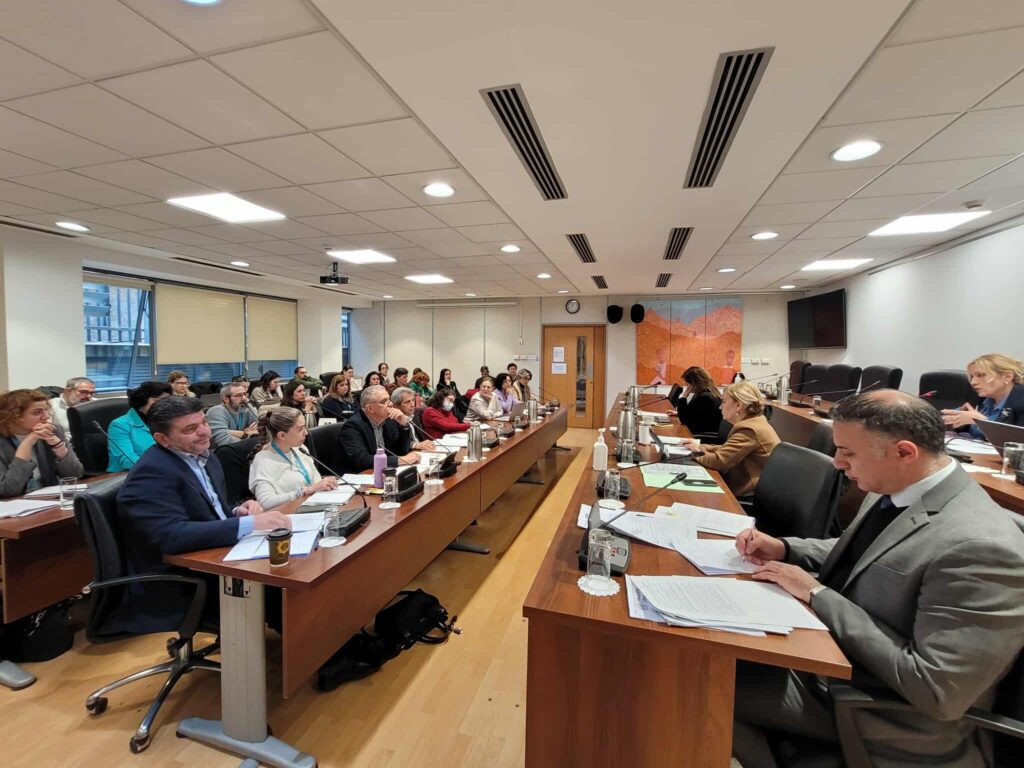
    During a recent House Human Rights Committee hearing, officials from the Interior Ministry, Justice Ministry, and Migration Deputy Ministry struggled to delineate their roles in combating trafficking. Migration Deputy Ministry official Xenia Georgiadi stated that while her office coordinates efforts, it lacks an operational role, placing the primary responsibility on the police.

    Photo: in-cyprus.philenews.com

    Committee chair Irene Charalambidou expressed concern that the issue of trafficking should never have fallen under the Migration Deputy Ministry’s purview. She announced plans to re-evaluate the coordination structure and confirmed that both the migration deputy minister and justice minister would be summoned to Parliament for further discussions.

    As the debate unfolded, MPs and other stakeholders pushed for the Justice Ministry to assume a more central role in coordinating anti-trafficking efforts. Justice Ministry legal officer Spyros Yiallouridis acknowledged his ministry’s involvement in a multi-agency trafficking group but refrained from commenting on whether it should take over coordination responsibilities, citing the matter as political.

    MP Rita Superman described the shift of trafficking oversight from the Interior Ministry to the Migration Deputy Ministry as a significant error, arguing that such matters should be handled by the Justice Ministry. She pointed out that in Turkey, human trafficking falls under the Migration Ministry, which should not be the case in Cyprus. Trafficking, she insisted, is fundamentally a human rights issue, exacerbated by vulnerabilities related to migration.

    As these discussions unfold, Labour Ministry representative Christina Mitidou reiterated that her ministry does not bear responsibility for trafficking. In light of the Channel 4 investigation, the committee is preparing to send a letter demanding clarification on inspections conducted before and after the video’s release.

    In terms of law enforcement, police have reported that 30 individuals have been convicted over the past five years in trafficking cases involving either sexual or labour exploitation. Police Crime Combating Department assistant director Andreas Anastasiades shared that extensive checks were conducted at Ayia Napa establishments, with operations occurring across Cyprus. He outlined the number of operations executed in recent years: 26 in 2022, 37 in 2023, 33 in 2024, and 18 so far in 2025.

    Despite these efforts, 30 trafficking cases remain pending in court. Anastasiades emphasised that police are taking the matter seriously, working in collaboration with Europol and other agencies to address trafficking more effectively.

    Amid the scrutiny, Ayia Napa’s mayor, Christos Zannettou, labelled the incidents highlighted in the Channel 4 report as isolated, asserting that the municipality receives around 45,000 tourists daily, with over 10,000 people employed in the area. He acknowledged the need for investigations into the establishments mentioned in the video but maintained that such occurrences do not represent the norm.

    He also pointed out that there are job advertisements from websites based in the Netherlands that promise work and accommodation, but often only offer a bed without proper living conditions. Zannettou noted that complaints regarding workers’ living conditions and other issues like noise pollution have been recorded, but these are not reflective of the broader situation.

    The gender equality commissioner’s office faced criticism for its lack of response to the Channel 4 investigation. A representative of the office, Andreas Misos, stated that commissioner Josie Christodoulou condemns acts of sexual or labour exploitation but is currently abroad. MPs expressed frustration at her absence from committee meetings over recent months and suggested that she should have taken more proactive measures following the video’s release.

    Charalambidou pointed out that the commissioner should have coordinated with police and relevant authorities to prepare a comprehensive report, a sentiment Misos deemed unrealistic, given Christodoulou’s lack of an institutional role.

    NGOs have also expressed concern over their exclusion from coordination meetings related to trafficking. Paraskeui Tzeou, chair of Cyprus Stop Trafficking, noted that her organisation was not invited to multi-agency meetings, while Katerina Stefanou, founder of Step Up Stop Slavery, echoed similar sentiments regarding her exclusion from the December meeting.