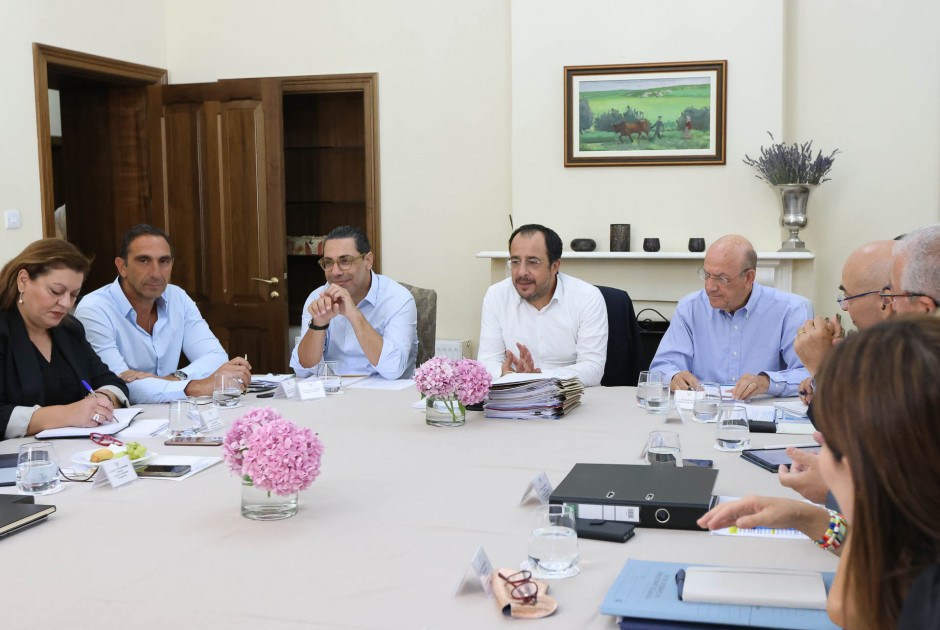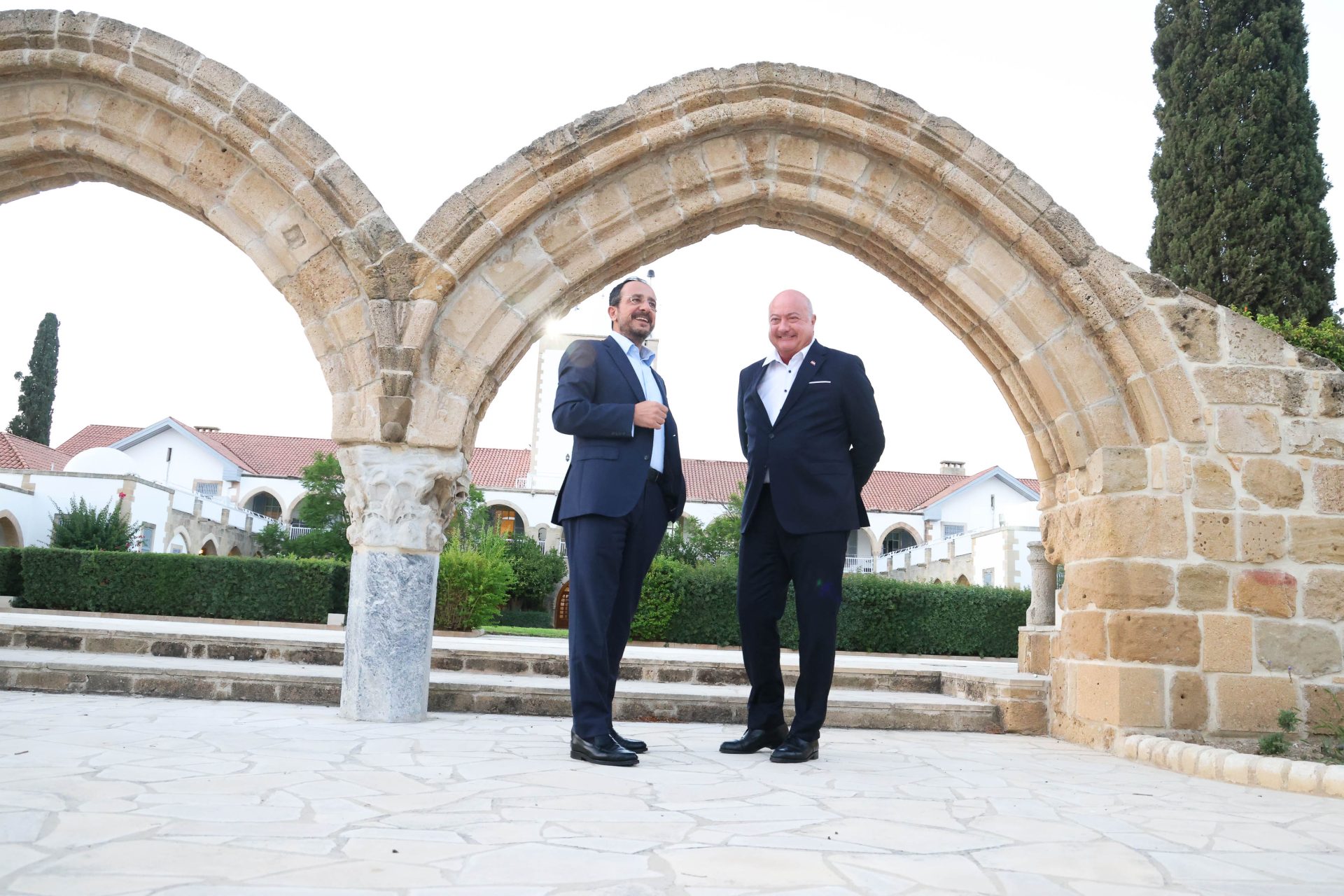
Tag: Christodoulides

  • Government Denies Claims of Illegal Campaign Financing Involving Christodoulides

    Government Denies Claims of Illegal Campaign Financing Involving Christodoulides

    christodoulides — The government has dismissed allegations of illegal campaign financing involving President Nikos Christodoulides as fake news. A video circulating on social media purportedly reveals how wealthy investors can bypass campaign donation laws through cash payments, but officials have labelled it as malicious and edited.

    Government spokesman Konstantinos Letymbiotis stated on Thursday that the video is an attempt to tarnish the image of both the government and the country. He remarked, “This video attempts to damage the image of the government and country through false, misleading claims and arbitrary conclusions.” An initial assessment by the relevant state service has led the government to conclude that the video has been manipulated.

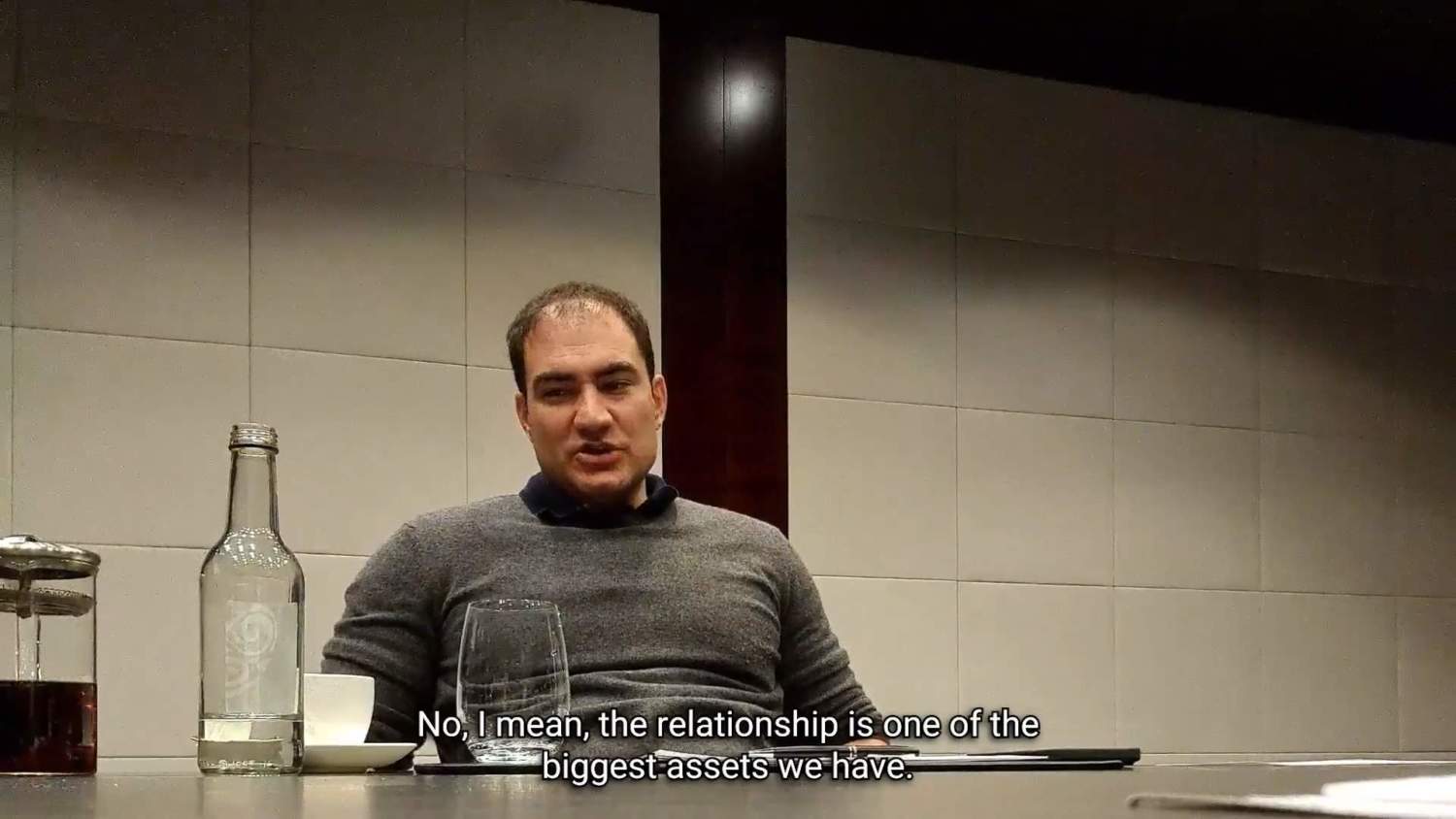
    In a subsequent update, Letymbiotis informed the public that authorities are investigating the video as a potential hybrid attack against the Republic of Cyprus. This investigation follows a complaint filed by former energy minister George Lakkotrypis, who appears in the footage.

    Lakkotrypis has claimed that the video was released from a fake profile and distorted the context of his conversations with supposed investors. He expressed concern that the video aims not only to harm his reputation but also to undermine the Republic of Cyprus and its president. He pointed out that the video’s release coincided with Cyprus assuming the presidency of the Council of the European Union, suggesting a deliberate timing to create controversy.

    In a detailed statement, Lakkotrypis said, “It is evident from the video that the statements attributed to me have been edited to distort the context of the discussions, with the ultimate aim of damaging our country, the president of the Republic himself and me personally. It is no coincidence that the video was leaked one day after the opening ceremony of the Cypriot presidency of the Council of the EU.” He confirmed that he would provide the police with all the evidence he has gathered in relation to the matter.

    The video’s impact has spurred political reactions, with several parties criticising the government following its release. Local media outlet Philenews published the video, clarifying that it does not endorse its content but acknowledges the need to inform the public due to the ongoing police investigation.

    As the investigation unfolds, the government continues to assert that the claims are unfounded, while the implications of the video remain a topic of intense discussion within the political landscape of Cyprus.
  • Political Parties Demand Clarity on Alleged Illegal Campaign Financing of Christodoulides

    Political Parties Demand Clarity on Alleged Illegal Campaign Financing of Christodoulides

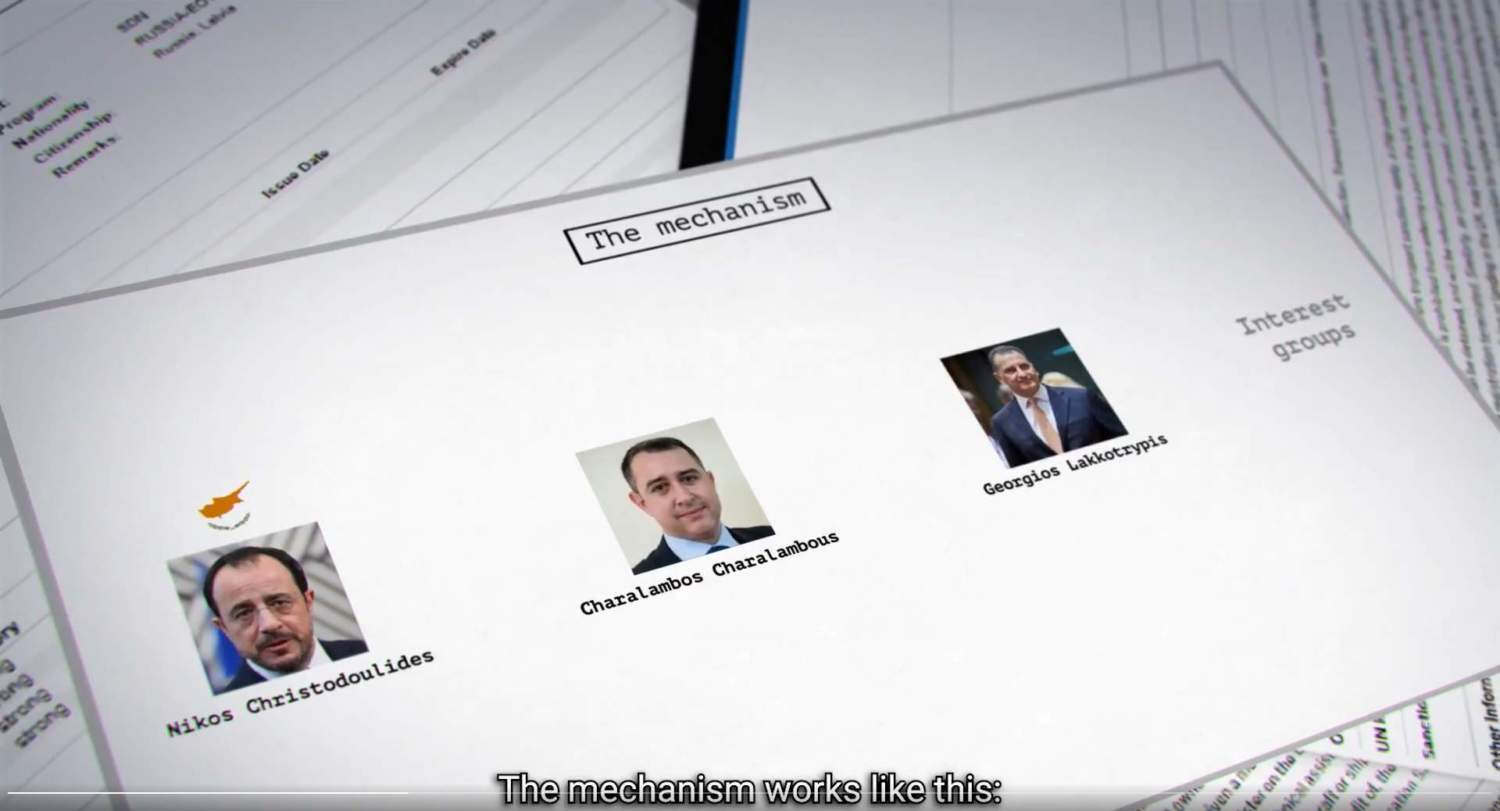
    illegal campaign — illegal campaign — Political parties are raising serious concerns over a video that suggests illegal financing during the 2023 presidential campaign, focusing on the actions of President Nikos Christodoulides. The clip, which has gained traction on platform X, highlights potential misconduct regarding monetary support for the campaign and hints at questionable access for investors to the Presidential Palace.

    Opposition leaders have reacted swiftly, calling for immediate transparency from the government. Annita Demetriou, president of the Democratic Rally (DISY), expressed her alarm, stating, “For quite some time now, a video has been circulating that implicates people and the government in illegal practices. I hope it does not correspond to reality. I expect the competent authorities to do the obvious.”

    Stefanos Stefanou, the general secretary of the Progressive Party of Working People (AKEL), echoed this sentiment, emphasising the need for clear answers regarding the funding issues tied to the Christodoulides administration. “The video circulating on social media raises serious institutional and political issues to which the government must give clear answers. We are waiting and will return to this,” he remarked.

    Adding to the chorus of discontent, MP Irene Charalambidou described the video as shocking, emphasising the urgency for an official statement from the government. “If I understand correctly, we are watching a shocking video that features the government with its associated businesspeople! There must be an immediate statement because we will have worse than the assistant’s resignation and the tragicomic events! Now there is also footage. Is it true? Or not?”

    Charalambidou directly called on government spokesman Konstantinos Letymbiotis to provide clarity on the situation. Meanwhile, MP Alexandra Attalides remarked sarcastically on the early challenges faced by Christodoulides’ presidency, saying, “Our presidency is starting very well, Nikos Christodoulides. When we talked to you about transparency, you called us toxic!”

    As pressure mounts, the lack of an official response from the Presidential Palace is notable. The government faces a critical decision: to deny the allegations outright or to clarify the authenticity and content of the video that has sparked such uproar.

    The video has not only ignited political tension but has also prompted discussions about the integrity of the electoral process in Cyprus. It raises questions about how the handling of campaign financing could impact public trust in the government.

    In a separate but related development, former minister Emily Thompson shared a tweet suggesting the video uncovers a significant breach of campaign finance laws, alleging that the President exceeded the €1 million campaign finance cap through questionable means involving a family network. “Can’t even describe what I just received! BREAKING BOMBSHELL VIDEO EXPOSES CYPRUS PRESIDENT’S SHADOW CASH MACHINE!” she wrote.

    Philenews has published the video in question, clarifying that it does not endorse its content. They indicated that the matter has been referred to the police for investigation, underlining the seriousness of the allegations.

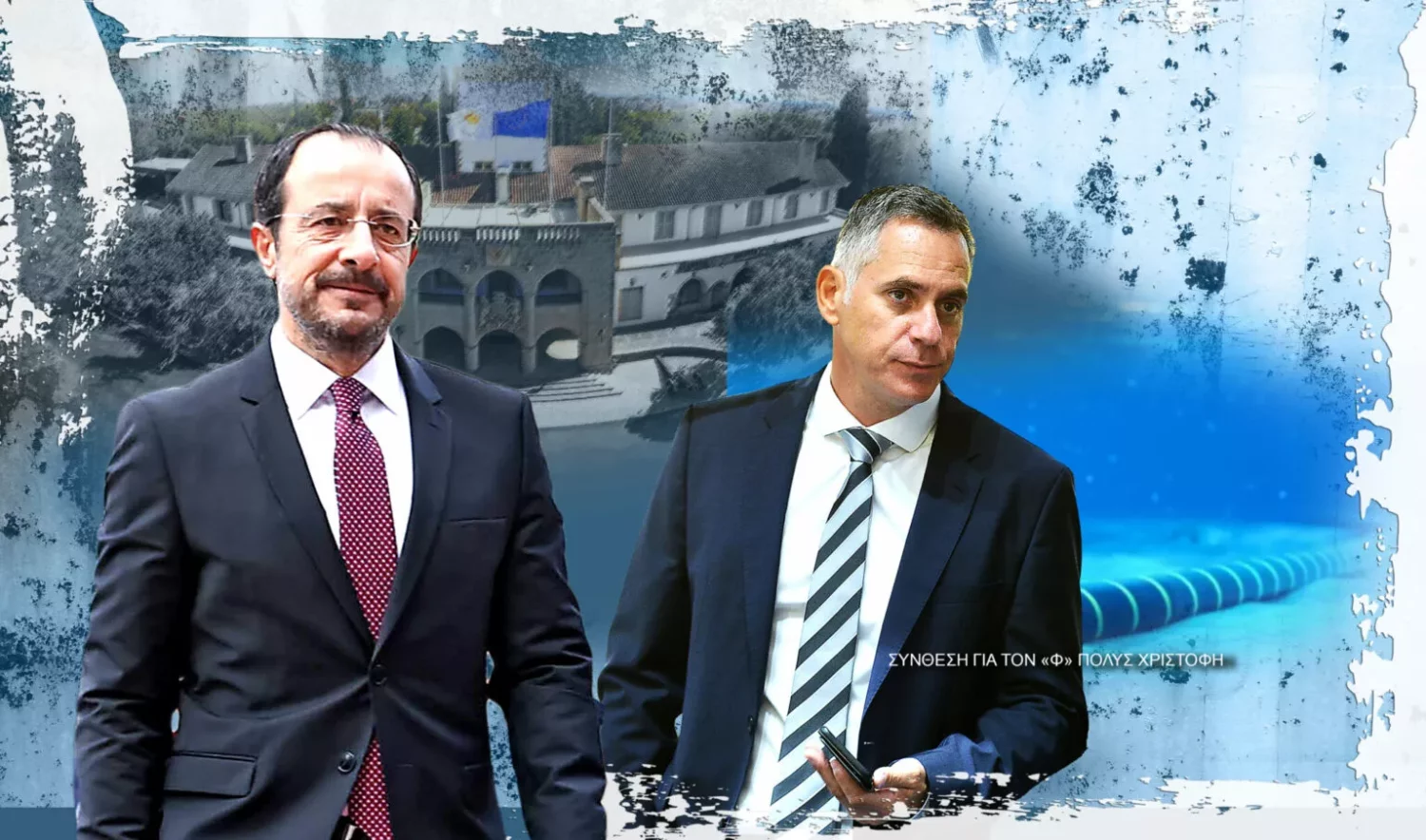
  • Interconnector: DIKO President Nikolas Papadopoulos Critiques Christodoulides and Warns on Energy Project

    Interconnector: DIKO President Nikolas Papadopoulos Critiques Christodoulides and Warns on Energy Project

    DIKO President Nikolas Papadopoulos has voiced strong concerns regarding the government led by President Nikos Christodoulides, particularly highlighting the challenges surrounding the Cyprus-Greece electrical interconnector project.

    Disappointment in Cooperation

    In a recent interview with Politis, Mr. Papadopoulos expressed his discontent with the current administration’s performance, noting that the collaboration between DIKO and the President has not produced the desired results. He clarified that DIKO has not granted a “blank cheque” of support to the government, emphasising the party’s readiness to challenge the administration when it believes mistakes are being made.

    “We believe in the government’s programme and want to assist in its implementation, but the President of the Republic is the one who must decide whether he wants to improve the way his governance operates or whether he wants to continue with a problematic cooperation,” he stated.

    Concerns Over the Interconnector Project

    Mr. Papadopoulos has also raised alarms about the Cyprus-Greece electrical interconnector project, which he warns could face collapse if not handled carefully. He referred to such a failure as potentially “the worst geopolitical defeat for Cyprus since the S-300s.”

    Highlighting the project’s significance, he remarked on its geostrategic importance, underscoring the potential benefits it could bring, such as affordable electricity and the end of Cyprus’ energy isolation. He stated, “The GSI (Great Sea Interconnector) will bring us cheap electricity, end our energy isolation, and transform Cyprus into an energy conduit for the entire Eastern Mediterranean.”

    Mr. Papadopoulos expressed particular concern about the current delays and mixed messages from government officials regarding the project, suggesting that these could undermine its success. He warned, “We note that Cyprus and Greece fought battles in the past to exclude Turkey and the occupied territories from the European energy network. We greatly fear that if this project is led to collapse, Turkey and the occupied territories will re-enter Europe’s energy game.”

    Future Political Alliances

    Looking ahead, Mr. Papadopoulos discussed the importance of continuing the collaboration with the Democratic Rally (DISY) in the next parliament. He reminded the public of the successful history of cooperation between DIKO and DISY, particularly in critical moments such as integrating Cyprus into the euro and steering the economy away from the brink of bankruptcy.

    He concluded by asserting that “not only is there a prospect of cooperation with DISY in Parliament, but I believe that this cooperation is the only shield our people have against the economic destruction that the forces of the extremes and populism will bring if they prevail in the next Parliament.”

  • Turkey sanctions: Cyprus President Presents Evidence of Turkey’s Sanctions Violations to EU

    Turkey sanctions: Cyprus President Presents Evidence of Turkey’s Sanctions Violations to EU

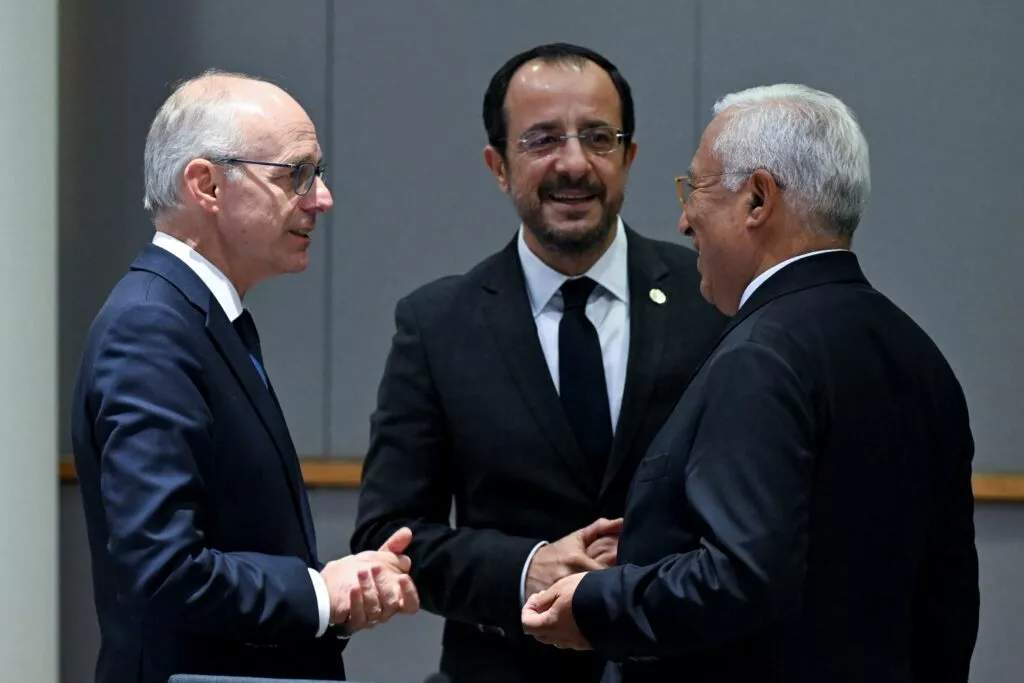
    turkey sanctions — turkey sanctions — Cyprus President Nikos Christodoulides will present evidence of Turkey’s involvement in violations of sanctions against Russia during Thursday’s European Council session. This meeting is pivotal as it is the last before Cyprus takes over the EU Presidency on 1 January.

    Turkey sanctions: Focus on Supporting Ukraine

    Christodoulides intends to share specific data with other EU leaders that indicates breaches of European sanctions by Turkey. This follows a similar presentation made during his recent visit to Ukraine, where he met with President Volodymyr Zelensky.

    Upcoming Discussions on Financial Support

    One of the key topics at the Council will be Ukraine’s financial support for the 2026-27 period. Leaders aim to reach a consensus among the 27 member states, although Hungary has expressed reservations about the idea of common borrowing. The agenda includes discussions on utilising frozen Russian Central Bank assets to facilitate a compensation loan.

    Sanctions and Strategic Objectives

    The renewal of sanctions against Russia will ensure that Russian assets remain frozen until compensation is arranged for Ukraine. This strategy aims to alleviate the financial burden on EU member states while maintaining pressure on Russia to cease its military actions.

    Political Dynamics and Enlargement Discussions

    The upcoming session is also expected to address the EU’s enlargement, particularly concerning the Western Balkans, Ukraine, Moldova, and Turkey. Cyprus is keen on sending strong messages regarding its ongoing issues, especially with Turkey, and is committed to collaborating with the UN to support resolution efforts.

    Addressing Geo-Economic Challenges

    Christodoulides’ agenda will also touch upon the EU’s economic resilience in light of pressures from global powers like China and the United States. The discussions will focus on reducing dependence on external entities while enhancing the EU’s competitiveness and strategic autonomy.

    Multiannual Financial Framework Negotiations

    Another critical topic will be the draft of the Negotiating Box for the Multiannual Financial Framework (MFF) for 2028-2034. Member states aim for a political agreement by the end of 2026, as the MFF represents a significant priority for the upcoming Cyprus Presidency. The discussions will address various funding allocations, including support for Ukraine and the role of the Common Agricultural Policy.

    Diverging Views Among Member States

    Significant differences remain among member states regarding budget architecture and prioritisation. The proposed new MFF, amounting to €2 trillion, aims to redefine how the EU supports its initiatives, particularly with regards to security and economic stability.

  • Christodoulides Urges Swift Action on Cyprus Meeting with Mitsotakis

    Christodoulides Urges Swift Action on Cyprus Meeting with Mitsotakis

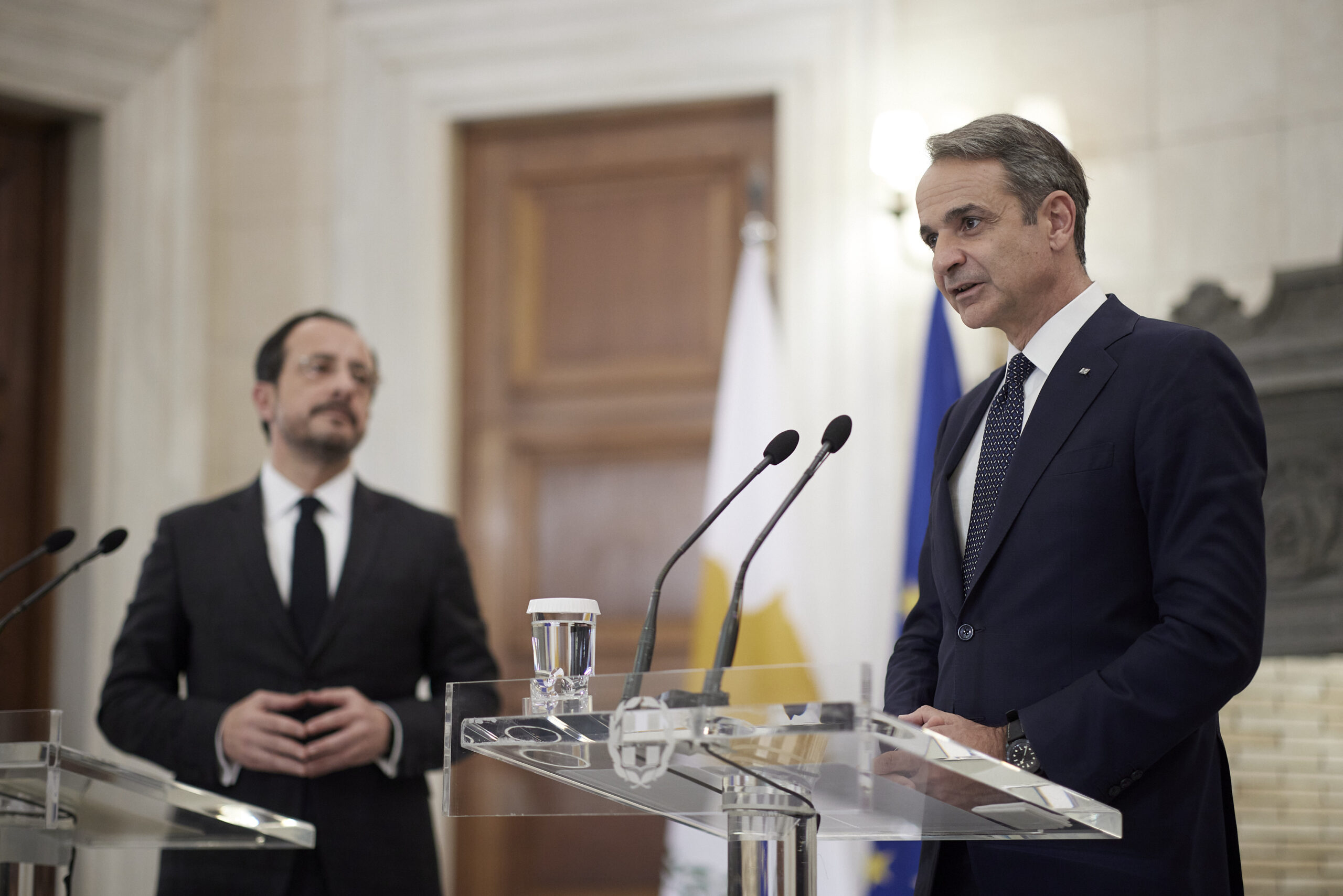
    cyprus meeting — cyprus meeting — President Nikos Christodoulides emphasised the need for an enlarged meeting regarding the Cyprus problem during a telephone conversation with Greek Prime Minister Kyriakos Mitsotakis on Thursday. This discussion followed Christodoulides’ meeting with European Union envoy Johannes Hahn and came just before a tripartite meeting with Turkish Cypriot leader Tufan Erhurman and United Nations envoy Maria Angela Holguin.

    As one of Cyprus’ guarantor powers, Greece plays a crucial role in these discussions, typically represented by Foreign Minister Giorgos Gerapetritis. The aim is to foster dialogue among the involved parties, including Turkey and the United Kingdom, to address the longstanding issues surrounding Cyprus.

    During the call, Christodoulides articulated that the purpose of the day’s meetings was to pave the way for the resumption of substantive negotiations, which had been interrupted in Crans-Montana, Switzerland. A government statement reiterated that Nicosia and Athens are in complete alignment, steadily progressing towards the unchanged objective of resolving the Cyprus problem.

    The resolution, according to the statement, should adhere to the resolutions of the UN Security Council, the principles and values of the EU, and the European acquis communautaire. This framework underscores the importance of a comprehensive approach to the complex geopolitical dynamics at play.

    Following his meeting with Hahn, Christodoulides highlighted the significant role the European Union can play in the process. He noted that the EU has both political and institutional tools capable of supporting the resumption and progress of negotiations. “The EU’s active involvement is not only a strategic choice for Cyprus but also a recognition that the solution to the Cyprus problem is a European issue that affects the cohesion, stability, and security of the entire union,” he stated.

    Prime Minister Mitsotakis had previously reiterated Greece’s commitment to reunifying the island, stating that the Greek government’s positions are clear. He asserted that it is now up to other parties to demonstrate their willingness to restart talks within a framework defined by UN resolutions and the broader relationship between the EU and Turkey.

    Gerapetritis remarked that the election of pro-reunification candidate Tufan Erhurman as Turkish Cypriot leader in October represents a new chapter filled with hope and expectations for the island’s reunification. The alignment of thoughts and actions among the involved parties could be pivotal in moving forward.

  • Erhurman negotiation: Christodoulides Prepared to Address Erhurman’s Negotiation Points on Cyprus Issue

    Erhurman negotiation: Christodoulides Prepared to Address Erhurman’s Negotiation Points on Cyprus Issue

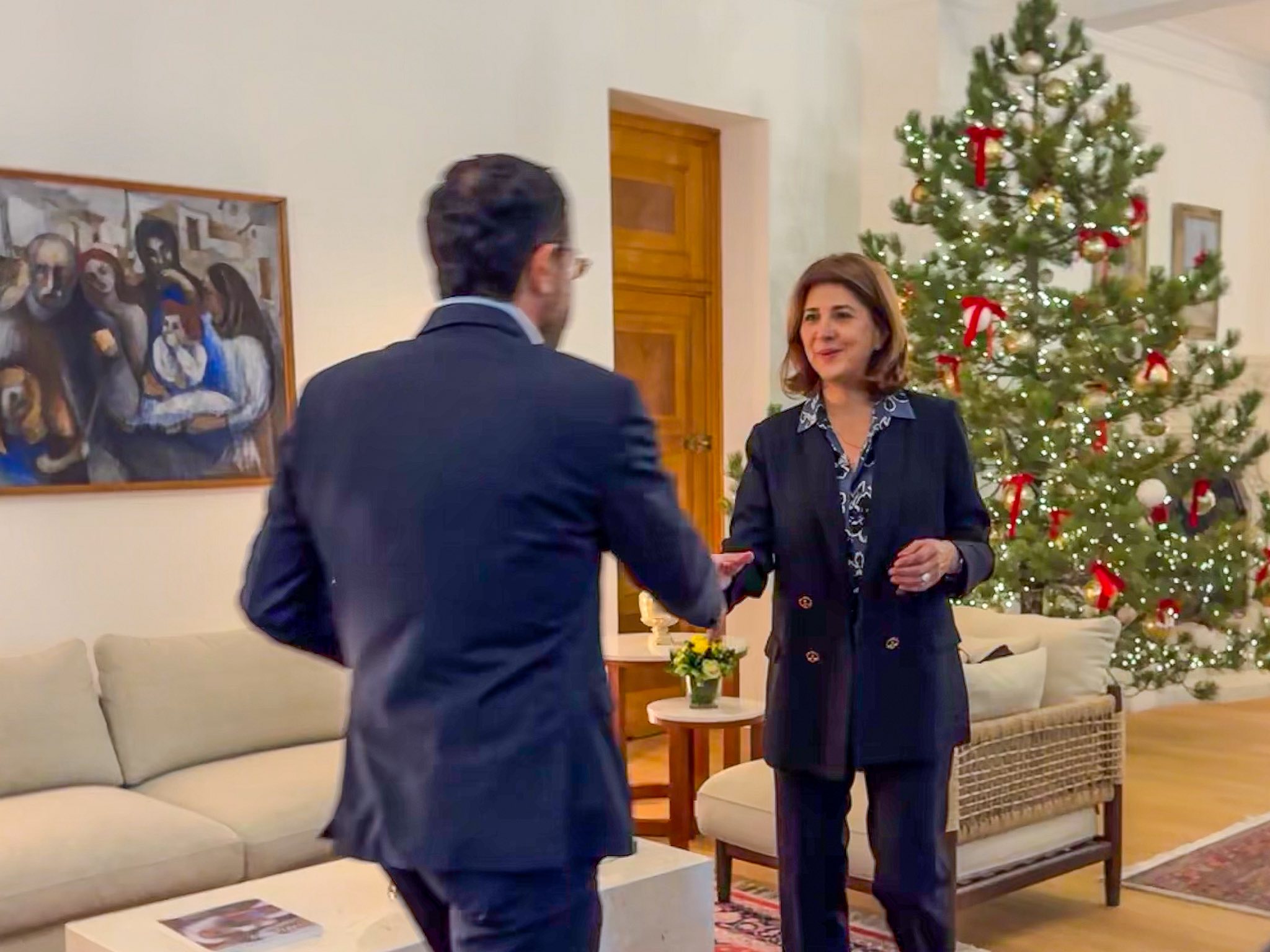
    erhurman negotiation — erhurman negotiation — President Nikos Christodoulides has answers for all issues surrounding the Cyprus problem, including the four points proposed by Turkish Cypriot leader Tufan Erhurman to resume negotiations. This statement was made by government spokesman Konstantinos Letymbiotis on Saturday following a meeting between Christodoulides and United Nations envoy Maria Angela Holguin.

    Erhurman negotiation: Upcoming Meeting to Discuss Negotiation Points

    Letymbiotis remarked that discussions regarding Erhurman’s four points and other related matters will take place during a tripartite meeting scheduled for Thursday. This meeting will involve Christodoulides, Holguin, and Erhurman. Letymbiotis emphasised the importance of resuming negotiations from the point where they were interrupted in Crans-Montana, referring to the last significant talks that collapsed in 2017.

    Erhurman’s Four Points and Their Implications

    Erhurman’s four points, often labelled as ‘preconditions’—a term he finds unappealing—include demands for the Greek Cypriot side to acknowledge political equality, impose time limits on negotiations, maintain all previous agreements, and ensure that the UN guarantees the lifting of embargoes on Turkish Cypriots should the Greek Cypriots withdraw from the talks again.

    Constructive Discussions and Future Meetings

    When asked about specific suggestions raised during their discussions, Letymbiotis described the dialogue as “very specific” and focused both on the goal of restarting negotiations and the preparation for a larger meeting. This upcoming enlarged gathering, the third of its kind this year, will bring together the two sides of Cyprus, their three guarantor powers—Greece, Turkey, and the United Kingdom—and the UN to address the Cyprus problem. It is likely to take place next month.

    Holguin’s Optimism and Upcoming Visits

    Letymbiotis highlighted the positive atmosphere of Saturday’s meeting, labelling it as “very good and constructive.” Following her visit to Cyprus, Holguin is set to travel to Athens and Ankara, where she will also confer with the European Union’s envoy for the Cyprus problem, Johannes Hahn. These discussions aim to organise and establish a date for the next enlarged meeting, which Letymbiotis insists should be convened as soon as possible due to its composition facilitating in-depth discussions.

    National Council Meeting to Inform Political Leaders

    In light of the upcoming tripartite meeting, Christodoulides will convene a National Council meeting on Friday to brief the leaders of Greek Cypriot political parties on the progress made regarding the Cyprus problem. Earlier in the day, Holguin expressed optimism about the next steps towards resolving the Cyprus issue. She noted that preparatory work is underway for the Thursday meeting, which she described as the first of its kind in many years.

    A Productive Engagement and Hope for Progress

    Holguin conveyed her satisfaction with the productive nature of Saturday’s meeting, expressing her happiness to have returned to the island. She also mentioned the inspiration drawn from a retreat with the bicommunal technical committee on youth held in Jordan last November.

    Erhurman’s Concerns on Crossing Points

    During discussions, Erhurman expressed frustration regarding the lack of progress on issues such as long tailbacks at the Ayios Dhometios crossing point in western Nicosia. Following a meeting with Christodoulides last month, he indicated that addressing operational inefficiencies at the crossing could alleviate congestion significantly. Despite this, he noted that the police cabins on the southern side of the crossing remain underutilised.

    Exploration of New Crossing Points

    In addition to the ongoing issues at Ayios Dhometios, Erhurman and Holguin discussed potential new crossing points in various areas, including the eastern Nicosia suburb of Mia Milia, the village of Louroujina, and the town of Athienou. These discussions reflect an ongoing effort to enhance movement and relations between the two communities on the island.

  • Gaza ceasefire — President Christodoulides Attends Gaza Ceasefire Signing in Sharm el-Sheikh

    Gaza ceasefire — President Christodoulides Attends Gaza Ceasefire Signing in Sharm el-Sheikh

    President Christodoulides is in Sharm el-Sheikh today for the signing of the Gaza ceasefire agreement, marking a significant moment for Cyprus’s role in regional diplomacy.

    • President Christodoulides is in Sharm el-Sheikh today for the signing of the Gaza ceasefire agreement, marking a significant moment for Cyprus's role in regional diplomacy.
    • By being included in this elite group, Cyprus is perceived as a pillar of stability and an ally in constructive dialogue, strengthening its position on the world stage.
    • “We are not resting on our laurels,” Christodoulides said. “The invitation is a clear recognition of our role and what we can achieve moving forward.”
    • The President is joined by key members of his government, including the Foreign Minister and Deputy Minister for European Affairs, underscoring the importance of this diplomatic engagement.

    Invited by the United States and Egypt, the President’s participation underscores Cyprus’s upgraded geopolitical standing in the Eastern Mediterranean. He noted that Cyprus now joins a select group of nations actively involved in shaping Gaza’s future and reconstruction efforts.

    Diplomatic sources highlighted that this invitation reflects a broader recognition of Cyprus’s contributions to stability and humanitarian efforts in the region, as well as the international trust it has garnered from influential countries.

    “Cyprus is an interlocutor with all parties and not a spectator in regional developments,” sources stated, emphasising the country’s commitment to supporting Gaza’s recovery and fostering regional security.

    In comments made prior to the event, President Christodoulides expressed gratitude to both President Biden and President al-Sisi for the invitation. He described it as a testament to Cyprus’s diplomatic achievements and the expectations placed on the country by the international community.

    The list of attendees at the signing ceremony is notably exclusive, featuring only 23 states alongside three key institutions: the EU, the UN, and the Arab League. Other participants include nations with vested interests in the Palestinian issue, such as Qatar, Jordan, and Turkey, among others.

    By being included in this elite group, Cyprus is perceived as a pillar of stability and an ally in constructive dialogue, strengthening its position on the world stage.

    President Christodoulides remarked on the significance of the event, stating, “We want Cypriot companies to have a role in the reconstruction of Gaza. Our involvement is essential for security matters and the effective implementation of the agreement.”

    This summit follows months of active Cypriot diplomacy, notably through the Amaltheia initiative, which has been pivotal in establishing a humanitarian corridor to Gaza. The initiative has been instrumental in fostering relationships with key partners in the region, including the US, Egypt, and the UAE.

    The President’s presence at this ceremony is expected to amplify Cyprus’s diplomatic influence, particularly as the country prepares to assume the EU Council presidency in 2026. This development counters narratives of isolation, showcasing Cyprus as a credible and engaged international player.

    “We are not resting on our laurels,” Christodoulides said. “The invitation is a clear recognition of our role and what we can achieve moving forward.”

    As leaders convene for the summit, the programme commences with a reception led by President al-Sisi, followed by the signing ceremony and an opening address by President Biden, setting the tone for discussions on Gaza’s future.

    The President is joined by key members of his government, including the Foreign Minister and Deputy Minister for European Affairs, underscoring the importance of this diplomatic engagement.

  • Cabinet changes — Cabinet Changes on the Horizon as President Christodoulides Prepares for September Reshuffle

    Cabinet changes — Cabinet Changes on the Horizon as President Christodoulides Prepares for September Reshuffle

    President Christodoulides is expected to announce cabinet changes in September, with strategic decisions set to unfold before his trip to the UN General Assembly later in the month. Sources indicate that the president has been contemplating adjustments to his government team for several months, maintaining a level of confidentiality even from senior advisors.

    As part of the reshuffle process, Christodoulides plans to gather all cabinet members at the presidential retreat in Troodos in early September. This extended review session will focus on evaluating government performance, assessing achievements, and presenting future targets. This all-day meeting aligns with established practices for a comprehensive evaluation of government operations.

    The recent forest fires in Limassol, which resulted in tragic loss of life, have significantly influenced the timeline and nature of the planned cabinet changes. Public criticism aimed at certain ministers for their response to the crisis has made the president reconsider his approach. Sources reveal that Christodoulides opted against immediate changes to avoid the perception of reacting solely to public pressure.

    In subsequent cabinet meetings, the atmosphere shifted from initial tension to a focus on implementing fire response measures, rather than addressing personnel accountability. While initial discussions linked cabinet changes to the upcoming parliamentary elections in May 2026, it appears the president is now focused on establishing a government framework that extends towards 2028.

    Government insiders expect selective rather than sweeping alterations within the cabinet. Most current ministers are likely to retain their positions, as some have demonstrated effectiveness while others have struggled to meet expectations. All cabinet members have surpassed the 18-month tenure threshold, with many serving around two and a half years since the government’s inception. Despite public discourse surrounding ministerial pensions, these financial considerations do not appear to significantly influence the reshuffle deliberations.

    As part of the upcoming changes, three commissioner roles will require new appointments in October: Law, Children’s Rights, and Personal Data Protection. These selections will occur independently of any cabinet reshuffle, with the president expected to announce these appointments in line with the current qualifications of office holders.

    This timeline will provide new ministers ample preparation time for the traditional parliamentary budget presentations, should the anticipated cabinet changes take place ahead of the UN General Assembly trip.

  • Christodoulides Acknowledges Contributions of Over 10,000 Austrians in Unficyp

    Christodoulides Acknowledges Contributions of Over 10,000 Austrians in Unficyp

    President Nikos Christodoulides recently expressed his gratitude towards the more than 10,000 Austrians who have contributed to the United Nations peacekeeping force in Cyprus, known as Unficyp, since its establishment in 1964.

    This commendation came during a visit from Austrian Chancellor Christian Stocker, where Christodoulides highlighted Austria’s supportive stance on the Cyprus issue. He stated, “Austria’s principled stance on the Cyprus issue” has been invaluable over the years.

    Unficyp has seen participation from over 150,000 personnel from 43 countries, with 187 individuals losing their lives while serving. The commitment shown by Austrian nationals over the decades has played a significant role in the mission’s success.

    During the meeting, Christodoulides noted the strong relations between Cyprus and Austria, emphasising the desire to enhance cooperation, particularly in migration and security matters. Both nations are members of the European Union, which adds a layer of significance to their partnership as neither is affiliated with NATO.

    Following their initial discussions, Christodoulides and Stocker planned to delve into regional and international developments, with the Cypriot president outlining the country’s priorities as it prepares to assume the Council of the European Union’s rotating presidency in the first half of the upcoming year.

    Chancellor Stocker echoed the sentiments of his counterpart, stating that the two countries “share very good relations” and expressed interest in strengthening ties across various sectors, including security, economy, tourism, and education.

    Later in the day, the leaders were set to tour the Green Line in Nicosia, offering Stocker a closer look at the unique circumstances surrounding the divided capital. This visit would be followed by a meeting with House president Annita Demetriou at the parliament, concluding with a working lunch hosted by Christodoulides for Stocker and his delegation.