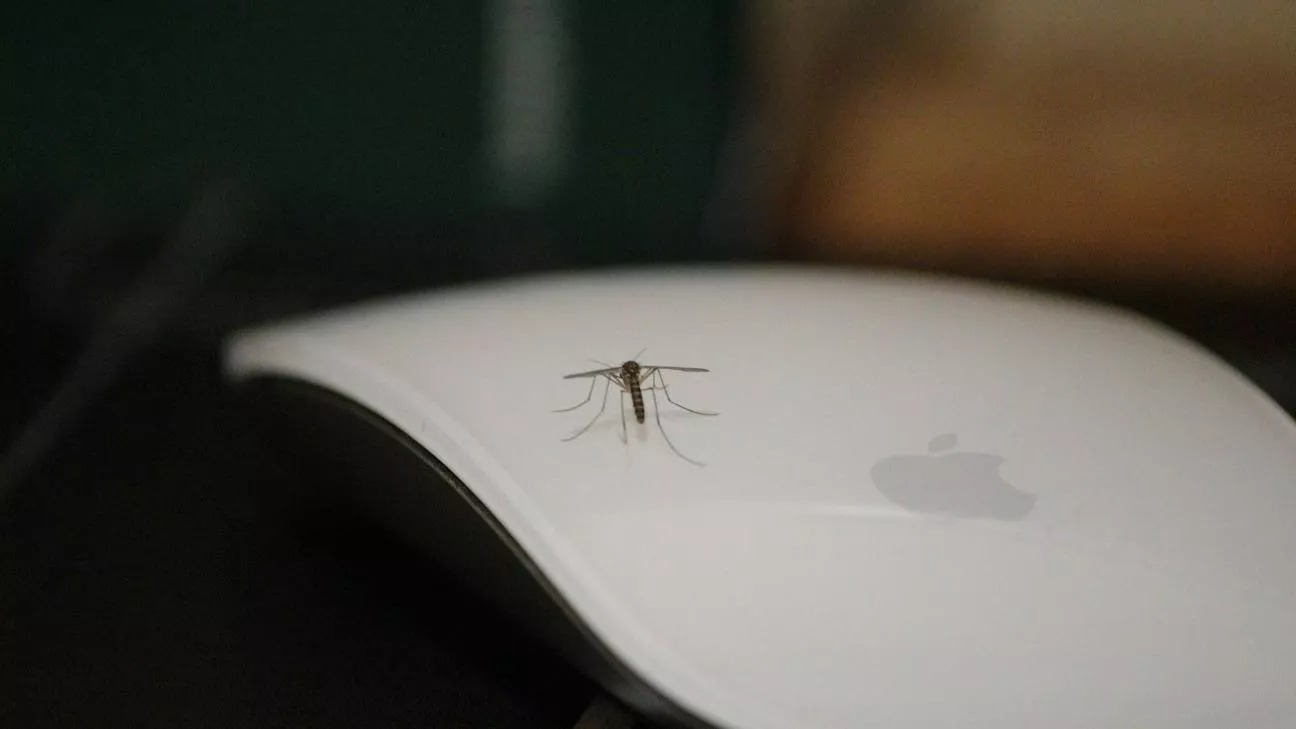
mosquito surge — Larnaca municipality is actively addressing a surge in mosquito complaints through a door-to-door campaign in the Salt Lake area, where health officials have raised alarms about the presence of disease-carrying species in Cyprus.
Mosquito surge: Municipal Efforts to Combat Mosquitoes
The municipality’s Health Department is implementing a rigorous plan that includes spraying standing water, storm drains, and urban rivers every 10-12 days. This effort utilises biological insecticides that have been approved by the Ministry of Agriculture.
Home Visits to Identify Breeding Sites
Health teams from both municipal and provincial levels are visiting homes to help identify potential mosquito breeding sites and to educate residents about preventive measures. The department has noted that while standing water around the Salt Lake serves as a breeding ground for mosquitoes, spraying within the protected area itself is prohibited, with operations confined to the perimeter.
Monitoring and Trapping
To further combat the mosquito surge, the municipality has placed traps throughout the area. The Ministry of Health conducts regular checks to assess whether the mosquitoes pose a public health threat, testing samples to determine if disease-carrying species are present.
In addition to common mosquitoes, residents report bites from sandflies, referred to as “silent mosquitoes,” along with other insects that thrive in trees, hedges, and decaying leaves.
Identifying Home Breeding Sites
The municipal Health Department spokesperson has indicated that the mosquito problem is exacerbated by two primary sources. Mosquitoes can breed inside homes, where authorities have identified common breeding sites including:
- Plant pots
- Exposed water containers
- Old tyres
- Small fountains
“The campaign is year-round and covers the municipal districts under our jurisdiction, namely Livadia and Voroklini,” the spokesperson explained.
Targeting Aedes Aegypti Species
Health Ministry teams are conducting a focused door-to-door campaign aimed at the Aedes aegypti mosquito, educating the public on effective control measures. This species is particularly concerning due to its ability to transmit various infectious diseases.
High-Risk Locations for Mosquito Breeding
Municipal officials have pinpointed several locations that require special attention due to their potential for mosquito breeding:
- Disused swimming pools
- Old septic tanks not properly sealed
- Construction site excavations
- Old tyres and water storage barrels
- Blocked storm drain grilles
- Cemetery flower vases
Disused swimming pools pose a major concern, while improperly sealed septic tanks create additional breeding grounds. Construction sites, too, can inadvertently contribute to the problem, especially if excavations collect water.
Managing Tyre Risks
Old tyres are particularly problematic, especially at outdoor tyre repair shops or garages. Authorities emphasise the importance of regularly removing tyres by licensed companies. If tyres are to remain on site for extended periods, they must be stored in covered areas to prevent rainwater accumulation.
Flower Vases in Cemeteries
Officials have also highlighted that cemetery flower vases can become breeding sites if water remains stagnant for long periods. Residents are advised to change the water in these vases every seven days to mitigate the risk.
Health Risks Associated with Mosquitoes
The mosquito species now identified in Cyprus are not just a nuisance; they can transmit serious infectious diseases to humans. These include:
- Yellow Fever virus
- Dengue Fever
- Zika virus
- West Nile virus
As the mosquito situation escalates, public health officials are urging residents to remain vigilant and proactive in preventing mosquito breeding in and around their homes.
Community Engagement and Support
The municipality’s door-to-door campaign aims not only to inform residents but also to foster community engagement in combating the mosquito problem. Public cooperation is crucial in identifying and eliminating potential breeding sites.
Officials encourage residents to report any issues they encounter, whether it be stagnant water or potential breeding grounds, to the municipality’s Health Department, ensuring a collective effort in managing this pressing public health concern.