
Tag: complaints

  • Surge in Medical Negligence Complaints Recorded by Patients’ Rights Observatory

    Surge in Medical Negligence Complaints Recorded by Patients’ Rights Observatory

    The Patients’ Rights Observatory has reported a significant increase in complaints regarding medical negligence, with 57 cases logged in September alone. This surge marks one of the highest monthly totals since the observatory’s establishment, just shy of the record 61 complaints received in January 2025.

    Many of the recent complaints highlight distressing incidents involving patient deaths, inadequate care, and alarming lapses in communication within healthcare settings. Families have begun approaching authorities, seeking formal investigations into these troubling cases.

    Medical negligence: Concerning Patterns Emerge

    Reports from citizens indicate a worrying trend of long waits in accident and emergency (A&E) departments, with patients often left without necessary updates about their health. Instances of neglect have been noted both in A&E units and hospital wards, leading to complications for patients. Surgical interventions have also been called into question, with some patients facing worsened conditions or unnecessary procedures.

    Distressing Accounts from Families

    In one particularly harrowing case, an elderly patient died while hospitalised, with the family alleging that a series of care failures contributed to the tragedy. They reported extended delays in receiving medical attention upon arrival at A&E and inadequate treatment for infections during the hospital stay. The letter detailing these grievances was shared by the Federation of Patient Associations of Cyprus (CyFPA/OSAK), which has been vocal about the need for accountability in such matters.

    Another complaint involved a patient who, after being told his post-operative recovery was progressing normally, later died. An autopsy was conducted, but the family is now grappling with delays in receiving crucial results, further compounding their distress.

    Underestimation of Symptoms

    Several citizens have come forward with stories of misdiagnosis and inadequate assessments, particularly in A&E departments. One patient exhibited serious symptoms that were misinterpreted as psychological issues, leading to a dangerous delay in receiving appropriate medical care. The next day, doctors discovered a severe complication that had already caused irreversible damage, necessitating urgent surgery.

    Alarming Surgical Mishaps

    Another complaint raised concerns regarding a surgical procedure that deviated significantly from what was described to the patient. Initially assured that the operation would be minimally invasive, the patient experienced a lengthy procedure with a large incision, which ultimately did not resolve the underlying issue. Contradictory information from the surgeon about the need for a follow-up surgery has left the patient and family confused and frustrated, especially after a second opinion revealed no improvement.

    Failures in Communication and Care

    Reports of poor communication during hospitalisation are also prevalent. One family described how their elderly relative faced numerous challenges, including a lack of updates about transfers to other wards, neglect of personal hygiene, and chaotic discharge procedures. They highlighted serious shortcomings in care that they believe contributed to a negative outcome.

    Seeking Accountability

    The Patients’ Rights Observatory does not directly investigate allegations of medical negligence but records such complaints and directs citizens to the appropriate authorities. However, many individuals express reluctance to lodge formal complaints, fearing that their grievances will not lead to meaningful change.

    The data collected by the observatory reflects a pressing need for improvements within the healthcare system. As complaints continue to rise, the call for greater accountability and better patient care becomes more urgent.
  • Controversy Surrounds Cyprus’ ECHR Judge Selection Process

    Controversy Surrounds Cyprus’ ECHR Judge Selection Process

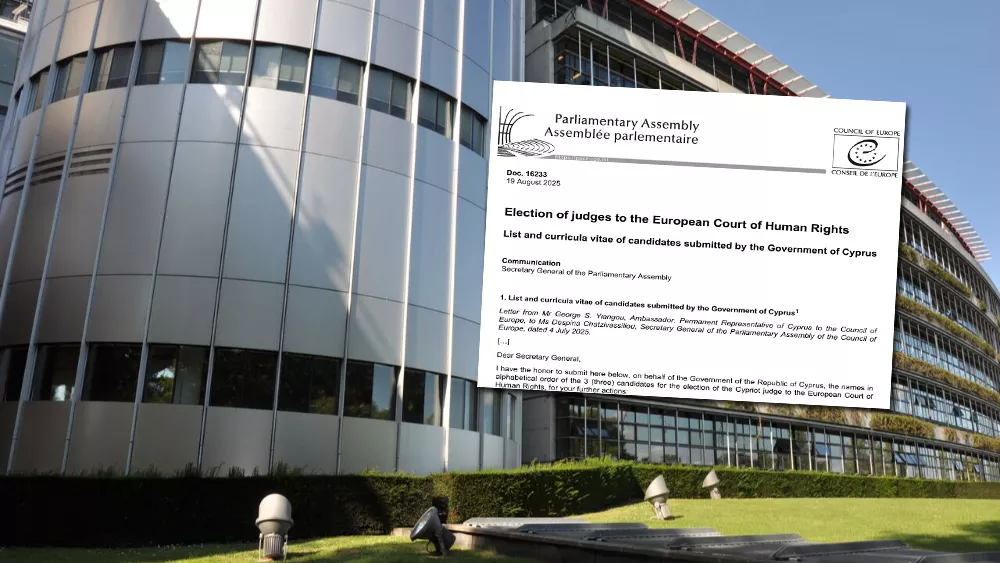
    echr judge — echr judge — Cyprus’ proposal for the European Court of Human Rights (ECHR) judge selection has sparked significant controversy, primarily due to concerns over the transparency of the evaluation process. Complaints have been lodged by two unsuccessful candidates, represented by lawyer Christos Clerides, who formally submitted their grievances to the Council of Europe’s Judicial Selection Committee.

    • Sources within the government have indicated that all candidates were treated equitably and that the inclusion of ministers in the selection panel is standard practice in other European countries.

    The objections arise from a shortlist of three nominees—Elena Efrem, Natasa Mavronikola, and Margarita Papantoniou—endorsed by President Nikos Christodoulides after approval from a seven-member Advisory Selection Board. This board finalised its list in early July, but the subsequent process has been called into question.

    Clerides, acting on behalf of senior state attorney Katerina Loizou and senior district court judge Xenis Xenofontos, has raised serious allegations regarding procedural flaws, omissions, and misleading information in the Republic of Cyprus’ official submission. In letters addressed to Council of Europe officials on 13 and 20 August, he articulated concerns about the Cypriot authorities’ failure to publish the shortlist domestically before forwarding it to Strasbourg, and the exclusion of qualified candidates from the interview process.

    One of the main points of contention is the alleged promotion of individuals who do not meet basic eligibility criteria, such as proficiency in national law. Additionally, the complaints highlight perceived conflicts of interest within the Advisory Board, which is chaired by Foreign Minister Constantinos Kombos and includes prominent figures like Justice Minister Marios Hartsiotis and Attorney General George Savvides.

    Clerides detailed seven primary concerns, including the politicisation of the selection process, a lack of disclosure regarding evaluation criteria, and selective exclusion of candidates. Notably, he claimed that Xenofontos was deliberately excluded from interviews, despite informing the committee of family obligations that would prevent his attendance, while other candidates were permitted to participate remotely.

    In response to the allegations, the government has firmly rejected any suggestions of irregularities. Foreign Minister Kombos stated that all decisions were made unanimously and in accordance with the Council of Europe’s requirements. Attorney General Savvides added that detailed minutes of every decision were maintained and submitted to Strasbourg, reinforcing the integrity of the process. Justice Minister Hartsiotis acknowledged the advanced stage of the selection process, urging that any disagreements should be addressed by the appropriate bodies.

    Sources within the government have indicated that all candidates were treated equitably and that the inclusion of ministers in the selection panel is standard practice in other European countries.

    The Council of Europe is now poised to evaluate the Cypriot list and determine the next steps in light of the ongoing objections. The outcome of this situation could have significant implications for the integrity of Cyprus’ judicial selection process and its standing within European institutions.