Tag: cultural heritage

  • Mythology: Cyprus Exhibition Showcases Myths That Transcend Physical Borders

    Mythology: Cyprus Exhibition Showcases Myths That Transcend Physical Borders

    Mythology as a Cultural Bridge

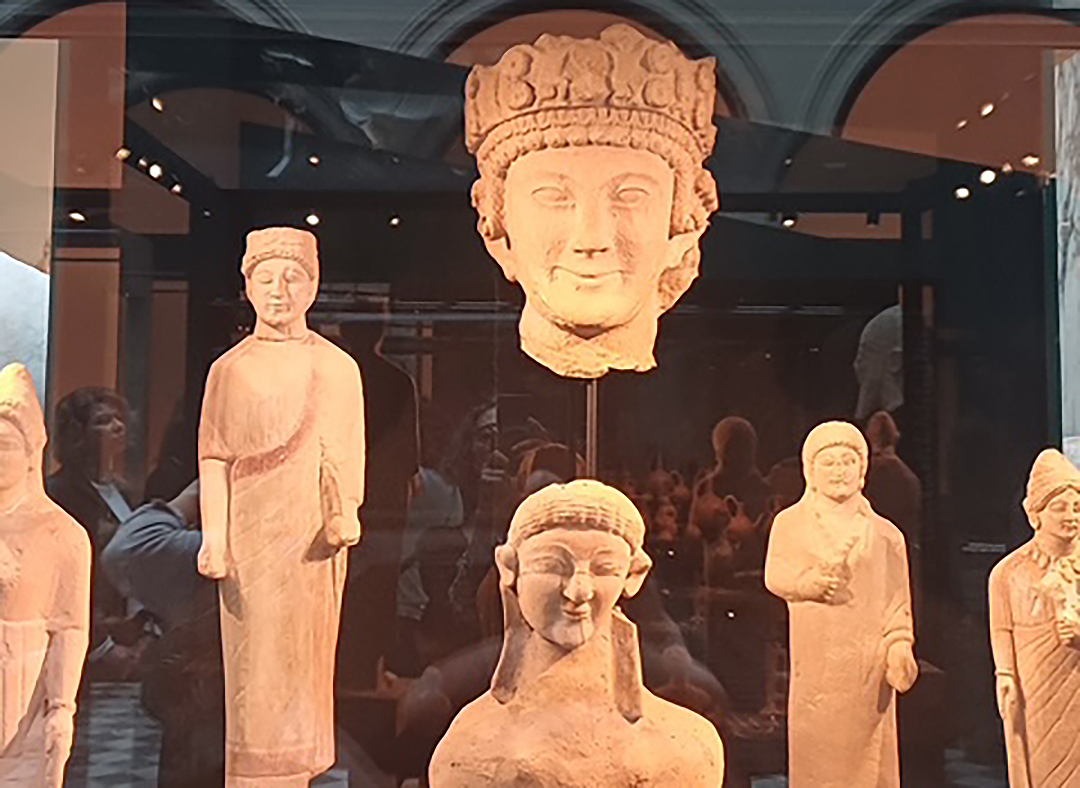
    Mythology has a profound ability to transcend physical borders, as showcased in the recent Myths and Tales of Cyprus Exhibition at the European Parliament in Strasbourg. The event marked the beginning of Cyprus’ presidency of the EU Council and aimed to introduce attendees to the island’s rich cultural heritage.
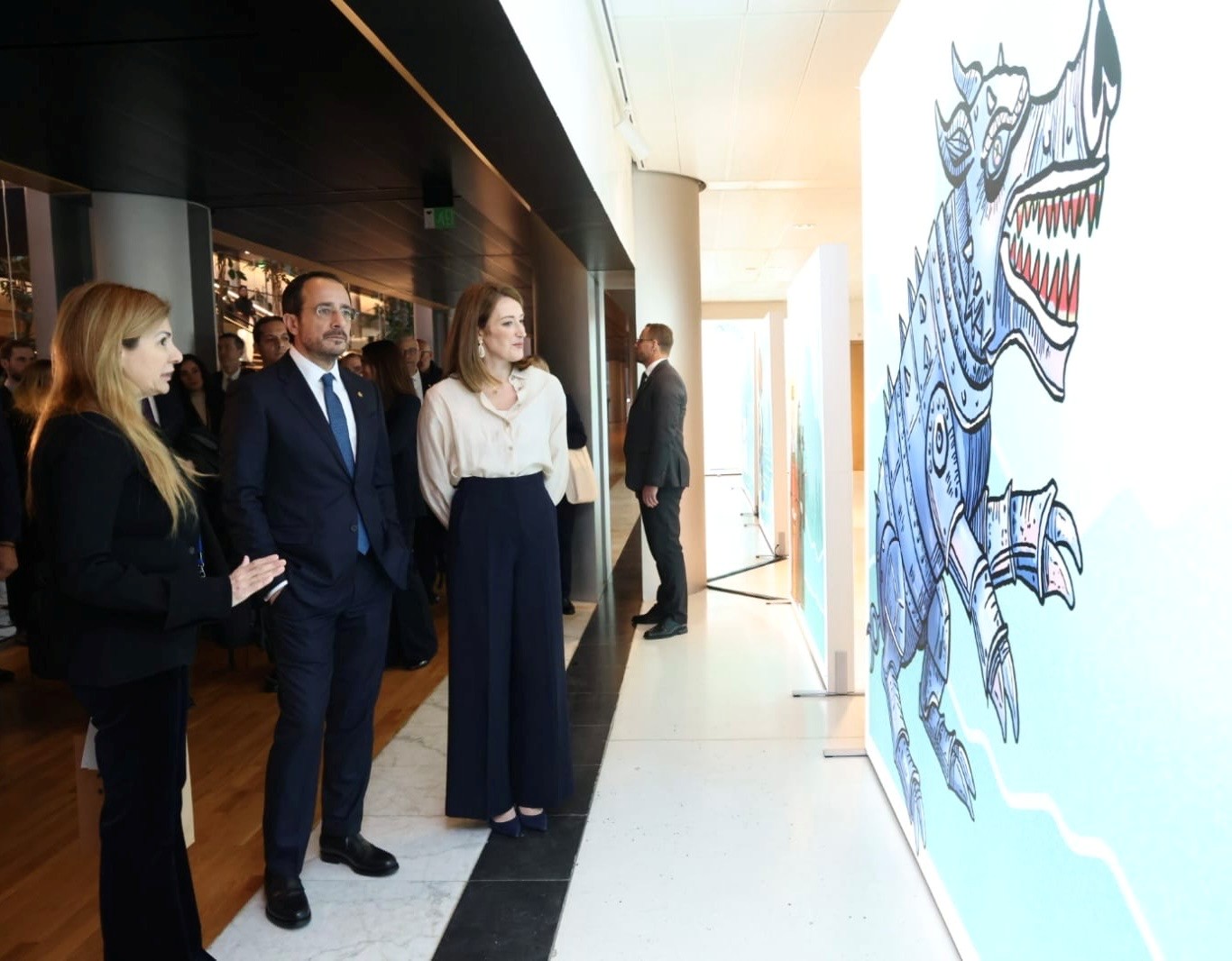
    Photo: cyprus-mail.com

    A Rich Tapestry of Stories

    The exhibition features eight captivating stories that highlight the deep-rooted myths of Cyprus, each reflecting the island’s history and values. According to Aliki Stylianou, Director of the Press and Information Office, these narratives are not just remnants of the past but living traditions that connect generations.
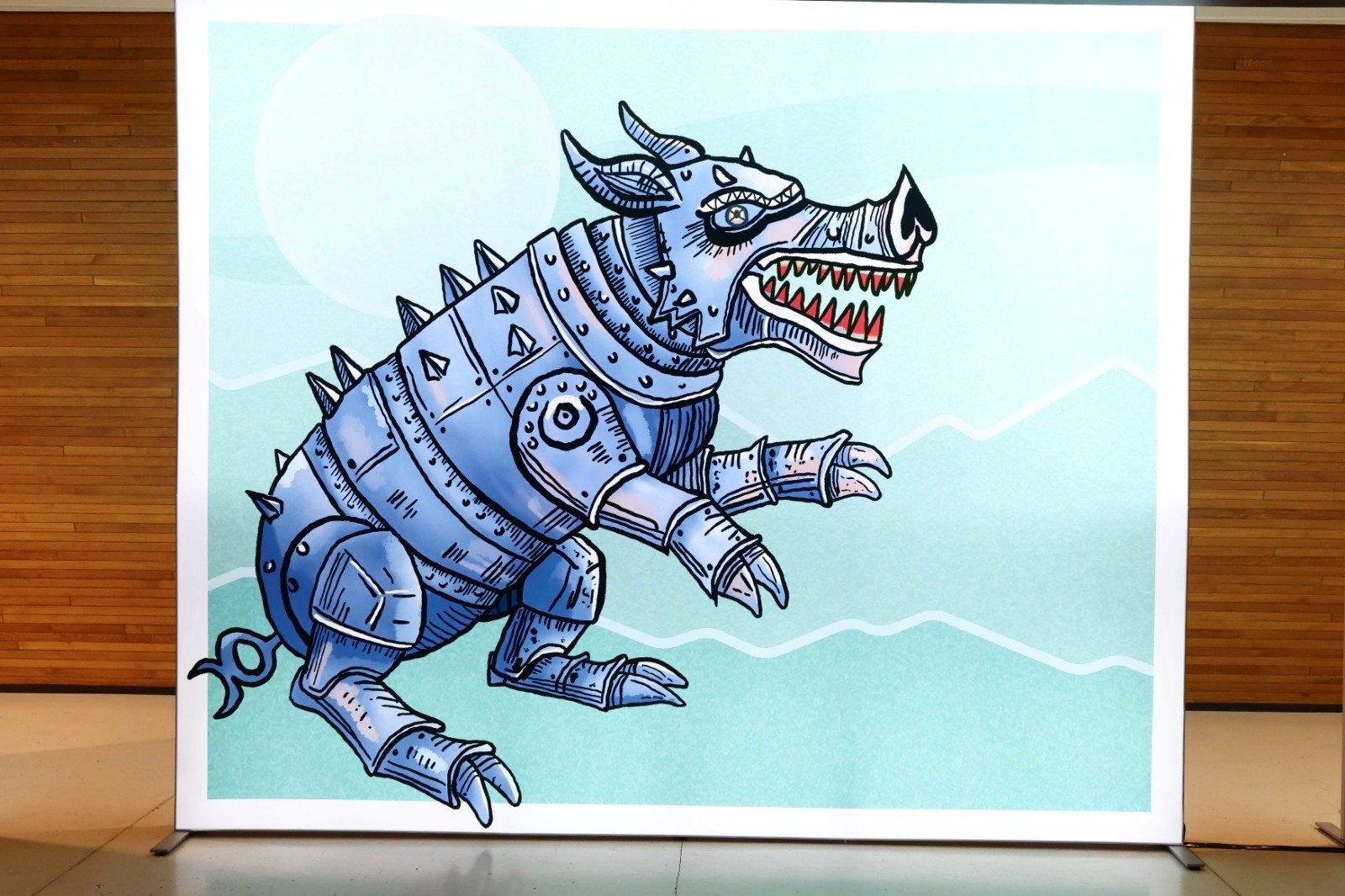
    Photo: cyprus-mail.com

    The Dragons of Cyprus

    The first story introduces the Dragons, formidable creatures that symbolize power and fear. Two dragons from different regions of Cyprus, one from Paphos and the other from the Mesaoria plain, are said to have fought for control over the island’s precious water resources. The Paphian dragon eventually dominated the Tillyria area, noted for its picturesque villages such as Kato Pyrgos and Pomos.

    The Wine of Commandaria

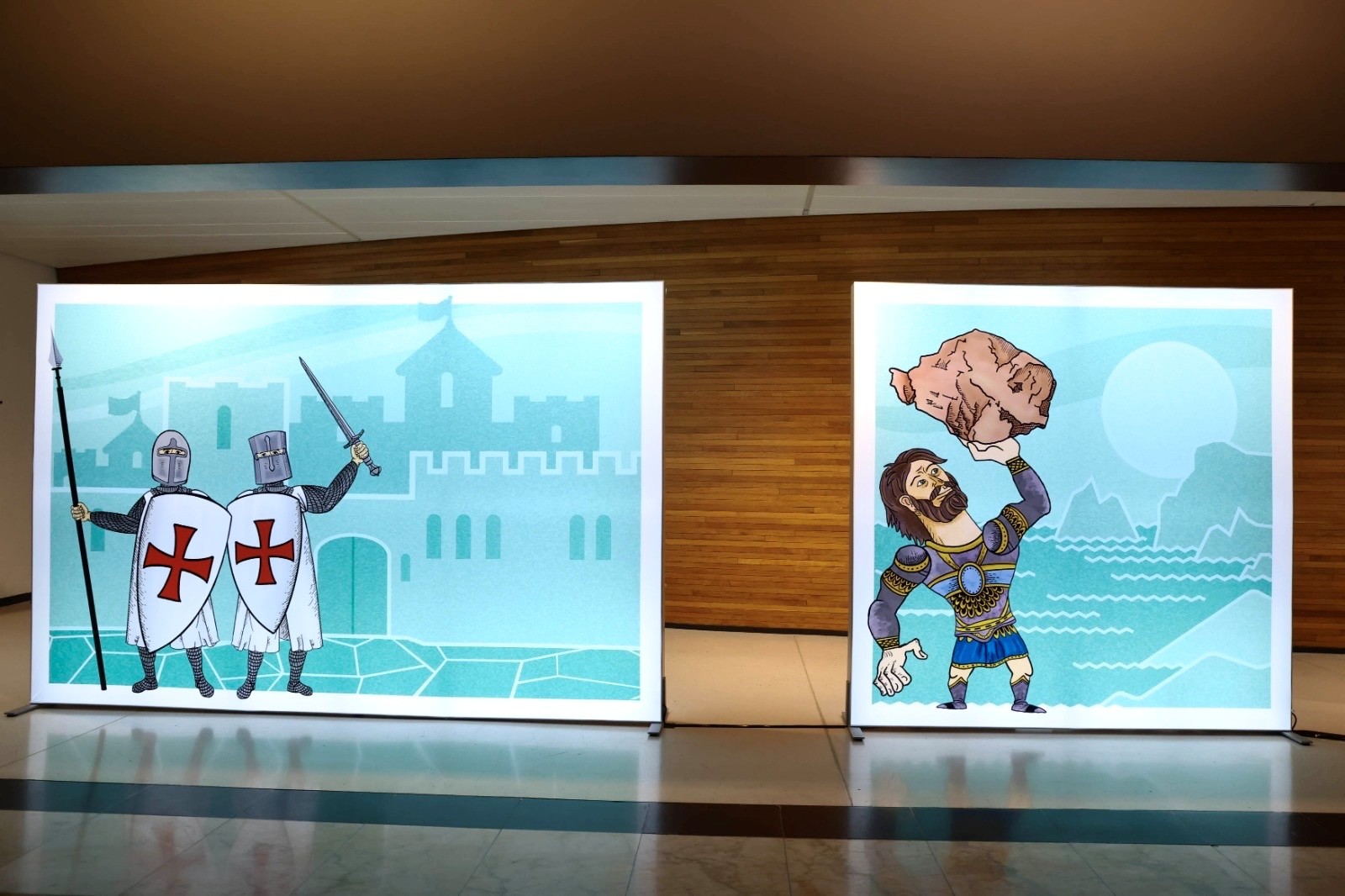
    The second tale revolves around Commandaria, the renowned Cypriot wine named after the Commandery of Limassol. This wine, crafted during the Third Crusade, gained fame not only for its rich taste but also for its historical significance, as it was enjoyed by European royalty. The Knights Templar, the first rulers of Cyprus, played a key role in its production, creating a legacy that endures to this day.

    The Heroic Digenis Akritas

    Next, visitors learn about Digenis Akritas, a legendary hero whose strength was said to rival that of mountains. Born of a Muslim general and a Byzantine noblewoman, Digenis became a symbol of resistance against invaders. His legendary prowess included hurling boulders at approaching ships, with one of the most famous sites being Petra tou Romiou in Paphos, where Aphrodite is said to have emerged from the sea.

    Saint Helena’s Journey

    The tale of Saint Helena, mother of Constantine the Great, addresses a time of crisis in Cyprus marked by drought and demonic infestations. Helena’s arrival brought hope as she released cats to control the snake population and trapped the demons, thereby restoring peace. Her journey also led to the discovery of a fragment of the Holy Cross, which is commemorated at the Mountain of the Cross.

    The Iron Beast Sierolotta

    In a more whimsical narrative, the Iron Pig, or Sierolotta, terrorised the villagers of Doros, stealing water and livestock. A fearless monk confronted her and, with divine intervention, sealed her away for a millennium. This story serves as a reminder of the struggles faced by the community and the resilience found in faith.

    Noah’s Ark and the Great Flood

    The exhibition also recounts the story of Kataklysmos, the Great Flood, during which Noah’s Ark is said to have docked in the Troodos mountains. This tale has shaped local traditions, with the Festival of the Flood celebrated in Larnaca, marking the connection between myth and cultural identity.

    The Tragic Love of Adonis

    The myth of Adonis, born from the tragic tale of Myrrha, underscores themes of beauty, love, and loss. Adonis’s dual existence between Aphrodite and Persephone illustrates the cyclical nature of life, celebrated every spring in Paphos through the planting of seeds symbolising renewal.

    The Treasures of Regina’s Castle

    Finally, the story of Regina and her castle at Boufavento introduces an element of intrigue and mystery. The queen’s betrayal of her workers and the legend of a hidden treasure that may one day be revealed adds a layer of suspense, encapsulating the hopes and dreams of the people.

    The Significance of Cultural Heritage

    In his address at the exhibition, President of the European Parliament Roberta Metsola emphasised the importance of culture in shaping identity and fostering unity. He referenced Jean Monnet’s belief that culture should be the foundation of European integration, highlighting how shared myths can bridge divides and connect communities.

    The Myths and Tales of Cyprus exhibition serves as a reminder that culture is a universal language that can bring people together, transcending geographical and historical barriers. As Cyprus stands at the crossroads of three continents, its myths resonate with broader European narratives, enriching the continent’s cultural tapestry.

    Living Myths in Modern Life

    Today, the tales of Cyprus continue to influence the lives of its people. From festivals celebrating ancient legends to the ongoing storytelling that connects past and present, these myths remain vibrant threads in the fabric of Cypriot culture. They remind us that while borders may divide, shared stories can unite us in our common humanity.
  • Famagusta gate — Famagusta Gate Set to Reopen as Cultural Hub During EU Council Presidency

    Famagusta gate — Famagusta Gate Set to Reopen as Cultural Hub During EU Council Presidency

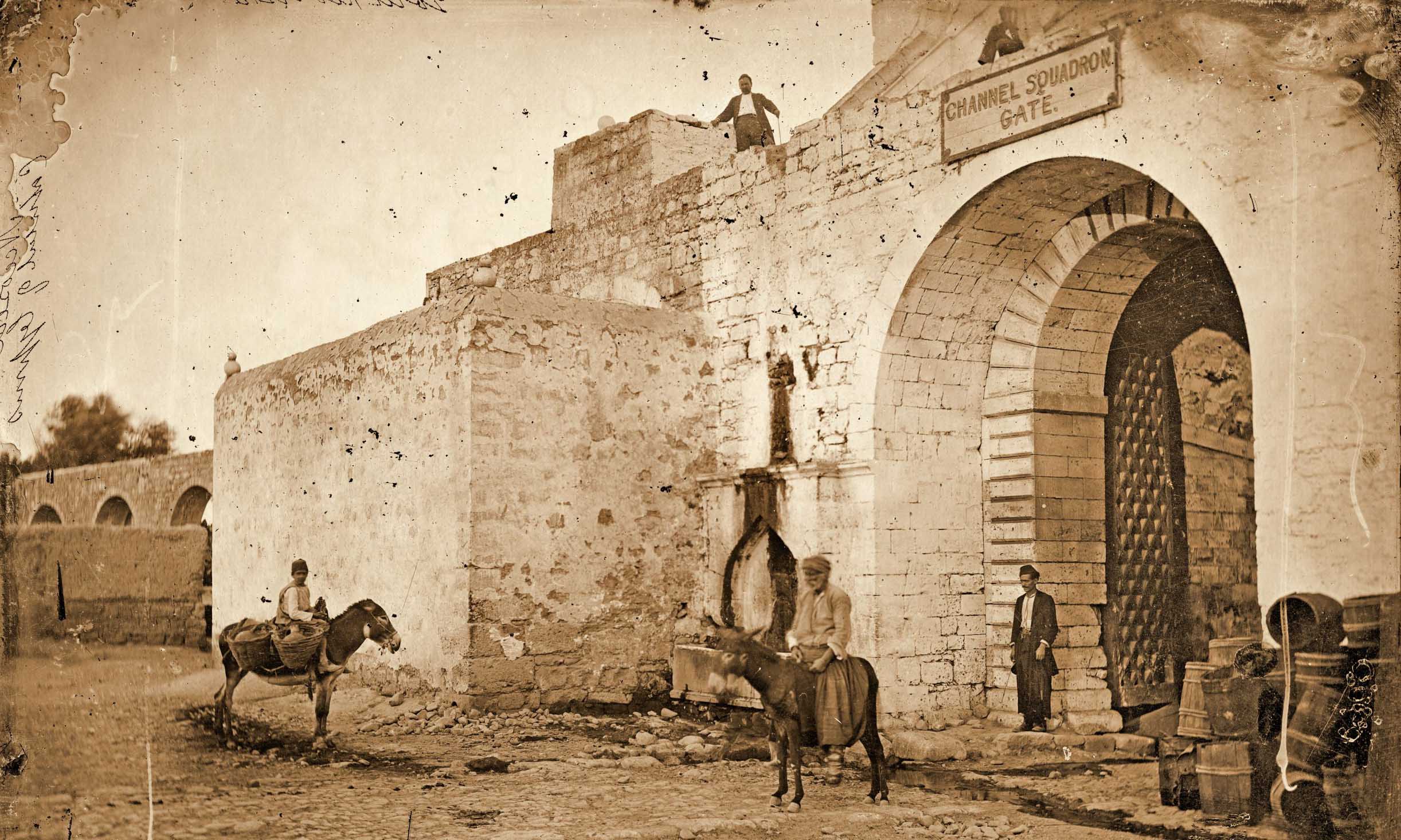
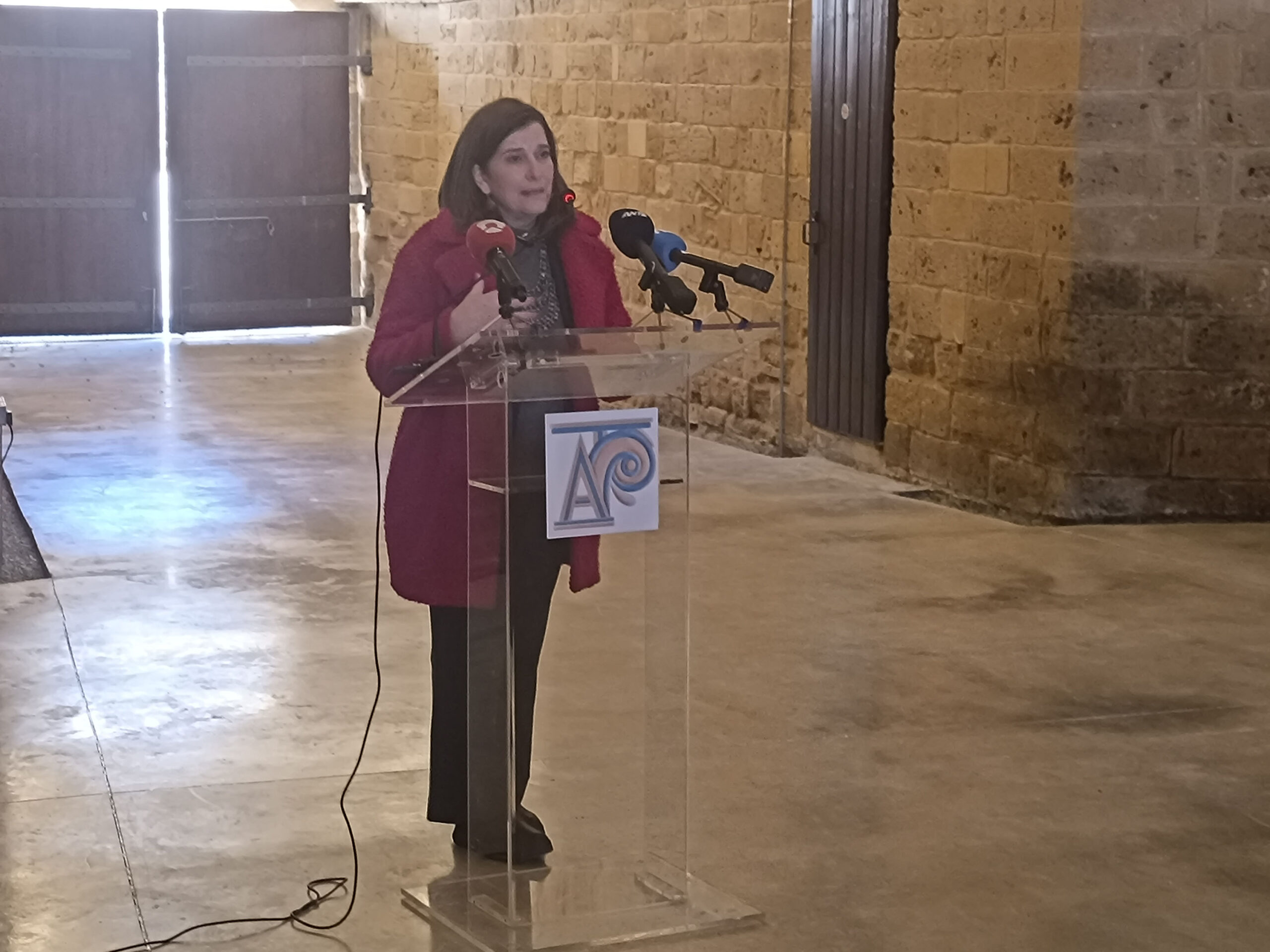
    Famagusta gate in Nicosia will soon be revitalised as a cultural venue during the EU council presidency, according to Deputy Culture Minister Vasiliki Kassianidou. At the inauguration of the historic monument’s renovation, she revealed plans for the gate’s active use, coinciding with Cyprus’s hosting of thousands of visitors and officials.

    Photo: cyprus-mail.com

    Kassianidou emphasised the importance of promoting Nicosia’s cultural heritage, especially as the capital prepares to be in the spotlight of European attention. She highlighted the gate’s historical significance and the recent restoration efforts, which have been motivated by a desire to reconnect the monument with the city’s contemporary cultural landscape.

    The Famagusta gate, which has been a significant landmark, saw its operation as a cultural centre come to a halt in 2018 due to severe flooding caused by torrential rains. The deputy minister noted that the restoration and maintenance project, which has cost nearly €1 million, aims to restore the gate’s role as a vibrant public space in the historic centre of Nicosia.

    In her address, Kassianidou referenced Nicosia’s recent accolade as the best European capital of culture, a recognition that underscores the city’s commitment to cultural development. She assured that her ministry will continue to support initiatives that protect and promote Nicosia’s diverse heritage, aligning with the broader goals of the EU presidency.

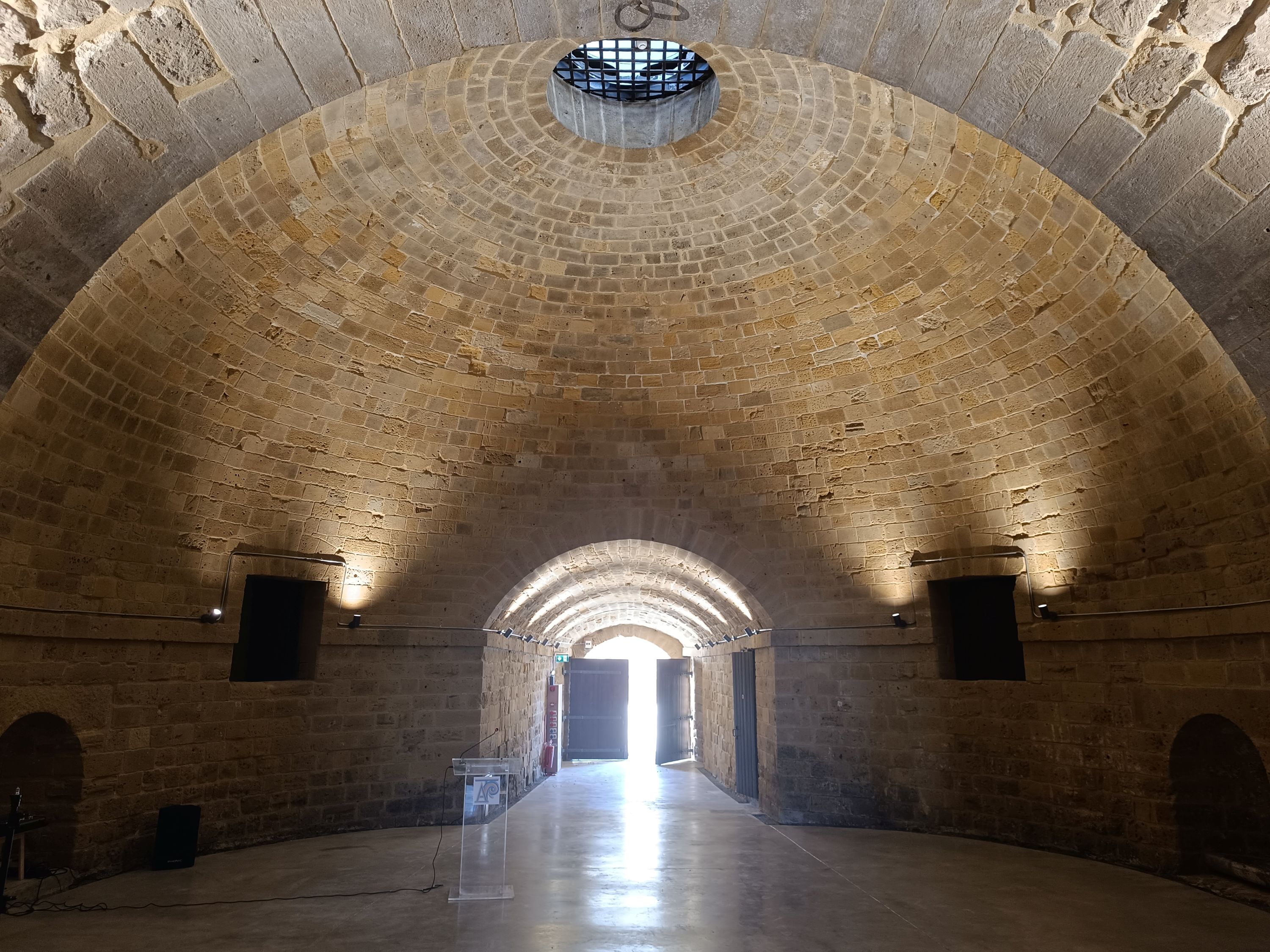
    Antiquities department director Georgeos Georgiou shared insights into the restoration process, which commenced in February 2019. The project focused on two main objectives: conserving the stone and wooden elements of the monument and upgrading essential visitor infrastructure such as lighting, sound systems, and air conditioning. Georgiou noted that these upgrades have already begun to be implemented.

    The conservation efforts have also provided archaeological insights, further enriching the understanding of the monument’s construction and its integration within the medieval urban fabric of Nicosia. With the completion of these works, the Famagusta gate is poised to become a focal point of cultural activity, reflecting both the city’s rich history and its dynamic present.

  • Nicosia Explored Through Music and Dance in Upcoming Performance

    Nicosia Explored Through Music and Dance in Upcoming Performance

    Nicosia takes centre stage this January with a unique music and dance performance that delves into the city’s rich multicultural history. Titled Nostalgia, this performance highlights Nicosia’s diverse traditions and communities, traversing from the Byzantine Era to the present day.

    Nicosia: A Journey Through Time

    Nostalgia invites its audience on a historical journey, exploring the evolution of Nicosia through various artistic expressions, including art, music, dance, speech, and movement. The performance will take place at the Nicosia Municipal Theatre on January 17, starting at 7.30pm.

    Highlighting Cypriot Traditions

    The production celebrates the island’s cultural heritage by incorporating elements from different eras and communities. Audiences can expect to hear Byzantine music and narrative songs, along with the languages of the city’s diverse population. These include the dialects of Leontios Machairas, the Arab-Cypriots of Sanna, as well as Armenian, Turkish, and the dialects from Cappadocians, Asia Minor, and Pontic Greeks.

    A Collaborative Artistic Effort

    This performance is a collaborative project, uniting dozens of musicians, performers, and cultural groups from across Cyprus. Notable contributors include musicians like Efraín López, Michalis Kouloumis, and Elena Xyda. Joining them are the Byzantine dance group Cypriot Melodists and the Traditional Music Choir of the Politistiko Ergastiri Ayion Omoloyiton.

    Engaging Local Communities

    In addition to these established artists, the performance features various local talents, such as actress and singer Michiel Frangiskou, folk poet Shiarpel Frangiskou, and dancer Dervish Zeybek. Dancers from the Youth Centre Panagia Soumela will also be part of this vibrant showcase, reflecting the collaborative spirit of the production.

    Preserving Cultural Heritage

    One of the key themes of Nostalgia is the exploration of issues related to the preservation and dissemination of intangible cultural heritage. The performance aims to raise awareness about the cultural loss that can occur due to migration and displacement, making it particularly relevant in today’s global context.

    Ticket Information

    For those interested in experiencing this unique portrayal of Nicosia’s history and culture, tickets can be purchased through More.com. Don’t miss this opportunity to witness a performance that not only entertains but also educates and inspires.

    A Cultural Celebration

    Ultimately, Nostalgia is more than just a performance; it is a celebration of Nicosia’s rich tapestry of cultures and traditions. As the performers take to the stage, they will create an immersive experience that connects audiences with the city’s past while envisioning its future.

  • Cyprus cows: Cyprus’ Cows Celebrate Heritage in New Documentary

    Cyprus cows: Cyprus’ Cows Celebrate Heritage in New Documentary

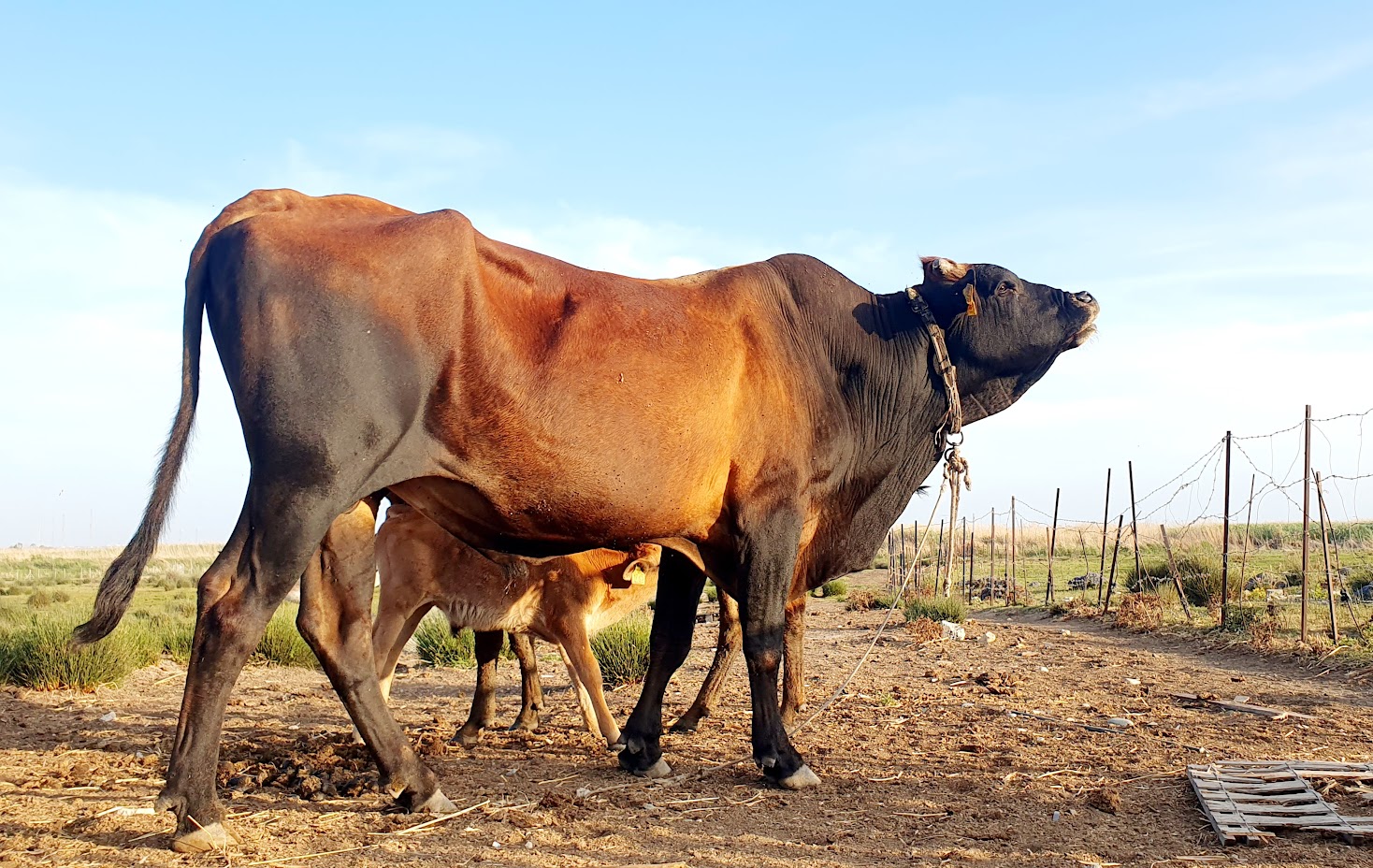
    cyprus cows — cyprus cows — Cyprus’ cows take centre stage in a new documentary that highlights their historical significance and current challenges. The film, titled The World Shrinks, premiered earlier this week at the Pantheon Cinema in Nicosia and brings to light the unique role of these animals in Cypriot agriculture and culture.

    Cyprus cows: A Rich Tapestry of History and Science

    The documentary delves into the story of the Cypriot cow, a creature that has been integral to farming on the island for centuries. It combines elements of archaeology, history, genetics, and folklore to showcase both well-known and unexpected facets of the cow’s legacy. This multifaceted approach aims to educate viewers on the importance of agricultural biodiversity and the rich heritage these animals represent.

    Voices of Expertise

    Anna Spyrou, a researcher involved in the film’s creation, expressed her fascination with the cows, attributing it to a blend of scientific inquiry and personal narratives from individuals she has met over the years, some of whom have since passed away. “These cows have seen it all,” she remarked, underscoring the deep connection between the animals and the people who have relied on them.

    Dr Efi Snow, representing the agriculture minister, referred to the cows as “a living treasure” of Cyprus. This sentiment was echoed by India’s High Commissioner, Manish Manish, who highlighted the genetic links of the Cypriot breed to Bos indicus, suggesting a surprising connection to Indian cattle.

    Scientific Insights and Cultural Significance

    The documentary is grounded in the Areti research programme, a collaboration involving the Cyprus Institute, the agricultural research institute, and Dublin’s Smurfit Institute of Population Genetics. It features genomic profiling of 10 per cent of the island’s local cows, marking a scientific first for Cyprus. This research provides crucial insights into the breed’s adaptation to the island’s unique climate and terrain.

    Dr Anastasios Leventis from the AG Leventis Foundation noted that the research has resolved many queries regarding this ancient breed, further emphasising their vital role in the rural landscape of Cyprus. Professor Thilo Rehren from the Cyprus Institute added that these cows are not merely livestock; they are interwoven into the very fabric of rural society and deserve robust protection.

    Capturing the Rural Experience

    The film not only presents scientific data but also captures the essence of rural life. Viewers are taken through the daily realities of farming, which involves hard work, dedication, and, at times, the stubbornness of the animals themselves. The documentary aims to foster an appreciation for the labour that goes into maintaining the agricultural heritage of Cyprus.

    The Importance of Preservation

    One of the film’s key messages is the importance of preserving agricultural biodiversity. As farming practices evolve and modernisation takes hold, there is a risk that traditional breeds, like the Cypriot cow, may vanish. This documentary serves as a timely reminder of the need to protect these animals, not just as agricultural assets but as symbols of cultural identity.

    Engaging the Community

    The screening at the Pantheon Cinema was well-received, attracting a diverse audience eager to learn more about the cows that have shaped the island’s agricultural landscape. The film’s engaging narration and visual storytelling have sparked conversations about the future of farming in Cyprus and the role of these animals in it.

    As the documentary gains traction, it is hoped that it will inspire further discussions on sustainable farming practices and the importance of maintaining local breeds. By highlighting the historical and cultural significance of Cyprus’ cows, The World Shrinks aims to instil a sense of pride and responsibility among viewers.

    Looking Ahead

    In an era where many traditional practices are at risk of being lost, documentaries like The World Shrinks play a crucial role in preserving cultural narratives. They remind us of the intrinsic value of our agricultural heritage and the animals that have been by our side throughout history.

    As the conversation around agricultural sustainability continues to evolve, the insights shared through this documentary could serve as a catalyst for renewed interest in protecting not just the cows of Cyprus, but the ecosystems they inhabit.

  • Apollo hylates — Tourists Defy Rules at Apollo Hylates Sanctuary in Limassol

    Apollo hylates — Tourists Defy Rules at Apollo Hylates Sanctuary in Limassol

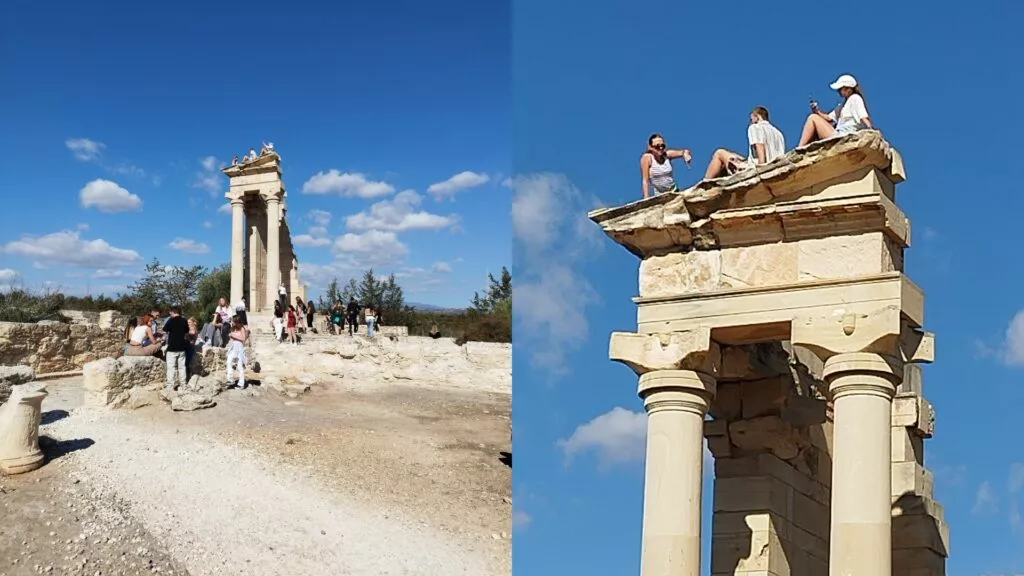
    Tourists climbed the historic Sanctuary of Apollo Hylates in Limassol for photos, disregarding the site’s protection rules.

    Photo: in-cyprus.philenews.com

    • Tourists climbed the historic Sanctuary of Apollo Hylates in Limassol for photos, disregarding the site's protection rules.

    Visitors were spotted ascending to the summit of the monument, which is an important archaeological site. Despite clear signage warning against such behaviour, a group of tourists chose to ignore these regulations, motivated by the desire for memorable photographs.

    Photo: in-cyprus.philenews.com

    After being alerted to their actions, the tourists promptly descended from the monument. However, their disregard for the rules had already drawn attention, leading to the incident being captured and shared widely on social media.

    The local police have since initiated an investigation into the matter, emphasising the importance of adhering to guidelines that preserve the integrity of cultural heritage sites. Archaeological experts have expressed concern over the potential damage caused by such actions, highlighting the need for stricter enforcement of regulations to protect these invaluable monuments.

    The Sanctuary of Apollo Hylates is not only a significant archaeological site but also a symbol of cultural heritage in Cyprus. It is imperative that visitors respect the site’s sanctity to ensure it remains preserved for future generations.

  • Cyprus history: Reviving Cyprus’ Archaeological Legacy Through Interdisciplinary Theatre

    Cyprus history: Reviving Cyprus’ Archaeological Legacy Through Interdisciplinary Theatre

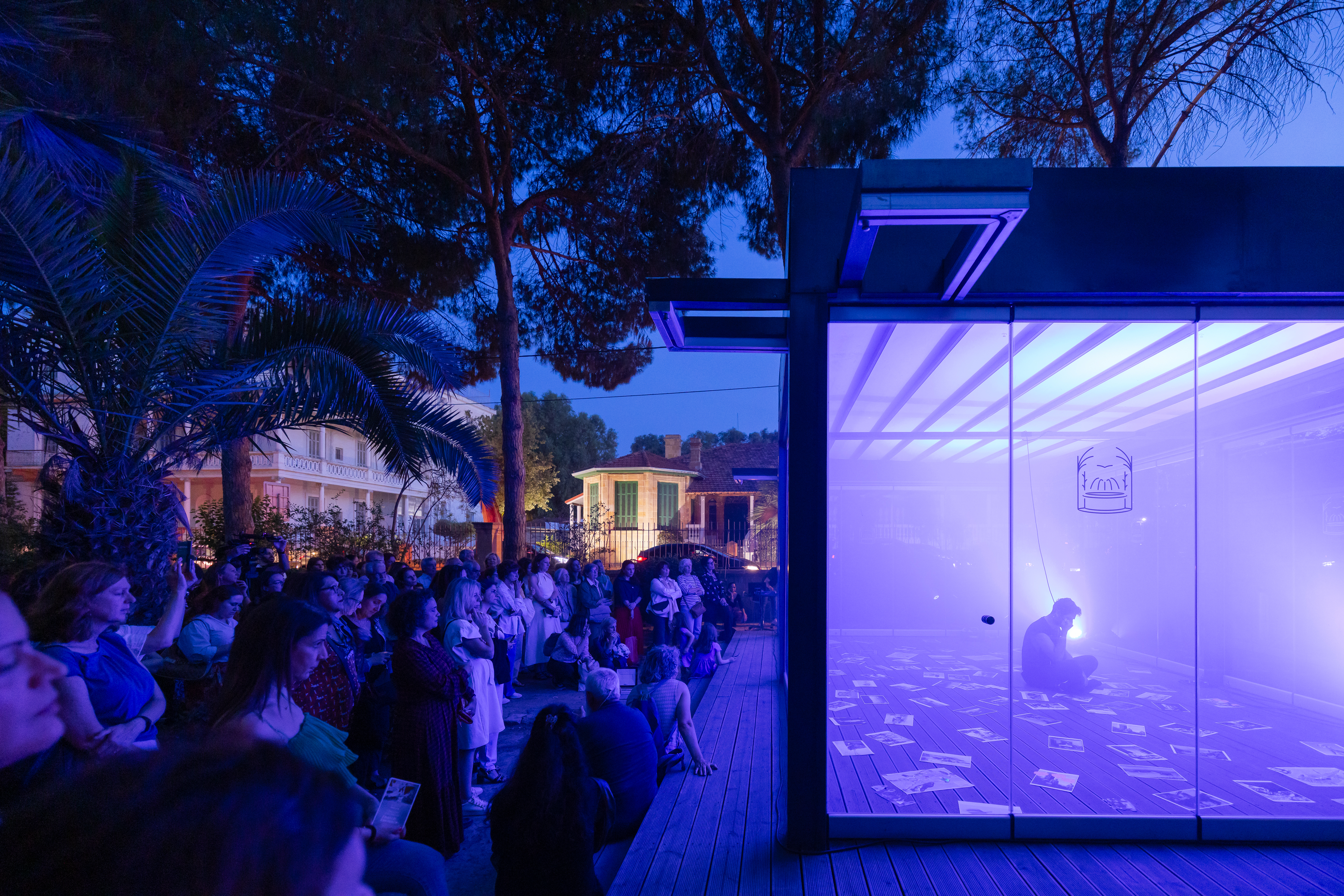
    cyprus history — cyprus history — Bringing the history of Cyprus to life, the Performing Collections Performing Archives project aims to explore and present untold stories surrounding the Swedish Cyprus Expedition of 1927-1931. This venture, initiated by theatre scholar Ellada Evangelou and museologist Despo Pasia, seeks to intertwine archaeological research with performing arts, enriching the dialogue about colonialism and identity in Cyprus.

    Photo: cyprus-mail.com

    Cyprus history: Unearthing the Past: The Swedish Cyprus Expedition

    Between 1927 and 1931, the Swedish Cyprus Expedition excavated over 20 archaeological sites across Cyprus, laying the groundwork for the island’s archaeological studies. Key figures such as Einar Gjerstad, John Lindros, Erik Sjöqvist, and Alfred Westholm were pivotal in this venture. However, nearly a century later, the impact of their work remains underappreciated.

    Photo: cyprus-mail.com

    A Spark of Inspiration

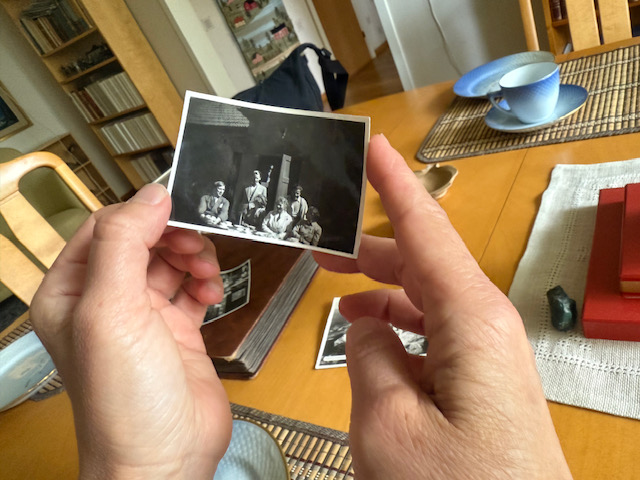
    At a workshop at the Nicosia Municipal Arts Centre (Nimac), Evangelou discovered photographs from the expedition that ignited her interest. She recalls, “These pictures among other photographs from the first half of the 20th century going into the 60s and we were discussing issues of colonialism and identity in Cyprus… these pictures really started to speak to me.”

    Interdisciplinary Collaboration in Action

    Collaborating with Pasia, the duo conceptualised the Performing Collections Performing Archives project to merge their disciplines. “We wanted to try and figure out how these two can come together,” Pasia notes, highlighting the importance of exploring the intersection of archaeology and theatre in contemporary discussions surrounding colonialism.

    From Archives to Performance

    The project takes a unique approach by combining archival research, interviews with descendants of the expedition’s workers, and interdisciplinary discussions. The aim is to create theatre performances, narrative audio tours, and educational programmes that delve into hidden narratives within Cyprus’ archaeological history.

    Highlighting Untold Stories

    The project’s first phase, running from 2023 to 2024, focuses on the lesser-known stories of the expedition’s workers. It features performances such as “[In]Credible Histӧries: The Process,” scheduled for April 2024 at the Cyprus Museum in Nicosia, and “[In]Credible Histӧries: A Promenade Devised Theatre Performance” on International Museum Day in May 2025.

    Voices from the Past

    Evangelou emphasises the importance of giving voice to those often overlooked in historical narratives. “We did a large amount of creative writing; for the text of the performance we focused on the locals and we gave a voice to the people, especially the workers or the villagers,” she explains. The project leans heavily on the wealth of archival documentation available, with close to 14,000 photographs that illuminate the context and lives of the people involved.

    Continuing the Journey: Phase Two

    Currently entering its second phase (2025-2026), the project shifts focus to the interactions between Cypriots and Swedes before, during, and after the expedition. A promenade-style theatre performance is set for March 2025 at the Medieval History Museum in Stockholm, promising to bring historical figures back into the spotlight.

    Bridging Generations

    This phase will include interactions with descendants of those involved in the expedition, revealing the human side of historical events. “It’s not just the practices of these people, it’s their whole life, their choices, their feelings, their struggles,” Pasia explains.

    Reconstructing Historical Narratives

    The duo is committed to uncovering the origins of the expedition, weaving together myth and reality. Evangelou recounts the intriguing anecdote of how Loukis Pierides, the Cypriot consul of Sweden, persuaded Gjerstad to explore Cyprus during a chance train encounter in 1923. This narrative exemplifies the intersection of personal stories and larger historical movements.

    The Importance of Context

    With collaboration from the department of antiquities, workshops have been developed around artefacts, adding depth and nuance to the project. “We have added a fourth one, which is direct interviews and collaborations with the descendants of the archaeologists,” Evangelou states, underscoring the project’s commitment to enriching its narrative fabric.

    Future Aspirations and Educational Initiatives

    As the project progresses, plans for an audio guide and educational materials are underway, aiming to create a comprehensive cultural product that resonates with contemporary audiences. “This project is there as a cultural product, it has this richness, it has all these voices,” Evangelou remarks.

    Rethinking the Role of Museums

    Pasia offers a critical perspective on the evolution of museums, suggesting that they must adapt to remain relevant. “If you want the museum, the story to be relevant, it has to go into things that may seem unpleasant but nevertheless are reality,” she asserts, advocating for a more inclusive and diverse narrative in museum settings.