Tag: defence

  • Defence cooperation: Defence Minister Clarifies Cyprus-Greece-Israel Cooperation Talks

    Defence cooperation: Defence Minister Clarifies Cyprus-Greece-Israel Cooperation Talks

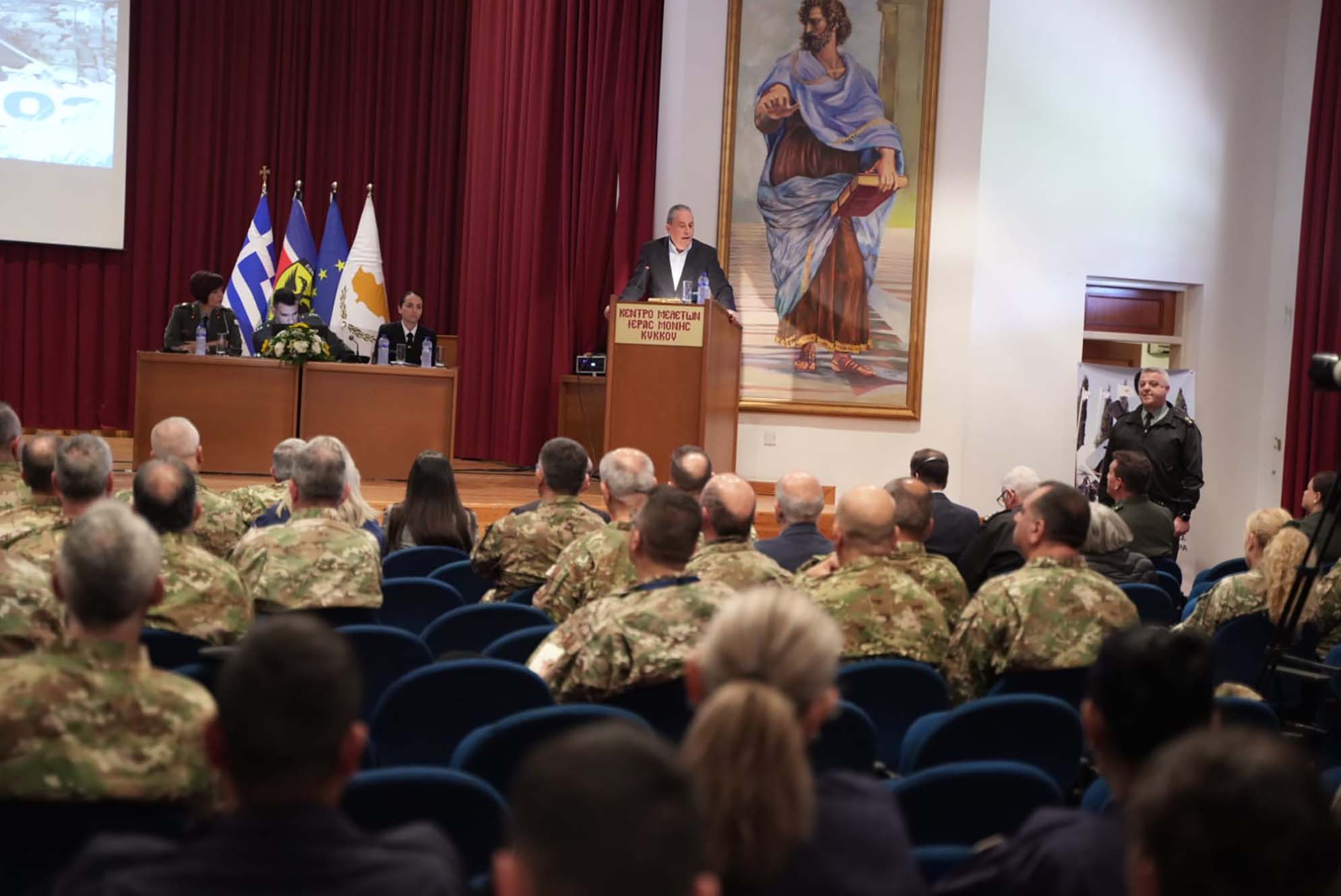
    Defence Minister Vasilis Palmas has confirmed that discussions regarding a Cyprus-Greece-Israel defence cooperation initiative have not taken place. This statement follows reports in Greek media suggesting that high-ranking military officials from the three nations were in talks about forming a rapid reaction force aimed at countering Turkey’s military presence in the Eastern Mediterranean.

    • Officials have made it clear that any procurement will take into account repair, maintenance, and transport costs to ensure economic efficiency and long-term sustainability.
    Palmas addressed these claims in an interview with philenews, emphasising that any such initiative would depend on significant political decisions rather than merely military consultations. He underlined the importance of the matter but stated it is premature to speculate whether a trilateral defence formation will materialise in the future.

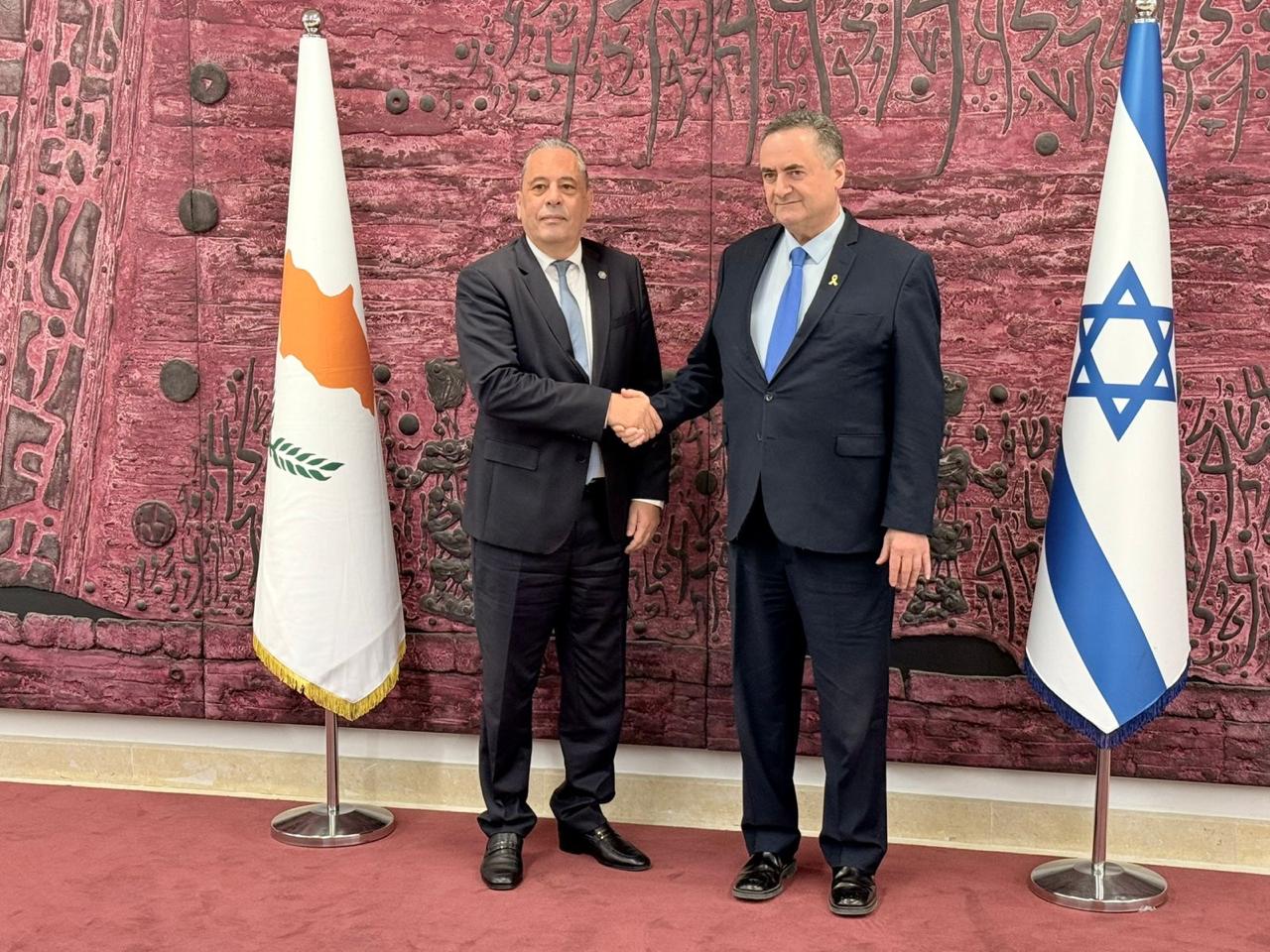
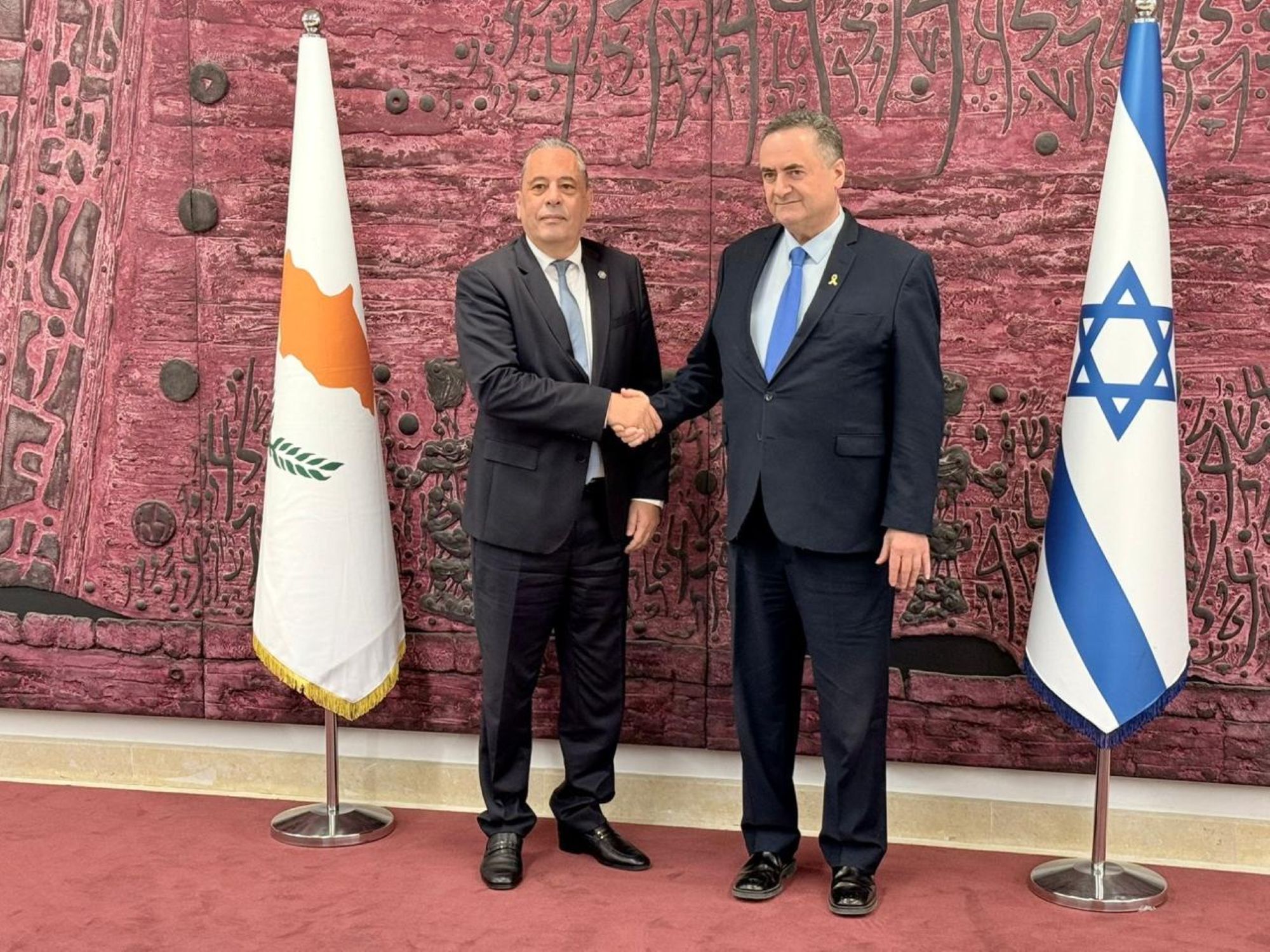
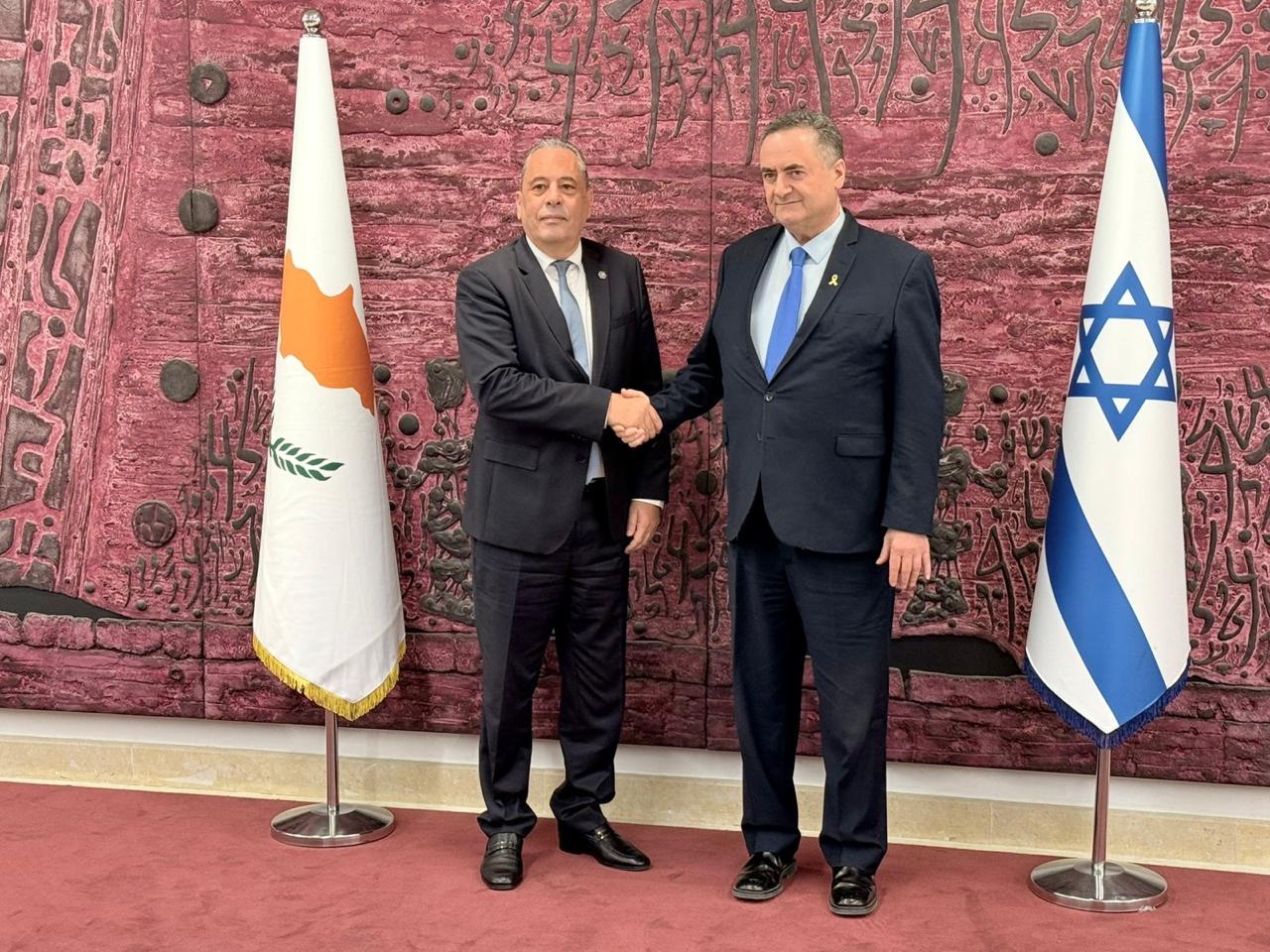
    The relationships between Cyprus, Greece, and Israel are currently at a high point, according to Palmas. He noted that during his recent visit to Israel, where he met with the Israeli Defence Minister, the potential defence cooperation was not a topic of discussion.

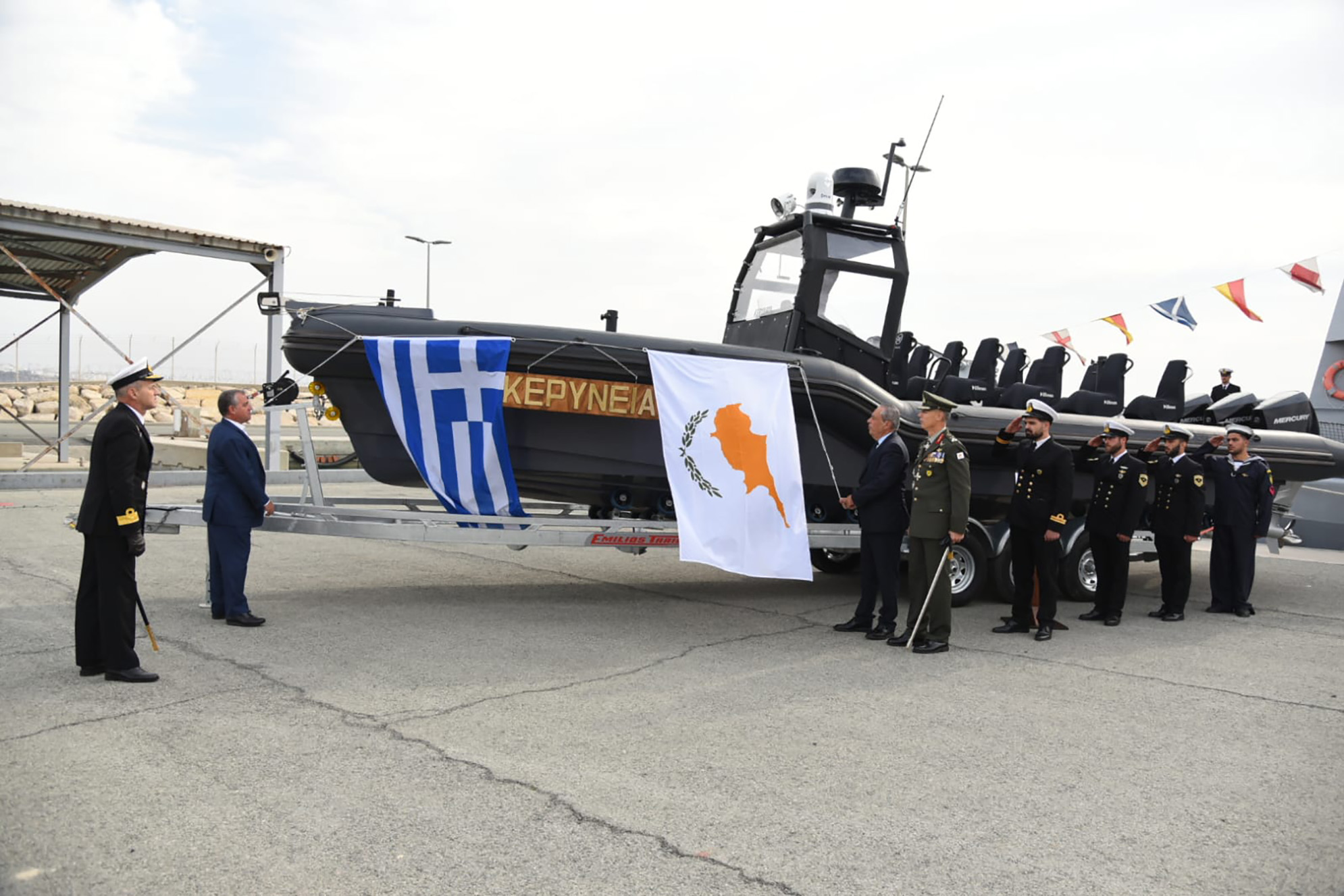
    Amidst these diplomatic considerations, Palmas provided updates on military infrastructure developments within Cyprus. He indicated that upgrades to the Evangelos Florakis Naval Base in Mari and the Andreas Papandreou Air Base in Paphos are currently underway. These enhancements are part of a broader strategy to strengthen the operational capabilities of the National Guard.

    Palmas revealed that the United States has begun architectural and technical plans for the upgrade of the Paphos Air Base, which is expected to bolster Cyprus’s military infrastructure significantly. The decision to enhance the Mari Naval Base was solidified following the signing of the Cyprus-France Strategic Declaration in Paris, marking a pivotal moment for Cyprus’s role in the region.

    The planned naval infrastructure aims to be capable of hosting warships, with architectural and technical plans anticipated to be completed by 2026, leading to substantial construction work starting in 2027.

    In terms of military equipment, Palmas mentioned that the Defence Ministry and National Guard General Staff are prioritising the acquisition of surplus American military equipment. Cyprus is preparing to send a delegation to the US to explore various weapons systems suited for its needs. Among the equipment under consideration are American armoured personnel carriers and potentially Bradley-type vehicles.

    Officials have made it clear that any procurement will take into account repair, maintenance, and transport costs to ensure economic efficiency and long-term sustainability.

  • Cyprus-Israel Defence Talks Focus on Regional Security Cooperation

    Cyprus-Israel Defence Talks Focus on Regional Security Cooperation

    cyprus-israel defence — Cyprus-Israel defence discussions have centred on enhancing regional security and bilateral cooperation during Defence Minister Vasilis Palmas’s official visit to Israel. The talks, confirmed by the Cypriot defence ministry, occurred just ahead of Cyprus’s upcoming presidency of the Council of the European Union, set for the first half of 2026.

    Cyprus-israel defence: Strengthening Ties Amid Regional Challenges

    In discussions with his Israeli counterpart, Israel Katz, Palmas addressed the security dynamics not only in Cyprus but also in Israel and the broader Eastern Mediterranean and Middle East regions. This dialogue is part of ongoing efforts to bolster bilateral defence and security relationships between the two nations.

    Focus on European Unity and Stability

    Palmas articulated that Cyprus aims to leverage its EU presidency to foster European unity and enhance strategic stability in the eastern Mediterranean. The minister emphasised the importance of regional cooperation, stating, “During our presidency, we will encourage dialogue in areas of mutual interest, promoting peace, stability, and adherence to international law.” This commitment underscores the growing alignment in defence strategies between Cyprus and Israel.

    Recent Developments in Defence Cooperation

    Cypriot-Israeli defence ties have seen significant growth in recent years. Notably, Cyprus has procured the Barak MX air defence system from Israel, which is being delivered incrementally and is expected to be fully operational by the end of this year. This acquisition reflects a deeper military collaboration aimed at addressing shared security concerns.

    Palmas’s Visit and Engagements

    Palmas arrived in Israel on Monday and was slated to return to Cyprus late Tuesday afternoon. During his visit, he toured the Civil-Military Coordination Centre (CMCC) in Kiryat Gat, which serves as a hub for military and humanitarian operations related to the Gaza ceasefire. He met with Major General Patrick Frank, the director of the CMCC, to discuss ongoing stabilisation and relief efforts in the region.

    The Role of the Civil-Military Coordination Centre

    The CMCC was established in October 2025 following a peace agreement aimed at coordinating humanitarian and stabilisation efforts in Gaza. Currently, it hosts personnel from approximately 20 countries, including Cyprus, although specific numbers of Cypriot personnel and their roles remain undisclosed.

    Humanitarian Aid Oversight in Gaza

    Recent reports indicate that the CMCC has assumed oversight of humanitarian aid entering the Gaza Strip, with responsibilities previously held by Israel’s Coordinator of Government Activities in the Territories now diminished. An early November report noted that while Israel retains control over Gaza’s perimeter and entry of goods, the CMCC’s role has become more central to aid distribution.

    A US military official described the relationship between Israel and the CMCC as an integration of efforts, stating, “It is an integration. It is hand in glove. They [the Israelis] remain the hand, and the CMCC have become the glove over that hand.” This statement highlights the complexities of humanitarian operations in the region amid ongoing tensions.

    Prospects for Future Cooperation

    The discussions between Palmas and Katz set the stage for increased collaboration in the face of evolving security challenges, particularly in the context of the Israeli-Palestinian conflict and broader geopolitical tensions in the Middle East. As Cyprus prepares for its EU presidency, the focus will be on fostering a unified approach to security in the eastern Mediterranean.

    With both nations committed to enhancing their bilateral ties, the potential for future joint initiatives appears promising. As the situation in the region continues to develop, the relationship between Cyprus and Israel may play a crucial role in promoting stability and security in an area marked by ongoing conflicts.

  • Cyprus defence — Cyprus Defence Minister Engages with Israel on Regional Security Ahead of EU Presidency

    Cyprus defence — Cyprus Defence Minister Engages with Israel on Regional Security Ahead of EU Presidency

    cyprus defence — cyprus defence — Cyprus’s defence minister visited Israel to discuss regional security and bilateral cooperation ahead of the island’s upcoming European Union presidency. Vasilis Palmas met his Israeli counterpart, Israel Katz, on 15 and 16 December to exchange views on the security situation in Cyprus, Israel, and the wider Eastern Mediterranean and Middle East, according to a ministry statement.

    Photo: in-cyprus.philenews.com

    Cyprus defence: Strengthening Defence Ties

    The two ministers examined ways to reinforce bilateral defence and security ties between their countries. Palmas highlighted the importance of collaboration, stating that the Cypriot government will utilise its forthcoming EU Council presidency to enhance European unity and foster strategic stability in the region.

    Photo: in-cyprus.philenews.com

    Promoting Cooperation and Stability

    During his discussions, Palmas expressed Cyprus’s intent to deepen cooperation with Israel, aiming to encourage dialogue in areas of mutual interest while promoting regional peace, stability, and respect for international law.

    A Visit to the Civil-Military Coordination Centre

    While in Israel, Palmas visited the Civil-Military Coordination Centre, which serves as a key coordination hub for military, humanitarian, and international organisations involved in supporting the Gaza ceasefire implementation. He met with the centre’s commander, Major General Patrick D. Frank, to discuss ongoing efforts and collaborative strategies.

    Looking Ahead

    This visit comes as Cyprus prepares for its significant role in the EU, where it aims to address pressing issues in the Eastern Mediterranean. The discussions reflect a growing commitment between Cyprus and Israel to not only enhance their bilateral relations but also contribute positively to the broader regional landscape.

  • Mari naval — Cyprus and France Enhance Mari Naval Base for Permanent French Military Presence

    Mari naval — Cyprus and France Enhance Mari Naval Base for Permanent French Military Presence

    Cyprus and France have embarked on a significant upgrade of the Mari Naval Base, aimed at ensuring a permanent French military presence in the Eastern Mediterranean. This strategic initiative was formalised through a Strategic Declaration and an accompanying Action Plan for 2026–2030, signed during a visit by President Nikos Christodoulides to Paris.

    Mari naval: Strengthening Defence and Security Collaboration

    The primary focus of the agreement is on Defence and Security, encompassing two main elements: the enhancement of the Mari Naval Base and a substantial defence procurement deal. The upgraded facility will be capable of hosting large French warships, marking a pivotal expansion of military cooperation between the two nations.

    Major Defence Procurement Deal

    As part of the agreement, the French military industry will fulfil 85% of the defence equipment requested by Cyprus under the SAFE programme. This procurement is not merely a transaction; it mandates the involvement of Cypriot companies, stipulating a 15% share in the production of each programme. This provision is expected to result in significant knowledge transfer, bolstering the capabilities of the Cypriot National Guard, particularly in aerial assets and communications systems.

    A Comprehensive Roadmap for Cooperation

    Beyond military enhancements, the Strategic Declaration outlines a broad framework for collaboration across sixteen sectors. This shift from declarations to actionable policies is designed to foster a deeper partnership between Cyprus and France.

    Key Areas of Cooperation

    • Schengen Representation: France will represent Cyprus in 25 third countries, providing consular services related to Schengen visa issuance once Cyprus achieves full Schengen Area accession.
    • IMEC Corridor: The agreement highlights cooperation in the India–Middle East–Europe Economic Corridor (IMEC), recognising Cyprus as a vital hub that contributes to regional stability and interconnectivity.
    • Investment Opportunities: During the governmental meetings, a French company showed interest in making significant investments at Larnaca port, indicating potential economic benefits for Cyprus.
    • Sectoral Collaborations: The agreement also encompasses areas such as Civil Protection, Digital Policy, Public Health, Maritime Affairs, and Energy, including workshops on integrating renewable energy sources into national grids.

    Monitoring and Implementation

    The implementation of the Strategic Declaration and Action Plan will be overseen through annual high-level intergovernmental meetings involving senior officials from the two Foreign Ministries, as well as biennial meetings at the Ministerial level. This structured approach aims to ensure that the initiatives outlined in the agreement are effectively realised and managed.

    Long-Term Implications for Regional Stability

    The upgrade of the Mari Naval Base and the broader agreement signify a pivotal moment in the defence posture of Cyprus and France in the Eastern Mediterranean. By reinforcing military capabilities and enhancing bilateral cooperation, both nations are taking proactive steps towards ensuring regional security and stability.

    As the geopolitical landscape continues to evolve, this partnership may play a crucial role in addressing emerging challenges and fostering a collaborative approach to defence and security in a region of strategic importance.

  • Eu safe — Cabinet Approves Arms Procurement for EU Safe Programme

    Eu safe — Cabinet Approves Arms Procurement for EU Safe Programme

    eu safe — The cabinet has approved the list of armaments that Cyprus intends to procure through the Security Action for Europe (Safe) programme.

    • eu safe — The cabinet has approved the list of armaments that Cyprus intends to procure through the Security Action for Europe (Safe) programme.

    Prepared by the defence ministry, the list signifies a strategic move towards enhancing Cyprus’s defensive capabilities. Defence Minister Vasilis Palmas, while remaining tight-lipped about the specifics, emphasised the defensive nature of the armaments. “Under no circumstances do the armaments programmes on the list concern weapons systems with an offensive posture,” he stated, reflecting on Cyprus’s historical context as an occupied territory for over five decades.

    The formal submission of the armaments list to the European Commission is scheduled for November 30. Minister Palmas explained that once the procedure receives final approval, Cyprus will have access to allocated funds amounting to €1.2 billion. This crucial financial backing will enable the country to effectively bolster its defence mechanisms.

    Following the approval, the defence ministry plans to collaborate with the finance ministry to integrate these funds into the annual state budget. When asked about the potential suppliers for the procurement, Palmas noted that while France and Germany are among the likely candidates, there are various other countries involved in joint armament production.

    The Safe programme aims to foster collaboration among EU member states and allies for common procurements of military hardware. All EU member states, along with Ukraine, four European Economic Area states—namely Iceland, Liechtenstein, Norway, and Switzerland—and six additional nations with defence agreements with the EU, including Albania, Japan, Moldova, North Macedonia, South Korea, and the United Kingdom, are eligible to participate.

    Safe will provide long-term, low-cost loans to assist EU nations in acquiring essential defence equipment. To facilitate this, EU member states must submit their national investment plans to the European Commission by the end of November. The Commission will assess these plans with the aim of initiating the first disbursements in early 2026.

  • Surge in Demand for Private Military Training Among Cypriots

    Surge in Demand for Private Military Training Among Cypriots

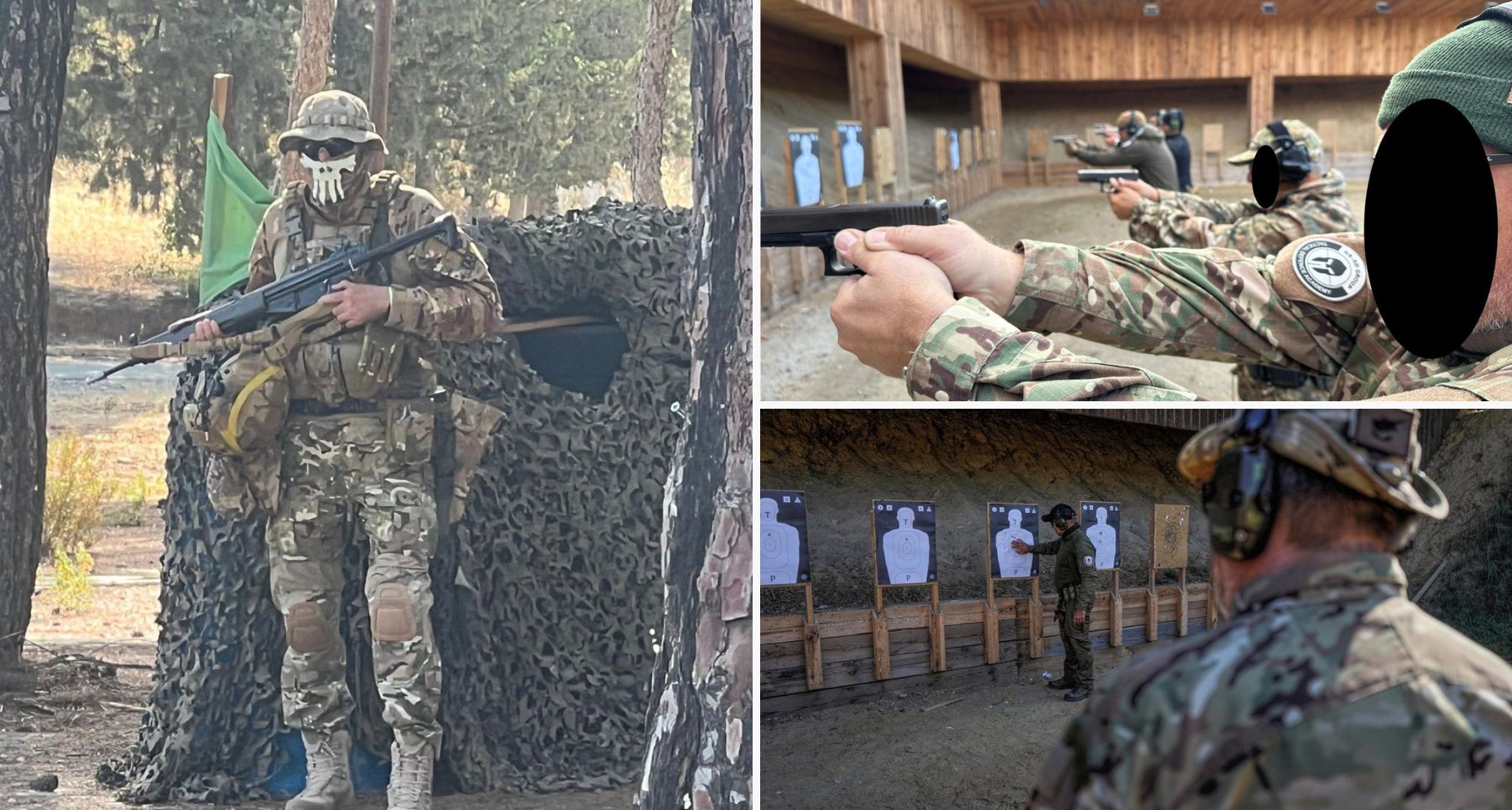
    Hundreds of Cypriots are seeking private military training abroad due to a legal ban on such instruction within Cyprus. According to sources from Phileleftheros, a professional military instructor operating overseas has confirmed a significant rise in interest among citizens keen to develop their military skills.

    Photo: in-cyprus.philenews.com

    The demand for this specialised training has escalated as individuals express concerns about their ability to handle basic military techniques, such as properly holding a weapon or applying a tourniquet effectively in emergencies. This situation has led to the emergence of what some are calling a “secret army,” a group of individuals trained outside of Cyprus due to the country’s restrictive laws.

    Photo: in-cyprus.philenews.com

    Cypriot legislation, specifically Article 55 of Chapter 154 of the Criminal Code, prohibits private military or tactical training, classifying it as a felony with penalties of up to seven years in prison. Any military training involving weapons or tactical drills on Cypriot soil is strictly regulated and requires permission from the Council of Ministers. Notable exceptions exist, such as the Israeli Defence Forces (IDF), which have received annual authorisation to conduct exercises in the Paphos area.

    Those seeking training have turned to well-known private military companies (PMCs) across Europe, including ESA in Poland, Alfa-Metal in Bulgaria, Anti Terror Academy, and Hard Task Training in the Czech Republic. The high cost of this training has not deterred many, as citizens prioritise acquiring essential skills.

    In light of this growing demand, private instructors and companies are advocating for legislative reform to allow for regulated military training within Cyprus. They argue that with the proper legal framework, they could provide tailored instruction to civilians and National Guard personnel alike. One instructor stated, “We can offer training in portable weaponry, small-scale tactics, anti-drone jammer technology, and combat first aid, among other areas.” This suggests a broader push for collaboration between the National Guard and the private sector, which has been successfully implemented in various European Union member states.

    As the reserve force is viewed as a crucial component of the National Guard’s operational strategies, there is increasing pressure on state officials to enhance the quality of training available to those who seek it. The current reserve system is often perceived more as an obligation rather than a valuable opportunity for effective instruction.

    Adding to the narrative, many private trainers are already involved voluntarily in the Rapid Reaction Forces (RRFs) across Cyprus. Established through a Cabinet decision in 2021, these volunteer units are part of the National Guard’s plans to provide immediate responses during crises in populated areas before full mobilisation takes place. The volunteers leverage their professional military expertise to train other members, enhancing the overall capability of the National Guard.

    Despite their dedication, RRF volunteers and their supporting instructors often bear the costs of their training initiatives personally, with limited institutional backing. Many believe that improved state support and resources, along with clear legal recognition of their efforts, could significantly bolster the National Guard’s deterrent capabilities and operational readiness.

  • Cyprus Secures €1.18 Billion in EU Defence Funding Through SAFE Regulation

    Cyprus Secures €1.18 Billion in EU Defence Funding Through SAFE Regulation

    eu defence — Cyprus has secured funding exceeding €1.18 billion for defence through the European Union’s SAFE regulation, Government Spokesman Konstantinos Letymbiotis announced on Friday.

    • eu defence — Cyprus has secured funding exceeding €1.18 billion for defence through the European Union's SAFE regulation, Government Spokesman Konstantinos Letymbiotis announced on Friday.
    • A preliminary list already exists, which will be refined in the coming period, taking into consideration the operational priorities of the National Guard and the government's strategic objectives.
    • In this context, efforts are also being made to upgrade the air base in Paphos and the naval base at Mari, with contributions from both the United States and the European Union.
    • “At this stage, Turkey and Turkish companies do not have access to this regulation,” he concluded.

    During a media briefing at the Presidential Palace, Letymbiotis stated that the Republic of Cyprus is actively participating in the SAFE regulation, which is designed to provide financial assistance to EU member states for immediate defence needs and to enhance collective security.

    Letymbiotis emphasised the significance of this funding amidst the current international situation, noting that Cyprus had submitted its intention to utilise the mechanism in a timely manner. On 9 September 2025, the European Commission announced the allocation of funds, with Cyprus’s share totalling €1,181,503,924.

    This substantial amount is particularly noteworthy given the size of the Republic of Cyprus, demonstrating the trust placed in the country and its capability to leverage European resources for strengthening defence and deterrent power.

    The Ministry of Defence, in collaboration with the General Staff of the National Guard, is currently processing a list of armaments programmes that will be included in the investment plan. This plan is set to be submitted to the European Commission by 30 November 2025 at the latest.

    A preliminary list already exists, which will be refined in the coming period, taking into consideration the operational priorities of the National Guard and the government’s strategic objectives.

    Letymbiotis explained that the SAFE programme spans five years, with funding averaging approximately €220-230 million annually. These amounts will be adjusted according to the needs and capabilities of the Republic of Cyprus.

    He highlighted the government’s priority of bolstering the Cypriot defence industry, aiming to utilise these programmes to enhance domestic production, promote international collaboration, and contribute to the improvement of the National Guard and Cyprus’s involvement in European and global defence value chains.

    In tandem with this, Cyprus is also taking advantage of recent US decisions to include the country in various defence programmes, such as Excess Defence Articles (EDA) and Foreign Military Sales (FMS). Cyprus has already reached out to the US Pentagon with a verbal request for specific weapons systems from surplus American military stocks as part of its plan to strengthen the National Guard.

    Teams from the National Guard are expected to travel to the United States soon to inspect and evaluate the requested weapons systems. Letymbiotis noted that this strategic cooperation with the US is part of a broader effort to deepen relations in the defence and security sectors.

    “Alongside the European dimension through SAFE, bilateral relations with Washington provide Cyprus with access to modern equipment, often at low cost or for free, which will aid in modernising the National Guard and fortifying our deterrent capabilities,” he stated.

    In this context, efforts are also being made to upgrade the air base in Paphos and the naval base at Mari, with contributions from both the United States and the European Union.

    Addressing questions about Turkey’s application to join the SAFE regulation programme, Letymbiotis clarified that the current provisions remain unchanged. He referenced statements from EU and Commission officials regarding the programme’s clear stipulations that require a candidate state to agree to a bilateral agreement with the EU, necessitating the approval of all 27 member states.

    “At this stage, Turkey and Turkish companies do not have access to this regulation,” he concluded.

  • Eu funding: Cyprus Secures €1bn from EU for Defence Enhancements

    Eu funding: Cyprus Secures €1bn from EU for Defence Enhancements

    eu funding — eu funding — Cyprus is set to receive €1 billion in funding from the European Union as part of its Security Action for Europe (Safe) programme. The European Commission confirmed the disbursement of €1,181,503,924 on Thursday, which is a significant boost for the island’s defence capabilities.

    This funding initiative is part of a larger €150 billion allocation aimed at enhancing security across the EU. Alongside Cyprus, 18 other member states are also expected to benefit from this financial support.

    Eu funding: Major Allocations to Other EU Nations

    Poland tops the list of beneficiaries, receiving an impressive €43.7 billion. Romania and France follow closely with allocations just over €16 billion each. Greece, while receiving a smaller amount, will still gain approximately €788 million, slightly less than Cyprus.

    Common Procurement Strategy for Military Hardware

    The Safe programme encourages EU member states and allies to collaborate on “common procurements” for military equipment. This strategy is designed to ensure that at least two participating countries join forces for any procurement initiative.

    Eligibility and Broader Participation

    All EU member states qualify for the Safe programme, which also extends to Ukraine and four European Economic Area nations—namely Iceland, Liechtenstein, Norway, and Switzerland. Additionally, six countries that have signed common defence agreements with the EU, including Albania, Japan, Moldova, North Macedonia, South Korea, and the United Kingdom, are also eligible.

    Cyprus’s Commitment to Defence Collaboration

    The Cypriot government has formally indicated its intention to engage in the Safe programme’s common procurement component. This announcement came during a visit from officials of the EU’s Directorate-General for Defence Industry and Space (DG-Defis) in July.

    Panayiotis Hadjipavlis, the procurement director at the defence ministry, expressed that the government is actively communicating with allied nations, especially Greece, to explore joint procurement opportunities. This collaboration aims to streamline defence acquisitions while fostering stronger ties between member states.

  • Paphos airport — US Proposal Enhances Prospects for New Paphos Airport Road

    Paphos airport — US Proposal Enhances Prospects for New Paphos Airport Road

    A new proposal from the United States is set to boost the prospects of a new road connecting Paphos with its airport, according to high-level sources. This move comes after the originally planned route faced significant environmental challenges.

    Paphos airport: Navigating Environmental Challenges

    The proposed road’s initial design encountered obstacles primarily due to its intended crossing over the Ezousa river near its estuary, an area designated as a Natura 2000 protected site. Such environmental restrictions typically imply that the Cypriot government would face hefty fines from the European Union if the project proceeded without addressing these concerns.

    Public Interest Justification

    However, sources familiar with the proposal indicated that if an infrastructure project can be classified as being in the public interest or necessary for national security, the EU may waive these fines. This could allow the road’s construction to move forward without further environmental hindrances.

    In this case, the significance of the Andreas Papandreou airbase, located at the Paphos airport, plays a pivotal role in the proposal’s justification. The US aims to underscore the airbase’s importance to common security, thereby bolstering the argument for the road’s development.

    Extending Existing Infrastructure

    If approved, the new road will effectively extend Spyros Kyprianou avenue, which currently runs from the Kings Avenue Mall to the Ezousa river, directly to the airport. This extension is expected to enhance accessibility to the airport and facilitate increased traffic flow.

    Strengthening Defence Ties with the US

    This proposal is part of a broader effort as Cyprus strengthens its defence cooperation with the United States. Plans are underway for significant upgrades to the Andreas Papandreou airbase, estimated to cost between €10 million and €14 million. Earlier this year, President Nikos Christodoulides had hinted at potential US financial assistance for these upgrades, which also include enhancements to the Evangelos Florakis naval base in Mari.

    Financial Implications and Military Hardware

    Defence Minister Vasilis Palmas has indicated that upgrades at the Mari naval base could exceed €200 million. In parallel with these infrastructure improvements, military collaboration between Cyprus and the US has intensified. The US has authorised Cyprus to procure military hardware directly from the US government, a significant shift from previous arrangements where purchases could only be made through private companies.

    Benefits of Direct Purchases

    Inclusion in the US defence security cooperation agency’s foreign military sales (FMS) programme allows Cyprus to acquire military equipment at more competitive prices. This is because the US government typically purchases its military apparatus in bulk, making it possible to offer lower prices compared to private sector suppliers.

    Maintaining Sovereignty and Collaboration

    Despite the growing military ties, Palmas has emphasised that both the airbase in Paphos and the naval base in Mari remain “of Cypriot interest and Cypriot ownership.” He reassured that these facilities will not be transferred out of Cypriot hands, regardless of the collaboration with American and European forces. “We will continue to serve allies in terms of training, information exchange, and in broader missions, including the removal of their citizens from crisis areas,” Palmas stated.

    The Future of Paphos Infrastructure

    The potential construction of the new road to Paphos airport represents not only a logistical improvement but also a strategic enhancement in the context of Cyprus’s evolving role in regional security matters. As discussions continue, the impact of this proposal could resonate beyond infrastructure, influencing Cyprus’s geopolitical stance and its relationship with both the EU and the US.