Tag: diplomacy

  • Great sea — DIKO Leader Criticises Government Inaction on Great Sea Interconnector

    Great sea — DIKO Leader Criticises Government Inaction on Great Sea Interconnector

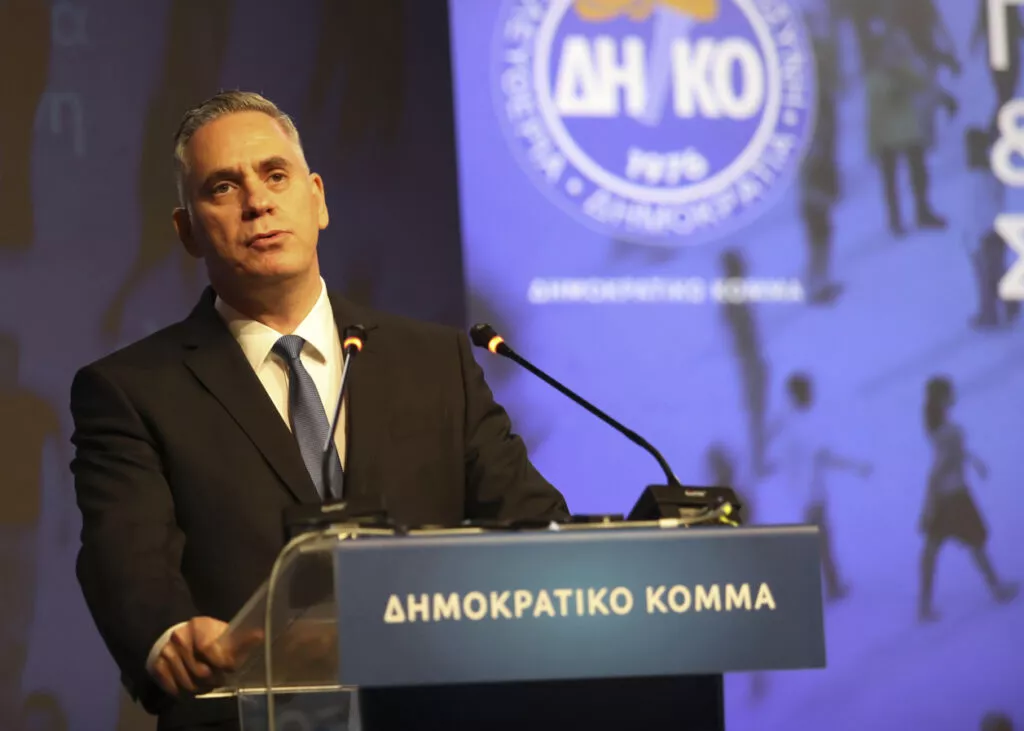
    The Great Sea Interconnector has become a point of contention between President Nikos Christodoulides and DIKO leader Nicolas Papadopoulos, who has expressed frustration over the government’s inaction regarding the critical subsea electricity cable linking Cyprus to Greece and the broader European grid.

    Great sea: The Letter That Sparked the Crisis

    In mid-December, Papadopoulos sent a formal warning to the Presidential Palace detailing his concerns about the project’s management. He specifically pointed fingers at Finance Minister Makis Keravnos, accusing the government of hesitation that he believes is jeopardising national interests. The letter, which went unanswered, has ignited a public outcry from Papadopoulos during recent parliamentary sessions and media appearances.

    Warnings of Catastrophic Consequences

    In his correspondence, Papadopoulos outlined several dire outcomes should the Great Sea Interconnector fail to progress:

    • Financial Penalties: Cyprus has already invested approximately €302 million in the project. If cancelled, the state could face hefty compensation claims from the French contractor, Nexans, due to loss of revenue and breach of contract.
    • Legal Fallout: Nexans is reportedly in the process of cancelling sub-contracts and may shift responsibility to the Greek grid operator, ADMIE, which could then hold the Cypriot government accountable for not honouring agreements.
    • Diplomatic Rupture: The current governmental stance threatens to sever relations with key stakeholders, including the Greek government, the European Commission, and France.
    • Energy Isolation: A failure to complete the interconnector would leave Cyprus without access to a stable energy supply, enabling local monopolies to maintain high prices for consumers.

    Accusations of Sabotage

    Papadopoulos has been vocal about his belief that the progress of the interconnector is being undermined from within the government. He has directly accused Finance Minister Keravnos of questioning the project’s viability and withholding the necessary €25 million annual funding, despite a Cabinet-approved Memorandum of Understanding. Papadopoulos dismissed the Ministry’s requests for updated studies, referencing EU Energy Commissioner Dan Jørgensen’s assurance that existing studies are adequate.

    The Ultimatum

    In his letter, Papadopoulos called for an emergency meeting with President Christodoulides and the Ministers of Finance and Energy to discuss the deadlock. He warned that failing to hold this meeting would compel him to take his dissent public, a promise he has now fulfilled.
  • Territorial dispute — Iran Summons Cypriot Ambassador Amid UAE Territorial Dispute

    Territorial dispute — Iran Summons Cypriot Ambassador Amid UAE Territorial Dispute

    territorial dispute — Iran has summoned the Cypriot ambassador in Tehran, Petros Nacouzis, over a recent territorial dispute involving the United Arab Emirates (UAE). The diplomatic tension arose after the Cypriot government issued a joint declaration with the UAE, recognising three islands in the Persian Gulf as belonging to the UAE.

    Territorial dispute: Formal Protest Issued

    According to the Islamic Republic News Agency, Iranian Assistant Foreign Minister Mohammad Alibek met with Nacouzis and lodged a formal protest against the declaration. Alibek asserted that Iran considers the islands of Abu Musa, Greater Tunb, and Lesser Tunb as integral parts of its territory. He emphasised that Iran’s historical sovereignty over these islands is undisputed.

    Iran’s Stance on Sovereignty

    During the meeting, Alibek condemned any territorial claims against Iran, describing them as a violation of the fundamental principle of national sovereignty and territorial integrity. He urged the Cypriot government to rectify what he termed a serious mistake and to avoid similar actions in the future. The Cypriot declaration, made on Sunday, clearly supported the UAE’s sovereignty over the islands.

    Joint Declaration Details

    The joint statement from Cyprus and the UAE reaffirmed Cyprus’s support for the UAE’s claims over Greater Tunb, Lesser Tunb, and Abu Musa. The declaration also referenced a previous statement from the European Union and the Gulf Cooperation Council, which called on Iran to end its “occupation” of the islands. This statement labelled Iran’s presence on the islands as a violation of UAE sovereignty and United Nations principles.

    Geographical and Historical Context

    Abu Musa, the largest of the three islands, is situated roughly between Dubai and the Iranian coastal town of Bandar Lengeh, featuring a commercial airport with flights to Iran. Greater Tunb and Lesser Tunb lie further northeast, close to the Iranian island of Qeshm, and have a combined population of approximately 300.

    The historical roots of the dispute trace back to the period of British rule over the Trucial States, now the UAE. A memorandum of understanding was signed before the UAE’s formation in 1971, stipulating joint administration of Abu Musa between Iran and the Emirate of Sharjah. However, Iran seized Greater Tunb and Lesser Tunb on the same day the memorandum was signed and took control of Abu Musa the following day.

    Escalation of Tensions

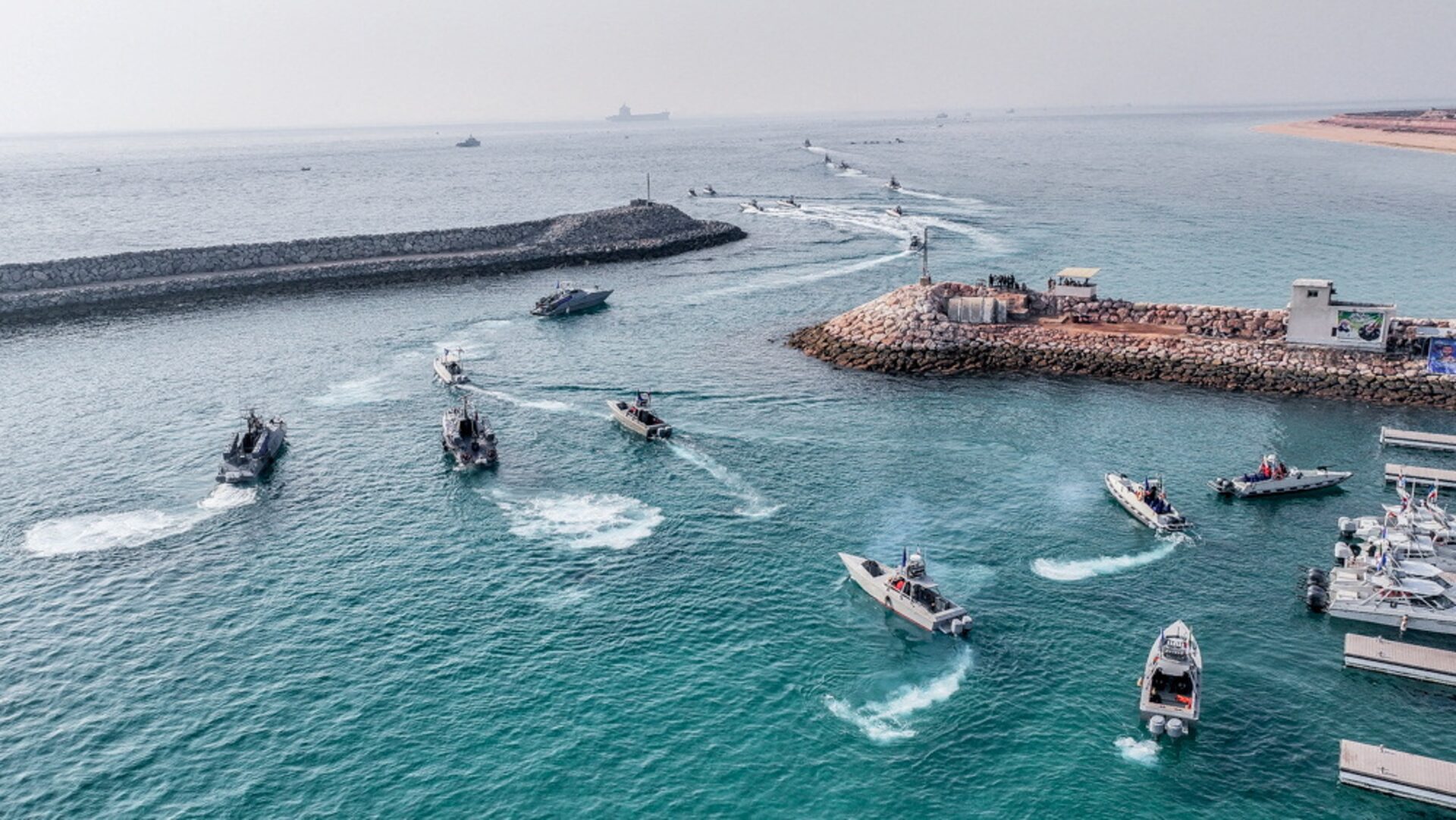
    Following the 1971 events, the UAE submitted its claim to the United Nations in 1980, but this issue has remained unresolved. Over the years, Iran has strengthened its military presence on the islands, establishing naval bases to patrol the strategic Strait of Hormuz.

    The current diplomatic spat is not the first incident this year between Iran and Cyprus. In June, a misunderstanding arose involving Iran’s conflict with Israel, where Cyprus was mistakenly believed to be conveying messages between the two nations. Such incidents highlight the fragile nature of relations in the region.

    Future Implications

    The summons of the Cypriot ambassador signals Iran’s commitment to assert its claims over the islands, while Cyprus’s alignment with the UAE reflects the geopolitical complexities at play. As regional tensions persist, the situation surrounding these islands remains a point of contention that could affect broader diplomatic relations.

    The Iranian government’s strong reaction underscores its sensitivity to any perceived challenges to its territorial integrity. Meanwhile, the Cypriot administration has signalled its ongoing support for the UAE, indicating a potential rift with Iran that may have implications for future interactions.

  • Erhurman hahn: Tufan Erhurman Engages with EU Envoy Hahn Amid Controversy

    Erhurman hahn: Tufan Erhurman Engages with EU Envoy Hahn Amid Controversy

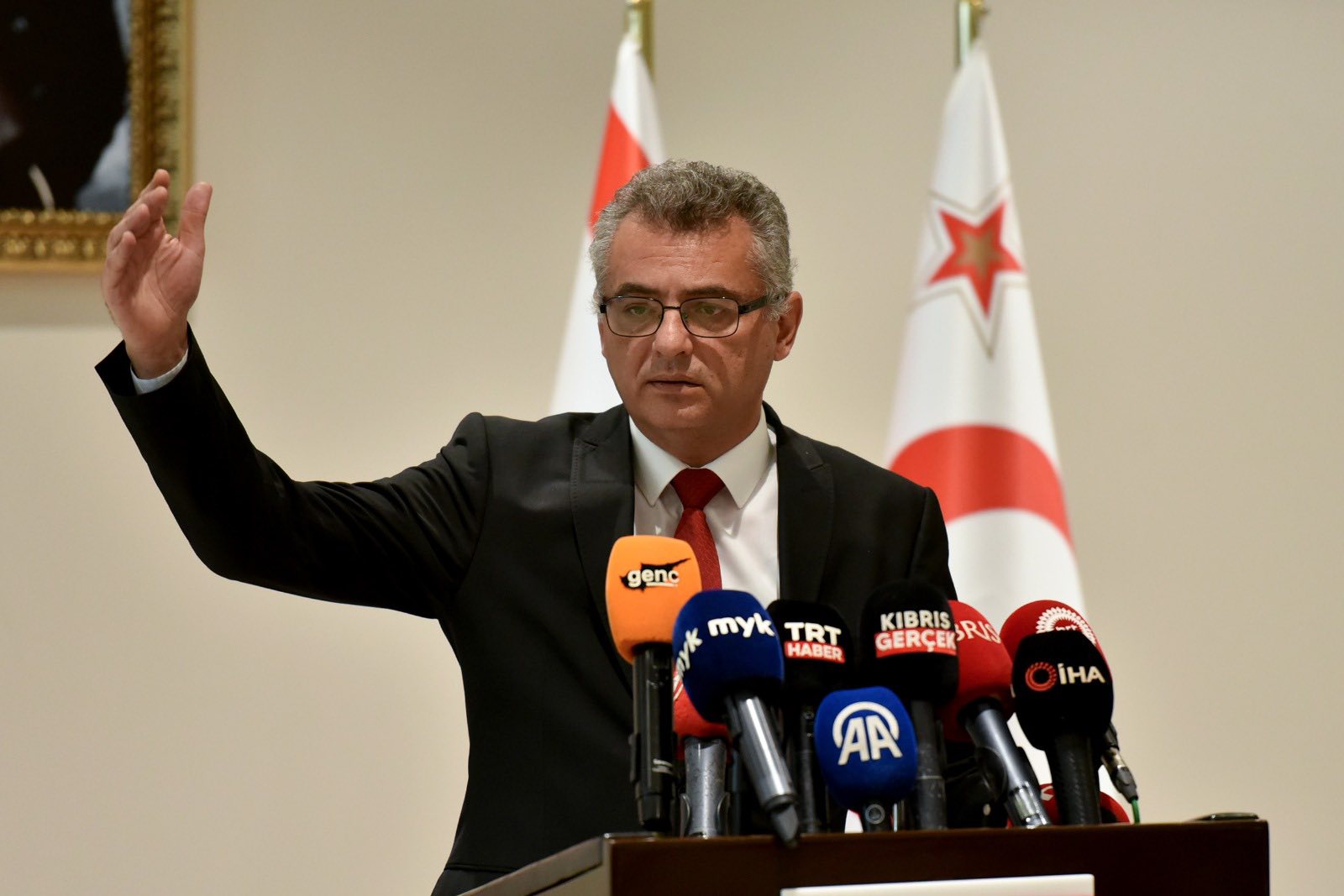
    erhurman hahn — erhurman hahn — The Turkish Cypriot leader Tufan Erhurman met this week with the European Union’s special representative for Cyprus, Johannes Hahn, sparking criticism from senior Turkish Cypriot officials who labelled the meeting a breach of protocol.

    Erhurman announced the meeting on social media on Wednesday evening, detailing discussions that revolved around EU-related issues pertinent to the island’s divided communities. Topics included the Schengen process, EU citizenship rights for children of mixed marriages, and direct contact with EU institutions.

    Erhurman hahn: Key Discussions on EU Matters

    During the meeting, Erhurman highlighted several significant matters, such as the ad hoc EU committee on alignment, rules regarding direct trade, the EU-supported GSI project, halloumi registration, and initiatives related to solar energy in the buffer zone. He accompanied his announcement with a photograph of the interaction with Hahn.

    Recent Joint Visits and Humanitarian Efforts

    This meeting followed a joint visit by Erhurman and the Greek Cypriot leader to the CMP anthropological laboratory, where they received updates on the organisation’s work concerning missing persons. Erhurman described supporting the laboratory as a duty and emphasised the importance of preventing the politicisation of its research. He expressed sympathy for families affected by the issue from both communities.

    Criticism from Turkish Cypriot Officials

    However, not all were supportive of the meeting. Turkish Cypriot Foreign Minister Tahsin Ertugruloglu publicly denounced the encounter, labelling it a mistake. He argued that Hahn’s role was appointed unilaterally by the European Commission, which he claimed only consulted with the Greek Cypriot leadership.

    Ertugruloglu contended that EU institutions have consistently favoured the Greek Cypriot side since the Republic of Cyprus’s accession to the EU in 2004. He reinforced that all Cyprus-related processes should occur under the oversight of the United Nations secretary-general, requiring consent from both sides for personal envoys and UN peacekeeping officials.

    Calls for Increased Cooperation and Equality

    The Foreign Minister further asserted that the Turkish Cypriot authorities view Hahn’s appointment as an internal EU issue and cannot recognise it in official negotiations. He cautioned that unilateral actions by the EU could jeopardise ongoing diplomatic efforts within the UN framework.

    Stressing the importance of cooperation based on sovereign equality, Ertugruloglu called for the EU to lift political, economic, and cultural restrictions on Turkish Cypriots. He argued that such steps would demonstrate a genuine commitment to the peace process on the island.

  • Gaza ceasefire — President Christodoulides Attends Gaza Ceasefire Signing in Sharm el-Sheikh

    Gaza ceasefire — President Christodoulides Attends Gaza Ceasefire Signing in Sharm el-Sheikh

    President Christodoulides is in Sharm el-Sheikh today for the signing of the Gaza ceasefire agreement, marking a significant moment for Cyprus’s role in regional diplomacy.

    • President Christodoulides is in Sharm el-Sheikh today for the signing of the Gaza ceasefire agreement, marking a significant moment for Cyprus's role in regional diplomacy.
    • By being included in this elite group, Cyprus is perceived as a pillar of stability and an ally in constructive dialogue, strengthening its position on the world stage.
    • “We are not resting on our laurels,” Christodoulides said. “The invitation is a clear recognition of our role and what we can achieve moving forward.”
    • The President is joined by key members of his government, including the Foreign Minister and Deputy Minister for European Affairs, underscoring the importance of this diplomatic engagement.

    Invited by the United States and Egypt, the President’s participation underscores Cyprus’s upgraded geopolitical standing in the Eastern Mediterranean. He noted that Cyprus now joins a select group of nations actively involved in shaping Gaza’s future and reconstruction efforts.

    Diplomatic sources highlighted that this invitation reflects a broader recognition of Cyprus’s contributions to stability and humanitarian efforts in the region, as well as the international trust it has garnered from influential countries.

    “Cyprus is an interlocutor with all parties and not a spectator in regional developments,” sources stated, emphasising the country’s commitment to supporting Gaza’s recovery and fostering regional security.

    In comments made prior to the event, President Christodoulides expressed gratitude to both President Biden and President al-Sisi for the invitation. He described it as a testament to Cyprus’s diplomatic achievements and the expectations placed on the country by the international community.

    The list of attendees at the signing ceremony is notably exclusive, featuring only 23 states alongside three key institutions: the EU, the UN, and the Arab League. Other participants include nations with vested interests in the Palestinian issue, such as Qatar, Jordan, and Turkey, among others.

    By being included in this elite group, Cyprus is perceived as a pillar of stability and an ally in constructive dialogue, strengthening its position on the world stage.

    President Christodoulides remarked on the significance of the event, stating, “We want Cypriot companies to have a role in the reconstruction of Gaza. Our involvement is essential for security matters and the effective implementation of the agreement.”

    This summit follows months of active Cypriot diplomacy, notably through the Amaltheia initiative, which has been pivotal in establishing a humanitarian corridor to Gaza. The initiative has been instrumental in fostering relationships with key partners in the region, including the US, Egypt, and the UAE.

    The President’s presence at this ceremony is expected to amplify Cyprus’s diplomatic influence, particularly as the country prepares to assume the EU Council presidency in 2026. This development counters narratives of isolation, showcasing Cyprus as a credible and engaged international player.

    “We are not resting on our laurels,” Christodoulides said. “The invitation is a clear recognition of our role and what we can achieve moving forward.”

    As leaders convene for the summit, the programme commences with a reception led by President al-Sisi, followed by the signing ceremony and an opening address by President Biden, setting the tone for discussions on Gaza’s future.

    The President is joined by key members of his government, including the Foreign Minister and Deputy Minister for European Affairs, underscoring the importance of this diplomatic engagement.

  • UK High Commissioner Highlights Cyprus as Key Regional Partner

    UK High Commissioner Highlights Cyprus as Key Regional Partner

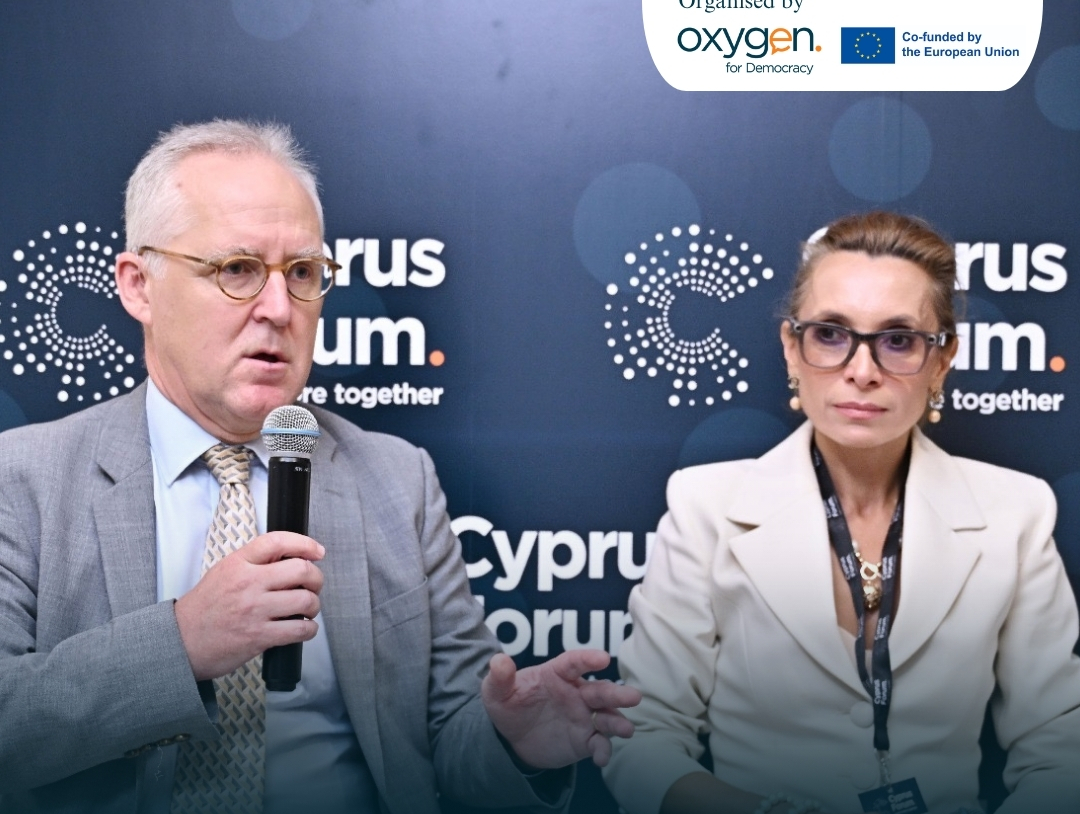
    The United Kingdom regards Cyprus as a significant regional partner due to its robust relationships across the Eastern Mediterranean, British High Commissioner Michael Tatham stated during his address at the Cyprus Forum 2025.

    Tatham expressed the UK’s appreciation for Cyprus’s positive connections with both Israel and its Arab neighbours, calling the island nation “a very important partner for our diplomacy.” His remarks underline the strategic importance of Cyprus in a region that has faced considerable instability in recent years.

    Emphasising the Eastern Mediterranean’s political, economic, and energy significance, Tatham remarked on the potential for the area to transition from instability to stability. He stated, “So when we talk about the change we would like to see, as the United Kingdom, it is a shift from instability to stability, a shift that allows us to do more to explore opportunities in the region instead of constantly addressing problems and challenges.”

    In outlining the UK’s priorities for the region, Tatham highlighted two critical areas of focus: Gaza and Syria. With regard to Gaza, he articulated the urgent need for a ceasefire, the release of hostages, and the flow of humanitarian aid. “We welcome the recent US plan, which we hope can offer a pathway towards these goals. In the long term, we believe lasting stability requires a political path towards a two-state solution,” he added.

    Turning to Syria, Tatham conveyed optimism about embedding stability in the country. He stated, “I think we now have the opportunity to embed stability in Syria. Therefore, we warmly support this goal and an inclusive political transition in Syria.”

    The UK’s commitment to fostering stability in the Eastern Mediterranean aligns with its broader diplomatic objectives, as the region’s stability is crucial not only for its own interests but also for the security of Europe and its neighbouring regions.

  • Kombos — Kombos Engages with Qatari Prime Minister Al Thani in Doha

    Kombos — Kombos Engages with Qatari Prime Minister Al Thani in Doha

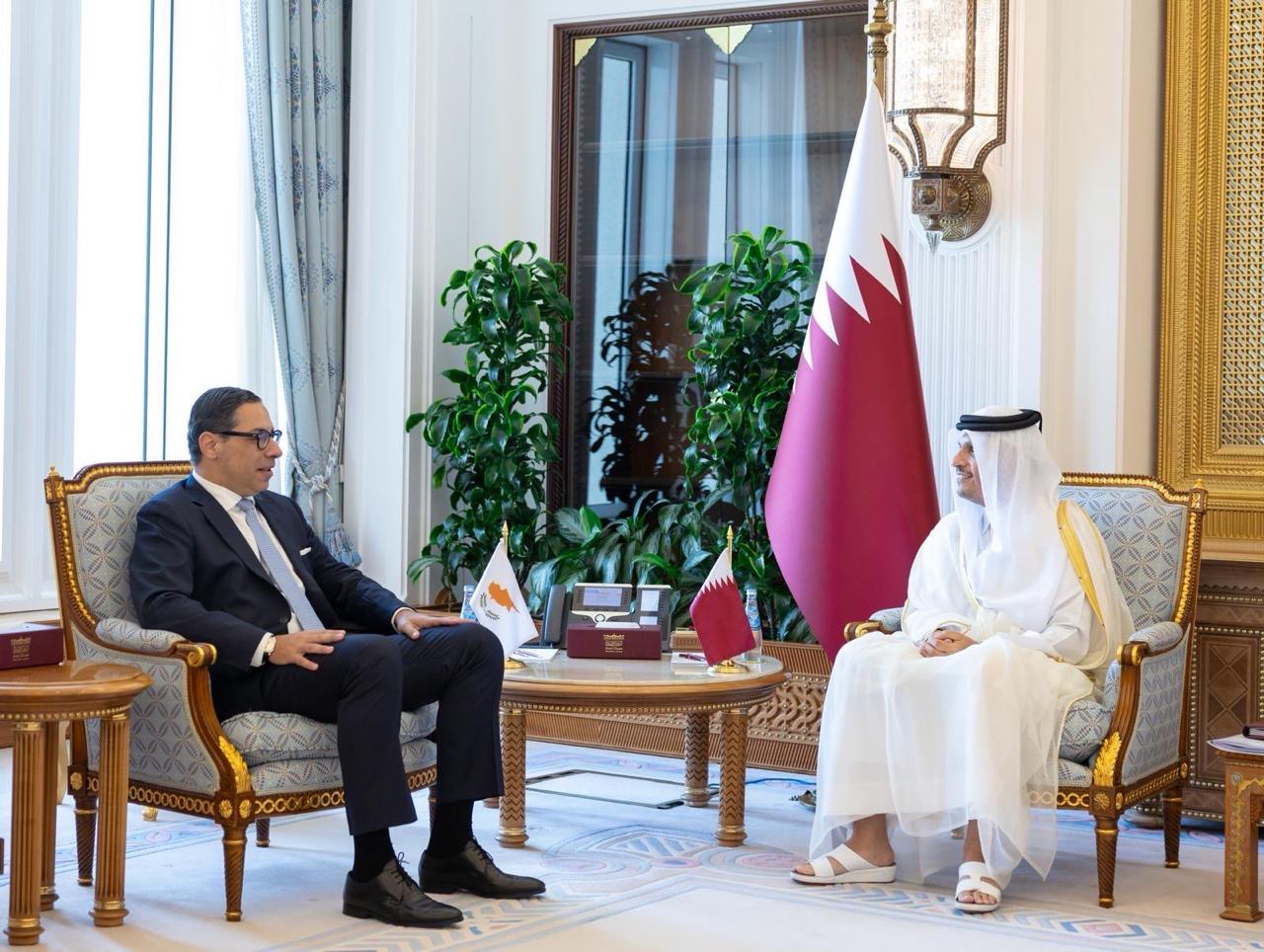
    Foreign Minister Constantinos Kombos met with Qatari Prime Minister Mohammed bin Abdulrahman bin Jassim Al Thani on Monday in Doha, marking a significant step in fostering stronger ties between Cyprus and Qatar.

    The discussions held during this meeting centred on several pivotal topics, including the ongoing strengthening of relations between the two nations and Cyprus’s upcoming six-month presidency of the Council of the European Union. The foreign ministry emphasised the importance of collaboration amid current regional challenges.

    Kombos: Addressing Regional Developments

    Kombos and Al Thani’s dialogue also touched upon pressing regional developments, particularly the situation in Syria and the urgent need for a ceasefire in Gaza. The conversation highlighted efforts to secure the release of hostages and ensure humanitarian aid reaches civilians affected by the ongoing conflict.

    Previous Engagements and Diplomatic Relations

    This meeting followed their previous conversation in June, shortly after a brief conflict involving Iran and Israel. At that time, Kombos had praised Qatar’s leadership role in facilitating de-escalation. The Qatari Prime Minister had been in the spotlight due to the missile attacks on the US’s Al Udeid airbase, a response to US actions against Iranian nuclear facilities. Following these events, Qatar played a crucial role in mediating peace efforts, which led to a ceasefire announced by then-US President Donald Trump.

    Strengthening Cyprus-Qatar Ties

    Relations between Cyprus and Qatar have been on an upward trajectory in recent years. President Nikos Christodoulides previously referred to Cyprus as Qatar’s “ambassador in Brussels,” emphasising the strategic partnership and mutual interests shared by the two nations. During Emir Sheikh Tamim bin Hamad Al Thani’s visit to Nicosia last year, discussions further solidified their commitment to enhancing bilateral relations and regional cooperation.

    Both leaders expressed optimism about the prospects for future collaboration, recognising the shared geographical and cultural ties that bind their nations. As Cyprus prepares for its role in the EU Council presidency, the discussions with Qatar are expected to play a crucial role in shaping regional diplomacy.

  • Amalthea — Kombos Accuses Turkey of Obstructing Cyprus’ Amalthea Humanitarian Initiative

    Amalthea — Kombos Accuses Turkey of Obstructing Cyprus’ Amalthea Humanitarian Initiative

    Foreign Minister Constantinos Kombos has accused Turkey of obstructing the Republic of Cyprus’ humanitarian initiative called Amalthea. He described the actions of Ankara as a coordinated campaign aimed at derailing the aid corridor that Cyprus has been striving to establish.

    Turkey’s Diplomatic Pressure

    In an interview published on Sunday by Phileleftheros, Kombos stated that Turkey has been “quite inventive” in implementing various tactics to hinder Cyprus’ humanitarian plans. These tactics reportedly include exerting diplomatic pressure on third countries to undermine the initiative and casting doubts on its feasibility.

    Significance of the Amalthea Initiative

    Despite facing numerous challenges, Kombos reaffirmed the importance of the Amalthea initiative, calling it a diplomatic and operational success. He highlighted that the existence of this initiative is crucial, particularly given the current volatile regional climate. “The fact that the Republic of Cyprus managed to design, implement, and continue this effort in this particularly sensitive field and during this time has its own importance and sends a specific message,” he stated.

    International Support

    The humanitarian corridor to Gaza, which is part of the Amalthea initiative, has received commendations from various international bodies, including the Palestinian Authority and several key Arab states. This global acknowledgment serves as a testament to the credibility and constructive role that Cyprus is attempting to play in the region.

    Addressing Domestic Criticism

    Kombos also responded to domestic criticisms regarding the government’s handling of the ongoing Middle East crisis. He pointed out that the international reception to the Amalthea initiative acts as a firm rebuttal against local dissent. The Foreign Minister remarked that such recognition strengthens Cyprus’ position on the global stage.

    A Warning Against Complacency

    While discussing the geopolitical landscape, Kombos warned against complacency in Cyprus, linking Turkey’s obstructive actions to the broader existential threat posed by the ongoing division of the island. “Let’s not have the delusion of normality. We are facing an existential threat,” he cautioned, adding, “It would be irresponsible to ignore reality.”

    Security Concerns

    As an illustration of these security concerns, Kombos mentioned the case of five Greek Cypriots who are currently being illegally detained in the Turkish-occupied northern part of Cyprus. He condemned Turkey’s actions in this regard, further emphasising the need for vigilance in light of the prevailing geopolitical tensions.

    Commitment to Negotiations

    Turning his attention to the longstanding Cyprus problem, Kombos reiterated the government’s commitment to relaunching negotiations. He stressed that Nicosia remains aligned with the UN Security Council framework to resolve the division of the island. “We have made continuous efforts to generate momentum for a return to the negotiating table, but these efforts are met with the barren reaction of the other side,” he expressed.

    Support from the International Community

    Kombos also noted that Cyprus’ position is supported by the European Union and the wider international community. “The only framework is that of the UN Security Council. There can be nothing else for us,” he affirmed, underlining the necessity of a unified approach to the issue.

  • Christodoulides Acknowledges Contributions of Over 10,000 Austrians in Unficyp

    Christodoulides Acknowledges Contributions of Over 10,000 Austrians in Unficyp

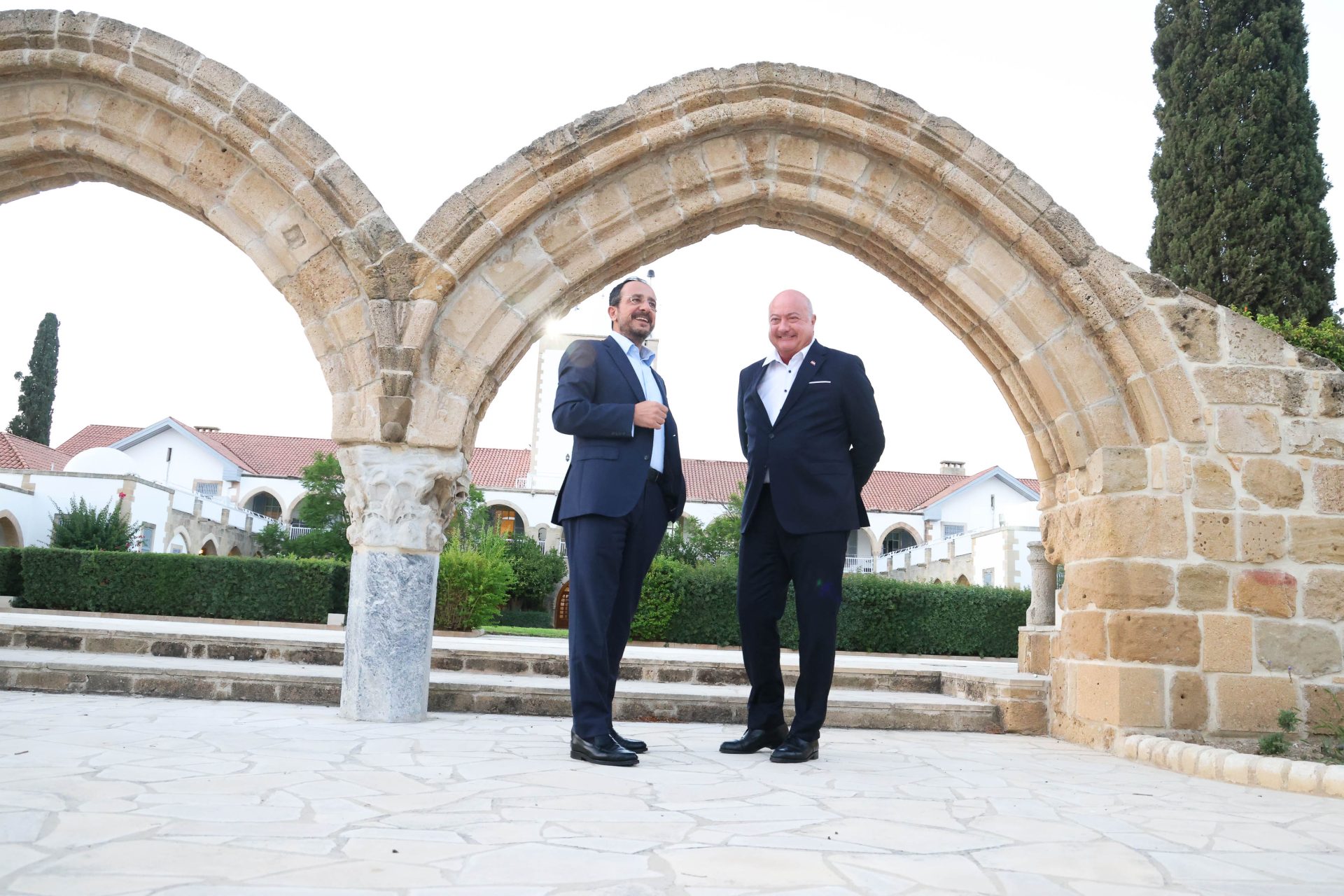
    President Nikos Christodoulides recently expressed his gratitude towards the more than 10,000 Austrians who have contributed to the United Nations peacekeeping force in Cyprus, known as Unficyp, since its establishment in 1964.

    This commendation came during a visit from Austrian Chancellor Christian Stocker, where Christodoulides highlighted Austria’s supportive stance on the Cyprus issue. He stated, “Austria’s principled stance on the Cyprus issue” has been invaluable over the years.

    Unficyp has seen participation from over 150,000 personnel from 43 countries, with 187 individuals losing their lives while serving. The commitment shown by Austrian nationals over the decades has played a significant role in the mission’s success.

    During the meeting, Christodoulides noted the strong relations between Cyprus and Austria, emphasising the desire to enhance cooperation, particularly in migration and security matters. Both nations are members of the European Union, which adds a layer of significance to their partnership as neither is affiliated with NATO.

    Following their initial discussions, Christodoulides and Stocker planned to delve into regional and international developments, with the Cypriot president outlining the country’s priorities as it prepares to assume the Council of the European Union’s rotating presidency in the first half of the upcoming year.

    Chancellor Stocker echoed the sentiments of his counterpart, stating that the two countries “share very good relations” and expressed interest in strengthening ties across various sectors, including security, economy, tourism, and education.

    Later in the day, the leaders were set to tour the Green Line in Nicosia, offering Stocker a closer look at the unique circumstances surrounding the divided capital. This visit would be followed by a meeting with House president Annita Demetriou at the parliament, concluding with a working lunch hosted by Christodoulides for Stocker and his delegation.