Tag: Eastern Mediterranean

  • Defence cooperation: Defence Minister Clarifies Cyprus-Greece-Israel Cooperation Talks

    Defence cooperation: Defence Minister Clarifies Cyprus-Greece-Israel Cooperation Talks

    Defence Minister Vasilis Palmas has confirmed that discussions regarding a Cyprus-Greece-Israel defence cooperation initiative have not taken place. This statement follows reports in Greek media suggesting that high-ranking military officials from the three nations were in talks about forming a rapid reaction force aimed at countering Turkey’s military presence in the Eastern Mediterranean.

    • Officials have made it clear that any procurement will take into account repair, maintenance, and transport costs to ensure economic efficiency and long-term sustainability.
    Palmas addressed these claims in an interview with philenews, emphasising that any such initiative would depend on significant political decisions rather than merely military consultations. He underlined the importance of the matter but stated it is premature to speculate whether a trilateral defence formation will materialise in the future.

    The relationships between Cyprus, Greece, and Israel are currently at a high point, according to Palmas. He noted that during his recent visit to Israel, where he met with the Israeli Defence Minister, the potential defence cooperation was not a topic of discussion.

    Amidst these diplomatic considerations, Palmas provided updates on military infrastructure developments within Cyprus. He indicated that upgrades to the Evangelos Florakis Naval Base in Mari and the Andreas Papandreou Air Base in Paphos are currently underway. These enhancements are part of a broader strategy to strengthen the operational capabilities of the National Guard.

    Palmas revealed that the United States has begun architectural and technical plans for the upgrade of the Paphos Air Base, which is expected to bolster Cyprus’s military infrastructure significantly. The decision to enhance the Mari Naval Base was solidified following the signing of the Cyprus-France Strategic Declaration in Paris, marking a pivotal moment for Cyprus’s role in the region.

    The planned naval infrastructure aims to be capable of hosting warships, with architectural and technical plans anticipated to be completed by 2026, leading to substantial construction work starting in 2027.

    In terms of military equipment, Palmas mentioned that the Defence Ministry and National Guard General Staff are prioritising the acquisition of surplus American military equipment. Cyprus is preparing to send a delegation to the US to explore various weapons systems suited for its needs. Among the equipment under consideration are American armoured personnel carriers and potentially Bradley-type vehicles.

    Officials have made it clear that any procurement will take into account repair, maintenance, and transport costs to ensure economic efficiency and long-term sustainability.

  • Cyprus defence — Cyprus Defence Minister Engages with Israel on Regional Security Ahead of EU Presidency

    Cyprus defence — Cyprus Defence Minister Engages with Israel on Regional Security Ahead of EU Presidency

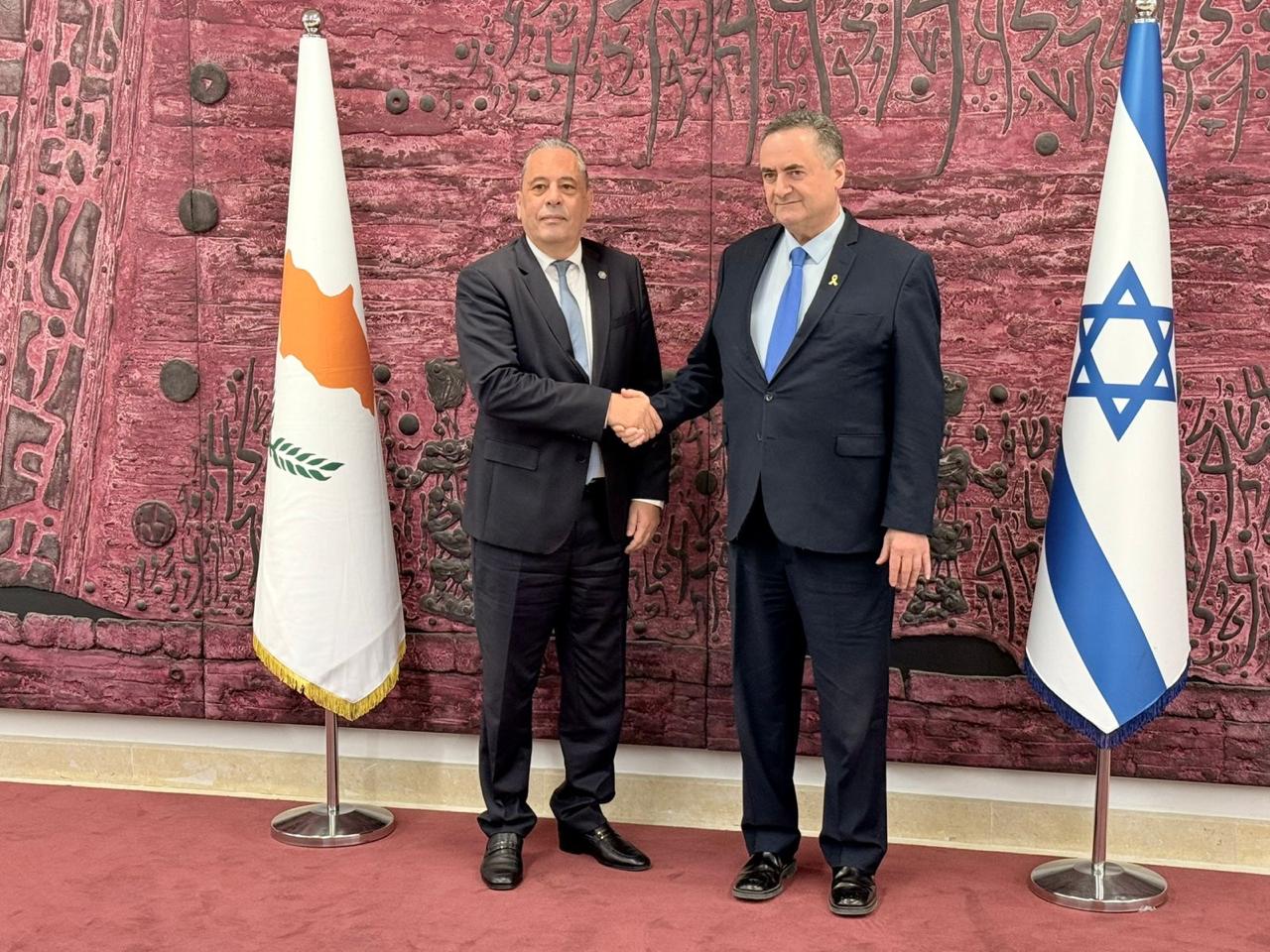
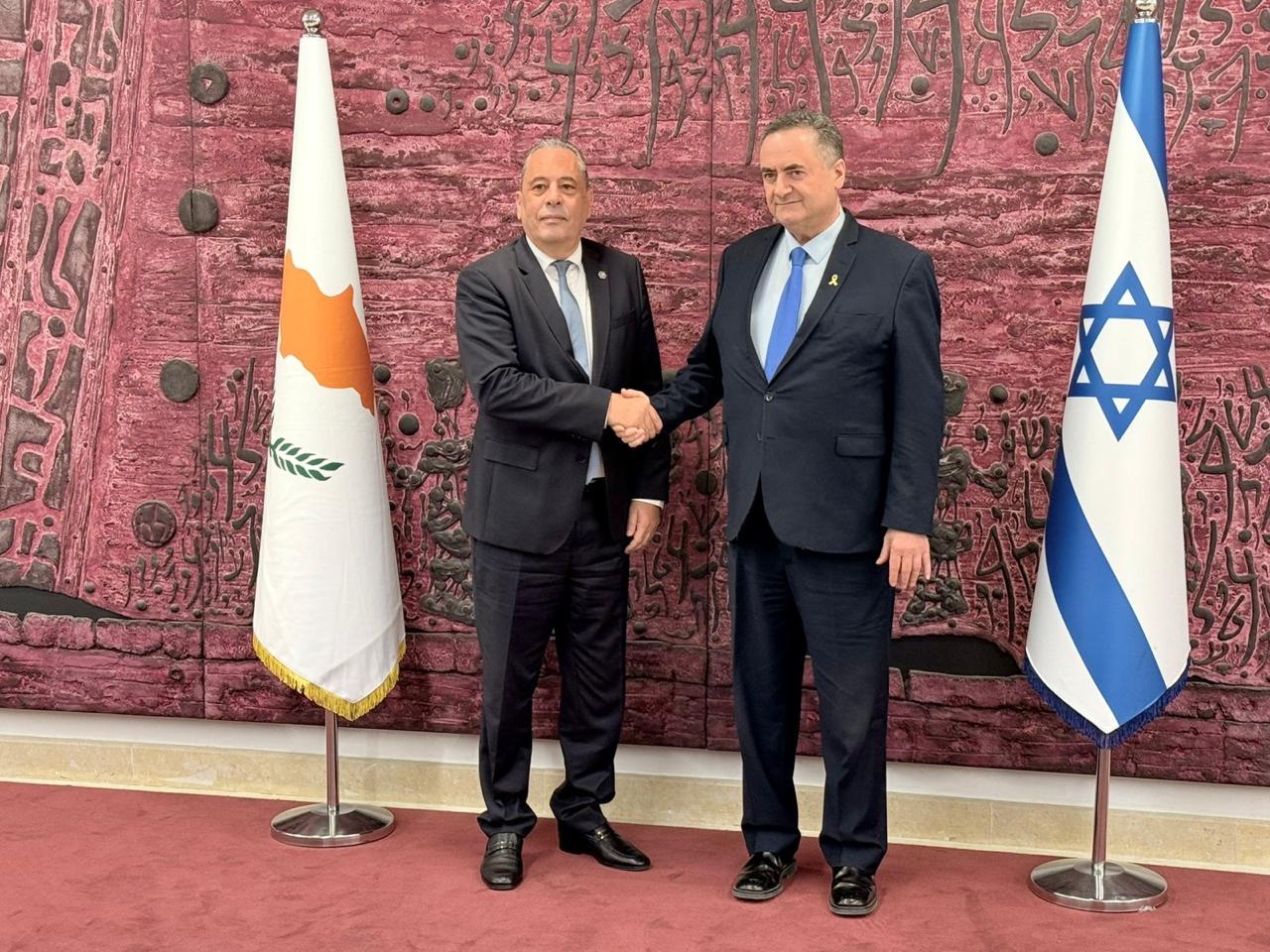
    cyprus defence — cyprus defence — Cyprus’s defence minister visited Israel to discuss regional security and bilateral cooperation ahead of the island’s upcoming European Union presidency. Vasilis Palmas met his Israeli counterpart, Israel Katz, on 15 and 16 December to exchange views on the security situation in Cyprus, Israel, and the wider Eastern Mediterranean and Middle East, according to a ministry statement.

    Photo: in-cyprus.philenews.com

    Cyprus defence: Strengthening Defence Ties

    The two ministers examined ways to reinforce bilateral defence and security ties between their countries. Palmas highlighted the importance of collaboration, stating that the Cypriot government will utilise its forthcoming EU Council presidency to enhance European unity and foster strategic stability in the region.

    Photo: in-cyprus.philenews.com

    Promoting Cooperation and Stability

    During his discussions, Palmas expressed Cyprus’s intent to deepen cooperation with Israel, aiming to encourage dialogue in areas of mutual interest while promoting regional peace, stability, and respect for international law.

    A Visit to the Civil-Military Coordination Centre

    While in Israel, Palmas visited the Civil-Military Coordination Centre, which serves as a key coordination hub for military, humanitarian, and international organisations involved in supporting the Gaza ceasefire implementation. He met with the centre’s commander, Major General Patrick D. Frank, to discuss ongoing efforts and collaborative strategies.

    Looking Ahead

    This visit comes as Cyprus prepares for its significant role in the EU, where it aims to address pressing issues in the Eastern Mediterranean. The discussions reflect a growing commitment between Cyprus and Israel to not only enhance their bilateral relations but also contribute positively to the broader regional landscape.

  • Mari naval — Cyprus and France Enhance Mari Naval Base for Permanent French Military Presence

    Mari naval — Cyprus and France Enhance Mari Naval Base for Permanent French Military Presence

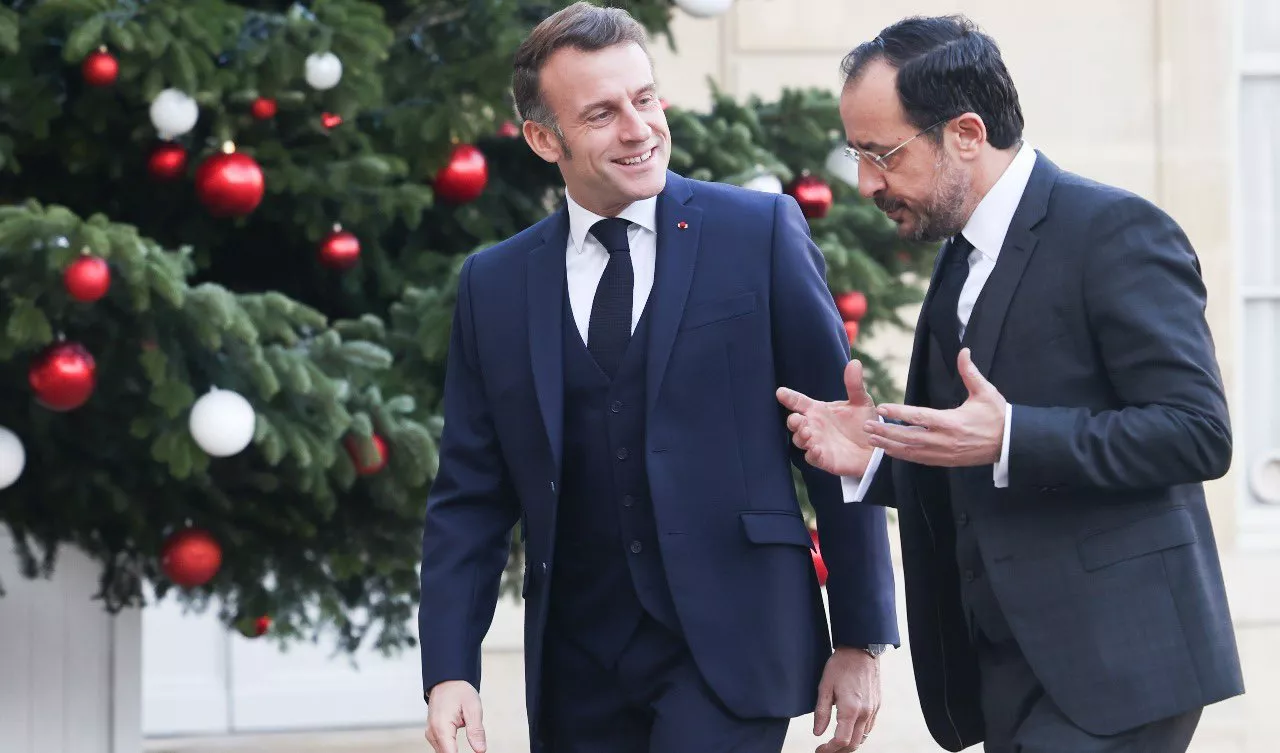
    Cyprus and France have embarked on a significant upgrade of the Mari Naval Base, aimed at ensuring a permanent French military presence in the Eastern Mediterranean. This strategic initiative was formalised through a Strategic Declaration and an accompanying Action Plan for 2026–2030, signed during a visit by President Nikos Christodoulides to Paris.

    Mari naval: Strengthening Defence and Security Collaboration

    The primary focus of the agreement is on Defence and Security, encompassing two main elements: the enhancement of the Mari Naval Base and a substantial defence procurement deal. The upgraded facility will be capable of hosting large French warships, marking a pivotal expansion of military cooperation between the two nations.

    Major Defence Procurement Deal

    As part of the agreement, the French military industry will fulfil 85% of the defence equipment requested by Cyprus under the SAFE programme. This procurement is not merely a transaction; it mandates the involvement of Cypriot companies, stipulating a 15% share in the production of each programme. This provision is expected to result in significant knowledge transfer, bolstering the capabilities of the Cypriot National Guard, particularly in aerial assets and communications systems.

    A Comprehensive Roadmap for Cooperation

    Beyond military enhancements, the Strategic Declaration outlines a broad framework for collaboration across sixteen sectors. This shift from declarations to actionable policies is designed to foster a deeper partnership between Cyprus and France.

    Key Areas of Cooperation

    • Schengen Representation: France will represent Cyprus in 25 third countries, providing consular services related to Schengen visa issuance once Cyprus achieves full Schengen Area accession.
    • IMEC Corridor: The agreement highlights cooperation in the India–Middle East–Europe Economic Corridor (IMEC), recognising Cyprus as a vital hub that contributes to regional stability and interconnectivity.
    • Investment Opportunities: During the governmental meetings, a French company showed interest in making significant investments at Larnaca port, indicating potential economic benefits for Cyprus.
    • Sectoral Collaborations: The agreement also encompasses areas such as Civil Protection, Digital Policy, Public Health, Maritime Affairs, and Energy, including workshops on integrating renewable energy sources into national grids.

    Monitoring and Implementation

    The implementation of the Strategic Declaration and Action Plan will be overseen through annual high-level intergovernmental meetings involving senior officials from the two Foreign Ministries, as well as biennial meetings at the Ministerial level. This structured approach aims to ensure that the initiatives outlined in the agreement are effectively realised and managed.

    Long-Term Implications for Regional Stability

    The upgrade of the Mari Naval Base and the broader agreement signify a pivotal moment in the defence posture of Cyprus and France in the Eastern Mediterranean. By reinforcing military capabilities and enhancing bilateral cooperation, both nations are taking proactive steps towards ensuring regional security and stability.

    As the geopolitical landscape continues to evolve, this partnership may play a crucial role in addressing emerging challenges and fostering a collaborative approach to defence and security in a region of strategic importance.

  • Cyprus Airspace Breached by Turkish F-16 Fighter Jets

    Cyprus Airspace Breached by Turkish F-16 Fighter Jets

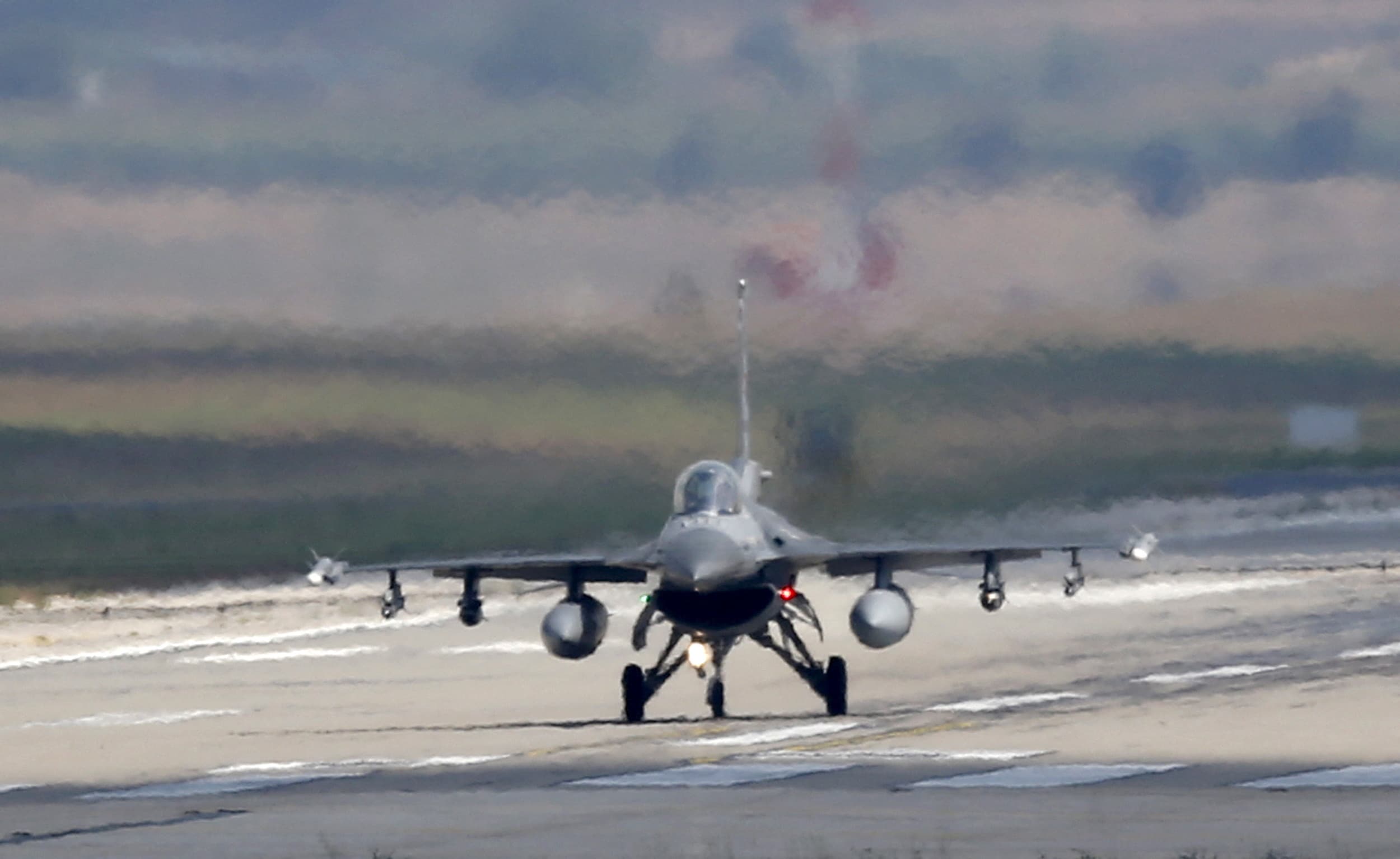
    cyprus airspace — The violation of Cyprus airspace by Turkish F-16 fighter jets has raised significant concerns regarding regional tensions. On Saturday, four Turkish aircraft entered the airspace of the Republic of Cyprus while participating in celebrations marking the anniversary of the illegal unilateral declaration of the breakaway regime in northern Cyprus.

    According to sources, two of the F-16s also reportedly flew over a small section of the UN-controlled buffer zone, heightening the situation’s sensitivity. The National Guard General Staff responded promptly, taking all necessary steps to address the incursion.

    In a statement to the Cyprus News Agency (CNA), the National Guard confirmed that representations were made concerning the incident. This action underlines the ongoing military and political tensions between Cyprus and Turkey, particularly in light of historical grievances and territorial disputes.

    The Turkish aircraft’s actions were seen as provocative, particularly given the timing of the flights coinciding with a day of significance for the breakaway regime, which is only recognised by Turkey. The incident exemplifies the fragile nature of peace in the Eastern Mediterranean and the complexities of airspace sovereignty in the region.

    Cyprus airspace: Military and Diplomatic Reactions

    The National Guard’s immediate response reflects a broader strategy to ensure the security of Cypriot airspace. Military officials are closely monitoring the situation, with the potential for further diplomatic engagements to address such violations in the future.

    Local authorities and international observers have expressed concern over the implications of increased military activity in the area. With Cyprus caught between its historical ties to Greece and the ongoing tensions with Turkey, such incidents could escalate if not addressed swiftly and effectively.

    Implications for Regional Stability

    This airspace violation serves as a reminder of the precarious balance of power in the Eastern Mediterranean. Analysts suggest that continuous military provocations could undermine efforts for dialogue and peaceful resolution of ongoing conflicts.

    The UN has previously called for restraint from both sides, advocating for diplomatic solutions to long-standing disputes. The recent actions by Turkish F-16s might complicate these efforts, as they signal a willingness to assert military presence in contested areas.

  • Cyprus and Greece: Pillars of Stability in the Eastern Mediterranean

    Cyprus and Greece: Pillars of Stability in the Eastern Mediterranean

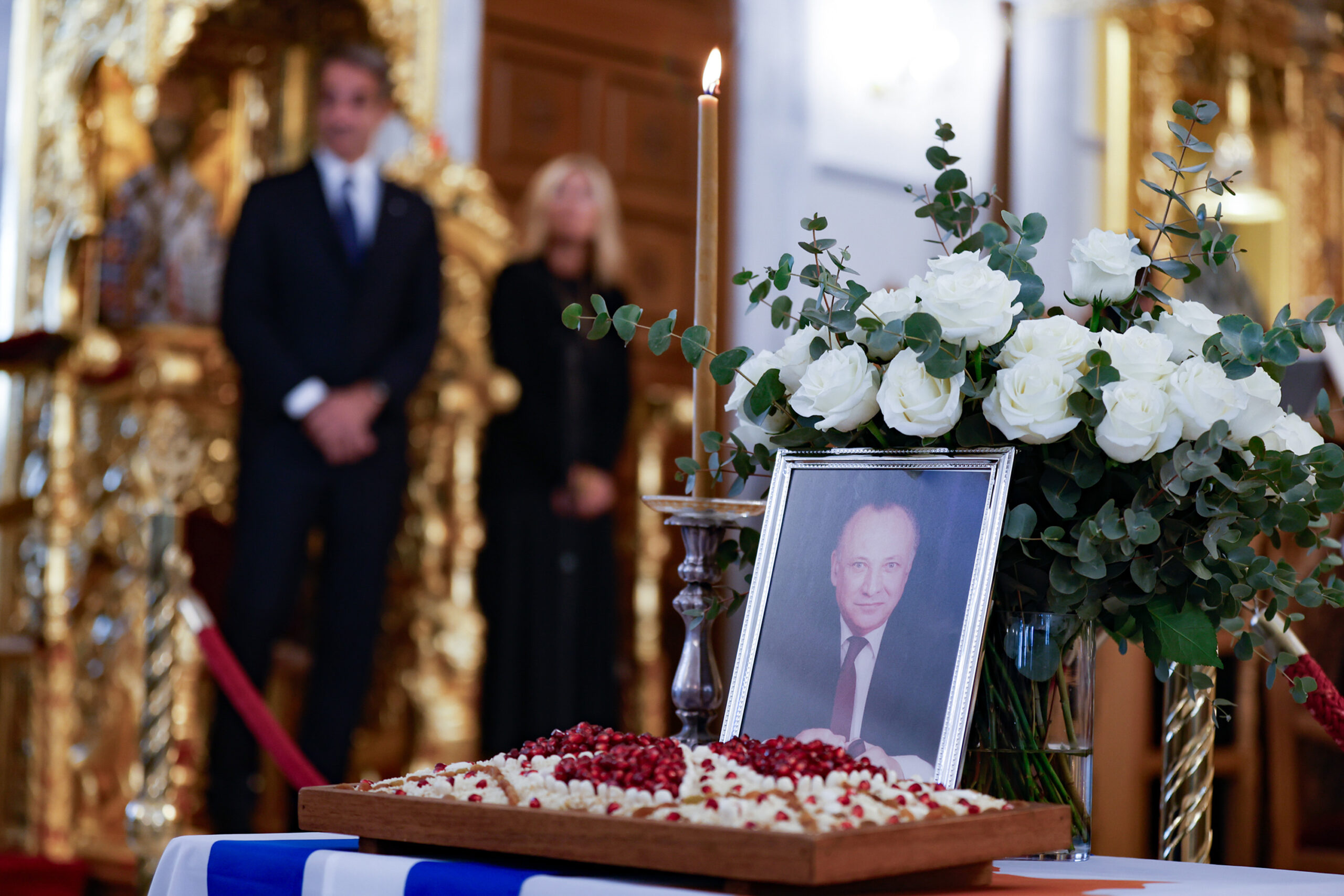
    Cyprus and Greece are described as pillars of stability in the Eastern Mediterranean by Greek Prime Minister Kyriakos Mitsotakis during his recent visit to Nicosia. Speaking at a memorial service for former President Glafcos Clerides, Mitsotakis highlighted the importance of responsibility and realism in patriotism while reflecting on Clerides’ significant contributions to the Cyprus problem.

    Cyprus and: A Call for Responsible Patriotism

    During the service, which was led by Archbishop Georgios, Mitsotakis emphasised the need for a patriotism grounded in responsibility, realism, and results. This sentiment echoes a call for a collective approach to the challenges faced by both nations, especially concerning the ongoing issues surrounding Cyprus.

    Reflecting on Clerides’ Legacy

    Clerides, the founder of the Democratic Rally (Disy), played a crucial role in addressing the Cyprus conflict. Mitsotakis noted that the former president’s experiences over the decades serve as a vital lesson: stagnation can lead to regression. He warned that the false bravado associated with contemporary pseudo-patriotism often conceals future failures.

    Commitment to Cooperation

    Reaffirming the solidarity between Athens and Nicosia, Mitsotakis pointed out the recent resumption of informal discussions regarding the Cyprus issue after a prolonged period of stagnation. He stressed that the Greek government is firmly aligned with the government of Cyprus, advocating for the existing framework of UN resolutions that promote political equality, sovereignty, and citizenship.

    Rejecting the Two-State Solution

    In his speech, Mitsotakis firmly rejected any arguments in favour of a two-state solution, describing such proposals as unacceptable. He reiterated that constructive dialogue and active diplomacy are essential for achieving positive outcomes in the region.

    Economic Growth and Energy Initiatives

    Mitsotakis further highlighted that both Cyprus and Greece are not only stabilising forces but also rapidly developing economies that are outpacing the European average. He noted their efforts in reducing national debt and contributing to the formation of a new energy landscape in the Eastern Mediterranean through significant electrical interconnection projects.

    Honouring Distinguished Guests

    The memorial service was attended by several notable figures, including Disy leader Annita Demetriou, former President Nicos Anastasiades, and former Disy leader Averoff Neophytou. President Nikos Christodoulides was represented by Interior Minister Constantinos Ioannou, underscoring the importance of unity among political leaders in addressing the challenges facing Cyprus.

    The Way Forward

    Mitsotakis’ remarks serve as a reminder of the ongoing commitment required from both nations to navigate the complexities of the Cyprus situation and uphold their roles as beacons of stability in the region. As discussions progress, the emphasis on collaboration and active diplomacy will be critical in shaping a peaceful and prosperous future for Cyprus and Greece.

  • UK High Commissioner Highlights Cyprus as Key Regional Partner

    UK High Commissioner Highlights Cyprus as Key Regional Partner

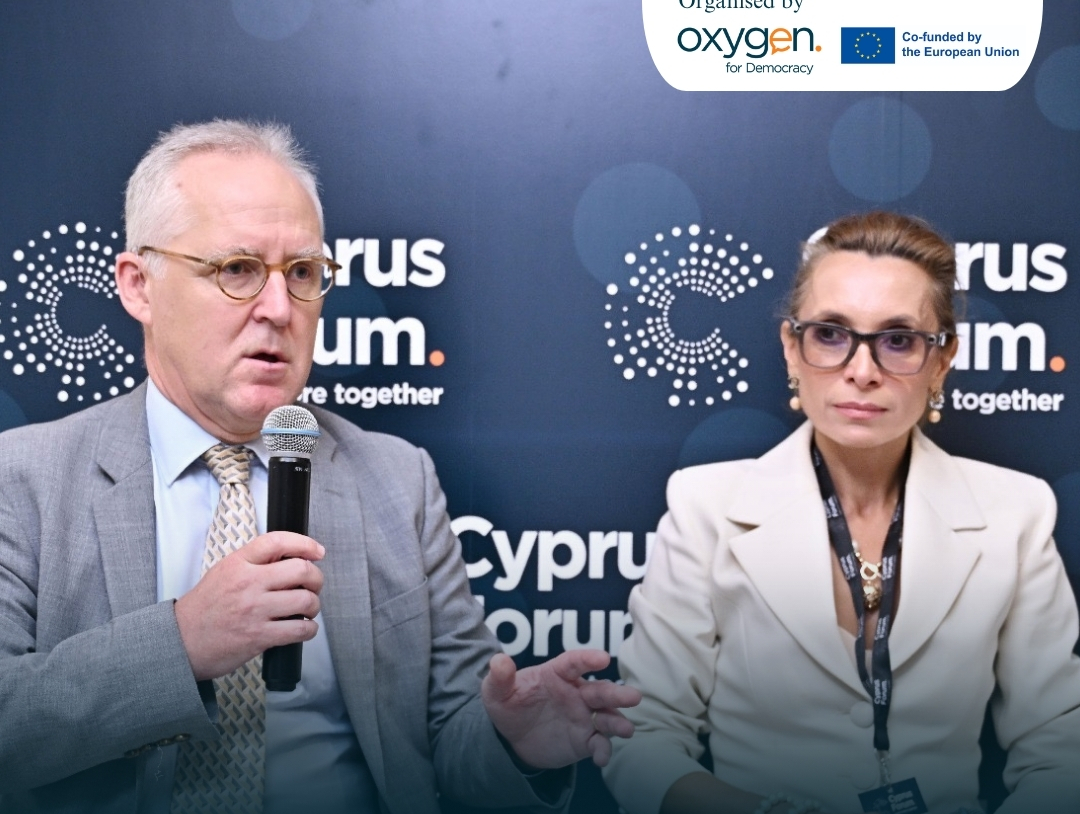
    The United Kingdom regards Cyprus as a significant regional partner due to its robust relationships across the Eastern Mediterranean, British High Commissioner Michael Tatham stated during his address at the Cyprus Forum 2025.

    Tatham expressed the UK’s appreciation for Cyprus’s positive connections with both Israel and its Arab neighbours, calling the island nation “a very important partner for our diplomacy.” His remarks underline the strategic importance of Cyprus in a region that has faced considerable instability in recent years.

    Emphasising the Eastern Mediterranean’s political, economic, and energy significance, Tatham remarked on the potential for the area to transition from instability to stability. He stated, “So when we talk about the change we would like to see, as the United Kingdom, it is a shift from instability to stability, a shift that allows us to do more to explore opportunities in the region instead of constantly addressing problems and challenges.”

    In outlining the UK’s priorities for the region, Tatham highlighted two critical areas of focus: Gaza and Syria. With regard to Gaza, he articulated the urgent need for a ceasefire, the release of hostages, and the flow of humanitarian aid. “We welcome the recent US plan, which we hope can offer a pathway towards these goals. In the long term, we believe lasting stability requires a political path towards a two-state solution,” he added.

    Turning to Syria, Tatham conveyed optimism about embedding stability in the country. He stated, “I think we now have the opportunity to embed stability in Syria. Therefore, we warmly support this goal and an inclusive political transition in Syria.”

    The UK’s commitment to fostering stability in the Eastern Mediterranean aligns with its broader diplomatic objectives, as the region’s stability is crucial not only for its own interests but also for the security of Europe and its neighbouring regions.