Tag: economic growth

  • 2026 Marks a Transformative Period for Cyprus with EU Presidency

    2026 Marks a Transformative Period for Cyprus with EU Presidency

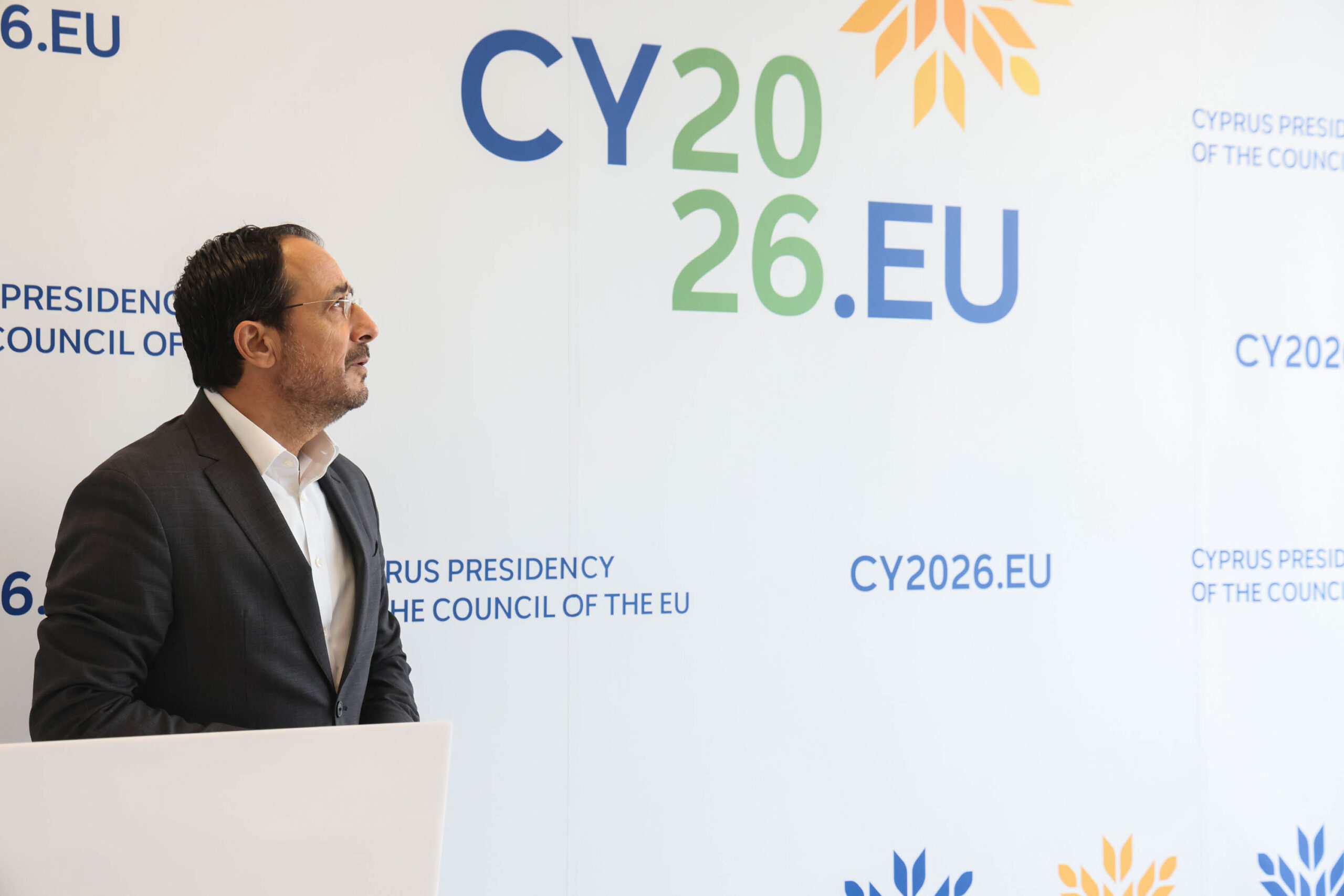
    The year 2026 will be a significant moment for Cyprus as it assumes the rotating presidency of the Council of the European Union for six months. President Nikos Christodoulides shared this news during his New Year address, highlighting the pride and responsibility associated with this role.

    A Proud Milestone for Cyprus

    President Christodoulides expressed that the upcoming presidency is a national mission, stating, “From tomorrow and for six months, our homeland assumes the presidency of the Council of the European Union.” He emphasised the importance of this term, noting that it will be only the second time Cyprus has held this position since joining the EU in 2004.

    Focus on Economic Growth and Social Policies

    As he welcomed the New Year, the President reflected on the nation’s economic progress, attributing it to responsible fiscal policies. He noted that Cyprus is currently experiencing conditions of full employment, zero inflation, and a significant reduction in public debt. “All of this translates into specific tangible results for the public, for the state, for our country,” he remarked, underscoring the benefits for citizens and the government.

    Investments in Public Welfare

    President Christodoulides outlined how economic growth allows for substantial investments in various sectors, including education, health, and housing. He remarked, “It allows us a targeted social policy,” which aims to improve everyday life for the public. This includes ongoing efforts to modernise the state, with a focus on bold reforms that enhance transparency and accountability.

    Reforming the State and Promoting Social Justice

    In his address, the President mentioned several reforms that his government is pursuing to address social needs and improve governance. This includes a tax transformation initiative that aims to restore balance between social justice and economic competitiveness. He stated, “The benefit returns directly to households, the middle class, families and businesses.”

    Educational Reforms on the Horizon

    Among the reforms, the President highlighted changes to the educational service, including new laws for the evaluation of teachers. He mentioned that these reforms are part of a broader strategy to enhance the quality of education and ensure that it meets contemporary standards.

    Legal and Electoral Reforms for a Better Future

    President Christodoulides also pointed to planned reforms within the legal service and the audit office, alongside initiatives for the state’s digital transformation. Notably, he discussed electoral reforms aimed at increasing civic participation, such as automatic voter registration and lowering the voting age from 18 to 17.

    Enhancing Pension Systems

    Another key area of focus is the pension system, with plans for substantial increases in pensions to support retirees. The President’s vision encompasses a comprehensive approach to governance that prioritises the well-being of all citizens.

    Five Priorities Guiding Governance

    As he approaches his third year in office, President Christodoulides outlined five key priorities for his administration. The first is an outward-looking foreign policy with a strong European and Western orientation. He stressed the importance of maintaining a resilient economy and modernising the state through continuous reforms.

    Commitment to Transparency and Accountability

    Another priority is the commitment to transparency, accountability, and the fight against corruption. Finally, the President highlighted the ultimate goal of improving the everyday lives of the public as a guiding principle for his government’s actions.

    Addressing Immigration and Enhancing National Security

    Internally, the government aims to tackle the challenges posed by immigration while reinforcing the nation’s security framework. The President reiterated the importance of establishing a rule of law and simplifying governmental procedures to better serve the public.

    International Engagement and Reunification Efforts

    On the international front, Christodoulides reiterated Cyprus’s commitment to a clear European and Western orientation, positioning the nation as a pillar of stability in the Middle East. He reaffirmed the ongoing efforts to resume discussions for the reunification of Cyprus, emphasising that this must be based on United Nations resolutions and European Union principles.

    A Vision for the Future

    Reflecting on the past and looking towards the future, President Christodoulides expressed satisfaction with the progress made since his election. He stated, “This is my promise, but also my obligation,” as he underscored his commitment to the Cypriot people, including those displaced and the relatives of the missing.

    Looking Ahead to 2026

    As Cyprus prepares to commence its EU presidency in 2026, President Christodoulides concluded with a message of hope and determination. “Happy new year to you all. Together, we are changing Cyprus, with a vision, strategic planning, and a clear plan.” The upcoming presidency represents not only a significant national milestone but also a pivotal opportunity for Cyprus on the European stage.
  • Finance Minister Advocates for 2026 Budget as Future Investment

    Finance Minister Advocates for 2026 Budget as Future Investment

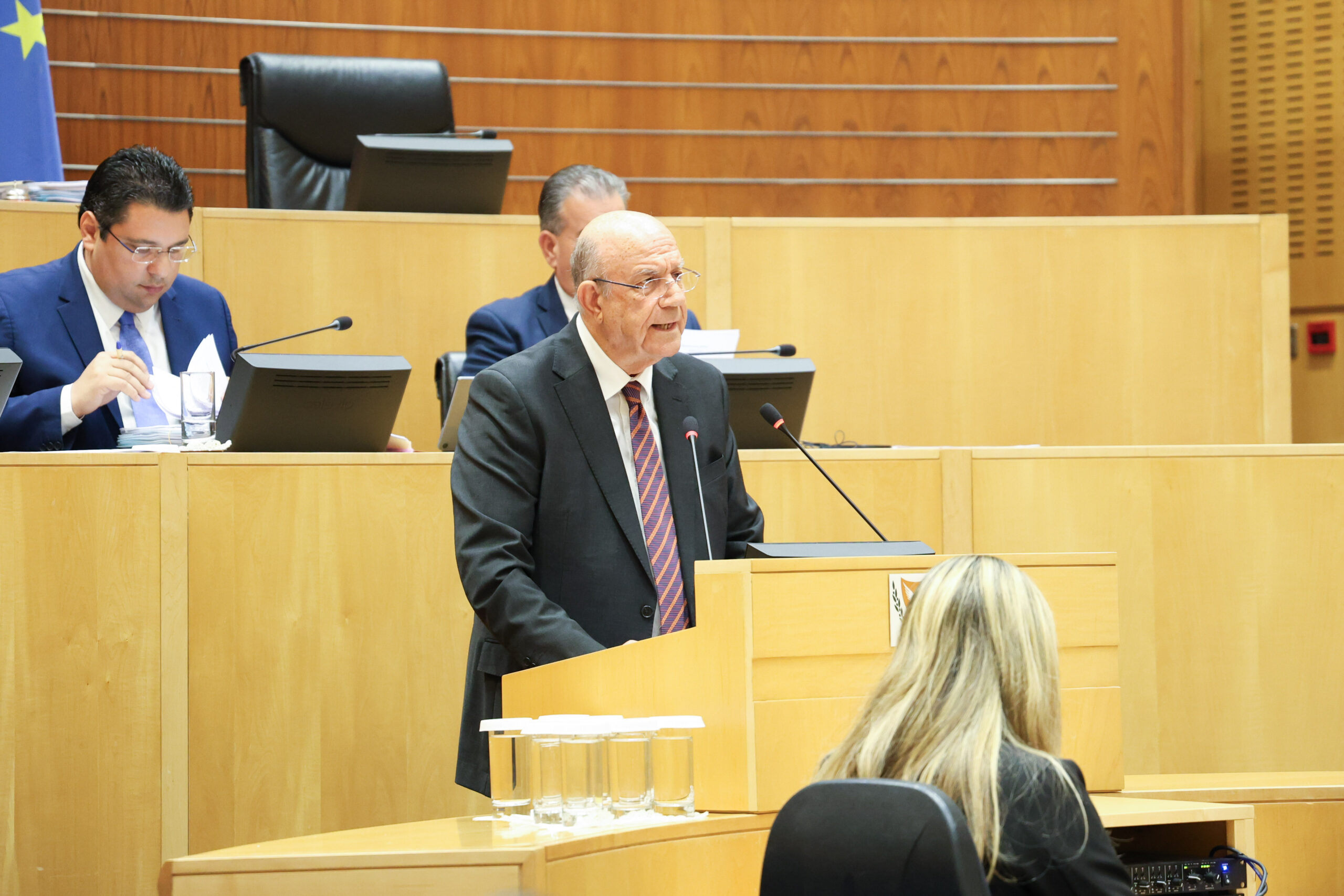
    2026 budget — Finance Minister Makis Keravnos has urged MPs to approve the 2026 state budget, framing it as an investment in the future of Cyprus. Speaking at the House plenum on Thursday, he emphasised the government’s commitment to fostering growth whilst ensuring a balanced approach to development that prioritises people.

    Photo: cyprus-mail.com

    026 budget: Government’s Vision for Economic Growth

    In his address, Keravnos highlighted that the budget is designed to facilitate economic growth that benefits a broad spectrum of the population. He stated, “Our objective is to pursue a policy of economic growth benefiting as many people as possible, without exclusions.” This vision is particularly crucial given the ongoing challenges, including the geopolitical tensions arising from the crisis in Ukraine.

    Resilience Amid Challenges

    Despite any uncertainties, the finance minister expressed confidence in the resilience of the Cyprus economy. He asserted that it would maintain its momentum, projecting strong growth, low unemployment rates, and healthy public finances.

    Upcoming Budget Discussions

    Keravnos delivered his budget speech during the final regular plenary session of the year. The budget will be debated and voted on during an extraordinary session scheduled for December 15 to 17. Ahead of this critical vote, he appealed to MPs to consider the budget as a pivotal investment in the future for citizens and businesses alike.

    Key Financial Figures for 2026

    The proposed 2026 budget outlines primary expenditures totalling €10.7 billion, marking a 5% increase from 2025. Development spending is set to rise by 4.7%, while social spending will see a significant boost of 6.7%.

    • Projected GDP growth for 2026: 3.1%
    • Unemployment rate forecast: 4.6%
    • Expected inflation rate: stabilising around 2%
    • Budget surplus anticipated: 2.9% of GDP
    • Debt to GDP ratio forecast: 50.9%, down from 55.3%

    Funding for Vulnerable Groups

    Over the next three years, from 2026 to 2028, the government plans to allocate approximately €6.82 billion to support vulnerable groups, including students, children, patients, and individuals with special needs. This substantial investment underscores the government’s commitment to social welfare and inclusion.

    Debt Management and Surpluses

    Keravnos noted that maintaining budget surpluses through 2026 should positively influence the government’s financing strategy, ultimately contributing to a decrease in the public debt to GDP ratio. The anticipated reduction surpasses earlier projections, which aimed for a 60% ratio by the end of 2026.

    Utilisation of Recovery Funds

    Regarding the Recovery and Resilience Facility, the minister revealed that Cyprus has already received €568 million across five tranches, indicating a proactive approach to leveraging European funds for national development.

    Public Payroll and Employment Changes

    Concerning the public payroll, it is expected to constitute 27.5% of the total state budget in 2026, a slight decrease from 28% this year. The government also plans to create 611 new positions in the public sector while eliminating 625 roles, signalling a shift in workforce management.

    Tax Reform for Economic Fairness

    Another crucial aspect of the budget discussion is the proposed tax reform, which the administration aims to pass by the end of the year. Keravnos described the new tax system as fairer, designed to reduce the tax burden on households and families with children. This reform is expected to stimulate the middle class, enhance opportunities for women’s employment, and promote home ownership.

    He stated, “It is a new, fairer tax system, which will boost the real economy and the competitiveness of Cypriot businesses while attracting productive and qualitative foreign investment creating well-paying jobs.” This comprehensive approach reflects the government’s commitment to fostering a resilient and inclusive economic environment.

  • Cyprus outlook: S&P Upgrades Cyprus’ Economic Outlook to Positive

    Cyprus outlook: S&P Upgrades Cyprus’ Economic Outlook to Positive

    cyprus outlook — Credit rating agency S&P has upgraded the outlook of Cyprus’ economy from “stable” to “positive”, highlighting a faster-than-expected improvement in external debt ratios.

    • cyprus outlook — Credit rating agency S&P has upgraded the outlook of Cyprus’ economy from “stable” to “positive”, highlighting a faster-than-expected improvement in external debt ratios.

    The island’s credit rating remains at “A-/A-2” for both long-term and short-term debt. S&P noted that the new outlook reflects the expectation that Cyprus will outperform current projections regarding its external position. This anticipated performance is attributed to a more rapid de-escalation of external debt.

    Despite a persistent current account deficit, Cyprus has seen significant net inflows of foreign direct investment. This influx has facilitated a gradual reduction in external debt, prompting S&P to suggest that an upgrade could be possible if leverage continues to decrease at a stronger pace than estimated.

    However, potential risks loom on the horizon. S&P cautioned that any deterioration in the external environment, such as decreased financial activity among trading partners or heightened geopolitical tensions, could exert pressure on the economy, public finances, and banking system.

    The agency’s upgrade of Cyprus’ economic outlook is largely due to expectations of a further strengthening of its external position, driven by ongoing public and private sector deleveraging, alongside resilient services exports. For instance, despite an average deficit exceeding eight per cent of GDP over the past five years, gross external debt continues to decline.

    S&P praised Cyprus’ fiscal performance as impressive, noting that strong economic activity and a high employment rate have bolstered tax revenues and social security contributions. These factors, combined with controlled public spending, have led to sustained surpluses and a continued reduction in public debt.

    Looking ahead, S&P forecasts an average surplus of 3.3 per cent of GDP between 2025 and 2028, with net debt projected to fall to 35 per cent of GDP by 2028, down from 56 per cent last year and 90 per cent in 2019.

    In terms of growth, S&P indicated that strong economic momentum has persisted into the early part of this year, predicting a growth rate of 3.3 per cent for 2023. This growth is expected to be increasingly driven by domestic demand, rising real incomes, and investments from both private and public sectors, especially following a notable rise in tourism and the relocation of technology companies to the island.

    Moreover, Cyprus’ economy has shown resilience against conflicts in Ukraine and the Middle East, with limited exposure to trade tensions between the United States and China. Nevertheless, the slowdown in Europe could pose indirect risks to economic stability.

    President Nikos Christodoulides welcomed the upgrade, stating it marks Cyprus’ entry into a path of enhanced momentum and reflects the consistency and responsibility of the country’s fiscal choices. He emphasised that Cyprus has emerged as a reliable centre for quality investments, leading to reduced borrowing costs, strengthened entrepreneurship, and the creation of well-paid jobs.

    Finance Minister Makis Keravnos echoed these sentiments, asserting that the upgrade demonstrates confidence in the government’s economic policy as recognised by major rating agencies. He remarked that the continuous positive assessments of Cyprus’ economic credibility reflect not just its creditworthiness in international markets but also the dynamic nature of the Cypriot economy in a climate of increased geopolitical risks.

    Keravnos affirmed that the government will persist in its economic policies aimed at fostering stable and sustainable growth, grounded in fiscal discipline and financial sustainability. He underscored the importance of focusing on initiatives that support the populace, particularly underprivileged social classes, through sensitive economic policies.