Tag: education

  • Cyprus Implements Pilot Programme for Social Workers in Schools

    Cyprus Implements Pilot Programme for Social Workers in Schools

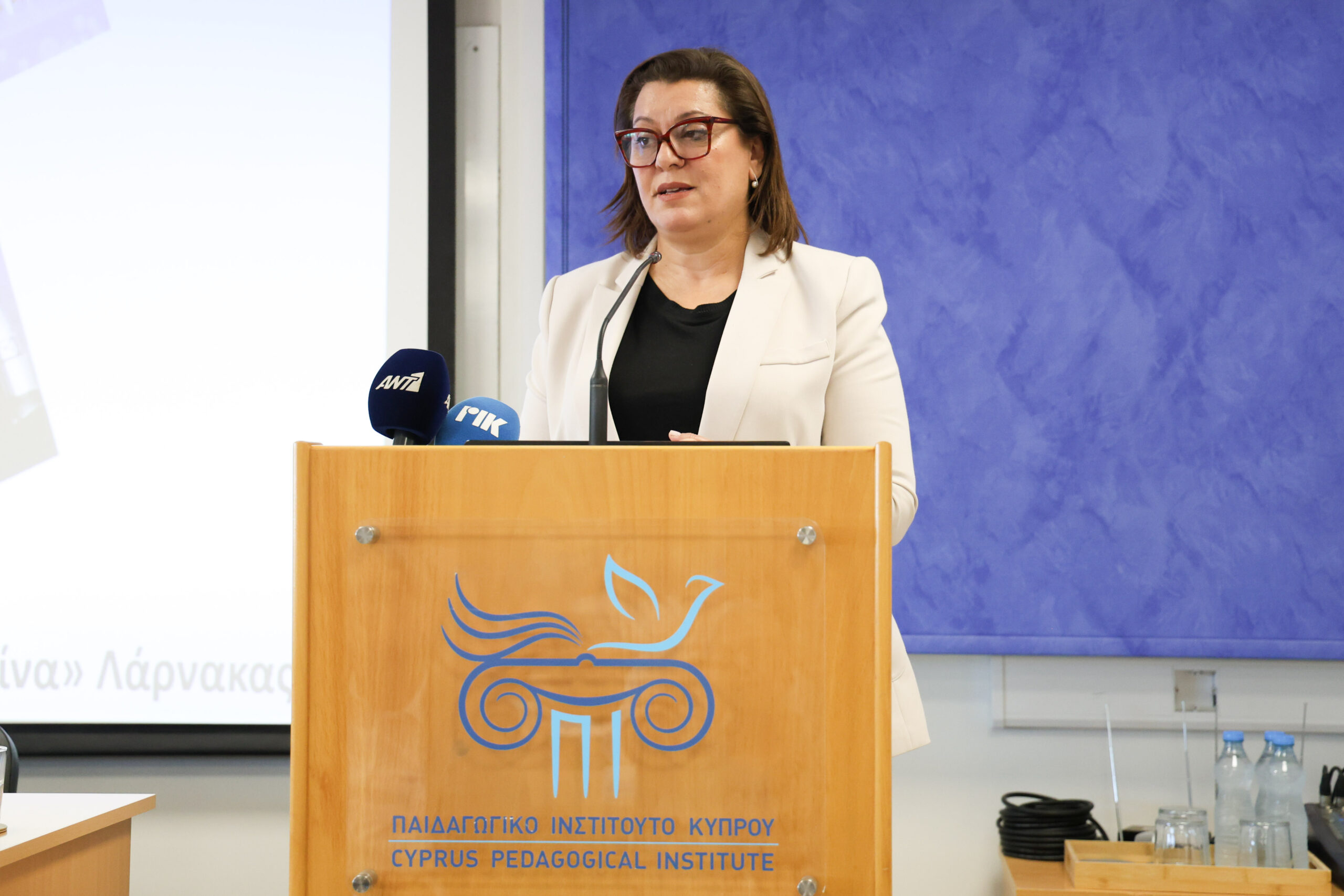
    Cyprus will pilot social workers in schools this year as part of a significant educational reform initiative designed to enhance mental resilience and address violence among students. Education Minister Athena Michailidou announced this innovative programme, which will also include educational psychologists, during a recent address to the Cyprus News Agency.

    The ministry’s 2026 priorities reflect a shift towards equipping students with practical skills rather than relying solely on rote learning. Michailidou emphasised the importance of moving away from ‘content, rote learning and excessive theory’ to foster skills vital for navigating both the job market and everyday life.

    Social workers: Transforming Educational Approaches

    This shift aligns with broader European educational priorities, but Michailidou insists it will be approached in a balanced manner that integrates humanistic education and values. The introduction of social workers in schools aims to provide a holistic support system for students, tackling issues of violence and delinquency while also promoting mental well-being.

    Addressing Special Education Needs

    The ministry is also making strides in special education reform, with Michailidou revealing that consultations are at an advanced stage. The proposed amendments aim to create a more unified and inclusive educational framework for students with diverse needs.

    New Protocols for Violence Prevention

    In conjunction with the pilot programme, the ministry has developed protocols and recommendations to assist teachers in addressing delinquency. These resources are being distributed to schools in both electronic and printed formats. Teacher groups dedicated to violence prevention are being established, alongside enhanced roles for school counsellors and class teachers, all of which aim to foster a supportive environment.

    Statistical data indicates that these roles have been effective, with students feeling more comfortable reaching out to trusted staff members. Furthermore, the ministry is investing in security measures, including surveillance cameras and the deployment of security officers in many secondary schools, to create a safer educational setting.

    Modernising Work Experience Initiatives

    Another component of the ministry’s agenda is the reintroduction of a work experience programme for Year 11 students, set to launch in March or April. Under this programme, students will spend three days a week in workplaces of their choice, supervised by school staff. This initiative is designed to enhance career skills and provide students with a clearer understanding of their vocational paths.

    Michailidou expressed the importance of ensuring that students are well-informed and prepared for their future careers. The ministry has also begun piloting career guidance in 16 primary schools, helping students explore various educational and career options.

    Commitment to Disability Rights

    During her address, Michailidou also addressed concerns regarding the treatment of people with disabilities. She stressed that all students, regardless of their abilities, must be treated equally and with respect. The minister condemned any statements that may degrade or insult individuals with disabilities, particularly in the educational context.

    As Cyprus moves forward with these initiatives, the focus remains on creating an inclusive, supportive, and modern educational environment that prioritises both academic skills and the personal development of students.


  • Equality framework — Cyprus University of Technology Unveils Ambitious Equality Framework for 2025-2028

    Equality framework — Cyprus University of Technology Unveils Ambitious Equality Framework for 2025-2028

    equality framework — equality framework — Cyprus University of Technology is setting a new standard for equity with its comprehensive 2025-2028 Equality and Accessibility Plan. This initiative builds on years of policies designed to foster a safe and inclusive academic and work environment, underscoring the university’s commitment to equality, inclusion, and respect for diversity.

    The new plan aims to create a culture of acceptance and support within the university community by integrating principles of equality and inclusion into every aspect of university life, from education to administration. Officer Constantia Kousoulou highlighted that these principles are not seen as isolated measures but as essential values that underpin the institution’s strategic goals.

    The previous 2020-2024 Equality Plan laid the groundwork for this new initiative, focusing on creating a more inclusive environment. This was further enhanced by the Equal Access Plan for People with Disabilities and Special Educational Needs. Following a thorough review and engagement with the university community, the latest plan consolidates the goals of these earlier frameworks.

    Equality framework: Five Pillars of Progress

    The 2025-2028 Equality and Accessibility Plan is structured around five key pillars:

    • Fostering an organisational culture of equality and inclusion.
    • Providing access and support for individuals with disabilities and special educational needs.
    • Ensuring equal support for professional career development.
    • Incorporating gender perspectives and accessibility into funding, research, and teaching.
    • Implementing a zero-tolerance policy for bullying, discrimination, harassment, and gender-based violence.

    To facilitate the implementation of these policies, CUT has established the University Equality Committee, which operates at the Senate level, alongside the Diversity and Inclusion Office. This office is instrumental in coordinating training and awareness initiatives aimed at the university community.

    Collaborative Efforts Across Europe

    In addition to its internal initiatives, CUT is a member of the European University of Technology (EUt+) alliance, collaborating with eight other European institutions through the Equality, Diversity & Inclusion (EDI) Office. This partnership fosters the exchange of best practices and the execution of joint actions that enhance the equality dimension at a European scale.

    Kousoulou noted a positive shift in attitudes within the university community, particularly with the adoption of inclusive language in official communications. The university is committed to continuous improvement through training and awareness campaigns, as well as the systematic collection and analysis of gender data to support evidence-based policy planning.

    Accessibility as a Priority

    Central to CUT’s strategy is the commitment to accessibility and equal opportunities for all members of the community. This encompasses not only physical access to facilities but also participation in educational, research, and professional activities. The university is actively investing in both physical and digital infrastructure to ensure that all educational materials, electronic platforms, and administrative processes are accessible.

    To support individuals with disabilities or special educational needs, CUT provides necessary adaptations and assistive technologies, allowing for equal participation in the educational experience. The university also collaborates with specialised organisations to create an inclusive environment where all community members can thrive.

    Recognition and Future Goals

    Recently, CUT received the “Employer of Equality” award, which acknowledges its sustained efforts to promote equality and inclusion within the academic and professional spheres. This recognition not only affirms the university’s commitment to transparency and equal opportunities but also serves as a motivational tool to enhance ongoing efforts.

    Looking ahead, CUT plans to revise its Code of Practice for the prevention and handling of bullying, harassment, and sexual harassment in 2026, aiming to make it more inclusive and accessible. The university is also dedicated to addressing issues relevant to underrepresented groups and actively involving students as agents of positive change both within and outside the institution.

  • Larnaca School Pupils Face Consequences for Nazi Salutes

    Larnaca School Pupils Face Consequences for Nazi Salutes

    Pupils at Vergina Lyceum in Larnaca face penalties after the Ministry of Education launched an investigation into disturbing photos showing them performing Nazi salutes and drawing swastikas in their school environment.

    According to Giorgos Koutsides, deputy director of Secondary Education, the ministry was informed of the situation yesterday, and steps are being taken to address it. “It was a reckless action by the pupils. The director said he knows who they are and will call them to his office to impose penalties,” Koutsides stated.

    These actions, including the posting of images on social media, have raised serious concerns among the community. The final-year students reportedly created social media accounts to disseminate Nazi ideology, including an Instagram account named “Verginazi,” which has drawn attention for its troubling content.

    Complaints from various sources indicate that the pupils not only performed Nazi salutes but also defaced school property with swastikas. In one alarming incident, they altered a sign placed by activists, originally aimed at honouring a Jewish tree-planting event, by erasing the word “children” and replacing it with a Nazi symbol.

    Koutsides confirmed that the posts reflect personal publications by the pupils made on different occasions. When asked whether the Ministry of Education would intervene for educational purposes, he affirmed that the ministry’s provincial officer will visit the school to assess the situation. “We will see if it’s an isolated incident,” he added.

    Kostas Kosta, president of the organised parents association in the Larnaca district, expressed his dismay at the behaviour of the pupils. “As parents, we are clear and consider these incidents unthinkable. Anything that refers to the Nazi past and particularly symbols connected to the murder of millions of people, we condemn,” Kosta said.

    He further emphasised, “Ideologies of hatred have no place in schools,” urging the Ministry of Education to take decisive action. The parents’ association is keen to ensure that such ideologies do not find a foothold in educational environments.

    The political party AKEL Larnaca also condemned the actions of the students, stating that these incidents cannot be dismissed as mere bravado. In a statement, they labelled the actions as manifestations of a dangerous intolerant ideology that has no place in schools or society. They called for an immediate and thorough investigation, insisting on substantial measures from the Ministry of Education and the school administration.

    AKEL stressed the importance of teaching respect and denouncing hatred in schools, asserting, “Fascism and Nazism have no place in education, youth, and democracy.” The events at Vergina Lyceum have sparked a broader conversation about the responsibilities of educational institutions in countering extremist ideologies.

  • Larnaca Students Spark Outrage with Nazi Symbols and Salutes

    Larnaca Students Spark Outrage with Nazi Symbols and Salutes

    nazi symbols — nazi symbols — Final-year pupils at Vergina Lyceum in Larnaca have ignited controversy after posting images of themselves performing Nazi salutes and drawing swastikas within their school premises. This alarming behaviour has prompted urgent calls for intervention from the Ministry of Education.

    Photo: in-cyprus.philenews.com

    • In response to the uproar, the Ministry of Education has begun to investigate the matter, with officials indicating a commitment to addressing the troubling behaviour exhibited by the students.

    The pupils have reportedly been involved in organising and recruiting fellow students for some time, as indicated by multiple complaints received by philenews. They have created social media accounts, including an Instagram page named “Verginazi”, where they disseminate Nazi-related material and exhibit their troubling actions.

    Photo: in-cyprus.philenews.com

    One particularly disturbing incident involved a photograph showing students holding a modified sign that originally read “Gaza Children Street”. This sign was part of a protest by activists against a tree planting event proposed by the Jewish Community of Cyprus, which was intended to honour Donald Trump for the liberation of Israeli hostages in Gaza. The students not only erased the word “children” from the sign but also defaced it with a Nazi symbol.

    Kostas Kosta, president of the organised parents association in Larnaca district, expressed deep concern over the incident. He stated, “We as parents are clear and consider these incidents unthinkable. Anything that refers to the Nazi past and particularly symbols connected to the murder of millions of people, we condemn. Ideologies of hatred have no place in schools.” His remarks underscore the urgent need for educational authorities to tackle the issue head-on.

    In response to the uproar, the Ministry of Education has begun to investigate the matter, with officials indicating a commitment to addressing the troubling behaviour exhibited by the students.

    The actions of these pupils have raised significant alarm among parents and educators alike, highlighting a disturbing trend that raises questions about the values being instilled in schools. With increasing scrutiny from the community, the hope is that decisive action will be taken to prevent similar incidents in the future.

  • Aram i — Aram I Embarks on Significant Diocesan Visit to Cyprus

    Aram i — Aram I Embarks on Significant Diocesan Visit to Cyprus

    Aram I, the head of the Armenian Apostolic Church of Cilicia, is currently on his sixth diocesan visit to Cyprus, a four-day journey that coincides with the 30th anniversary of his enthronement. This visit comes at a critical time for Armenia, which is facing political and security challenges amid a landscape of hostile nations.

    Photo: financialmirror.com

    • As this significant visit unfolds, the Armenian community in Cyprus looks forward to His Holiness Aram I's messages of hope and unity, which resonate deeply in these challenging times.

    During his time in Cyprus, Aram I aims to promote messages of world peace and unity within the Armenian community. Having previously travelled to Armenian communities across Europe, the Middle East, and the Americas, he emphasises the importance of reorganising the Armenian Diaspora. “The reorganisation of the Armenian Diaspora and the preparation of the manpower should become the priority of our Holy See of Cilicia,” he stated, highlighting the need to revive Armenian schools that have been declining in recent years.

    This visit marks a significant milestone, being the sixth time His Holiness has travelled to Cyprus, one of the oldest dioceses in the Armenian Orthodox Church, which has roots dating back to the tenth century. The Catholicos has a long-standing connection to the region, particularly after the Armenian Genocide led to the relocation of the Catholicossate from the historical city of Sis in Cilicia to Lebanon in 1930. His regular attendance at inter-faith meetings in Cyprus underscores the ongoing dialogue and collaboration he fosters within the region.

    Accompanied by a five-member delegation, Aram I plans to meet with parishioners across various towns. His itinerary includes visits to the churches of Sourp Stepanos (Saint Stephen) in Larnaca and Sourp Kevork (Saint George) in Limassol. Additionally, he will be the guest of honour at a community banquet in Nicosia on Saturday evening, where he will continue to engage with the local Armenian community.

    On Sunday morning, the Catholicos will officiate a divine liturgy at the Sourp Asdvadzadzin church in Nicosia, followed by delivering his patriarchal sermon. Following this, he is expected to visit the Embassy of the Republic of Armenia, where he will discuss pertinent matters concerning the Armenian Church and its diaspora.

    On Monday, Aram I will meet with prominent figures including President Nikos Christodoulides and Archbishop George III, head of the autocephalus Greek Orthodox Church of Cyprus. This meeting is crucial in fostering relationships and discussing shared concerns between the Armenian community and the Cypriot leadership.

    An important stop on his agenda will be the Nareg Armenian school in Nicosia, where he plans to address primary pupils and gymnasium students, thus reinforcing the importance of education and cultural preservation among the younger generation.

    As this significant visit unfolds, the Armenian community in Cyprus looks forward to His Holiness Aram I’s messages of hope and unity, which resonate deeply in these challenging times.

  • Teacher evaluation — New Teacher Evaluation Bill Estimated to Cost €12.5 Million

    Teacher evaluation — New Teacher Evaluation Bill Estimated to Cost €12.5 Million

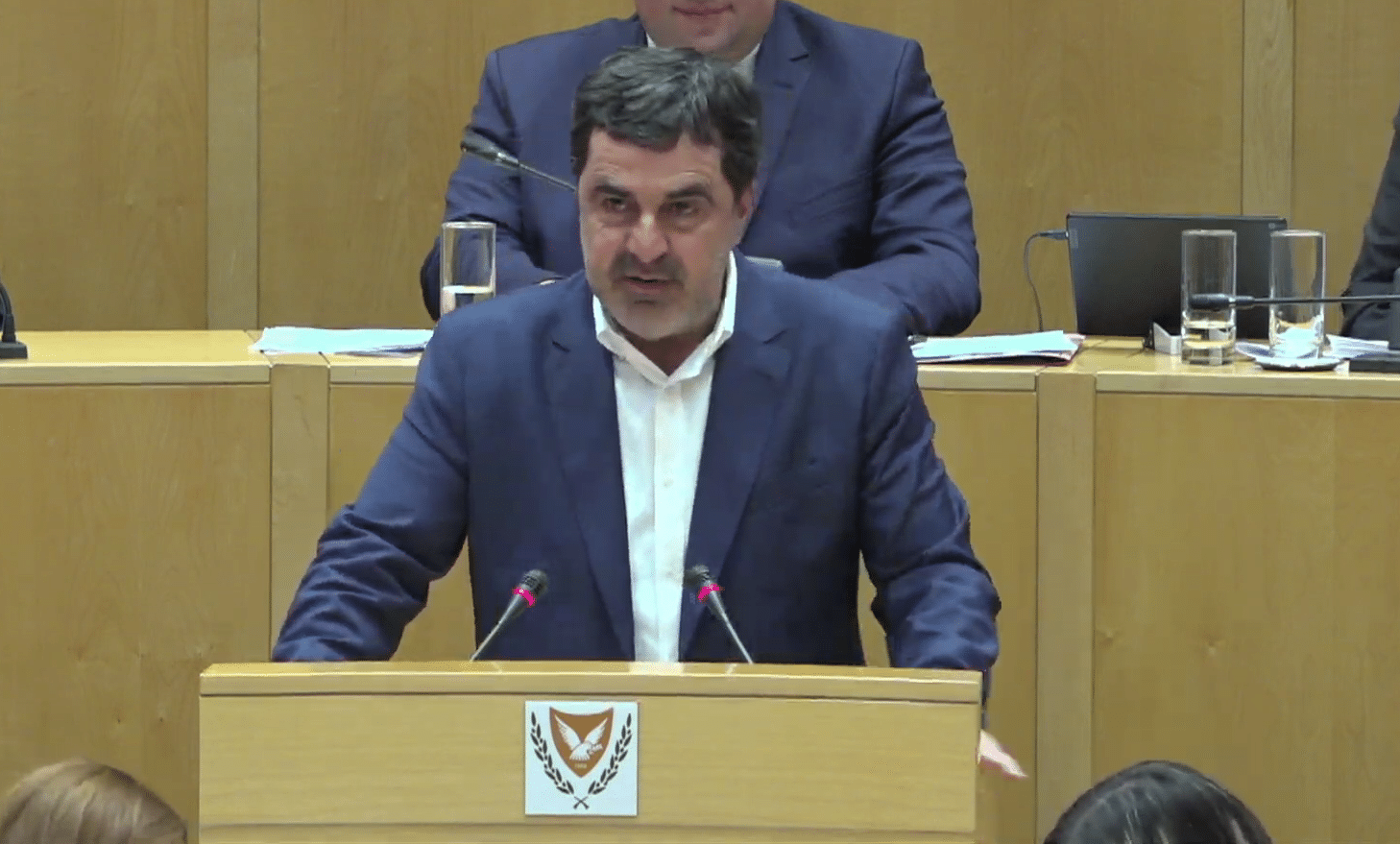
    The new teacher evaluation bill is estimated to cost €12.5 million, as the House education committee has wrapped up its discussion on the amended regulations. The bill, which aims to modernise the evaluation process for educators in Cyprus, is slated for presentation to parliament in mid-December.

    Committee Discussions Conclude

    On Wednesday, the education committee completed its article-by-article review of the bill. Chairman Pavlos Mylonas, a member of the Diko party, highlighted the collaborative nature of the discussions, stating, “The discussion will continue with consultation next Wednesday. It is the formal part of the regulations to go to the plenary.”

    Timeline for Parliamentary Vote

    While a specific date for the parliamentary vote has not been finalised, Mylonas indicated it is likely to occur between December 14 and 16. The committee is also considering the possibility of voting on the evaluation bill alongside a new tax reform proposal.

    Government Officials Weigh In

    Education Minister Athena Michaelidou expressed her satisfaction with the committee’s progress, praising their “responsible and serious attitude.” She emphasised her ministry’s aim to achieve a vote that reflects a consensus without compromising on critical elements of the proposal.

    Significant Amendments and Stakeholder Input

    Throughout the discussions, “many of the changes were unanimous,” Mylonas noted, although he acknowledged that some were decided by majority votes after extensive consultations with various stakeholders. Michaelidou reassured the committee that the majority of amendments did not significantly alter the bill’s core philosophy. “We are going to the Plenary with a proposal that is as agreed upon as possible,” she remarked.

    Cost Breakdown of the Evaluation System

    The projected cost of the new teacher evaluation system, set at €12.5 million, primarily stems from the establishment of new inspector positions. According to Michaelidou, these roles are intended to facilitate a more effective evaluation process, allowing for smaller groups to operate in senior teacher positions and providing additional resources to support educators.

    Long Journey to Modernisation

    This push for a new evaluation system marks a significant shift, as the first such system was implemented in Cyprus fifty years ago. The Republic is now under European Union obligations to modernise its educational evaluation processes.

    Concerns and Criticisms from MPs

    DISY MP George Karoullas remarked on how the amendments served to “fill in the gaps and ambiguities” that had been previously highlighted. He expressed confidence that the changes made were necessary for the new evaluation plan to be as comprehensive as possible. Conversely, AKEL MP Christos Christofides raised concerns about the bill, pointing out that his party had identified around 16 critical issues that could affect the bill’s implementation.

    The Future of Teacher Evaluations

    Christofides articulated the underlying challenges, questioning not only who would conduct the evaluations but also the criteria that would be used. He cautioned that while the article-by-article discussion had concluded, there remained significant uncertainties about the practical application of the new regulations. “We are voting on something today, but the essence of this will be decided in the future,” he warned.

    Teachers’ Opposition to Changes

    In the wake of the proposed changes, state school teachers have voiced strong opposition, advocating for the retention of the existing evaluation scheme. This resistance has been persistent, with teachers presenting a list of demands and arguing against the need for an overhaul. As the debate continues, it remains to be seen how the new evaluation system will be received once implemented.

    Moving Forward

    As discussions progress, the education ministry is committed to ensuring the quality and scientific accuracy of the proposed evaluation system. With the parliamentary vote approaching, stakeholders are closely monitoring developments, hoping for a resolution that meets the needs of teachers while fulfilling legislative requirements.

  • MPs Progress on Teacher Evaluation Bill, Seeking Compromise

    MPs Progress on Teacher Evaluation Bill, Seeking Compromise

    MPs are advancing discussions on a new teacher evaluation bill aimed at enhancing teaching performance, according to Diko MP Pavlos Mylonas, the chair of the House education committee. Mylonas expressed optimism that a workable outcome is within reach as various parties and individual MPs prepare amendments to the proposed legislation.

    Negotiations Focused on Clarity and Compromise

    Amid ongoing discussions, Mylonas highlighted the committee’s efforts to explore compromises that address concerns raised by education unions. He noted that ambiguities within the legislative framework, particularly regarding overlapping responsibilities, need clarification. The committee intends to tackle these issues during an article-by-article debate, and an extraordinary session may be convened if necessary to ensure the process is completed efficiently.

    Confidence in Plenary Progress

    When asked about the likelihood of the bill reaching the plenary, Mylonas conveyed strong confidence, stating he was “almost certain” that parliamentary groups would maintain their current positions. He emphasised the importance of creating a system that benefits teachers, ultimately leading to improved educational outcomes for students.

    Aiming for a Fairer Evaluation System

    Mylonas acknowledged that while the emerging proposal from the committee may not be flawless, it represents a genuine effort to establish a fair, effective, and merit-based evaluation system. With over 20,000 educators and more than 100,000 students impacted, the need for a balanced approach is paramount, and differing opinions are to be expected.

    Placing Students at the Centre

    Throughout the discussions, Mylonas reiterated the necessity of focusing on students’ needs, asserting that the interests of the majority should guide the legislative process. He remains hopeful that an agreement can be reached that reflects the collective interests of all stakeholders involved in the education sector.

    A Historical Perspective on Teacher Evaluation

    The push for a modernised teacher evaluation system follows Cyprus’s long-standing commitment to educational reform, dating back fifty years to the introduction of the first evaluation system. With the Republic now under EU obligations to update this framework, the stakes are high. The education ministry’s initial proposal, made nearly a year ago, has faced strong resistance from state school teachers, who advocate for maintaining the status quo while presenting their demands for change.

    A Comprehensive Summary of Ongoing Debates

    As discussions continue, a comprehensive summary of the long-standing debate regarding the new evaluation system is available for those looking to understand the complexities and nuances of this significant legislative effort.

  • Cyprus Leaders Condemn Union Chief Over Sexist Remarks

    Cyprus Leaders Condemn Union Chief Over Sexist Remarks

    sexist remarks — sexist remarks — Cyprus’s ombudswoman and education minister have strongly condemned a teachers’ union leader following his controversial remarks about a woman changing education legislation for the first time in 50 years.

    • Stylianou-Lottides concluded that genuine progress requires more than just superficial gestures towards equality; it necessitates substantial actions aimed at protecting human rights.

    Education Minister Athena Michaelidou expressed her disappointment over the comments made by OELMEK President Demetris Taliadoros during a television programme. She stated that such sentiments are unacceptable in the education sector, a realm that should be at the forefront of combating sexism and stereotypes.

    Sexist remarks: Minister’s Strong Rebuttal

    Michaelidou highlighted the importance of fostering an environment of respect and equality, especially within educational institutions. “Education is the place par excellence for combating stereotypes related to sexism and every form of disrespect,” she asserted during her appearance on ANT1’s Mera Mesimeri programme. She questioned how a leader of a significant trade union could make such an assertion, acknowledging the commitment of teachers towards gender equality.

    Union Leader’s Controversial Comments

    The controversy ignited when Taliadoros remarked that some people wished to suggest that it was significant that a woman was finally changing legislation after decades. His comments were perceived as dismissive of the progress made in gender equality within the education sector.

    Michaelidou further noted that Taliadoros’s refusal to retract his statement was even more troubling. She emphasised that discussions about gender issues should be grounded in reasoned arguments rather than resorting to derogatory comments.

    Ombudswoman’s Perspective

    Maria Stylianou-Lottides, the ombudswoman, voiced her concerns in a written statement, criticising Taliadoros for revealing a troubling perspective on gender equality in the context of modern governance. She pointed out that even after significant milestones in women’s leadership globally, such as the tenure of prominent female figures in Europe, outdated attitudes persist.

    Stylianou-Lottides remarked, “In 2025, after Gandhi, Thatcher, Meloni, after two women are at the helm of the European Union, Mr Taliadoros came to expose the truth that was well hidden under the festive wrapping of equality.” Her comments illustrate a wider frustration with the ongoing struggle against ingrained sexist attitudes.

    Continuing Challenges in Gender Equality

    The ombudswoman further noted that despite Cyprus ratifying the Convention on the Elimination of All Forms of Discrimination Against Women (CEDAW) in 1985 and implementing laws against sexism, deeply rooted power imbalances continue to challenge progress. She called for collective action across different political and social groups to dismantle these inequalities.

    Stylianou-Lottides concluded that genuine progress requires more than just superficial gestures towards equality; it necessitates substantial actions aimed at protecting human rights.

  • German language — Education Minister Champions German Language Weeks to Promote Multilingualism

    German language — Education Minister Champions German Language Weeks to Promote Multilingualism

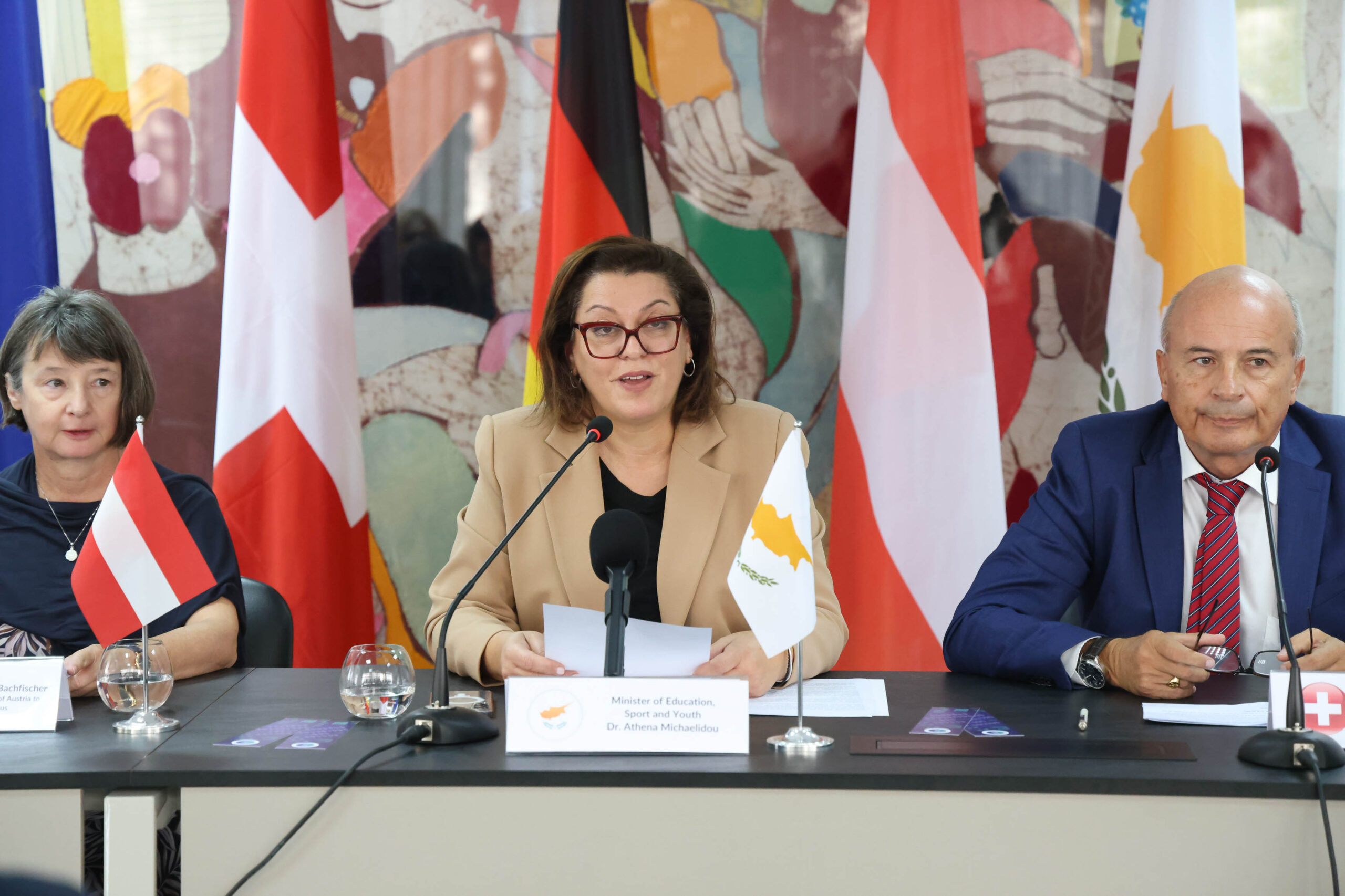
    Multilingualism is at the forefront of our education policy, as affirmed by Education Minister Athena Michaelidou on Thursday. The minister expressed the ministry’s full support for the newly introduced annual German Language Weeks, underlining the importance of language competence in today’s educational landscape.

    Michaelidou highlighted that language skills are essential for personal development, employability, active citizenship, and social inclusion. As one of the European Union’s most widely spoken languages, German plays a significant role in various sectors including science, culture, and economic exchange.

    German language: Engagement Through Cultural Activities

    The annual German Language Weeks, scheduled to run from November 10 to 29, invite students, teachers, families, and the public to immerse themselves in German culture. The programme features a variety of activities such as literature readings, film screenings, discussions, music, and culinary experiences.

    This year’s theme, “Stimmen & Geschichten” (Voices & Stories), aims to highlight everyday narratives and diverse perspectives that have shaped societies in German-speaking countries and Cyprus. The organisers, which include the embassies of Austria, Germany, and Switzerland, alongside the Goethe-Institut, are focused on fostering dialogue, celebrating diversity, and inspiring reflection through storytelling.

    Special Events for Students

    On November 12, students participating in the German language pilot programme will have the opportunity to visit the Goethe-Institut in Nicosia for a special event tailored to them. Gymnasium students will engage in an interactive workshop centred on German history, particularly the fall of the Berlin Wall. Meanwhile, Lyceum students will visit the German embassy before heading to the institute.

    Future Plans for Language Certification

    Addressing the future of language education, Michaelidou noted, “The challenge that lies ahead is the official certification of the German language competences acquired by our students.” She announced plans to enhance cooperation with the Goethe-Institut to develop recognised language proficiency certificates, reinforcing the importance of language education in Cyprus.

  • KES College Launches Its Inaugural MBA Programme

    KES College Launches Its Inaugural MBA Programme

    mba programme — KES College, one of the most successful career-oriented educational centres in Cyprus, has introduced its first post-graduate programme, the Master in Business Administration (MBA), for the current academic year.

    Photo: financialmirror.com

    • This new programme aligns with the college’s strategic vision to nurture skills and innovation while responding to the evolving demands of the labour market.
    • As a member of the European Association of Institutes for Vocational Training (EVBB), KES College is dedicated to enhancing vocational education both in Europe and globally.
    • For further information, interested individuals can contact KES College at +357 22 875737 or via email at info@kescollege.ac.cy.

    After 54 years of providing vocational and undergraduate courses that have helped thousands of students secure jobs and promotions, the KES MBA has recently received accreditation from the Cyprus Agency of Quality Assurance and Accreditation in Higher Education (CYQAA).

    This new programme aligns with the college’s strategic vision to nurture skills and innovation while responding to the evolving demands of the labour market.

    Designed for professionals aiming to enhance their managerial and leadership capabilities, the KES MBA equips participants for career advancement and prepares them for senior positions in both the private and public sectors.

    Mba programme: A Milestone for KES College

    The introduction of this postgraduate programme marks a significant milestone for KES College, which was founded in 1971 by Theodoros Stylianou, initially offering secretarial studies. The MBA represents a pivotal step in the institution’s growth and commitment to its students.

    Dr. Vasias Vassiliadis, Director of Academic Affairs at KES College, stated, “The completion of the evaluation and accreditation process for the MBA by CYQAA represents a significant milestone in the academic journey of the college and a testament to the recognition of its quality standards.”

    He added, “It also marks the first crucial step in our expansion into postgraduate programmes, which has long been a goal of the administration and a shared aspiration of the college’s academic community.”

    Empowering Future Leaders

    The MBA programme is designed to provide a robust foundation for career advancement, fostering professional development that meets the contemporary needs of the business community. By preparing graduates to excel, KES College aims to contribute positively to the Cypriot labour market.

    The college’s central Nicosia campus offers a variety of study directions, including the School of Health Studies, the School of Culinary Arts, Hospitality and Tourism, the School of Journalism and Media Studies, the School of Business and Administration Studies, and the School of Environmental Studies. Additionally, KES College runs a Foundation Programme.

    Commitment to Innovation and Research

    In addition to its educational offerings, KES College operates the KES Research Centre, which conducts independent applied research for industry and innovation programmes. The KES Training Centre also plays a critical role in providing vocational training tailored to market demands across various economic sectors.

    As a member of the European Association of Institutes for Vocational Training (EVBB), KES College is dedicated to enhancing vocational education both in Europe and globally.

    For further information, interested individuals can contact KES College at +357 22 875737 or via email at info@kescollege.ac.cy.