
Tag: education funding

  • Ikyk Scholarships for 300 Students to Be Paid in 2026

    Ikyk Scholarships for 300 Students to Be Paid in 2026

    ikyk scholarships — ikyk scholarships — The Ikyk student scholarships will be disbursed in 2026, as confirmed by the finance ministry, which announced plans to allocate additional funds next year for 300 students who have yet to receive their awarded amounts.

    • “We are glad that the President of the Republic has listened to our appeals and we hope that we will not find ourselves as spectators in the same play next year,” Savvidis remarked.

    During a session with the House education committee, a finance ministry representative outlined the government’s commitment to providing extra funding to the State Scholarship Foundation (Ikyk). This decision aims to ensure that deserving students obtain the financial support they need to continue their studies.

    Concerns have been raised about the payments owed to students from previous years, as the ministry is also looking into outstanding grants from 2023 and possibly 2022. The representative mentioned that they have reached out to Ikyk for detailed information regarding these payments, emphasising the importance of accessing data stored in Ikyk’s digital system.

    Chrysanthos Savvidis, chairman of the education committee and Diko MP, highlighted the urgency of the situation, expressing that some students could be forced to halt their education due to the lack of funds. He has appealed to President Nikos Christodoulides for an additional budget to support these students, stressing the need for equal opportunities and the importance of maintaining trust in public institutions that provide scholarships.

    “We are glad that the President of the Republic has listened to our appeals and we hope that we will not find ourselves as spectators in the same play next year,” Savvidis remarked.

    Meanwhile, Disy MP Giorgos Karoulas urged the finance ministry to enhance collaboration with Ikyk, warning that the reliability of the scholarship system is at stake. He stated, “Our talented children must not be victims of this situation and the unreliability of the state itself,” advocating for an increase in scholarship amounts to better support gifted students.

    Akel MP Christos Christofides expressed his satisfaction with the ministry’s recent decision, noting that while it does not achieve perfection, it will ensure that an additional 300 students receive the necessary support. He conveyed his hope that the current issues surrounding the scholarship payments would be resolved promptly.

    Sotiris Ioannou from Elam reassured the committee that, according to his discussions with the finance ministry, no students would lose their scholarships. He indicated that the remaining amounts would be distributed soon, citing information from the Minister of Finance that the issue would be resolved within days.

    The absence of an Ikyk representative at the committee meeting was noted with criticism, particularly as the position of the organisation’s president has been vacant for several months, with the deputy president currently abroad.

    Heightened interest in academic scholarships has led to an increase in Ikyk’s budget, with a supplementary budget of €1.7 million allocated for 2025. The regular budget for 2026 is expected to exceed the previous year’s figure, as announced in parliament.

    Ikyk serves as a government body that awards scholarships to students from Cyprus, the EU, and non-EU countries based on academic merit and socio-economic status. These scholarships cover undergraduate, master’s, and doctoral studies, both domestically and internationally.
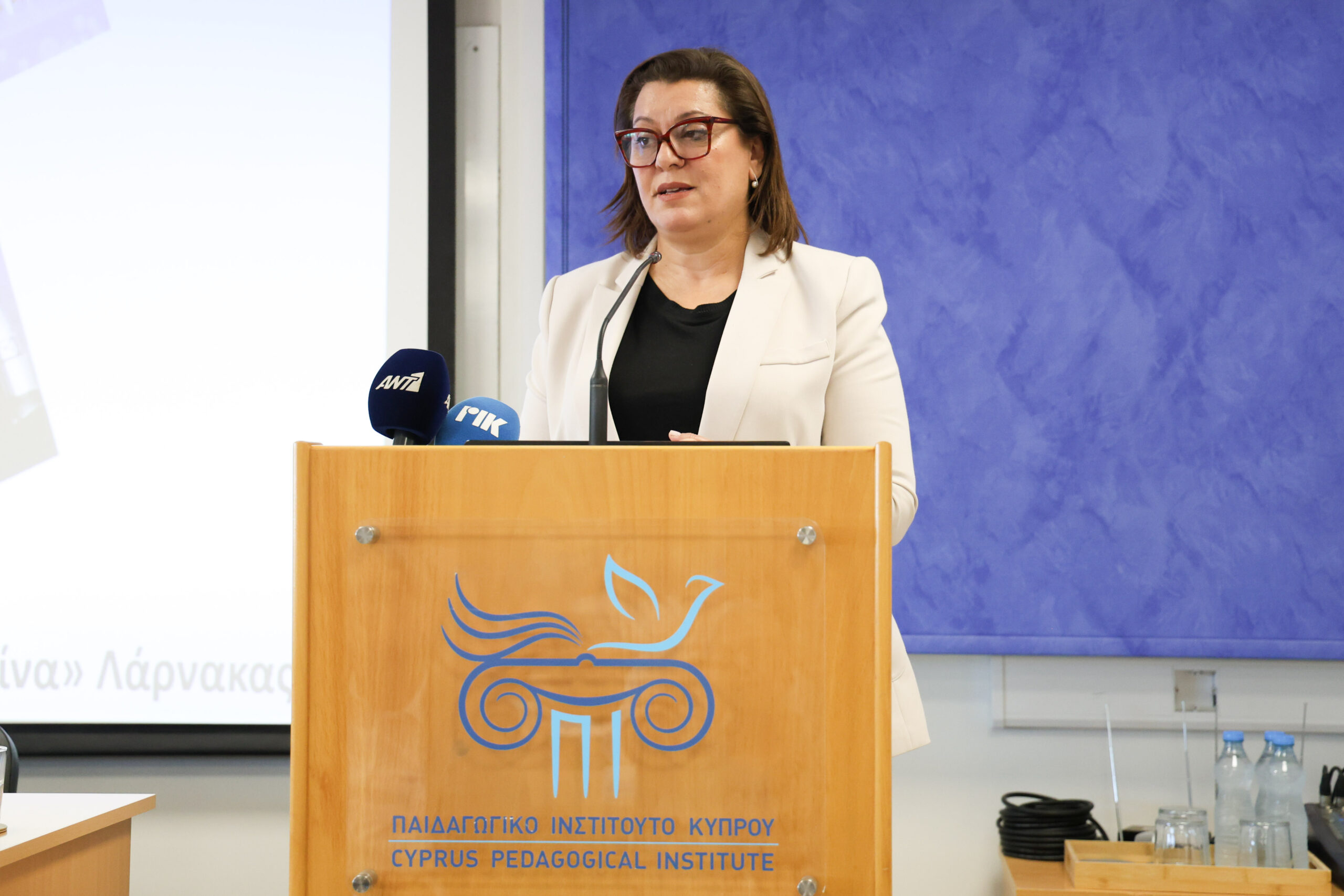
  • Teacher evaluation — New Teacher Evaluation Bill Estimated to Cost €12.5 Million

    Teacher evaluation — New Teacher Evaluation Bill Estimated to Cost €12.5 Million

    The new teacher evaluation bill is estimated to cost €12.5 million, as the House education committee has wrapped up its discussion on the amended regulations. The bill, which aims to modernise the evaluation process for educators in Cyprus, is slated for presentation to parliament in mid-December.

    Committee Discussions Conclude

    On Wednesday, the education committee completed its article-by-article review of the bill. Chairman Pavlos Mylonas, a member of the Diko party, highlighted the collaborative nature of the discussions, stating, “The discussion will continue with consultation next Wednesday. It is the formal part of the regulations to go to the plenary.”

    Timeline for Parliamentary Vote

    While a specific date for the parliamentary vote has not been finalised, Mylonas indicated it is likely to occur between December 14 and 16. The committee is also considering the possibility of voting on the evaluation bill alongside a new tax reform proposal.

    Government Officials Weigh In

    Education Minister Athena Michaelidou expressed her satisfaction with the committee’s progress, praising their “responsible and serious attitude.” She emphasised her ministry’s aim to achieve a vote that reflects a consensus without compromising on critical elements of the proposal.

    Significant Amendments and Stakeholder Input

    Throughout the discussions, “many of the changes were unanimous,” Mylonas noted, although he acknowledged that some were decided by majority votes after extensive consultations with various stakeholders. Michaelidou reassured the committee that the majority of amendments did not significantly alter the bill’s core philosophy. “We are going to the Plenary with a proposal that is as agreed upon as possible,” she remarked.

    Cost Breakdown of the Evaluation System

    The projected cost of the new teacher evaluation system, set at €12.5 million, primarily stems from the establishment of new inspector positions. According to Michaelidou, these roles are intended to facilitate a more effective evaluation process, allowing for smaller groups to operate in senior teacher positions and providing additional resources to support educators.

    Long Journey to Modernisation

    This push for a new evaluation system marks a significant shift, as the first such system was implemented in Cyprus fifty years ago. The Republic is now under European Union obligations to modernise its educational evaluation processes.

    Concerns and Criticisms from MPs

    DISY MP George Karoullas remarked on how the amendments served to “fill in the gaps and ambiguities” that had been previously highlighted. He expressed confidence that the changes made were necessary for the new evaluation plan to be as comprehensive as possible. Conversely, AKEL MP Christos Christofides raised concerns about the bill, pointing out that his party had identified around 16 critical issues that could affect the bill’s implementation.

    The Future of Teacher Evaluations

    Christofides articulated the underlying challenges, questioning not only who would conduct the evaluations but also the criteria that would be used. He cautioned that while the article-by-article discussion had concluded, there remained significant uncertainties about the practical application of the new regulations. “We are voting on something today, but the essence of this will be decided in the future,” he warned.

    Teachers’ Opposition to Changes

    In the wake of the proposed changes, state school teachers have voiced strong opposition, advocating for the retention of the existing evaluation scheme. This resistance has been persistent, with teachers presenting a list of demands and arguing against the need for an overhaul. As the debate continues, it remains to be seen how the new evaluation system will be received once implemented.

    Moving Forward

    As discussions progress, the education ministry is committed to ensuring the quality and scientific accuracy of the proposed evaluation system. With the parliamentary vote approaching, stakeholders are closely monitoring developments, hoping for a resolution that meets the needs of teachers while fulfilling legislative requirements.