Tag: elections

  • George Penintaex Joins Parliament Following Mousiouttas’ New Role

    George Penintaex Joins Parliament Following Mousiouttas’ New Role

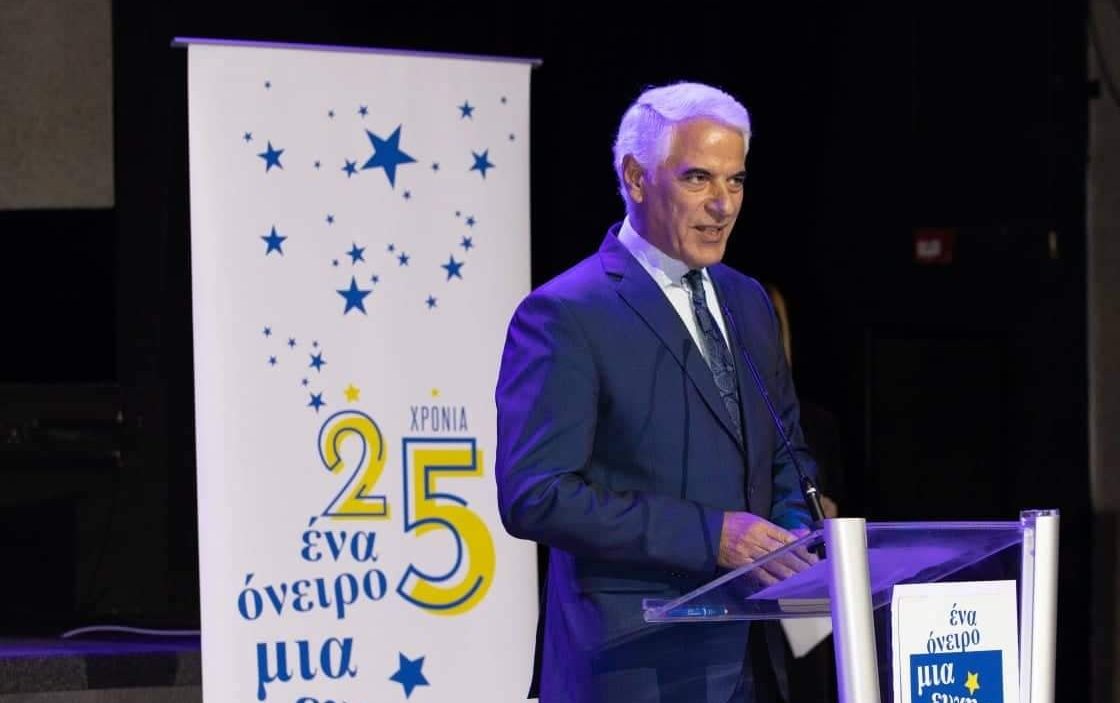
    george penintaex — George Penintaex is set to enter parliament as a member of Dipa, stepping in after Marinos Mousiouttas vacated his seat to take on the role of labour minister. This transition occurred on Friday, marking a significant change within the party.

    Penintaex will now join fellow Dipa members Marios Garoyian, Alekos Tryfonides, and Michalis Giakoumis in the House of Representatives. His addition comes at a time of considerable political movement.

    In a statement to the Cyprus News Agency following Mousiouttas’ appointment, Penintaex expressed his commitment to his constituents. He remarked, “I will remain faithful to the principles with which I ran for office.” His ambition, he stated, is to serve the people of the Republic of Cyprus to the best of his abilities.

    Penintaex, born in 1956, is known for his philanthropic efforts, particularly as the chairman of the “Ena Oneiro, Mia Efxi” foundation, which supports children battling cancer. His professional background is rooted in journalism, having studied at Middlesex University in the UK, where he specialised in journalism and public relations.

    His career in journalism includes significant roles such as director of the Cyprus News Agency and secretary-general of the alliance of Mediterranean news agencies. With the upcoming elections in May, Penintaex, like all 55 current members of parliament, will face re-election, making this a crucial time for his political ambitions.

  • Redistribution — Parliament Approves Redistribution of Seats from Nicosia to Paphos

    Redistribution — Parliament Approves Redistribution of Seats from Nicosia to Paphos

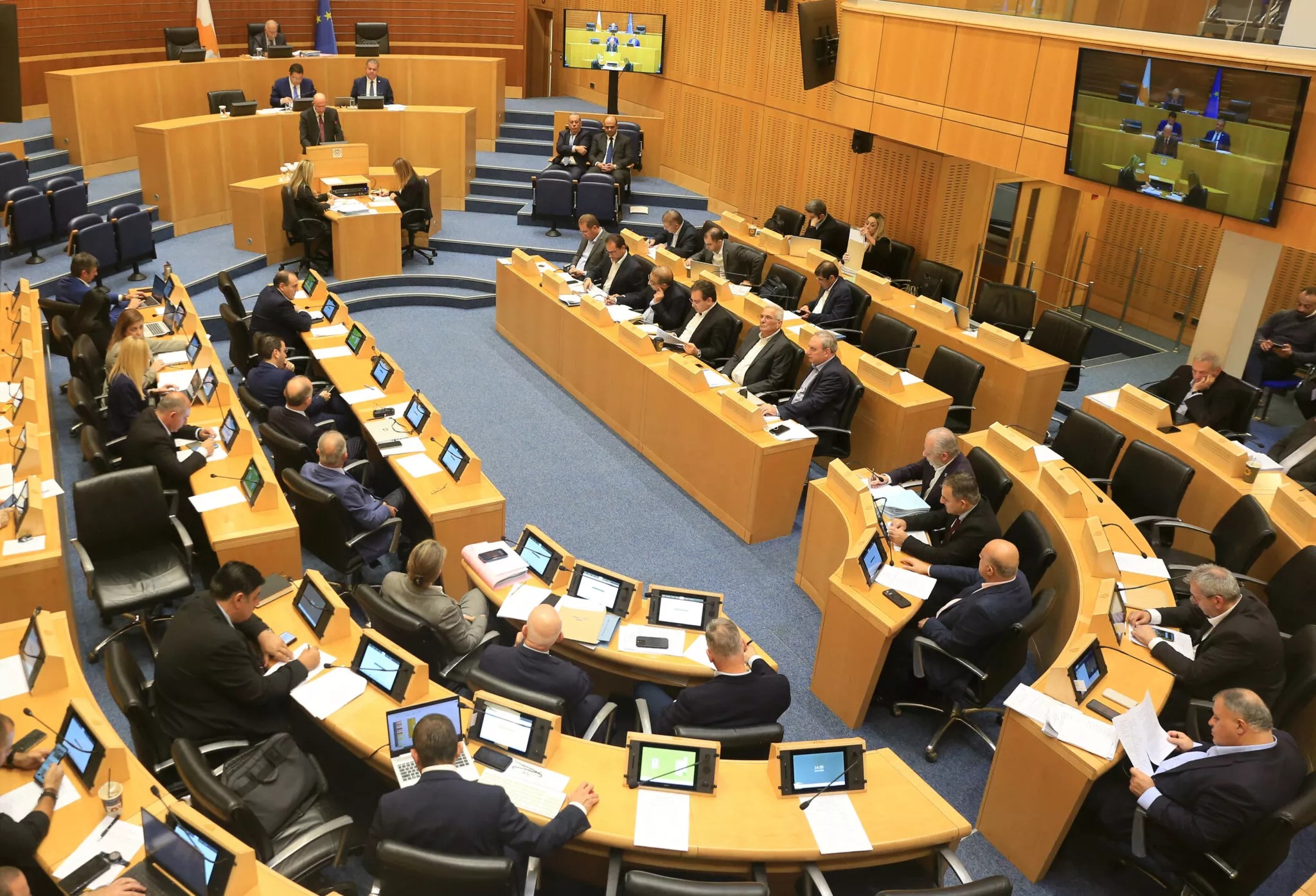
    redistribution — Parliament voted unanimously to approve legislation redistributing parliamentary seats, giving Paphos a fifth seat while reducing Nicosia’s representation from 20 to 19 MPs. The changes will take effect in the 2026 parliamentary elections.

    • Onoufrios Koulla proposed that future seat allocations could be linked to actual voter turnout, suggesting this might encourage greater participation in the electoral process.
    • The bill passed with 37 votes in favour, while Parliament postponed a related vote concerning amendments addressing issues with namesakes among candidates from the same party list.

    The amendment to the Election of Members of the House of Representatives Law is based on registered voter numbers as of 2 October 2025, when the supplementary electoral roll was incorporated into the permanent register. As it stands, total registered voters across Cyprus number 561,253.

    The calculation method for seat distribution by district follows the procedure outlined in the election law for first and second seat allocation after voting concludes. Interior Committee chairman Aristos Damianou observed that under automatic voter registration, Nicosia would not lose a seat and might even gain one, potentially occurring in subsequent parliamentary elections.

    Chrysanthos Savvides remarked on the significance of the vote, describing it as a historic day for Paphos, which is experiencing growth both politically and in sports, referencing Pafos FC. ‘This means we Paphians will have another strong voice in parliament,’ he stated.

    Marinos Mousiouttas highlighted the implications of automatic voter registration legislation, suggesting that the seat could eventually return to Nicosia. Similarly, Charalambos Pazaros called it a historic moment for Paphos, noting that it resolves a longstanding issue regarding compulsory single preference voting, as voters will now have a second choice.

    Andreas Themistokleous expressed that no MP would oppose what he deemed ‘logic and justice,’ asserting that the seat rightfully belongs to Paphos. However, he cautioned that automatic registration might lead to further seat redistribution, affecting other districts as well.

    Demetris Demetriou emphasised the necessity of applying population proportions to ensure fair representation. In contrast, Marinos Sizopoulos pointed out that the Cypriot parliament must not remain the smallest in the EU and urged for an increase in the number of MPs to fulfil obligations more effectively.

    Onoufrios Koulla proposed that future seat allocations could be linked to actual voter turnout, suggesting this might encourage greater participation in the electoral process.

    The bill passed with 37 votes in favour, while Parliament postponed a related vote concerning amendments addressing issues with namesakes among candidates from the same party list.

  • House Discusses Impact of AI on Democracy and Future Elections

    House Discusses Impact of AI on Democracy and Future Elections

    The effects of artificial intelligence (AI) on democracy have emerged as a pressing concern for lawmakers, particularly in the context of its potential influence on future elections. This topic dominated discussions at the House institutions committee on Wednesday, where members expressed their unease regarding Cyprus’ readiness to handle potential AI-driven interferences.

    Ai: Concerns Over External Influences

    During the committee meeting, attending MPs voiced fears about the prospect of external influences manipulating information distributed through AI applications during election periods. The chairman of the committee, Demetris Demetriou, a member of the Disy party, urged the government to put in place effective protection mechanisms for users. He called for the establishment of control measures to oversee the application of technology in political contexts.

    Amending Legislation for New Challenges

    Vasiliki Triga, a professor of political communication, highlighted the urgent need to amend current legislation to address the challenges posed by the increasing use of AI. Triga warned that applications like ChatGPT should not be regarded as “safe” for information gathering, as they often contain biases that could skew public perception.

    Regulatory Efforts Underway

    According to a representative from the digital policy directorate of the deputy ministry of innovation, efforts are already underway to regulate AI in Cyprus. The relevant EU regulation is currently under discussion at both national and European levels, especially with Cyprus set to assume the EU Council Presidency soon. The ministry official mentioned that a study had been initiated to evaluate the current state of AI implementation on the island, identify stakeholders, and support the development of a national legal framework. A preliminary version of this framework is already in place.

    Timeline for Legislative Changes

    The official presentation of the proposed bill is scheduled for March 2026, which aims to address the concerns raised during the committee discussions. In the meantime, Maria Stylianou-Lottides, the commissioner for administration and human rights, along with Maria Christofidou, the information and personal data protection commissioner, have been appointed as the supervisory authorities overseeing the regulation of AI usage.

    Progress in Regulatory Measures

    Officials from the Radio-Television Authority, tasked with supervising the implementation of the EU’s digital services act, reported that measures to facilitate regulation are advancing. They indicated that the regulation is currently under study, and procedures addressing the issues raised by the regulation are being drafted. Additionally, plans are in motion to create a register of entities that will be supervised under this new regulatory framework.

    Promoting News Literacy and Digital Awareness

    Nikolas Karydis, a representative from the Institute of Mass Media (IMME), emphasised the importance of fostering news literacy among the public. He underlined the necessity for both young people and the elderly to develop skills that will enable them to identify misinformation, particularly in an era where social media plays a significant role in information dissemination.

    Educational Initiatives in Digital Literacy

    Thanasis Tsokos, the director general of CyBC, highlighted the broadcaster’s commitment to promoting digital literacy from a young age. He advocated for the development of educational courses that would teach children about the possibilities and risks associated with digital technology, thus preparing them to navigate the challenges posed by AI and misinformation.

    Public Concerns About Misinformation

    A recent survey conducted by the Union of Cyprus Journalists revealed that television and social media remain the primary sources of information for 72 per cent of the public. Alarmingly, 44 per cent of respondents indicated that misinformation and fake news are significant concerns. The survey also found that online portals and radio are the next most common sources of information, followed by the printed press, which has a notably lower engagement at 15 per cent. Only 10 per cent of the public rely on Greek press sources, while foreign press accounts for just 9 per cent.