Tag: electricity

  • Cyprus Faces Significant Energy Challenges in 2026

    Cyprus Faces Significant Energy Challenges in 2026

    Cyprus’ energy challenges are set to intensify in 2026, as experts warn that unresolved issues from the current year will continue to affect the sector. Persistent high electricity prices and potential rolling power cuts loom large on the horizon.

    • With so many unresolved issues, stakeholders are urged to take swift action to ensure a more sustainable energy future for Cyprus.
    Energy challenges: Urgent Decisions Required

    According to Constantinos Hadjistassou, a professor at the University of Nicosia who specialises in energy, the leeway for errors in Cyprus’ energy decision-making is critically low. He emphasised the need for increased coordination among policymakers and experts to address the pressing challenges ahead.

    High Electricity Prices

    Energy expert Charles Ellinas echoed Hadjistassou’s sentiments, stating that the energy sector remains one of Cyprus’ most problematic areas. Despite some successes in 2025, the lack of tangible results necessitates urgent attention to the high cost of electricity, which is not expected to decrease in 2026.

    Ellinas highlighted that Cyprus has the highest per capita carbon dioxide emissions in Europe, primarily due to its reliance on diesel and heavy fuel oil for electricity generation. He stressed the urgent need to transition to natural gas to mitigate these emissions.

    Challenges with LNG and Natural Gas

    The LNG import project at Vasiliko continues to face difficulties, with experts noting that the completion of the pier construction is straightforward from an engineering perspective. However, the lack of a clear plan or timetable hampers progress. If completed, the project could allow Cyprus to benefit from lower LNG prices expected in 2026.

    Energean has proposed supplying natural gas through a submarine pipeline from its fields in Israel, contingent on the opening of Cyprus’ natural gas market. Hadjistassou pointed out that the energy ministry has several options available for early 2026, but delays in transitioning from diesel to natural gas will burden Cypriots with high electricity prices.

    Offshore Gas Exploration Prospects

    Looking ahead, the development of the Kronos gas field is anticipated to proceed quickly, with exports to Egypt expected by early 2028. However, Ellinas cautioned that while this may yield political advantages, it will not significantly enrich Cyprus, with profit shares expected to be less than 0.7 per cent of the annual budget.

    The progress of the Aphrodite gas field remains uncertain. Despite the resolution of disputes with Israel, Chevron must decide on investments in 2026 to move forward. With a focus on high-yield projects, Chevron’s low capital expenditure plan complicates progress on the Aphrodite project, which is estimated to cost $4 billion.

    International Collaborations and Infrastructure Projects

    The EEZ delimitation agreement with Lebanon, although politically significant, is not expected to yield direct benefits. Hadjistassou noted that Chevron is prioritising other projects, such as gas agreements with Egypt, over the Aphrodite field.

    Ellinas mentioned the Great Sea Interconnector, a proposed subsea cable linking Cyprus and Greece, which needs decisive action to become operational by the planned 2030-2031 date. The project has received backing from the European Commission and Greece, fostering hope for its advancement despite ongoing governmental ambivalence.

    Recent Developments in the Interconnector Project

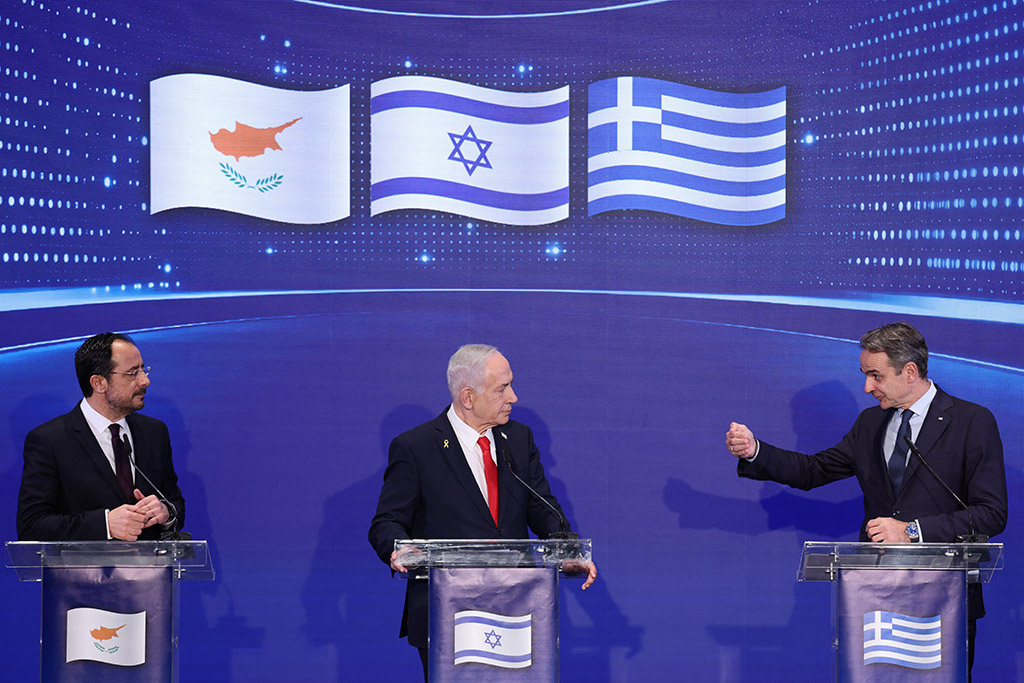
    The trilateral agreement between Cyprus, Greece, and Israel on December 22 aims to promote the Great Sea Interconnector, linking it to the India-Middle East-Europe Economic Corridor (IMEC). Israeli Prime Minister Benjamin Netanyahu underscored the significance of this collaboration, highlighting its potential to enhance energy connectivity between Europe, Asia, and the Arabian Peninsula.

    Despite the commitment, Hadjistassou referred to the project as the “not-so-Great Sea Interconnector” due to lingering uncertainties about its viability and investor interest. The financial burden of the project will largely fall on Cypriot taxpayers, raising concerns about the effective use of funds.

    Renewable Energy Integration Challenges

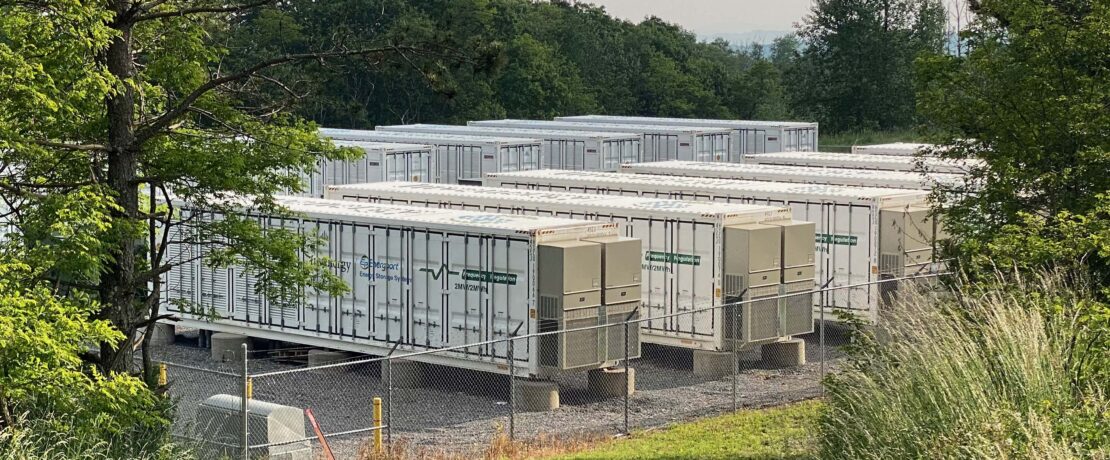
    As Cyprus grapples with its energy transition, integrating renewables into the grid remains a pressing issue. Hadjistassou warned that power cuts are likely to increase in 2026, particularly during periods of low electricity demand when the generation from renewable sources peaks. Without adequate battery storage, a significant portion of this generated electricity could go to waste.

    He suggested that a portion of the surplus electricity could be redirected to desalination plants to combat water scarcity, highlighting the need for innovative solutions to manage excess electricity.

    The Future of Electricity Supply

    Another critical concern for 2026 will be ensuring a stable electricity supply on the island. With the increasing reliance on renewable energy, the Dhekelia power plant’s role in maintaining grid stability is becoming more crucial. Although the Electricity Authority of Cyprus (EAC) plans to install gas turbines to enhance capacity, they will not be operational until 2028.

    In the meantime, the EAC expects to have a 160MWh battery bank at Dhekelia operational by summer 2026, which could help alleviate power cut issues. Additionally, the Transmission System Operator (TSO) aims to install another 400MWh of battery storage systems by mid-2026, further bolstering the island’s energy resilience.

    Looking Ahead

    Despite these initiatives, the cost of stored electricity will be higher than that generated from conventional sources and renewables, posing another challenge for consumers. As Ellinas summarised, 2026 is set to be another year of significant energy challenges for Cyprus, with urgent priorities including completing the LNG import project, enhancing electricity storage, upgrading the grid, increasing renewable energy installations, and deciding on the Great Sea Interconnector.

    With so many unresolved issues, stakeholders are urged to take swift action to ensure a more sustainable energy future for Cyprus.

  • Cyprus Energy Minister Affirms Commitment to Great Sea Interconnector Project

    Cyprus Energy Minister Affirms Commitment to Great Sea Interconnector Project

    The Great Sea Interconnector (GSI) remains a priority for the Cypriot government, according to Energy Minister George Papanastasiou, despite criticism regarding its financial viability.

    • The Great Sea Interconnector (GSI) remains a priority for the Cypriot government, according to Energy Minister George Papanastasiou, despite criticism regarding its financial viability.

    Minister’s Assurance Amidst Financial Concerns

    During an event in Paphos on Monday, Papanastasiou emphasised the need for Cyprus to maintain its focus on the GSI project. This statement came on the heels of remarks from Kyriacos Kakouris, the outgoing Vice President of the European Investment Bank (EIB), who labelled the project a “financial non-starter.”

    Defending the European Nature of the Project

    Papanastasiou countered the scepticism by highlighting that the GSI is a European initiative. He stated, “any commentary, from anyone else other than the European Commission, is superfluous,” indicating that outside opinions, including those from Greek and Cypriot officials, should be viewed with caution.

    Upcoming Meetings to Discuss the GSI

    The Energy Minister also confirmed that a crucial three-way meeting involving himself, his Greek counterpart, and the European Commissioner for Energy is scheduled for November 12 in Brussels. This follows an earlier teleconference on October 16, aimed at addressing concerns surrounding the GSI.

    The Great Sea Interconnector Explained

    The GSI is envisioned as a subsea cable that will connect the electricity grids of Cyprus and Greece. This interconnection is intended to bolster energy security and diversify energy sources for Cyprus, which is currently reliant on imported fuel.

    Financial Viability Under Scrutiny

    Kakouris raised several doubts about the GSI’s financial viability, stating that the EIB has yet to receive sufficient explanations from the Greek and Cypriot governments about how the interconnector fits into their broader energy plans. He expressed concern that the project, as it stands, does not appear to be viable based on existing regulatory decisions.

    He remarked, “On its own the project, based on the decisions of the regulatory authorities, appears not to be viable,” suggesting that additional political discussions are crucial to secure state support and guarantees, especially concerning geopolitical risks associated with the project.

    Escalating Costs and Consumer Concerns

    Compounding the challenges, Kakouris noted that the project’s costs have escalated significantly, with the initial estimate of €1.4 billion now deemed outdated. He warned that the cost of lending could effectively double the total financial outlay, extending repayment over a 20 to 25-year period. This raises questions about how these costs will affect electricity consumers in both Cyprus and Greece.

    According to Kakouris, clarity is needed regarding what consumers will be charged for the interconnector over time. The agreed reimbursement ratio dictates that two-thirds of the costs will fall on Cypriot consumers, while one-third will be the responsibility of Greek consumers. He insisted that there should be assurances that the charges do not outweigh the benefits.

    Political Reactions and Calls for Transparency

    The opposition party Akel has been vocal in its criticism of the government’s handling of the GSI project. They accused the administration of “speaking with a forked tongue” and failing to take decisive action to address the project’s viability.

    Akel has demanded immediate clarification from President Nikos Christodoulides regarding the absence of an official loan request to the EIB, the government’s intentions for potentially acquiring a stake in the GSI, and whether the project is considered financially sustainable.

    Looking Ahead

    As the scheduled meetings approach, the Cypriot government faces mounting pressure to provide clear answers and a viable path forward for the GSI. Papanastasiou’s steadfast commitment to the project suggests an unwavering belief in its potential benefits, despite the financial uncertainties that loom.

    Ultimately, the future of the Great Sea Interconnector hinges on successful negotiations, financial backing, and a transparent dialogue with consumers and stakeholders. The outcome will not only impact energy policy in Cyprus but also its relationship with Greece and the broader European energy landscape.

  • TSO Reviews 18 Energy Storage Applications in Cyprus

    TSO Reviews 18 Energy Storage Applications in Cyprus

    The Transmission System Operator (TSO) is currently reviewing 18 applications for energy storage projects in Cyprus, signalling a significant step towards enhancing the country’s energy infrastructure.

    In a recent statement, the TSO announced that it is collaborating with the Electricity Authority of Cyprus to facilitate the processing of these applications. The total capacity of the proposed energy storage systems amounts to 416 megawatts (MW) and 1,485 megawatt hours (MWh).

    Energy storage: Challenges for Some Applicants

    Among the 18 applications, six have encountered issues due to technical requirements associated with the construction of large energy storage facilities. The TSO has determined that establishing a transmission substation is necessary for these larger projects. However, this requirement has posed challenges for applicants who are limited by the physical space allocated to them.

    Despite these hurdles, the TSO is in discussions with the Electricity Authority of Cyprus to explore the possibility of granting permits for these applications, albeit at lower power outputs than initially proposed.

    Prospects for Other Applications

    The remaining 12 applications appear to have a more favourable outlook. The TSO indicated that these projects are likely to receive permits for connection to the medium-voltage system, which would enable them to proceed more smoothly.

    Preliminary Approvals Granted

    In addition to the ongoing reviews, the TSO has already granted preliminary approval for connection to the medium-voltage system to eight additional applicants, representing a combined capacity of 231 MW and 570 MWh.

    To promote transparency, the TSO has made the full list of applications available on its website, allowing the public to easily access information about the energy storage projects under consideration.

    The Role of the TSO

    The Transmission System Operator plays a critical role in maintaining the stability of Cyprus’s energy grid. Their responsibilities include balancing supply and demand, ensuring system security, and overseeing the overall maintenance of the electricity network.