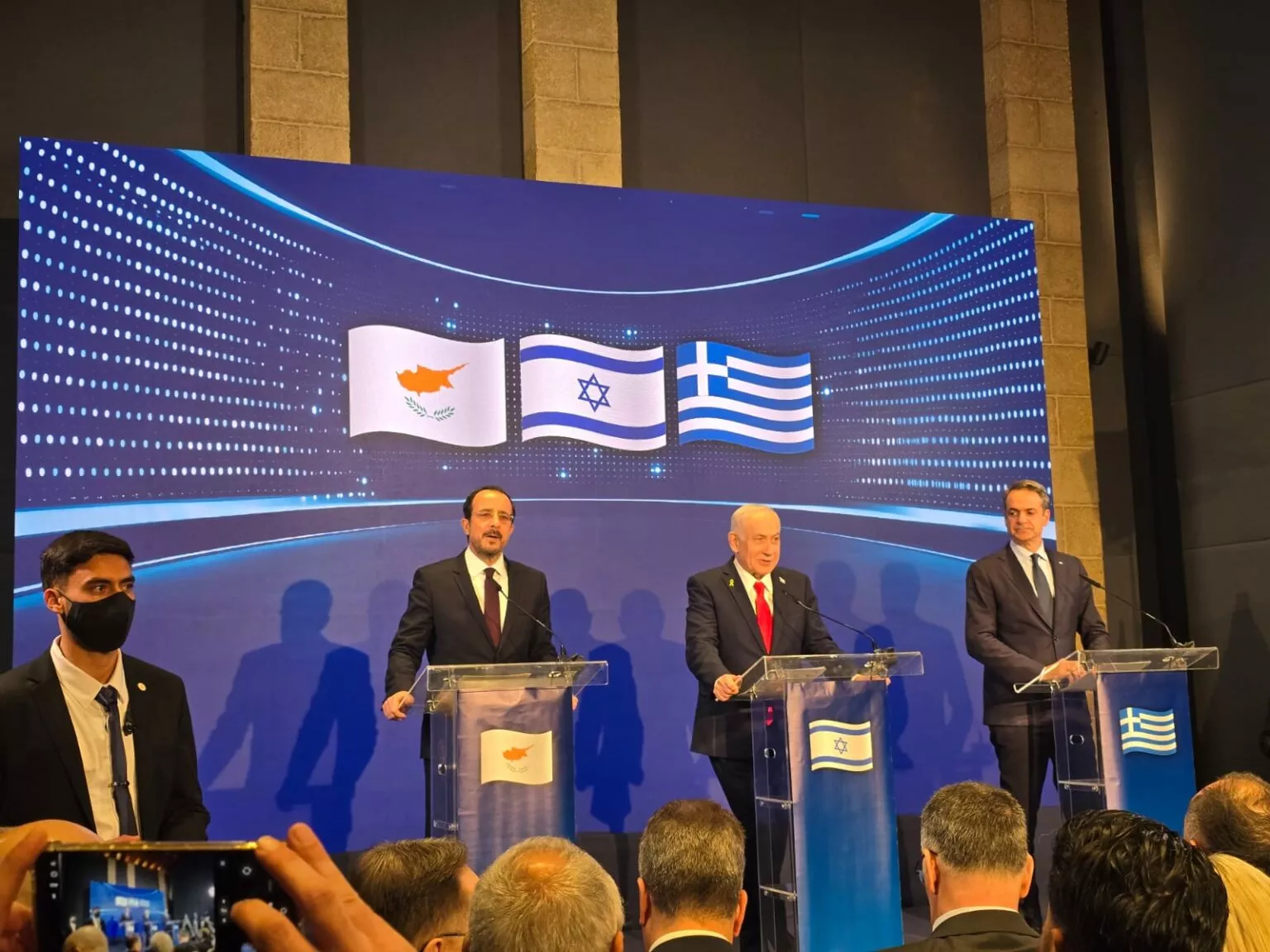
military cooperation — Cyprus, Greece and Israel have agreed to deepen military ties, reflecting a shared commitment to enhance cooperation among their armed forces during the 10th trilateral summit in Jerusalem. The leaders of the three nations—President Nikos Christodoulides of Cyprus, Prime Minister Kyriakos Mitsotakis of Greece, and Prime Minister Benjamin Netanyahu of Israel—issued a joint declaration acknowledging the historic significance of this collaboration amid evolving regional dynamics.
Military cooperation: Expanding Defence Collaboration
In their declaration, the leaders highlighted the necessity of strengthening defence and military cooperation, which they view as vital in addressing security challenges across the Eastern Mediterranean and beyond. They agreed to hold annual summits and increase trilateral meetings at ministerial and working levels, further solidifying their partnership.
Joint Military Initiatives
Reports have emerged suggesting that Greece, Cyprus, and Israel are exploring the creation of a joint rapid response brigade. This initiative aims to safeguard their energy interests in the Eastern Mediterranean while countering Turkish claims in the region. However, the Cypriot Ministry of Defence has downplayed these reports, indicating that while discussions are ongoing, no formal plans have been established.
Commitment to Security and Counter-Terrorism
The summit underscored a unified stance against terrorism, with leaders pledging to enhance cooperation in security matters. They reaffirmed their commitment to combating terrorism financing and ensuring maritime security, which is crucial for protecting sea lanes and critical infrastructure from emerging threats. The establishment of the Maritime Cyber Security Centre of Excellence in Cyprus is expected to commence operations in 2026, aiming to bolster regional maritime security efforts.
Humanitarian Efforts and Regional Stability
The leaders also recognised the humanitarian contributions of Cyprus and Greece towards Gaza, particularly through the Amalthea maritime corridor. This initiative is coordinated with Israel and international partners to facilitate humanitarian aid effectively. They reiterated the importance of ensuring that such aid reaches civilians safely and is not misused by extremist groups.
Emergency Preparedness Initiatives
As part of their cooperation framework, Cyprus, Greece, and Israel have agreed to establish a trilateral working group focused on emergency preparedness and response. This group will facilitate rapid assistance during natural disasters. Additionally, plans are underway for creating a Cyprus Regional Aerial Firefighting Station, which aims to enhance the capabilities of the three nations in responding to environmental crises.
Energy Collaboration and Infrastructure Projects
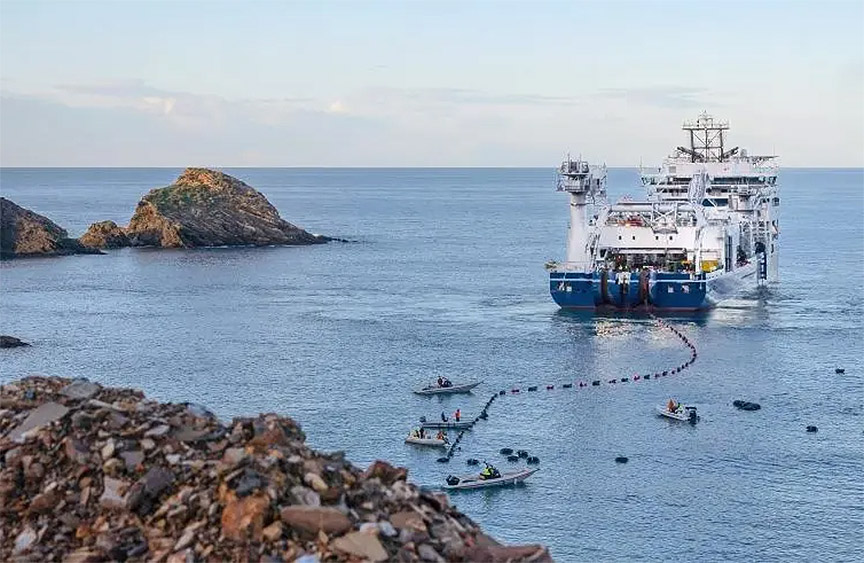
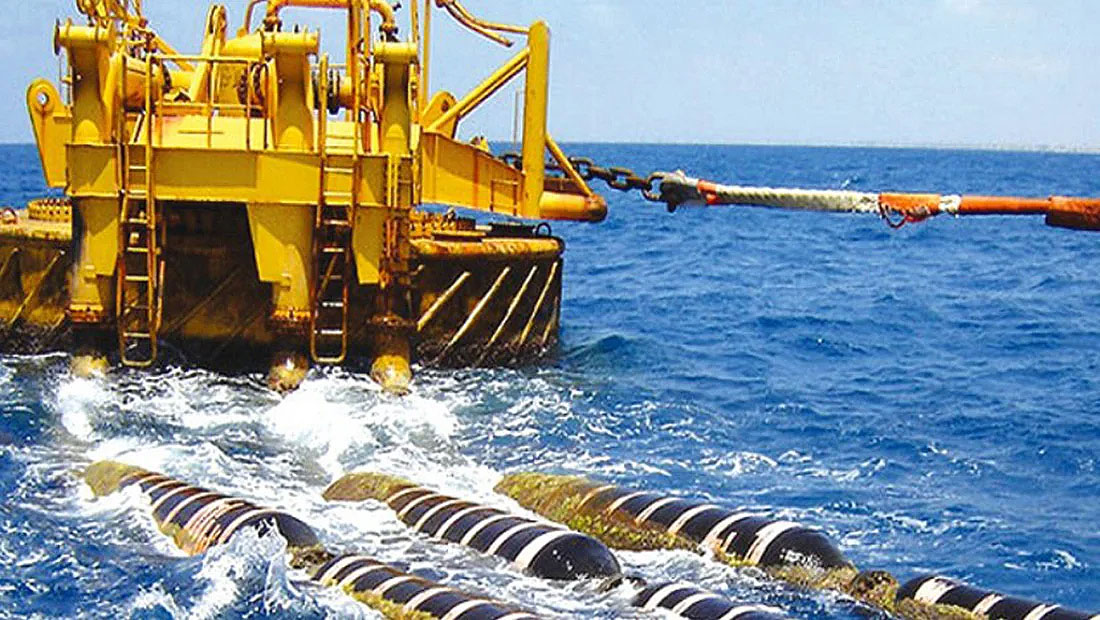
The summit also highlighted the commitment to joint energy projects, including natural gas development and renewable energy initiatives. The leaders referenced the Great Sea Interconnector project and the recent 3+1 Energy Ministerial Summit, which included participation from the US, as pivotal steps towards promoting energy security in the region.
Advancing Science and Technology Cooperation
In a bid to foster innovation, the leaders agreed to strengthen trilateral cooperation in science and technology. This includes the establishment of a working group dedicated to artificial intelligence and joint research initiatives, aiming to enhance their capabilities in critical policy areas and high-performance computing.
Deepening Cultural and Educational Ties
Beyond military and technological collaboration, the nations expressed a desire to deepen cultural, educational, and academic exchanges. They have committed to accelerating existing agreements on environmental education and youth exchanges, recognising the importance of people-to-people ties in strengthening their partnership.
Addressing Regional Challenges
The leaders acknowledged the complexities of the regional landscape, including the ongoing dialogue between Israel and Lebanon. They reiterated their support for Lebanon’s sovereignty and stressed the importance of maintaining the status quo at the Holy Places in Jerusalem, underscoring the city’s significance for Judaism, Christianity, and Islam.
As they look to the future, the leaders expressed optimism about the potential for collaboration. Christodoulides remarked on the reliability and resilience of their partnership, stating, “There are no limits to the prospects for cooperation between Cyprus, Greece, and Israel.” As the nations aim to solidify their commitments in defence, energy, and humanitarian efforts, their collaboration presents a strategic response to the challenges facing the region.