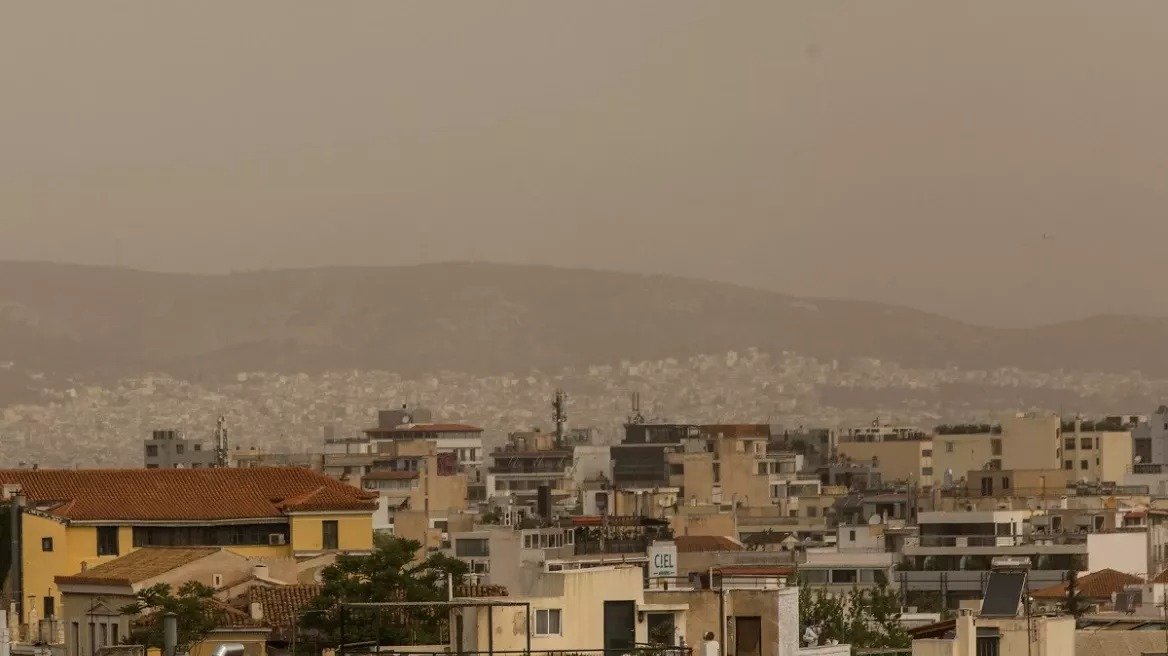
sahara dust — The Sahara dust episode has reached Cyprus, bringing record-high concentrations that have significantly impacted air quality and visibility across the island. The Cyprus Atmospheric Remote Sensing Observatory (CARO), part of the Eratosthenes Centre of Excellence, reported on Tuesday that dust levels in the lower atmosphere exceeded 2,000 μgr/m³.
- The observatory continues to monitor the dust concentrations and provide updates as the situation evolves, emphasising the need for public awareness and precautionary measures.
The dense particles are primarily concentrated within the first two kilometres above ground, causing vertical visibility to drop to less than one kilometre. This phenomenon, which began in recent days, is expected to peak in Limassol during Tuesday evening, as indicated by the MONARCH dust forecast model.
According to CARO, ground-level dust concentrations could reach 500 μgr/m³, a staggering ten times higher than the safety limits set by the Department of Labour Inspection. The observatory noted, “The current episode significantly affects air quality and visibility.”
Weather conditions have contributed to this dust storm, with a system that has also brought rainfall to some areas of Cyprus. Meteorologists predict this may lead to “wet deposition,” a process where rain helps to clear the suspended dust from the atmosphere more rapidly.
While the dust is expected to gradually dissipate by Thursday morning, another wave of dust is anticipated to return later that evening, prolonging the adverse conditions. In light of these events, the Department of Labour Inspection has advised vulnerable groups, such as children, the elderly, and those with respiratory conditions, to limit outdoor activities during this period.
Employers are also urged to implement necessary measures to safeguard workers exposed to outdoor conditions. The situation has escalated as cities like Paphos and Larnaca experience dust levels triple the legal limit.
The observatory continues to monitor the dust concentrations and provide updates as the situation evolves, emphasising the need for public awareness and precautionary measures.