Tag: environmental protection

  • Police Conduct Anti-Poaching Raids, Seizing Over 1,000 Dead Wild Birds

    Police Conduct Anti-Poaching Raids, Seizing Over 1,000 Dead Wild Birds

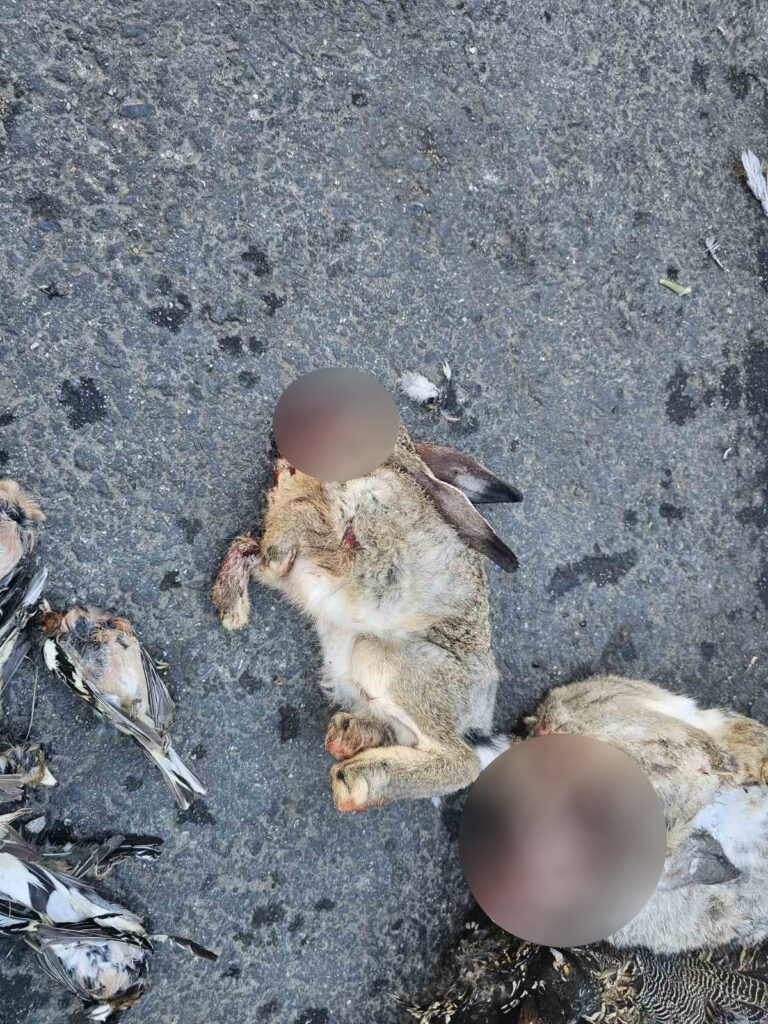
    Police have seized over 1,000 dead wild birds in a significant anti-poaching operation across Cyprus. Coordinated raids on Friday involved the Game and Fauna Service officers and targeted specific individuals linked to illegal wildlife activities.

    Photo: in-cyprus.philenews.com

    Wild birds: Coordinated Efforts Yield Substantial Results

    During the operation, which executed seven search warrants—five in the Nicosia district and two in Limassol—officers uncovered a staggering 1,008 dead wild birds. The raids were part of a broader effort to combat poaching and protect the country’s wildlife.

    Photo: in-cyprus.philenews.com

    Items Confiscated in the Raids

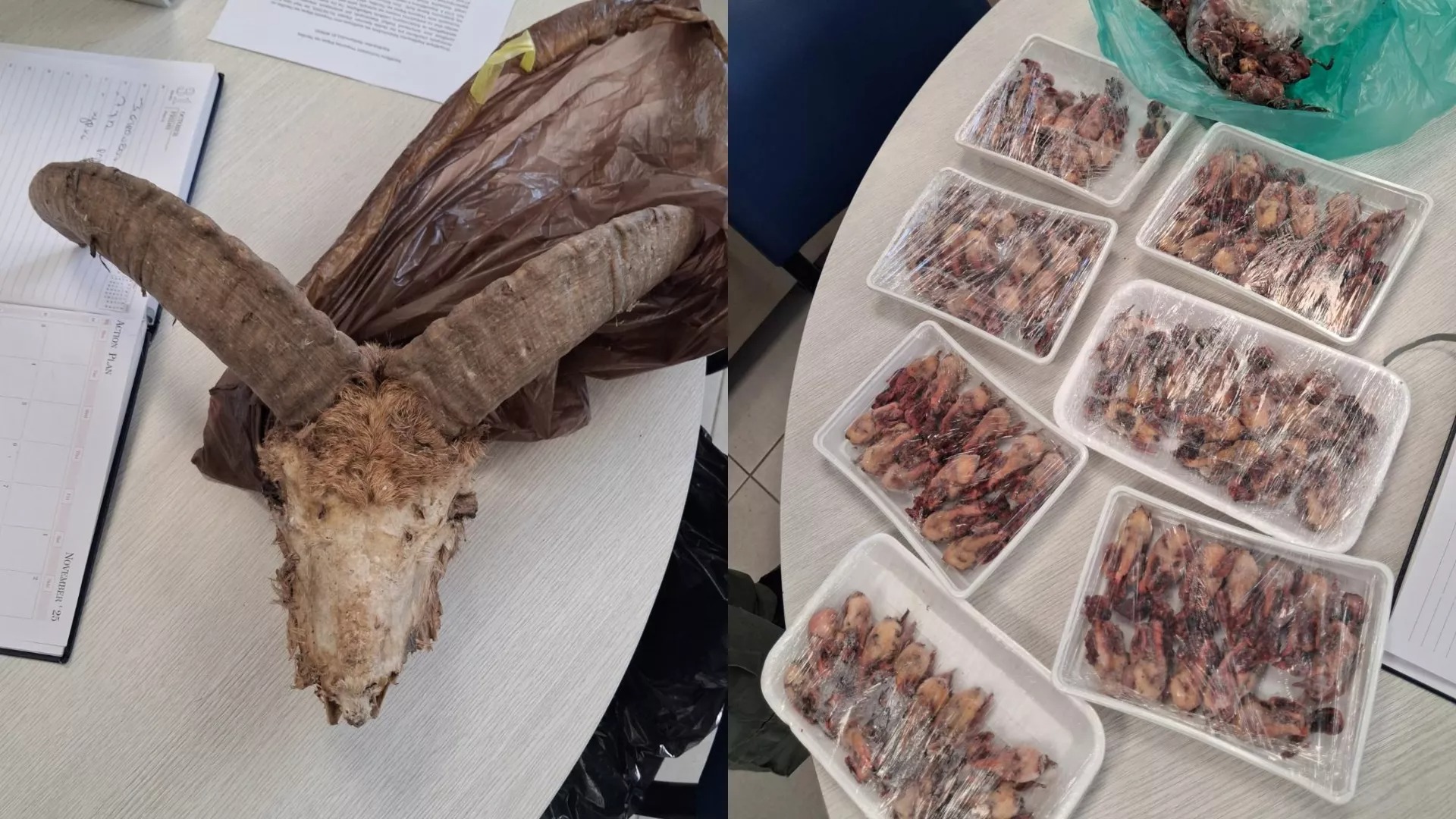
    In addition to the wild birds, authorities confiscated two moufflon skulls, three dead hares, seven dead partridges, and five dead francolins. The operation also resulted in the seizure of four hunting weapons, one of which had been modified, along with 47 steel traps intended for capturing wild birds.

    Live Animals and Illegal Equipment Found

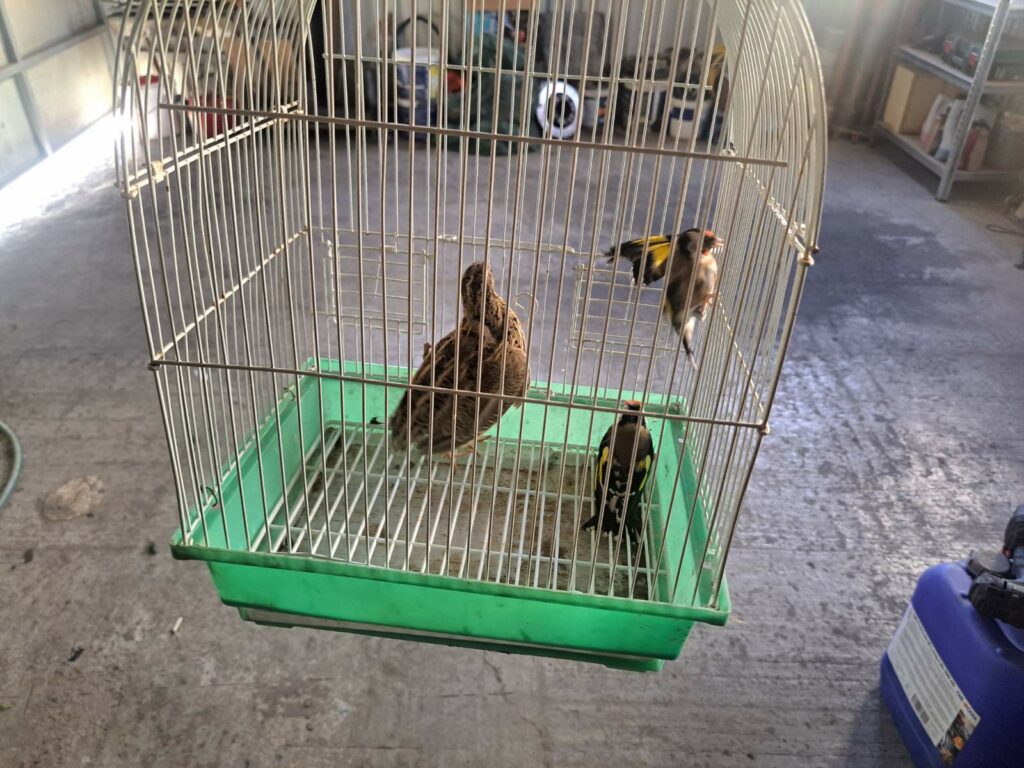
    Officers did not stop at dead animals; they also seized two live hares, three live wild birds, and one net used for trapping. Furthermore, a quantity of prohibited ammunition and three devices that emit wild bird calls were confiscated, highlighting the extent of illegal hunting practices in the region.

    Legal Action Following the Operation

    As a result of these coordinated efforts, five individuals have been charged. The Game and Fauna Service emphasised the importance of these operations in safeguarding Cyprus’s wildlife and enforcing conservation laws.

  • Larnaca Launches Door-to-Door Campaign to Tackle Mosquito Surge

    Larnaca Launches Door-to-Door Campaign to Tackle Mosquito Surge

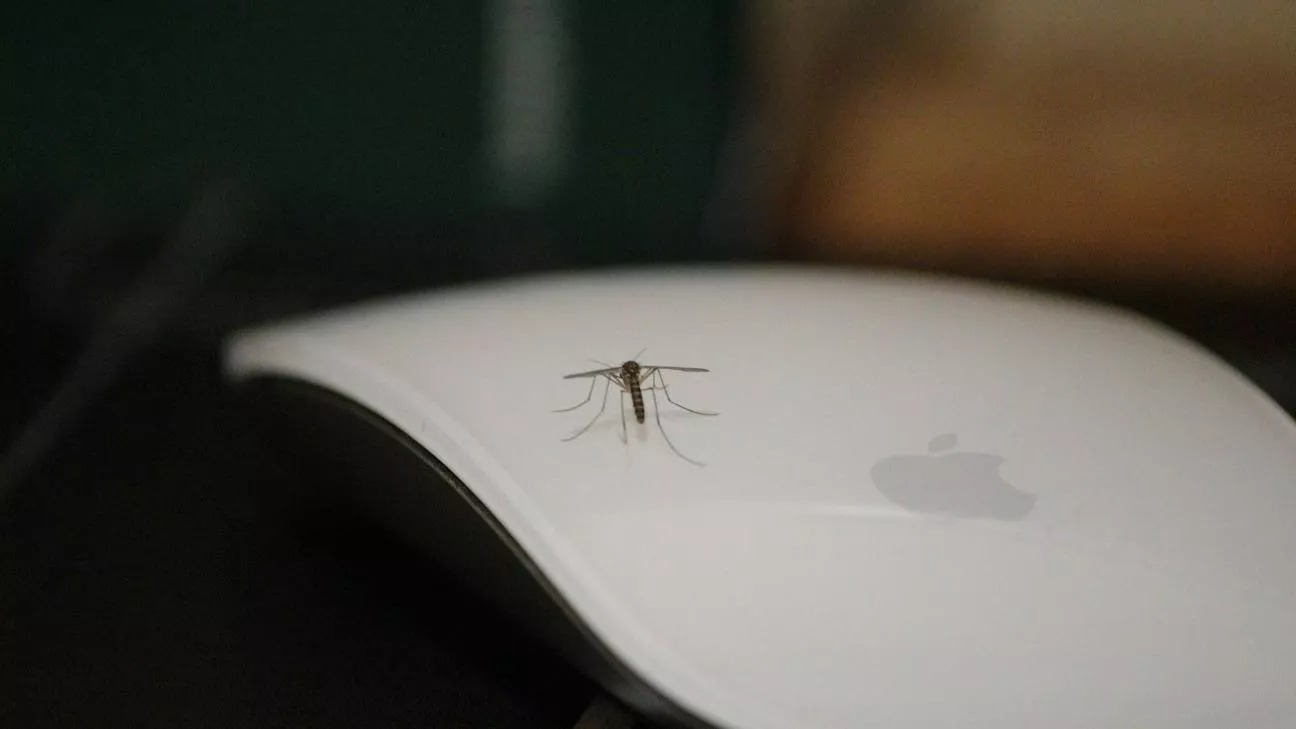
    mosquito surge — Larnaca municipality is actively addressing a surge in mosquito complaints through a door-to-door campaign in the Salt Lake area, where health officials have raised alarms about the presence of disease-carrying species in Cyprus.

    Mosquito surge: Municipal Efforts to Combat Mosquitoes

    The municipality’s Health Department is implementing a rigorous plan that includes spraying standing water, storm drains, and urban rivers every 10-12 days. This effort utilises biological insecticides that have been approved by the Ministry of Agriculture.

    Home Visits to Identify Breeding Sites

    Health teams from both municipal and provincial levels are visiting homes to help identify potential mosquito breeding sites and to educate residents about preventive measures. The department has noted that while standing water around the Salt Lake serves as a breeding ground for mosquitoes, spraying within the protected area itself is prohibited, with operations confined to the perimeter.

    Monitoring and Trapping

    To further combat the mosquito surge, the municipality has placed traps throughout the area. The Ministry of Health conducts regular checks to assess whether the mosquitoes pose a public health threat, testing samples to determine if disease-carrying species are present.

    In addition to common mosquitoes, residents report bites from sandflies, referred to as “silent mosquitoes,” along with other insects that thrive in trees, hedges, and decaying leaves.

    Identifying Home Breeding Sites

    The municipal Health Department spokesperson has indicated that the mosquito problem is exacerbated by two primary sources. Mosquitoes can breed inside homes, where authorities have identified common breeding sites including:

    • Plant pots
    • Exposed water containers
    • Old tyres
    • Small fountains

    “The campaign is year-round and covers the municipal districts under our jurisdiction, namely Livadia and Voroklini,” the spokesperson explained.

    Targeting Aedes Aegypti Species

    Health Ministry teams are conducting a focused door-to-door campaign aimed at the Aedes aegypti mosquito, educating the public on effective control measures. This species is particularly concerning due to its ability to transmit various infectious diseases.

    High-Risk Locations for Mosquito Breeding

    Municipal officials have pinpointed several locations that require special attention due to their potential for mosquito breeding:

    • Disused swimming pools
    • Old septic tanks not properly sealed
    • Construction site excavations
    • Old tyres and water storage barrels
    • Blocked storm drain grilles
    • Cemetery flower vases

    Disused swimming pools pose a major concern, while improperly sealed septic tanks create additional breeding grounds. Construction sites, too, can inadvertently contribute to the problem, especially if excavations collect water.

    Managing Tyre Risks

    Old tyres are particularly problematic, especially at outdoor tyre repair shops or garages. Authorities emphasise the importance of regularly removing tyres by licensed companies. If tyres are to remain on site for extended periods, they must be stored in covered areas to prevent rainwater accumulation.

    Flower Vases in Cemeteries

    Officials have also highlighted that cemetery flower vases can become breeding sites if water remains stagnant for long periods. Residents are advised to change the water in these vases every seven days to mitigate the risk.

    Health Risks Associated with Mosquitoes

    The mosquito species now identified in Cyprus are not just a nuisance; they can transmit serious infectious diseases to humans. These include:

    • Yellow Fever virus
    • Dengue Fever
    • Zika virus
    • West Nile virus

    As the mosquito situation escalates, public health officials are urging residents to remain vigilant and proactive in preventing mosquito breeding in and around their homes.

    Community Engagement and Support

    The municipality’s door-to-door campaign aims not only to inform residents but also to foster community engagement in combating the mosquito problem. Public cooperation is crucial in identifying and eliminating potential breeding sites.

    Officials encourage residents to report any issues they encounter, whether it be stagnant water or potential breeding grounds, to the municipality’s Health Department, ensuring a collective effort in managing this pressing public health concern.

  • Illegal Earthworks Threaten Paphos Monk Seal Habitat

    Illegal Earthworks Threaten Paphos Monk Seal Habitat

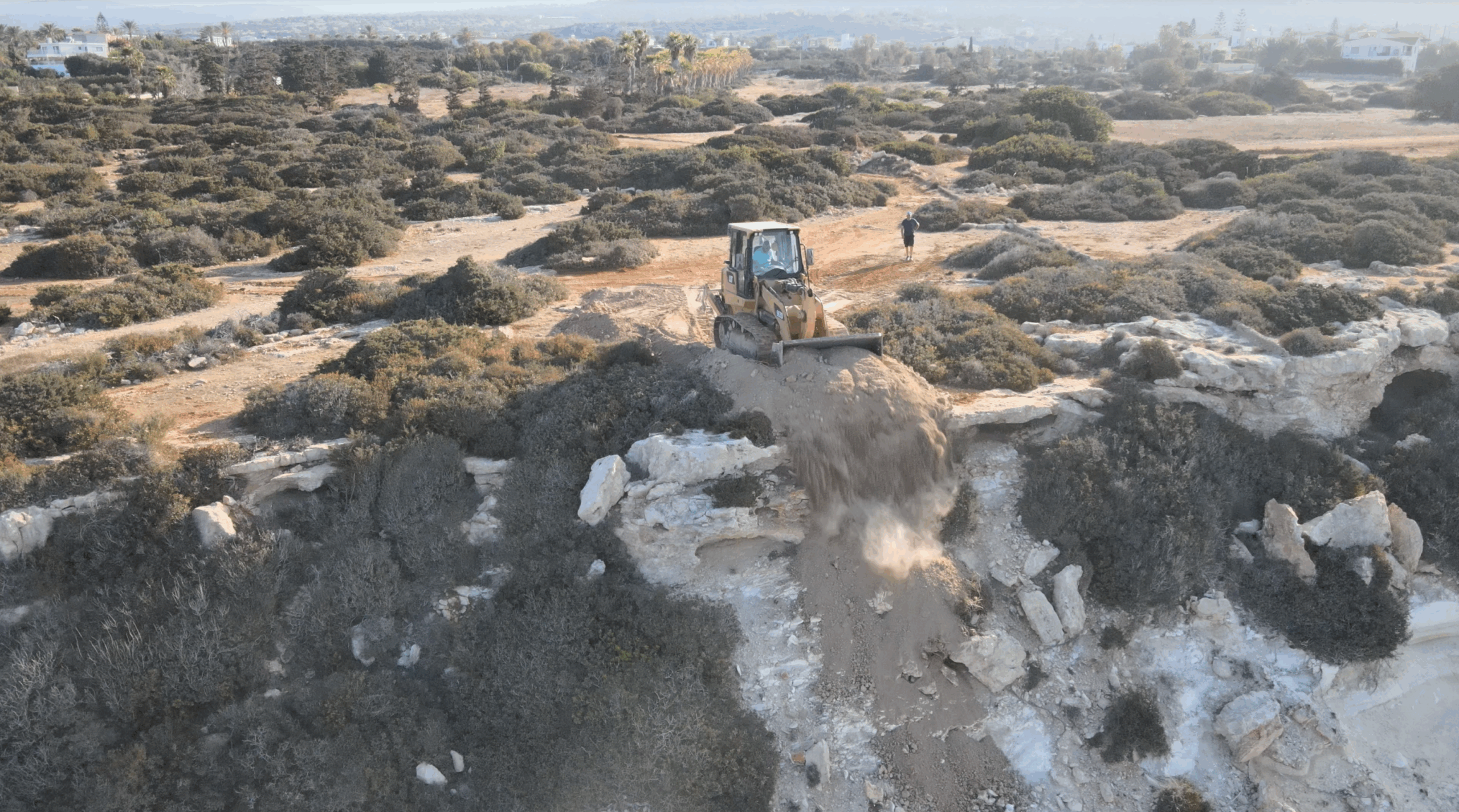
    Environmental group Terra Cypria has raised alarms over illegal earthworks threatening monk seal habitats in the Akamas Peninsula. The organisation has lodged formal complaints with both the Interior and Agriculture ministers regarding extensive excavation, landfill, and levelling operations occurring in the Asprovikla area.

    Photo: in-cyprus.philenews.com

    These operations are situated on plots adjacent to Natura 2000 network sites and strictly protected zones, including the Peyia Sea Caves Natural Micro-Reserve and the Peyia Marine Protected Area. The sea caves serve as a vital breeding ground for the Mediterranean monk seal, the most endangered seal species globally, and the only type in the Mediterranean.

    Terra Cypria claims that the illegal works have been conducted outside urban development zones and within designated coastal protection areas, involving land not owned by any known local businessman. The organisation has formally requested confirmation from authorities on whether the necessary planning or building permits were obtained, and if required environmental assessments were conducted.

    The municipalities of Akamas and the Environment Department have also filed complaints and taken administrative action against the alleged offender. They have informed the Paphos District Local Government Organisation to pursue further action within its competencies.

    The complaints were initiated following a citizen report made on 26 August, which documented large-scale land-clearing activities within plots 411, 434, and 435 of Akamas Municipality in Paphos district. This report, supplemented by photographic and satellite evidence, highlights the severity of the situation.

    Terra Cypria emphasised that these activities are occurring outside designated development boundaries, specifically within the Coastal Protection Zone as outlined by national legislation. The operations are alarmingly close to two Natura 2000 zones: the Akamas Peninsula Special Area of Conservation (CY4000010) and the Akamas Peninsula Special Protection Area (CY4000023), as well as bordering the Peyia Sea Caves Natural Micro-Reserve and the Peyia Sea Caves Marine Protected Area, both of which are protected by decisions from the Council of Ministers.

    The organisation reminded officials that projects within or near protected areas must undergo strict environmental assessments and adhere to both national and European legislation. In cases of confirmed violations, Terra Cypria demands that immediate sanctions be imposed.

    Letters detailing these concerns were sent to various officials, including the Auditor General and the Environment Commissioner, as well as representatives from the Department of Town Planning, Land Registry, and the Paphos District Administration. Terra Cypria has requested written responses within a month, as mandated by environmental legislation. They insist that such illegal activities pose a significant threat to biodiversity, the natural landscape, and the rule of law, especially when conducted without the knowledge or approval of competent authorities.

  • Cyprus Faces Environmental Neglect Amidst Growing Concerns

    Cyprus Faces Environmental Neglect Amidst Growing Concerns

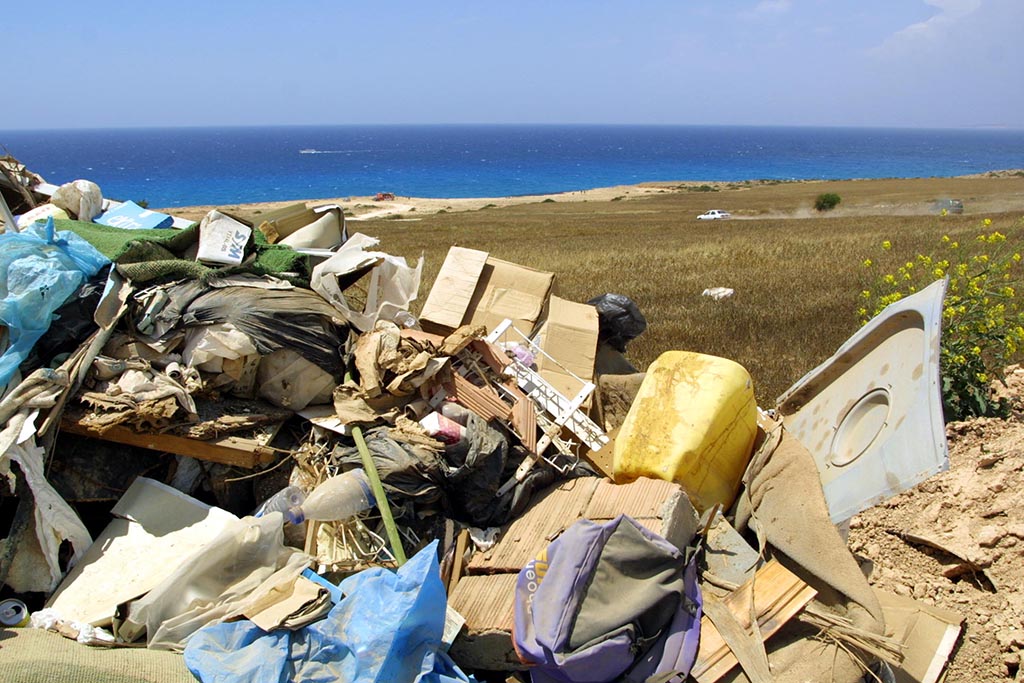
    environmental neglect — Cyprus is grappling with severe environmental neglect, highlighted by the presence of over 540 illegal rubbish dumps in Paphos alone. Reports indicate that waste is being carelessly dumped in state forests, such as in Pelendri, where debris is obstructing vital fire lanes. Furthermore, office furniture from state authorities has been abandoned in open fields in Yeri, illustrating a troubling disregard for proper waste management.

    Photo: cyprus-mail.com

    In a country where beaches are often littered with trash, clean-up efforts are sporadically initiated, primarily by private individuals rather than state initiatives. This neglect has prompted various organisations to raise alarms about Cyprus’ environmental protection record.

    In early August, an audit report revealed a “significant reluctance on the part of the state to adopt drastic and immediate measures” to tackle these violations. The situation is compounded by the European Union’s ongoing scrutiny, with Cyprus currently facing 16 active infringement procedures related to environmental issues.

    “For years the European Commission has identified that in Cyprus there is a systemic abuse of Article 6.3 of the Habitats Directive regarding the environmental appropriate assessment of projects in Cyprus,” said Tassos Shialis, BirdLife campaign coordinator. He pointed out that in March 2024, the European Commission escalated an infringement case to the European Court of Justice, urging Cyprus to take corrective measures for what he termed a “chronic problem.”

    Despite repeated warnings, Shialis noted that improvements in the application of environmental assessment procedures have been minimal. Large-scale projects, in particular, continue to be approved without adequate scrutiny, posing significant threats to Natura 2000 sites and protected species.

    The EU has a structured process for addressing such breaches, beginning with a letter of formal notice and potentially leading to fines if compliance is not achieved. In March 2024, the Commission reported that Cyprus had designated 37 special areas of conservation but had failed to establish necessary conservation measures for 28 of them. Furthermore, the objectives in place for five of these sites were deemed insufficient to protect local ecosystems.

    This pattern of negligence has persisted since Cyprus received its first letter of formal notice in June 2021, followed by a reasoned opinion in April 2022. The Commission’s referral to the Court of Justice highlights ongoing failures to safeguard critical habitats and species.

    According to the audit report issued in August, the state has shown a consistent disregard for EU environmental laws, with violations spanning urban planning, waste management, and habitat protection. Key examples include illegal developments in Ayia Thekla and Kouklia, as well as unauthorised constructions within Natura 2000 zones in Akamas.

    The report also details how the Lakatamia environmental centre was constructed without conducting an environmental impact study, illustrating a troubling lack of enforcement of existing laws. Although the regulations are in place and violators are known, the lack of effective law enforcement raises serious concerns.

    The responsibility for Cyprus’ environmental failures is complex and multifaceted. While the government holds a significant portion of the blame, the country’s ranking of 32nd out of 34 in a recent EU comparison highlights a concerning trend in environmental backsliding. Despite commitments to the UN’s Sustainable Development Goals, progress remains slow.

    Local projects often emerge in collaboration with municipal authorities, but approval processes can be convoluted, involving multiple stakeholders, including private companies. The overlapping responsibilities of various government departments, local municipalities, and regulatory bodies complicate efforts to address everyday environmental issues, such as illegal dumping and pollution.

    The environment department, while responsive to inquiries, acknowledges the tangled web of accountability, making it challenging to pinpoint who is ultimately responsible for the growing waste crisis. Director Theodoulos Mesimeris stated, “According to the law, local authorities are responsible for the cleaning and illegal dumping of waste.” This fragmented responsibility contributes to the ongoing environmental challenges faced by Cyprus.
  • Cyprus Considers New Access Road to Paphos Airport Amid US Military Recommendations

    Cyprus Considers New Access Road to Paphos Airport Amid US Military Recommendations

    paphos airport — paphos airport — Cyprus is examining proposals for a second road access to Paphos International Airport and the Andreas Papandreou airbase following recommendations from the United States, marking a significant shift in prioritising national security over environmental concerns.

    The Defence Ministry has begun discussions with relevant authorities after receiving the US proposal, which deems the alternative route crucial for operational adequacy and emergency access to the military facility. A formal proposal is expected to be submitted to the Council of Ministers to advance the necessary procedures.

    Paphos airport: Proposed Coastal Route’s Environmental Challenges

    The envisioned coastal road would link Paphos International Airport with the tourist area of Paphos-Geroskipou, traversing the mouth of the Ezousas River within the Natura 2000 Special Protection Area that encompasses the estuaries of the Ezousas, Xeros, and Diarizos rivers.

    Environmental authorities have long opposed any road construction in this region, citing potential severe impacts on local ecosystems. The latest Special Ecological Assessment Report from June 2023 warned that the coastal road would lead to “serious, negative and irreversible impacts” on various species and habitats protected under EU regulations.

    Decades of Environmental Opposition

    For over twenty years, the Environmental Authority has consistently rejected road construction proposals, with studies conducted in 2005, 2009, 2016, 2017, 2022, and 2023 all highlighting significant threats to endangered sea turtle species and various wild bird populations. Officials argue that enhancing existing road infrastructure presents a more environmentally sound alternative.

    US Military’s Role in Infrastructure Planning

    The push for the new road access stems from recommendations by the 435th Contingency Response Squadron of the US Air Force, which is stationed in Germany. After two inspection visits to Cyprus, the unit outlined specific technical and operational proposals as part of an airbase upgrade programme.

    Reports indicate that the Andreas Papandreou airbase has begun to serve humanitarian missions, civilian evacuations, and as a transit hub. The US military’s involvement in planning includes runway extensions, hangar construction, and the development of a modern communications centre.

    Funding and Strategic Direction

    During President Christodoulides’s official visit to Washington on 30 October 2024, US financial support for the infrastructure project was confirmed, with commitments reportedly remaining intact following the recent presidential election.

    The Defence Ministry, in coordination with US military experts, is looking to weave this project into a broader dual-use infrastructure strategy that combines military and civilian applications, reflecting a new emphasis on national security in decision-making.