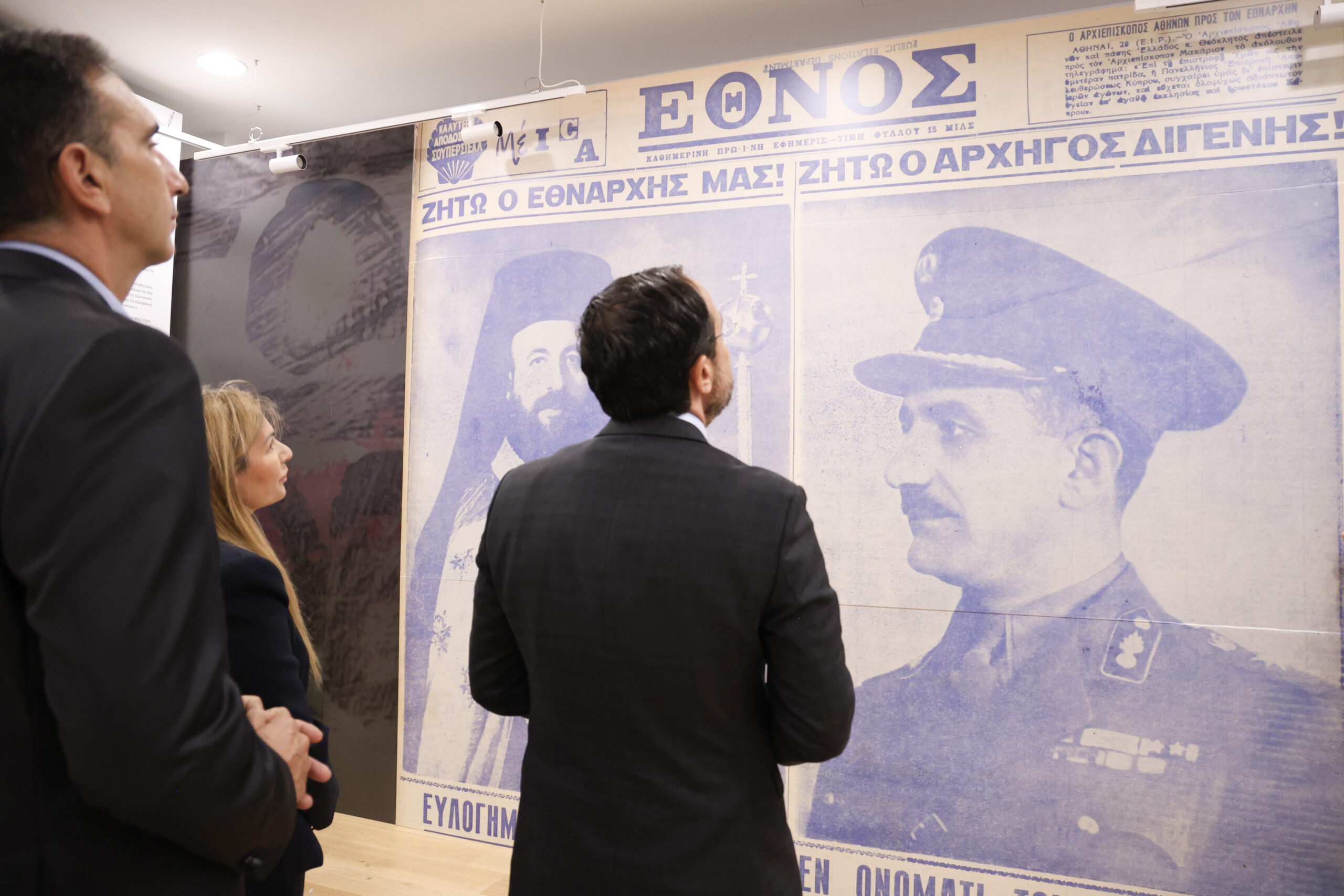
cypriot hellenism — The phrase ‘new era for Cypriot Hellenism’ resonated through the halls of the old Nicosia Old Town Hall as President Nikos Christodoulides inaugurated the ’70 Years of Eoka 1955-1959′ exhibition on Saturday. This event marks a significant reflection on the armed Eoka struggle that began in 1955, a pivotal moment in Cyprus’s quest for self-determination.

Photo: cyprus-mail.com
During his address, Christodoulides expressed profound pride in the sacrifices made by the ancestors of the Cypriot people. He remarked, “I am proud of our ancestors, of the people of our homeland, who, literally and figuratively burning with love for freedom and the Union with Greece and defying all danger and hesitation, joined the struggle and generously offered their services.” This sentiment encapsulates the enduring spirit of those who fought during the turbulent years of Eoka.

Photo: cyprus-mail.com
The exhibition, organised by the government Press and Information Office (PIO), showcases a rich collection of archived newspapers, photographs, and artefacts from the era, many of which are on display for the first time. Visitors are invited to engage with the history that shaped their nation, reflecting on the struggles faced in the pursuit of independence.
Christodoulides acknowledged that while Eoka’s struggle did not achieve the desired union with Greece, it ultimately led to the establishment of the Republic of Cyprus in 1960. He stated, “The struggle of Eoka 55-59 may not have led to the coveted union with Greece, but it did bring about the most valuable asset to date, our statehood, our greatest bargaining power.” This perspective highlights the complex legacy of Eoka, framed within the broader narrative of Cypriot identity and statehood.
As visitors traverse the exhibition, they can sense the “accumulated resentment” stemming from decades of foreign occupation following World War II. Christodoulides described the period as one of “decolonisation” for the island, noting the disappointment felt by many as their aspirations for self-determination were repeatedly thwarted. He emphasised the importance of remembering these struggles, stating that the memories of Eoka have been passed down through generations.
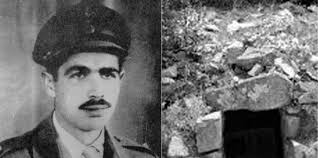
The president paid tribute to notable Eoka fighters such as Kyriakos Matsis, Gregoris Afxentiou, Markos Drakos, and Evagoras Pallikarides. They were hailed as “seeds in the land of Cyprus which bore fruit in its freedom and independence.” Such recognition serves to honour the contributions made by these individuals in the fight against colonial rule.
As discussions continue regarding the future of Cyprus, including a forthcoming meeting between the island’s leaders and UN envoy Maria Holguin, Christodoulides was careful to position the exhibition within the context of ongoing negotiations. He stressed that the exhibition does not undermine current efforts to resolve the Cyprus issue. “The viability, the functionality of a possible solution goes to a very large extent through respect for the historical identity of each person and certainly not through self-abolition,” he said. This statement reinforces the idea that understanding and respecting history is crucial for any future resolution.
The ’70 Years of Eoka 1955-1959′ exhibition opens to the public on Sunday and will be accessible until December 12. Visitors can enjoy free entry from Monday to Friday between 4pm and 7pm, and on weekends from 10am to 6pm. This initiative not only serves as a reminder of the island’s tumultuous past but also invites a dialogue about its future.