Tag: EU

  • Kombos Urges EU to Foster Cooperation and Dialogue with the US

    Kombos Urges EU to Foster Cooperation and Dialogue with the US

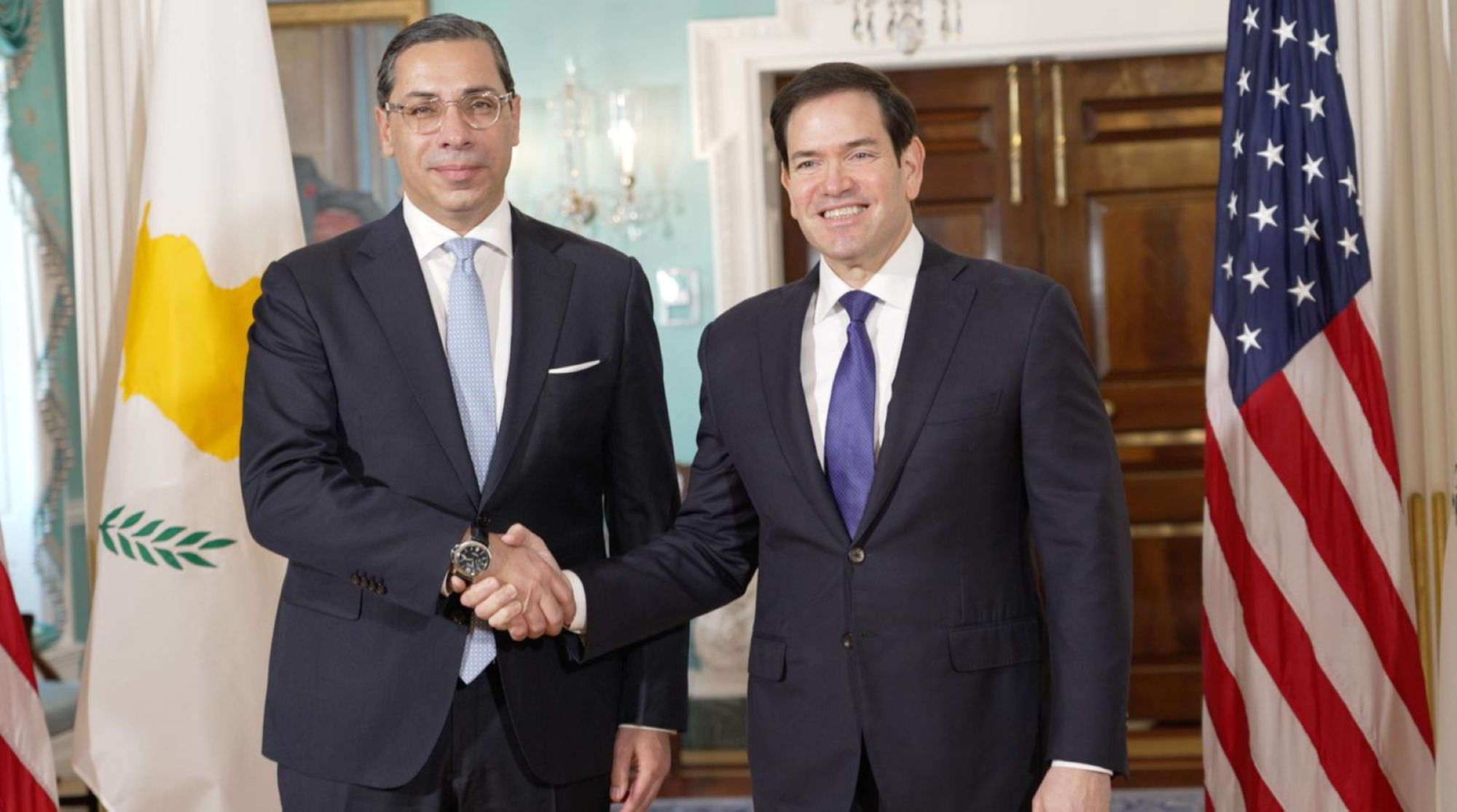
    Foreign Minister Constantinos Kombos emphasised the importance of maintaining a forward-looking cooperation and constructive dialogue with the United States. Speaking on Wednesday, he stated that this longstanding partnership must be preserved, particularly in times of uncertainty.

    • The overarching goal remains clear: to avoid escalation, which could detrimentally affect both the EU and US, as well as transatlantic relations.
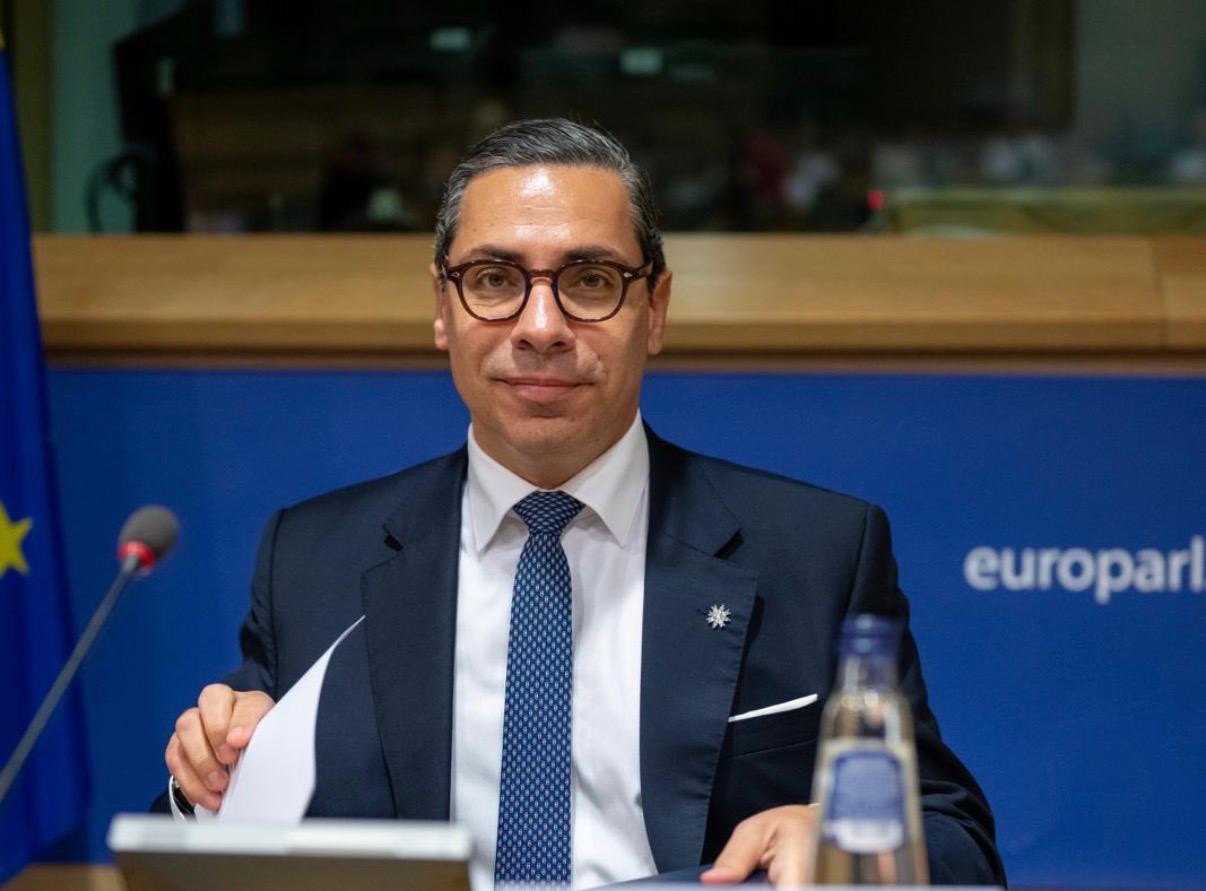
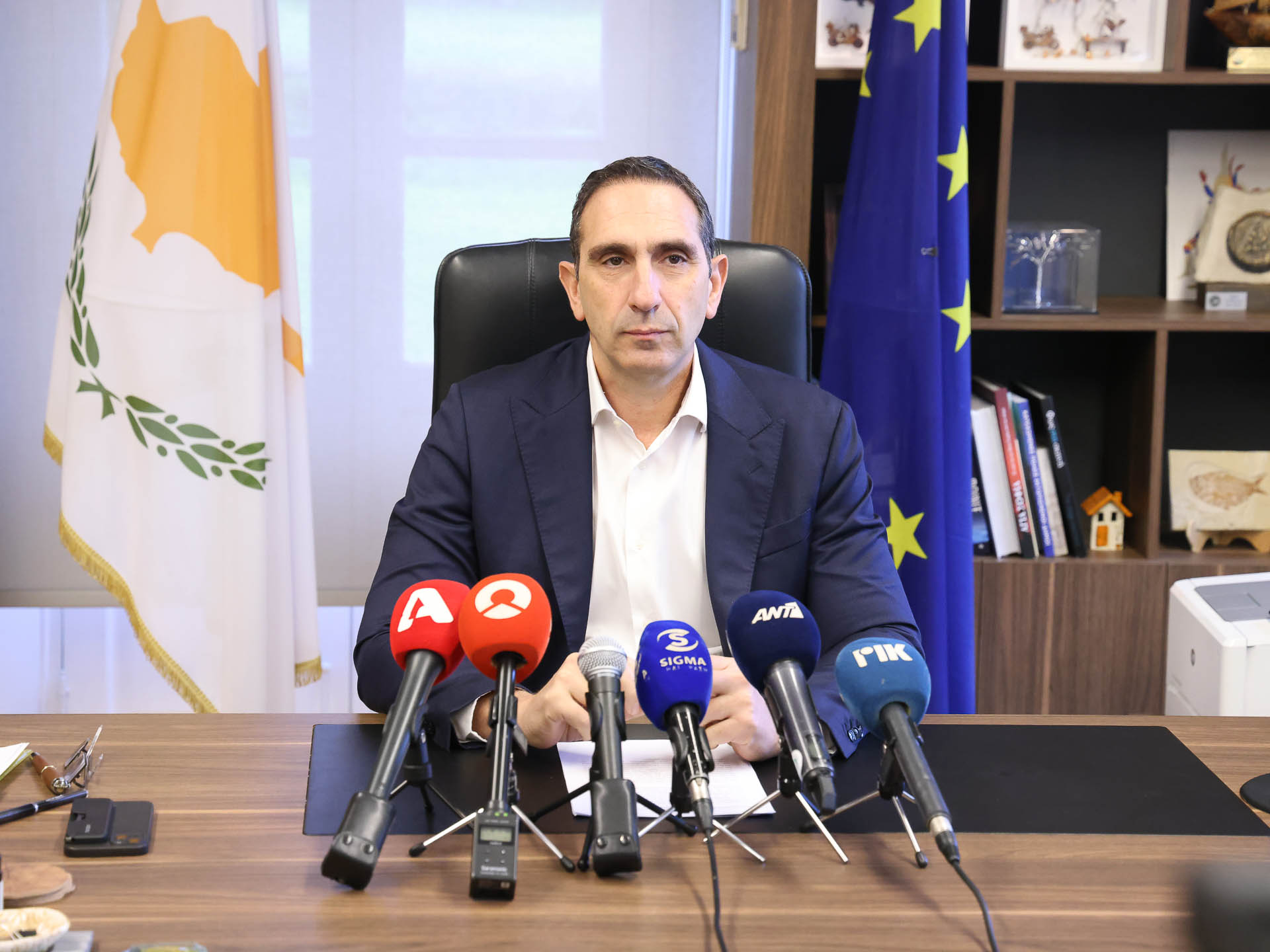
    Kombos highlighted the need to focus on areas of convergence while also addressing contentious issues. “We seek to maintain a forward-looking cooperation and a constructive dialogue with the United States,” he remarked.

    Concerns over Greenland’s status have raised tensions, especially following previous demands from former President Donald Trump for the territory to be transferred to US control. Kombos noted that the EU has been following these developments closely, advocating for sincerity and stability in fundamental values and respect for geopolitical integrity.

    He expressed full solidarity with Denmark regarding its sovereignty and territorial integrity. These statements came after European Affairs Deputy Minister Marilena Raouna praised the EU’s unity and resolve in response to Trump’s Greenland comments during a European general affairs council meeting in Brussels.

    Raouna stated, “The EU acted with unity, with resolve, demonstrating that even in the most challenging of circumstances, it remains committed to upholding international legality and territorial integrity.” She underscored the necessity of maintaining strong relations with the US while conveying a clear message of unity and determination from the EU.

    As the holder of the Council of the EU’s rotating presidency, Cyprus is focusing on dialogue and diplomacy, especially in light of ongoing geopolitical developments. Raouna’s remarks came alongside President Nikos Christodoulides’ assertion that EU-US relations have not been irreparably harmed by Trump’s rhetoric.

    Christodoulides stated, “We are here to de-escalate, not to escalate,” while reiterating the EU’s commitment to finding positive pathways forward without undermining the sovereignty of any member state. He stressed that the EU respects the sovereignty and territorial integrity of Denmark and understands the implications of such violations more than any other member state.

    The overarching goal remains clear: to avoid escalation, which could detrimentally affect both the EU and US, as well as transatlantic relations.
  • EU Must Act on Gaza, Says Cyprus Foreign Minister

    EU Must Act on Gaza, Says Cyprus Foreign Minister

    The European Union “cannot remain mere observers” on the matter of Gaza, stated Foreign Minister Constantinos Kombos during a session with the European Parliament’s foreign affairs committee on Wednesday.

    • “Efforts are being made by Brussels to formulate a common position and stance in this regard,” he said, adding that these conversations “have not yet reached a conclusion.”

    Kombos emphasised the need for the EU to coordinate its efforts fully and act based on international law. He highlighted Cyprus’s significant contributions in humanitarian efforts, particularly through the Amalthea humanitarian aid corridor. “We must move in full coordination and on the basis of international law,” he asserted.

    His remarks come in light of the Cypriot government’s recent announcements regarding its potential participation in the United States’ Gaza Board of Peace. Last week, Kombos indicated that Cyprus would await a unified EU position before deciding on involvement, noting that discussions in Brussels to formulate a common stance are ongoing.

    “Efforts are being made by Brussels to formulate a common position and stance in this regard,” he said, adding that these conversations “have not yet reached a conclusion.”

    Cyprus’s approach has been characterised by a careful and balanced strategy, as communicated to the American side. The Foreign Minister mentioned that the government is maintaining a “particularly positive approach” towards the prospect of joining the Board of Peace, which seeks to address the complex issues facing Gaza.

    There have been reports that Cyprus received an invitation to join the board. According to Bloomberg, however, each participating country may be required to pay a membership fee of $1 billion. This claim was later addressed by Government spokesman Konstantinos Letymbiotis, who clarified that the reports do not reflect reality.

    Notably, Russian President Vladimir Putin was also invited to join the board, and he confirmed the existence of the $1 billion fee. The Board of Peace is designed to include a broad coalition of countries focused on stabilising Gaza.

    The board will also have a seven-member executive team, which includes prominent figures like US Secretary of State Marco Rubio, US special envoy to the Middle East Steve Witkoff, and former British Prime Minister Sir Tony Blair. Each member will oversee critical portfolios aimed at fostering long-term success and governance in Gaza.

    Bulgarian diplomat Nickolay Mladenov, who previously served as the UN’s special coordinator for the Middle East peace process, has been appointed as the board’s high representative for Gaza. The White House stated he would serve as the on-the-ground link between the Board of Peace and a new national committee for Gaza’s administration, led by civil engineer Ali Shaath.

    In a parallel initiative, the White House has established a separate “Gaza executive board” tasked with supporting effective governance and delivering essential services aimed at promoting peace and prosperity for the region. This board includes notable members such as Sigrid Kaag, the incumbent UN special coordinator for the Middle East peace process, and Turkish Foreign Minister Hakan Fidan.

  • Ioannou Commits to Tackling EU’s Housing Crisis During Cyprus Presidency

    Ioannou Commits to Tackling EU’s Housing Crisis During Cyprus Presidency

    Interior Minister Constantinos Ioannou has pledged to address the EU’s rapidly worsening housing problem during Cyprus’ six-month presidency of the Council of the European Union. He highlighted the urgency of affordable housing as a critical issue affecting all 27 member states.

    Speaking on Friday, Ioannou stressed that while housing policy is primarily a national responsibility, the growing challenges faced by many European citizens in accessing affordable and sustainable housing necessitate a coordinated response from the EU. “The increasing difficulty for a large number of European citizens to secure access to affordable and sustainable housing makes a coordinated European response necessary,” he stated.

    The upcoming appointment of Dan Jorgensen as the European housing commissioner by European Commission President Ursula von der Leyen in 2024 underscores the recognition of the housing crisis at the highest political levels within the EU. Ioannou noted, “Addressing the housing crisis is a complex undertaking, but there is strong political will for cooperation so that the crisis can be turned into an opportunity for the EU, for the benefit of European citizens.”

    To facilitate discussions on this pressing issue, Cyprus will host an informal ministerial meeting on housing in May. This meeting aims to bring together EU officials to strategise on effective solutions. Additionally, the European Commission released a plan last month specifically targeting affordable housing, which is structured around four key pillars.

    Housing crisis: Four Pillars of the Housing Plan

    The first pillar focuses on boosting housing supply. The Commission aims to enhance productivity and innovation in construction by promoting advanced materials and methods, including offsite and modular construction. They plan to cut red tape to expedite housing supply through a new “housing simplification package.” This initiative seeks to reduce administrative burdens and improve cost efficiency in permitting and renovation processes.

    Investment Mobilisation Strategies

    To mobilise investment, the Commission proposes the creation of a new “pan-European investment platform” that will collaborate with the European Investment Bank and various national and regional financial institutions. Furthermore, a revision of state aid rules is on the cards, allowing member states to implement social and affordable housing projects more swiftly, without the need for prior approval from the Commission.

    Immediate Support and Market Regulations

    The third pillar aims to provide immediate support while also driving necessary reforms. This includes addressing issues stemming from short-term rentals, such as those offered by platforms like Airbnb, which have been contributing to local housing affordability problems. The Commission plans to introduce new legislative measures to balance the benefits of tourism with the housing needs of local populations.

    Additionally, the plan addresses speculation in the housing market, promoting transparency and identifying speculative behaviours that may be distorting market conditions. Structural reforms in areas such as spatial planning and taxation are also encouraged to streamline processes and enhance housing supply across the EU.

    Support for Vulnerable Groups

    Lastly, the plan prioritises the protection of the most affected populations. It aims to mobilise investments for student housing and develop innovative housing models tailored for young people and those from disadvantaged backgrounds. The Commission has committed to expanding social housing and implementing measures to prevent and address homelessness effectively.

    Through these initiatives, Ioannou and the EU aim to tackle the growing housing crisis, transforming it into an opportunity for improvement within the bloc. As Cyprus takes on its presidency, the focus will undoubtedly remain on fostering collaboration and implementing solutions that benefit European citizens.

  • Paphos banana — Paphos Banana Farmers Call for Protection Amid EU-Mercosur Trade Deal

    Paphos banana — Paphos Banana Farmers Call for Protection Amid EU-Mercosur Trade Deal

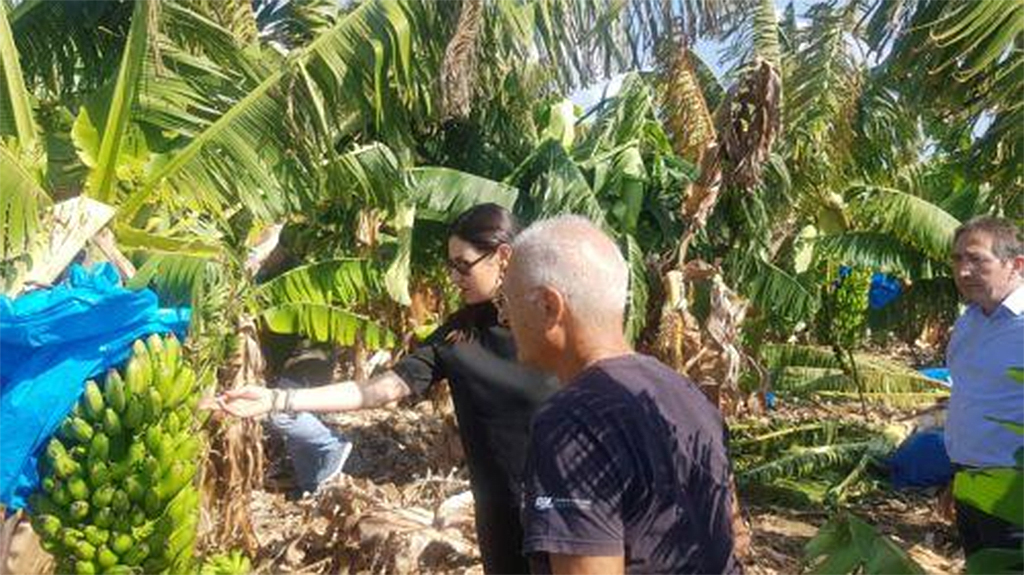
    Banana farmers in the Paphos district are urging for their protection as the EU-Mercosur trade deal takes shape. Nikolas Theodosiou, the deputy mayor of Kissonerga, emphasised the need for safeguards for local producers when the agreement becomes effective. He raised concerns that local farmers could be adversely affected by cheaper imports from Latin America.

    • As the signing date approaches, the concerns of Paphos banana farmers remain front and centre, highlighting the delicate balance between free trade agreements and local agricultural sustainability.

    Theodosiou articulated the challenges faced by local banana producers, stating, “The products coming in are often much cheaper than what local producers can afford to produce.” He warned that without adequate protection measures, these farmers could find themselves in a precarious position.

    The trade agreement, expected to be signed by European Commission President Ursula von der Leyen in Paraguay this Saturday, will establish the world’s largest free trade area, impacting over 700 million people. The deal aims to gradually eliminate tariffs on more than 90 per cent of bilateral trade between the EU and Mercosur, offering opportunities for various industries within Europe.

    However, the agricultural sector in Europe, particularly in regions like Cyprus, has raised alarms about potential negative impacts. Countries such as Argentina and Brazil are significant players in global agriculture, raising fears among EU farmers of being undercut by cheaper products. Some European farmers have expressed their concerns vocally; on Tuesday, over 350 tractors protested in Paris, with demonstrations also occurring in Ireland, where local media reported around 20,000 people took to the streets in opposition.

    Despite the backlash, the European Council approved the deal last Friday, albeit with dissent from Austria, France, Hungary, Ireland, Poland, and an abstention from Belgium. Italy, which had previously opposed the agreement, surprisingly voted in favour.

    President Nikos Christodoulides hailed the approval as a “historic milestone,” asserting that it reflects a commitment to a robust and open trade policy. Trade Minister Michael Damianos echoed this sentiment, stressing the importance of strengthening political cooperation and economic ties amid global uncertainties.

    Although the deal can be provisionally implemented without a vote in the European Parliament, the bloc’s director-general for trade, Sabine Weyland, has indicated that MEPs will have an opportunity to weigh in during a vote likely scheduled for February or March. This has left many in the Cypriot agricultural sector feeling uneasy, with Akel MP Yiannakis Gavriel warning that the deal could be devastating for Europe, particularly for smaller nations like Cyprus.

    As the signing date approaches, the concerns of Paphos banana farmers remain front and centre, highlighting the delicate balance between free trade agreements and local agricultural sustainability.

  • Kombos Discusses Venezuela with US Secretary of State Rubio

    Kombos Discusses Venezuela with US Secretary of State Rubio

    Foreign Minister Constantinos Kombos engaged in a significant conversation regarding Venezuela with United States Secretary of State Marco Rubio on Sunday. This call not only focused on Venezuela but also touched upon various pressing global matters.

    Venezuela: Key Topics of Discussion

    According to Tommy Pigott, deputy spokesman for the US Department of State, the dialogue included discussions about the United States’ counternarcotics operations in the Caribbean. This aspect of the conversation was framed within the context of the US government’s rationale for its recent actions against Venezuelan President Nicolas Maduro and his wife, Cilia Flores.

    Wider Global Context

    In addition to Venezuela, Kombos and Rubio also addressed the ongoing protests in Iran and the shared priorities during Cyprus’ presidency of the Council of the European Union, which runs from January to June. The Cypriot foreign ministry described the exchange as “forward-looking,” highlighting the importance of transatlantic relations and the strategic partnership between Cyprus and the US.

    Regional Developments and Concerns

    The conversation extended to regional developments in Syria and Iran, particularly in light of recent protests. The Cypriot government had reiterated its travel advisory against all travel to Iran just last week, underscoring the serious nature of the situation.

    Efforts for Peace in Ukraine

    Another topic of importance discussed was the ongoing efforts for lasting peace in Ukraine. The discussions reflect a broader concern for stability in various regions that have been affected by conflict.

    Maduro’s Legal Troubles

    As of now, Nicolas Maduro remains in New York following his capture in Venezuela and is facing criminal charges in the US related to drug trafficking. The implications of his capture and the subsequent actions taken by the US have stirred significant reactions both domestically and internationally.

    US President’s Stance on Energy Companies

    On the same day, US President Donald Trump threatened to restrict energy giant ExxonMobil from accessing Venezuela’s oil reserves. This statement came after ExxonMobil’s CEO, Darren Woods, labelled Venezuela as “uninvestable” during a meeting at the White House. This situation raises questions about the future of foreign investment in the Venezuelan oil sector.

    Reactions in Cyprus

    In Cyprus, the US actions regarding Venezuela have sparked a negative grassroots reaction. Despite the escalating tensions, Kombos maintained a measured stance on the day of Maduro’s capture, advocating for “de-escalation, restraint, and a resolution that respects international law.” He emphasised that Cyprus is closely monitoring developments in Venezuela in collaboration with the EU and other partners.

    EU’s Position on Maduro

    EU High Representative for Foreign Policy, Kaja Kallas, has also been vocal about the situation, stating that the EU is closely monitoring developments in Venezuela. She reiterated that the EU has consistently maintained that Maduro lacks legitimacy and supported a peaceful transition. The EU stresses the necessity of adhering to international law and the UN charter, underscoring that the safety of EU citizens remains a top priority.

    Protests Against US Actions

    Following the developments, a protest occurred outside the US embassy in Nicosia, led by Akel party leader Stefanos Stefanou. He expressed that there can be “no excuse” for the US’s actions in Venezuela, arguing that the intervention cannot be justified as a means to combat a dictatorial regime or drug trafficking. Stefanou’s remarks reflect a broader sentiment among various political factions in Cyprus regarding the US’s foreign interventions.

    Condemnation of Military Actions

    Other political parties in Cyprus have also voiced their objections to the US actions. The Volt party condemned any violation of international law, stating that military force should not substitute for diplomacy. This collective discontent indicates a growing apprehension regarding the ramifications of foreign interventions and their legality.

  • Turkey sanctions: Cyprus President Presents Evidence of Turkey’s Sanctions Violations to EU

    Turkey sanctions: Cyprus President Presents Evidence of Turkey’s Sanctions Violations to EU

    turkey sanctions — turkey sanctions — Cyprus President Nikos Christodoulides will present evidence of Turkey’s involvement in violations of sanctions against Russia during Thursday’s European Council session. This meeting is pivotal as it is the last before Cyprus takes over the EU Presidency on 1 January.

    Turkey sanctions: Focus on Supporting Ukraine

    Christodoulides intends to share specific data with other EU leaders that indicates breaches of European sanctions by Turkey. This follows a similar presentation made during his recent visit to Ukraine, where he met with President Volodymyr Zelensky.

    Upcoming Discussions on Financial Support

    One of the key topics at the Council will be Ukraine’s financial support for the 2026-27 period. Leaders aim to reach a consensus among the 27 member states, although Hungary has expressed reservations about the idea of common borrowing. The agenda includes discussions on utilising frozen Russian Central Bank assets to facilitate a compensation loan.

    Sanctions and Strategic Objectives

    The renewal of sanctions against Russia will ensure that Russian assets remain frozen until compensation is arranged for Ukraine. This strategy aims to alleviate the financial burden on EU member states while maintaining pressure on Russia to cease its military actions.

    Political Dynamics and Enlargement Discussions

    The upcoming session is also expected to address the EU’s enlargement, particularly concerning the Western Balkans, Ukraine, Moldova, and Turkey. Cyprus is keen on sending strong messages regarding its ongoing issues, especially with Turkey, and is committed to collaborating with the UN to support resolution efforts.

    Addressing Geo-Economic Challenges

    Christodoulides’ agenda will also touch upon the EU’s economic resilience in light of pressures from global powers like China and the United States. The discussions will focus on reducing dependence on external entities while enhancing the EU’s competitiveness and strategic autonomy.

    Multiannual Financial Framework Negotiations

    Another critical topic will be the draft of the Negotiating Box for the Multiannual Financial Framework (MFF) for 2028-2034. Member states aim for a political agreement by the end of 2026, as the MFF represents a significant priority for the upcoming Cyprus Presidency. The discussions will address various funding allocations, including support for Ukraine and the role of the Common Agricultural Policy.

    Diverging Views Among Member States

    Significant differences remain among member states regarding budget architecture and prioritisation. The proposed new MFF, amounting to €2 trillion, aims to redefine how the EU supports its initiatives, particularly with regards to security and economic stability.

  • France Positioned to Lead in Resolving Cyprus Problem, Says President Christodoulides

    France Positioned to Lead in Resolving Cyprus Problem, Says President Christodoulides

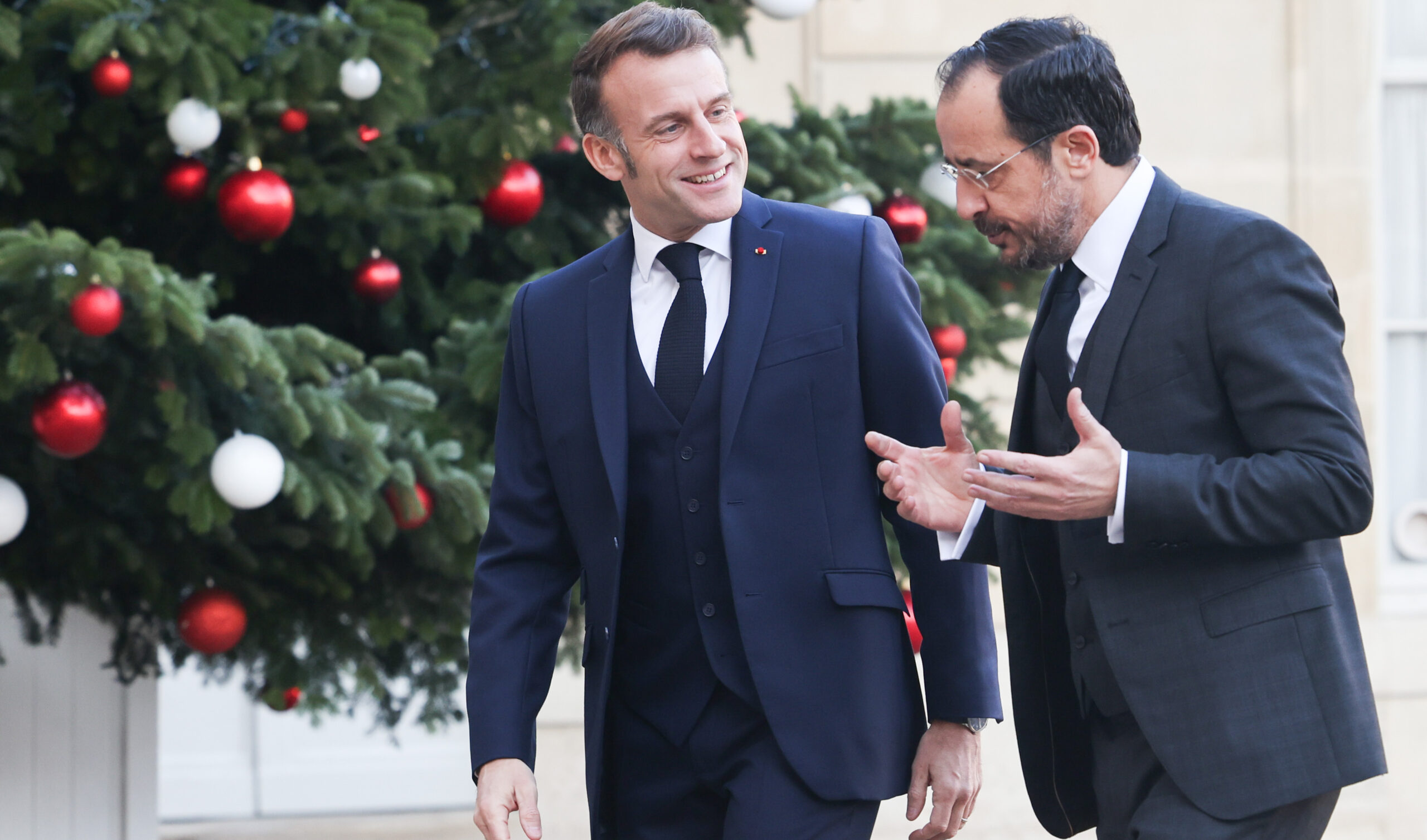
    France could and should play a leading role in efforts to solve the Cyprus problem, according to President Nikos Christodoulides. In a recent interview with Le Figaro, he expressed his hopes for increased French involvement, emphasising the unique position France holds within the European Union and the United Nations.

    Christodoulides noted that France is not only an EU member but also a permanent member of the UN Security Council, making it a key player in international discussions on the matter. “Any progress must be based on UN Security Council resolutions to allow us to move forward,” he stated.

    He stressed the importance of creating conditions conducive to resuming discussions centred around a bizonal and bicommunal federation, as outlined in various UN resolutions. “I am very pleased that this point was mentioned in a joint statement last week,” he added, referring to a tripartite meeting with UN envoy Maria Angela Holguin and Turkish Cypriot leader Tufan Erhurman.

    During the conversation, Christodoulides articulated a vision for a reunified Cyprus, where both Greek Cypriots and Turkish Cypriots would enjoy the same rights as citizens of EU member states. He asserted, “After the Cyprus issue is resolved, the Republic of Cyprus should be a fully functioning state.” This perspective aligns with broader goals for Cyprus to strengthen its role in the region post-resolution.

    The discussion surrounding France’s potential role in resolving the Cyprus problem comes on the heels of supportive remarks from French President Emmanuel Macron. Following the signing of a strategic partnership between France and Cyprus, Macron expressed his hopes for a solution that would allow all Cypriots to live together harmoniously on a reunified island. “France strongly supports the United Nations’ mediation efforts for a just, comprehensive, and lasting settlement of the Cyprus issue,” he stated.

    Macron’s commitment underscores the shared interest between Cyprus and France in fostering stability in the region. As diplomatic discussions continue, the call for deeper French involvement from President Christodoulides could pave the way for renewed efforts towards a long-awaited resolution.

  • Erhurman hahn: Tufan Erhurman Engages with EU Envoy Hahn Amid Controversy

    Erhurman hahn: Tufan Erhurman Engages with EU Envoy Hahn Amid Controversy

    erhurman hahn — erhurman hahn — The Turkish Cypriot leader Tufan Erhurman met this week with the European Union’s special representative for Cyprus, Johannes Hahn, sparking criticism from senior Turkish Cypriot officials who labelled the meeting a breach of protocol.

    Erhurman announced the meeting on social media on Wednesday evening, detailing discussions that revolved around EU-related issues pertinent to the island’s divided communities. Topics included the Schengen process, EU citizenship rights for children of mixed marriages, and direct contact with EU institutions.

    Erhurman hahn: Key Discussions on EU Matters

    During the meeting, Erhurman highlighted several significant matters, such as the ad hoc EU committee on alignment, rules regarding direct trade, the EU-supported GSI project, halloumi registration, and initiatives related to solar energy in the buffer zone. He accompanied his announcement with a photograph of the interaction with Hahn.

    Recent Joint Visits and Humanitarian Efforts

    This meeting followed a joint visit by Erhurman and the Greek Cypriot leader to the CMP anthropological laboratory, where they received updates on the organisation’s work concerning missing persons. Erhurman described supporting the laboratory as a duty and emphasised the importance of preventing the politicisation of its research. He expressed sympathy for families affected by the issue from both communities.

    Criticism from Turkish Cypriot Officials

    However, not all were supportive of the meeting. Turkish Cypriot Foreign Minister Tahsin Ertugruloglu publicly denounced the encounter, labelling it a mistake. He argued that Hahn’s role was appointed unilaterally by the European Commission, which he claimed only consulted with the Greek Cypriot leadership.

    Ertugruloglu contended that EU institutions have consistently favoured the Greek Cypriot side since the Republic of Cyprus’s accession to the EU in 2004. He reinforced that all Cyprus-related processes should occur under the oversight of the United Nations secretary-general, requiring consent from both sides for personal envoys and UN peacekeeping officials.

    Calls for Increased Cooperation and Equality

    The Foreign Minister further asserted that the Turkish Cypriot authorities view Hahn’s appointment as an internal EU issue and cannot recognise it in official negotiations. He cautioned that unilateral actions by the EU could jeopardise ongoing diplomatic efforts within the UN framework.

    Stressing the importance of cooperation based on sovereign equality, Ertugruloglu called for the EU to lift political, economic, and cultural restrictions on Turkish Cypriots. He argued that such steps would demonstrate a genuine commitment to the peace process on the island.

  • Horizon programme — Protesters Demand Israel’s Expulsion from EU Horizon Programme

    Horizon programme — Protesters Demand Israel’s Expulsion from EU Horizon Programme

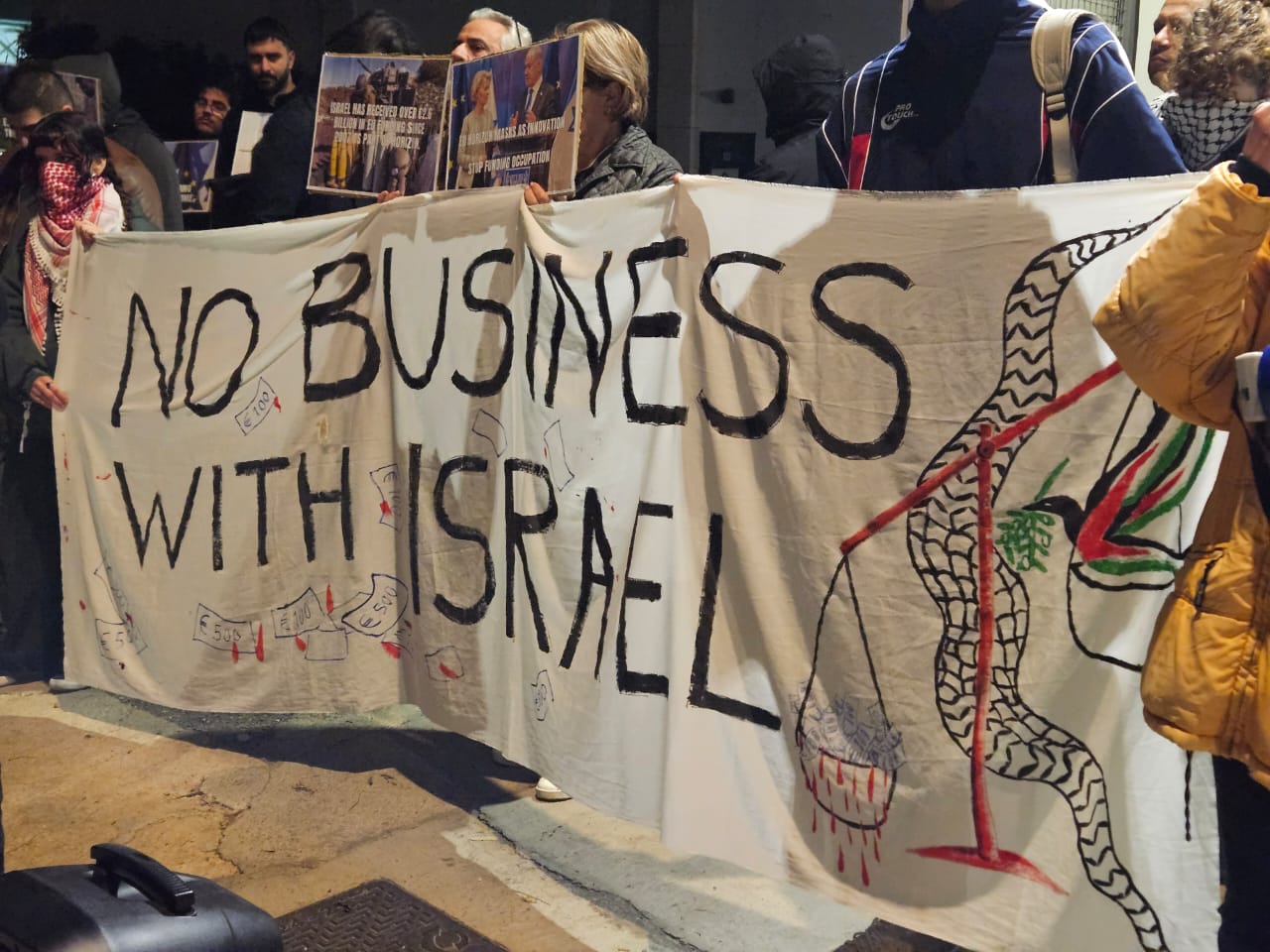
    Protesters are calling for Israel’s expulsion from the EU’s Horizon Programme during demonstrations across Europe, including a gathering in Nicosia, Cyprus. On Friday evening, around 30 to 40 activists braved the cold outside the EU Commission building, joining a wider campaign that spanned over 20 cities.

    Photo: cyprus-mail.com

    The Horizon Programme, a €95 billion initiative aimed at funding research and innovation, has been a focal point of criticism. Activists argue that Israel, with its privileged status allowing participation equivalent to that of EU member states, has been the recipient of substantial funding since 2014, totalling around €300 million annually.

    Photo: cyprus-mail.com

    One activist voiced concerns about the implications of this funding, stating, “€3 billion of EU funding going directly to a genocidal state.” The speaker condemned specific projects funded by Horizon, highlighting connections to Israeli aerospace industries and military technologies, including drones and interrogation techniques purportedly linked to human rights violations.

    As temperatures dropped, the protesters raised their voices against what they termed the EU’s hypocrisy. Chants like “EU Horizon, you can’t hide, we charge you with genocide!” echoed in the evening air. The gathering also served as a poignant reminder of the humanitarian crisis in Gaza, with one speaker noting the tragic deaths of three children due to the cold weather, underscoring the severity of the situation.

    The activists expressed frustration over the European Commission’s handling of Israel’s participation in the programme. They pointed out that since October 7, discussions of a suspension have been minimal, with proposals suggesting only a partial reduction in collaboration. This, they argue, falls short of the decisive action taken against Russia in April 2022, when the European Commission suspended its involvement in Horizon entirely.

    With calls for accountability and action resonating through the crowd, the protests in Nicosia reflect a growing sentiment among students and researchers in Europe. As the campaign unfolds, it seeks to challenge existing partnerships and highlight the ethical considerations surrounding funding in light of ongoing conflicts.

  • Christodoulides Urges Swift Action on Cyprus Meeting with Mitsotakis

    Christodoulides Urges Swift Action on Cyprus Meeting with Mitsotakis

    cyprus meeting — cyprus meeting — President Nikos Christodoulides emphasised the need for an enlarged meeting regarding the Cyprus problem during a telephone conversation with Greek Prime Minister Kyriakos Mitsotakis on Thursday. This discussion followed Christodoulides’ meeting with European Union envoy Johannes Hahn and came just before a tripartite meeting with Turkish Cypriot leader Tufan Erhurman and United Nations envoy Maria Angela Holguin.

    As one of Cyprus’ guarantor powers, Greece plays a crucial role in these discussions, typically represented by Foreign Minister Giorgos Gerapetritis. The aim is to foster dialogue among the involved parties, including Turkey and the United Kingdom, to address the longstanding issues surrounding Cyprus.

    During the call, Christodoulides articulated that the purpose of the day’s meetings was to pave the way for the resumption of substantive negotiations, which had been interrupted in Crans-Montana, Switzerland. A government statement reiterated that Nicosia and Athens are in complete alignment, steadily progressing towards the unchanged objective of resolving the Cyprus problem.

    The resolution, according to the statement, should adhere to the resolutions of the UN Security Council, the principles and values of the EU, and the European acquis communautaire. This framework underscores the importance of a comprehensive approach to the complex geopolitical dynamics at play.

    Following his meeting with Hahn, Christodoulides highlighted the significant role the European Union can play in the process. He noted that the EU has both political and institutional tools capable of supporting the resumption and progress of negotiations. “The EU’s active involvement is not only a strategic choice for Cyprus but also a recognition that the solution to the Cyprus problem is a European issue that affects the cohesion, stability, and security of the entire union,” he stated.

    Prime Minister Mitsotakis had previously reiterated Greece’s commitment to reunifying the island, stating that the Greek government’s positions are clear. He asserted that it is now up to other parties to demonstrate their willingness to restart talks within a framework defined by UN resolutions and the broader relationship between the EU and Turkey.

    Gerapetritis remarked that the election of pro-reunification candidate Tufan Erhurman as Turkish Cypriot leader in October represents a new chapter filled with hope and expectations for the island’s reunification. The alignment of thoughts and actions among the involved parties could be pivotal in moving forward.