Tag: EU funding

  • Strovolos Centre Revamp Begins Monday with Road Closures

    Strovolos Centre Revamp Begins Monday with Road Closures

    strovolos centre — strovolos centre — Works to remodel Strovolos’ historical centre begin on Monday, marking a significant development for the local community. Mayor Stavros Stavrinides has described the initiative as “a milestone project that will radically change the image and functionality of the historical core.” This ambitious endeavour aims to create a more appealing and accessible environment for residents and visitors alike.

    Strovolos centre: Traffic Changes in the Area

    During the construction period, Ayia Marina street and surrounding roads near the church of Saint George will be closed to traffic. Access to Ayia Marina street will be limited to residents and business owners, with parts of the road being temporarily blocked off for sewerage works.

    Project Timeline and Duration

    The works are expected to last six months, with the municipality indicating that the majority of the construction will be completed within three months. Despite the disruptions, rubbish collection in the area will proceed as usual, ensuring minimal inconvenience for the local community.

    Investment and Objectives

    This extensive remodelling project comes with a price tag of €5.6 million, primarily focusing on the historical churches of Strovolos. The initiative aims to enhance safety and accessibility, introducing new pedestrian pathways, improved infrastructure, upgraded aesthetics, and effective flood-prevention solutions.

    EU Support for Local Development

    Implemented under the social cohesion programme Thalia 2021-2027, the project benefits from EU funding, emphasising the commitment to revitalising urban areas and fostering community engagement. The remodelling is poised to breathe new life into the historical centre, making it not only a more attractive destination but also a functional space for everyday activities.

  • Mia Milia Wastewater Treatment Project Gains Momentum Amid Water Crisis

    Mia Milia Wastewater Treatment Project Gains Momentum Amid Water Crisis

    The Mia Milia wastewater treatment project has resurfaced as a vital solution to Cyprus’ escalating water shortages. Following a trilateral meeting involving President Nikos Christodoulides, Tufan Erhurman, and UN Secretary General envoy Maria Angela Holguin, discussions have rekindled commitments that had remained stagnant for years.

    Mia milia: Political Will to Move Forward

    Dr Michael Loizidis, a member of the bicommunal technical committee on the environment, shared insights with the Cyprus Mail, stating that recent talks have revitalised political commitments towards the project. Although no final contractual agreement has been established yet, both sides have shown a practical commitment to advancing the initiative.

    Current Status and Historical Context

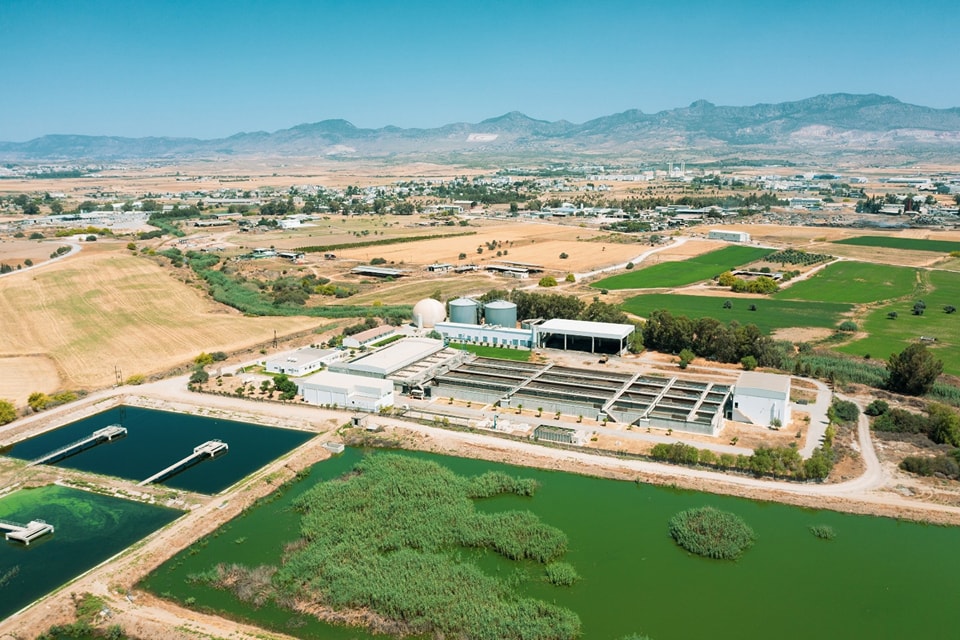
    The Mia Milia plant, located in northern Nicosia, processes approximately 12 million tonnes of wastewater annually. Dr Loizidis noted that this volume is sufficient to alleviate pressure on local water supplies and satisfy a significant portion of Nicosia’s irrigation requirements. Despite being operational since 2013, treated water has largely gone unused for over a decade due to political reasons.

    “For purely political reasons, this water has been discarded year after year,” Loizidis explained, highlighting the urgency of the situation. According to a 2011 agreement, 70 per cent of the treated water was designated for the Republic, with the remaining 30 per cent allocated to the north. Instead, much of the effluent has been discharged into the Pedeos river that divides the city.

    Finances and Infrastructure Challenges

    Loizidis pointed out that Greek Cypriots are already contributing financially to the Mia Milia project under the existing water distribution agreement, emphasising that the current discussions are merely about fulfilling long-standing commitments. He traced the origins of the project back to sewage cooperation agreements established around 50 years ago by former Nicosia mayors, Lellos Demetriades and Mustafa Akinci.

    Mia Milia stands as one of the most significant confidence-building measures agreed upon by both communities, and Loizidis urged that the time has come to implement the agreement. “We are effectively in breach of this agreement by not implementing what was agreed. Now is the opportunity to finally put all the parts together,” he remarked.

    Technical Feasibility and Next Steps

    The main impediments to the project are no longer political but technical. The plant operates efficiently and employs advanced membrane technology, producing water suitable for agricultural use. Approximately 80 per cent of the sewage treated originates from the Greek Cypriot side of Nicosia.

    However, additional infrastructure remains to be constructed, notably two new reservoirs in Potamia and Athienou. These reservoirs represent the most substantial technical hurdle, with costs expected to reach several million euros. Treated water would need to be transported through about 10 kilometres of pipelines to the existing Vathia Gonia facility near Potamia.

    The total cost of the piping and associated works on both sides is estimated to be between 15 and 20 million euros. The project is financed by the EU, which is also anticipated to support infrastructure works up to the connection point in the north.

    Potential Impact and Environmental Considerations

    If approvals are granted and construction begins swiftly, Loizidis anticipates that implementation could be completed within a year. This would enable treated water to reach Potamia, Athienou, and parts of western Nicosia, benefiting farmers and addressing discrepancies in water availability.

    Concerns regarding salinity in the water supplies and potential harm to soil quality have been dismissed by Loizidis as unlikely. “I cannot imagine this ever becoming a problem,” he stated, noting that water quality is regularly monitored on both sides and must adhere to strict agricultural and chemical standards.

    Urgency for Action

    Loizidis expressed a strong desire for the lost decade to be rectified swiftly. “For years this issue was pushed aside; it wasn’t perceived as a priority,” he said. “Now, in light of shortages and droughts, it is impossible to ignore. This project can deliver real benefits if we finally move from words to action.”

  • Audit Report Reveals Defence Ministry Waste and Staffing Shortcomings

    The defence ministry is facing significant challenges with wasteful spending and staffing levels, according to a recent audit report. Released by the Audit Office, the report examines the years 2021 through 2024, highlighting ongoing organisational issues and structural inertia that have led to fiscal costs.

    Long-Standing Issues with Departmental Mergers

    One of the primary concerns identified in the report is related to the merger of various departments within the defence ministry and the army general staff. This merger was part of a strategic plan initiated in 2015, aimed at streamlining operations and reducing operational costs. By April 2019, the integration was physically realised with both entities being housed in the same premises.

    However, contrary to expectations, the report reveals that the number of military personnel assigned to defence ministry departments has actually increased rather than decreased, undermining the intended efficiency of the merger. This rise in personnel contradicts the rationale behind the consolidation, which was designed to optimise resources and enhance operational effectiveness.

    Widespread Leasing Practices

    Another critical issue raised in the report is the delay in relocating to government-owned premises, resulting in a reliance on leased properties. The continued practice of leasing not only incurs additional costs but also illustrates a failure to fully implement the merger’s objectives. By prolonging the leasing arrangements, the defence ministry is potentially wasting valuable financial resources that could be redirected towards other essential services.

    Inefficiencies in Data Management

    The report also highlights the lack of modernisation in administrative processes within the defence ministry. There has been a notable failure to implement computerised systems that could efficiently track vital functions, such as requisitioning and orders of expropriation. Instead, data is being entered manually into spreadsheets, such as Excel, which significantly increases the risk of human error.

    Attempts to establish a computerised system that could connect with a central governmental database have not materialised, leaving the defence ministry reliant on outdated methods. This inefficiency not only hampers productivity but also poses risks to the accuracy of critical data management.

    Irregular Financial Commitments

    In a related section, the Audit Office recounts an incident from early 2023 involving then-president Nicos Anastasiades. During a visit to Athens in February 2023, he pledged a €2.5 million grant to Greece’s air force as a gesture of solidarity following a tragic crash involving a Greek Air Force plane. This public commitment resulted in the disbursement of funds that were not accounted for in the defence ministry’s budget, raising concerns about the irregularity of such financial commitments.

    Misuse of Military Vehicles

    The audit also uncovered continued misuse of military vehicles for transporting both military and civilian personnel from their homes to work. This practice has resulted in excessive fuel consumption, straining the fuel quotas allocated to various military units. Such actions not only violate existing regulations but also highlight a disregard for resource management within the defence ministry.

    The auditor-general has stated that if the army general staff wishes to continue this practice, it must formally request a change in the law, underscoring the need for adherence to legal frameworks and proper governance.

    Missed Opportunities for EU Funding

    Furthermore, the report notes delays in the installation of photovoltaic systems at National Guard camps, which is critical for harnessing renewable energy. These delays pose a risk of losing out on potential EU funding, which could have provided financial support for sustainable energy initiatives. The inability to capitalise on such opportunities reflects a broader pattern of inefficiency and missed potential within the defence ministry.

    The Defence Ministry’s Core Mission

    Despite these challenges, the Audit Office’s report emphasises that the primary mission of the defence ministry remains unchanged: to protect the territorial integrity and independence of the Republic of Cyprus from any hostile threats. However, the ongoing organisational problems and fiscal waste identified in the audit undermine the ministry’s ability to fulfil this essential mandate effectively.

    In light of these findings, there is an urgent need for the defence ministry to address these issues comprehensively. Implementing effective management practices, enhancing operational efficiency, and adhering to legal standards are crucial steps necessary for restoring public confidence and ensuring the ministry can meet its obligations.

  • Cyprus Defence Ministry to Finalise National Plan for EU Safe Funding

    Cyprus Defence Ministry to Finalise National Plan for EU Safe Funding

    eu safe — eu safe — The Cyprus defence ministry will convene the defence industry council in the coming days to finalise the national action plan for the European Union’s Safe financial instrument. Defence capability development and armament director Panayiotis Hadjipavlis confirmed the meeting’s details during an interview with the Cyprus News Agency (CNA).

    Eu safe: Extraordinary Meeting Scheduled

    Chaired by Defence Minister Vassilis Palmas, the council will hold an extraordinary meeting to assess the ministry’s progress and establish final recommendations. These recommendations are crucial for the plan’s submission to the European Commission, which is due by November 30.

    Preparations Underway Since June

    Hadjipavlis explained that the ministry has been diligently preparing the Safe investment plan since June, with the intention of incorporating Cypriot defence and technology companies wherever feasible. The council comprises various stakeholders, including the presidents of the Cyprus Chamber of Commerce and Industry (Keve), the Employers and Industrialists Federation (Oev), and the Cyprus Defence Industry Association.

    Strengthening International Cooperation

    The defence ministry is actively participating in and co-organising events with foreign partners to enhance collaboration between Cypriot and international defence companies. Upcoming activities will involve the UK Ministry of Defence, as well as the embassies of France and Poland, focusing on joint research, technology development, and procurement strategies.

    Recent European Defence Agency Visit

    A team from the European Defence Agency (EDA) visited Cyprus on October 23-24 to explore new opportunities for cooperation with EU member states. During this visit, the EDA’s executive director met with Minister Palmas. Hadjipavlis remarked that relations between Cyprus and the agency are “excellent,” highlighting Cyprus as one of the agency’s staunchest supporters within the EU framework.

    Innovative Defence Research Initiatives

    As part of ongoing research and innovation efforts, a demonstration showcasing two completed projects under the Athena defence research programme is scheduled for November 10 at a National Guard base. These projects include an anti-drone system and a situational awareness platform designed to assist battlefield decision-making. Furthermore, two new programmes, Athena 2 and Athena Plus, are being prepared for launch in 2026 to expand upon these initiatives.

    Growing Defence Sector Landscape

    Currently, around 30 Cypriot companies are engaged in the defence sector, with a rising interest from firms specialising in dual-use technologies. Hadjipavlis noted that several Cypriot companies have already joined European Defence Fund consortia, positioning Cyprus seventh in Europe for successful funding applications.

    Upcoming Defence Events and Collaborations

    Several significant defence events are on the horizon, including a conference focused on technological advancements in the sector, taking place on November 11-12, under the auspices of the defence ministry. Additionally, the ministry will participate in a joint event organised by Keve and the French Embassy, in collaboration with the deputy ministry of research, aimed at promoting modern technologies and dual-use products.

    Future Conferences and Initiatives

    In early 2025, a bilateral conference will be co-organised with the UK Ministry of Defence and the Cyprus High Commission in London, aimed at fostering partnerships between defence industry associations from both nations. Another event with the Polish Embassy in Nicosia will concentrate on cybersecurity and cyber defence collaboration.

    Comprehensive Development Toolkit in Progress

    The ministry is also engaged in discussions with European experts to develop a comprehensive toolkit for the Cypriot defence industry. This includes formulating a national defence industry strategy, a detailed action plan, and necessary updates to legislation and the national defence industry registry.

    Significant EU Funding Secured

    Cyprus has successfully secured €500,000 in EU funding to advance this development package following a competitive selection process. Hadjipavlis pointed out that Cyprus stands out as one of the few EU countries to receive such support, contrasting with many others that rely on national budgets for similar initiatives.

  • Cyprus Secures €1.18 Billion in EU Defence Funding Through SAFE Regulation

    Cyprus Secures €1.18 Billion in EU Defence Funding Through SAFE Regulation

    eu defence — Cyprus has secured funding exceeding €1.18 billion for defence through the European Union’s SAFE regulation, Government Spokesman Konstantinos Letymbiotis announced on Friday.

    • eu defence — Cyprus has secured funding exceeding €1.18 billion for defence through the European Union's SAFE regulation, Government Spokesman Konstantinos Letymbiotis announced on Friday.
    • A preliminary list already exists, which will be refined in the coming period, taking into consideration the operational priorities of the National Guard and the government's strategic objectives.
    • In this context, efforts are also being made to upgrade the air base in Paphos and the naval base at Mari, with contributions from both the United States and the European Union.
    • “At this stage, Turkey and Turkish companies do not have access to this regulation,” he concluded.

    During a media briefing at the Presidential Palace, Letymbiotis stated that the Republic of Cyprus is actively participating in the SAFE regulation, which is designed to provide financial assistance to EU member states for immediate defence needs and to enhance collective security.

    Letymbiotis emphasised the significance of this funding amidst the current international situation, noting that Cyprus had submitted its intention to utilise the mechanism in a timely manner. On 9 September 2025, the European Commission announced the allocation of funds, with Cyprus’s share totalling €1,181,503,924.

    This substantial amount is particularly noteworthy given the size of the Republic of Cyprus, demonstrating the trust placed in the country and its capability to leverage European resources for strengthening defence and deterrent power.

    The Ministry of Defence, in collaboration with the General Staff of the National Guard, is currently processing a list of armaments programmes that will be included in the investment plan. This plan is set to be submitted to the European Commission by 30 November 2025 at the latest.

    A preliminary list already exists, which will be refined in the coming period, taking into consideration the operational priorities of the National Guard and the government’s strategic objectives.

    Letymbiotis explained that the SAFE programme spans five years, with funding averaging approximately €220-230 million annually. These amounts will be adjusted according to the needs and capabilities of the Republic of Cyprus.

    He highlighted the government’s priority of bolstering the Cypriot defence industry, aiming to utilise these programmes to enhance domestic production, promote international collaboration, and contribute to the improvement of the National Guard and Cyprus’s involvement in European and global defence value chains.

    In tandem with this, Cyprus is also taking advantage of recent US decisions to include the country in various defence programmes, such as Excess Defence Articles (EDA) and Foreign Military Sales (FMS). Cyprus has already reached out to the US Pentagon with a verbal request for specific weapons systems from surplus American military stocks as part of its plan to strengthen the National Guard.

    Teams from the National Guard are expected to travel to the United States soon to inspect and evaluate the requested weapons systems. Letymbiotis noted that this strategic cooperation with the US is part of a broader effort to deepen relations in the defence and security sectors.

    “Alongside the European dimension through SAFE, bilateral relations with Washington provide Cyprus with access to modern equipment, often at low cost or for free, which will aid in modernising the National Guard and fortifying our deterrent capabilities,” he stated.

    In this context, efforts are also being made to upgrade the air base in Paphos and the naval base at Mari, with contributions from both the United States and the European Union.

    Addressing questions about Turkey’s application to join the SAFE regulation programme, Letymbiotis clarified that the current provisions remain unchanged. He referenced statements from EU and Commission officials regarding the programme’s clear stipulations that require a candidate state to agree to a bilateral agreement with the EU, necessitating the approval of all 27 member states.

    “At this stage, Turkey and Turkish companies do not have access to this regulation,” he concluded.

  • Eu funding: Cyprus Secures €1bn from EU for Defence Enhancements

    Eu funding: Cyprus Secures €1bn from EU for Defence Enhancements

    eu funding — eu funding — Cyprus is set to receive €1 billion in funding from the European Union as part of its Security Action for Europe (Safe) programme. The European Commission confirmed the disbursement of €1,181,503,924 on Thursday, which is a significant boost for the island’s defence capabilities.

    This funding initiative is part of a larger €150 billion allocation aimed at enhancing security across the EU. Alongside Cyprus, 18 other member states are also expected to benefit from this financial support.

    Eu funding: Major Allocations to Other EU Nations

    Poland tops the list of beneficiaries, receiving an impressive €43.7 billion. Romania and France follow closely with allocations just over €16 billion each. Greece, while receiving a smaller amount, will still gain approximately €788 million, slightly less than Cyprus.

    Common Procurement Strategy for Military Hardware

    The Safe programme encourages EU member states and allies to collaborate on “common procurements” for military equipment. This strategy is designed to ensure that at least two participating countries join forces for any procurement initiative.

    Eligibility and Broader Participation

    All EU member states qualify for the Safe programme, which also extends to Ukraine and four European Economic Area nations—namely Iceland, Liechtenstein, Norway, and Switzerland. Additionally, six countries that have signed common defence agreements with the EU, including Albania, Japan, Moldova, North Macedonia, South Korea, and the United Kingdom, are also eligible.

    Cyprus’s Commitment to Defence Collaboration

    The Cypriot government has formally indicated its intention to engage in the Safe programme’s common procurement component. This announcement came during a visit from officials of the EU’s Directorate-General for Defence Industry and Space (DG-Defis) in July.

    Panayiotis Hadjipavlis, the procurement director at the defence ministry, expressed that the government is actively communicating with allied nations, especially Greece, to explore joint procurement opportunities. This collaboration aims to streamline defence acquisitions while fostering stronger ties between member states.