Tag: EU Presidency

  • Cyprus eu — Marilena Raouna to Highlight Cyprus EU Presidency Priorities at COSAC Meeting

    Cyprus eu — Marilena Raouna to Highlight Cyprus EU Presidency Priorities at COSAC Meeting

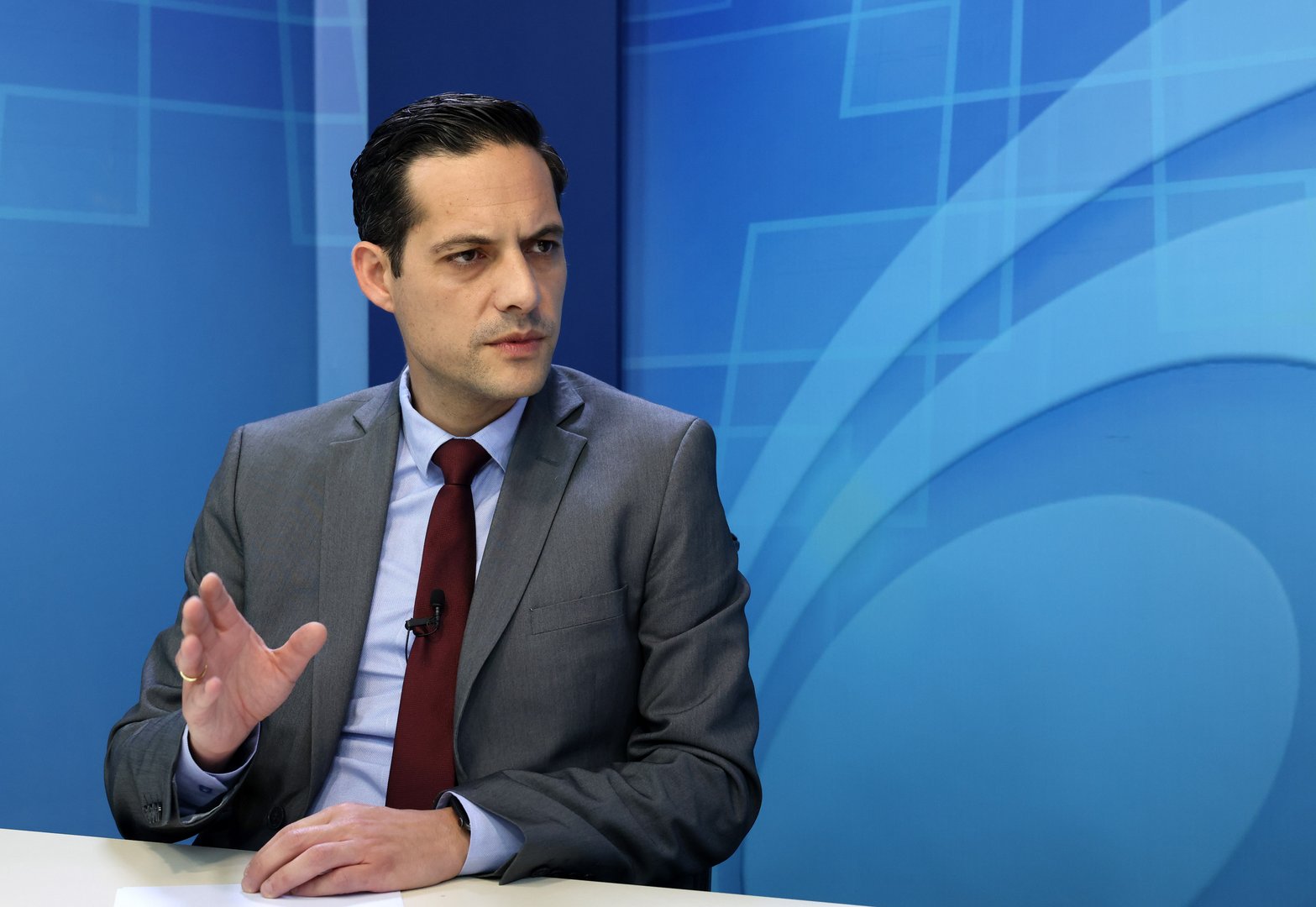
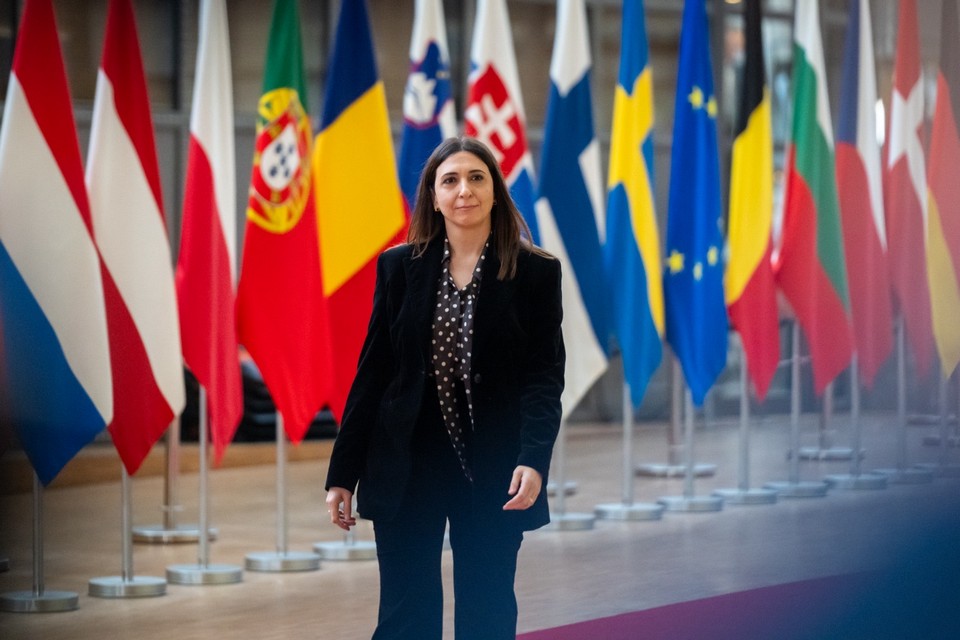
    cyprus eu — cyprus eu — Marilena Raouna, the Deputy Minister for European Affairs, is set to present the priorities of Cyprus’ presidency of the Council of the European Union during the upcoming COSAC meeting. This significant event will take place on Monday at the Nicosia Conference Centre, starting at 9.30am.

    Cyprus eu: Meeting Details and Agenda

    The Conference of Parliamentary Committees for Union Affairs of Parliaments of the European Union (COSAC) is an important platform for discussing and coordinating policies among EU member states. Organised by the House of Representatives, this meeting will see representation from various national parliaments across the EU, as well as from candidate countries.

    Key Topics for Discussion

    During her presentation, Raouna will outline the main priorities that Cyprus aims to focus on during its presidency. These priorities are expected to reflect the broader goals of the EU and address pressing issues that require collaborative efforts among member states.

    Engagement with Parliamentary Committees

    Following her presentation, Raouna will engage in an exchange of views with chairs of parliamentary committees on European affairs. This interaction is crucial for fostering dialogue and understanding between Cyprus and other EU nations, particularly as they share ideas and strategies for tackling common challenges.

    Importance of Cyprus’ EU Presidency

    Cyprus took on the presidency of the Council of the European Union during a critical period, with various challenges facing the bloc. The presidency rotates among member states every six months, and each country has the opportunity to influence the EU’s agenda significantly.

    Strategic Goals

    Cyprus’ presidency is anticipated to focus on several strategic goals, including enhancing economic stability, addressing migration issues, and promoting sustainable development. These areas are not only vital for Cyprus but also resonate with the interests of the entire EU.

    EU Member States and Candidate Countries’ Involvement

    Engagement with representatives from candidate countries will also mark a significant aspect of the COSAC meeting. This inclusion underscores the EU’s commitment to strengthening ties with nations aspiring to join the union. The dialogue will facilitate an exchange of experiences and best practices between current members and potential future members.

    Anticipated Outcomes of the Meeting

    The outcomes of the COSAC meeting are likely to set the tone for the duration of Cyprus’ presidency. By establishing clear priorities and fostering collaboration among EU members, Raouna aims to ensure that Cyprus plays a pivotal role in shaping the EU’s future direction.

    Collaborative Efforts Ahead

    As the meeting unfolds, it is expected that various committees will align their efforts with Cyprus’ goals, contributing to a unified approach towards tackling issues that affect the European Union. The collaborative spirit demonstrated at COSAC will be essential for achieving meaningful results.

    Looking Forward

    With the presentation of priorities and the subsequent discussions, Cyprus is poised to make a significant impact during its presidency. The leadership role presents an opportunity not only to address national interests but also to contribute to the collective aspirations of the EU.

    As the meeting progresses, stakeholders will be watching closely to see how effectively Cyprus can navigate the complexities of EU governance and collaboration, setting the stage for future successes.
  • 2026 Marks a Transformative Period for Cyprus with EU Presidency

    2026 Marks a Transformative Period for Cyprus with EU Presidency

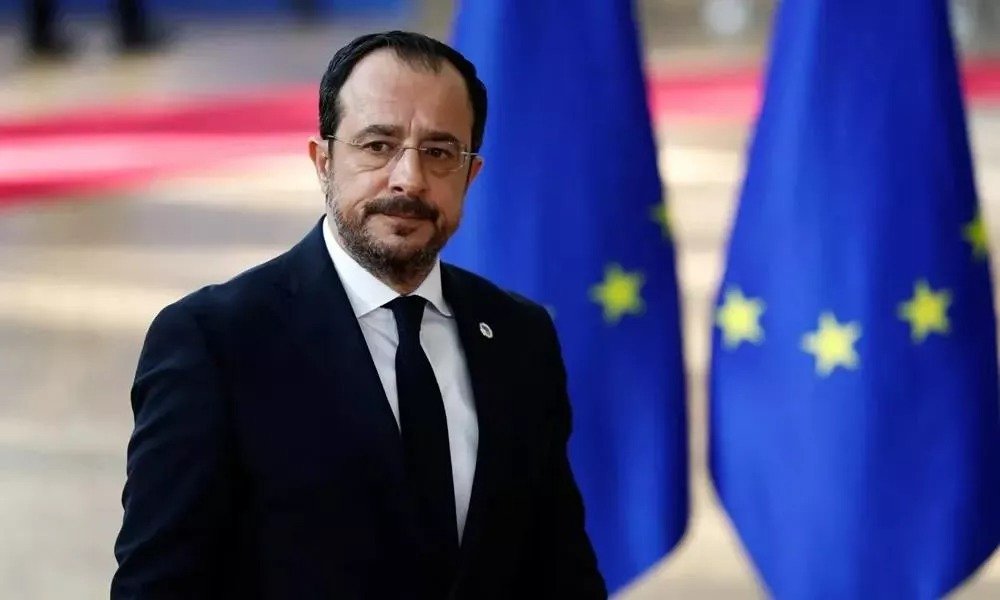
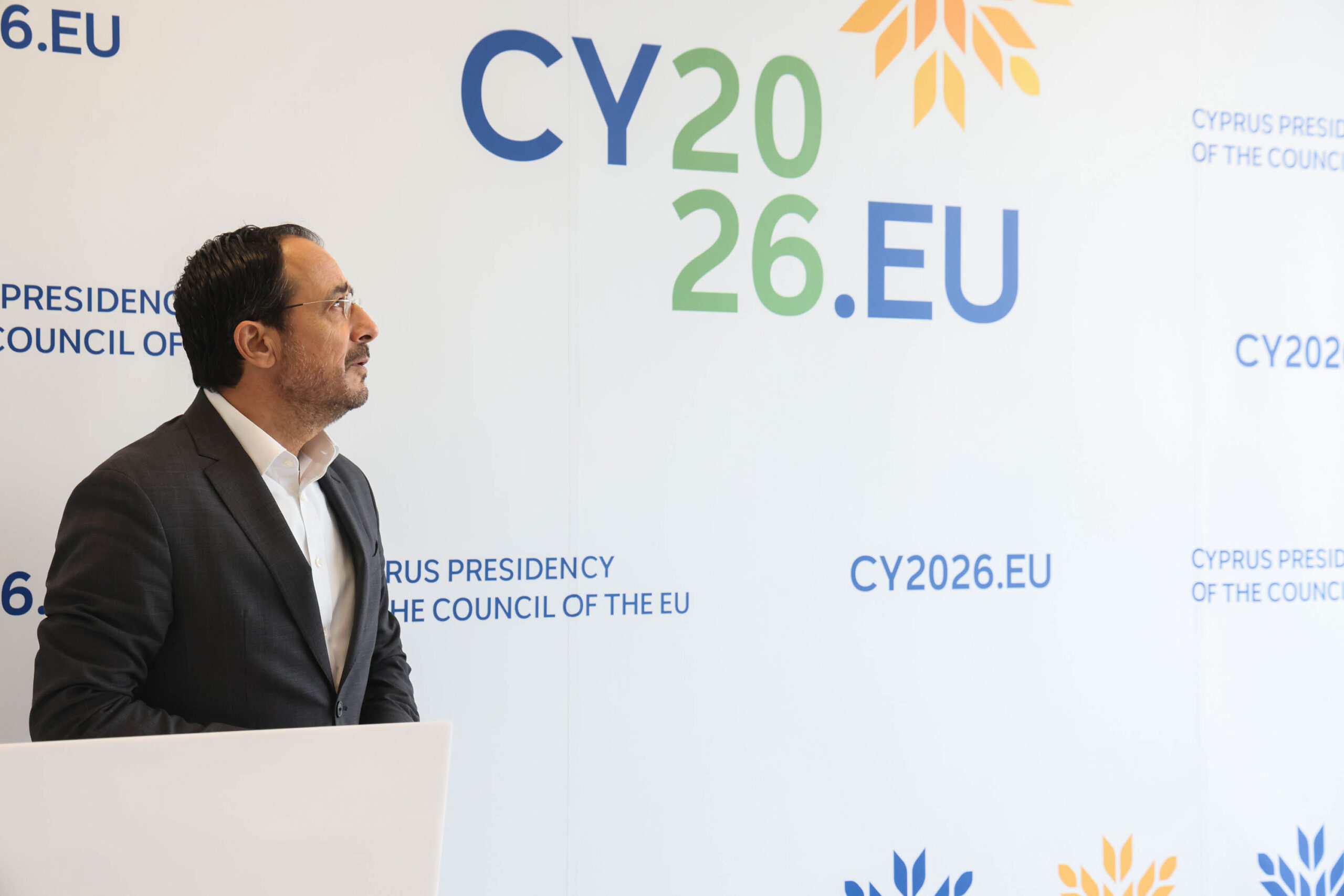
    The year 2026 will be a significant moment for Cyprus as it assumes the rotating presidency of the Council of the European Union for six months. President Nikos Christodoulides shared this news during his New Year address, highlighting the pride and responsibility associated with this role.

    A Proud Milestone for Cyprus

    President Christodoulides expressed that the upcoming presidency is a national mission, stating, “From tomorrow and for six months, our homeland assumes the presidency of the Council of the European Union.” He emphasised the importance of this term, noting that it will be only the second time Cyprus has held this position since joining the EU in 2004.

    Focus on Economic Growth and Social Policies

    As he welcomed the New Year, the President reflected on the nation’s economic progress, attributing it to responsible fiscal policies. He noted that Cyprus is currently experiencing conditions of full employment, zero inflation, and a significant reduction in public debt. “All of this translates into specific tangible results for the public, for the state, for our country,” he remarked, underscoring the benefits for citizens and the government.

    Investments in Public Welfare

    President Christodoulides outlined how economic growth allows for substantial investments in various sectors, including education, health, and housing. He remarked, “It allows us a targeted social policy,” which aims to improve everyday life for the public. This includes ongoing efforts to modernise the state, with a focus on bold reforms that enhance transparency and accountability.

    Reforming the State and Promoting Social Justice

    In his address, the President mentioned several reforms that his government is pursuing to address social needs and improve governance. This includes a tax transformation initiative that aims to restore balance between social justice and economic competitiveness. He stated, “The benefit returns directly to households, the middle class, families and businesses.”

    Educational Reforms on the Horizon

    Among the reforms, the President highlighted changes to the educational service, including new laws for the evaluation of teachers. He mentioned that these reforms are part of a broader strategy to enhance the quality of education and ensure that it meets contemporary standards.

    Legal and Electoral Reforms for a Better Future

    President Christodoulides also pointed to planned reforms within the legal service and the audit office, alongside initiatives for the state’s digital transformation. Notably, he discussed electoral reforms aimed at increasing civic participation, such as automatic voter registration and lowering the voting age from 18 to 17.

    Enhancing Pension Systems

    Another key area of focus is the pension system, with plans for substantial increases in pensions to support retirees. The President’s vision encompasses a comprehensive approach to governance that prioritises the well-being of all citizens.

    Five Priorities Guiding Governance

    As he approaches his third year in office, President Christodoulides outlined five key priorities for his administration. The first is an outward-looking foreign policy with a strong European and Western orientation. He stressed the importance of maintaining a resilient economy and modernising the state through continuous reforms.

    Commitment to Transparency and Accountability

    Another priority is the commitment to transparency, accountability, and the fight against corruption. Finally, the President highlighted the ultimate goal of improving the everyday lives of the public as a guiding principle for his government’s actions.

    Addressing Immigration and Enhancing National Security

    Internally, the government aims to tackle the challenges posed by immigration while reinforcing the nation’s security framework. The President reiterated the importance of establishing a rule of law and simplifying governmental procedures to better serve the public.

    International Engagement and Reunification Efforts

    On the international front, Christodoulides reiterated Cyprus’s commitment to a clear European and Western orientation, positioning the nation as a pillar of stability in the Middle East. He reaffirmed the ongoing efforts to resume discussions for the reunification of Cyprus, emphasising that this must be based on United Nations resolutions and European Union principles.

    A Vision for the Future

    Reflecting on the past and looking towards the future, President Christodoulides expressed satisfaction with the progress made since his election. He stated, “This is my promise, but also my obligation,” as he underscored his commitment to the Cypriot people, including those displaced and the relatives of the missing.

    Looking Ahead to 2026

    As Cyprus prepares to commence its EU presidency in 2026, President Christodoulides concluded with a message of hope and determination. “Happy new year to you all. Together, we are changing Cyprus, with a vision, strategic planning, and a clear plan.” The upcoming presidency represents not only a significant national milestone but also a pivotal opportunity for Cyprus on the European stage.

  • Cyprus-Israel Defence Talks Focus on Regional Security Cooperation

    Cyprus-Israel Defence Talks Focus on Regional Security Cooperation

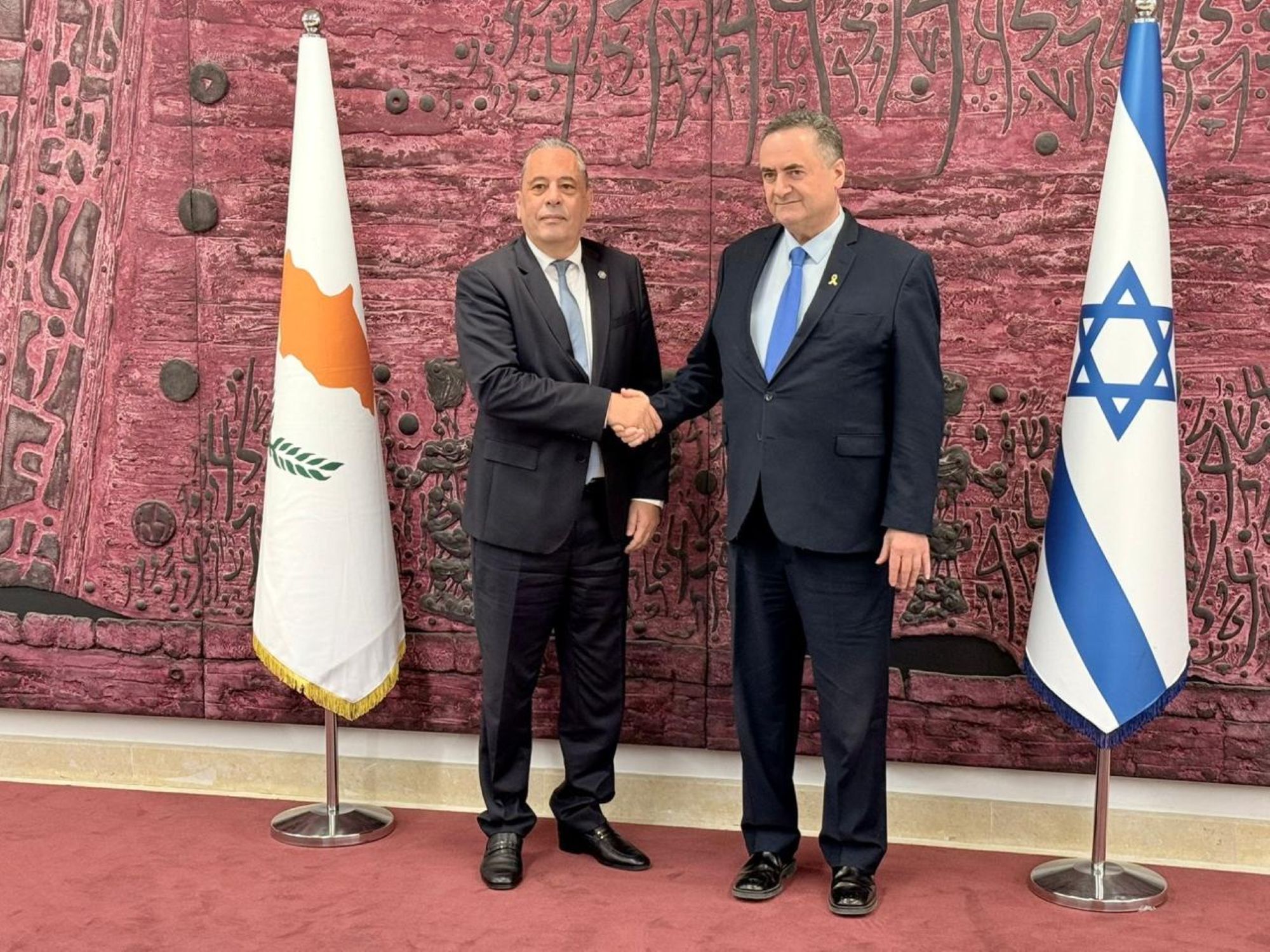
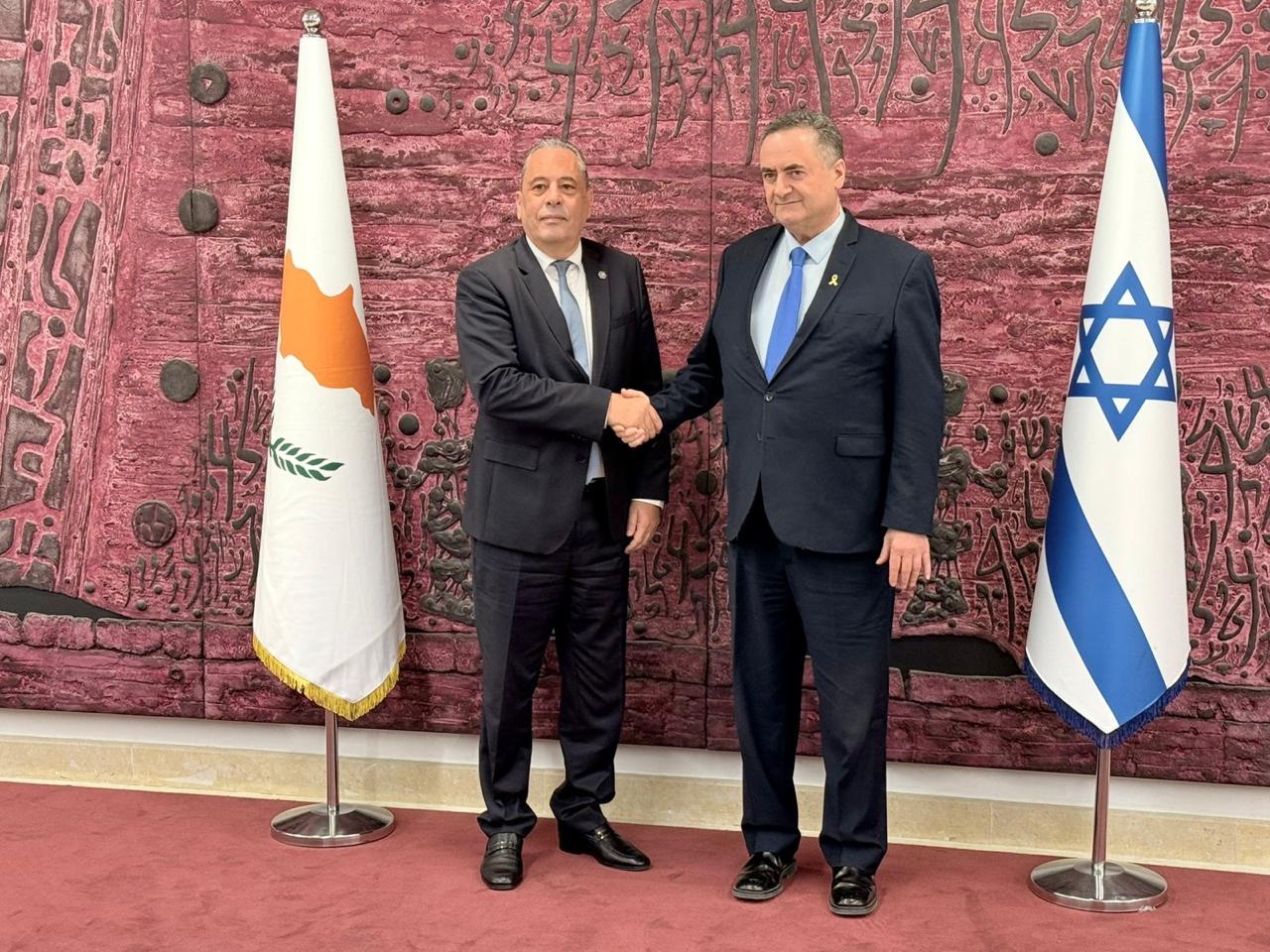
    cyprus-israel defence — Cyprus-Israel defence discussions have centred on enhancing regional security and bilateral cooperation during Defence Minister Vasilis Palmas’s official visit to Israel. The talks, confirmed by the Cypriot defence ministry, occurred just ahead of Cyprus’s upcoming presidency of the Council of the European Union, set for the first half of 2026.

    Cyprus-israel defence: Strengthening Ties Amid Regional Challenges

    In discussions with his Israeli counterpart, Israel Katz, Palmas addressed the security dynamics not only in Cyprus but also in Israel and the broader Eastern Mediterranean and Middle East regions. This dialogue is part of ongoing efforts to bolster bilateral defence and security relationships between the two nations.

    Focus on European Unity and Stability

    Palmas articulated that Cyprus aims to leverage its EU presidency to foster European unity and enhance strategic stability in the eastern Mediterranean. The minister emphasised the importance of regional cooperation, stating, “During our presidency, we will encourage dialogue in areas of mutual interest, promoting peace, stability, and adherence to international law.” This commitment underscores the growing alignment in defence strategies between Cyprus and Israel.

    Recent Developments in Defence Cooperation

    Cypriot-Israeli defence ties have seen significant growth in recent years. Notably, Cyprus has procured the Barak MX air defence system from Israel, which is being delivered incrementally and is expected to be fully operational by the end of this year. This acquisition reflects a deeper military collaboration aimed at addressing shared security concerns.

    Palmas’s Visit and Engagements

    Palmas arrived in Israel on Monday and was slated to return to Cyprus late Tuesday afternoon. During his visit, he toured the Civil-Military Coordination Centre (CMCC) in Kiryat Gat, which serves as a hub for military and humanitarian operations related to the Gaza ceasefire. He met with Major General Patrick Frank, the director of the CMCC, to discuss ongoing stabilisation and relief efforts in the region.

    The Role of the Civil-Military Coordination Centre

    The CMCC was established in October 2025 following a peace agreement aimed at coordinating humanitarian and stabilisation efforts in Gaza. Currently, it hosts personnel from approximately 20 countries, including Cyprus, although specific numbers of Cypriot personnel and their roles remain undisclosed.

    Humanitarian Aid Oversight in Gaza

    Recent reports indicate that the CMCC has assumed oversight of humanitarian aid entering the Gaza Strip, with responsibilities previously held by Israel’s Coordinator of Government Activities in the Territories now diminished. An early November report noted that while Israel retains control over Gaza’s perimeter and entry of goods, the CMCC’s role has become more central to aid distribution.

    A US military official described the relationship between Israel and the CMCC as an integration of efforts, stating, “It is an integration. It is hand in glove. They [the Israelis] remain the hand, and the CMCC have become the glove over that hand.” This statement highlights the complexities of humanitarian operations in the region amid ongoing tensions.

    Prospects for Future Cooperation

    The discussions between Palmas and Katz set the stage for increased collaboration in the face of evolving security challenges, particularly in the context of the Israeli-Palestinian conflict and broader geopolitical tensions in the Middle East. As Cyprus prepares for its EU presidency, the focus will be on fostering a unified approach to security in the eastern Mediterranean.

    With both nations committed to enhancing their bilateral ties, the potential for future joint initiatives appears promising. As the situation in the region continues to develop, the relationship between Cyprus and Israel may play a crucial role in promoting stability and security in an area marked by ongoing conflicts.

  • Cyprus defence — Cyprus Defence Minister Engages with Israel on Regional Security Ahead of EU Presidency

    Cyprus defence — Cyprus Defence Minister Engages with Israel on Regional Security Ahead of EU Presidency

    cyprus defence — cyprus defence — Cyprus’s defence minister visited Israel to discuss regional security and bilateral cooperation ahead of the island’s upcoming European Union presidency. Vasilis Palmas met his Israeli counterpart, Israel Katz, on 15 and 16 December to exchange views on the security situation in Cyprus, Israel, and the wider Eastern Mediterranean and Middle East, according to a ministry statement.

    Photo: in-cyprus.philenews.com

    Cyprus defence: Strengthening Defence Ties

    The two ministers examined ways to reinforce bilateral defence and security ties between their countries. Palmas highlighted the importance of collaboration, stating that the Cypriot government will utilise its forthcoming EU Council presidency to enhance European unity and foster strategic stability in the region.

    Photo: in-cyprus.philenews.com

    Promoting Cooperation and Stability

    During his discussions, Palmas expressed Cyprus’s intent to deepen cooperation with Israel, aiming to encourage dialogue in areas of mutual interest while promoting regional peace, stability, and respect for international law.

    A Visit to the Civil-Military Coordination Centre

    While in Israel, Palmas visited the Civil-Military Coordination Centre, which serves as a key coordination hub for military, humanitarian, and international organisations involved in supporting the Gaza ceasefire implementation. He met with the centre’s commander, Major General Patrick D. Frank, to discuss ongoing efforts and collaborative strategies.

    Looking Ahead

    This visit comes as Cyprus prepares for its significant role in the EU, where it aims to address pressing issues in the Eastern Mediterranean. The discussions reflect a growing commitment between Cyprus and Israel to not only enhance their bilateral relations but also contribute positively to the broader regional landscape.

  • Letymbiotis Assures Cyprus Presidency Preparations Unaffected by Cabinet Reshuffle

    Letymbiotis Assures Cyprus Presidency Preparations Unaffected by Cabinet Reshuffle

    Letymbiotis has assured that the recent cabinet reshuffle will not hinder Cyprus’ preparations for the upcoming Council of the European Union presidency. Government spokesman Konstantinos Letymbiotis made these remarks on Saturday, responding to concerns following the announcement of six cabinet changes on Friday.

    Letymbiotis: Cabinet Changes and Their Implications

    Letymbiotis stated emphatically that “under no circumstances whatsoever” will the reshuffle impact the government’s readiness for its role in the Council of the EU, which Cyprus is set to assume next month. The reshuffle, he explained, is “the exclusive constitutional right of the president” and does not compromise the administration’s ongoing work.

    Commitment to the Government’s Programme

    The spokesman underscored President Nikos Christodoulides’ commitment to the government’s programme, which he referred to as a “social contract” with the Cypriot people. This statement aims to reassure citizens that governance will remain stable and focused, despite the recent changes in leadership.

    New Cabinet Members and Their Roles

    The new cabinet members are scheduled to be sworn into their roles on Monday, a move that marks a significant transition just weeks before Cyprus takes on the presidency. Four new ministers will lead the Council of the EU meetings over the next six months, taking office only 24 days prior to this critical responsibility.

    Key Ministerial Roles in the EU Council

    • Justice Minister: Costas Fytiris will chair the Justice and Home Affairs Council (JHA) meetings.
    • Health Minister: Neophytos Charalambides and Social Welfare Deputy Minister Clea Hadjistefanou-Papaellina will jointly oversee the Employment, Social Policy, Health, and Consumer Affairs Council (Epsco) meetings.
    • Energy Minister: Michael Damianos, who has been reappointed as Health Minister, will chair the Competitiveness Council (Compet) meetings.

    These appointments are crucial as they set the stage for the upcoming six-month term, during which Cyprus will hold the rotating presidency of the EU.

    Continuity in Leadership for Other Councils

    While the reshuffle has brought changes to some positions, it is important to note that other key councils will continue to be chaired by ministers who have not been affected by the reshuffle. This continuity is expected to provide stability and ensure that the transition into the presidency is seamless.

    Chairs of Remaining Councils

    • General Affairs Council (GAC): European Affairs Deputy Minister Marilena Raouna.
    • Foreign Affairs Council (FAC): EU Foreign Policy Chief Kaja Kallas.
    • Economic and Financial Affairs Council (Ecofin): Finance Minister Makis Keravnos.
    • Agriculture and Fisheries Council (Agrifish): Maria Panayiotou.
    • Environment Council (Envi): Maria Panayiotou.
    • Transport, Telecommunications, and Energy Council (TTE): Transport Minister Alexis Vafeades.
    • Education, Youth, Culture, and Sport Council (EYCS): Education Minister Athena Michaelidou.

    This leadership structure aims to facilitate effective governance during Cyprus’s presidency, as the ministers transition into their new roles.

    Preparation for the Presidency

    As Cyprus prepares for its turn to lead the Council of the EU, the government emphasises the importance of a stable and effective cabinet. The reshuffle, while significant, is viewed as a necessary step in aligning the cabinet with the administration’s goals and commitments to the EU. Letymbiotis’ assurances serve as a reminder of the administration’s focus on continuity and proactive governance.

    Supporting Cyprus’ International Role

    The successful assumption of the presidency will require coordination across various governmental departments, and the newly appointed ministers are expected to bring fresh perspectives and energy to their roles. This reshuffle is seen not only as a change in personnel but as a strategic move to enhance Cyprus’s international standing and effectiveness within the EU framework.

    The government’s proactive stance and assurance from Letymbiotis may help to quell any public concerns regarding the impact of the reshuffle. As Cyprus stands on the brink of a pivotal moment in its EU involvement, the focus remains on ensuring a smooth transition and sustained commitment to the European agenda.

  • Larnaca-Brussels Direct Flights Secured for Cypriot EU Presidency

    Larnaca-Brussels Direct Flights Secured for Cypriot EU Presidency

    The Cypriot Presidency of the Council of the European Union has secured direct flights between Larnaca and Brussels for one year, enhancing connectivity for travellers. This significant achievement was made possible through a successful Public Service Obligation (PSO) tender, which is a key step in facilitating travel during Cyprus’s leadership role within the EU.

    Direct flights: Flights Set to Commence Soon

    Scheduled to begin in December 2025, the direct air link is anticipated to serve tens of thousands of passengers, effectively connecting Cyprus with the European Union’s central hub. The Cypriot government has prioritised this initiative, recognising the importance of ease of travel during its upcoming presidency, which officially starts on 1 January 2026.

    Details of the Tender Process

    The PSO tender, which closed on 30 October 2023, received a single bid from Aegean Airlines. Cypriot officials, working in tandem with the EU Secretariat and the European Commission, ensured the tender process was thorough and compliant with EU regulations. This collaboration underscores the importance of the initiative for both Cyprus and the EU.

    Flight Schedule to Support High Visitor Numbers

    The agreement, expected to be formalised shortly, outlines the following flight frequencies:

    • December 2025: 3 weekly flights
    • January – June 2026: 5 weekly flights
    • July 2026: 3 weekly flights
    • August – November 2026: 2 weekly flights

    These flights are designed to accommodate the influx of visitors anticipated during the Cypriot Presidency, which will involve approximately 260 informal meetings and is expected to draw around 28,000 visitors for various high-level gatherings.

    Government Commitment to Enhanced Connectivity

    Deputy Minister for European Affairs Marilena Raouna and Transport Minister Alexis Vafeades have been instrumental in driving this initiative forward. Their systematic efforts to promote these flights, in collaboration with relevant bodies in Cyprus and Brussels, highlight the government’s commitment to ensuring that the presidency is not only successful but also accessible to international visitors.

    As Cyprus prepares to take on this pivotal role within the EU, the establishment of direct flights between Larnaca and Brussels marks a significant milestone in enhancing its connectivity and facilitating important diplomatic engagements.

  • Cyprus 2026: Cyprus’ 2026 EU Presidency: A Challenge with Tourism Benefits

    Cyprus 2026: Cyprus’ 2026 EU Presidency: A Challenge with Tourism Benefits

    cyprus 2026 — cyprus 2026 — Cyprus’ 2026 EU Presidency presents both a significant challenge and an opportunity for tourism growth in the small nation, home to just over one million residents. As the country prepares to assume the Presidency of the Council of the European Union, it has outlined plans to host approximately 260 informal meetings, which are anticipated to generate around 62,500 overnight hotel stays during the first half of the year.

    Cyprus 2026: Boosting Tourism During Off-Peak Months

    The six-month presidency is strategically positioned in a period typically characterised by lower occupancy rates in hotels across Cyprus. Christos Aggelides, general manager of the Pasyxe tourism body, highlighted the expected positive impact on the tourism sector: “There will be 62,500 overnight stays due to the Cypriot presidency which will directly affect hotels and the tourism sector. It will have a positive effect because it will take place in a period when occupancy is not so high.”

    Key Venues and Infrastructure

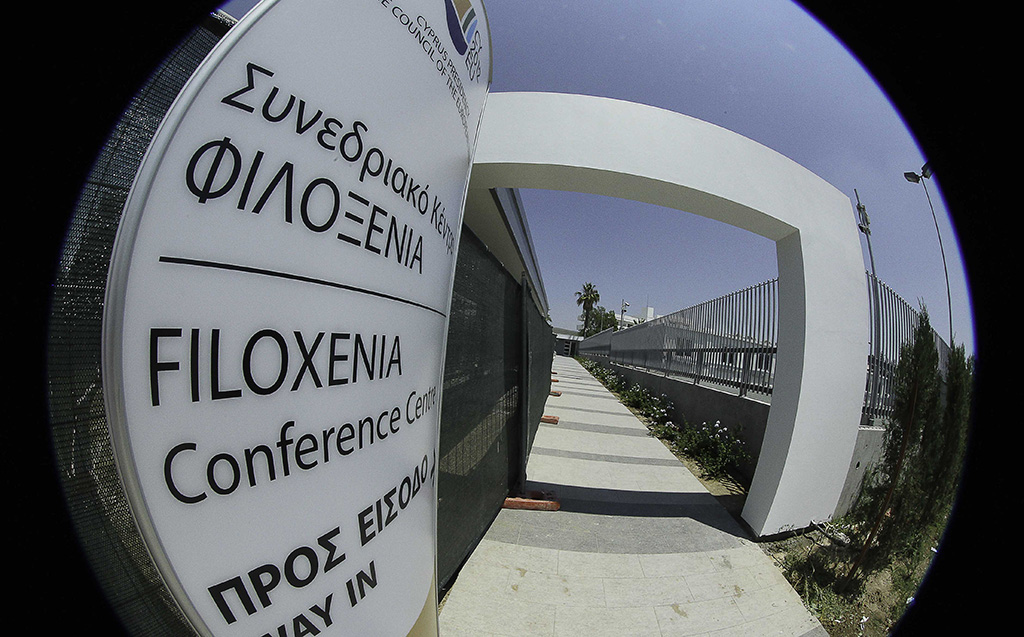
    Meetings will primarily take place at the Filoxenia conference centre, which is equipped with five main halls and smaller meeting rooms capable of accommodating up to 800 participants. This venue boasts modern technological infrastructure and interpretation systems that meet EU standards, ensuring a seamless experience for attendees. Additionally, a renovated building, previously part of the higher hotel institute, will be designated as the press centre for journalists covering the presidency.

    Financial Considerations and Budget Management

    As Cyprus prepares to host the presidency, officials have indicated that the country will bear most of the costs associated with the event, including expenses for meeting rooms, equipment, security, translation services, and catering. The deputy ministry for European affairs has made it clear that efforts are underway to minimise the burden on the state budget while maintaining high-quality service standards.

    To further ease financial pressures, Cyprus plans to invite sponsorships from companies and organisations, which could help offset some costs. The deputy ministry emphasised that while Cyprus will remain responsible for the majority of expenses, some meetings may benefit from additional funding from the EU or other bodies.

    Transparency and Cost Control Initiatives

    Budget transparency and cost control are top priorities for the government as it approaches the presidency. Akis Kikas, audit director of the contact committee of the European Court of Auditors, stated, “Transparency is ensured as in all budgets. We always make sure that there are no wasteful expenses and that basic transparency exists. All funds included in each budget are approved by you.”

    The finance ministry reiterated that the budget for the presidency is integrated within the broader state budget and adheres to spending limits set by relevant EU directives. Officials are confident that the amounts allocated for the presidency will not threaten the sustainability of public finances.

    Limited EU Funding for the Presidency

    In terms of EU funding, the finance ministry clarified that council presidencies are generally funded by national resources rather than EU contributions. Only a small portion of meetings—approximately 30—will receive partial funding from the EU or other organisations, which could cover costs like accommodation, transport, or general conference expenses.

    As the ministry pointed out, “The contribution of the European Union to the budget for Cyprus’ presidency of the council is essentially negligible.” This reinforces the need for Cyprus to manage its finances prudently while ensuring that the presidency meets the expectations of both national and European stakeholders.

    Logistics and Hospitality Standards

    The logistics surrounding the presidency will also require careful planning. Luxury vehicles, buses, and minibuses will be used to transport heads of delegations and delegates. Security and traffic management will be coordinated by the relevant authorities, ensuring a safe and smooth experience for all participants.

    In a nod to Cypriot culture, the deputy ministry for European affairs assured that catering services will showcase the country’s hospitality, professionalism, and commitment to environmental sustainability. All services will undergo quality control to maintain high standards.

    A Balancing Act for Cyprus

    As Cyprus gears up for its presidency, officials face the delicate task of ensuring efficient organisation while controlling costs and maintaining transparency. The country aims to deliver a strong national message and reaffirm its position within the European Union through effective management of this prestigious role.

    The challenges ahead are significant, but with careful planning and a proactive approach, Cyprus is poised to make its presidency a success, benefiting not only from increased tourism but also from enhanced visibility on the European stage.