Tag: European Commission

  • Ioannou Commits to Tackling EU’s Housing Crisis During Cyprus Presidency

    Ioannou Commits to Tackling EU’s Housing Crisis During Cyprus Presidency

    Interior Minister Constantinos Ioannou has pledged to address the EU’s rapidly worsening housing problem during Cyprus’ six-month presidency of the Council of the European Union. He highlighted the urgency of affordable housing as a critical issue affecting all 27 member states.

    Speaking on Friday, Ioannou stressed that while housing policy is primarily a national responsibility, the growing challenges faced by many European citizens in accessing affordable and sustainable housing necessitate a coordinated response from the EU. “The increasing difficulty for a large number of European citizens to secure access to affordable and sustainable housing makes a coordinated European response necessary,” he stated.

    The upcoming appointment of Dan Jorgensen as the European housing commissioner by European Commission President Ursula von der Leyen in 2024 underscores the recognition of the housing crisis at the highest political levels within the EU. Ioannou noted, “Addressing the housing crisis is a complex undertaking, but there is strong political will for cooperation so that the crisis can be turned into an opportunity for the EU, for the benefit of European citizens.”

    To facilitate discussions on this pressing issue, Cyprus will host an informal ministerial meeting on housing in May. This meeting aims to bring together EU officials to strategise on effective solutions. Additionally, the European Commission released a plan last month specifically targeting affordable housing, which is structured around four key pillars.

    Housing crisis: Four Pillars of the Housing Plan

    The first pillar focuses on boosting housing supply. The Commission aims to enhance productivity and innovation in construction by promoting advanced materials and methods, including offsite and modular construction. They plan to cut red tape to expedite housing supply through a new “housing simplification package.” This initiative seeks to reduce administrative burdens and improve cost efficiency in permitting and renovation processes.

    Investment Mobilisation Strategies

    To mobilise investment, the Commission proposes the creation of a new “pan-European investment platform” that will collaborate with the European Investment Bank and various national and regional financial institutions. Furthermore, a revision of state aid rules is on the cards, allowing member states to implement social and affordable housing projects more swiftly, without the need for prior approval from the Commission.

    Immediate Support and Market Regulations

    The third pillar aims to provide immediate support while also driving necessary reforms. This includes addressing issues stemming from short-term rentals, such as those offered by platforms like Airbnb, which have been contributing to local housing affordability problems. The Commission plans to introduce new legislative measures to balance the benefits of tourism with the housing needs of local populations.

    Additionally, the plan addresses speculation in the housing market, promoting transparency and identifying speculative behaviours that may be distorting market conditions. Structural reforms in areas such as spatial planning and taxation are also encouraged to streamline processes and enhance housing supply across the EU.

    Support for Vulnerable Groups

    Lastly, the plan prioritises the protection of the most affected populations. It aims to mobilise investments for student housing and develop innovative housing models tailored for young people and those from disadvantaged backgrounds. The Commission has committed to expanding social housing and implementing measures to prevent and address homelessness effectively.

    Through these initiatives, Ioannou and the EU aim to tackle the growing housing crisis, transforming it into an opportunity for improvement within the bloc. As Cyprus takes on its presidency, the focus will undoubtedly remain on fostering collaboration and implementing solutions that benefit European citizens.
  • Eu safe — Cabinet Approves Arms Procurement for EU Safe Programme

    Eu safe — Cabinet Approves Arms Procurement for EU Safe Programme

    eu safe — The cabinet has approved the list of armaments that Cyprus intends to procure through the Security Action for Europe (Safe) programme.

    • eu safe — The cabinet has approved the list of armaments that Cyprus intends to procure through the Security Action for Europe (Safe) programme.

    Prepared by the defence ministry, the list signifies a strategic move towards enhancing Cyprus’s defensive capabilities. Defence Minister Vasilis Palmas, while remaining tight-lipped about the specifics, emphasised the defensive nature of the armaments. “Under no circumstances do the armaments programmes on the list concern weapons systems with an offensive posture,” he stated, reflecting on Cyprus’s historical context as an occupied territory for over five decades.

    The formal submission of the armaments list to the European Commission is scheduled for November 30. Minister Palmas explained that once the procedure receives final approval, Cyprus will have access to allocated funds amounting to €1.2 billion. This crucial financial backing will enable the country to effectively bolster its defence mechanisms.

    Following the approval, the defence ministry plans to collaborate with the finance ministry to integrate these funds into the annual state budget. When asked about the potential suppliers for the procurement, Palmas noted that while France and Germany are among the likely candidates, there are various other countries involved in joint armament production.

    The Safe programme aims to foster collaboration among EU member states and allies for common procurements of military hardware. All EU member states, along with Ukraine, four European Economic Area states—namely Iceland, Liechtenstein, Norway, and Switzerland—and six additional nations with defence agreements with the EU, including Albania, Japan, Moldova, North Macedonia, South Korea, and the United Kingdom, are eligible to participate.

    Safe will provide long-term, low-cost loans to assist EU nations in acquiring essential defence equipment. To facilitate this, EU member states must submit their national investment plans to the European Commission by the end of November. The Commission will assess these plans with the aim of initiating the first disbursements in early 2026.

  • Finance Minister Keravnos Raises Concerns Over Great Sea Interconnector Funding

    Finance Minister Keravnos Raises Concerns Over Great Sea Interconnector Funding

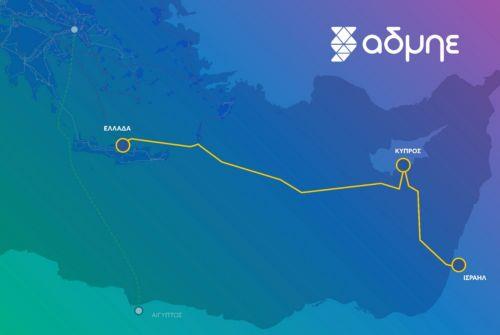
    great sea — Finance Minister Makis Keravnos has voiced significant concerns regarding the funding of the Great Sea Interconnector (GSI) project, citing potential financial risks associated with its implementation. In remarks made following a meeting of the Council of Ministers on Monday, where the 2026 state budget was under consideration, Keravnos highlighted findings from various studies suggesting that the GSI may not be financially sustainable.

    Keravnos stated, “I still think this issue is under discussion. If we pay the money, there is a risk. As I have said, studies suggest that the project is not viable.” His comments reflect a consistent apprehension regarding the project’s feasibility, a sentiment he has expressed on multiple occasions.

    The GSI aims to connect the energy grids of Cyprus, Greece, and Israel, representing a significant step towards regional energy integration. However, the project has faced various challenges, leading to the Cypriot government withholding €25 million requested by Greece’s independent transmission system operator, Admie, to assist with its funding.

    During the budget preparations, Keravnos mentioned that both internal and external risks had been evaluated, with the GSI identified as a notable concern. He emphasised the uncertainty surrounding the final cost of the project, which adds another layer of complexity to funding decisions.

    In a related matter, the Minister addressed the European Commission’s demand for the return of €67 million related to the Vasiliko liquefied natural gas (LNG) terminal, which was never completed. Keravnos assured that the government is actively managing this issue, hinting at potential offsets with future funds. “We are not giving up, we are fighting,” he asserted, indicating a commitment to navigating the financial challenges ahead.

    When pressed by journalists about the possibility of negotiating the demanded amount, Keravnos firmly stated that the figure was not negotiable under any circumstances, reaffirming the government’s position on the matter.

  • Nis 2 — EU Members Urged to Implement NIS 2 Directive Amid Ongoing Cyberattack

    Nis 2 — EU Members Urged to Implement NIS 2 Directive Amid Ongoing Cyberattack

    In light of a recent cyberattack, EU members are urged to implement the NIS 2 directive to ensure a high common level of cybersecurity across the Union. The European Commission has stressed that until all 27 member states adopt this directive, vulnerabilities will persist across the bloc.

    As of now, Cyprus is among the few countries making strides in compliance, having recently completed the full implementation of the NIS 2 directive after facing non-compliance procedures. This compliance comes after Cyprus received warnings in November 2024 and a reasoned opinion in May 2025, highlighting the urgency for all states to align with the directive.

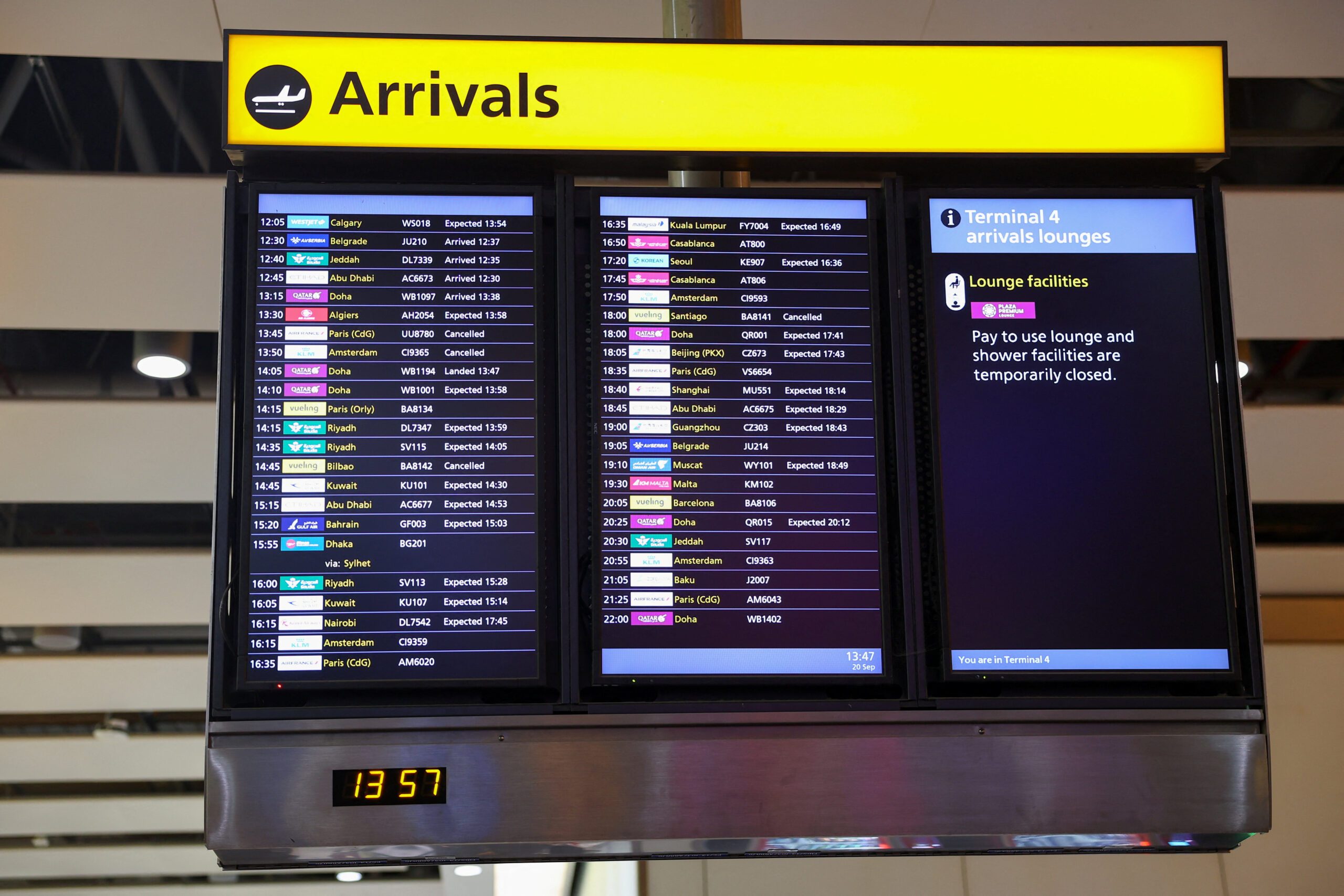
    During a midday briefing, European Commission spokesperson Thomas Regnier addressed concerns regarding an ongoing cyberattack that has severely disrupted check-in and boarding systems at multiple airports. Passengers are facing significant delays, though air traffic safety and control remain unaffected, providing some reassurance amidst the chaos.

    Regnier noted, “the Commission has been closely monitoring the cyberattack, both over the weekend and today, which has caused disruptions.” He assured the public that efforts are underway to restore operations swiftly. “On our side, I can confirm that the Commission is working with Eurocontrol, Enisa, national authorities, airports and airlines to restore operations and support affected passengers,” he added.

    Currently, 12 member states have successfully incorporated the NIS 2 directive into their national laws, including Belgium, Croatia, Cyprus, Denmark, Greece, Italy, Latvia, Lithuania, Malta, Romania, Slovakia, and Slovenia. However, until all nations comply, the risk of cyber threats remains a pressing concern.

    The urgency surrounding the NIS 2 directive and its implementation is underscored by the current situation, as it illustrates the potential vulnerabilities in the EU’s cybersecurity framework. As the bloc grapples with these challenges, the call for swift and effective action has never been more critical.

  • Cypriot MEPs Criticise EU for Inaction During Limassol Wildfire Tragedy

    Cypriot MEPs Criticise EU for Inaction During Limassol Wildfire Tragedy

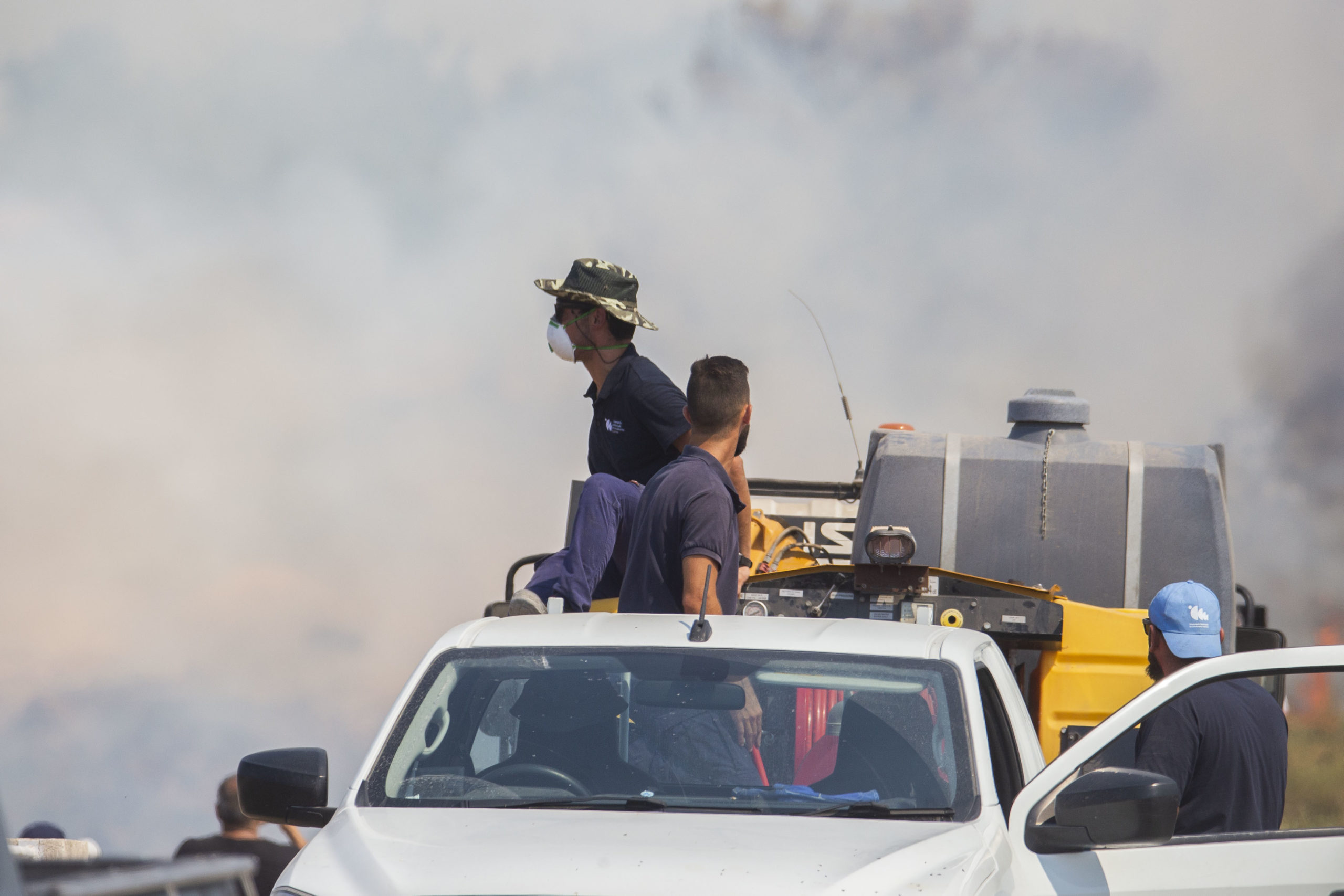
    limassol wildfire — Cypriot MEPs have sharply criticised the European Union for its perceived inaction during the devastating Limassol wildfire that claimed two lives and destroyed hundreds of homes in July. The wildfire, which ravaged over 120 square kilometres of land, highlighted the urgent need for improved fire prevention measures across Europe.

    In a heated debate, MEPs Giorgos Georgiou, Michalis Hadjipantela, Geadis Geadi, and Fidias Panayiotou voiced their frustrations over the EU’s failure to provide timely and effective support during a fire season that has been described as record-breaking. Over one million hectares of land have burned across Europe this year, an area larger than Cyprus and significantly higher than the 20-year average.

    Georgiou, representing the AKEL party, pointed out that Cyprus holds the “negative record of the decade,” noting the extensive destruction relative to its total territory. He did not shy away from criticising the Cypriot government for its lack of accountability, stating, “not even resignations of responsible ministers were seen.”

    His call for action included a demand for the establishment of a European aerial firefighting base, which he believes would benefit both Cyprus and neighbouring countries. “You ignore us demonstratively,” Georgiou lamented, urging that funding be shifted from military expenditures to public safety initiatives.

    Hadjipantela, a member of the ruling DISY party, echoed these sentiments, asserting that mere expressions of sympathy from the EU are insufficient. “The European Union cannot consider it has done its duty with a few words of sympathy. We don’t need sympathy. We need actions,” he declared. He warned that if similar disasters occur without a robust response plan, the EU would bear responsibility for the consequences.

    During the parliamentary session, Hadjipantela confirmed that Cyprus is eligible to seek compensation from the European Commission’s Solidarity Fund within 12 weeks following the wildfire. “We officially informed the government about this matter,” he stated, emphasising the need for swift action to secure financial support.

    Further highlighting the sense of abandonment felt by Cypriots, Geadi of ELAM acknowledged the assistance received from countries like Italy and Israel. He expressed gratitude for the support, particularly the firefighting aircraft sent by Israel.

    Independent MEP Panayiotou remarked on the irony that Cyprus received “more help from third countries – Georgia, Egypt, Israel, Lebanon – instead of European Union countries.” His comments reflected a broader sentiment among the Cypriot public, who feel let down by their European partners during a time of crisis.

    The current fire season has already set records since statistics began in 2006, with several European nations, including Cyprus, exceeding their twenty-year averages for wildfire damage. Tragically, at least eight people have lost their lives across the affected regions.