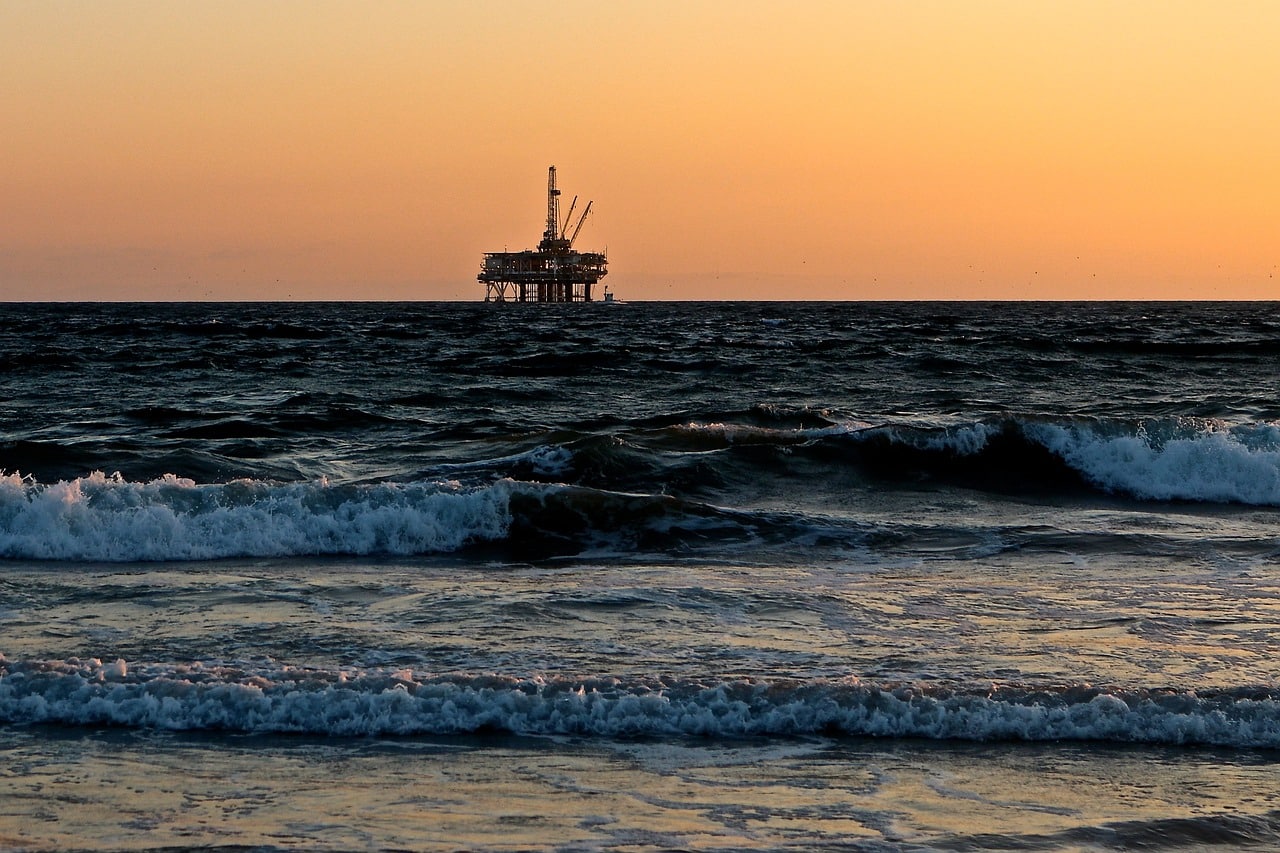
The presence of Chevron in Cyprus’ maritime exclusive economic zone (EEZ) is viewed as a significant vote of confidence in the energy potential of Cyprus and Europe. This assertion was made by President Nikos Christodoulides during a recent meeting with Javier La Rosa, head of Chevron’s base assets and emerging countries organisation.
At the presidential palace, Christodoulides expressed appreciation for Chevron’s involvement, highlighting its importance not just for Cyprus but also for the broader European energy landscape. “We appreciate your presence. It is a strong vote of confidence, not only for us, but also for Europe and the possibility of the region developing as an alternative source of energy for Europe,” he stated.
The discussions between the two leaders came amid notable developments in the energy sector since their last meeting in New York in September. Christodoulides emphasised the urgency of completing pending agreements with Egypt, particularly concerning the Aphrodite gas field, to expedite its utilisation.
Chevron is a key player in the agreement established between Cyprus and Egypt, which lays the groundwork for the commercialisation of gas from the Aphrodite gas field, located in Block 12 of Cyprus’ EEZ. This agreement is pivotal for facilitating the export of natural gas from Cyprus to Europe.
In a recent update, Cyprus’ former energy minister, George Papanastasiou, revealed that a techno-economic study on Block 12 is underway, with expectations for completion by the end of next year. This study is critical, as it will inform the final investment decision regarding the transport of gas to the Segas liquefied natural gas (LNG) terminal in Damietta, Egypt.
Seabed surveys commenced in June, aiming to identify a suitable location for the pipeline that will transport natural gas from Cyprus to Egypt. The initial objective is to facilitate the export of natural gas from the Aphrodite gas field to the Egyptian port city of Damietta.
In a significant development, members of the Egyptian government visited Nicosia in September, announcing plans for the export of Cypriot natural gas to Europe via Egypt by 2027. This timeline reflects the growing collaboration between the two nations in leveraging their energy resources.
Furthermore, natural gas from Block 6 of Cyprus’ EEZ, which includes the Kronos gas field, is also set to be transported to Damietta. The Egyptian government was designated as the host government for Block 6 in February, reinforcing its role in this energy partnership.
Papanastasiou previously noted that the agreements for Blocks 6 and 12 comprehensively address the entire supply chain, from liquefaction in Damietta to the eventual export of LNG to European markets.
Expressing optimism about the cooperation between Cyprus and Egypt, Egyptian Petroleum Minister Karim Badawi stated in September, “Our cooperation in the energy sector with the Republic of Cyprus is very important and is expanding daily. We are here to support the Republic of Cyprus in the full development of its energy reserves, so that it can exploit them and make them available to its citizens and to European markets which need energy.”