The Great Sea Interconnector (GSI) remains a priority for the Cypriot government, according to Energy Minister George Papanastasiou, despite criticism regarding its financial viability.
- The Great Sea Interconnector (GSI) remains a priority for the Cypriot government, according to Energy Minister George Papanastasiou, despite criticism regarding its financial viability.
Minister’s Assurance Amidst Financial Concerns
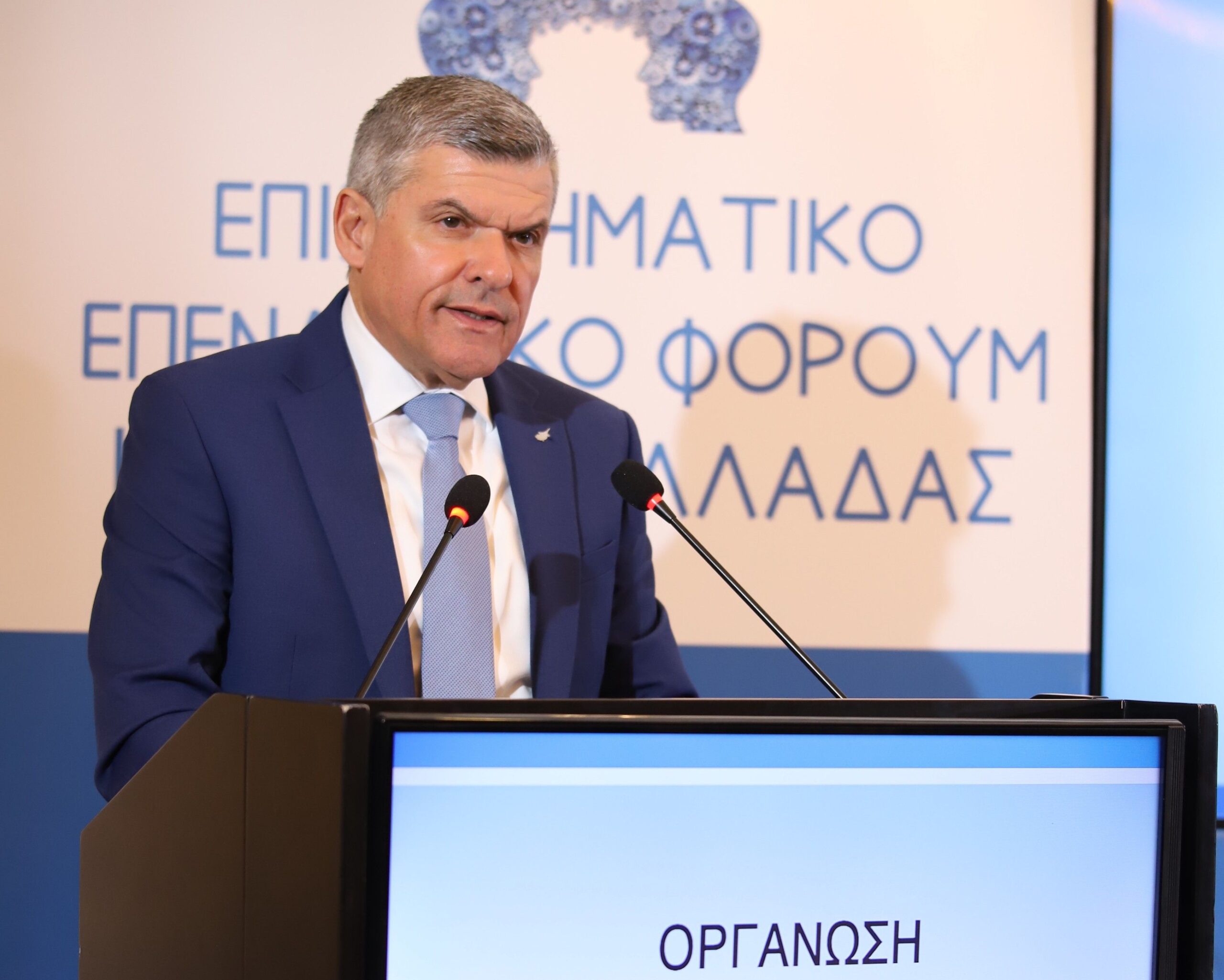
During an event in Paphos on Monday, Papanastasiou emphasised the need for Cyprus to maintain its focus on the GSI project. This statement came on the heels of remarks from Kyriacos Kakouris, the outgoing Vice President of the European Investment Bank (EIB), who labelled the project a “financial non-starter.”
Defending the European Nature of the Project
Papanastasiou countered the scepticism by highlighting that the GSI is a European initiative. He stated, “any commentary, from anyone else other than the European Commission, is superfluous,” indicating that outside opinions, including those from Greek and Cypriot officials, should be viewed with caution.
Upcoming Meetings to Discuss the GSI
The Energy Minister also confirmed that a crucial three-way meeting involving himself, his Greek counterpart, and the European Commissioner for Energy is scheduled for November 12 in Brussels. This follows an earlier teleconference on October 16, aimed at addressing concerns surrounding the GSI.
The Great Sea Interconnector Explained
The GSI is envisioned as a subsea cable that will connect the electricity grids of Cyprus and Greece. This interconnection is intended to bolster energy security and diversify energy sources for Cyprus, which is currently reliant on imported fuel.
Financial Viability Under Scrutiny
Kakouris raised several doubts about the GSI’s financial viability, stating that the EIB has yet to receive sufficient explanations from the Greek and Cypriot governments about how the interconnector fits into their broader energy plans. He expressed concern that the project, as it stands, does not appear to be viable based on existing regulatory decisions.
He remarked, “On its own the project, based on the decisions of the regulatory authorities, appears not to be viable,” suggesting that additional political discussions are crucial to secure state support and guarantees, especially concerning geopolitical risks associated with the project.
Escalating Costs and Consumer Concerns
Compounding the challenges, Kakouris noted that the project’s costs have escalated significantly, with the initial estimate of €1.4 billion now deemed outdated. He warned that the cost of lending could effectively double the total financial outlay, extending repayment over a 20 to 25-year period. This raises questions about how these costs will affect electricity consumers in both Cyprus and Greece.
According to Kakouris, clarity is needed regarding what consumers will be charged for the interconnector over time. The agreed reimbursement ratio dictates that two-thirds of the costs will fall on Cypriot consumers, while one-third will be the responsibility of Greek consumers. He insisted that there should be assurances that the charges do not outweigh the benefits.
Political Reactions and Calls for Transparency
The opposition party Akel has been vocal in its criticism of the government’s handling of the GSI project. They accused the administration of “speaking with a forked tongue” and failing to take decisive action to address the project’s viability.
Akel has demanded immediate clarification from President Nikos Christodoulides regarding the absence of an official loan request to the EIB, the government’s intentions for potentially acquiring a stake in the GSI, and whether the project is considered financially sustainable.
Looking Ahead
As the scheduled meetings approach, the Cypriot government faces mounting pressure to provide clear answers and a viable path forward for the GSI. Papanastasiou’s steadfast commitment to the project suggests an unwavering belief in its potential benefits, despite the financial uncertainties that loom.
Ultimately, the future of the Great Sea Interconnector hinges on successful negotiations, financial backing, and a transparent dialogue with consumers and stakeholders. The outcome will not only impact energy policy in Cyprus but also its relationship with Greece and the broader European energy landscape.