Tag: European Parliament

  • Cypriot MEPs Openly Support Same-Sex Weddings

    Cypriot MEPs Openly Support Same-Sex Weddings

    same-sex weddings — same-sex weddings — Three Cypriot MEPs have expressed their willingness to attend a same-sex wedding if invited, highlighting a progressive shift in attitudes among some politicians in the region. Disy’s Loucas Fourlas, Diko’s Costas Mavrides, and independent Fidias Panayiotou all affirmed their support during a recent interaction with social media influencer Andreas Haris.

    When asked if they would attend a same-sex wedding, Fourlas responded enthusiastically, saying, “Of course, why would I not go?”, before clarifying, “if they invite me, right?” His openness was mirrored by Mavrides, who stated, “If they invite me to their party, I will go.” Adding a light-hearted touch to the conversation, Mavrides joked that he would bring an envelope of cash, a traditional gesture at Cypriot weddings, to which Haris quipped, “make it a fat envelope, you’re an MEP!”

    Panayiotou, initially pausing before his response, also agreed, acknowledging that the issue is complex. He commented, “It has a lot of background,” emphasising that attending a wedding does not necessarily equate to endorsing the institution of same-sex marriage or the associated rights, such as adoption.

    In stark contrast, Elam’s Geadis Geadi quickly dismissed the notion, stating a firm “no” when posed the same question, indicating a divergence in views among Cyprus’ political representatives. Notably, two other MEPs, Akel’s Giorgos Georgiou and Disy’s Michalis Hadjipantela, did not participate in the video discussion, with Haris noting that only those who consented to appear were included.

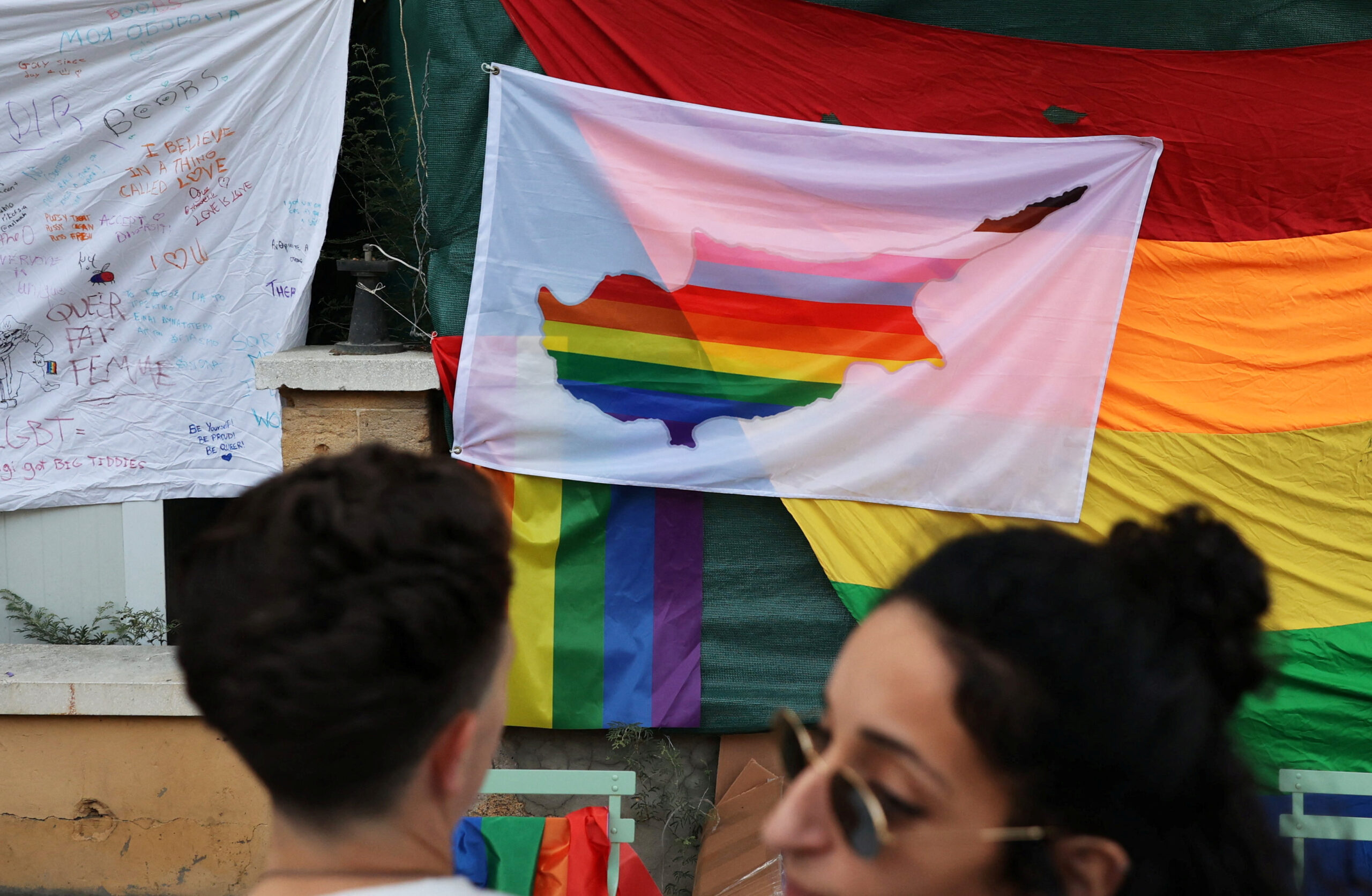
    Despite these progressive responses, same-sex marriage remains illegal in Cyprus. However, civil unions for same-sex couples have been permitted since 2016. According to the Interior Minister Constantinos Ioannou, there are currently 415 same-sex couples in civil unions across the island.

    Cyprus stands as one of seven EU member states that do not recognise same-sex marriage. Unlike five of its counterparts—Bulgaria, Croatia, Hungary, Latvia, Lithuania, and Slovakia—Cyprus does not have a constitutional prohibition against it. This legal landscape shifted somewhat in November 2022, when the European Court of Justice ruled that all EU member states must acknowledge same-sex marriages conducted in jurisdictions where they are lawful. Consequently, a couple married in a recognised jurisdiction must be regarded as married in Cyprus if they visit the island.
  • Mythology: Cyprus Exhibition Showcases Myths That Transcend Physical Borders

    Mythology: Cyprus Exhibition Showcases Myths That Transcend Physical Borders

    Mythology as a Cultural Bridge

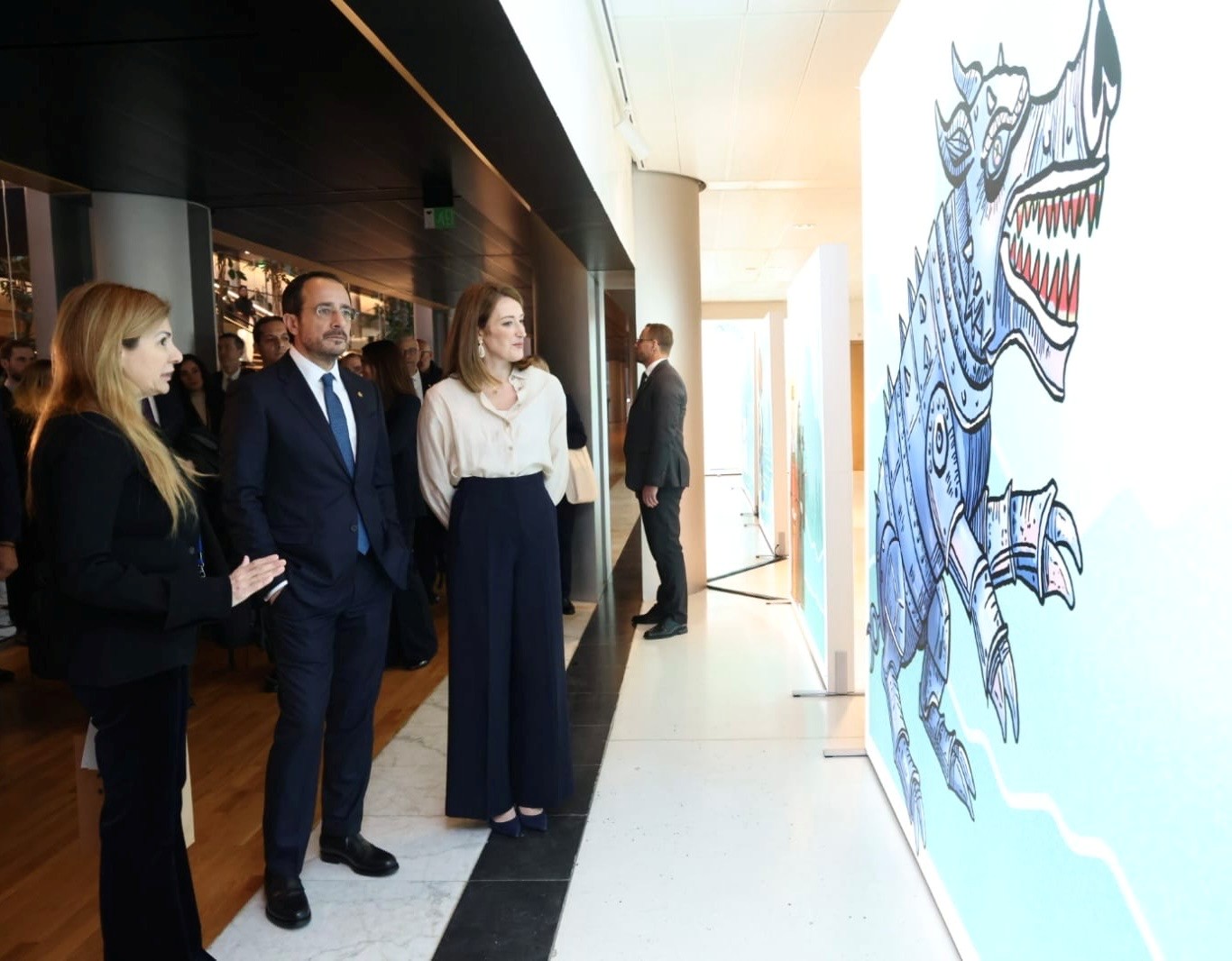
    Mythology has a profound ability to transcend physical borders, as showcased in the recent Myths and Tales of Cyprus Exhibition at the European Parliament in Strasbourg. The event marked the beginning of Cyprus’ presidency of the EU Council and aimed to introduce attendees to the island’s rich cultural heritage.

    Photo: cyprus-mail.com

    A Rich Tapestry of Stories

    The exhibition features eight captivating stories that highlight the deep-rooted myths of Cyprus, each reflecting the island’s history and values. According to Aliki Stylianou, Director of the Press and Information Office, these narratives are not just remnants of the past but living traditions that connect generations.

    Photo: cyprus-mail.com

    The Dragons of Cyprus

    The first story introduces the Dragons, formidable creatures that symbolize power and fear. Two dragons from different regions of Cyprus, one from Paphos and the other from the Mesaoria plain, are said to have fought for control over the island’s precious water resources. The Paphian dragon eventually dominated the Tillyria area, noted for its picturesque villages such as Kato Pyrgos and Pomos.

    The Wine of Commandaria

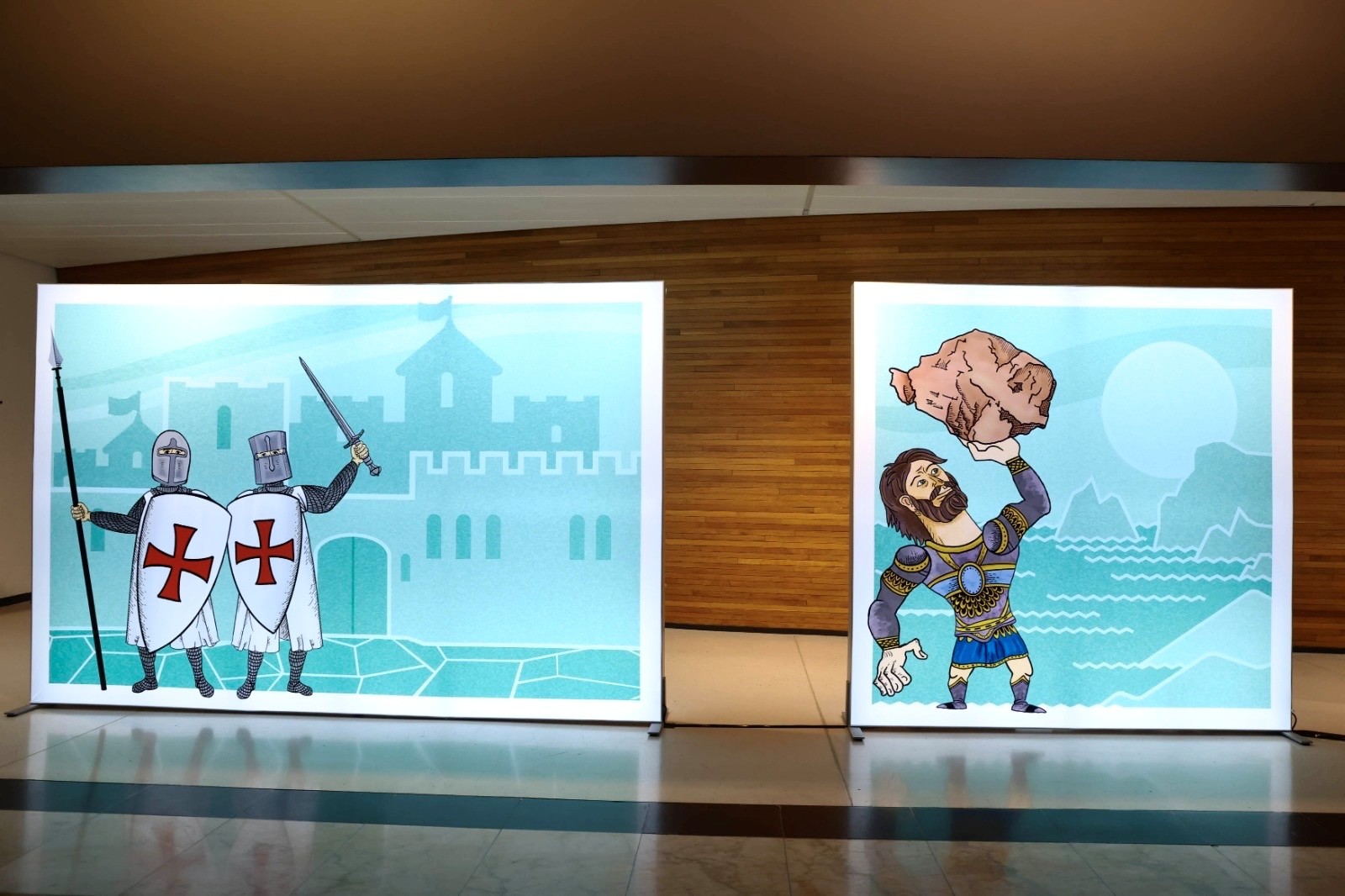
    The second tale revolves around Commandaria, the renowned Cypriot wine named after the Commandery of Limassol. This wine, crafted during the Third Crusade, gained fame not only for its rich taste but also for its historical significance, as it was enjoyed by European royalty. The Knights Templar, the first rulers of Cyprus, played a key role in its production, creating a legacy that endures to this day.

    The Heroic Digenis Akritas

    Next, visitors learn about Digenis Akritas, a legendary hero whose strength was said to rival that of mountains. Born of a Muslim general and a Byzantine noblewoman, Digenis became a symbol of resistance against invaders. His legendary prowess included hurling boulders at approaching ships, with one of the most famous sites being Petra tou Romiou in Paphos, where Aphrodite is said to have emerged from the sea.

    Saint Helena’s Journey

    The tale of Saint Helena, mother of Constantine the Great, addresses a time of crisis in Cyprus marked by drought and demonic infestations. Helena’s arrival brought hope as she released cats to control the snake population and trapped the demons, thereby restoring peace. Her journey also led to the discovery of a fragment of the Holy Cross, which is commemorated at the Mountain of the Cross.

    The Iron Beast Sierolotta

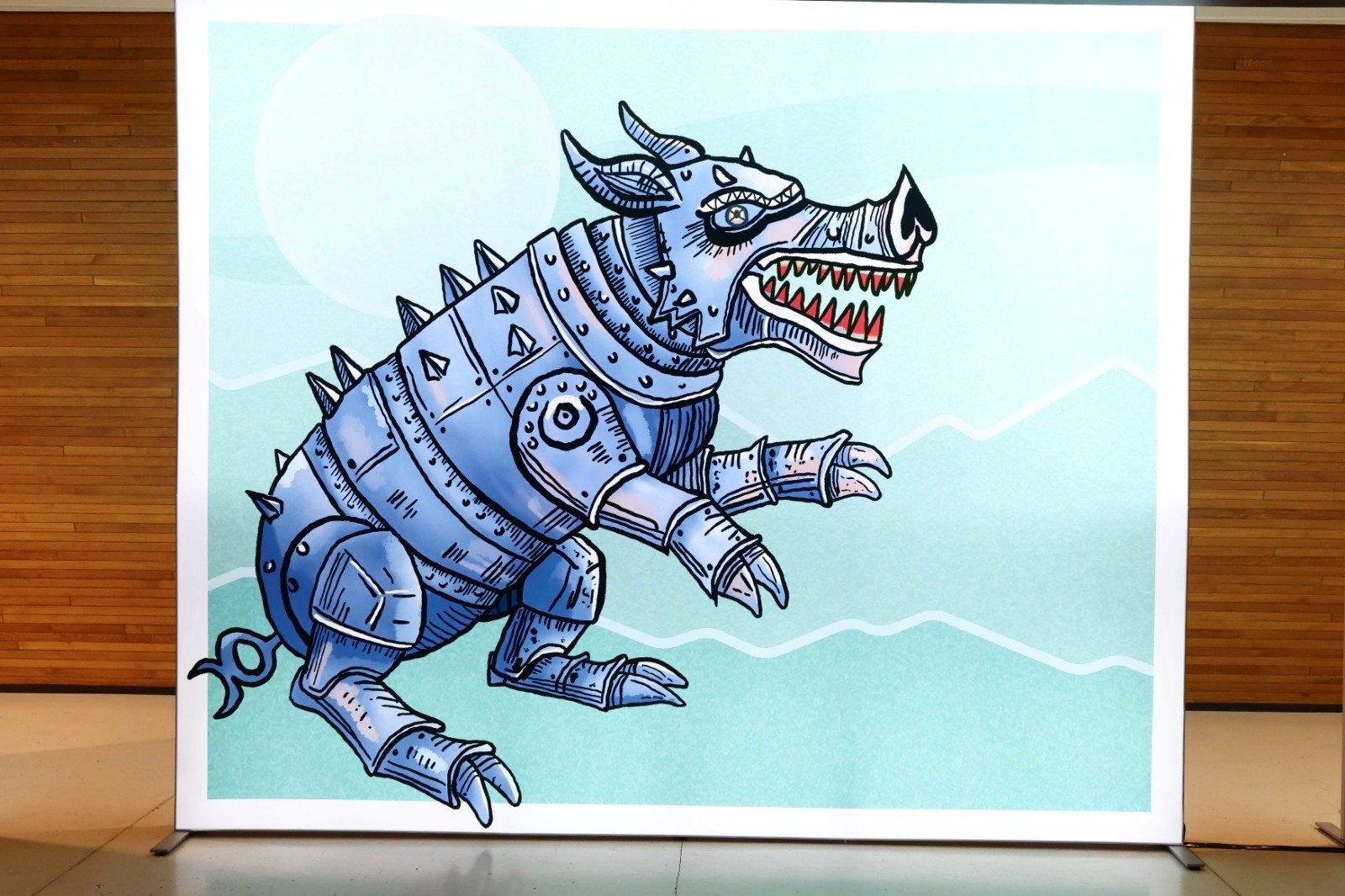
    In a more whimsical narrative, the Iron Pig, or Sierolotta, terrorised the villagers of Doros, stealing water and livestock. A fearless monk confronted her and, with divine intervention, sealed her away for a millennium. This story serves as a reminder of the struggles faced by the community and the resilience found in faith.

    Noah’s Ark and the Great Flood

    The exhibition also recounts the story of Kataklysmos, the Great Flood, during which Noah’s Ark is said to have docked in the Troodos mountains. This tale has shaped local traditions, with the Festival of the Flood celebrated in Larnaca, marking the connection between myth and cultural identity.

    The Tragic Love of Adonis

    The myth of Adonis, born from the tragic tale of Myrrha, underscores themes of beauty, love, and loss. Adonis’s dual existence between Aphrodite and Persephone illustrates the cyclical nature of life, celebrated every spring in Paphos through the planting of seeds symbolising renewal.

    The Treasures of Regina’s Castle

    Finally, the story of Regina and her castle at Boufavento introduces an element of intrigue and mystery. The queen’s betrayal of her workers and the legend of a hidden treasure that may one day be revealed adds a layer of suspense, encapsulating the hopes and dreams of the people.

    The Significance of Cultural Heritage

    In his address at the exhibition, President of the European Parliament Roberta Metsola emphasised the importance of culture in shaping identity and fostering unity. He referenced Jean Monnet’s belief that culture should be the foundation of European integration, highlighting how shared myths can bridge divides and connect communities.

    The Myths and Tales of Cyprus exhibition serves as a reminder that culture is a universal language that can bring people together, transcending geographical and historical barriers. As Cyprus stands at the crossroads of three continents, its myths resonate with broader European narratives, enriching the continent’s cultural tapestry.

    Living Myths in Modern Life

    Today, the tales of Cyprus continue to influence the lives of its people. From festivals celebrating ancient legends to the ongoing storytelling that connects past and present, these myths remain vibrant threads in the fabric of Cypriot culture. They remind us that while borders may divide, shared stories can unite us in our common humanity.

  • Cyprus MEPs Express Disappointment Over EU’s Wildfire Response

    Cyprus MEPs Express Disappointment Over EU’s Wildfire Response

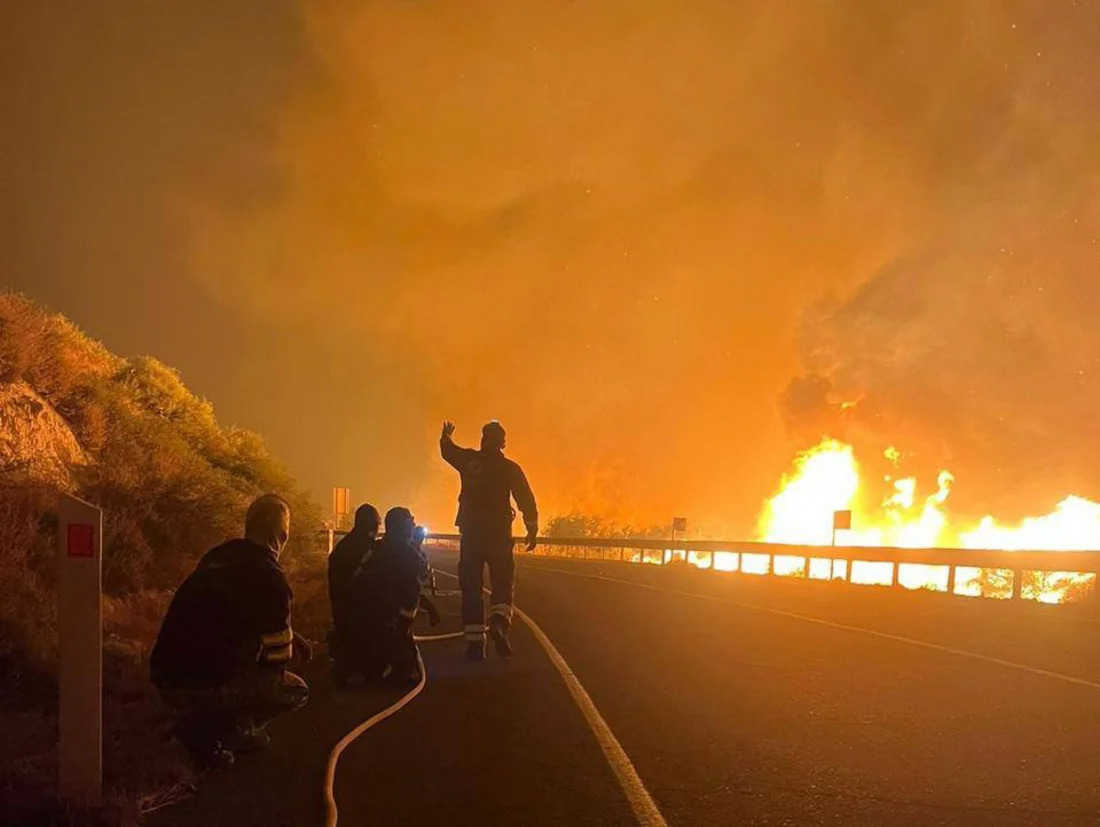
    Cyprus MEPs have voiced their frustration, feeling ‘abandoned’ by the EU following the devastating wildfire in Limassol that resulted in two fatalities in July.

    • Cyprus MEPs have voiced their frustration, feeling ‘abandoned’ by the EU following the devastating wildfire in Limassol that resulted in two fatalities in July.
    • Despite expressing gratitude for any assistance received, Panayiotou emphasised that it was insufficient, stating, “You were not in Cyprus when we needed you the most, and this needs to change.”

    During a session in Strasbourg, Cypriot representatives called for enhanced support from the European Union to combat future wildfires. Akel’s Giorgos Georgiou was the first to address the chamber, criticising European Commissioner for Crisis Management, Hadjia Lahbib, for her speech. He highlighted the inadequate response to the wildfires, stating, “I heard you use the word ‘shall’ 10 times and the word ‘must’ 20 times in your speech.”

    Georgiou pointed out that Cyprus led Europe in the proportion of territory burned over the past decade, with 104 square kilometres lost. This, he claimed, underscored the need for urgent EU assistance, particularly regarding the two firefighting planes requested from Spain that had yet to arrive after three months.

    While acknowledging the Cypriot government’s significant responsibility for the wildfires, Georgiou noted that no ministers had resigned in response to the disaster. He contended that the EU also bore blame, stating, “Since 2016, we, the Left group, have been calling for a European air firefighting base to be established in Cyprus. You are outrageously ignoring us.”

    Geadi Geadi of Elam echoed these sentiments, critiquing the rescEU mechanism, which he argued had left countries like Cyprus vulnerable. He proposed the establishment of a robust pan-European fire brigade and stricter penalties for arsonists, alongside increased funding for wildfire victims.

    In a pointed exchange, French MEP Gregory Allione questioned Geadi’s call for more funding for a mechanism he deemed ineffective, prompting Geadi to clarify that his experience at the Limassol fire scene revealed substantial gaps in the current system.

    Independent MEP Fidias Panayiotou added to the criticism, stating, “The European Union did almost nothing to help us,” noting that assistance from non-EU countries such as Jordan and Israel had been more forthcoming than aid from EU member states. He lamented, “This is not a good look for the European Union, and us Cypriots feel abandoned by the EU.”

    Despite expressing gratitude for any assistance received, Panayiotou emphasised that it was insufficient, stating, “You were not in Cyprus when we needed you the most, and this needs to change.”

    Disy’s Michalis Hadjipantela concluded the Cypriot addresses by stressing the ongoing impact of climate change on the island. He asserted that the EU must go beyond mere sympathy, advocating for tangible actions to fortify the rescEU mechanism and better prepare for future incidents. Earlier in the summer, he had called for the EU to station firefighting aircraft in Cyprus.