cyprus 2026 — cyprus 2026 — Cyprus’ 2026 EU Presidency presents both a significant challenge and an opportunity for tourism growth in the small nation, home to just over one million residents. As the country prepares to assume the Presidency of the Council of the European Union, it has outlined plans to host approximately 260 informal meetings, which are anticipated to generate around 62,500 overnight hotel stays during the first half of the year.
Cyprus 2026: Boosting Tourism During Off-Peak Months
The six-month presidency is strategically positioned in a period typically characterised by lower occupancy rates in hotels across Cyprus. Christos Aggelides, general manager of the Pasyxe tourism body, highlighted the expected positive impact on the tourism sector: “There will be 62,500 overnight stays due to the Cypriot presidency which will directly affect hotels and the tourism sector. It will have a positive effect because it will take place in a period when occupancy is not so high.”
Key Venues and Infrastructure
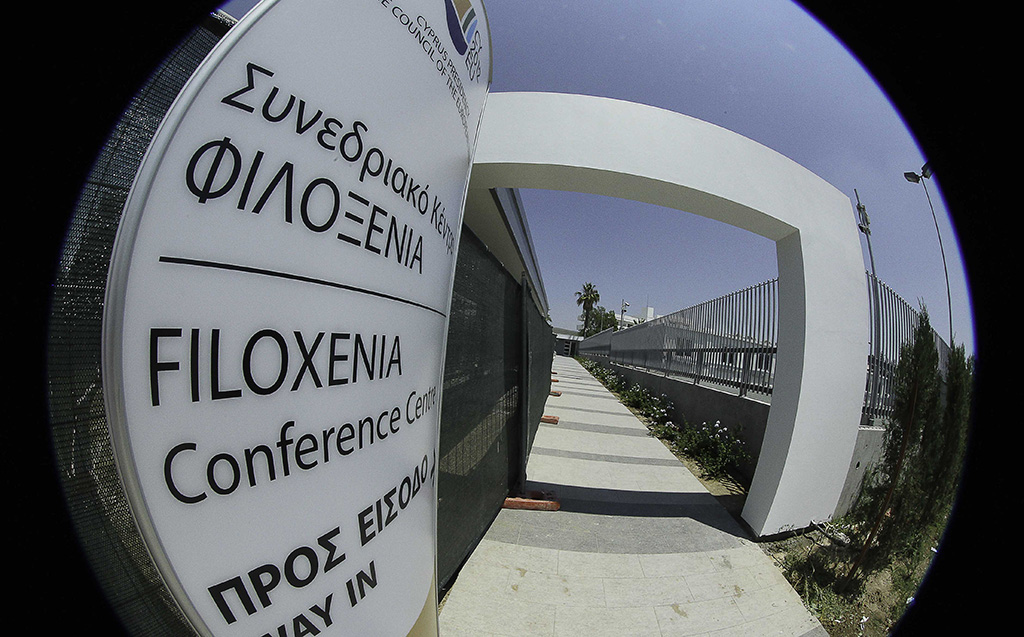
Meetings will primarily take place at the Filoxenia conference centre, which is equipped with five main halls and smaller meeting rooms capable of accommodating up to 800 participants. This venue boasts modern technological infrastructure and interpretation systems that meet EU standards, ensuring a seamless experience for attendees. Additionally, a renovated building, previously part of the higher hotel institute, will be designated as the press centre for journalists covering the presidency.
Financial Considerations and Budget Management
As Cyprus prepares to host the presidency, officials have indicated that the country will bear most of the costs associated with the event, including expenses for meeting rooms, equipment, security, translation services, and catering. The deputy ministry for European affairs has made it clear that efforts are underway to minimise the burden on the state budget while maintaining high-quality service standards.
To further ease financial pressures, Cyprus plans to invite sponsorships from companies and organisations, which could help offset some costs. The deputy ministry emphasised that while Cyprus will remain responsible for the majority of expenses, some meetings may benefit from additional funding from the EU or other bodies.
Transparency and Cost Control Initiatives
Budget transparency and cost control are top priorities for the government as it approaches the presidency. Akis Kikas, audit director of the contact committee of the European Court of Auditors, stated, “Transparency is ensured as in all budgets. We always make sure that there are no wasteful expenses and that basic transparency exists. All funds included in each budget are approved by you.”
The finance ministry reiterated that the budget for the presidency is integrated within the broader state budget and adheres to spending limits set by relevant EU directives. Officials are confident that the amounts allocated for the presidency will not threaten the sustainability of public finances.
Limited EU Funding for the Presidency
In terms of EU funding, the finance ministry clarified that council presidencies are generally funded by national resources rather than EU contributions. Only a small portion of meetings—approximately 30—will receive partial funding from the EU or other organisations, which could cover costs like accommodation, transport, or general conference expenses.
As the ministry pointed out, “The contribution of the European Union to the budget for Cyprus’ presidency of the council is essentially negligible.” This reinforces the need for Cyprus to manage its finances prudently while ensuring that the presidency meets the expectations of both national and European stakeholders.
Logistics and Hospitality Standards
The logistics surrounding the presidency will also require careful planning. Luxury vehicles, buses, and minibuses will be used to transport heads of delegations and delegates. Security and traffic management will be coordinated by the relevant authorities, ensuring a safe and smooth experience for all participants.
In a nod to Cypriot culture, the deputy ministry for European affairs assured that catering services will showcase the country’s hospitality, professionalism, and commitment to environmental sustainability. All services will undergo quality control to maintain high standards.
A Balancing Act for Cyprus
As Cyprus gears up for its presidency, officials face the delicate task of ensuring efficient organisation while controlling costs and maintaining transparency. The country aims to deliver a strong national message and reaffirm its position within the European Union through effective management of this prestigious role.
The challenges ahead are significant, but with careful planning and a proactive approach, Cyprus is poised to make its presidency a success, benefiting not only from increased tourism but also from enhanced visibility on the European stage.