Archaeologists have recently uncovered a Bronze Age settlement at the Kisonerga–Skalia site in Paphos, dating back to around 2500 BC. This significant discovery sheds light on the artisanal practices of a community that thrived until its abandonment around 1600 BC.
Bronze age: Excavation Insights Led by Dr Lindy Crewe
The excavations at Kisonerga–Skalia are under the direction of Dr Lindy Crewe, the director of the Cyprus American Archaeological Research Institute (Caari). The findings from this site indicate a flourishing settlement that provides essential insights into the social and economic aspects of life during the Bronze Age.
Spanning Historical Periods
According to the antiquities department, the site preserves artifacts and structures from the Chalcolithic period through to the Middle Bronze Age. It appears to have succeeded the nearby Neolithic settlement of Kisonerga–Mosfilia, marking an evolution in the settlement patterns of the region.
Settlement Dynamics and Abandonment
The abandonment of the Kisonerga settlement coincides with the emergence of larger communities elsewhere on the island, reflecting broader trends across the Mediterranean during that era. This shift in settlement dynamics indicates a transformation in social organisation and economic practices.
Uncovering Architectural Features
The archaeological team has uncovered a major building complex constructed after prior residential structures on the northern slope were demolished. Research suggests that this settlement was established around 2500 BC and underwent significant redevelopment near the end of the Middle Bronze Age, approximately 1750 BC. The complex is distinguished by its skilled layering of materials and highly structured construction, suggesting an organised artisanal economy.
Craft Production at the Core
Evidence indicates that the settlement was primarily used for craft production rather than mere domestic living. Key features of the site include large hearths, areas designated for material processing, and numerous storage vessels. The antiquities department has highlighted the importance of this site, stating, “The site provides a rare opportunity to study Bronze Age craft production in detail.” This is significant as the main building complex was abandoned shortly after its construction, leaving its remains largely undisturbed by later historical developments.
Distinctive Structural Elements
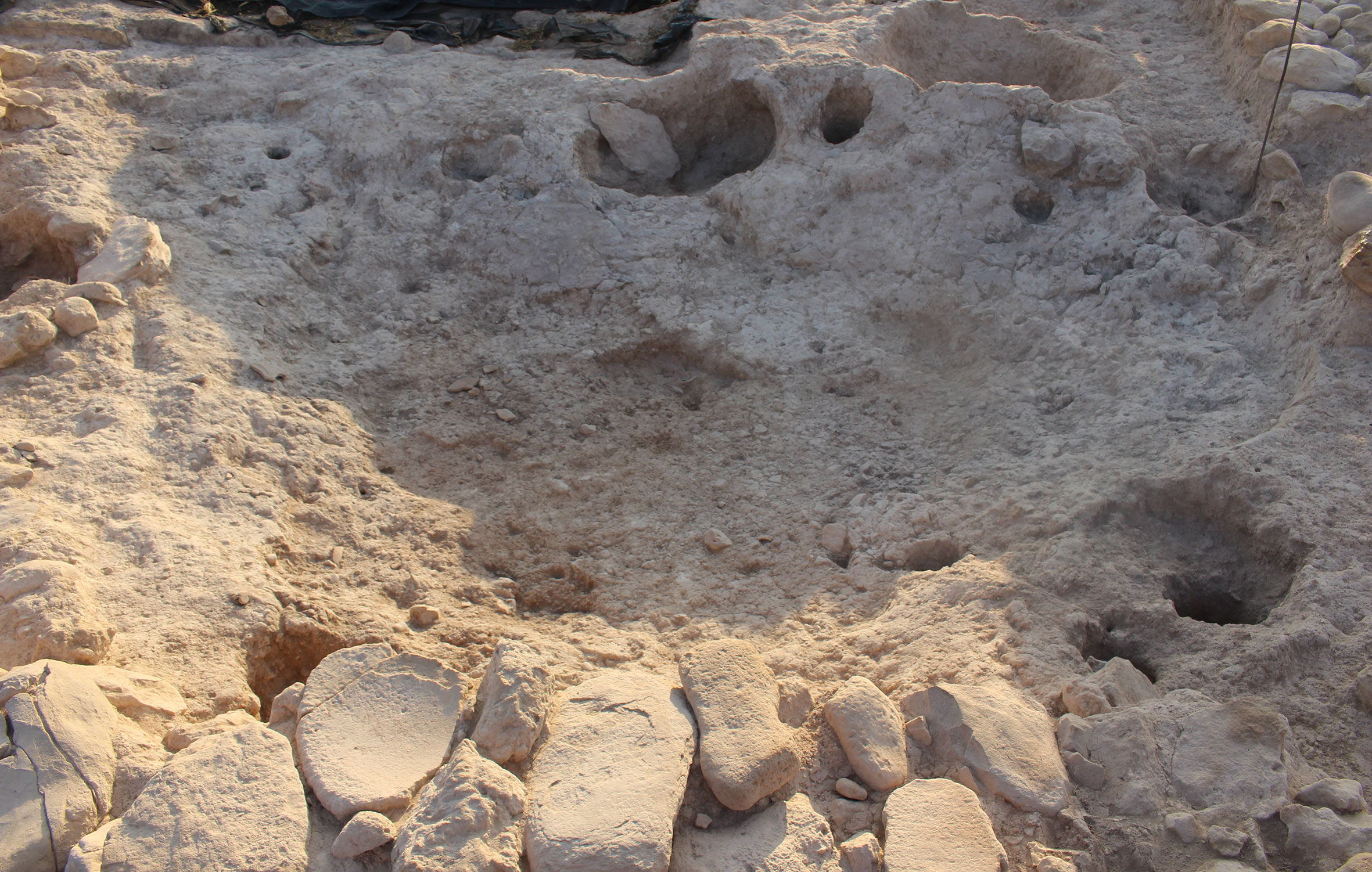
The complex is characterised by walls up to 1.2 metres thick, constructed from clay and plaster. A notable feature of the site is the discovery of two ovens situated within an L-shaped courtyard. Earlier excavations revealed a domed oven, while the latest findings have uncovered a larger hemispherical oven, which is roughly double the diameter of its predecessor.
Dietary Insights from Excavated Ovens
The larger oven contained stone tools, ceramic fragments, and animal remains, and was constructed from a mixture of mud and lime. Systematic wet-sieving of its contents revealed traces of turpentine, which suggests that wheat and quail were staples in the diet of the Early Bronze Age inhabitants.
Continued Research and Future Discoveries
Excavation teams are continuing their work at the Kisonerga–Skalia site, focusing on deepening their understanding of the daily activities, craft techniques, and dietary habits of its early inhabitants. This ongoing research is crucial for illuminating Cyprus’ early cultural and economic history.