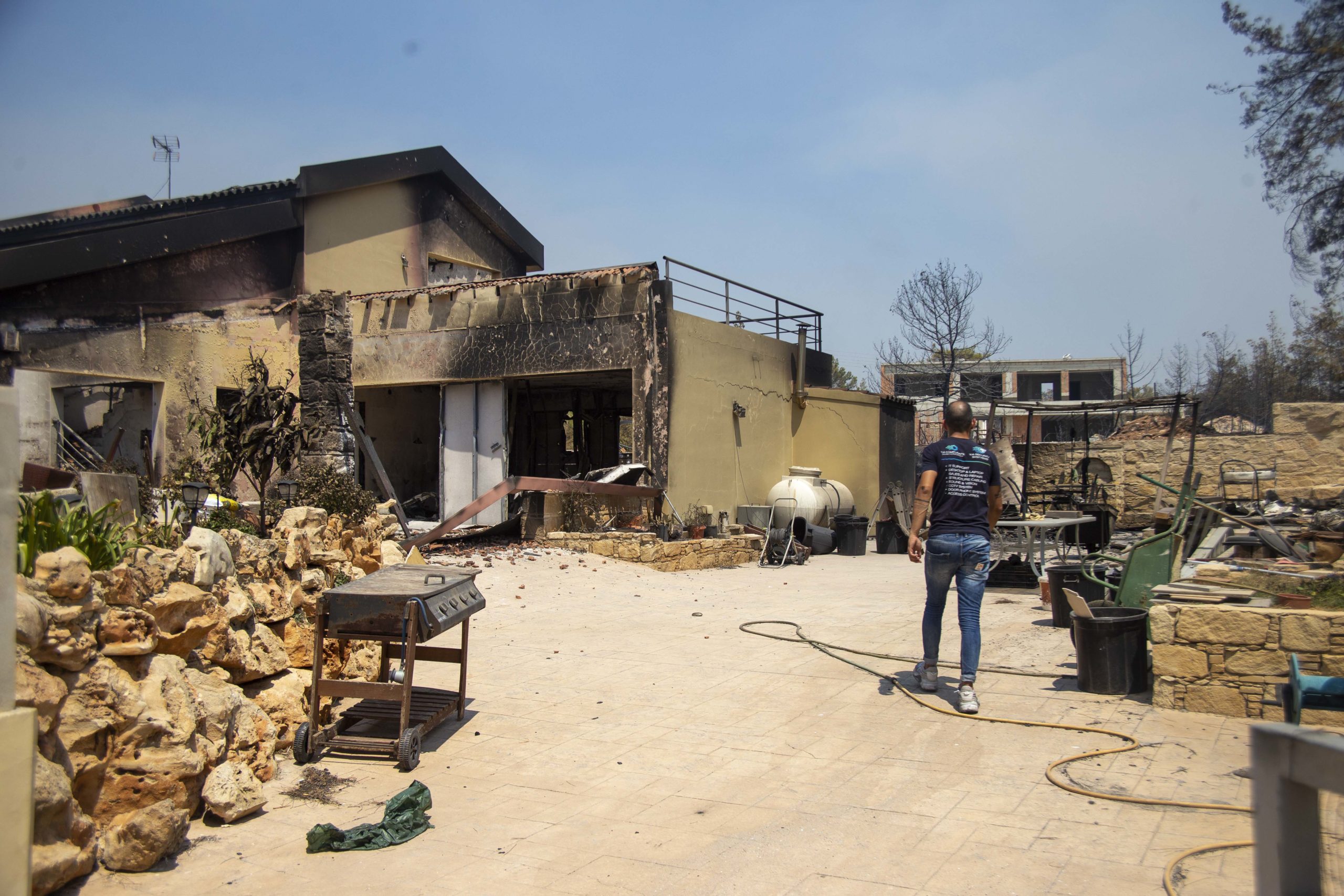
The Limassol fire has prompted police to confront their lack of fire investigation expertise, revealing serious operational shortcomings in their emergency response. Deputy Police Chief Panikos Stavrou admitted to parliament that the investigators currently lack the specialised knowledge necessary for thorough fire investigation procedures.
This significant gap in expertise has surfaced during a review of the police’s response to the deadly blaze, which exposed multiple operational failures that hindered effective management at the scene. Stavrou stated that while officers processed 13 pieces of information regarding the wildfire, they could not substantiate any arson suspicions against individuals, as no relevant testimonies had been obtained.
Limassol fire: Operational Failures Unveiled
The review unveiled numerous operational oversights during the emergency response. One critical issue highlighted was the entrance of unauthorised personnel into the Mobile Command Station, which complicated the efforts of those tasked with managing the situation. “The presence of unauthorised persons at the station complicates the work of responsible personnel,” Stavrou remarked, indicating that stricter protocols are essential.
Additionally, the police acknowledged deficiencies in their media management protocols. They concluded that journalists should be positioned away from coordination centres and command stations to ensure that essential operations are not disrupted. This approach aims to streamline communication and enhance the effectiveness of the emergency response.
Communications and Medical Support Issues
Another pressing concern was the disruption of internet services due to damage sustained by various provider antennas during the fire. The police have recommended the installation of permanent satellite internet servers at the Mobile Command Station to ensure reliable communication in future emergencies.
Perhaps most alarming was the absence of ambulances at the fire scene, despite numerous emergency calls for first aid and medical assistance. Officials have stressed that having ambulances present at crisis sites is vital, particularly in situations where rapid medical intervention is required.
The Limassol police also faced challenges in providing essential social services. When citizens sought emergency accommodation, they found that contact information for relevant social welfare services was unavailable. While representatives from HOPE FOR CHILDREN were on-site to assist at the Crisis Management Centre, it was determined that these services would operate more effectively from separate spaces to improve communication with the public.
Need for Enhanced Training
The findings from the review have underscored the urgent necessity for joint training programmes between police and fire service personnel engaged in fire investigations. Acknowledging that current investigators lack the requisite specialised knowledge for effective examinations of fire scenes, Stavrou called for immediate action to address these training deficiencies.
The Limassol fire serves as a stark reminder of the critical importance of specialised training and operational protocols in emergency response situations. As authorities continue to investigate other complaints related to additional fires across Cyprus, the emphasis on improving skills and procedures remains paramount.