Tag: foreign ministers

  • International Outcry Over Israel’s E1 Settlement Plans

    International Outcry Over Israel’s E1 Settlement Plans

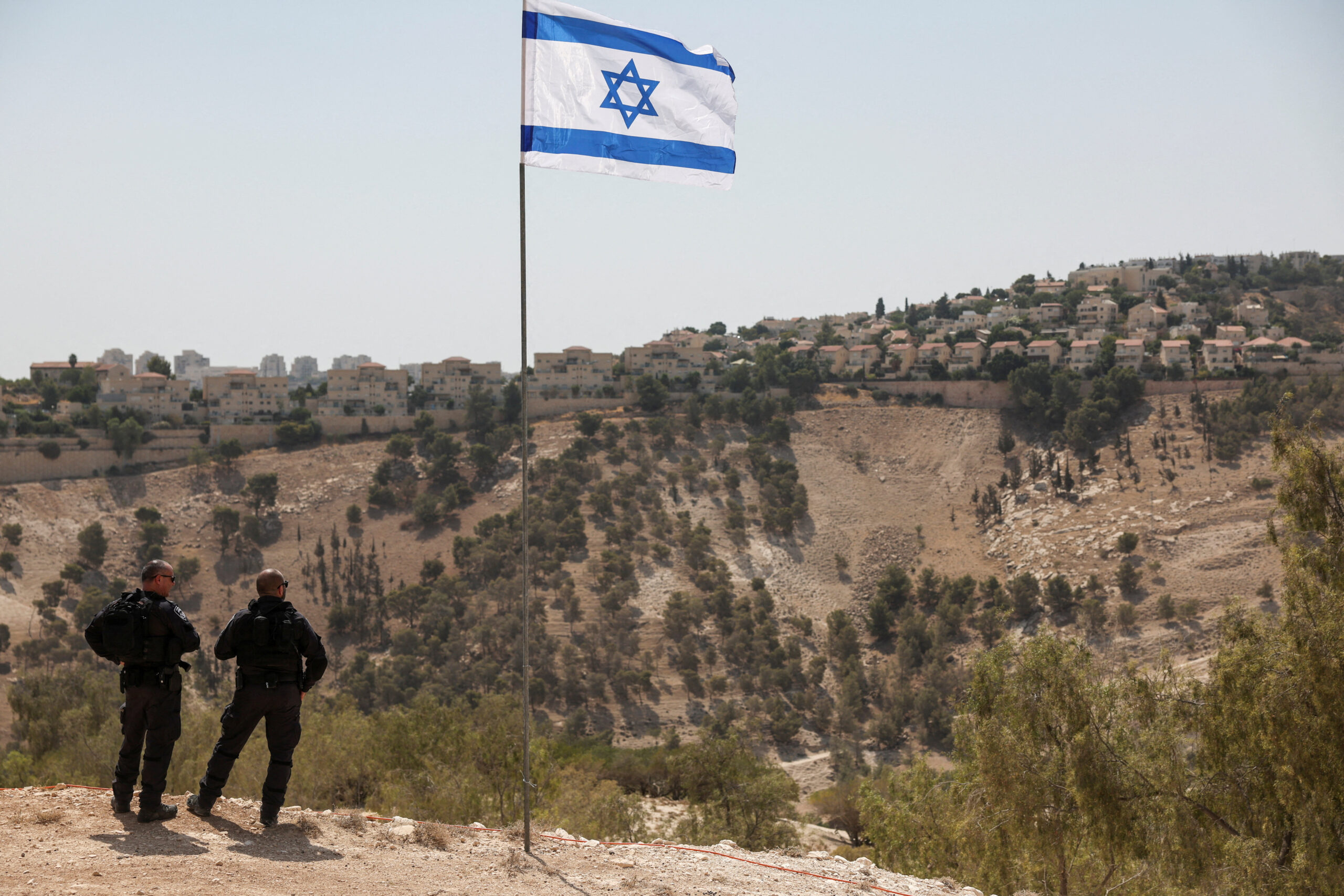
    Foreign ministers from various European nations, along with Australia and the UK, have condemned Israel’s new settlement plans, particularly the controversial E1 project, which threatens to significantly alter the landscape of East Jerusalem and the West Bank.

    The E1 settlement initiative, which has received backing from Israeli Finance Minister Bezalel Smotrich and was approved by a defence ministry planning commission, aims to construct new settlements east of Jerusalem. This development has raised serious concerns among international leaders, as it would effectively bisect the West Bank and hinder the establishment of a contiguous Palestinian state.

    In a joint statement released on Friday, foreign ministers from countries including Belgium, Canada, Denmark, France, Greece, and others expressed their disapproval, stating, “The decision by the Israeli higher planning committee to approve plans for settlement construction in the E1 area, east of Jerusalem, is unacceptable and a violation of international law.” They called for an immediate reversal of the decision, emphasising the potential ramifications for peace in the region.

    EU foreign chief Kaja Kallas, who also serves as the vice-president of the European Commission, joined the chorus of condemnation, reinforcing the collective stance of the international community against the E1 project. The ministers warned that this settlement plan could severely obstruct the possibility of a two-state solution, arguing that it would divide any prospective Palestinian state and limit Palestinian access to Jerusalem.

    Israel responded swiftly to the international criticism, with its Foreign Ministry dismissing the statement as an attempt to impose foreign dictates. They reiterated Israel’s historical claim to the land, stating, “The historic right of Jews to live anywhere in the Land of Israel – the birthplace of the Jewish people – is indisputable.” The ministry further contended that Israel’s actions were in accordance with international law, asserting that the Jewish people are the indigenous people of the region.

    The E1 settlement plan has been a point of contention for years, with significant international opposition. Since the 1967 Middle East war, Israel has expanded its settlements in the West Bank, resulting in approximately 700,000 Israeli settlers now residing among 2.7 million Palestinians in the area. The ongoing conflict with Hamas in Gaza has further complicated the situation, with tensions remaining high.

    As the international community watches closely, the future of the E1 project remains uncertain. The foreign ministers’ statement has highlighted a growing divide between Israel and many nations who are advocating for peace and stability in the region.
  • Trilateral cooperation — Greek and Syrian Foreign Ministers Explore Trilateral Cooperation Involving Cyprus

    Trilateral cooperation — Greek and Syrian Foreign Ministers Explore Trilateral Cooperation Involving Cyprus

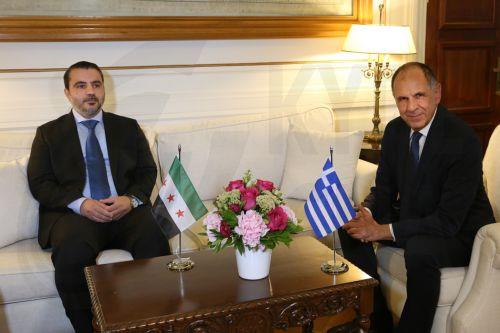
    Greek Foreign Minister Giorgos Gerapetritis and Syria’s interim Foreign Minister Asaad Al-Shaibani met in Athens to discuss a trilateral cooperation scheme involving Cyprus. The meeting, announced by the Greek foreign ministry on Wednesday, reflects a strategic intention to enhance regional collaboration.

    Trilateral cooperation: Commitment to Regional Cooperation

    During the meeting, both ministers underscored their commitment to fostering regional cooperation through the establishment of a trilateral format that would include Cyprus. Lana Zochiou, spokesperson for the Greek foreign ministry, relayed this intent, stating, “The ministers confirmed their will to promote regional cooperation by establishing a trilateral format with the participation of the Republic of Cyprus.”

    Potential Meeting at the UN General Assembly

    The first meeting of the proposed trilateral partnership could occur during the 80th Session of the United Nations General Assembly, scheduled from September 9 to September 29 in New York. This platform presents an opportunity for further dialogue and the potential for solidifying agreements among the involved parties.

    Awaiting Concrete Measures

    While the discussion marks a significant step in diplomatic relations, specific details outlining how the trilateral cooperation will manifest remain undisclosed. The absence of concrete measures raises questions about the practical implications of the proposed collaboration.

    Cyprus’s Role in Regional Diplomacy

    Cyprus has been actively pursuing better relations with Syria, as highlighted by Foreign Minister Constantinos Kombos in a statement made in May. He noted that Cyprus was “actively pursuing good neighbourly relations” with Syria and advocated for the lifting of sanctions on the nation. Given Cyprus’s geographic proximity to Syria—approximately 350km—this initiative could facilitate a more robust interaction between the two countries.

    Addressing Migration Challenges

    Amid rising concerns over asylum seekers and irregular migrants arriving in Cyprus, the government has initiated efforts to engage European Union partners regarding safety declarations for parts of Syria. Interior Minister Constantinos Ioannou labelled the situation as “alarming,” prompting Cyprus to lead a group of EU members to explore this issue further.

    Collaborative Efforts with Greece

    In a recent meeting with Greek Migration Minister Dimitris Kairidis, Ioannou emphasised the necessity for “joint actions” to effectively manage the ongoing migration situation. This collaboration aligns with Greece’s expressed intent to join the Cyprus-led EU Syria Group, aiming to address the complexities of migration flows in the region.

    International Meeting on Migration

    In mid-May 2024, an international meeting of interior ministers was convened in Cyprus, featuring representatives from Austria, the Czech Republic, Denmark, Greece, Italy, Malta, and Poland. This gathering aimed to discuss coordinated strategies to tackle the pressing issues related to migration and asylum seekers.

    Looking Ahead

    The discussions between Greece and Syria, with Cyprus as a participating nation, signal a potential shift in regional dynamics. While the specifics of the trilateral cooperation scheme are yet to be defined, these diplomatic efforts could pave the way for enhanced collaboration in addressing shared challenges.

    The ongoing dialogue between these countries illustrates the importance of regional partnerships in navigating complex political and humanitarian issues. As the situation develops, the involvement of Cyprus alongside Greece and Syria could prove pivotal in shaping future cooperation in the Eastern Mediterranean.