Tag: forestry

  • Alarm Bells Ring for Wild Mushroom Foraging in Cyprus

    Alarm Bells Ring for Wild Mushroom Foraging in Cyprus

    Alarm bells are ringing for wild mushroom foraging in Cyprus as climate change increasingly impacts the region’s forests. This year’s picking season has been disappointing, attributed largely to the rising temperatures and drying conditions affecting the island’s biodiversity. During visits to familiar foraging spots around Vavatsinia, Lythrodondas, and Troodos, the signs of distress in the forests became alarmingly apparent.

    Photo: cyprus-mail.com

    Wild mushroom: Forest Conditions Reveal Climate Change’s Toll

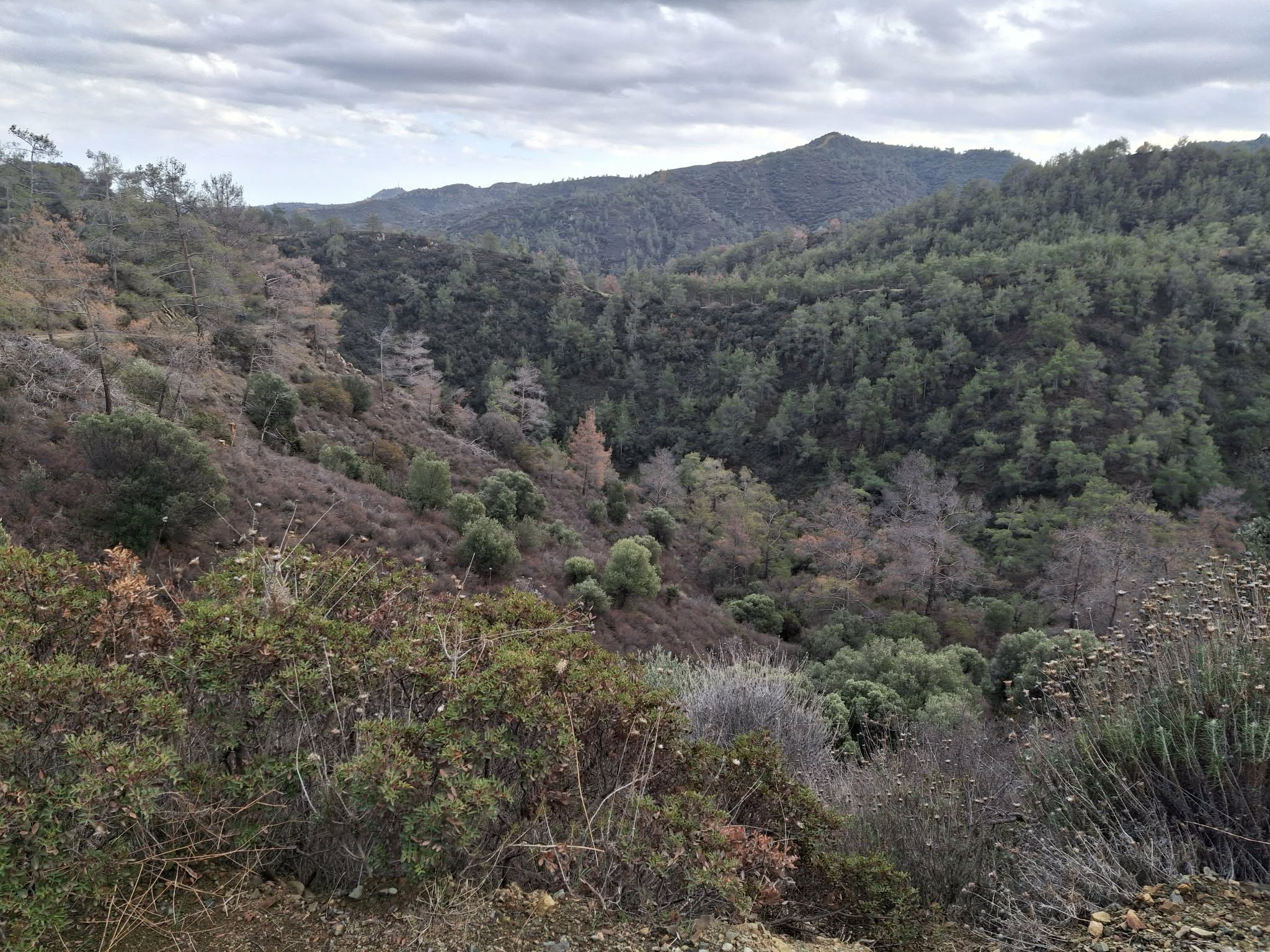
    Last week, I traversed one of my favourite forest routes from Vavatsinia to Kyprovasa, passing by Lefkara dam. The landscape bore witness to extensive tree felling and numerous dead trees, including mature Calabrian pines (Pinus brutia), which I realised had succumbed to drought. This phenomenon is most pronounced on south-facing slopes, where the soil dries out and the water table drops below the reach of tree roots.

    Photo: cyprus-mail.com

    Equally concerning was the low water level in Lefkara dam, which stands as a stark reminder of the ongoing challenges faced by Cyprus’ natural resources. The Cyprus Institute has highlighted a grim forecast: from 2020 to 2050, the number of extremely hot summer days in Cyprus is expected to increase significantly, with maximum temperatures exceeding 38˚C for an additional two weeks annually. By the century’s end, Nicosia could experience two additional months of such heat, mirroring conditions currently found in cities like Cairo.

    Consequences of Drought and Poor Foraging Practices

    The dire state of water resources is further illustrated by the Kouris dam, which is at less than 11% capacity. Compounding these challenges are the remnants of last summer’s wildfires, which have left slopes exposed and vulnerable to soil erosion. The lack of vegetation cover is particularly alarming.

    While climate change plays a significant role in the current foraging conditions, irresponsible foraging practices contribute to the problem. It is disheartening to witness individuals using rakes to forage for mushrooms, uprooting the delicate ecosystem of leaves and twigs. This method disrupts the life cycles of countless insects and prevents fungi from distributing their spores. Despite strict regulations prohibiting such practices, including potential prison sentences of up to one year or fines of up to €5,000, the destructive behaviour persists.

    The Challenges of This Year’s Harvest

    This year’s wild mushroom harvest has been particularly poor due to late rains that arrived too close to colder temperatures. Fungi require a specific temperature range of 10 to 13°C for optimal growth. When conditions are cold and wet, mushrooms can become waterlogged and mouldy before they have a chance to flourish.

    Among the most sought-after varieties is the ‘milk cap’ mushroom, or Lactarius deliciosus, known locally as the red pine mushroom. While many Cypriots are familiar with this delicacy, I also enjoy foraging for other Russula varieties. However, I advise caution, as some, like the pink-capped ‘sickener’, can cause adverse stomach reactions if consumed by the untrained. One of my preferred mushrooms is the ‘Slippery Jack’ (Suillus luteus), which I prepare by slicing and drying for use in soups and risottos.

    The Broader Implications of Climate Change

    Sadly, the lack of wild mushrooms is only one consequence of the broader environmental crisis facing Cyprus. As temperatures and drought conditions intensify, the island’s ability to cope will be severely tested. It is imperative that we acknowledge the gravity of these changes and accept the sacrifices necessary to address them.

    In my efforts to raise awareness about the issues plaguing Cyprus’ forests, I have received considerable feedback. Roger Cartwright, from the UK’s Landscape Trust, noted the visible impact of extreme summer climates on south-facing slopes during a recent study visit to the Cyprus Forestry Department. Additionally, Evgenia Emets, a former participant in the ‘Guardians of the Forest’ programme, emphasised the need for more forests that can generate and protect water resources.

    Strategies for Managing Water Resources and Forests

    As we confront these challenges, several strategies could help mitigate the impact of climate change on Cyprus’ environment:

    • Encourage tourists to conserve water, suggesting alternatives like swimming in the sea instead of frequent showers.
    • Support initiatives to recycle non-potable water from sources such as roofs, washing machines, and swimming pools.
    • Advise against planting trees on south-facing slopes, and promote the planting of native species that are better suited to withstand heat and drought.
    • Reduce the cultivation of Calabrian pines, as they are particularly vulnerable to changing climatic conditions.
    • Restrict the drilling of new wells to protect groundwater resources.
    • Evaluate the sustainability of swimming pools and excessive car washing in residential areas.
    • Limit the construction of water-intensive golf courses and promote alternative agricultural methods, such as hydroponics.
    • Encourage the storage of water in underground tanks and cisterns, which are more efficient than open reservoirs.
    • Address leaks in the water transport infrastructure to reduce wastage.

    These are challenging times for Cyprus, and as the climate crisis intensifies, it is vital we take action to protect our natural resources and the environment. The future of our forests and the delicate ecosystems they support depends on our willingness to adapt and preserve.
  • Akamas violations — Environmental Groups Criticise Forestry Department Over Akamas Violations

    Akamas violations — Environmental Groups Criticise Forestry Department Over Akamas Violations

    akamas violations — akamas violations — Environmental groups have strongly condemned the Forestry Department for its handling of construction violations in the Akamas National Forest Park. Four prominent organisations—Terra Cypria, BirdLife Cyprus, Cyprus Wildlife Society, and the Cyprus Natural Coastline initiative—have accused the department of displaying “arrogance” and a “denial of reality” in the face of documented environmental breaches.

    Photo: in-cyprus.philenews.com

    This public outcry follows the Forestry Department’s assertion that it feels “fully satisfied and vindicated” by its ongoing projects in Akamas, a statement met with disbelief by the environmental groups. They argue that significant violations of legally binding environmental conditions have been observed, particularly concerning the Sustainable Development Plan and the first phase of road network improvements.

    Photo: in-cyprus.philenews.com

    The criticism has been mounting since October 2023, as the Forestry Department has allegedly refused to acknowledge serious discrepancies and its responsibilities related to various projects. This has resulted in a construction site remaining operational in a critical area of the Akamas Peninsula, impeding progress on both project re-evaluation and completion.

    Members of the Ad-hoc Committee for Special Ecological Assessment, excluding the Forestry Department, have identified breaches in environmental approval conditions. This includes input from other state agencies such as the Environment Department, Fisheries Department, and Game and Fauna Service, alongside various environmental organisations.

    Irregularities have also been flagged by respected institutions such as the Cyprus Scientific and Technical Chamber, independent experts, and even the Audit Office. Notably, decisions made by the Council of Ministers in December 2023 and March 2024 have added to the scrutiny faced by the Forestry Department.

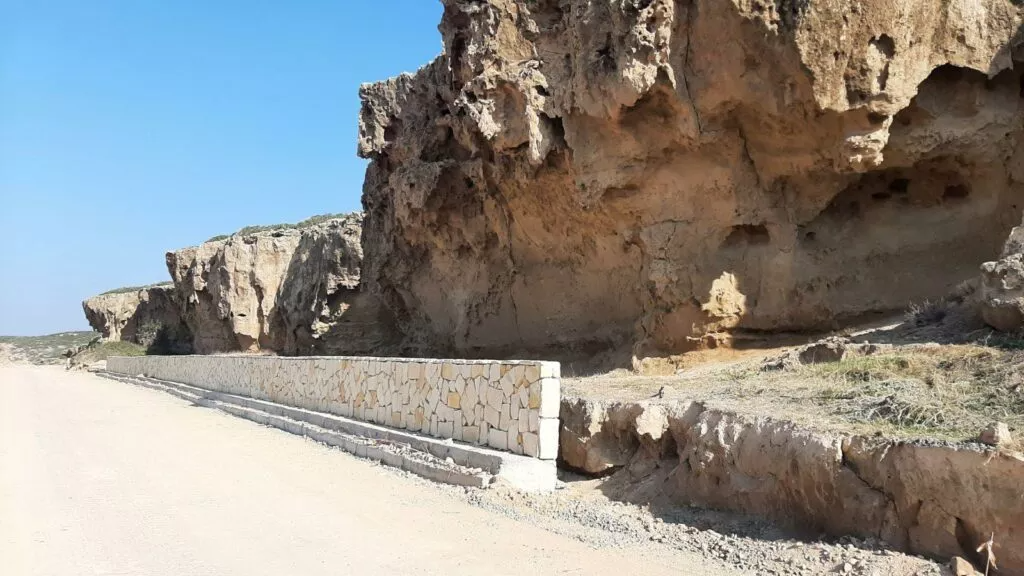
    The environmental organisations have challenged the Forestry Department’s claims of vindication, demanding clarity on the specific points of satisfaction highlighted by the department. They have raised pressing questions regarding actions such as the demolition of retaining walls along protected geomorphological sites and the removal of water supply pipelines, as well as the need for a thorough re-evaluation of hydraulic works.

    A special audit report released by the Audit Office on 23rd June 2025 has been described as damning for the Forestry Department, further intensifying calls for accountability. The organisations have urged the Minister of Agriculture, Rural Development and Environment to take decisive action against what they term a “tolerance” of the department’s practices, unless she endorses them.

    The groups are also demanding transparency by calling for the publication of all findings from administrative and disciplinary investigations related to the environmental violations connected with the Sustainable Development Plan and Phase A works at Akamas National Forest Park.

    Adding to the chorus of criticism, the Cyprus Hunting and Wildlife Conservation Federation has expressed its discontent with the Forestry Department’s announcement. They have labelled ongoing works as “incompatible and destructive” to the sensitive ecological system of the area, urging the department to heed compliance reports issued by the Environment Department instead of celebrating progress on unrelated matters.

  • Forestry Department Faces Backlash Over Akamas Roadworks

    Forestry Department Faces Backlash Over Akamas Roadworks

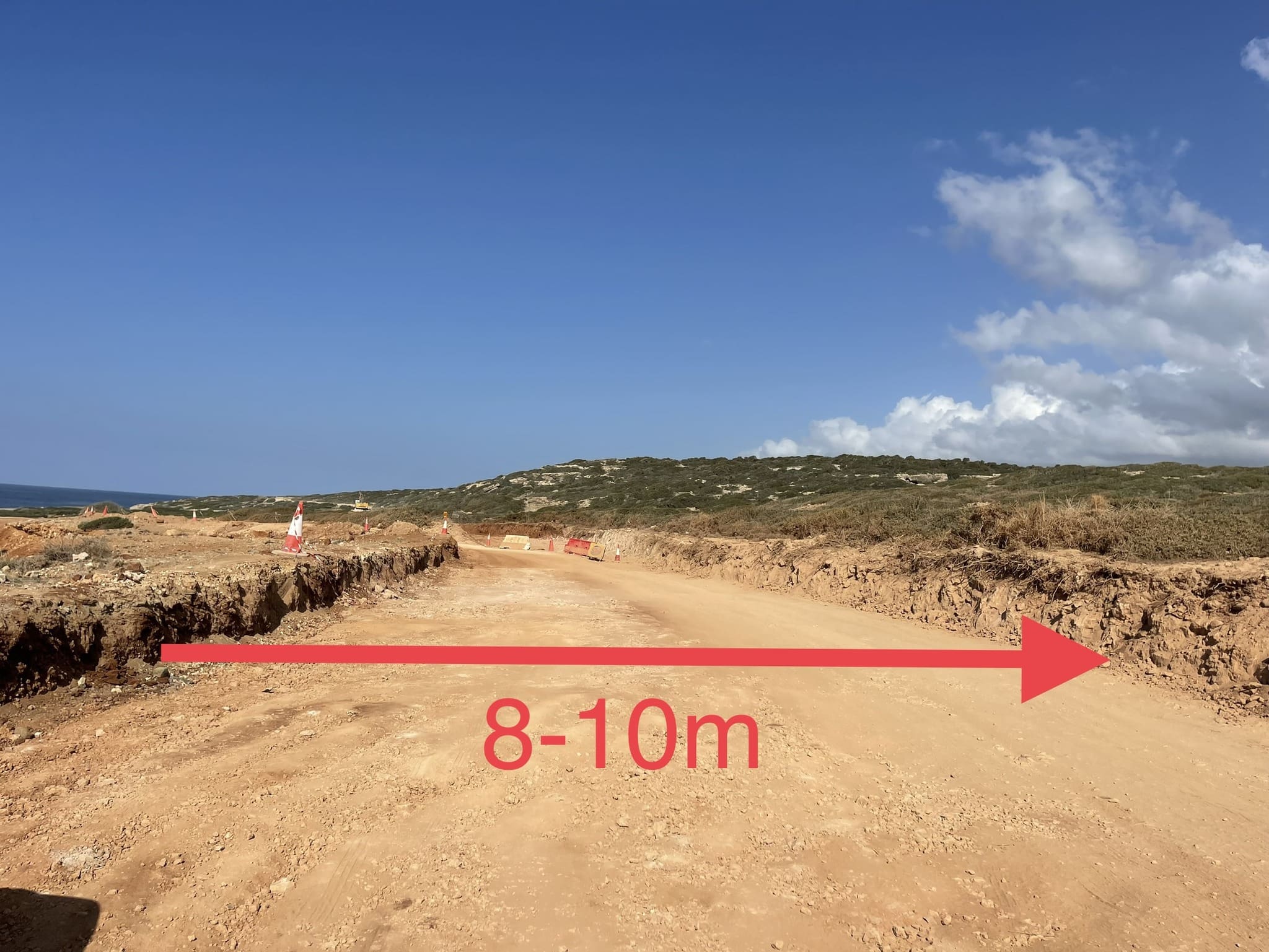
    akamas roadworks — akamas roadworks — The forestry department’s handling of roadworks in the Akamas national forest park has drawn sharp criticism from several environmental organisations, who labelled its recent statements as ‘arrogant’ and ‘provocative’.

    Photo: cyprus-mail.com

    On Wednesday, the forestry department expressed satisfaction with a report that sanctioned the resumption of roadworks, stating it felt both “satisfied and justified” about the re-evaluation process. This prompted a vehement response from groups including Terra Cypria, BirdLife Cyprus, Cyprus Wildlife Society, and Cyprus Natural Coastline, who issued a press release on Thursday detailing their concerns.

    Photo: cyprus-mail.com

    According to the environment department, the green light for restarting the roadworks came on August 12, after the project had been stalled since October 2023 due to widespread criticism. The department assured the public that it had adhered to all environmental conditions necessary for the project’s continuation. However, environmental advocates have contested this claim, asserting that the forestry department has ignored significant violations of environmental regulations.

    In their statement, the environmental organisations pointed out that the forestry department had “violated a multitude of legally binding and essential conditions” of the environmental approval for both the sustainable development plan and the initial phase of road network improvements. They reminded the department that since the halt in construction, multiple parties—including independent experts and government bodies—have acknowledged these violations.

    “The arrogance and provocation that the forestry department continues to show is truly impressive,” the organisations stated, questioning the department’s confidence in its re-evaluation findings. They noted that other stakeholders, apart from the forestry department, have identified serious infringements, which raises concerns about the department’s self-assessment.

    Specific grievances include the demolition of support walls along protected areas, the removal of a critical water pipeline, and a comprehensive re-evaluation of water supply works that affect the region’s ecology. These actions have prompted calls for accountability from the environmental organisations, who urged the agriculture minister, Maria Panayiotou, to intervene and address what they termed an “unacceptable stance” from the forestry department.

    In a related development, the Cyprus Environmental Movement prepared a memorandum for President Nikos Christodoulides, highlighting the irreversible damage already inflicted on the Akamas environment. They expressed concerns about the ability of those responsible for the initial works to monitor compliance moving forward, calling for transparency regarding ongoing investigations into the matter.

    “Experience shows that environmental destruction, as witnessed in this case, cannot be restored,” the movement cautioned, pressing for the identification of those responsible for the ongoing environmental degradation. They demand public access to the findings of all administrative and disciplinary investigations related to the Akamas project.

    The environment department’s report earlier this month noted that measures would be implemented to minimise the environmental footprint of the roadworks in Akamas, with the first phase initially commencing in September 2022. However, the projects were paused in October 2023 due to backlash from environmental groups, leading to a cabinet-ordered reassessment in December 2023. A special ecological assessment was subsequently released in March 2024, focusing on the potential impacts of the roadworks on protected species and habitats.

    Despite the assurances from the forestry department, the environmental organisations remain sceptical about the future of the Akamas national forest park. They continue to advocate for accountability and transparency, urging the government to guarantee the protection of habitats and the environment, as well as the welfare of the local community.