Tag: Gaza

  • EU Must Act on Gaza, Says Cyprus Foreign Minister

    EU Must Act on Gaza, Says Cyprus Foreign Minister

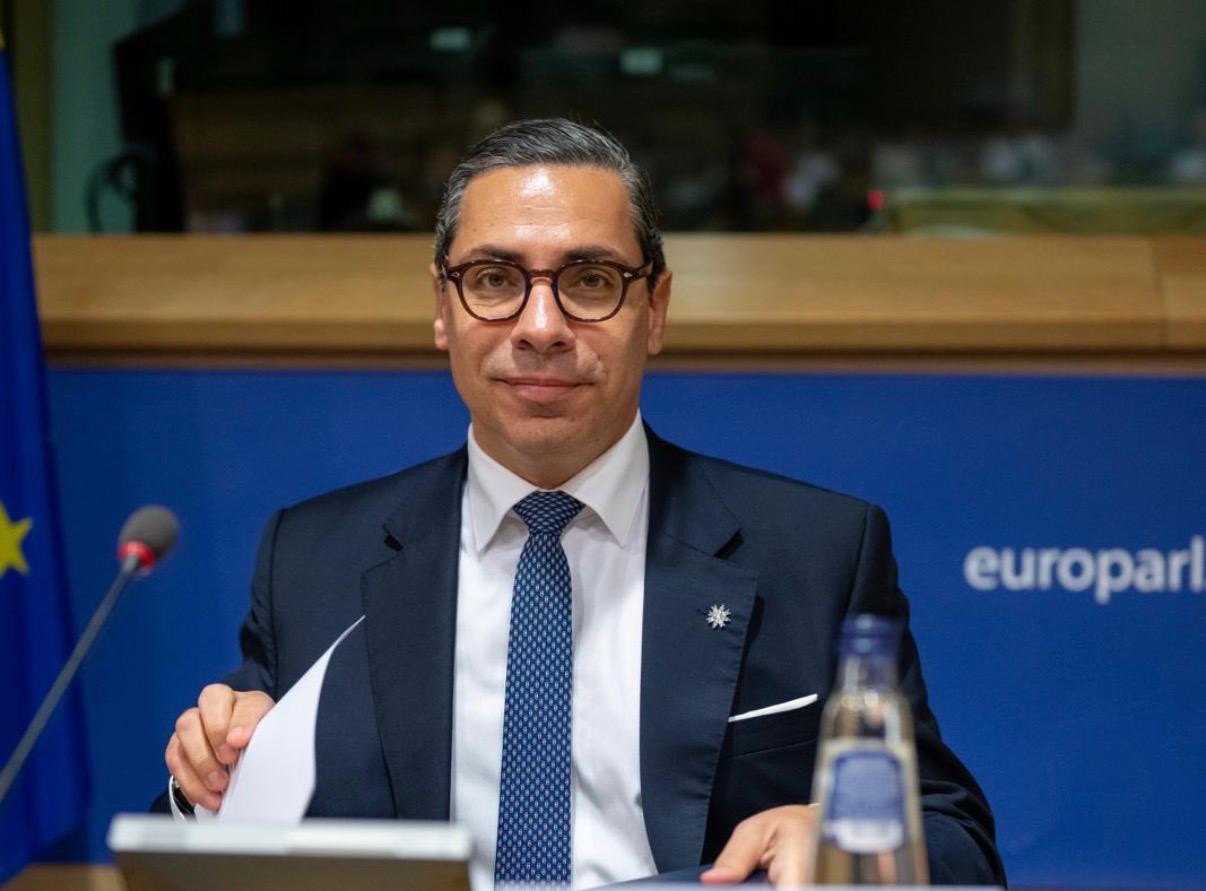
    The European Union “cannot remain mere observers” on the matter of Gaza, stated Foreign Minister Constantinos Kombos during a session with the European Parliament’s foreign affairs committee on Wednesday.

    • “Efforts are being made by Brussels to formulate a common position and stance in this regard,” he said, adding that these conversations “have not yet reached a conclusion.”

    Kombos emphasised the need for the EU to coordinate its efforts fully and act based on international law. He highlighted Cyprus’s significant contributions in humanitarian efforts, particularly through the Amalthea humanitarian aid corridor. “We must move in full coordination and on the basis of international law,” he asserted.

    His remarks come in light of the Cypriot government’s recent announcements regarding its potential participation in the United States’ Gaza Board of Peace. Last week, Kombos indicated that Cyprus would await a unified EU position before deciding on involvement, noting that discussions in Brussels to formulate a common stance are ongoing.

    “Efforts are being made by Brussels to formulate a common position and stance in this regard,” he said, adding that these conversations “have not yet reached a conclusion.”

    Cyprus’s approach has been characterised by a careful and balanced strategy, as communicated to the American side. The Foreign Minister mentioned that the government is maintaining a “particularly positive approach” towards the prospect of joining the Board of Peace, which seeks to address the complex issues facing Gaza.

    There have been reports that Cyprus received an invitation to join the board. According to Bloomberg, however, each participating country may be required to pay a membership fee of $1 billion. This claim was later addressed by Government spokesman Konstantinos Letymbiotis, who clarified that the reports do not reflect reality.

    Notably, Russian President Vladimir Putin was also invited to join the board, and he confirmed the existence of the $1 billion fee. The Board of Peace is designed to include a broad coalition of countries focused on stabilising Gaza.

    The board will also have a seven-member executive team, which includes prominent figures like US Secretary of State Marco Rubio, US special envoy to the Middle East Steve Witkoff, and former British Prime Minister Sir Tony Blair. Each member will oversee critical portfolios aimed at fostering long-term success and governance in Gaza.

    Bulgarian diplomat Nickolay Mladenov, who previously served as the UN’s special coordinator for the Middle East peace process, has been appointed as the board’s high representative for Gaza. The White House stated he would serve as the on-the-ground link between the Board of Peace and a new national committee for Gaza’s administration, led by civil engineer Ali Shaath.

    In a parallel initiative, the White House has established a separate “Gaza executive board” tasked with supporting effective governance and delivering essential services aimed at promoting peace and prosperity for the region. This board includes notable members such as Sigrid Kaag, the incumbent UN special coordinator for the Middle East peace process, and Turkish Foreign Minister Hakan Fidan.
  • Gaza peace — Greece and Cyprus Join Trump’s Gaza Peace Council

    Gaza peace — Greece and Cyprus Join Trump’s Gaza Peace Council

    gaza peace — Greece and Cyprus have received invitations from Donald Trump to join a Peace Council that will oversee Gaza’s temporary governance. As two of the 25 founding members, their participation marks a significant moment in international relations, particularly concerning the eastern Mediterranean and the Middle East.

    Gaza peace: New Developments in Gaza Governance

    According to reports from Greek media, the Peace Council includes all participants from the historic Sharm El-Sheikh ceremony. This gathering features notable countries such as France, Canada, various Gulf states, and Turkey, highlighting a united front in support of Gaza’s future.

    Strengthening Regional Influence

    The inclusion of Greece and Cyprus in this council is seen as a boost to their international standing. It underscores their growing role in key geopolitical matters, particularly in the context of ongoing tensions and developments in the region.

    Structure and Objectives of the Peace Council

    The Peace Council is part of the second phase of Trump’s Gaza peace plan, which operates under UN Security Council Resolution 2803. Its primary aim is to provide international oversight during Gaza’s transitional governance and to support stabilisation efforts necessary for implementing the peace agreement.

    Transitional Bodies Established

    To facilitate the work of the Peace Council, two transitional bodies have been created. The Executive Committee will manage the political and operational aspects of the Gaza agreement, while a Palestinian national technocratic committee has been tasked with temporarily governing Gaza during this transition.

    Leadership in the Peace Process

    In a strategic move, former Bulgarian diplomat N. Mladenov has been appointed as the High Representative. His role will involve coordinating the activities of the transitional bodies and the Peace Council, aiming to ensure a smooth governance transition in Gaza.

    International Support and Collaboration

    The Turkish presidency has confirmed that Trump has also invited President Recep Tayyip Erdoğan to join the Peace Council. This invitation further illustrates the collaborative nature of the council, with various nations coming together to address the complex challenges facing Gaza.

    The Peace Council’s formation signifies a commitment to stabilising the region and fostering cooperation among nations with vested interests in Gaza’s future governance. As the situation evolves, the roles of Greece, Cyprus, and other member nations will be crucial in shaping the outcomes of this ambitious peace initiative.

  • Amalthea plan — Over 30,000 Tonnes of Humanitarian Aid Delivered to Gaza via Cyprus’ Amalthea Plan

    Amalthea plan — Over 30,000 Tonnes of Humanitarian Aid Delivered to Gaza via Cyprus’ Amalthea Plan

    More than 30,000 tonnes of humanitarian aid have been delivered to Gaza through Cyprus’ Amalthea aid corridor, highlighting the ongoing commitment to support the region amidst ongoing challenges. Foreign Minister Constantinos Komnos announced this significant milestone on Sunday, noting that the majority of the aid consists of food supplies.

    Since the inception of the Amalthea initiative, Cyprus has actively facilitated the transfer of essential goods, positioning personnel at the civil-military coordination centre (CMCC) northeast of the Gaza Strip. This location, situated in the Israeli town of Kiryat Gat, has been crucial for coordinating the flow of aid into Gaza.

    Komnos expressed the government’s intention to broaden the types of products that can be sent through the corridor, aiming to include dual-use products that could further assist the civilian population. This expansion reflects a responsive approach to the evolving needs of those affected by the ongoing humanitarian crisis.

    During a recent summit in Sharm El-Sheikh, President Nikos Christodoulides’ invitation underscored the international recognition of Cyprus’ efforts, with commendation from both the United States and Egypt. The discussions at this summit also pointed to the potential for a more systematic flow of aid to Gaza via the Israeli port of Ashdod, a move that could enhance the efficiency and stability of aid deliveries.

    Recent developments have seen another shipment of 1,000 tonnes of humanitarian aid leave Cyprus, which has already been offloaded and is currently being distributed to those in need. This steady stream of support is a testament to the operational capacity of the Amalthea plan.

    The journey of the Amalthea plan has not been without its hurdles. Its history includes previous attempts to deliver aid through a temporary jetty constructed along Gaza’s coast, financed by the United States. However, this jetty faced significant structural issues and was ultimately rendered unusable after just 12 days of operation.

    In June last year, the UN World Food Programme suspended its operations related to the jetty following military actions in the area, which resulted in a tragic loss of life. Despite these setbacks, aid has increasingly been routed directly to Ashdod, suggesting that the current mechanism for delivery is becoming more robust and reliable.

    In the context of the broader geopolitical landscape, Christodoulides has indicated that the Amalthea initiative is part of a multi-faceted plan aimed at supporting the future of Gaza, aligning with the objectives set forth by United States President Donald Trump. The mechanisms established under the Amalthea plan offer viable solutions for expedited security checks in Cyprus, paving the way for future aid initiatives.

  • Humanitarian aid — New Humanitarian Aid Shipment for Gaza Arrives at Ashdod Port

    Humanitarian aid — New Humanitarian Aid Shipment for Gaza Arrives at Ashdod Port

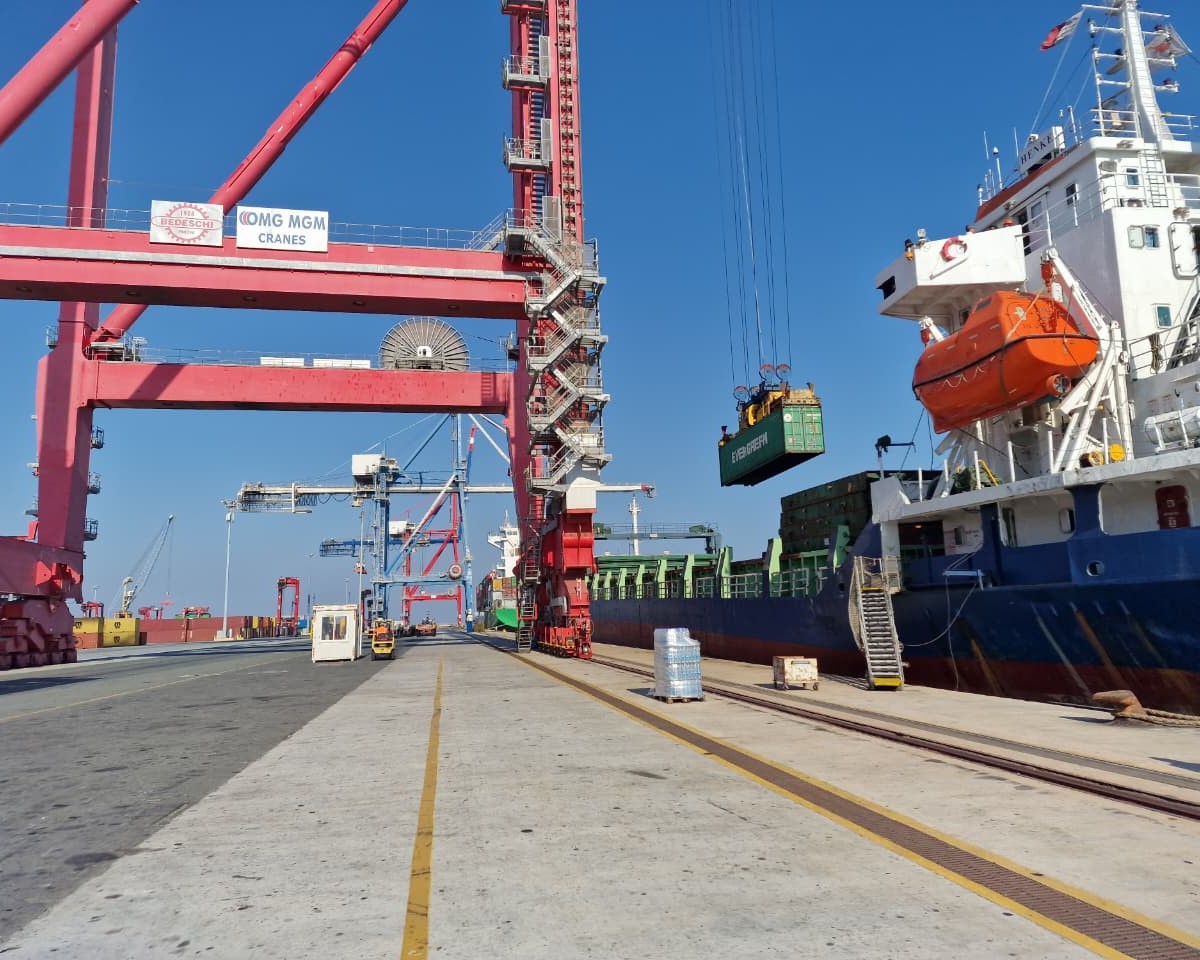
    A new humanitarian aid shipment for Gaza arrived late on Saturday at the port of Ashdod via the “Amalthea” maritime corridor, highlighting continued international support for the region.

    • A new humanitarian aid shipment for Gaza arrived late on Saturday at the port of Ashdod via the "Amalthea" maritime corridor, highlighting continued international support for the region.

    Successful Unloading of Aid

    According to the Cyprus News Agency (KYPE), the unloading of 950 tonnes of aid was completed successfully without any issues. This operation is a testament to the meticulous planning and coordination involved in delivering assistance to those in need.

    Details of the Shipment

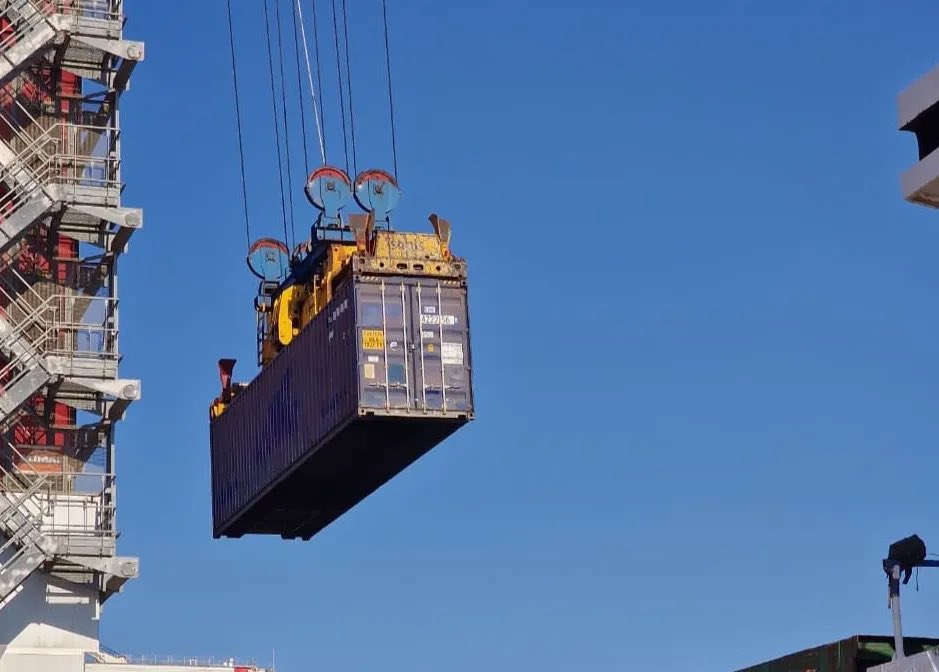
    President Nikos Christodoulides announced that the recent shipment comprised 950 tonnes of humanitarian assistance, organised into 44 containers. The materials came from various countries, including Cyprus, the United Arab Emirates, France, Slovakia, and Kuwait.

    Contents of the Aid

    Viktoras Papadopoulos, Director of the President’s Press Office, confirmed that the aid includes essential food and hygiene items. The operation was conducted in collaboration with organisations such as the UN and UNOPS, alongside the UAE and other nations like France and Kuwait, as well as international humanitarian groups, including the World Central Kitchen.

    Ongoing Humanitarian Efforts

    This shipment represents the fifth delivery of humanitarian aid to Gaza since August, contributing to a total of 4,000 tonnes already dispatched during this period. Papadopoulos noted that since the activation of the Amalthea Plan in March 2024, a significant total of 30,000 tonnes of aid has been sent to Gaza.

    Future Shipments Expected

    The ongoing commitment to providing aid to Gaza is evident, with further shipments anticipated in January. The increased interest in utilising the Amalthea Plan further underscores the dedication of various nations and organisations in responding to the humanitarian needs of the region.

    A Collaborative Approach

    The success of these aid shipments is largely due to the collaborative efforts between multiple stakeholders, including governments and humanitarian organisations. This partnership is crucial in ensuring that the aid reaches those who need it most efficiently and effectively.

    The Importance of Humanitarian Aid

    Humanitarian aid plays a vital role in addressing the needs of vulnerable populations, especially in conflict-affected areas like Gaza. The provision of food, hygiene products, and other essential supplies helps alleviate suffering and supports the rebuilding of communities.

    The ongoing humanitarian crisis in Gaza requires sustained attention and support from the international community. As shipments like the one that arrived at Ashdod continue, it is essential to maintain momentum in these efforts to ensure that aid reaches those in dire need.

  • Cyprus-Israel Defence Talks Focus on Regional Security Cooperation

    Cyprus-Israel Defence Talks Focus on Regional Security Cooperation

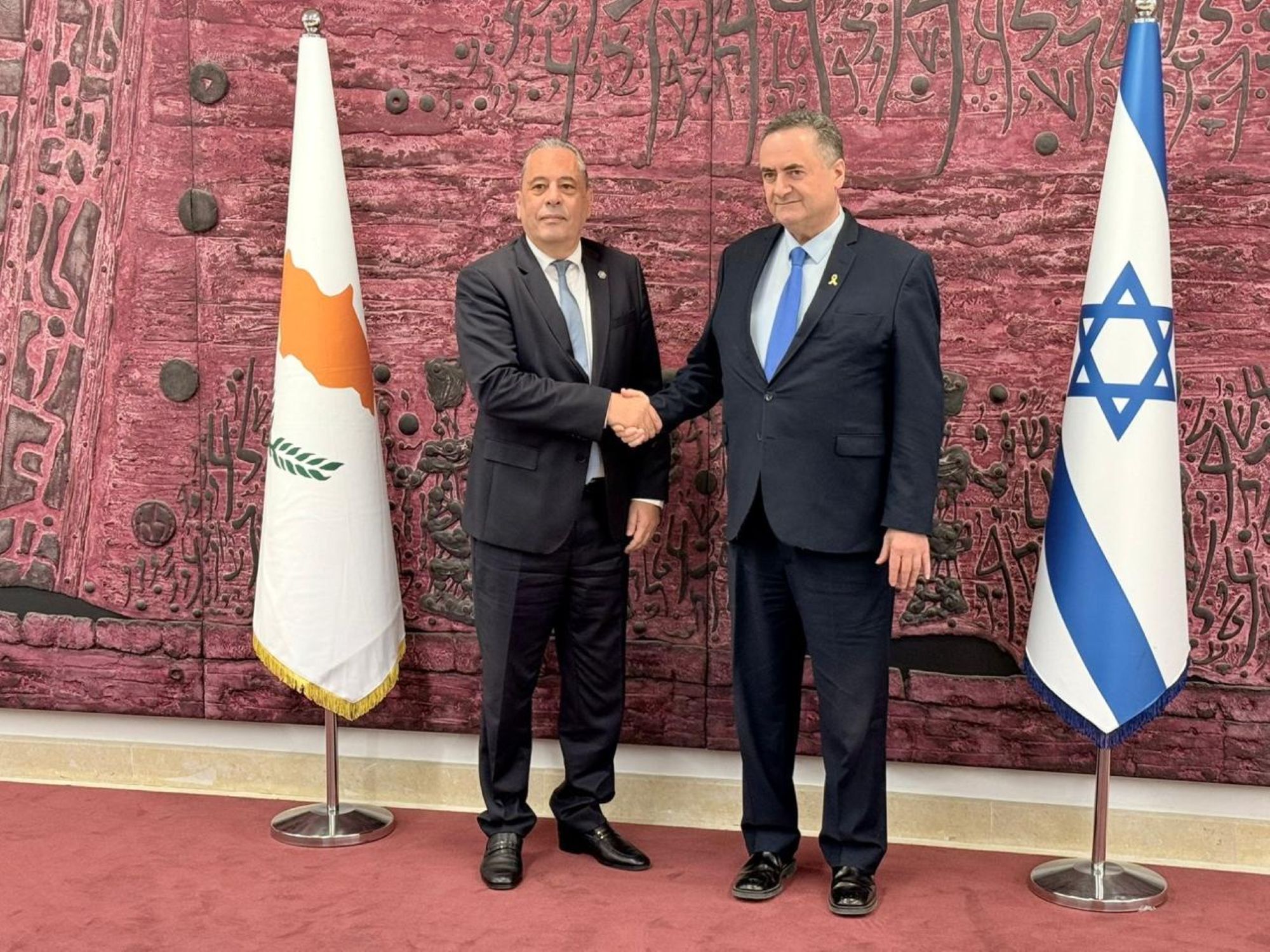
    cyprus-israel defence — Cyprus-Israel defence discussions have centred on enhancing regional security and bilateral cooperation during Defence Minister Vasilis Palmas’s official visit to Israel. The talks, confirmed by the Cypriot defence ministry, occurred just ahead of Cyprus’s upcoming presidency of the Council of the European Union, set for the first half of 2026.

    Cyprus-israel defence: Strengthening Ties Amid Regional Challenges

    In discussions with his Israeli counterpart, Israel Katz, Palmas addressed the security dynamics not only in Cyprus but also in Israel and the broader Eastern Mediterranean and Middle East regions. This dialogue is part of ongoing efforts to bolster bilateral defence and security relationships between the two nations.

    Focus on European Unity and Stability

    Palmas articulated that Cyprus aims to leverage its EU presidency to foster European unity and enhance strategic stability in the eastern Mediterranean. The minister emphasised the importance of regional cooperation, stating, “During our presidency, we will encourage dialogue in areas of mutual interest, promoting peace, stability, and adherence to international law.” This commitment underscores the growing alignment in defence strategies between Cyprus and Israel.

    Recent Developments in Defence Cooperation

    Cypriot-Israeli defence ties have seen significant growth in recent years. Notably, Cyprus has procured the Barak MX air defence system from Israel, which is being delivered incrementally and is expected to be fully operational by the end of this year. This acquisition reflects a deeper military collaboration aimed at addressing shared security concerns.

    Palmas’s Visit and Engagements

    Palmas arrived in Israel on Monday and was slated to return to Cyprus late Tuesday afternoon. During his visit, he toured the Civil-Military Coordination Centre (CMCC) in Kiryat Gat, which serves as a hub for military and humanitarian operations related to the Gaza ceasefire. He met with Major General Patrick Frank, the director of the CMCC, to discuss ongoing stabilisation and relief efforts in the region.

    The Role of the Civil-Military Coordination Centre

    The CMCC was established in October 2025 following a peace agreement aimed at coordinating humanitarian and stabilisation efforts in Gaza. Currently, it hosts personnel from approximately 20 countries, including Cyprus, although specific numbers of Cypriot personnel and their roles remain undisclosed.

    Humanitarian Aid Oversight in Gaza

    Recent reports indicate that the CMCC has assumed oversight of humanitarian aid entering the Gaza Strip, with responsibilities previously held by Israel’s Coordinator of Government Activities in the Territories now diminished. An early November report noted that while Israel retains control over Gaza’s perimeter and entry of goods, the CMCC’s role has become more central to aid distribution.

    A US military official described the relationship between Israel and the CMCC as an integration of efforts, stating, “It is an integration. It is hand in glove. They [the Israelis] remain the hand, and the CMCC have become the glove over that hand.” This statement highlights the complexities of humanitarian operations in the region amid ongoing tensions.

    Prospects for Future Cooperation

    The discussions between Palmas and Katz set the stage for increased collaboration in the face of evolving security challenges, particularly in the context of the Israeli-Palestinian conflict and broader geopolitical tensions in the Middle East. As Cyprus prepares for its EU presidency, the focus will be on fostering a unified approach to security in the eastern Mediterranean.

    With both nations committed to enhancing their bilateral ties, the potential for future joint initiatives appears promising. As the situation in the region continues to develop, the relationship between Cyprus and Israel may play a crucial role in promoting stability and security in an area marked by ongoing conflicts.

  • Israeli Peacekeepers Proposed to Supplant UN Forces in Cyprus

    Israeli Peacekeepers Proposed to Supplant UN Forces in Cyprus

    Israeli peacekeepers should replace United Nations peacekeeping forces stationed in Cyprus, according to American pro-Israel analyst Michael Rubin. In a recent article for the National Security Journal, the former Pentagon official urged US President Donald Trump to dismantle what he described as “legacy zombie missions” of the UN, highlighting the United Nations Peacekeeping Force in Cyprus (Unficyp) as a prime example.

    • "The observer mission continues, but Unficyp has become the poster child for UN zombie missions," Rubin asserts, emphasising the need for a more active role in maintaining peace in the region.

    Rubin argues that the UN’s credibility has waned significantly, pointing to the Turkish-occupied area in Cyprus, which he notes is more than nine times the size of the Gaza Strip. He critiques Unficyp, stating that it has become a mere observer rather than an effective peacekeeping mechanism.

    “The observer mission continues, but Unficyp has become the poster child for UN zombie missions,” Rubin asserts, emphasising the need for a more active role in maintaining peace in the region.

    Furthermore, he draws parallels with the United Nations Relief and Works Agency for Palestinians in the Middle East (Unrwa), claiming it has been compromised by groups like Hamas. Rubin alleges that Unrwa has been co-opted, arguing that it should not be involved in post-war Gaza reconstruction, while accusing it of enabling indoctrination and weapons storage.

    His suggestions for Israeli peacekeepers come amid concerns about a proposal to include Turkish troops in an international stabilisation force in Gaza. Rubin warns that allowing Turkish forces into Gaza could escalate tensions, potentially igniting conflict across the region over time.

    “Allowing Turkey to send its forces to Gaza would light a fuse that could engulf the region, maybe not in a month or a year, but certainly within a decade or two,” he cautions. He also highlights that Turkey’s intelligence service is believed to support Hamas, threatening the stability of Israel and its neighbours.

    Rubin is a senior fellow at the American Enterprise Institute, a Washington DC think tank, and his call for Israeli peacekeepers comes amid significant allegations against Unrwa. In early 2024, Israel accused Unrwa of complicity in the October 7, 2023 attacks, leading to aid cuts that were only partially reversed.

    A UN investigation subsequently found that nine Unrwa staff members “may” have been involved in the attack, resulting in their dismissal, while evidence against others was deemed insufficient. In October 2024, the Israeli parliament passed legislation prohibiting Unrwa from operating within Israel, further intensifying scrutiny of the agency.

    As of October 2025, the International Court of Justice (ICJ) ruled that Israel did not adequately substantiate its claims that a significant number of Unrwa’s employees were linked to Hamas or other terrorist factions. Amid these controversies, Israel itself faces allegations from South Africa and others regarding genocide in Gaza.

    In September, the UN Independent International Commission of Inquiry on the Occupied Palestinian Territory accused Israel of committing genocide against Palestinians in Gaza, adding another layer to the ongoing discourse surrounding peacekeeping efforts in the region.

  • Amalthea Plan Delivers Shelter Material from Cyprus to Gaza

    Amalthea Plan Delivers Shelter Material from Cyprus to Gaza

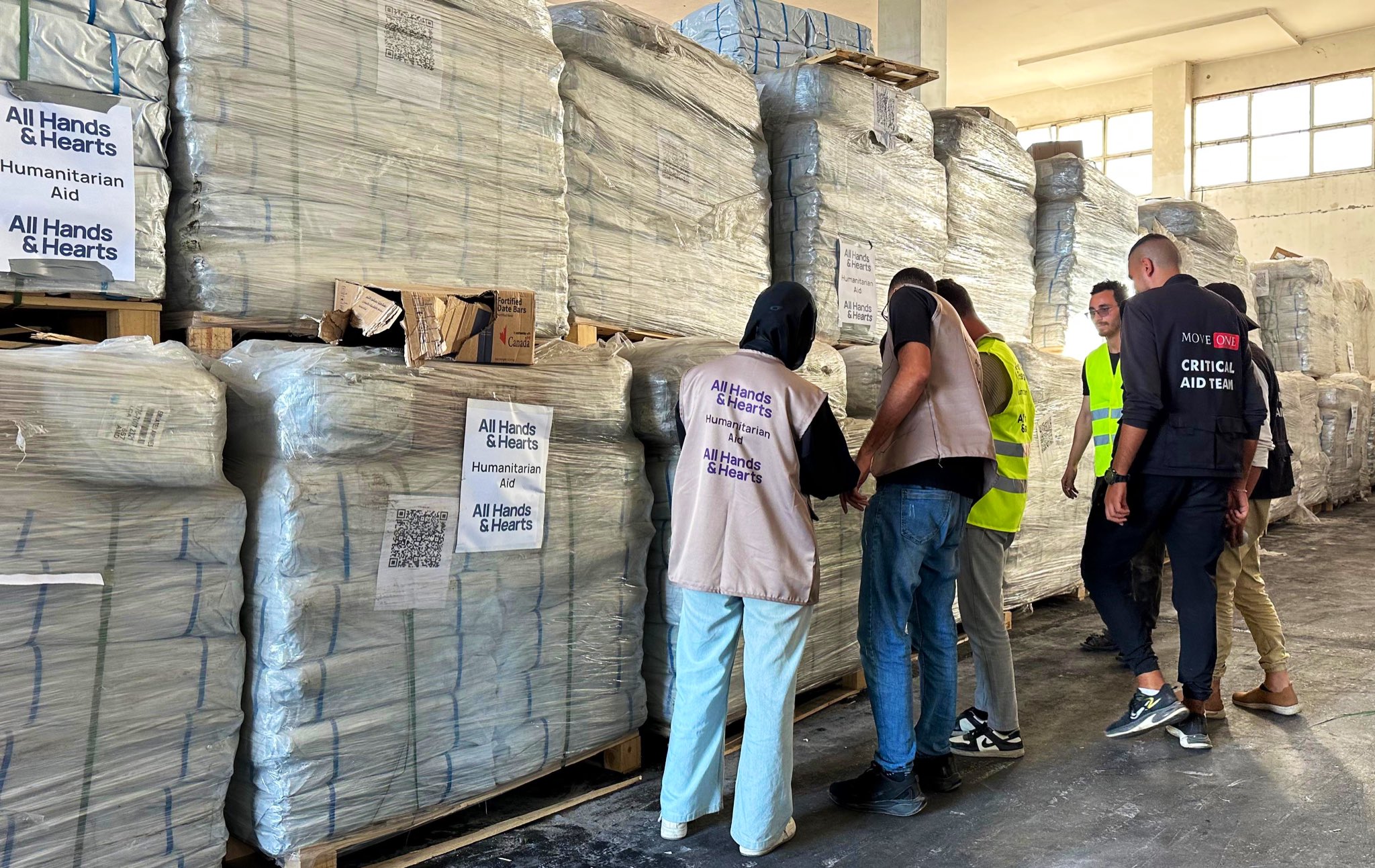
    Shelter material sent from Cyprus via the Amalthea plan has successfully arrived in Gaza, marking a significant step in humanitarian aid efforts. The material was dispatched following a collaborative initiative involving non-governmental organisations (NGOs) on the ground and the Cypriot foreign ministry, which announced the delivery on Saturday.

    Amalthea plan: Ongoing Distribution of Aid

    The Cypriot foreign ministry confirmed that distribution to local families is already underway. “Distribution to families is underway while more humanitarian aid is on the way. We will continue our efforts to support civilians on the ground,” the ministry stated in a post on X.

    Collaboration with International Agencies

    This delivery was carried out in close cooperation with The United Nations Office for Project Services (UNOPS) and the global disaster relief nonprofit organisation All Hands and Hearts. Their involvement highlights the coordinated approach needed to address the urgent humanitarian needs in the region.

    President Christodoulides’ Vision for Gaza

    In an interview with Euronews, President Nikos Christodoulides discussed Cyprus’ broader humanitarian strategy for Gaza. He elaborated on a six-point plan aimed at complementing US President Donald Trump’s 20-point peace plan, reaffirming Cyprus’ commitment to supporting rebuilding efforts in the region. This plan was initially presented at the “Gaza Peace Summit” in Sharm el-Sheikh earlier this month and was recently shared with European Commission President Ursula von der Leyen.

    A Connector Between Regions

    During the interview, Christodoulides underscored Cyprus’ strategic position as a bridge between Europe and the Middle East. He expressed a readiness to engage with all regional partners, including the EU and the US, to facilitate a comprehensive approach to humanitarian aid and reconstruction.

    Key Objectives of the Humanitarian Initiative

    One of the primary objectives of the Amalthea plan is to create a maritime corridor that enables the safe transport of humanitarian supplies and reconstruction materials into Gaza. “When (…) the conditions are there, reconstruction should start. And that is why point three of our proposals is the rubble removal and reconstruction enabling,” Christodoulides explained. This strategy aims to facilitate the necessary logistics for rebuilding efforts in the war-affected territory.

    A Historical Perspective on the Initiative

    The initiative for a humanitarian maritime passageway was first proposed to the European Council at the end of October 2023, shortly after the outbreak of the conflict in the region. Supported by the EU, the UK, the United Arab Emirates, and the US, the plan aims to deliver essential humanitarian assistance by sea.

    The Impact of Ongoing Conflict

    UN estimates indicate that more than 90 per cent of Gaza’s residential buildings have been either damaged or destroyed since the conflict escalated in October 2023. This devastation has resulted in nearly 50 million tons of rubble, a daunting challenge that is expected to take decades to clear. The humanitarian situation remains critical, emphasising the need for continued support and intervention.

    Looking Ahead

    The arrival of shelter materials through the Amalthea plan represents a crucial effort to alleviate immediate suffering in Gaza. As Cyprus continues to lead humanitarian initiatives, the focus will remain on effective collaboration with international partners to ensure that aid reaches those in need.

  • Gaza ceasefire — President Christodoulides Attends Gaza Ceasefire Signing in Sharm el-Sheikh

    Gaza ceasefire — President Christodoulides Attends Gaza Ceasefire Signing in Sharm el-Sheikh

    President Christodoulides is in Sharm el-Sheikh today for the signing of the Gaza ceasefire agreement, marking a significant moment for Cyprus’s role in regional diplomacy.

    • President Christodoulides is in Sharm el-Sheikh today for the signing of the Gaza ceasefire agreement, marking a significant moment for Cyprus's role in regional diplomacy.
    • By being included in this elite group, Cyprus is perceived as a pillar of stability and an ally in constructive dialogue, strengthening its position on the world stage.
    • “We are not resting on our laurels,” Christodoulides said. “The invitation is a clear recognition of our role and what we can achieve moving forward.”
    • The President is joined by key members of his government, including the Foreign Minister and Deputy Minister for European Affairs, underscoring the importance of this diplomatic engagement.

    Invited by the United States and Egypt, the President’s participation underscores Cyprus’s upgraded geopolitical standing in the Eastern Mediterranean. He noted that Cyprus now joins a select group of nations actively involved in shaping Gaza’s future and reconstruction efforts.

    Diplomatic sources highlighted that this invitation reflects a broader recognition of Cyprus’s contributions to stability and humanitarian efforts in the region, as well as the international trust it has garnered from influential countries.

    “Cyprus is an interlocutor with all parties and not a spectator in regional developments,” sources stated, emphasising the country’s commitment to supporting Gaza’s recovery and fostering regional security.

    In comments made prior to the event, President Christodoulides expressed gratitude to both President Biden and President al-Sisi for the invitation. He described it as a testament to Cyprus’s diplomatic achievements and the expectations placed on the country by the international community.

    The list of attendees at the signing ceremony is notably exclusive, featuring only 23 states alongside three key institutions: the EU, the UN, and the Arab League. Other participants include nations with vested interests in the Palestinian issue, such as Qatar, Jordan, and Turkey, among others.

    By being included in this elite group, Cyprus is perceived as a pillar of stability and an ally in constructive dialogue, strengthening its position on the world stage.

    President Christodoulides remarked on the significance of the event, stating, “We want Cypriot companies to have a role in the reconstruction of Gaza. Our involvement is essential for security matters and the effective implementation of the agreement.”

    This summit follows months of active Cypriot diplomacy, notably through the Amaltheia initiative, which has been pivotal in establishing a humanitarian corridor to Gaza. The initiative has been instrumental in fostering relationships with key partners in the region, including the US, Egypt, and the UAE.

    The President’s presence at this ceremony is expected to amplify Cyprus’s diplomatic influence, particularly as the country prepares to assume the EU Council presidency in 2026. This development counters narratives of isolation, showcasing Cyprus as a credible and engaged international player.

    “We are not resting on our laurels,” Christodoulides said. “The invitation is a clear recognition of our role and what we can achieve moving forward.”

    As leaders convene for the summit, the programme commences with a reception led by President al-Sisi, followed by the signing ceremony and an opening address by President Biden, setting the tone for discussions on Gaza’s future.

    The President is joined by key members of his government, including the Foreign Minister and Deputy Minister for European Affairs, underscoring the importance of this diplomatic engagement.

  • Protesting: President Christodoulides Affirms Right to Protest Amid Police Controversy

    Protesting: President Christodoulides Affirms Right to Protest Amid Police Controversy

    protesting — President Nikos Christodoulides has stated that “no one is banned from protesting,” addressing concerns following a heavy-handed police response to a demonstration outside the foreign ministry on Thursday night. His remarks came during his arrival at a rural culture festival in the village of Lofou, where he reiterated the government’s commitment to the right to protest.

    On Thursday, demonstrators gathered to voice their opposition to Israel’s interception of boats heading towards Gaza, part of the Gaza Sumud flotilla. The protest escalated when riot police intervened, deploying pepper spray and engaging in physical confrontations with attendees.

    “The police have taken a very specific position,” Christodoulides remarked, defending recent legislation that imposes stricter regulations on protests, which had come under fire following the events of Thursday night. He stated that protests and the right to demonstrate are “absolutely respected and guaranteed” in Cyprus.

    The president acknowledged ongoing criticism of police actions, urging a balanced view of the circumstances under which security forces operate. He mentioned that any alleged excessive use of force would be investigated, assuring that appropriate measures would be taken if necessary.

    Following the protest, the political landscape shifted with Akel condemning the police’s response as an “unprovoked attack.” The party called for further protests, stating, “Akel calls on everyone who does not tolerate state repression and the government’s subservience to the Netanyahu regime to mobilise.”

    Volt echoed similar sentiments, emphasising that “violent repression of peaceful demonstrations has no place in a democratic and European country.” They condemned the police violence against demonstrators advocating for Palestinian rights, asserting that such actions undermine the principles of democracy.

    Accounts from the protest highlighted the chaotic scene, with a journalist from Haravgi reporting being injured during the police intervention. Veteran journalist Christos Christofides described being “thrown to the ground” amid the turmoil, thanking those who assisted him in escaping potential injury from the crowd.

    The union of Cyprus journalists condemned the police’s actions, noting that one of their members, despite identifying as a journalist, faced violence from officers. They called for an investigation led by Police Chief Themistos Arnaoutis, demanding accountability for the errant officers involved.

    The police response was justified by their statement that the protestors had blocked a lane of traffic outside the foreign ministry, necessitating intervention to clear the area. This incident in Nicosia was part of a broader wave of global protests against Israel’s military actions, which saw thousands taking to the streets in cities worldwide including Barcelona, Milan, and Paris.

  • UK High Commissioner Highlights Cyprus as Key Regional Partner

    UK High Commissioner Highlights Cyprus as Key Regional Partner

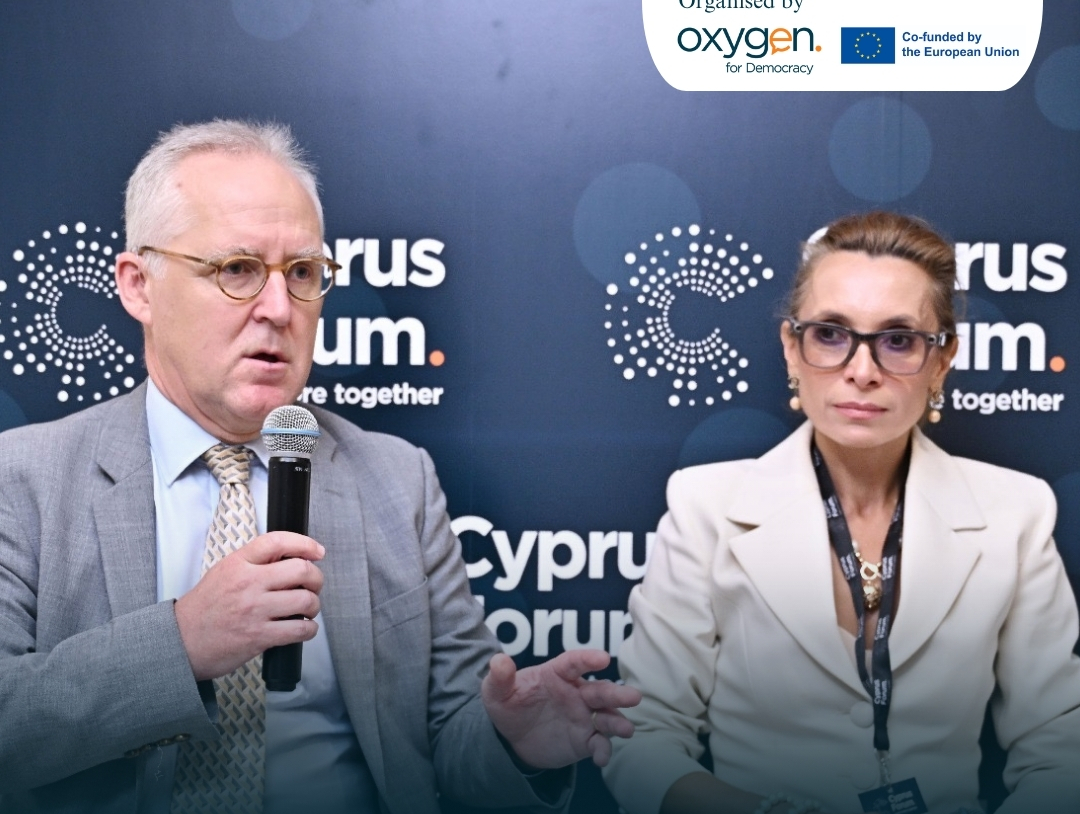
    The United Kingdom regards Cyprus as a significant regional partner due to its robust relationships across the Eastern Mediterranean, British High Commissioner Michael Tatham stated during his address at the Cyprus Forum 2025.

    Tatham expressed the UK’s appreciation for Cyprus’s positive connections with both Israel and its Arab neighbours, calling the island nation “a very important partner for our diplomacy.” His remarks underline the strategic importance of Cyprus in a region that has faced considerable instability in recent years.

    Emphasising the Eastern Mediterranean’s political, economic, and energy significance, Tatham remarked on the potential for the area to transition from instability to stability. He stated, “So when we talk about the change we would like to see, as the United Kingdom, it is a shift from instability to stability, a shift that allows us to do more to explore opportunities in the region instead of constantly addressing problems and challenges.”

    In outlining the UK’s priorities for the region, Tatham highlighted two critical areas of focus: Gaza and Syria. With regard to Gaza, he articulated the urgent need for a ceasefire, the release of hostages, and the flow of humanitarian aid. “We welcome the recent US plan, which we hope can offer a pathway towards these goals. In the long term, we believe lasting stability requires a political path towards a two-state solution,” he added.

    Turning to Syria, Tatham conveyed optimism about embedding stability in the country. He stated, “I think we now have the opportunity to embed stability in Syria. Therefore, we warmly support this goal and an inclusive political transition in Syria.”

    The UK’s commitment to fostering stability in the Eastern Mediterranean aligns with its broader diplomatic objectives, as the region’s stability is crucial not only for its own interests but also for the security of Europe and its neighbouring regions.