Tag: gender equality

  • Gender Perspective Essential in New Legislative Bill

    Gender Perspective Essential in New Legislative Bill

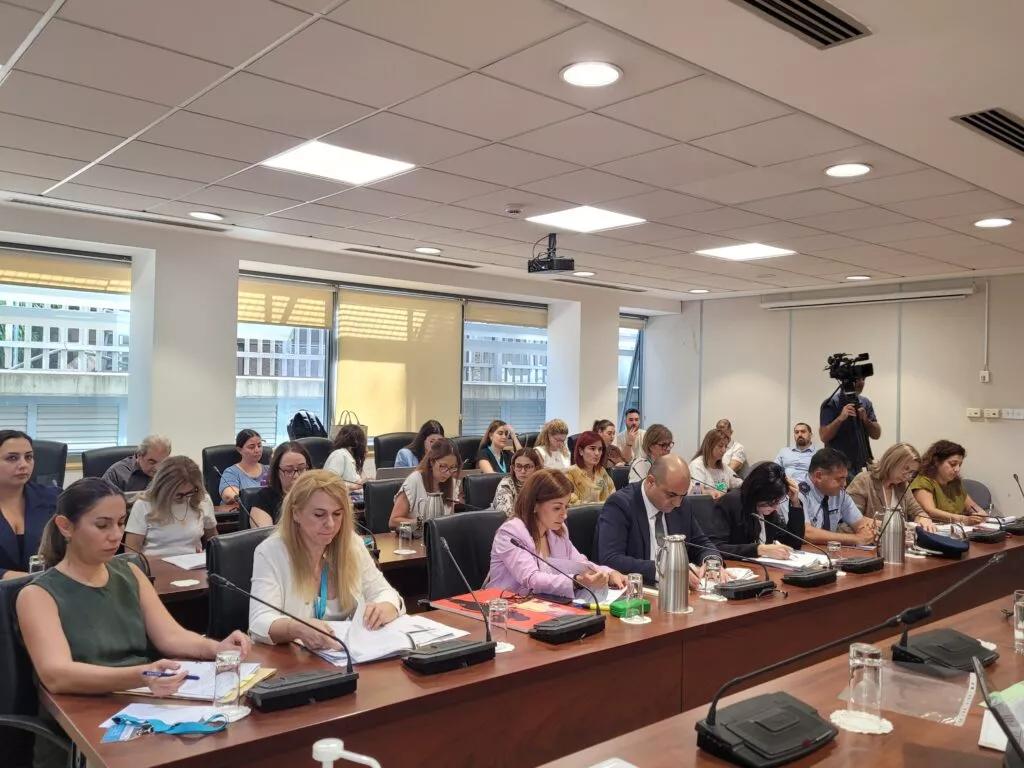
    A bill to integrate gender equality into the executive, legislative and judicial elements in the public and broader public sector was discussed at the House legal affairs committee on Wednesday.

    • A bill to integrate gender equality into the executive, legislative and judicial elements in the public and broader public sector was discussed at the House legal affairs committee on Wednesday.
    • Ioannou articulated that society expects the House of Representatives to address serious issues, highlighting the complexity of integrating gender perspectives into legislation.
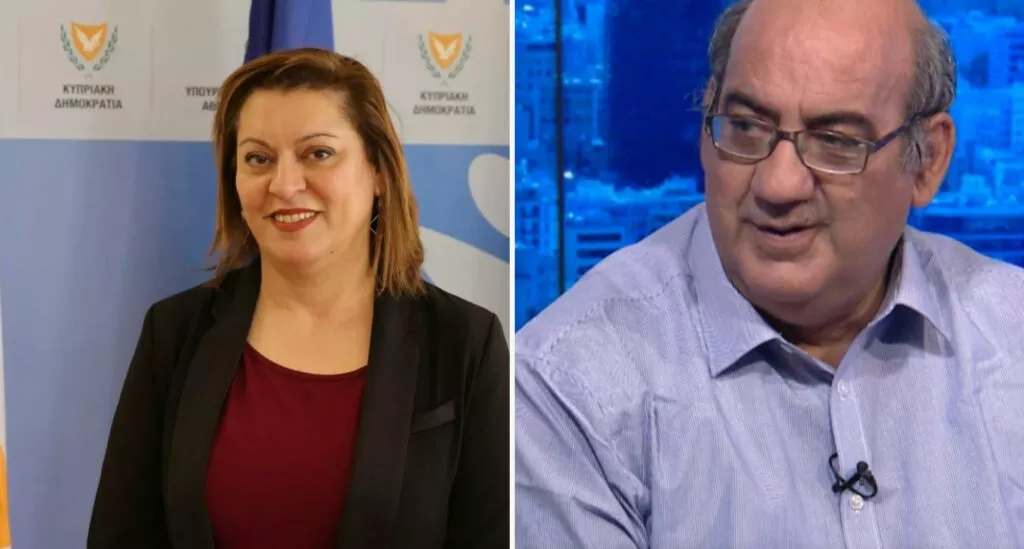
    Gender equality commissioner Josie Christodoulou underscored the necessity of addressing the different needs of women and men during her comments after the meeting. “Women and men have different needs, and we should take into account the different impact of every policy or action and every bill on women and men,” she stated.

    Christodoulou highlighted that ensuring equality needed to be a fundamental aspect of drafting legislation and policies to eliminate gender-based discrimination. She cited the example of single parenting and the specific needs of women with disabilities as critical considerations that the proposal, submitted by House president Annita Demetriou, aims to address.

    Commendable practices already adopted in Cyprus, such as yellow parking spots for pregnant women and families with strollers, were mentioned by the commissioner as examples of how local government is beginning to take these needs into account.

    Furthermore, the commissioner pointed to successful incorporation of gender dimensions in policy processes elsewhere, including Vienna, where improved street lighting at night has resulted in increased female employment within the municipality.

    Disy MP Fotini Tsiridou echoed Christodoulou’s sentiments, calling for the gender dimension to be included in future legislation and policies to achieve “substantive equality”. She emphasised the importance of these efforts in realising full equality between the sexes.

    On the other hand, Elam MP Sotiris Ioannou expressed concerns about the practicality of the proposals. He questioned how women would be effectively supported through the measures outlined. Additionally, he raised a point regarding the term “feminist legal thought” mentioned in the proposal’s explanatory memorandum, asserting his party’s belief that “gender is biological”.

    Ioannou articulated that society expects the House of Representatives to address serious issues, highlighting the complexity of integrating gender perspectives into legislation.

  • Cyprus Leaders Condemn Union Chief Over Sexist Remarks

    Cyprus Leaders Condemn Union Chief Over Sexist Remarks

    sexist remarks — sexist remarks — Cyprus’s ombudswoman and education minister have strongly condemned a teachers’ union leader following his controversial remarks about a woman changing education legislation for the first time in 50 years.

    • Stylianou-Lottides concluded that genuine progress requires more than just superficial gestures towards equality; it necessitates substantial actions aimed at protecting human rights.

    Education Minister Athena Michaelidou expressed her disappointment over the comments made by OELMEK President Demetris Taliadoros during a television programme. She stated that such sentiments are unacceptable in the education sector, a realm that should be at the forefront of combating sexism and stereotypes.

    Sexist remarks: Minister’s Strong Rebuttal

    Michaelidou highlighted the importance of fostering an environment of respect and equality, especially within educational institutions. “Education is the place par excellence for combating stereotypes related to sexism and every form of disrespect,” she asserted during her appearance on ANT1’s Mera Mesimeri programme. She questioned how a leader of a significant trade union could make such an assertion, acknowledging the commitment of teachers towards gender equality.

    Union Leader’s Controversial Comments

    The controversy ignited when Taliadoros remarked that some people wished to suggest that it was significant that a woman was finally changing legislation after decades. His comments were perceived as dismissive of the progress made in gender equality within the education sector.

    Michaelidou further noted that Taliadoros’s refusal to retract his statement was even more troubling. She emphasised that discussions about gender issues should be grounded in reasoned arguments rather than resorting to derogatory comments.

    Ombudswoman’s Perspective

    Maria Stylianou-Lottides, the ombudswoman, voiced her concerns in a written statement, criticising Taliadoros for revealing a troubling perspective on gender equality in the context of modern governance. She pointed out that even after significant milestones in women’s leadership globally, such as the tenure of prominent female figures in Europe, outdated attitudes persist.

    Stylianou-Lottides remarked, “In 2025, after Gandhi, Thatcher, Meloni, after two women are at the helm of the European Union, Mr Taliadoros came to expose the truth that was well hidden under the festive wrapping of equality.” Her comments illustrate a wider frustration with the ongoing struggle against ingrained sexist attitudes.

    Continuing Challenges in Gender Equality

    The ombudswoman further noted that despite Cyprus ratifying the Convention on the Elimination of All Forms of Discrimination Against Women (CEDAW) in 1985 and implementing laws against sexism, deeply rooted power imbalances continue to challenge progress. She called for collective action across different political and social groups to dismantle these inequalities.

    Stylianou-Lottides concluded that genuine progress requires more than just superficial gestures towards equality; it necessitates substantial actions aimed at protecting human rights.

  • Cyprus sexual — Cyprus Sexual Harassment Laws Lack Protection for Workplace Victims

    Cyprus sexual — Cyprus Sexual Harassment Laws Lack Protection for Workplace Victims

    cyprus sexual — Concerns about the inadequacy of Cyprus sexual harassment laws were raised during a House Human Rights Committee hearing on Monday, where parliamentarians discussed the pressing need for better protections for workplace victims.

    The hearing was prompted by recent reports from Phileleftheros detailing allegations of sexual harassment involving Education Ministry officials. In this case, a superior was cleared in a disciplinary investigation and subsequently promoted, despite now facing criminal prosecution.

    Eleni Kouzoupi from the Law Office highlighted the troubling provisions allowing cases of sexual harassment to be settled out of court, labelling it “absurd”. She argued that such inclusions in legislation are fundamentally flawed and fail to address the complexities of different employment relationships, especially in sectors that often fall into grey areas.

    Nasia Dionysiou, representing the Ombudswoman’s office, outlined the existing administrative gaps, stating, “It took us 15 years and a conviction to establish a Code”. However, she noted that the Code lacks the power to enforce responsibilities, serving merely as an informational tool for employers and employees. When a complaint is lodged, minor cases can be resolved internally if the victim consents, but if not, disciplinary proceedings are initiated.

    Dionysiou pointed out that sexual harassment was not even acknowledged in public service until her office intervened. In a recent incident, her office recommended disciplinary action after uncovering improper investigation procedures and called witnesses to testify due to concerns about how evidence was initially managed.

    Questioning the Education Ministry’s handling of the recent case, Dionysiou remarked, “How do we proceed? The Education Ministry tells us they are awaiting the Law Office’s position. But right now the legislation is being violated and the Ministry is committing an offence.” This highlights the urgency for legislative reform and proper enforcement mechanisms.

    Labour Minister Yiannis Panayiotou defended the existing framework, asserting, “If victims remain exposed, then policy has failed”. He expressed confidence in the direction authorities are taking and emphasised the need for collective protection without undermining the criminal and employment laws. Panayiotou noted that 80% of citizens are now employed, a figure bolstered by the integration of women into the workforce, which has reached a participation rate of 75%.

    In response to the growing concerns, the Labour Department initiated an investigation into the handling of sexual harassment complaints in workplaces. Labour Department Director Alexandros Alexandrou reported that over the past three years, only ten complaints were received: four in 2022, one in 2023, and five in 2024, all of which were investigated.

    Trade union representatives voiced their frustrations regarding the complex and often intimidating procedures faced by victims. A representative from PASYDY described the procedures as “labyrinthine”, while representatives from the Isotita union called for improved protection for employees. Christina Kaili from the Mediterranean Institute of Gender Studies underscored the necessity for modernising procedures and establishing clear protocols to support victims.

    Parliamentarians expressed their condemnation of workplace sexual harassment. AKEL MP and committee vice-chairman Giorgos Koukoumas characterised such harassment as a form of gender-based violence and discrimination, citing examples like unwanted touching and harassing messages. MP Alexandra Attalides labelled sexual harassment as the worst form of workplace harassment and stressed the importance of allowing victims to report incidents safely without fear of retaliation. She also noted the vague responses received from the Labour Ministry following parliamentary questions submitted in August 2024.

    MP Rita Superman acknowledged the seriousness of the issue, pointing to the discrepancies between legislation and its implementation. She questioned why sexual harassment is not treated as a criminal offence from the outset, calling for urgent legislative reforms to better protect victims in the workplace.